What Causes It Around Here
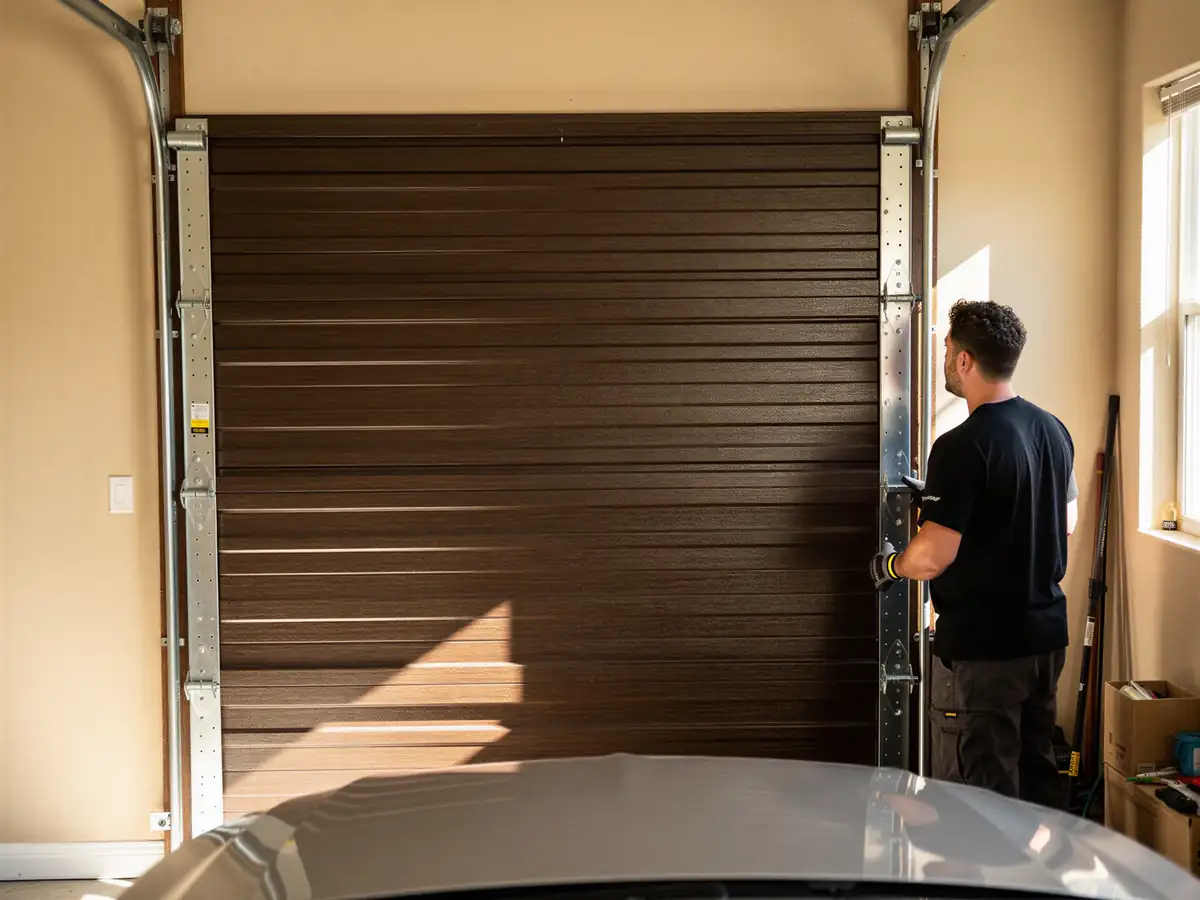
Walnut Creek's service area median build year is 1972, but Orinda's housing runs older than that on average, closer to 1961. That decade-plus gap matters more than it sounds. Doors installed in the early 1960s were hung on steel track that's narrower and more tightly curved at the radius than what came standard later in the stock. Original steel rollers on that older track wear their stems down faster because the radius forces more side-load on the roller shaft every time the door opens. By now, on an un-replaced setup, that track has usually seen sixty-plus years of stem wear, and the stems have usually been bent at least once. Add the mild temperate climate here, which doesn't crack grease or warp wood panels the way a harsher climate would, and you get a different failure pattern than you'd expect in a newer build: the track itself is original more often than the opener is, and it's often slightly out of plumb from decades of small shifts. A roller swap on this stock isn't just drop-in parts. It's usually a quick track gauge check first, because new nylon rollers in bent steel track will bind within a season no matter how good the roller is.
The Symptom
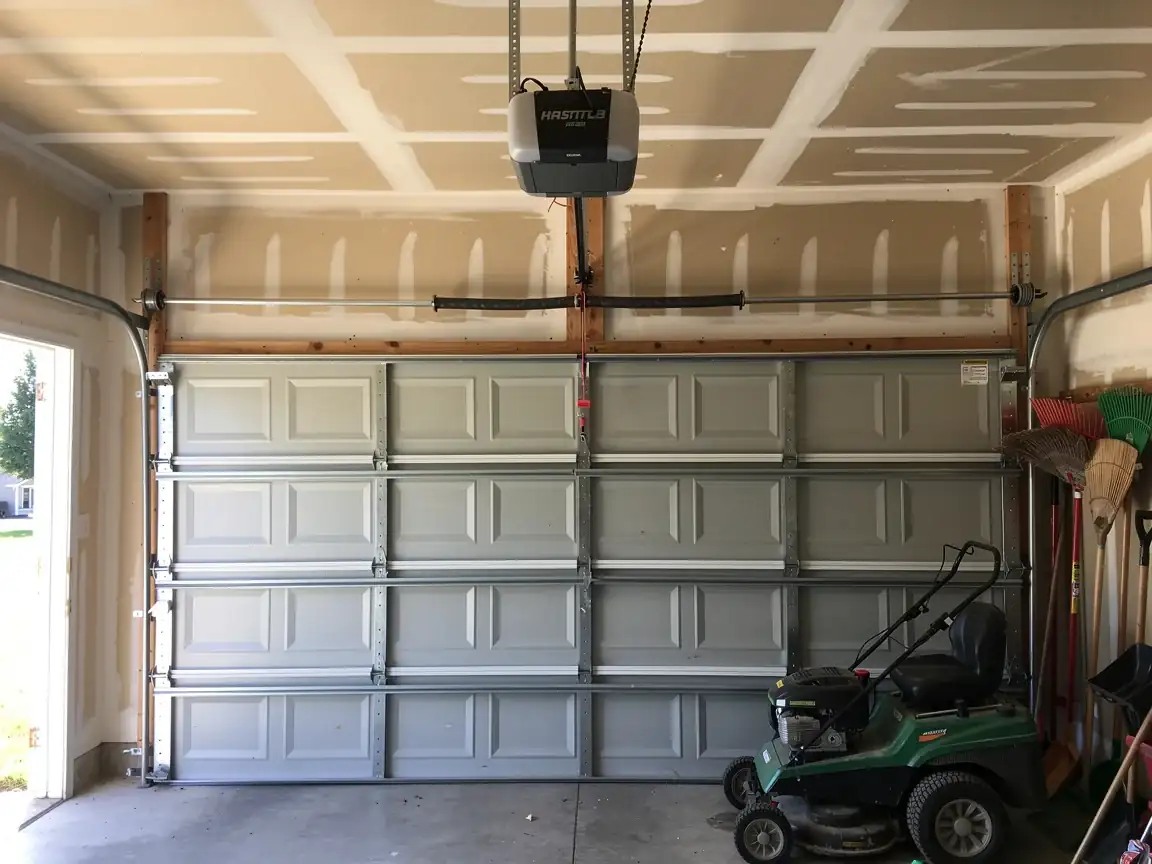
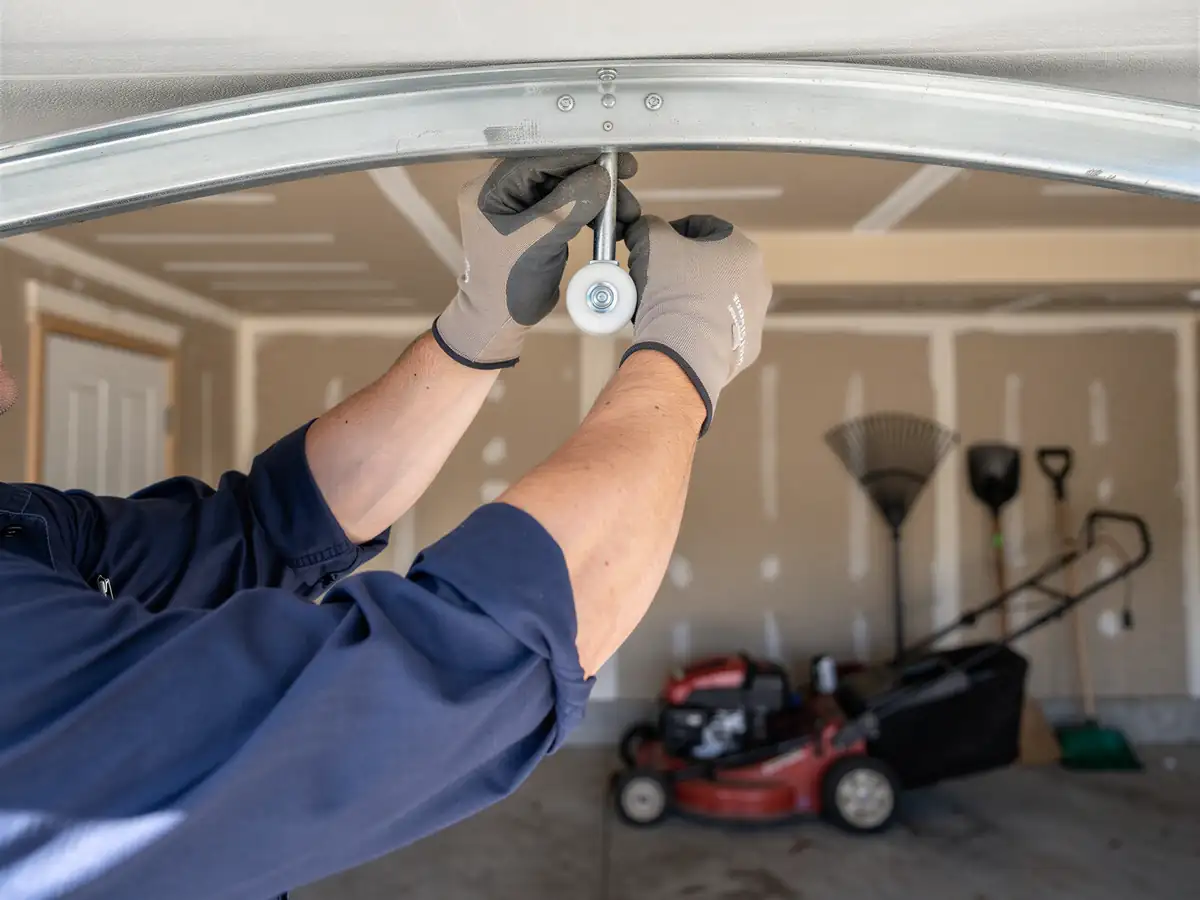
The sound comes first, usually a grinding or rumbling that gets louder as the door nears the top or bottom of its travel, where curved track puts the most load on the roller stem. On original 1960s-era steel track, you'll often also feel the door catch slightly, a small hesitation rather than a smooth glide, right at the curve. That hesitation is the stem flexing in a roller that's lost its bearing or worn down to bare metal on metal. If you see flat spots on the roller wheel itself when the door's open, the roller's done, not just loose. One thing worth knowing: if the track itself is bent rather than just worn rollers, swapping rollers alone won't fix the noise, and we'll tell you straight if that's what we're looking at rather than sell a roller job that won't hold.
Doing It Yourself
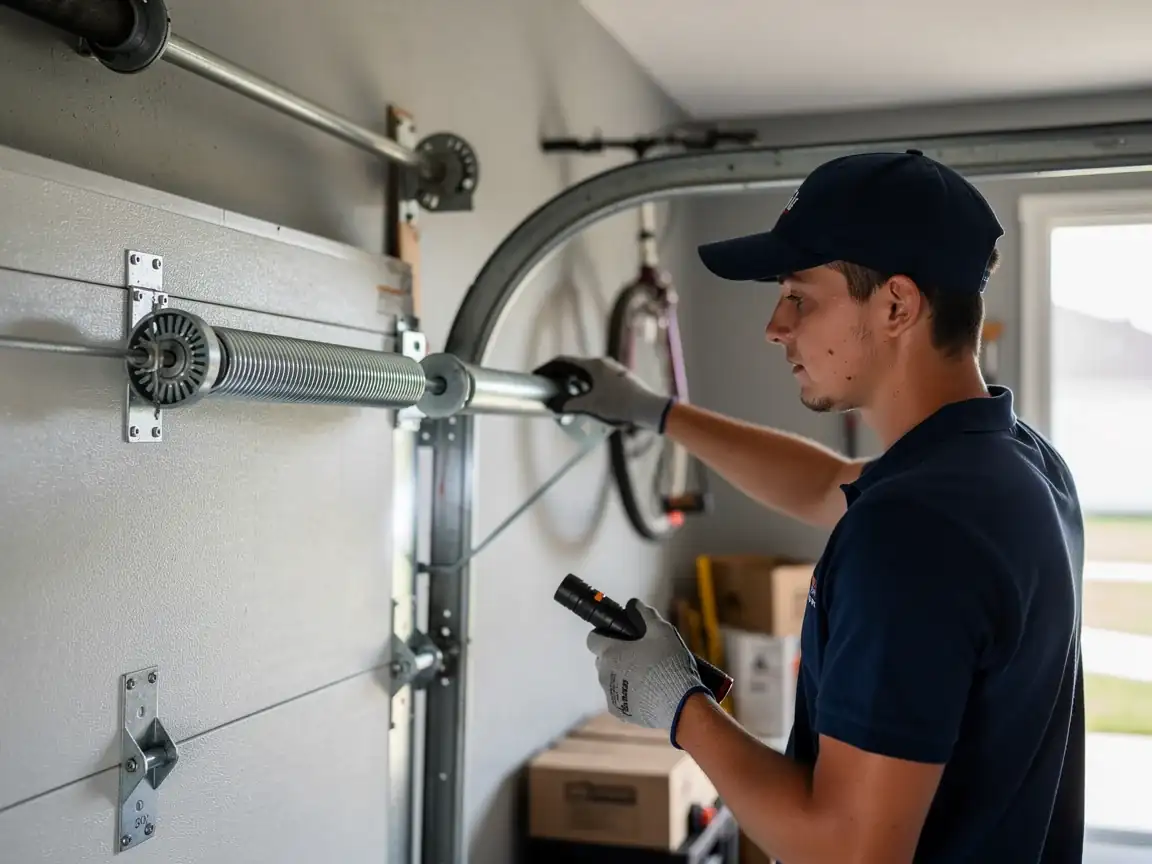
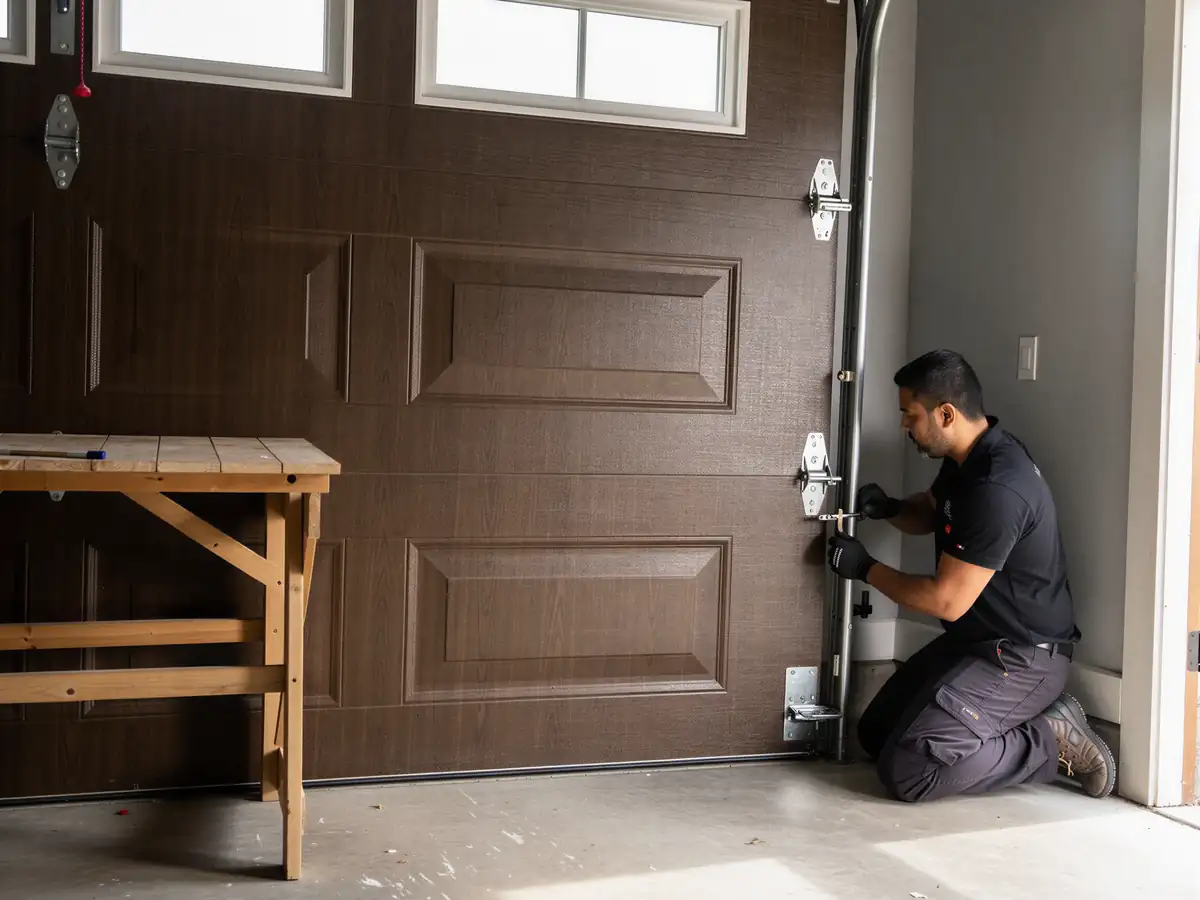
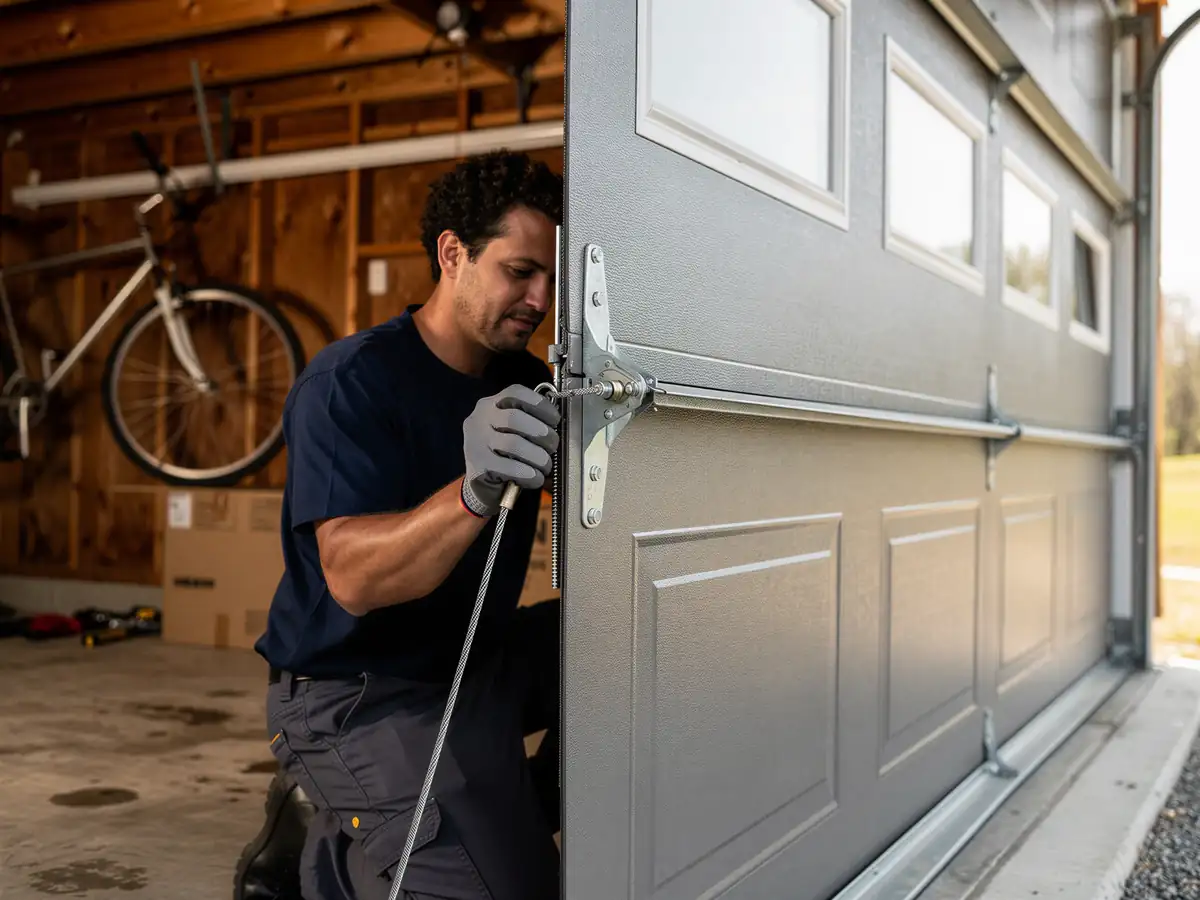
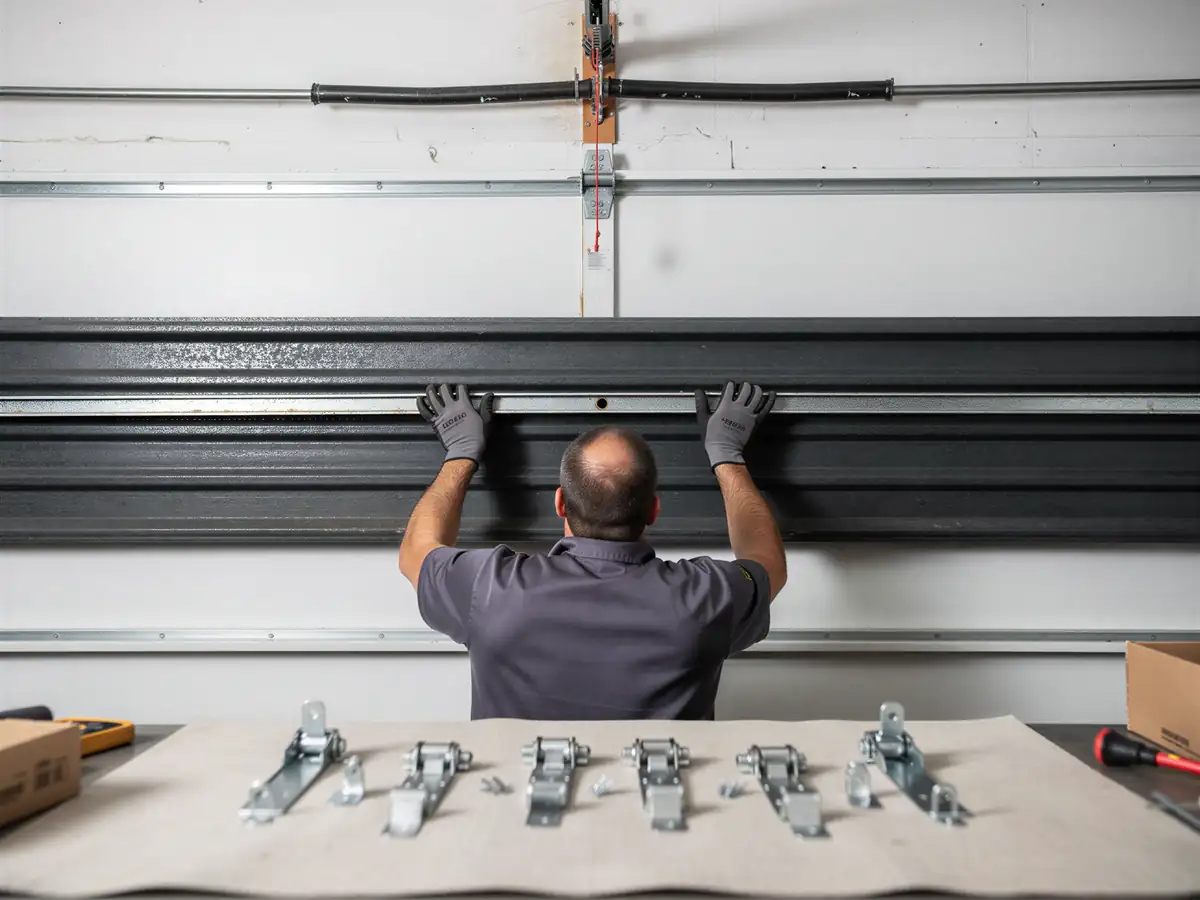
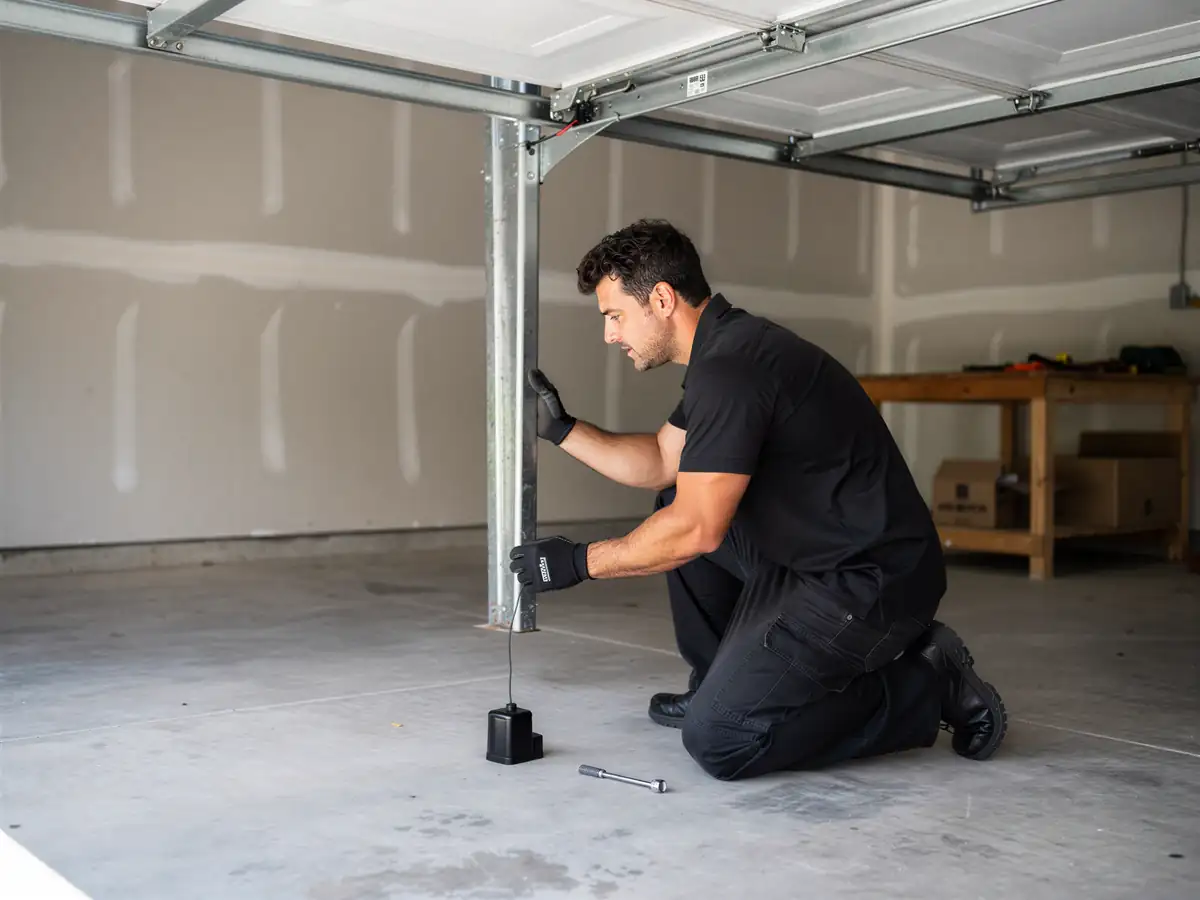
Swapping a single nylon roller on the bottom bracket of a garage door is within reach for a handy homeowner, and the parts are cheap at any hardware store. Where it gets risky fast is anywhere near the vertical track sections or the rollers closest to the spring side, because those brackets carry cable tension and a slipped cable under load can whip. On original steel track from the early 1960s, the bigger issue is that the roller size and stem length aren't always a standard modern fit - we've seen stems that need trimming or track that needs a spacer. If you're swapping more than one or two rollers, or any roller within a foot of the top bracket, that's where we'd rather you call than improvise.