What Causes It Around Here
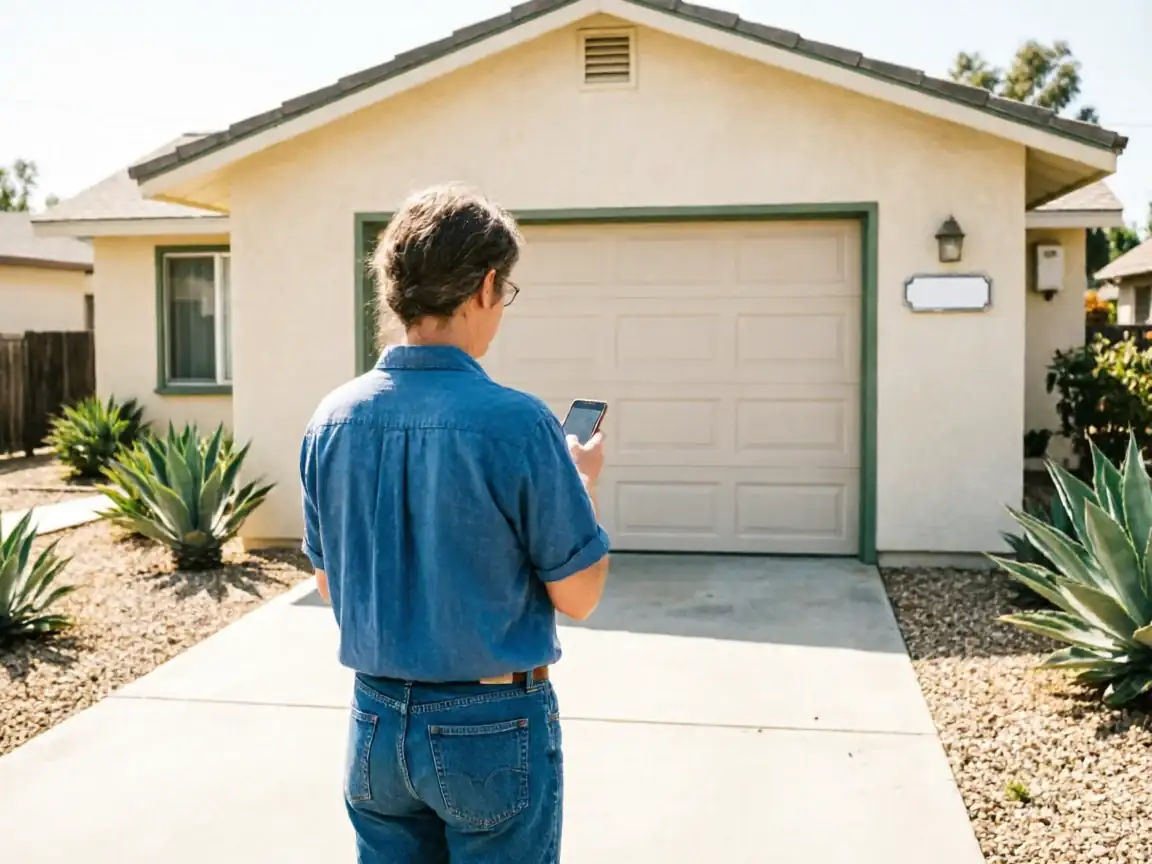
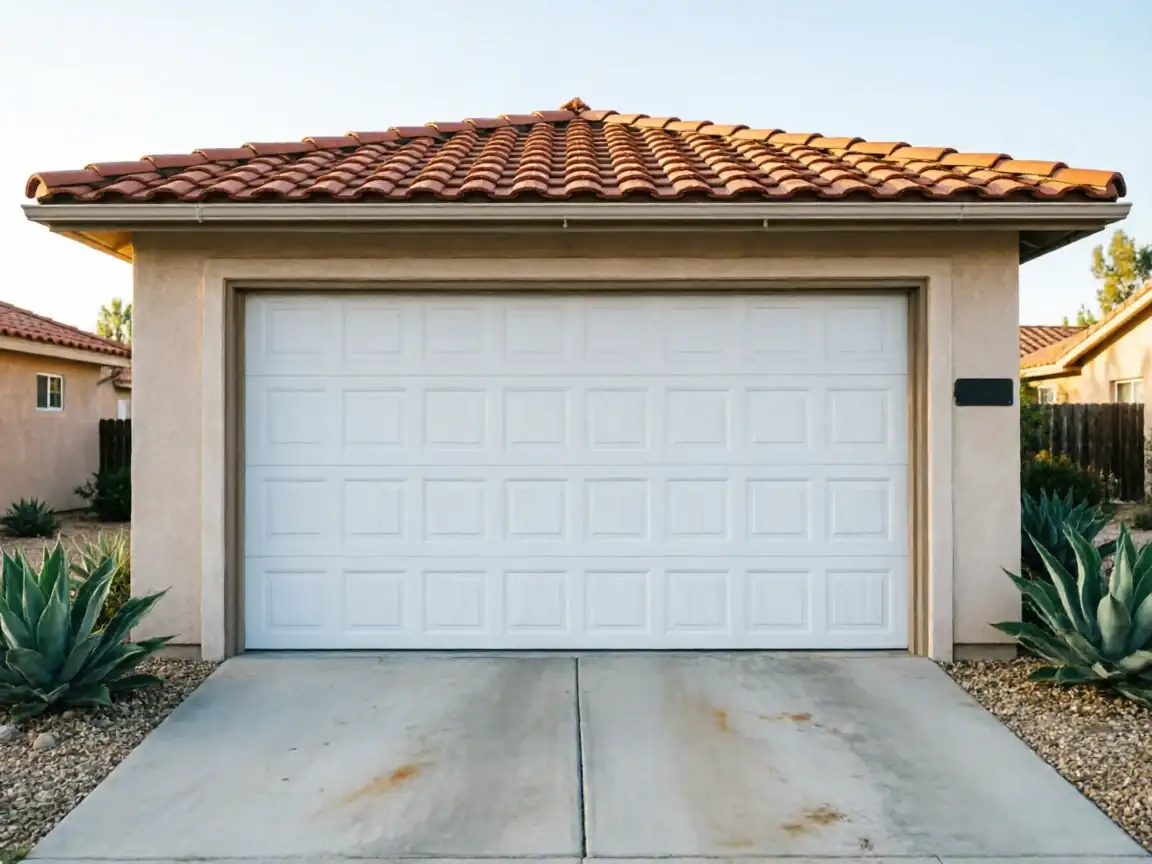
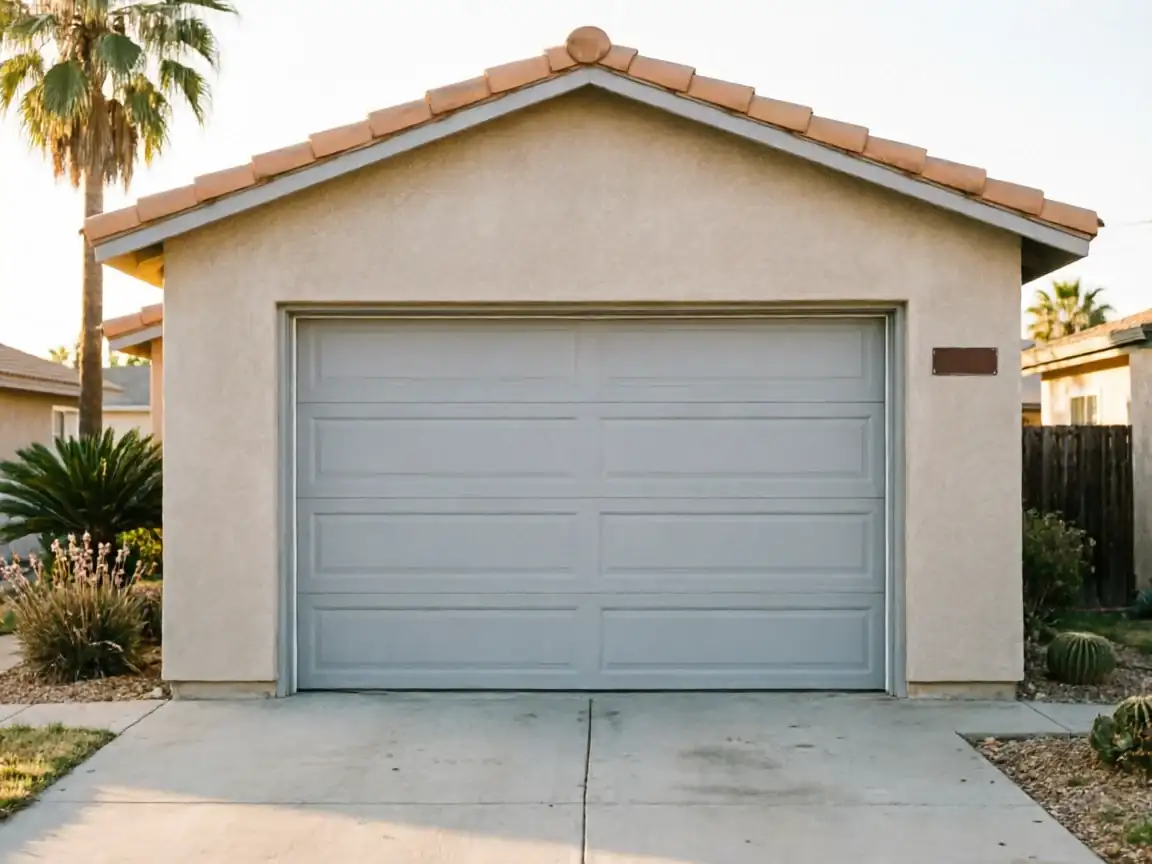
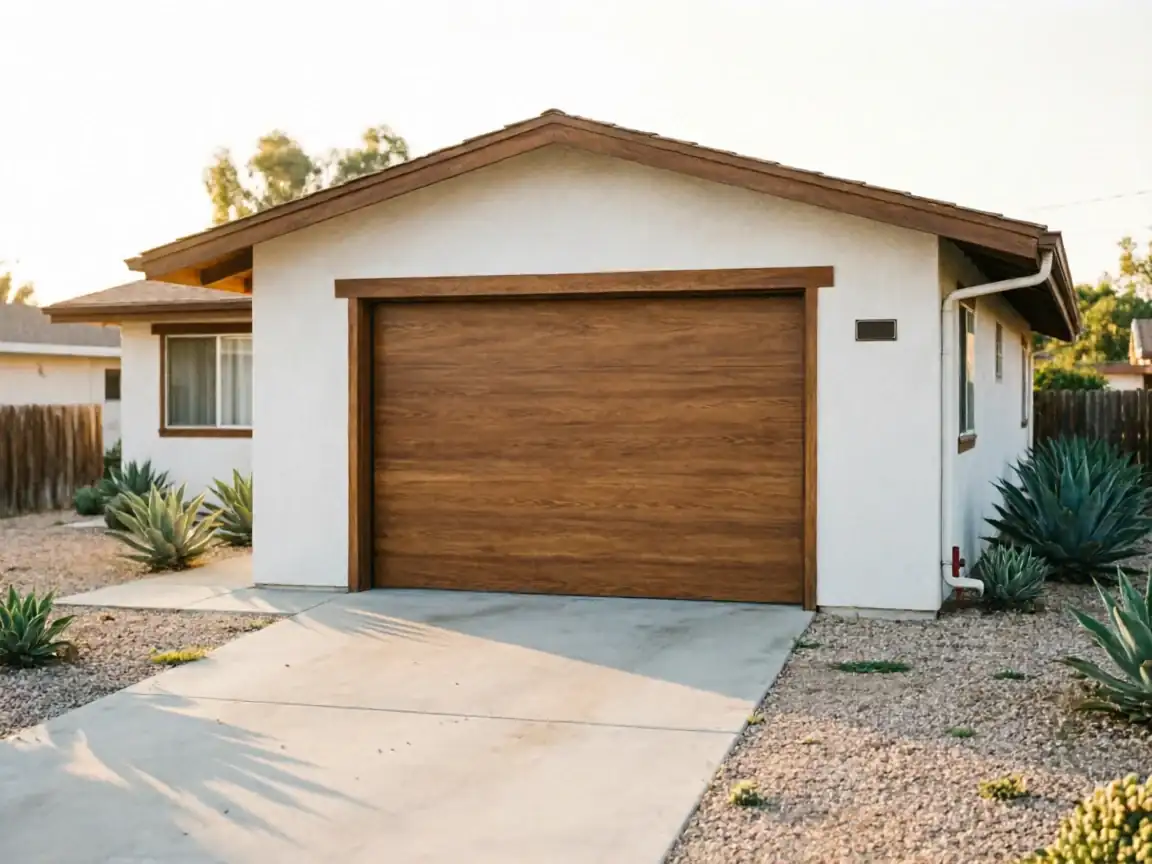
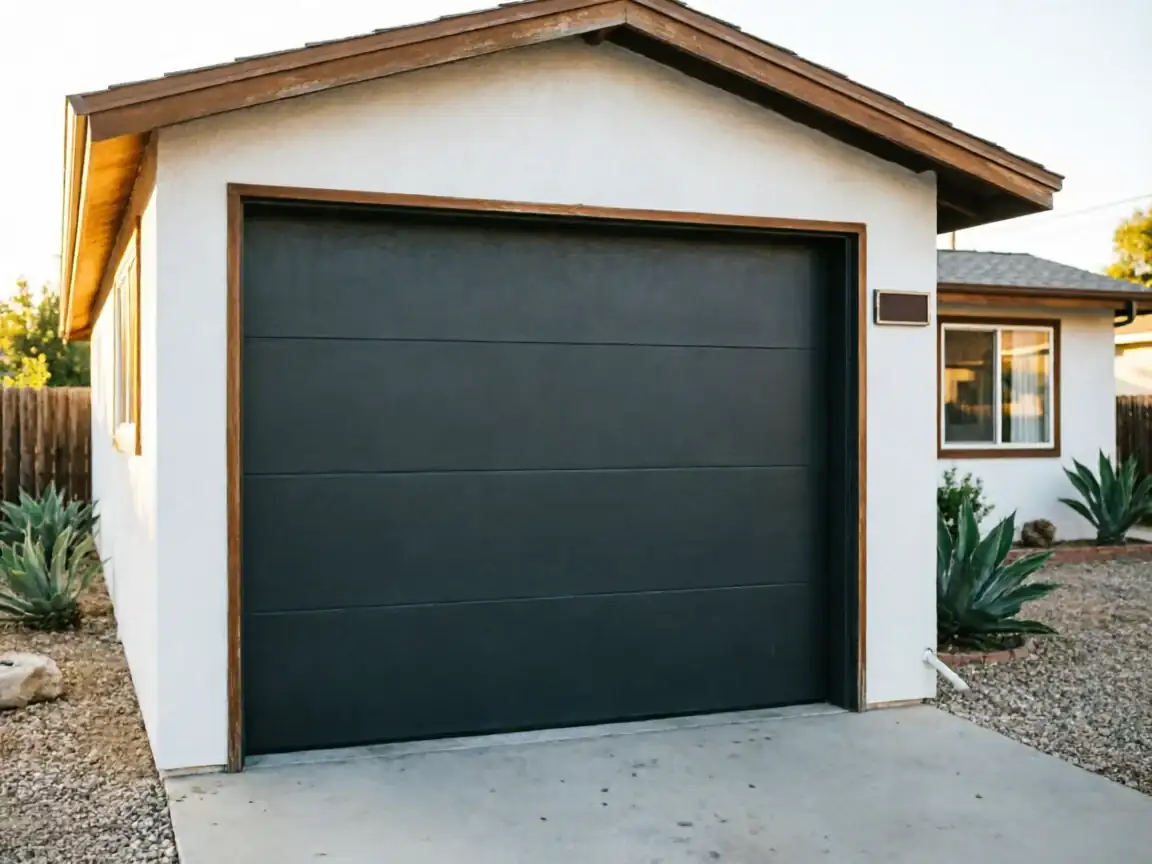
Most of the garage doors we're asked to replace in Walnut Creek aren't broken so much as worn out. Housing here was built mostly between 1938 and 2008, with the median closer to 1972, and across the 39 named areas in this part of the county the bulk of that stock went up in the 1960s and 70s. A door installed when a house was built in that window is now pushing fifty years old, well past the point where hardware, springs, and panel material are doing their job reliably.
The mild temperate climate here doesn't cause the kind of swelling, freezing, or storm damage that forces early replacement in harsher regions, so a lot of these original doors just age out slowly instead of failing all at once. That means homeowners often live with a door that's sagging, drafty, or cosmetically shot for years before they call anyone, because nothing has technically broken. By the time the opener starts straining or a panel cracks, the whole door - not just a part - is usually the right call.
Doing It Yourself
A single panel swap or a new weather seal is within reach for a handy homeowner
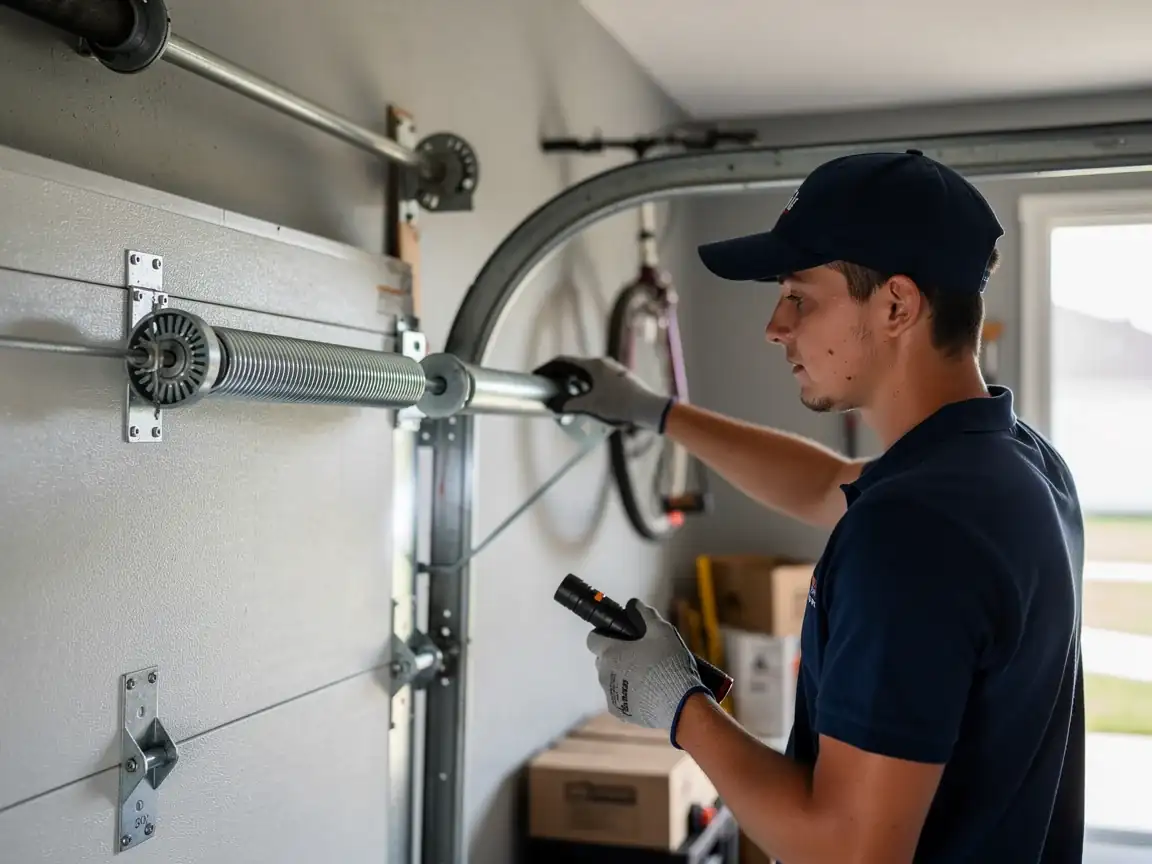
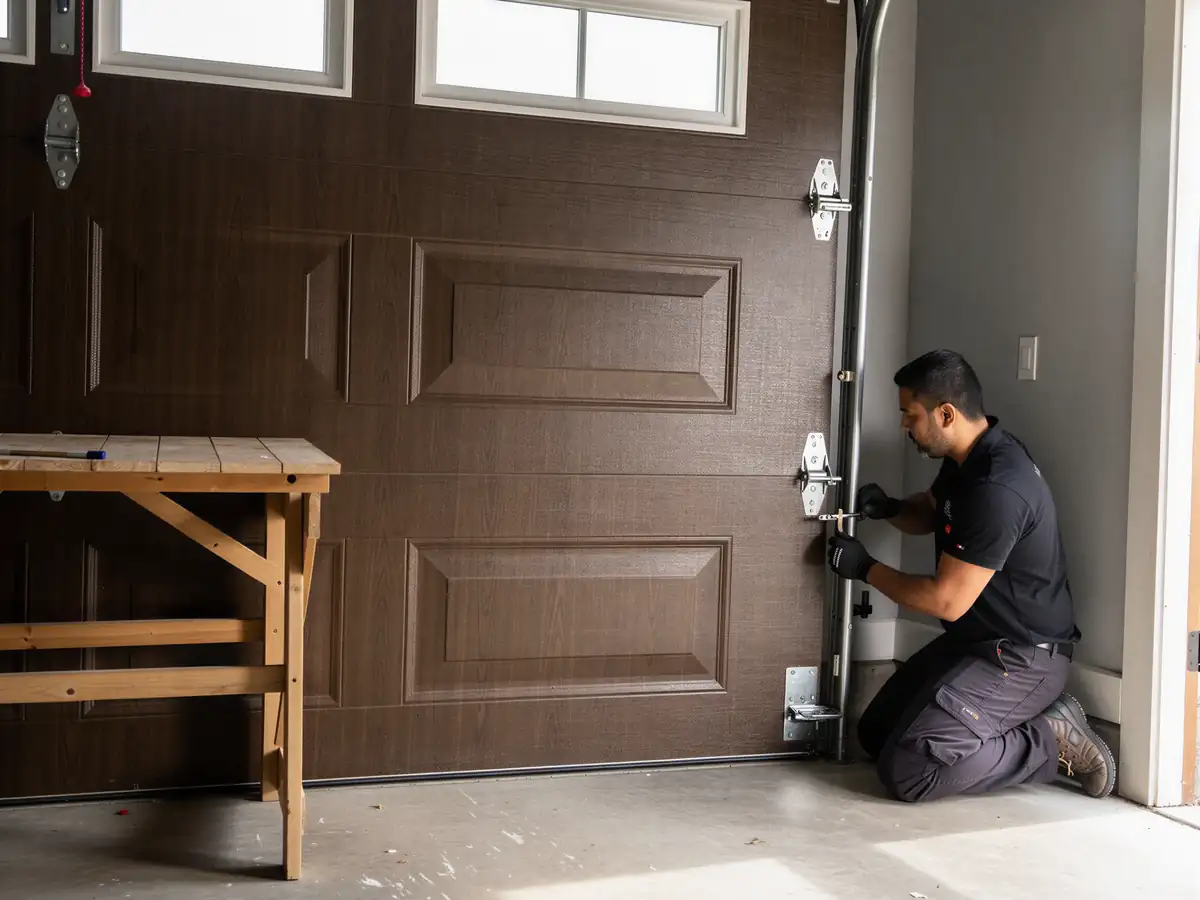
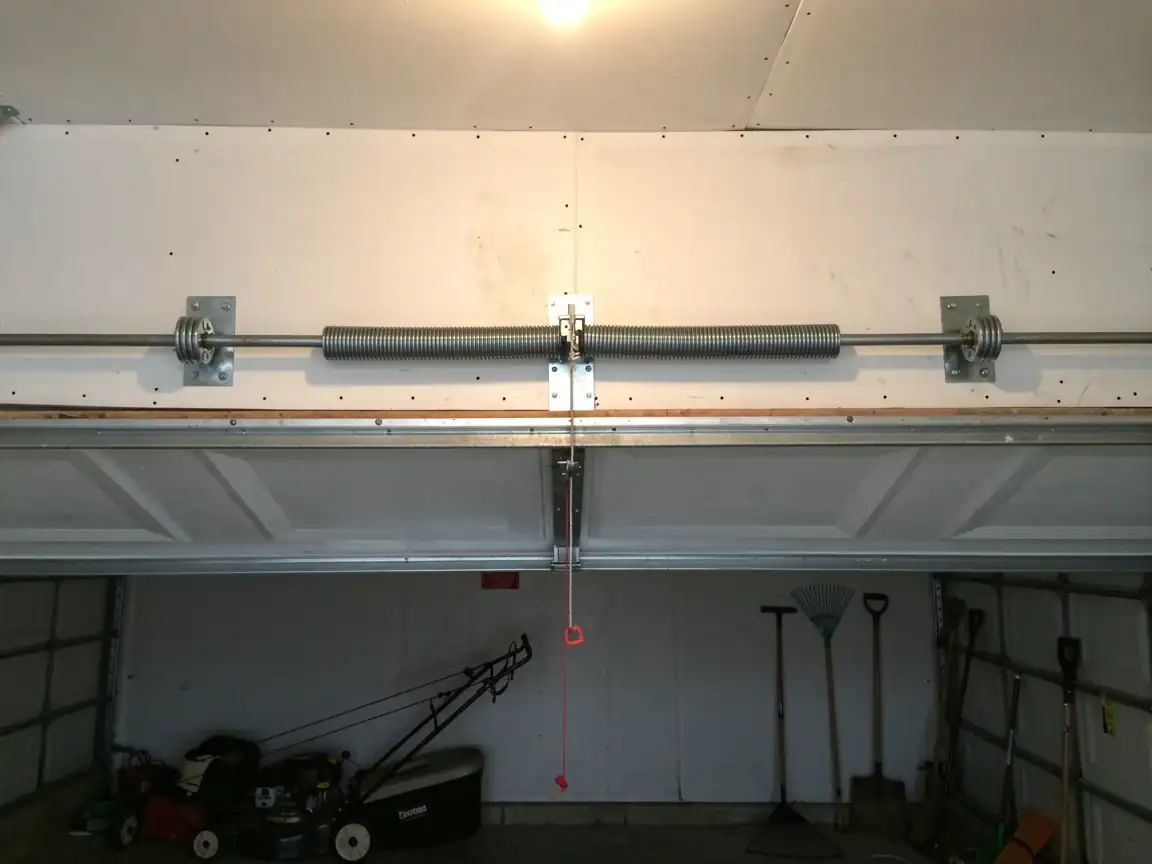
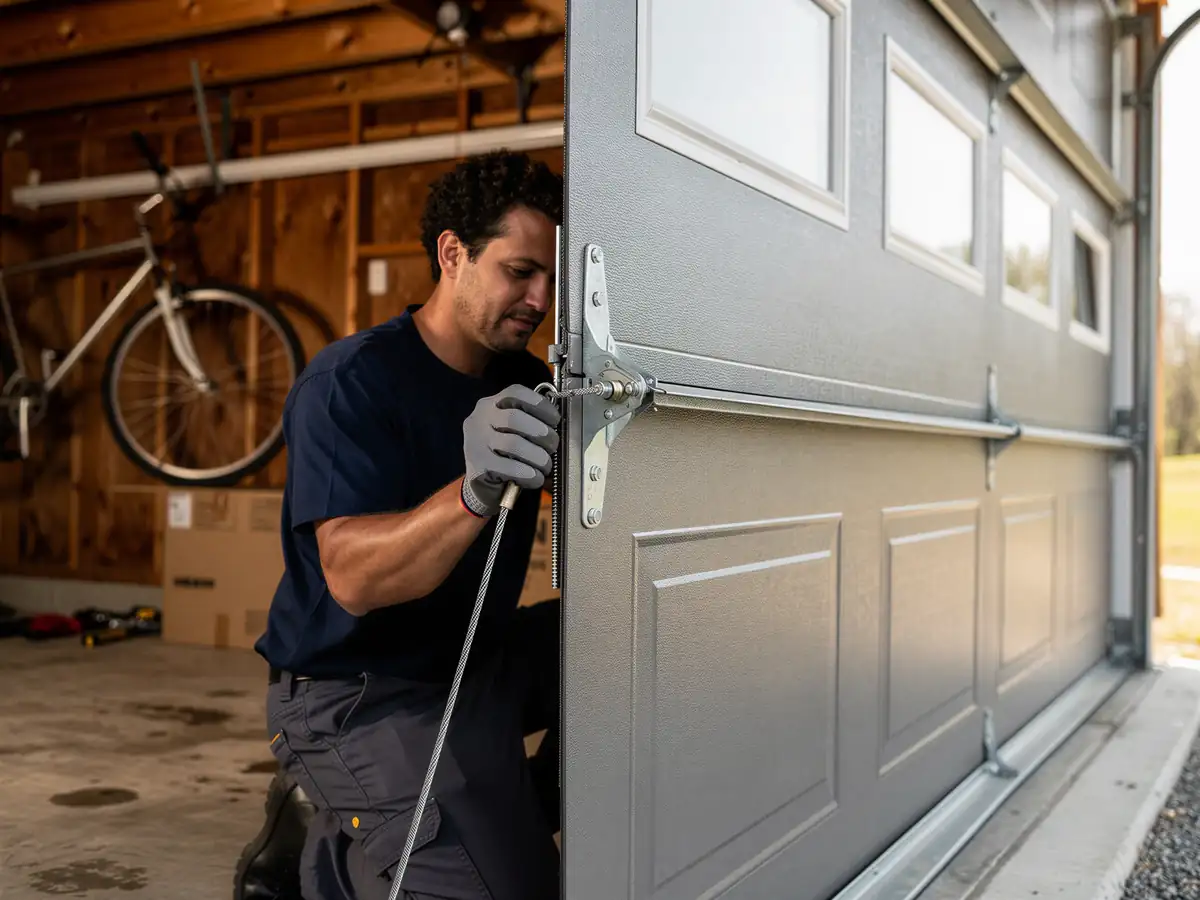
And we won't talk you out of it. Where DIY installation gets risky is with the door itself: torsion springs under tension, balancing a new door against an old track that's been shimmed and re-shimmed since the 1970s, and matching panel weight to an opener that was never rated for it.
On houses from this era, the opening itself is sometimes slightly out of square after decades of settling
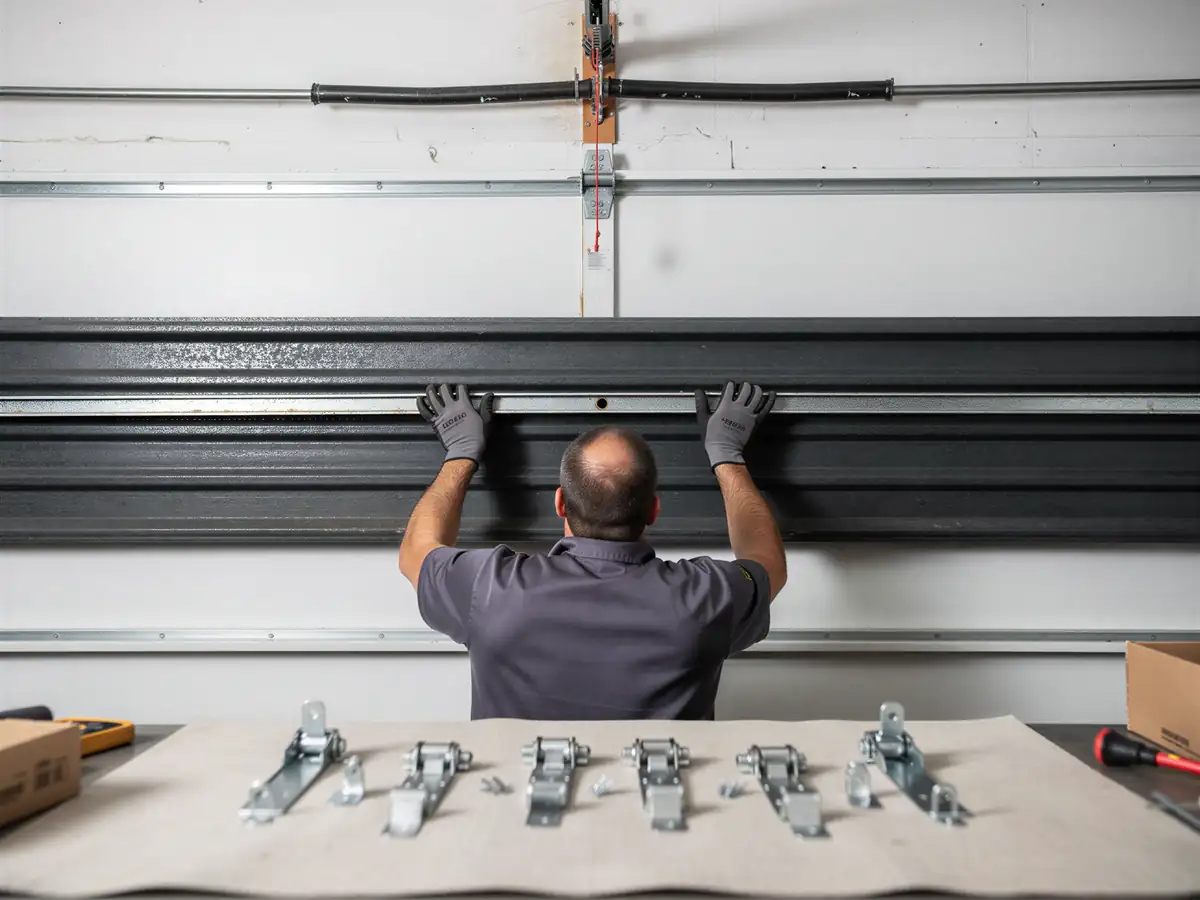
Which isn't something you find until the new door is halfway up the track. If you're set on doing the demo and prep yourself, that's fine - have us handle the install and spring calibration so the door is actually plumb and balanced when it's done.
The Symptom
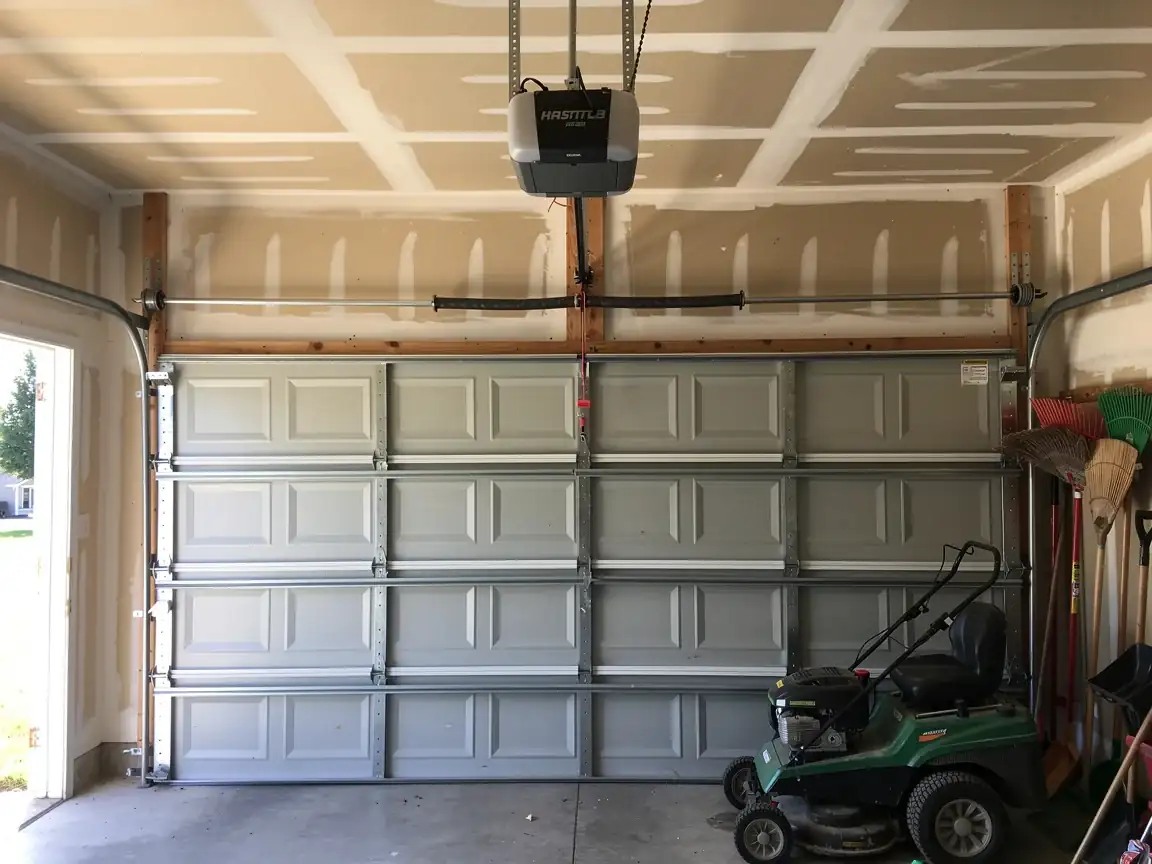
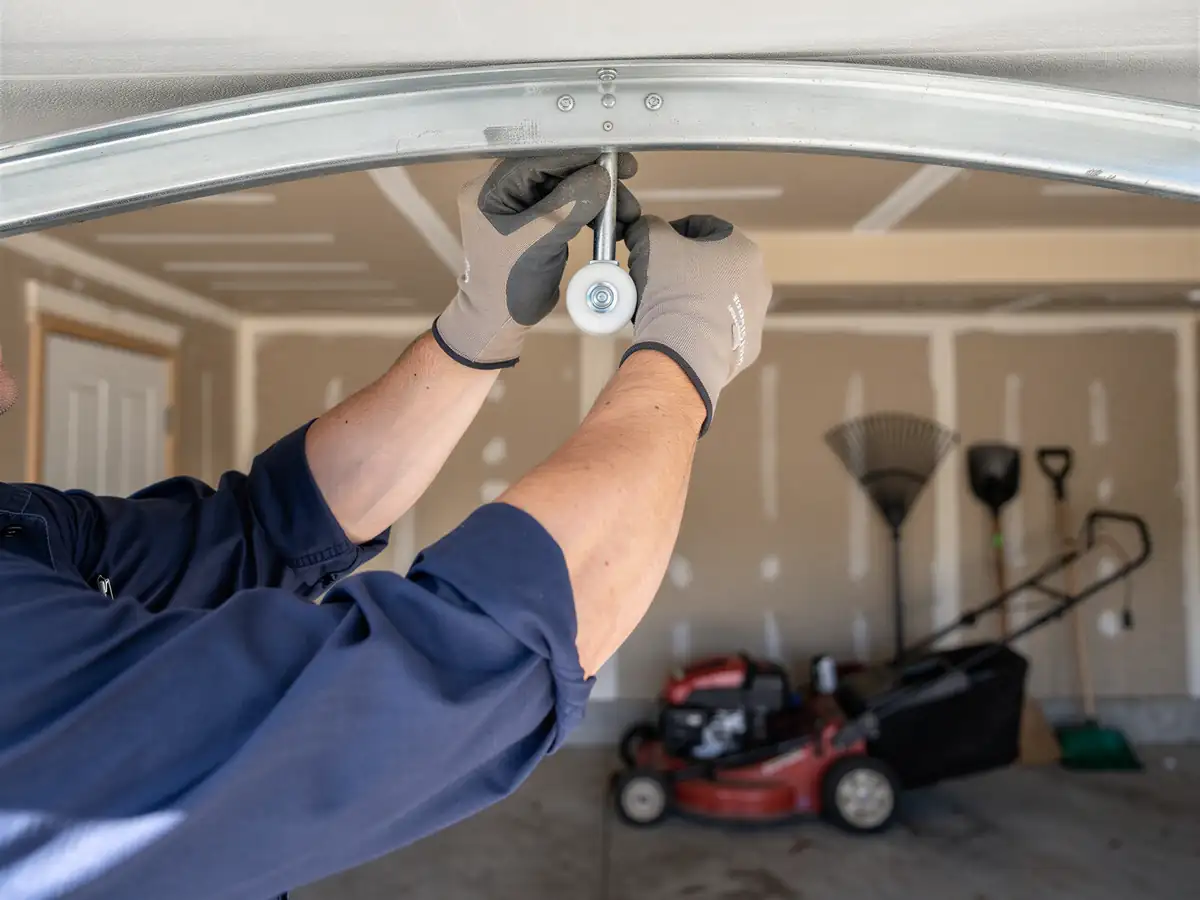
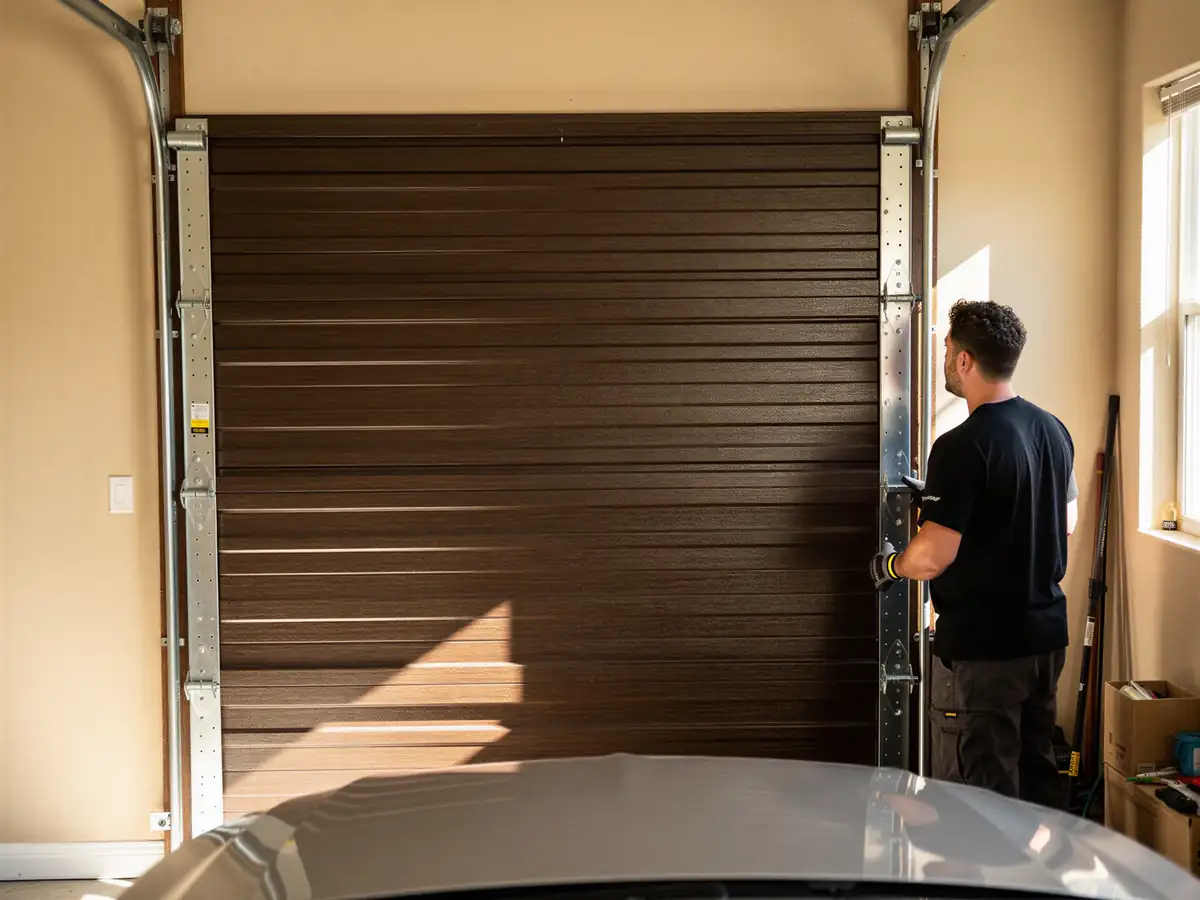
The signs that it's time for a new door instead of another repair are pretty consistent across Walnut Creek's older housing: the door is noticeably heavier to lift by hand than it should be, it leans or racks slightly in the track, daylight shows at the bottom corners, or the opener runs hot trying to compensate for a door that's no longer balanced. None of this is dramatic - the mild climate means you won't see the sudden failures that extreme heat or cold cause elsewhere - but the slow mechanical drift is real.
We also see a lot of single-layer, non-insulated doors from original builds that technically still open and close but do nothing for the garage's temperature or noise. If your door is original to a house built in the 1960s or 70s, it's worth having someone look at whether you're fixing a symptom or replacing an asset that's simply reached the end of its run.
How We Fix It
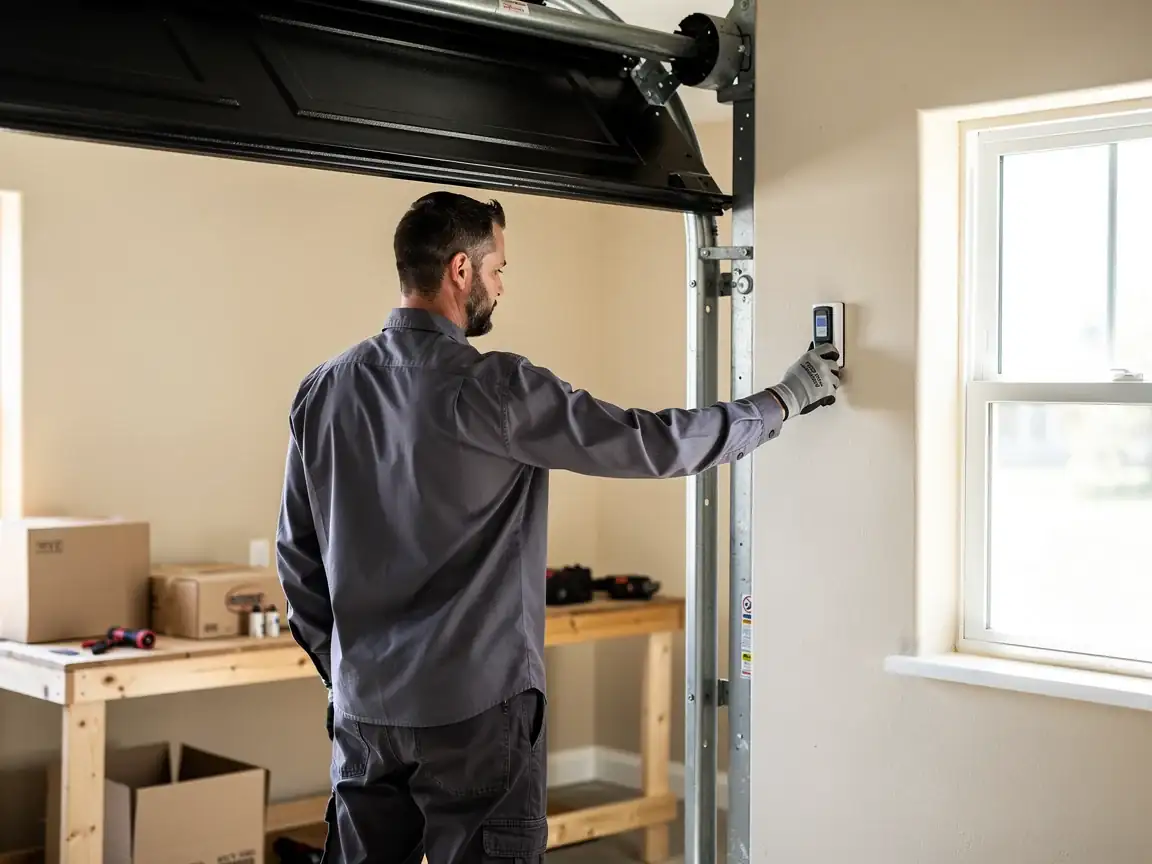
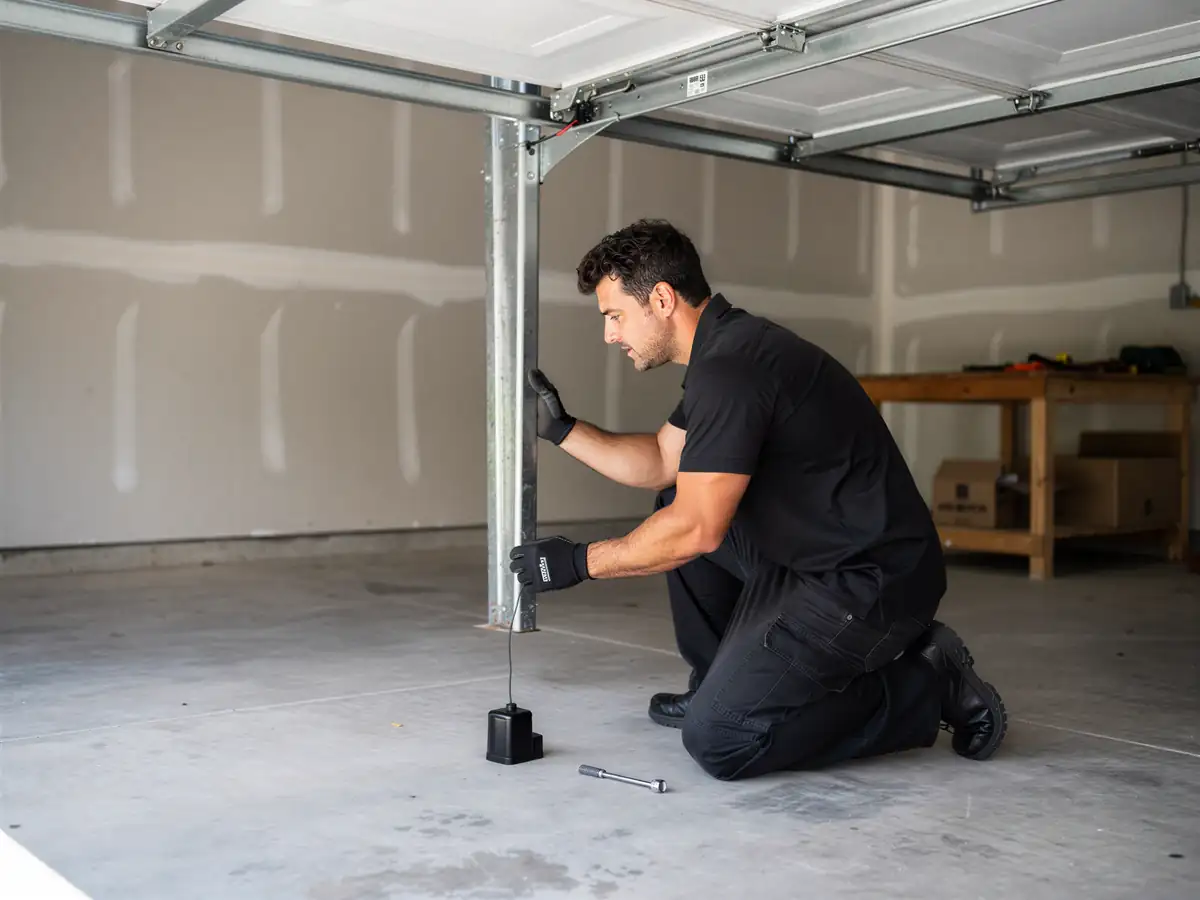
We measure the opening as it actually sits now, not as it was framed decades ago, since settling on older Walnut Creek homes can shift things slightly out of square. From there we size the door, spring system, and track hardware to match - including upgrading to double torsion springs on wider openings if the original single-spring setup was undersized to begin with.
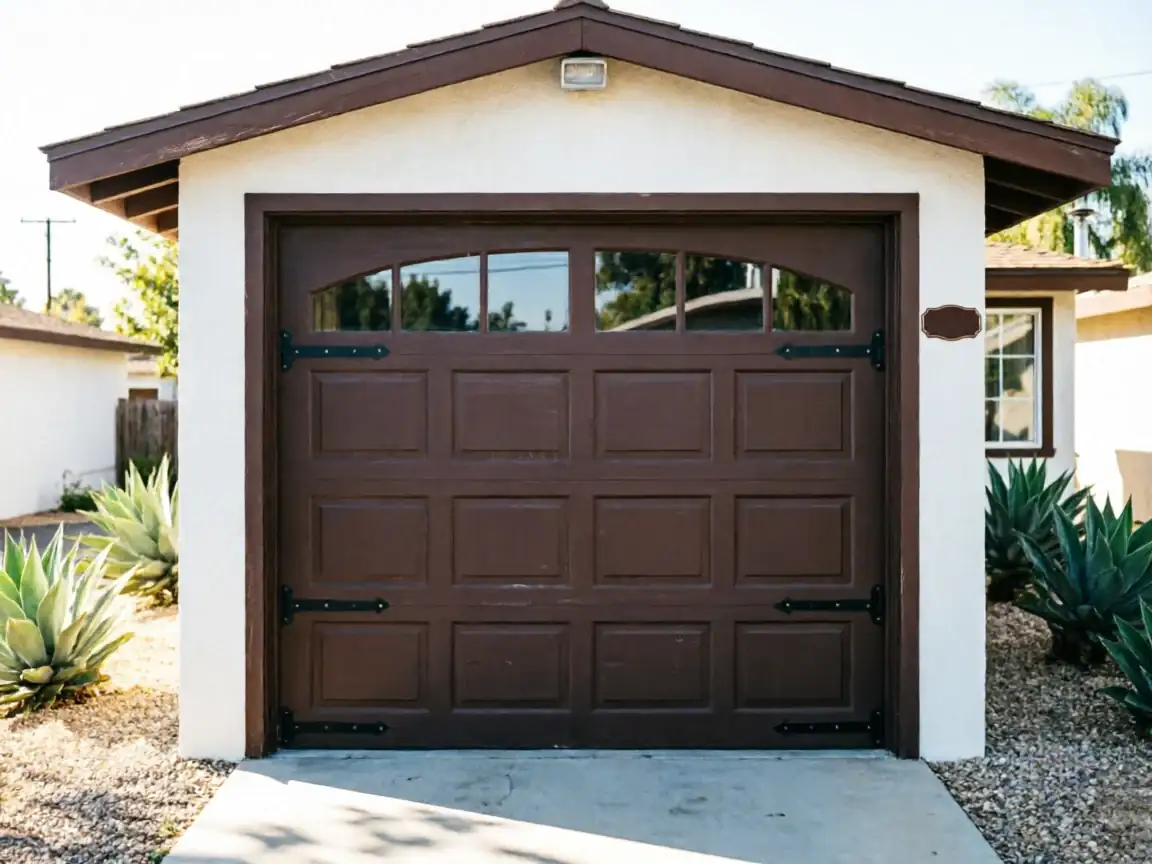
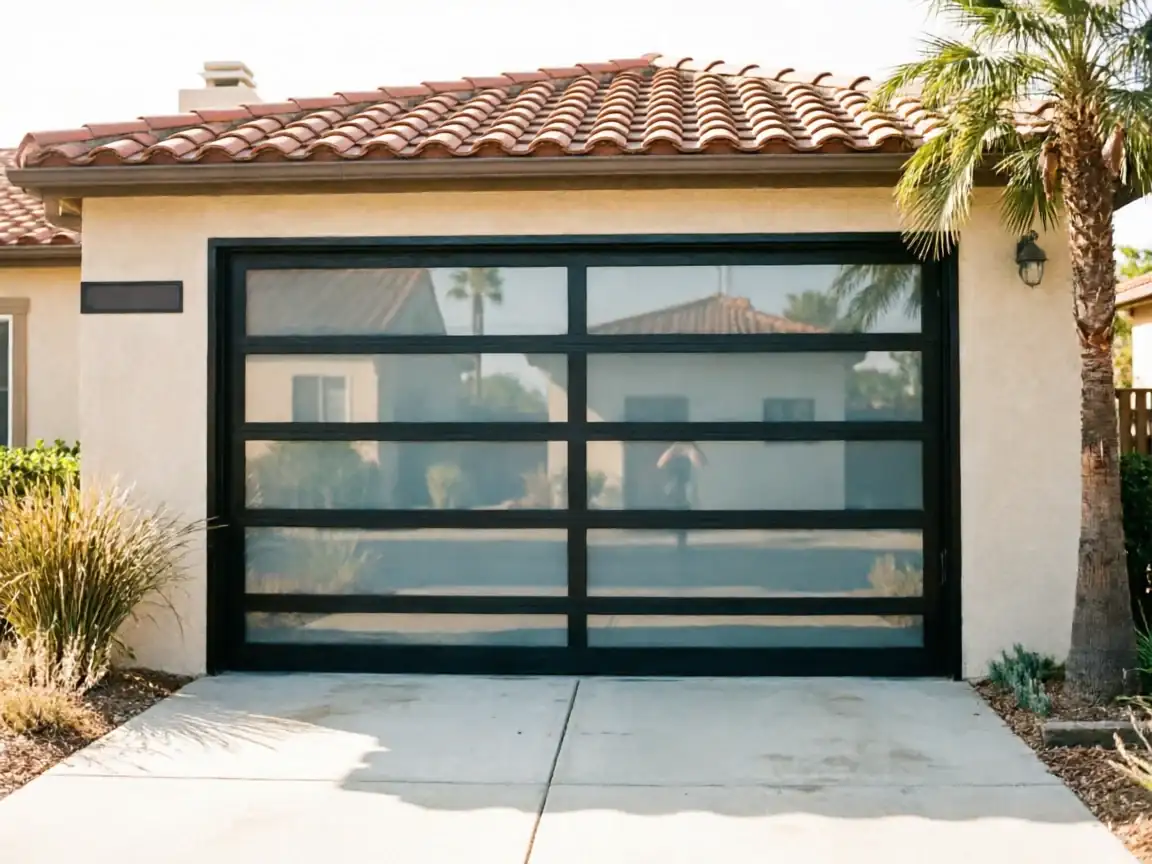
One honest limitation: certain custom panel styles and insulated options carry longer lead times from the manufacturer, so if you need something non-standard, expect the order to take longer than the install itself. We serve homeowners across the Walnut Creek area and nearby communities including San Miguel, Alamo, Pleasant Hill, Lafayette, and we size every installation to the specific house, not a generic template.