The Situation
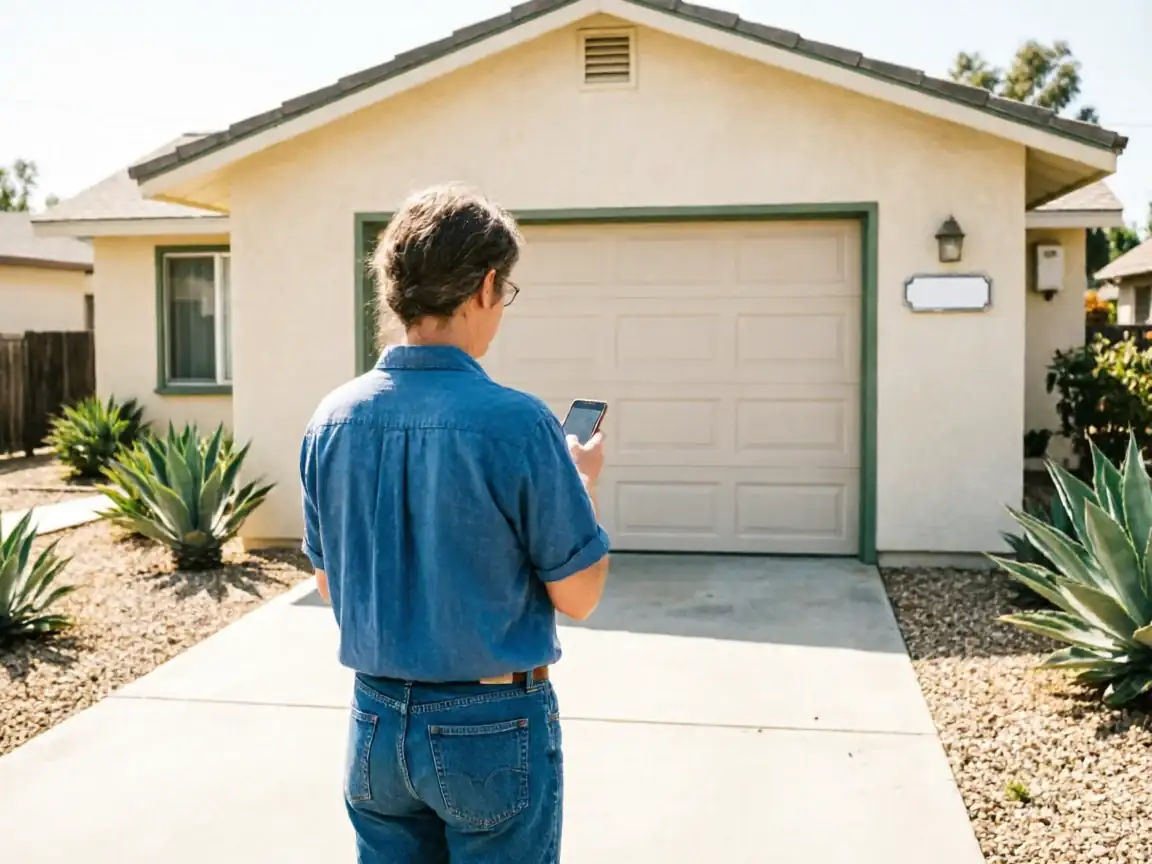
Walnut Creek homes run old, newer, and everything between. Houses here went up anywhere from 1938 to 2008, with the median landing around 1972, so a service call in San Miguel can mean a door built last decade or hardware that's been in the garage since before the current owner bought the house. We don't assume. A call starts with us figuring out which era of door and opener we're standing in front of, because the fix for a 2005 steel panel is not the fix for a 1965 one-piece slab.
Across the 39 named areas we cover, Pacheco to Pleasant Hill, the bulk of the stock sits in that 1960s-70s band. That matters because those houses were built with torsion or extension springs sized for doors that are now 50-plus years old, and a lot of that original hardware is still bolted in place, just tired. A service call on one of these is as much inspection as repair - we're checking whether the thing in front of us is worth fixing at all.
What to Check
On every call we walk the same list, in order
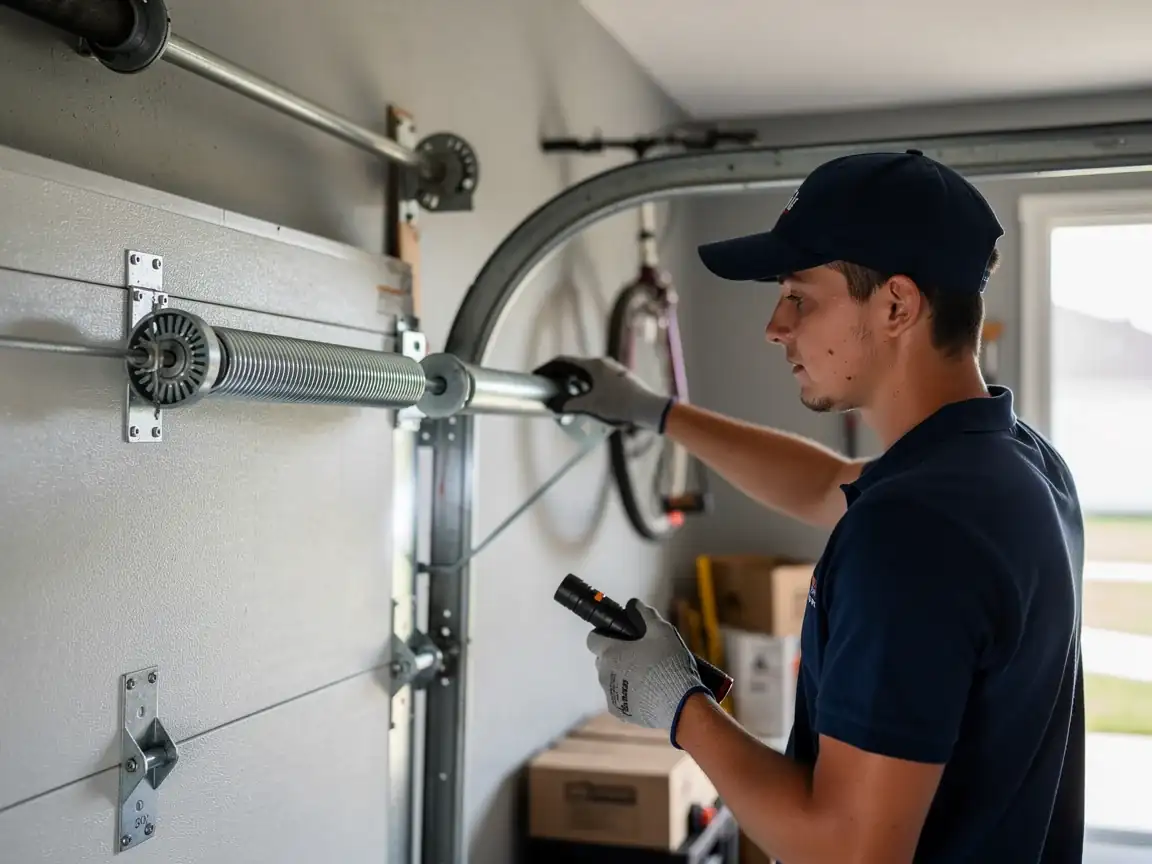
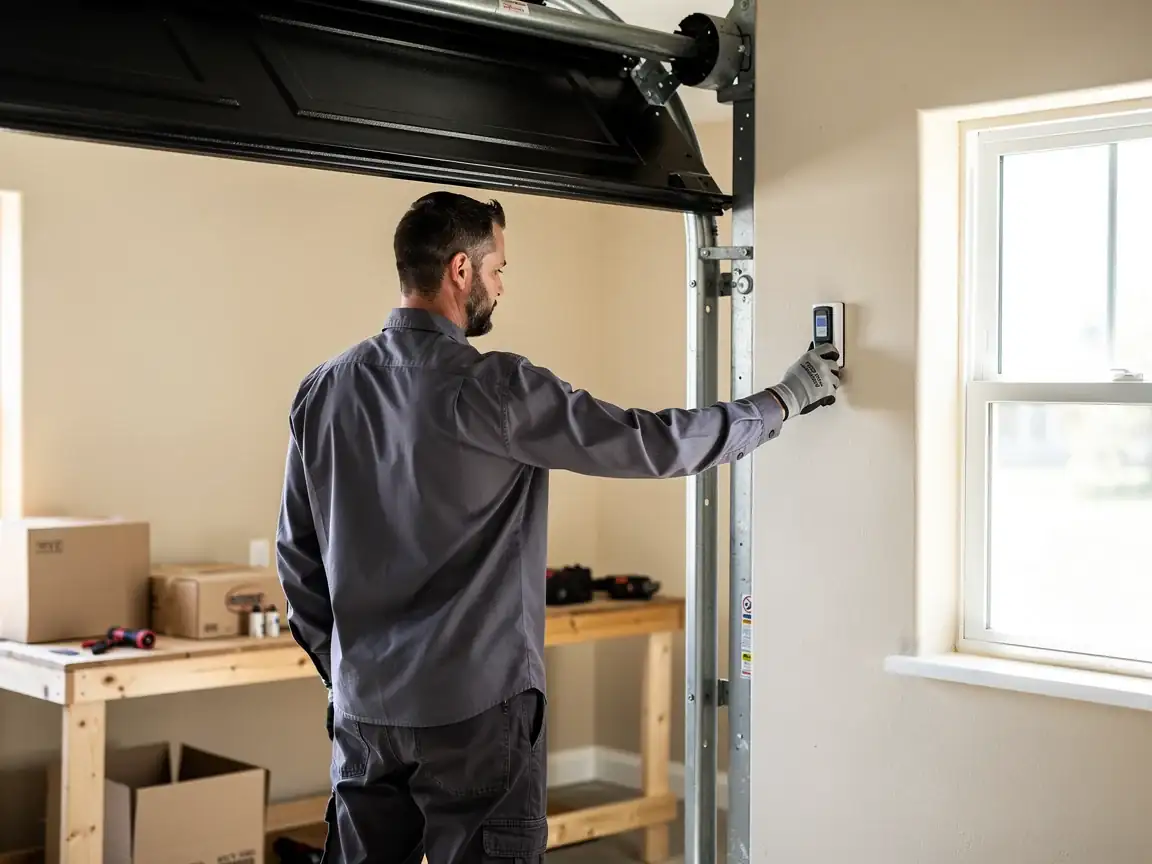
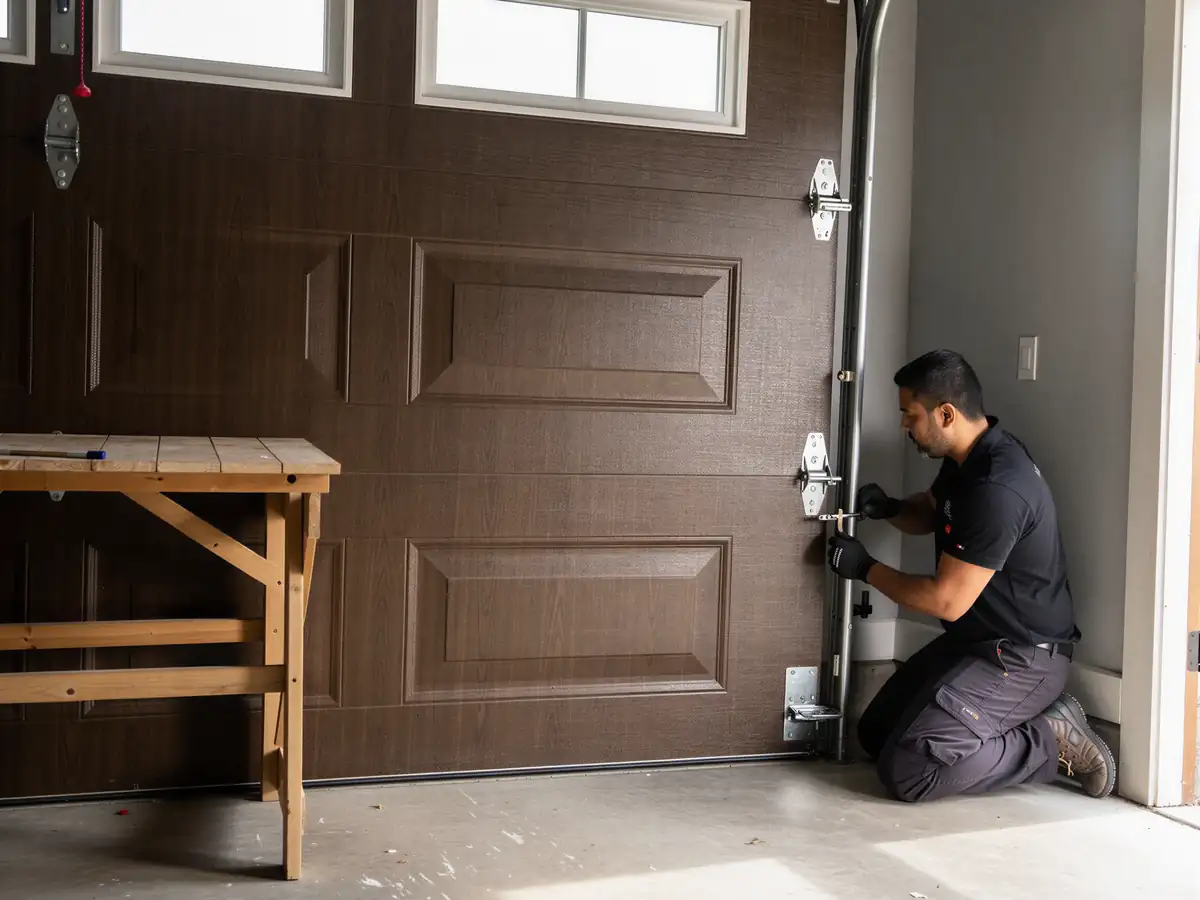
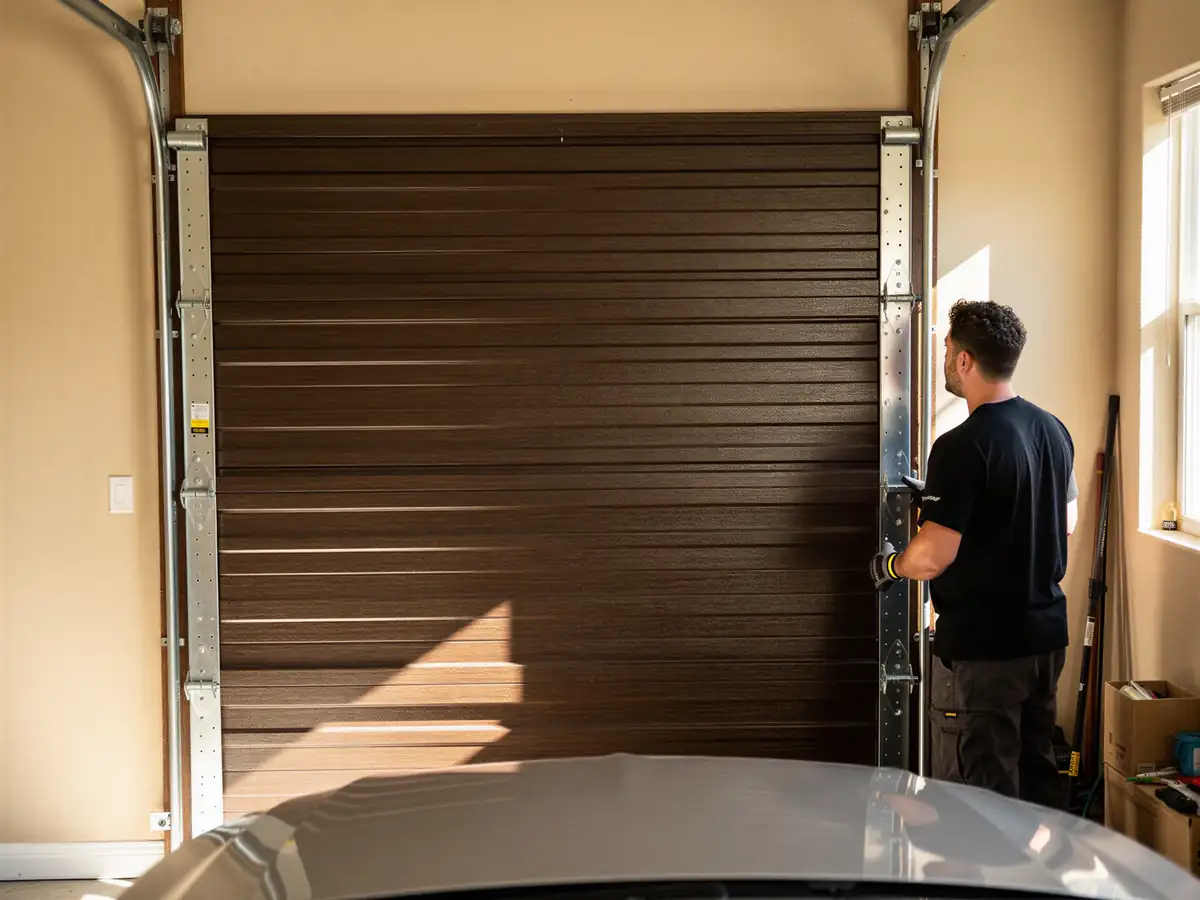
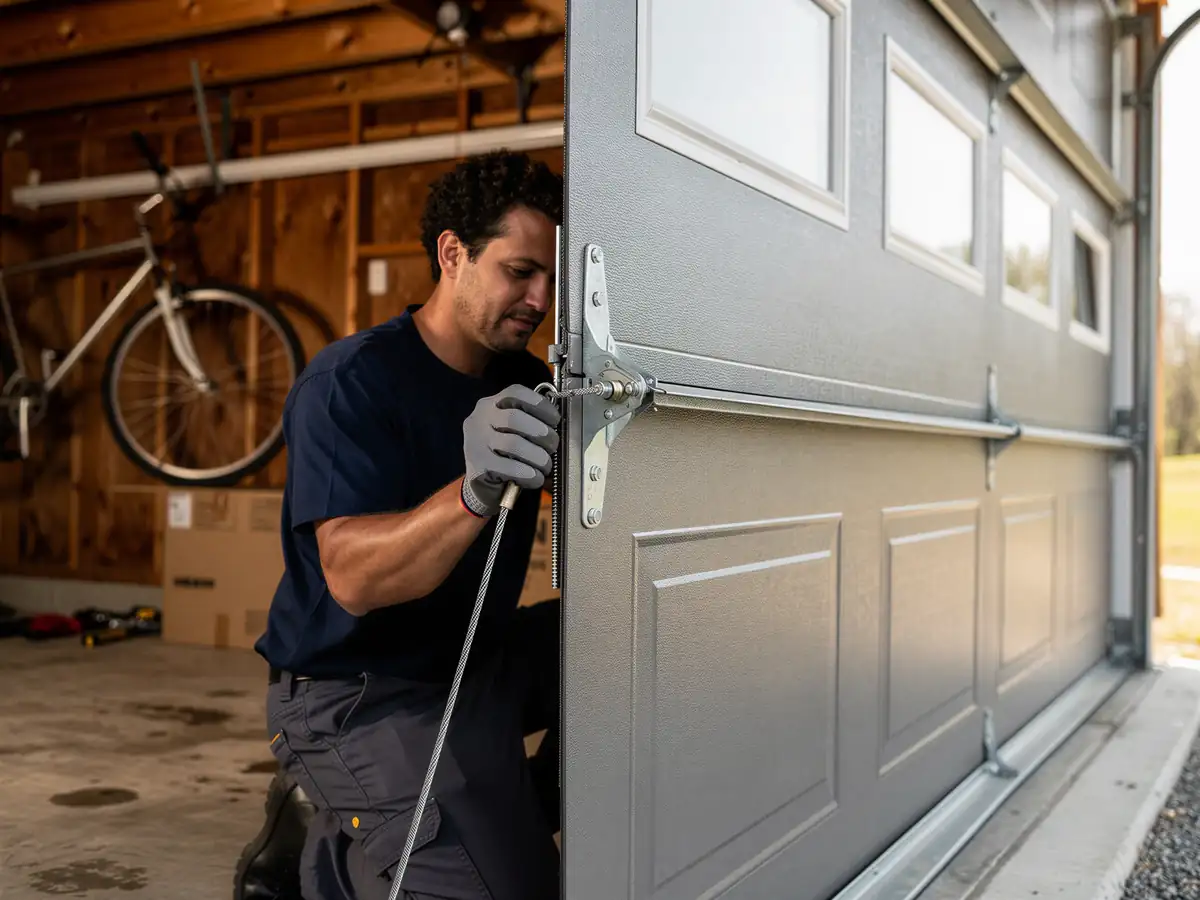
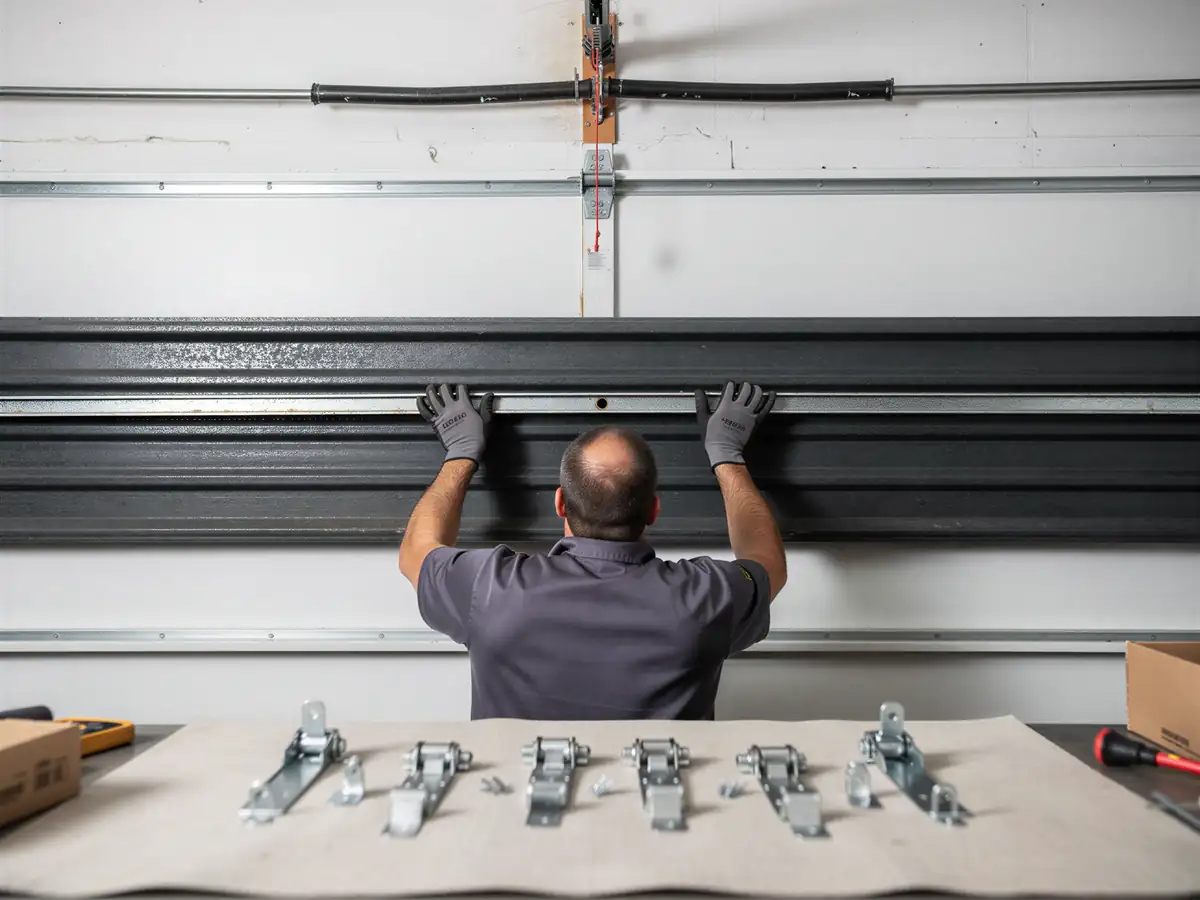
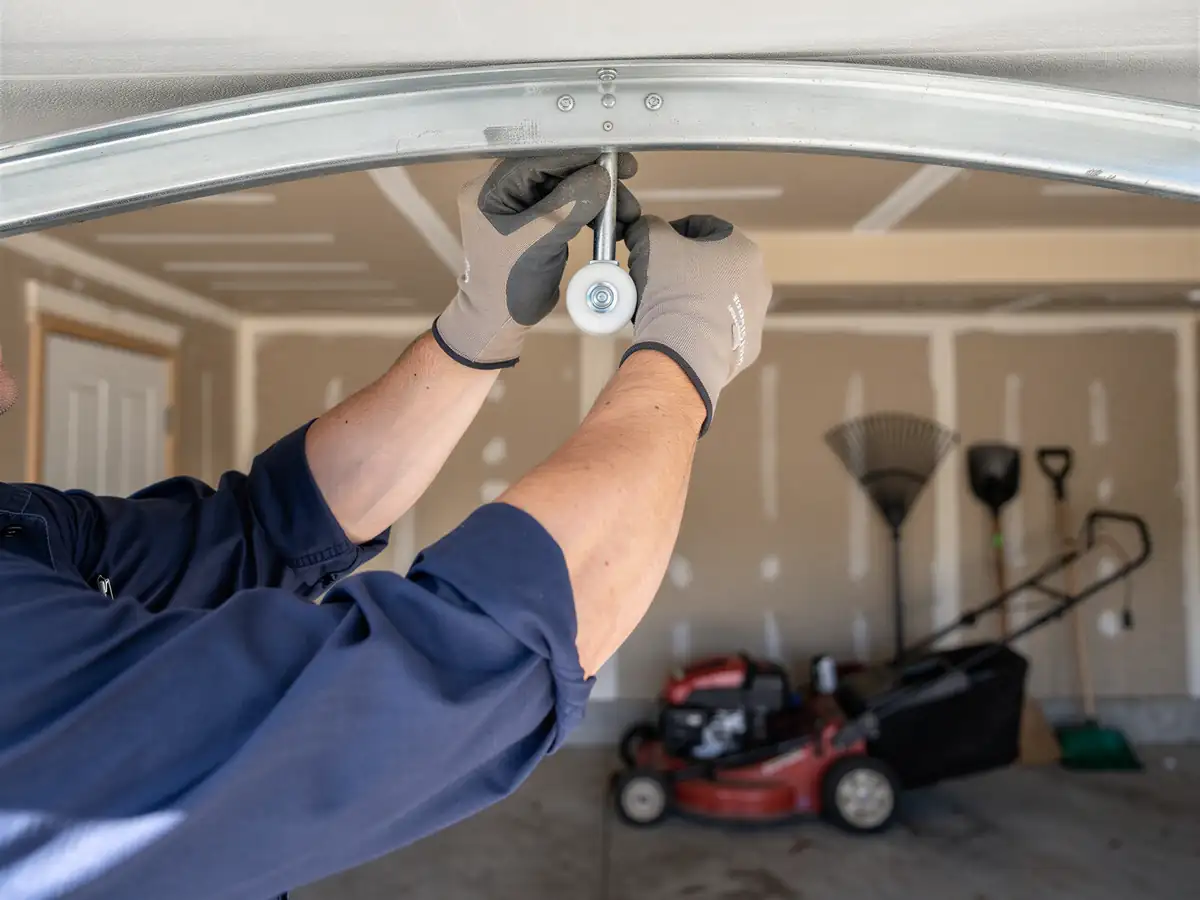
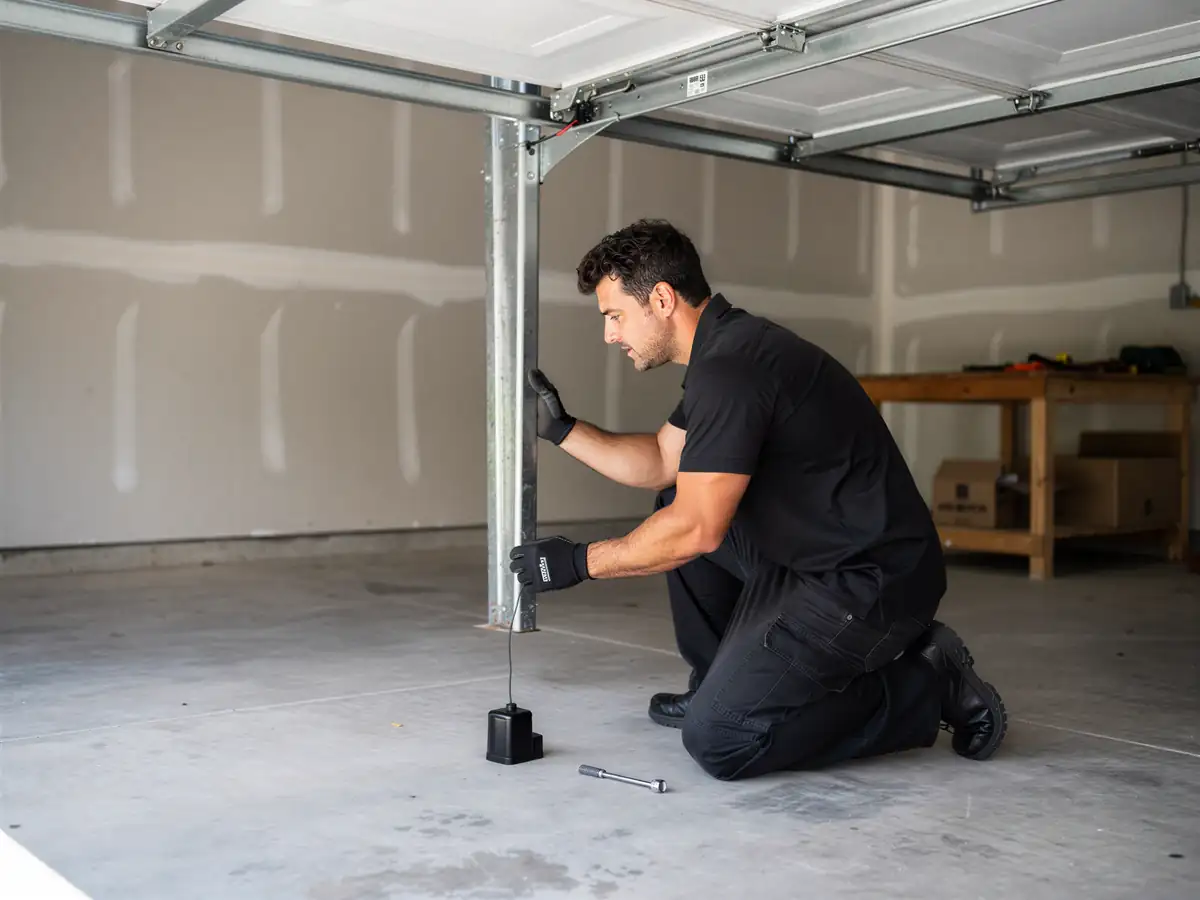
Springs for stretch or rust pitting, cables for fraying at the drum, rollers for flat spots or cracked nylon, hinges for elongated holes, track for bowing or misalignment, and the opener's force settings and safety reversal. On a house from the 1972 median build year, we're also looking at whether the spring is original - if it is, it's done more cycles than it was rated for and we'll say so plainly rather than patch around it.
We also check the slab itself
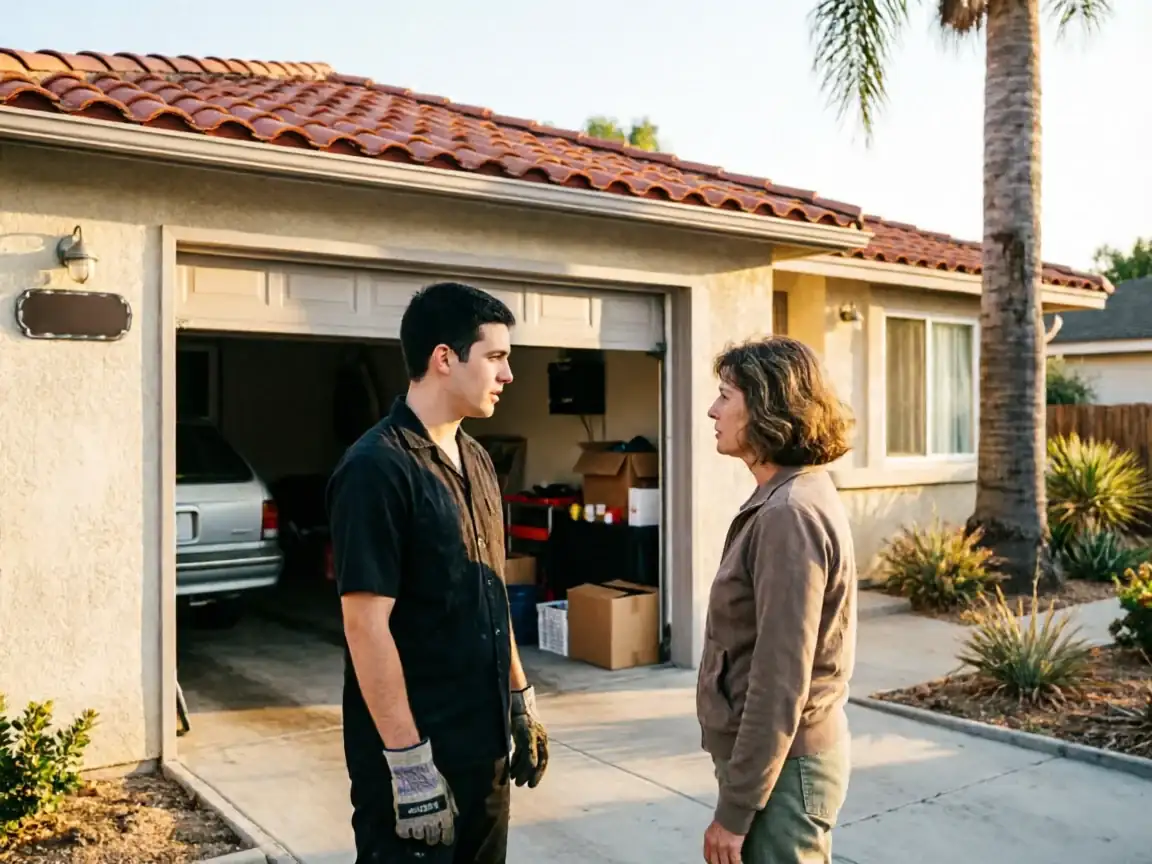
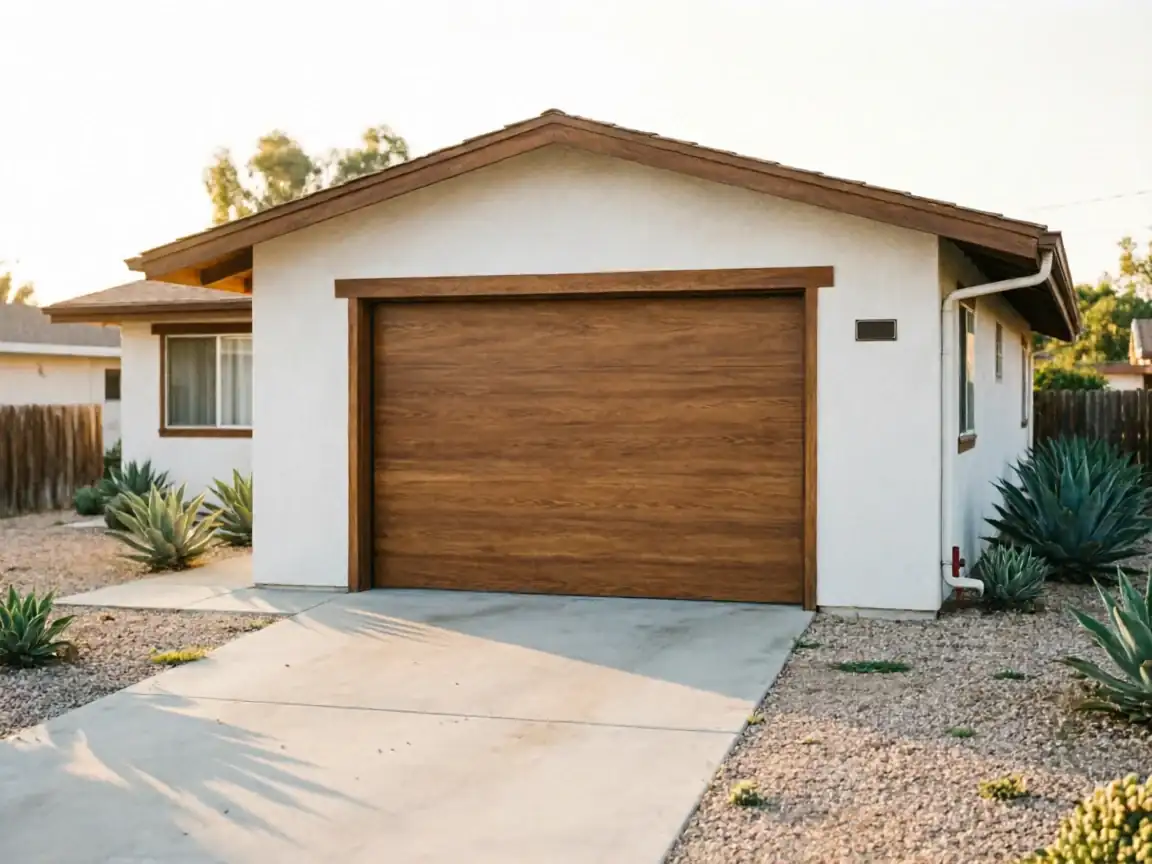
Panels from the older stock in this area are often wood or early steel, and dents or water-softened bottom panels show up more on these than on anything built after 1990. With median household income across the service area at $132,067, most owners we talk to want the honest number on repair versus replace before we touch a wrench - we give that number on the spot, not a guess we revise later.
One limitation worth stating
If a part is discontinued - which happens on doors from the earlier end of that 1938-2008 range - we tell you that up front. We're not going to stretch a repair out over three visits waiting on a part that isn't made anymore.
Season by Season
Walnut Creek sits in a mild temperate band, so we don't get the freeze-thaw failures that wreck springs and openers in colder climates. That changes what a service call looks like here compared to a town with real winters. Our failures lean toward heat and dry-cycle wear - lubricant drying out on tracks and hinges, rubber weatherstripping cracking from UV, and nylon rollers going brittle faster than they would in a wetter climate.
Spring and fall calls tend to be about recalibrating opener force and travel limits after a slab has racked slightly with seasonal expansion. Summer calls spike with broken springs, because heat-dried lubricant means more friction on every cycle, and a spring that's already near the end of its life snaps under that extra load. Winter here is mild enough that we rarely see the ice-related cable and track failures that would show up somewhere colder - but a house with poor garage ventilation can still get enough humidity swing to loosen fasteners over a few seasons. We check for that on older homes especially.
How Local Conditions Play In
The mild temperate climate here is kind to doors in one way and hard on them in another: no freeze cracking, but steady dry heat that shortens the life of lubricant, rubber seals, and plastic rollers faster than owners expect. Combine that with housing stock running from 1938 to 2008 and a median build year of 1972, and you get a service area where the most common call isn't storm damage - it's cumulative wear on hardware that's outlasted its rating.
In neighborhoods like San Miguel, built in that 1960s-70s window, we see the same pattern over and over: original torsion springs, galvanized track that's held up fine structurally but is due for lubrication, and openers that have been upgraded once but never had their force settings reset for the door's current weight and balance. Out toward to the NNE, the mix skews slightly newer but the climate wear is identical. We size every service call to the house in front of us, not to a generic checklist, because across 263,171 households and 136,668 owner-occupied homes in this area, the door and the decade it came from are never the same twice.