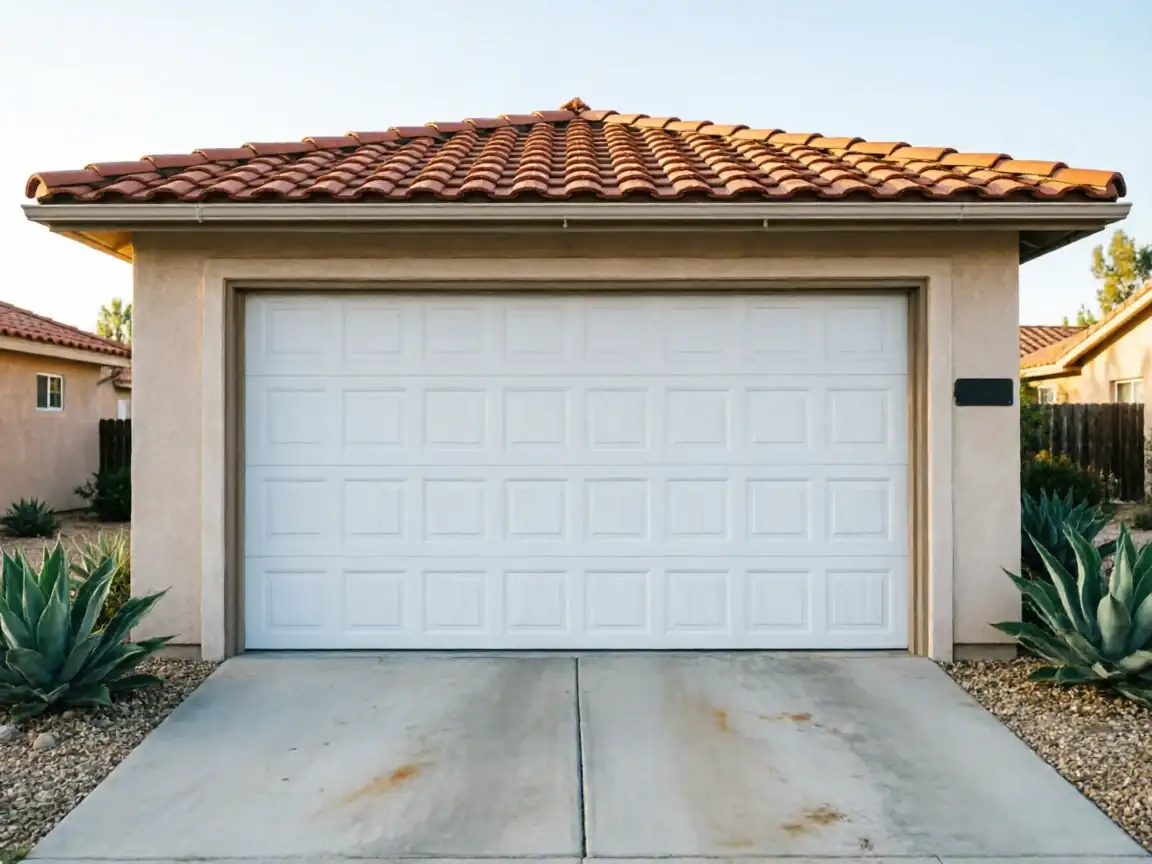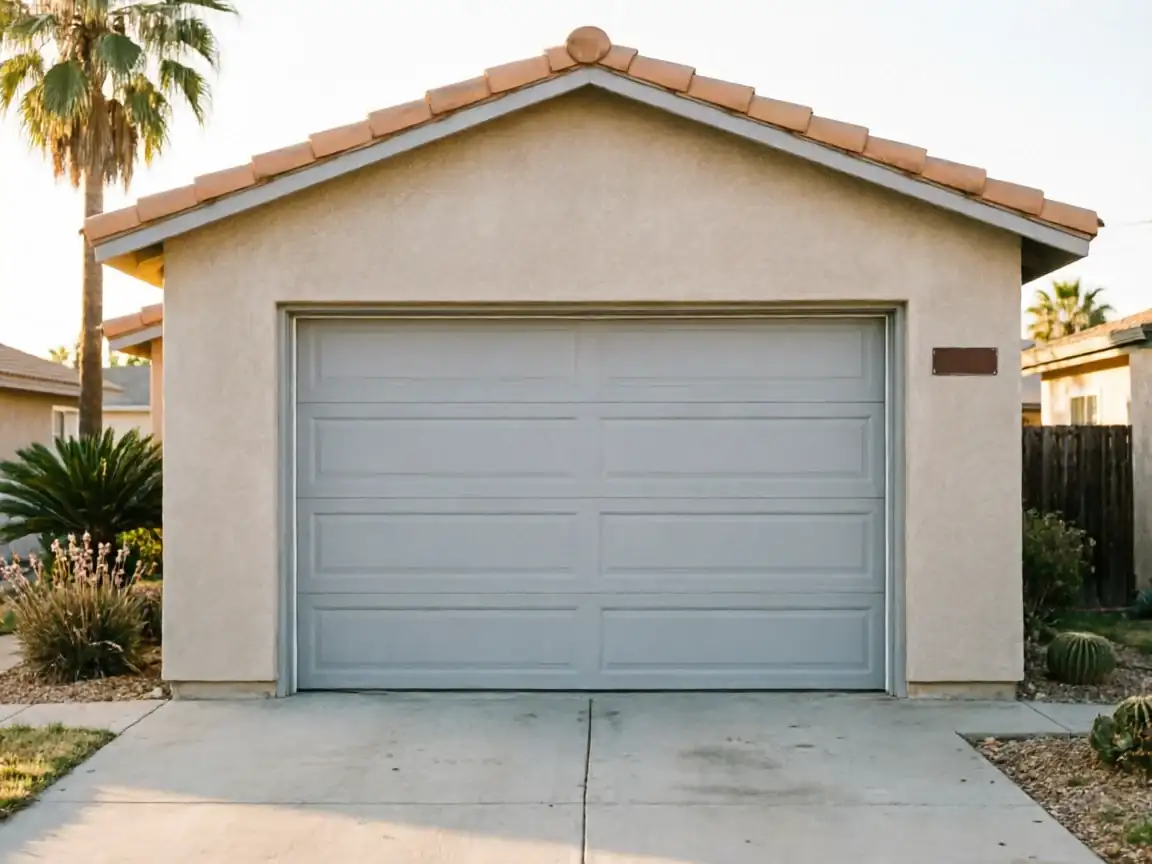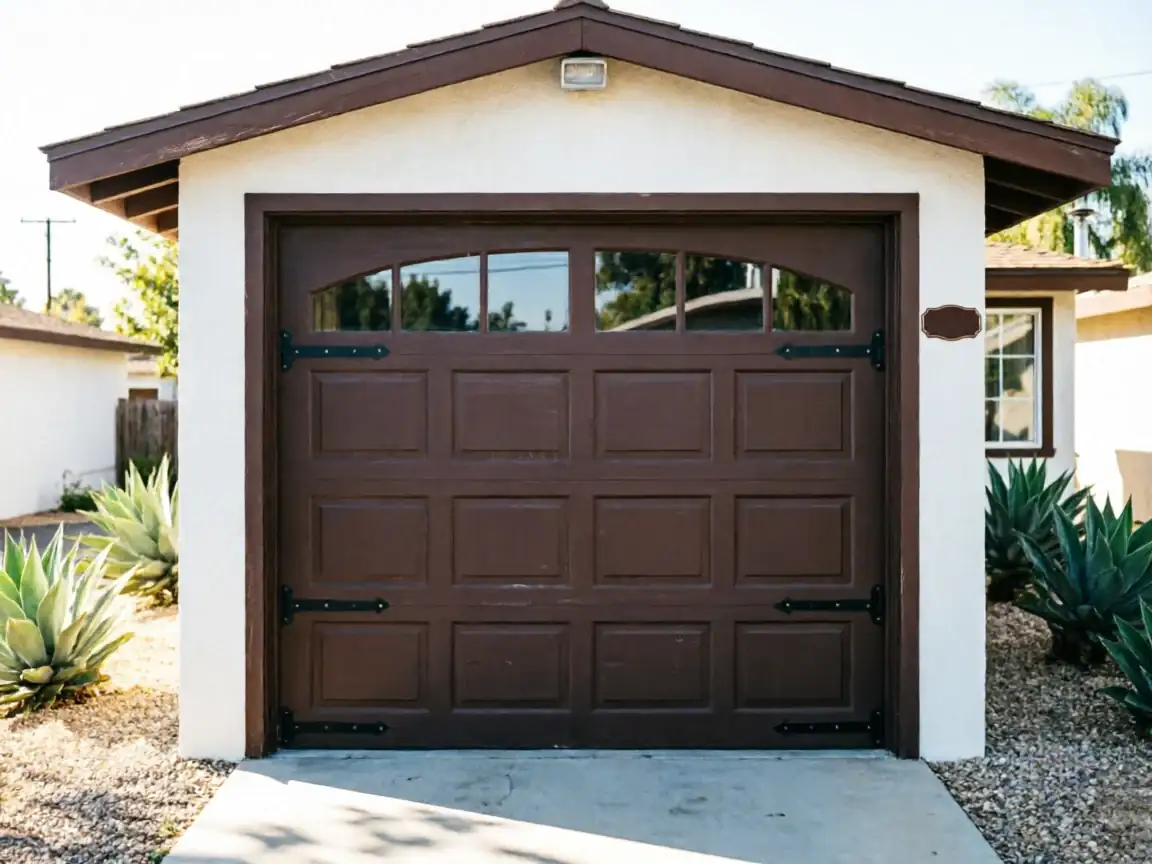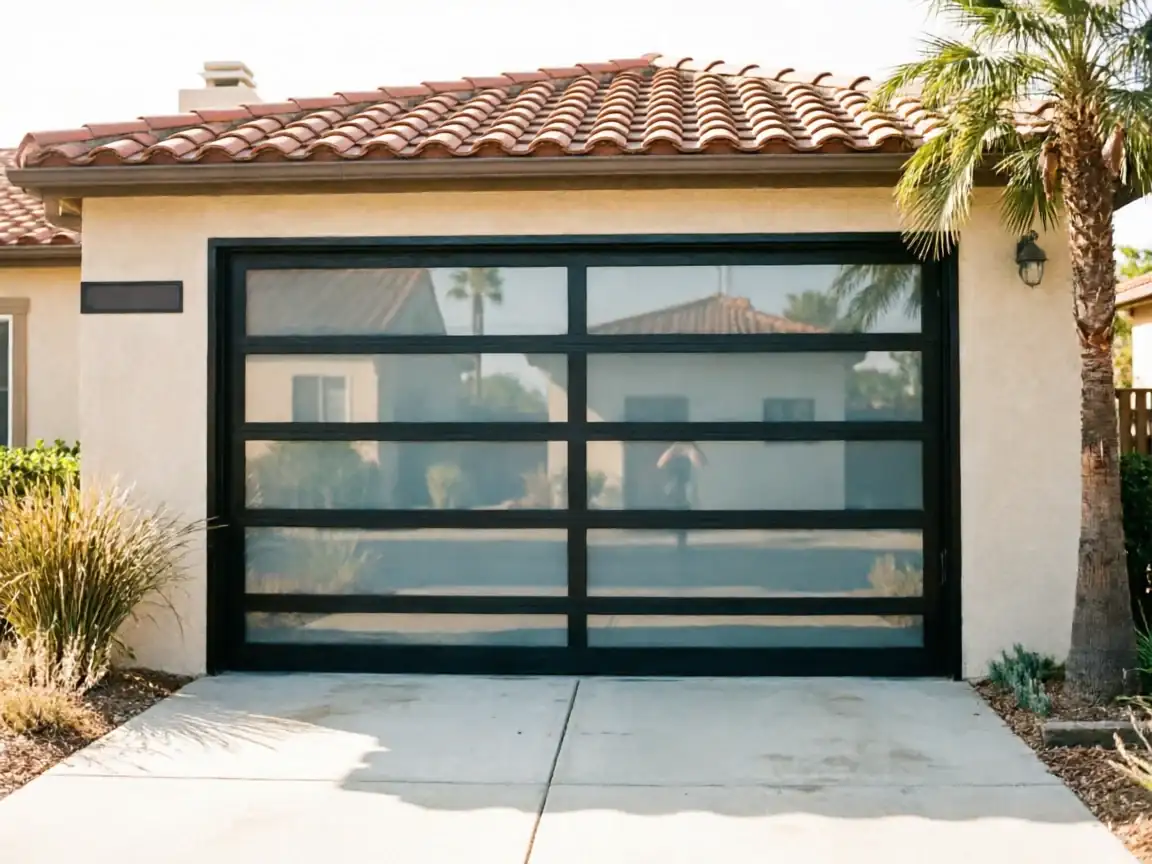
What Causes It Around Here
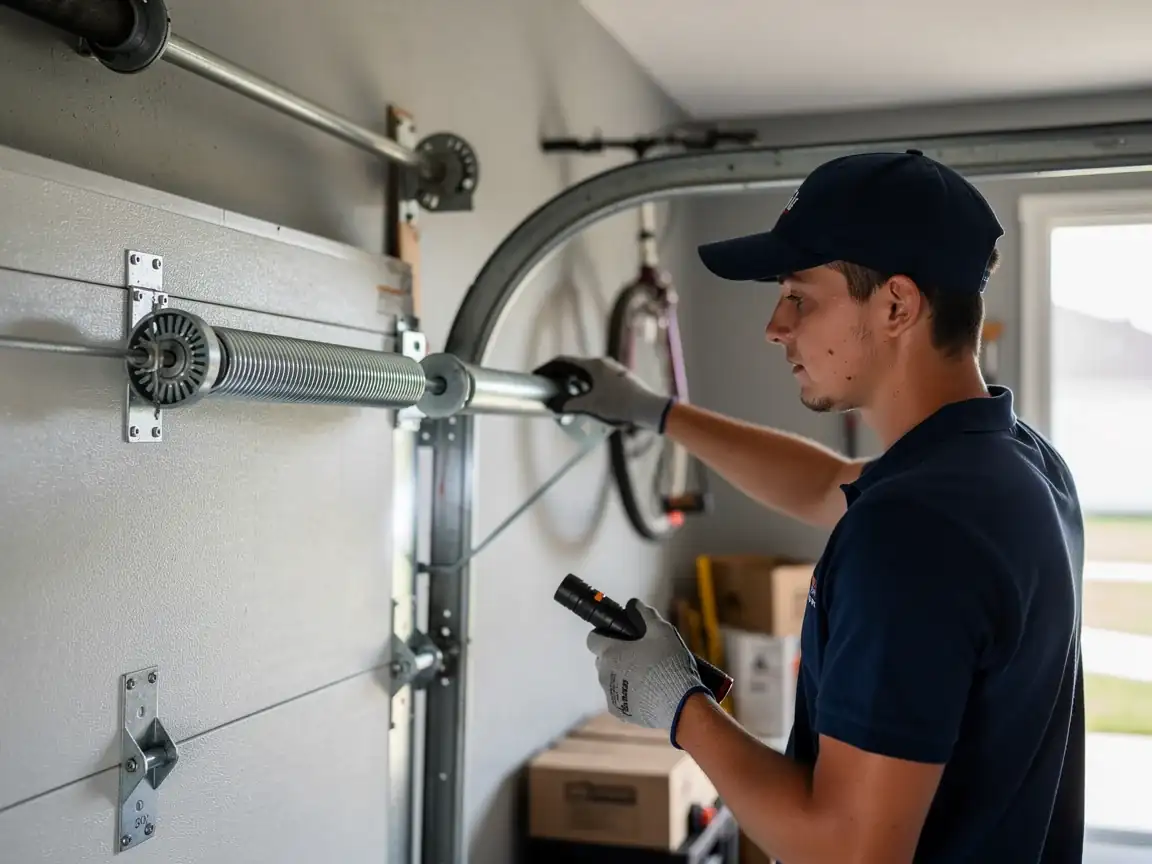
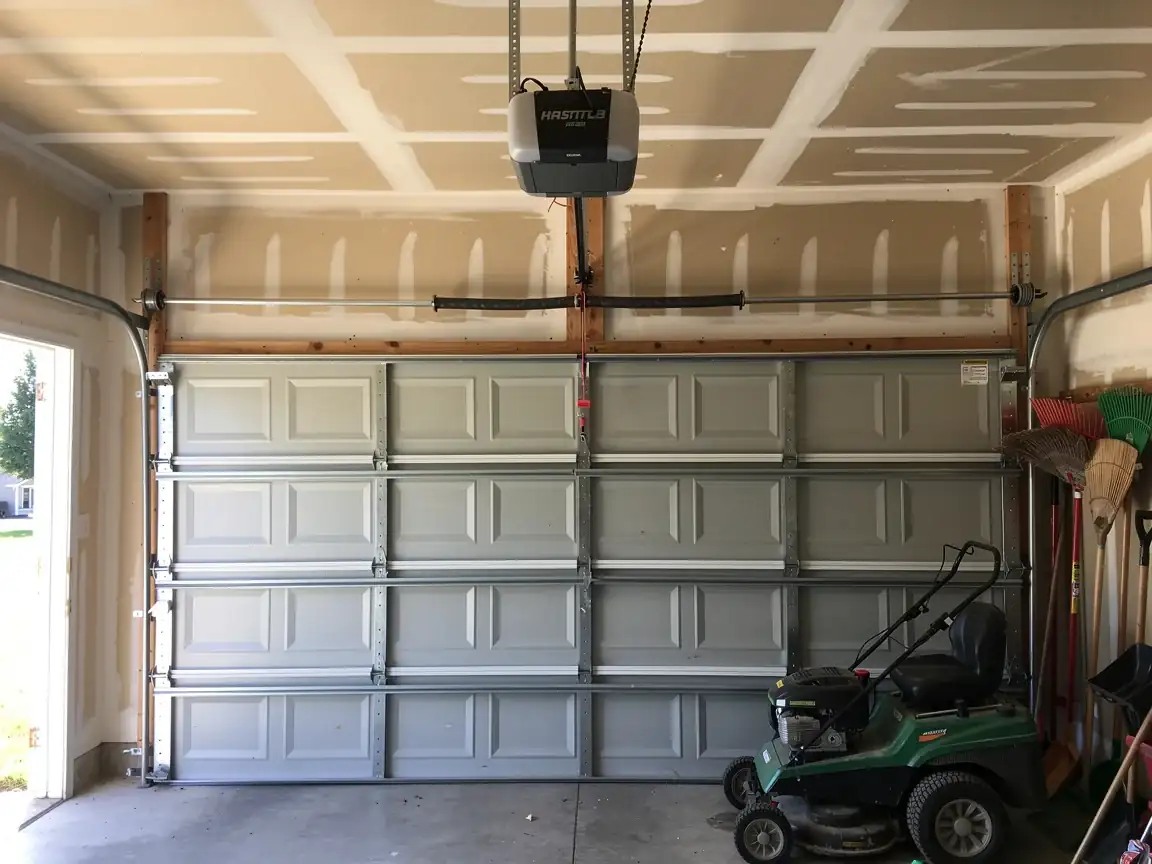
The median house in Orinda went up around 1961, which puts a lot of garage doors here on their second or third opener but still the original torsion spring mount from the build year. That hardware was sized for the door weight of its era - single-layer steel panels, no insulation core - and when a homeowner swaps in a heavier insulated door later without upgrading the spring, the torsion bar takes the overload. We see that pairing a lot: new door, old spring rating.
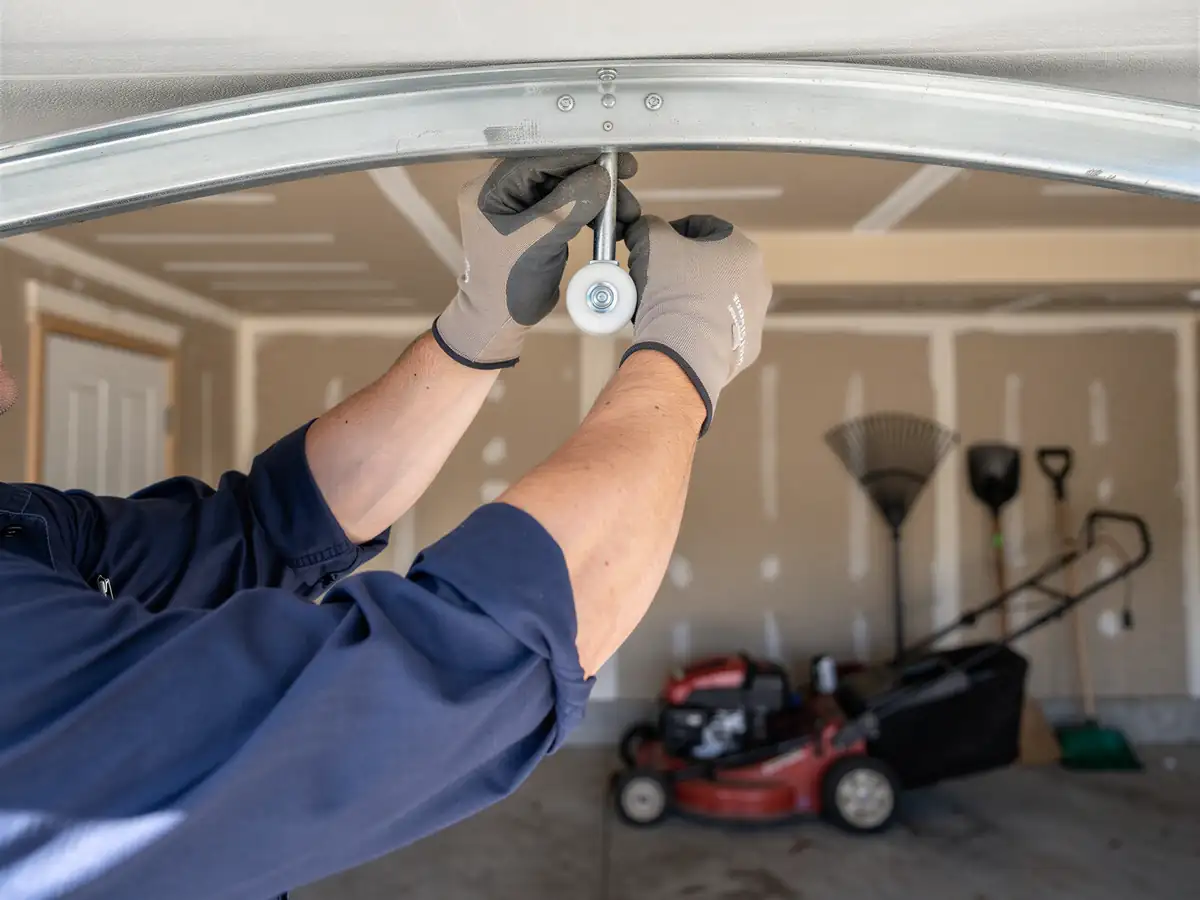
Because the service area's housing broadly runs 1960s-70s with some stretching back to the late 1930s, the common failure isn't the modern stuff - circuit boards, Wi-Fi modules - it's mechanical fatigue on parts that have been cycling for five or six decades. Cables fraying at the bottom bracket, rollers that were steel-on-steel and never replaced with nylon, and center brackets worn oval from age. None of that is dramatic. It's just parts reaching the end of a long service life at roughly the same time, which is why a 1961-era door often needs spring, cable, and roller work in the same visit rather than one isolated fix.
How to Book
We're based in Walnut Creek, about 7 miles from Orinda
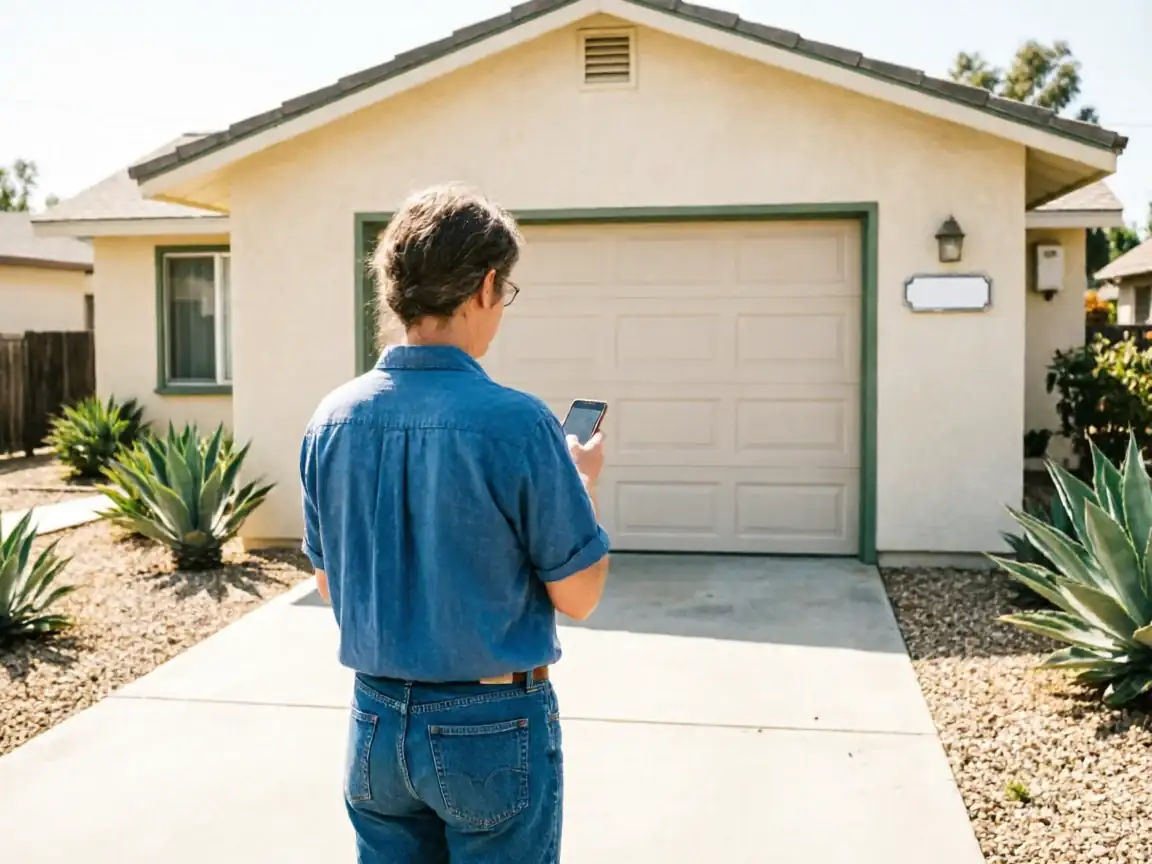
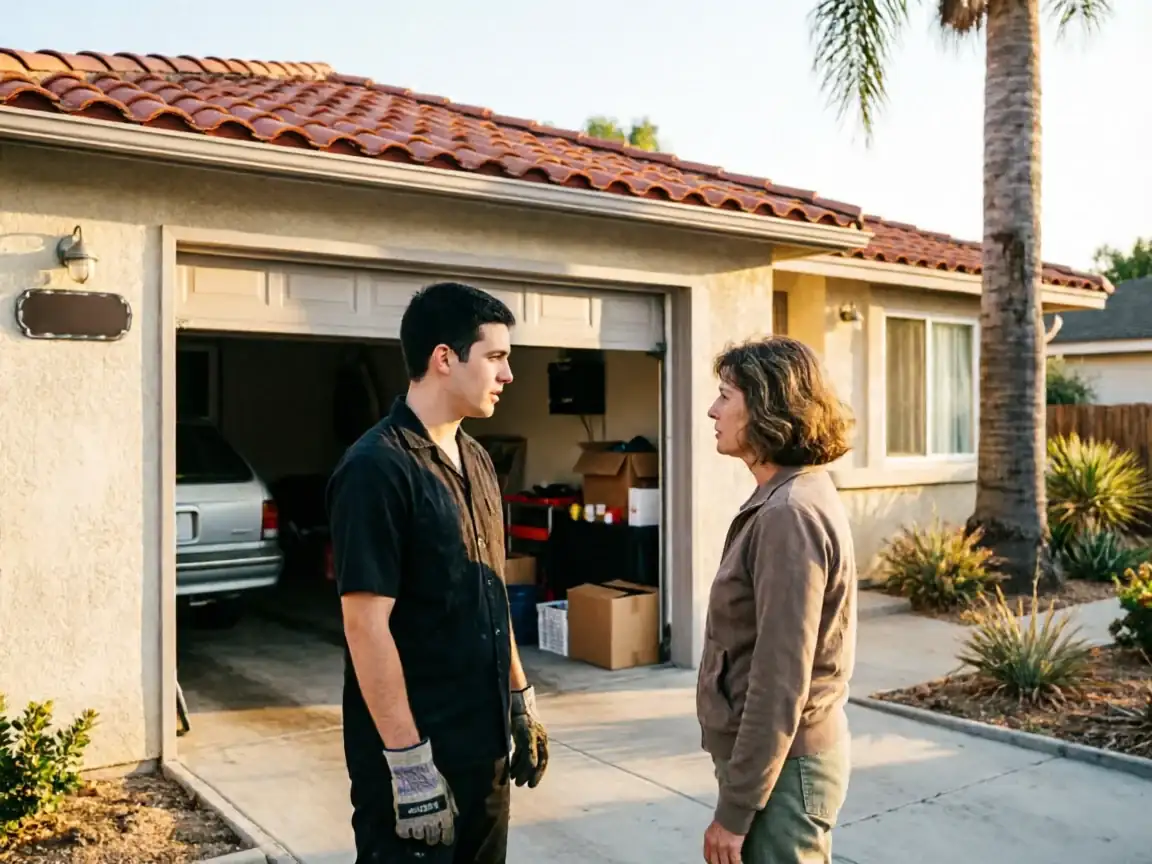
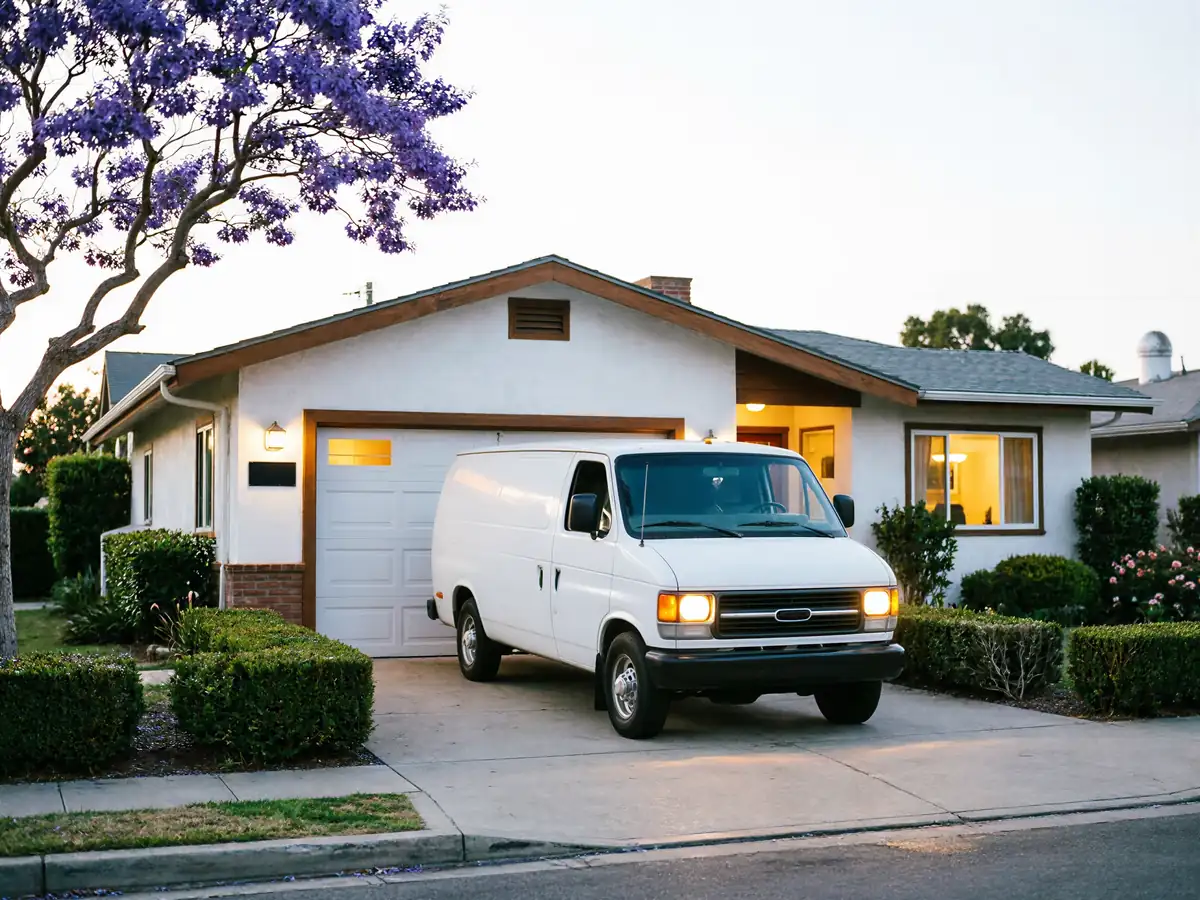
And we run jobs out there on the regular route - no satellite branch, no separate dispatch, just a truck that comes to you. Call and describe what the door is doing: won't open, opens crooked, makes a bang and stops. That tells us whether we're bringing spring stock or opener parts before we leave the shop, which saves a second trip.
- 7 miles
We don't quote a fixed arrival window here since Orinda isn't a stand-alone branch
It's folded into the day's route from Walnut Creek, so timing depends on what's already on the board. If the job turns out to need a part we don't carry stocked, we'll tell you straight rather than guess.
The Symptom
The one we hear most from Orinda callers: the door moves a few inches, jerks, and stops, or it slams down the last foot instead of settling. On a house from the early 1960s that's almost always a spring that's lost tension or snapped outright - the opener motor is doing work it was never built to do alone, straining the drive gear in the process. A door that drops fast on the way down, rather than gliding, is a spring complaint nine times out of ten, not a motor one.
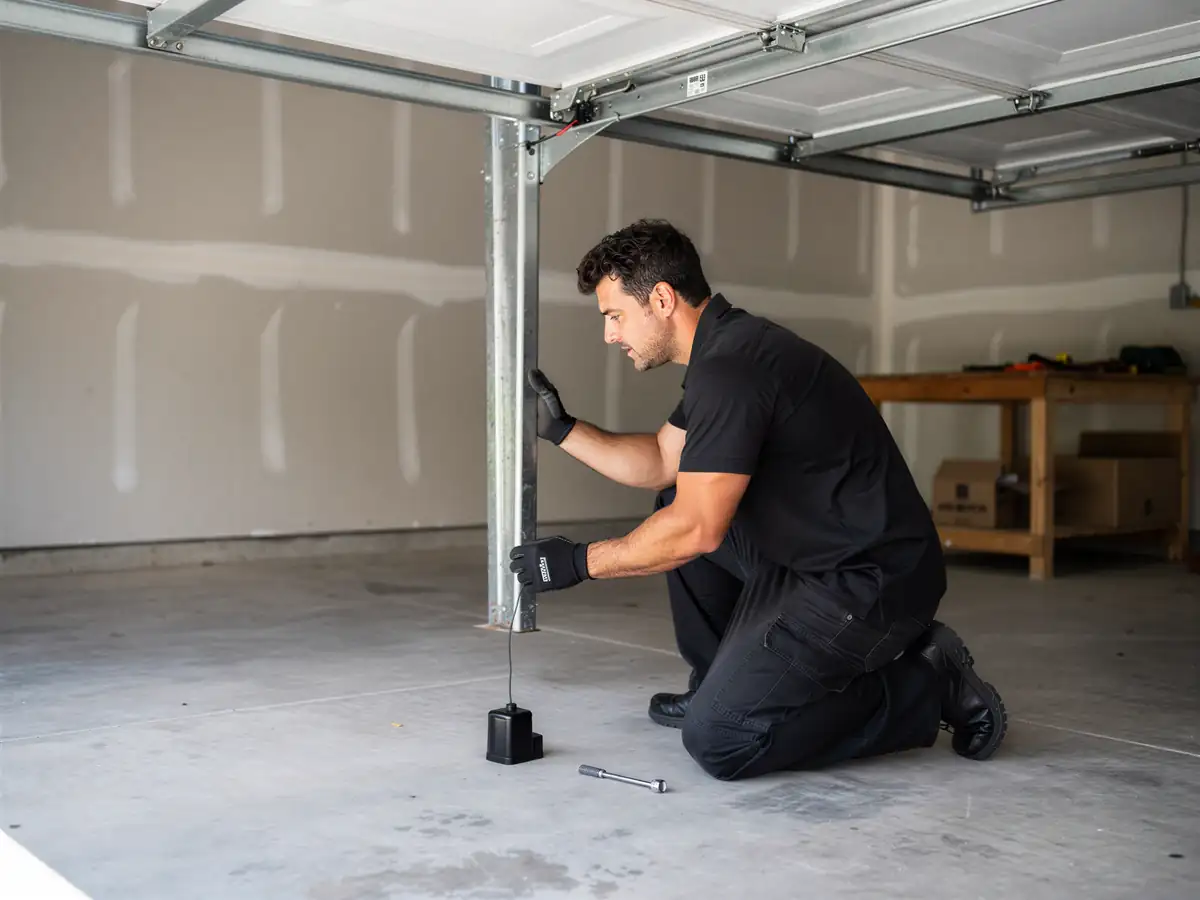
A second common call is a door that only opens partway and reverses. That's usually a worn or bent track, or a sensor that's drifted out of alignment over years of the garage settling slightly - not unusual on homes this age on sloped ground. Either way, both symptoms point to mechanical wear tied to age of hardware, not the opener's electronics, which changes what we bring on the truck.
Doing It Yourself
Lubricating hinges, rollers, and the track with a garage-door-specific lubricant is safe to do yourself and worth doing twice a year - it's cheap insurance against the wear pattern common on a 1961-built door. Tightening loose bolts on the track brackets is fine too, as long as the door is down and the opener is unplugged.
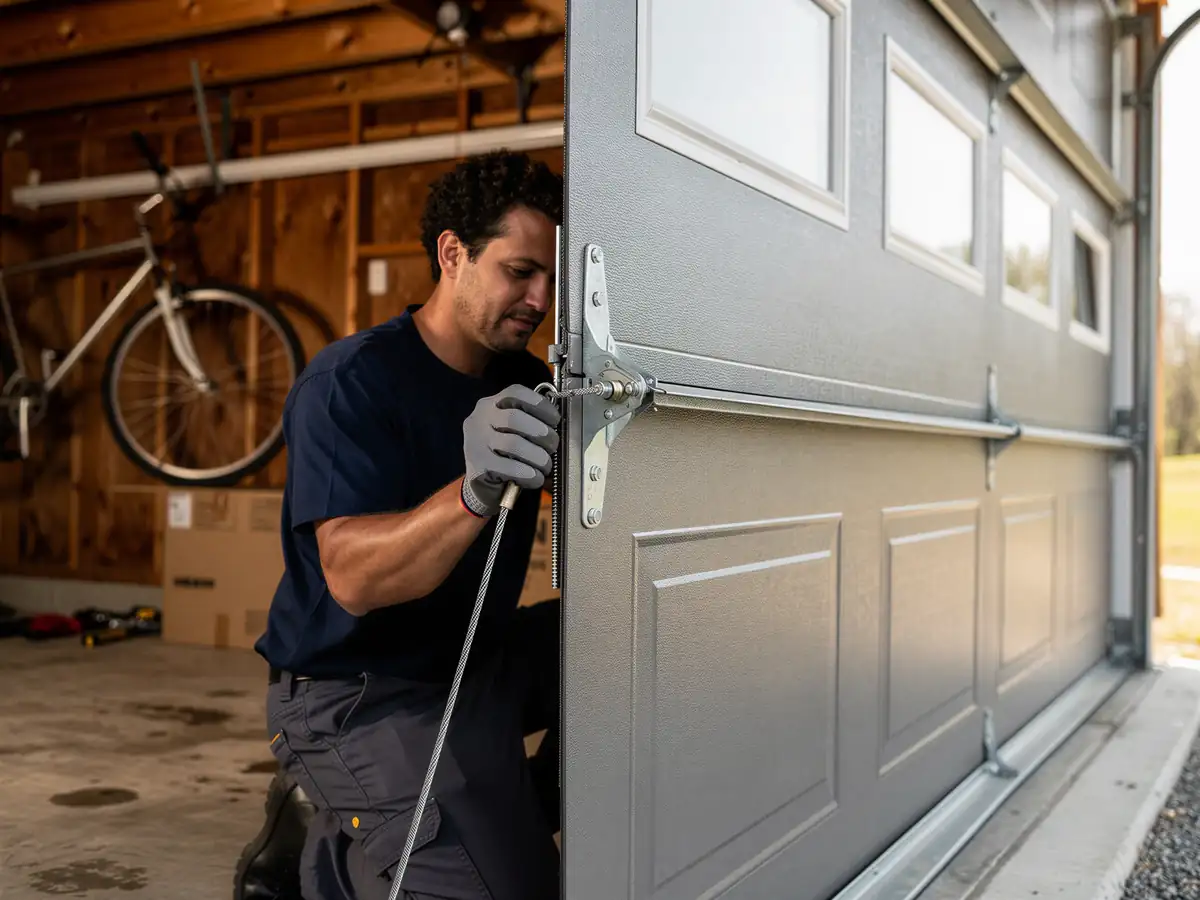
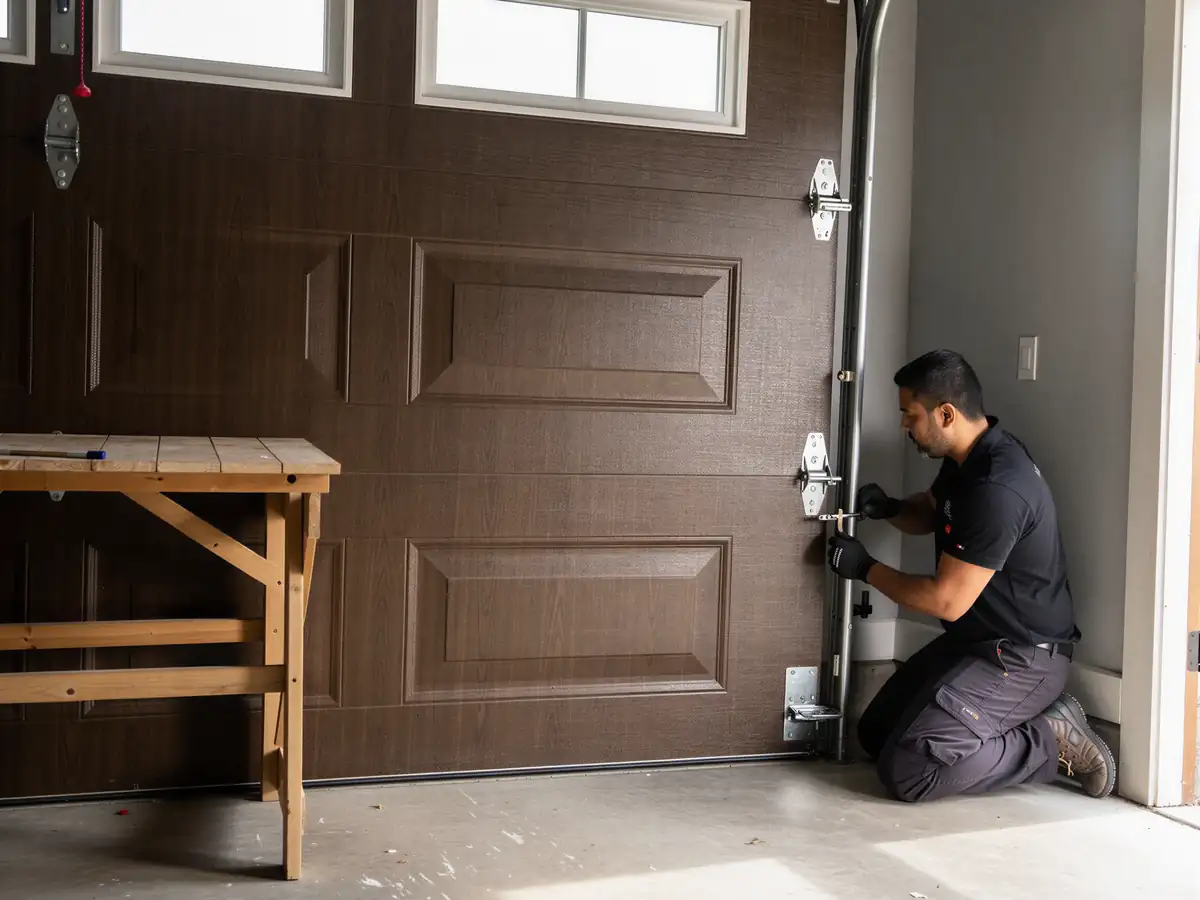
What we won't talk you through over the phone is the torsion spring itself. These are wound under enough tension to cause a serious injury, and on hardware this old the spring and its anchor bracket may both be fatigued in ways that aren't obvious from looking at them. If the door won't move, is off its tracks, or a cable has snapped, that's a call-the-pros job, not a weekend project. We'd rather lose the sale of a simple house call than see someone get hurt on a spring that's been under load since before most openers had circuit boards.
What Is on the Truck
For Orinda calls we load for the hardware era we're most likely to find
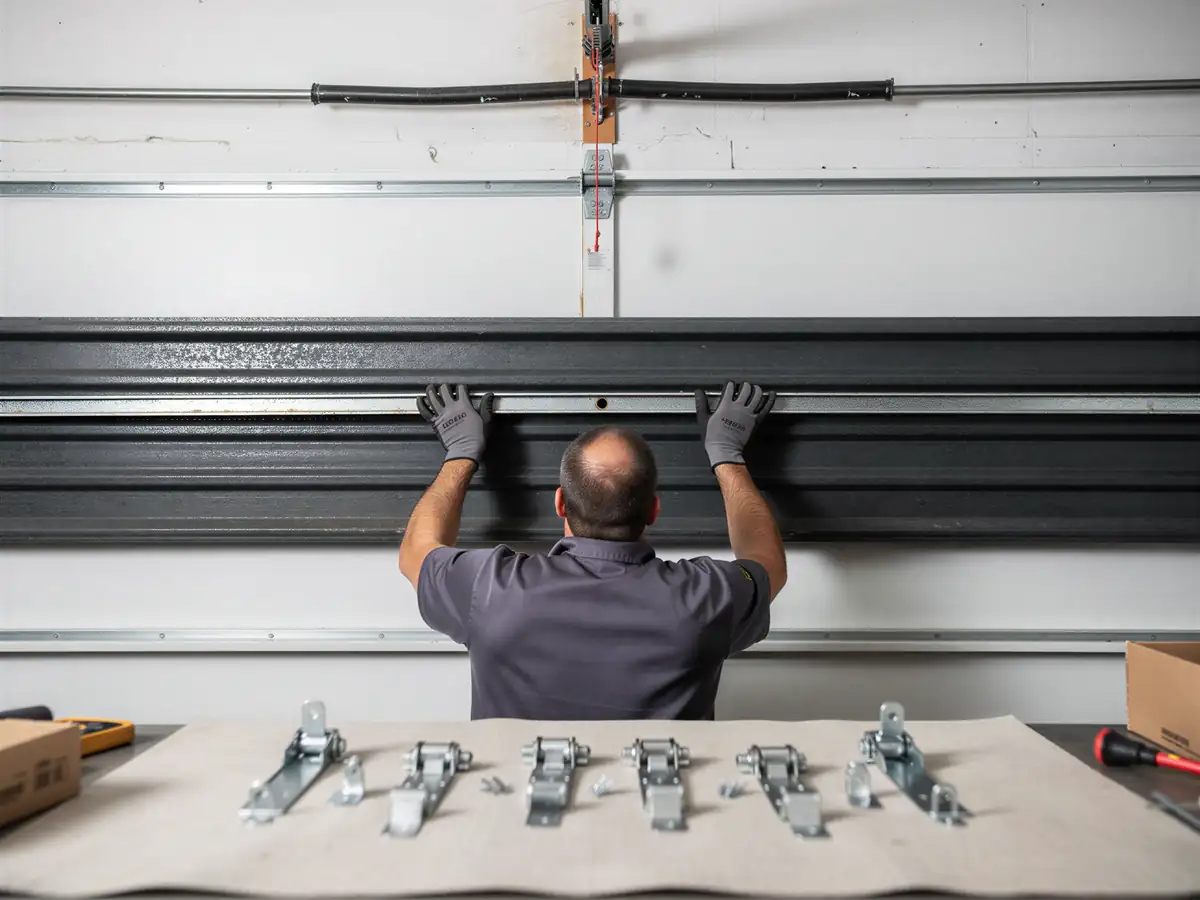
Torsion springs sized for the older single-layer steel panel doors common on 1960s builds, plus the heavier-duty springs needed where a homeowner has since upgraded to an insulated door without changing the spring. We carry steel and nylon rollers, galvanized lift cables, and center and end brackets, since those are the parts that wear out together on a door this age.
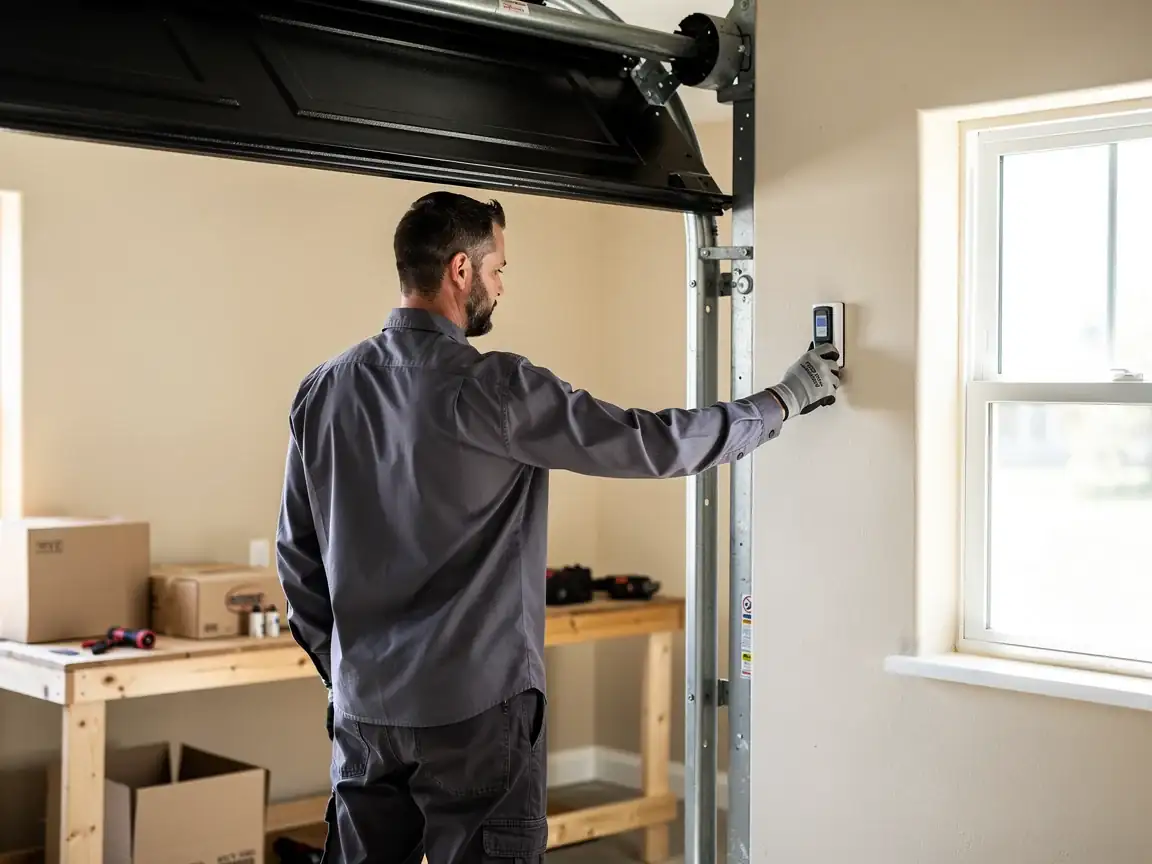
We also carry basic opener parts
Drive gears, sensor pairs, remotes - because a strained motor fighting a bad spring is a frequent side effect, not a separate problem. What we don't stock on the truck are made-to-order door panels in discontinued colors or profiles; if a 1961 door needs a panel match, that's a special order with its own lead time, and we'll tell you that up front rather than pretend otherwise.