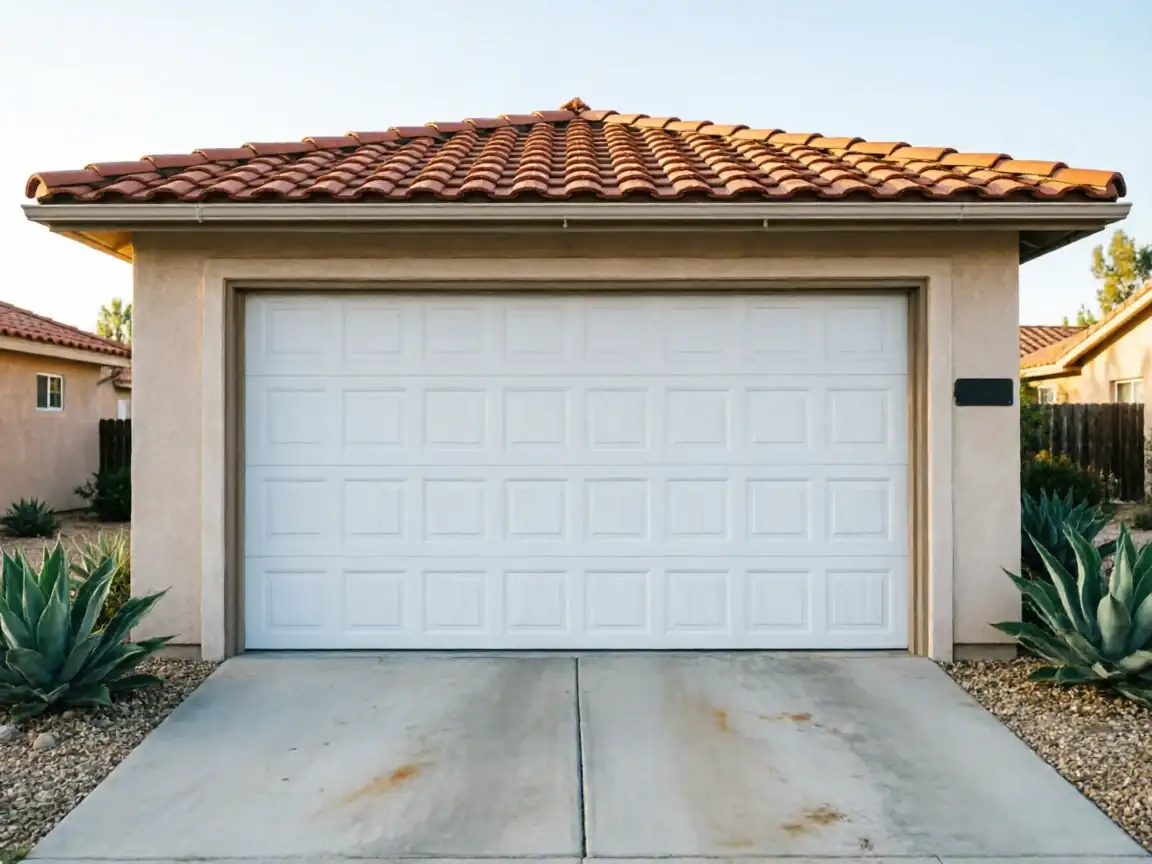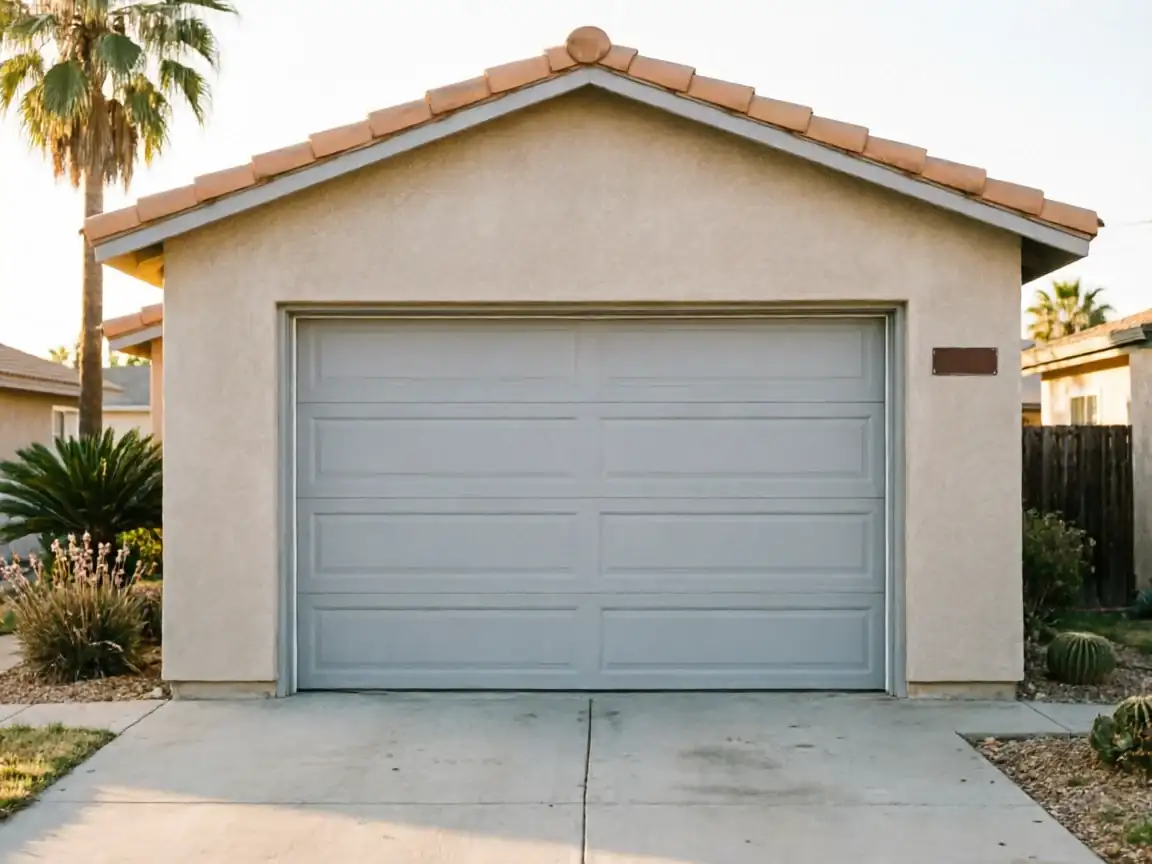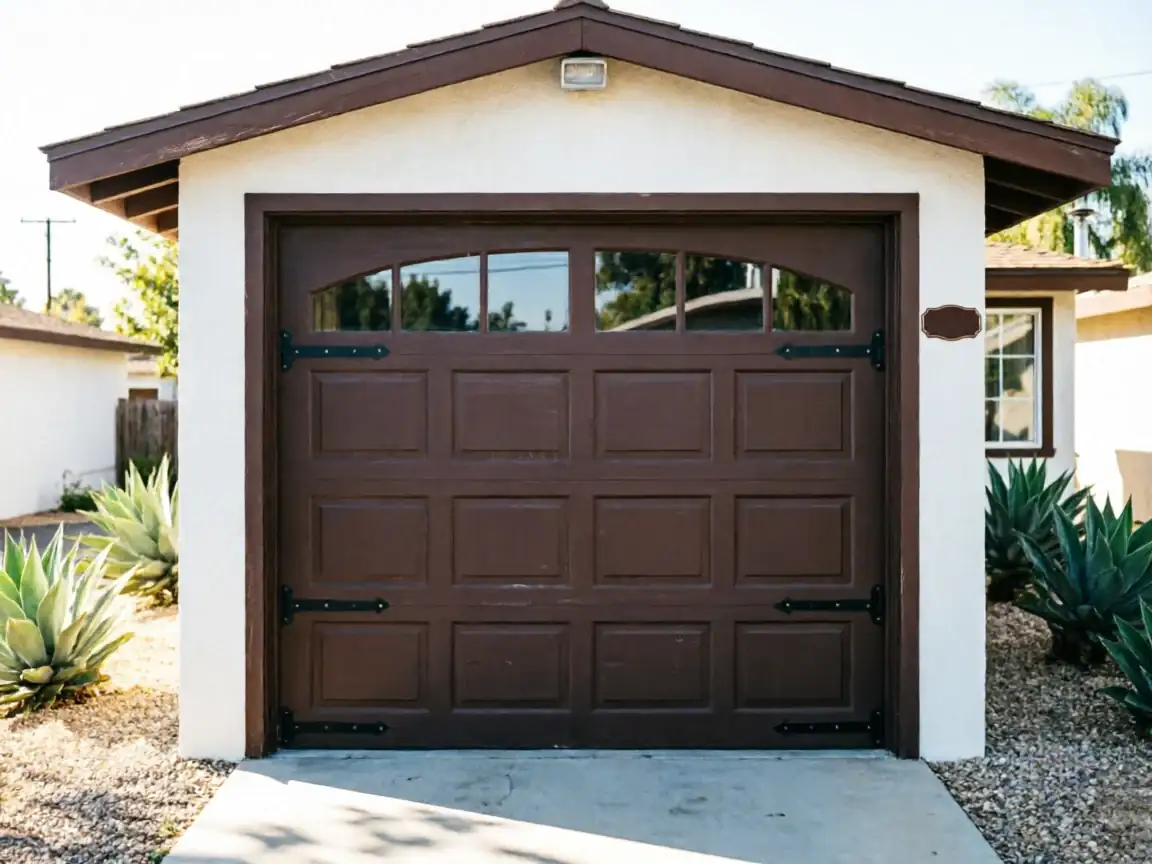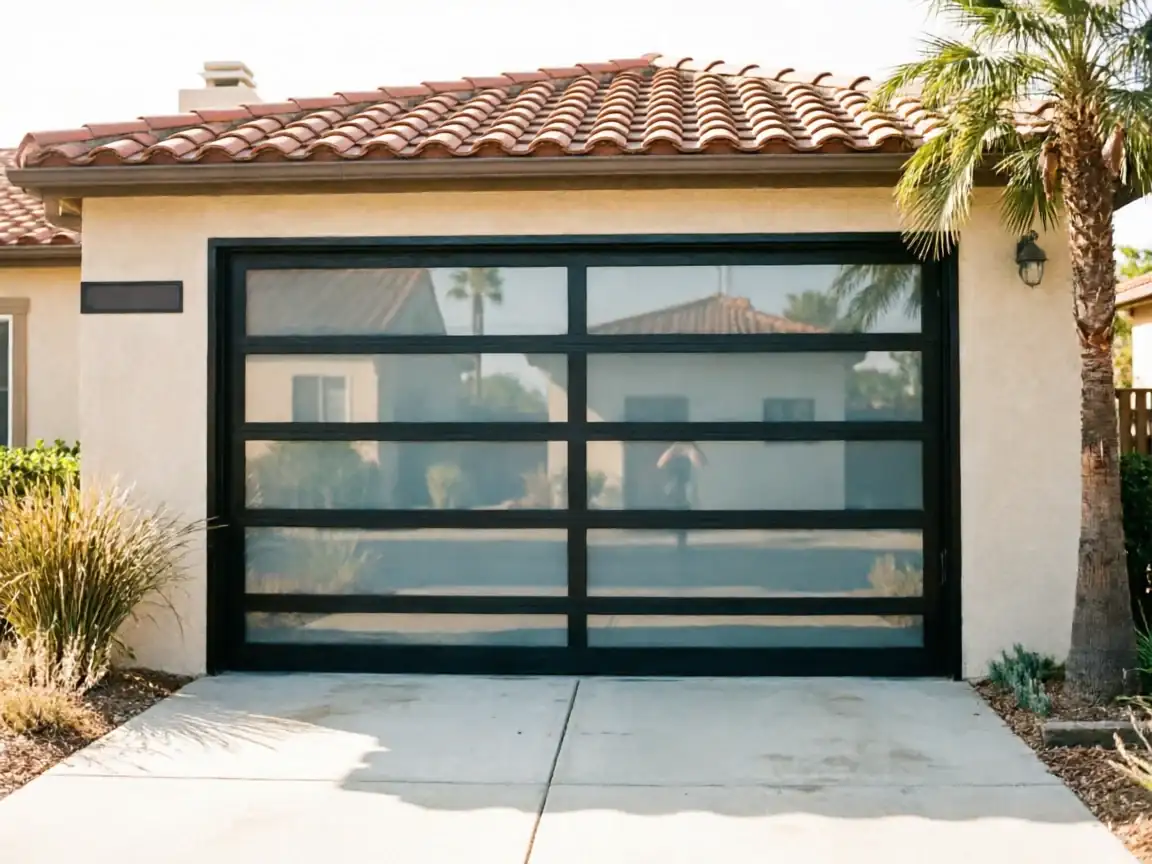
What Causes It Around Here
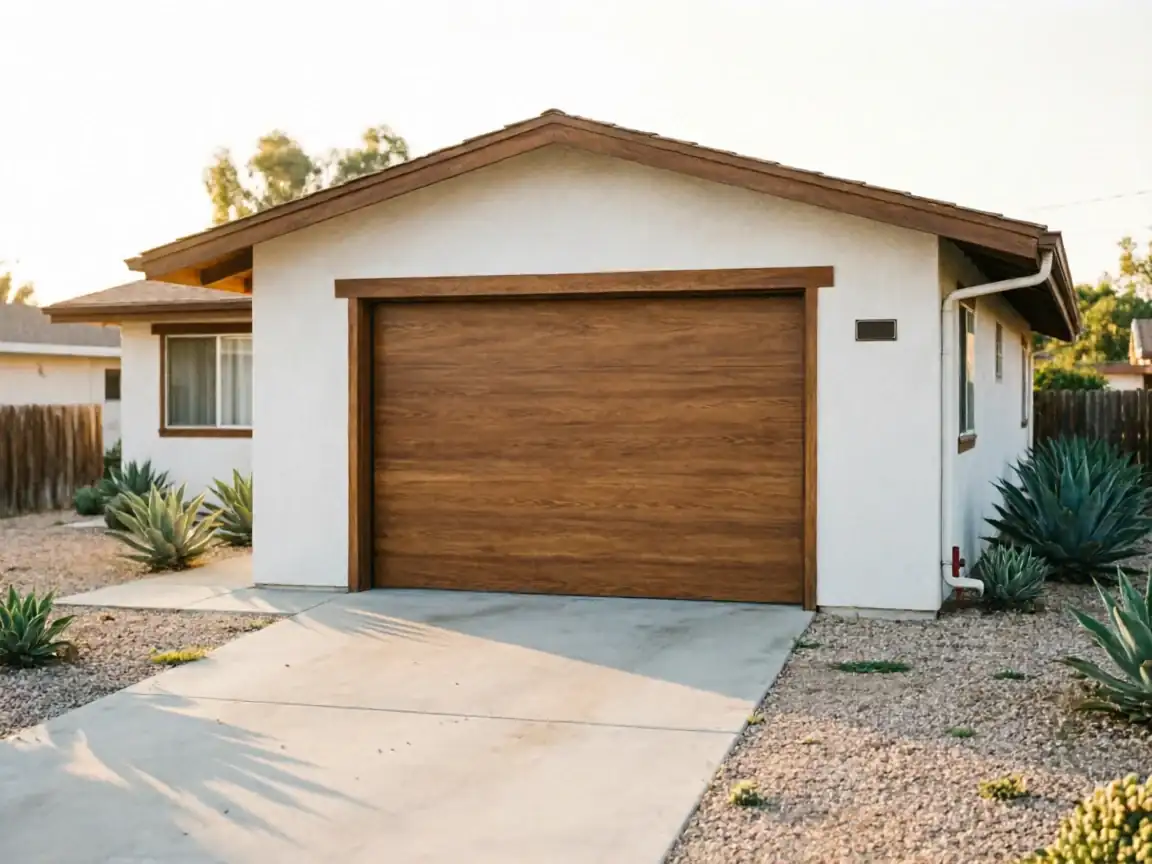
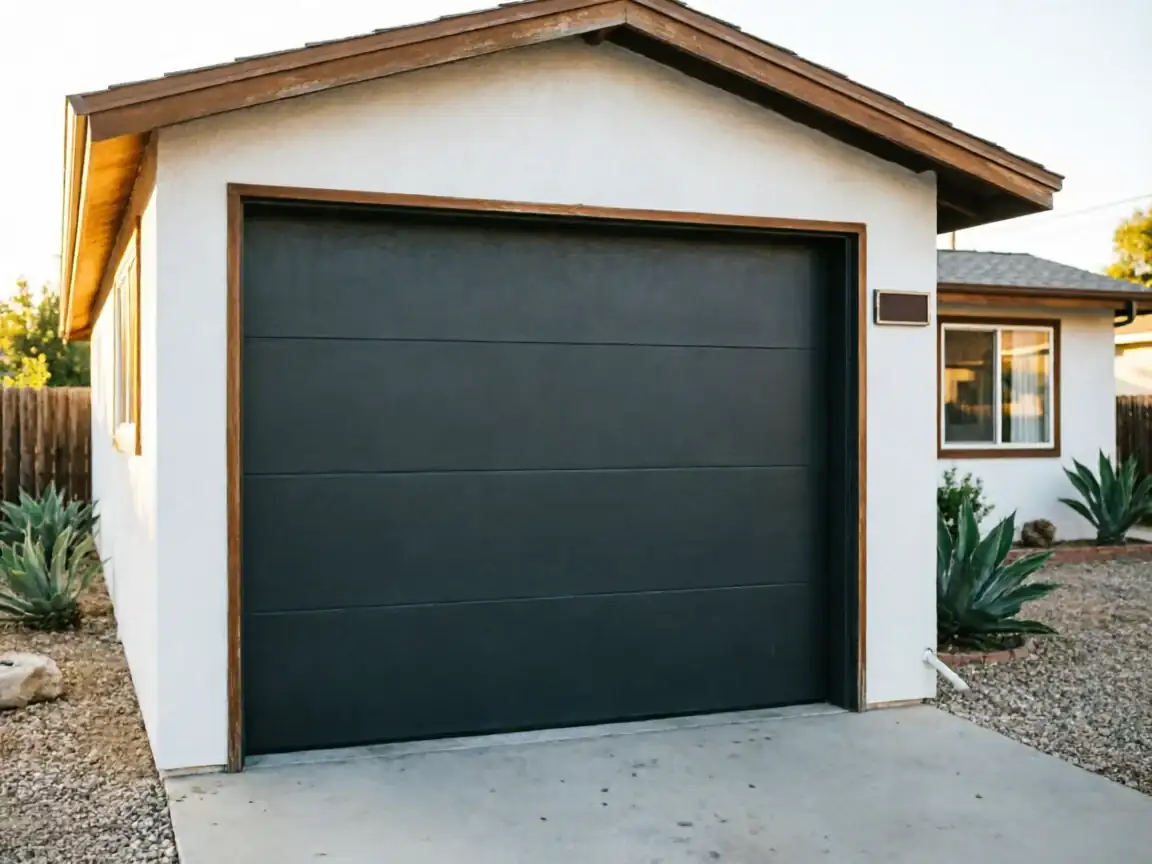
Walnut Creek's housing stock runs from 1938 through 2008, with the median build year sitting at 1972. That means a huge share of the doors we get called out on are original equipment from the first wave of tract construction across the area's 39 named neighborhoods - places like and the streets near San Miguel. Those doors came with torsion springs and rollers sized to building standards that have since changed twice over, and steel fatigues the same way whether it sits in a garage for forty years or fifty.
The mild temperate climate here doesn't put the same stress on doors that you'd see in a place with hard freezes or heavy humidity swings - we don't get the ice-jammed tracks or rust-through panels that show up in other parts of the country. What we see instead is straightforward metal fatigue: springs that have cycled a few thousand times too many, rollers worn oval instead of round, and cable that's frayed from age rather than weather damage. In a market with this much 1960s-70s stock, age does the work that weather does elsewhere.
Doing It Yourself
If your door is sagging on one side or making a grinding sound at the same spot in the track every time
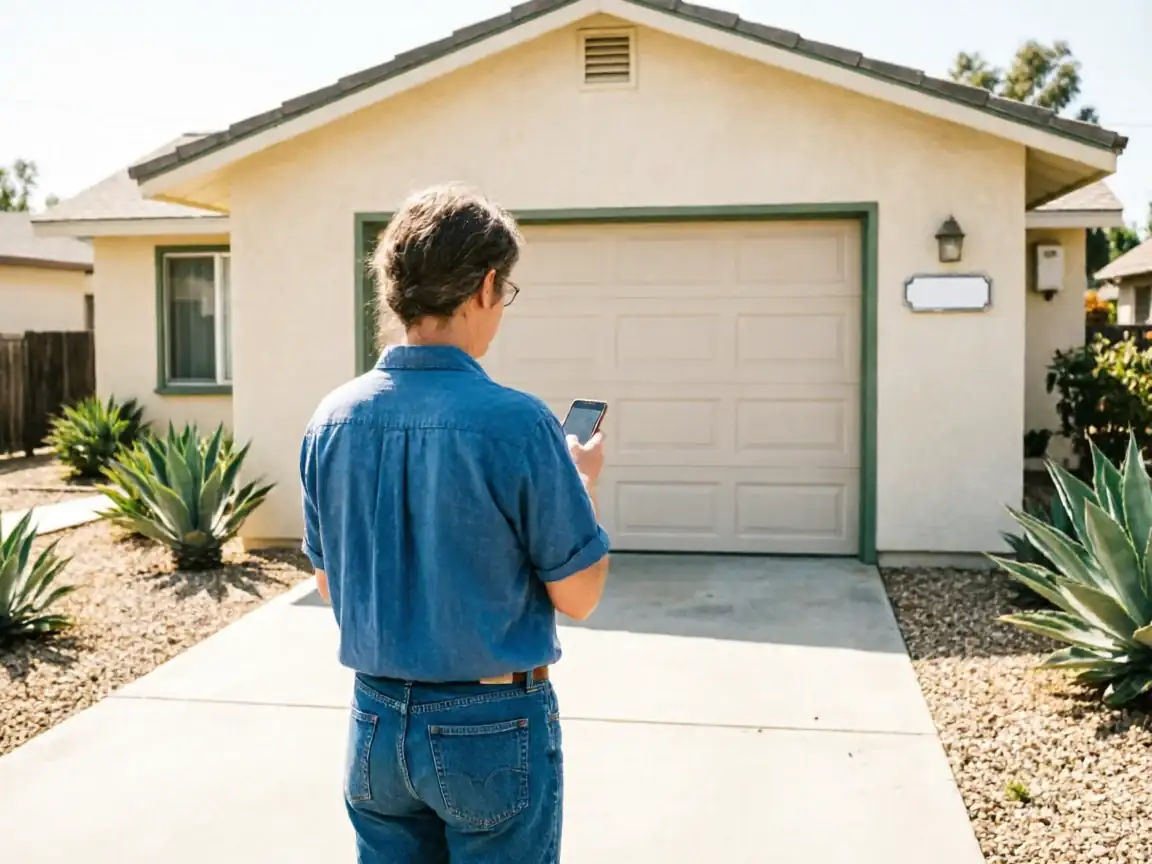
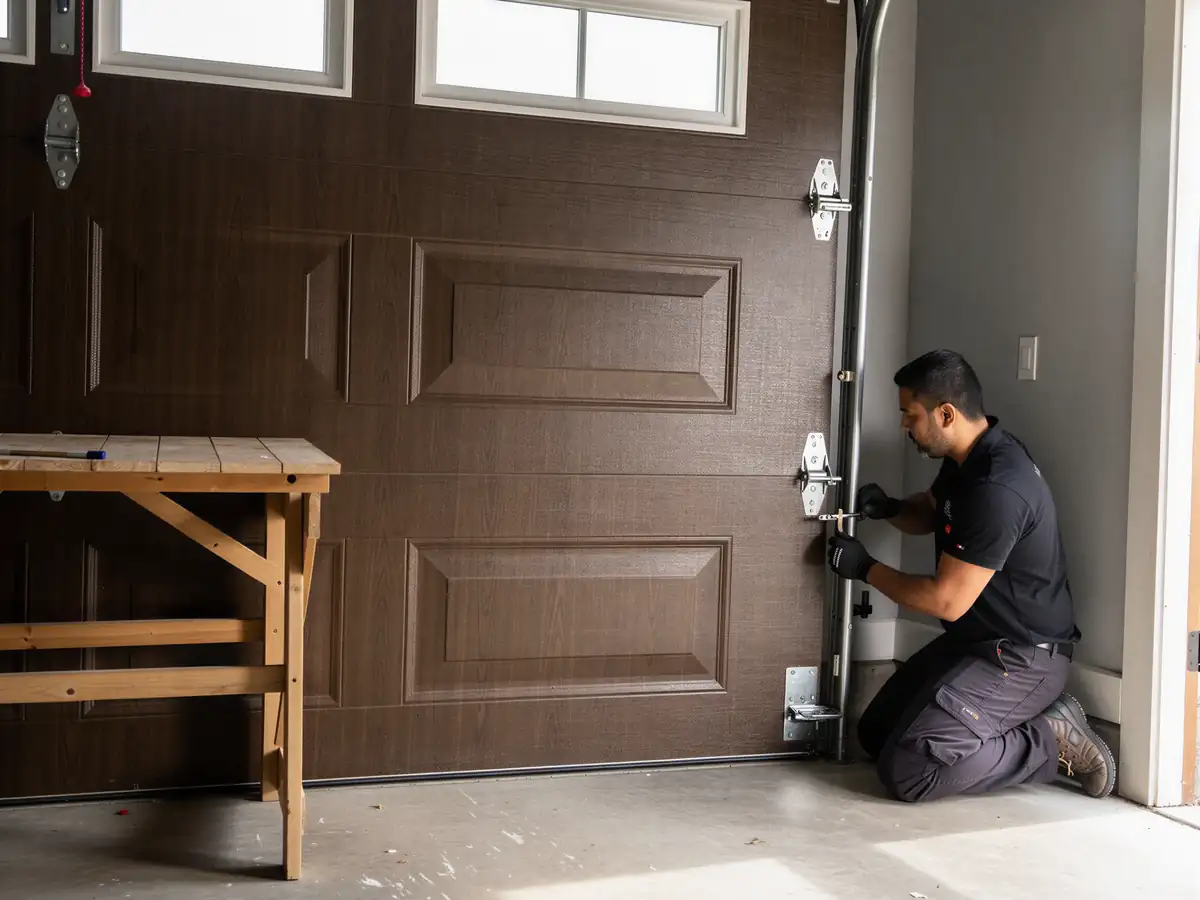
You can often spot the problem before you call anyone. Pull the release cord, lift the door by hand, and see where it binds. If it's smooth until a specific point and then catches, that's usually a roller or a bent track section, not the spring.
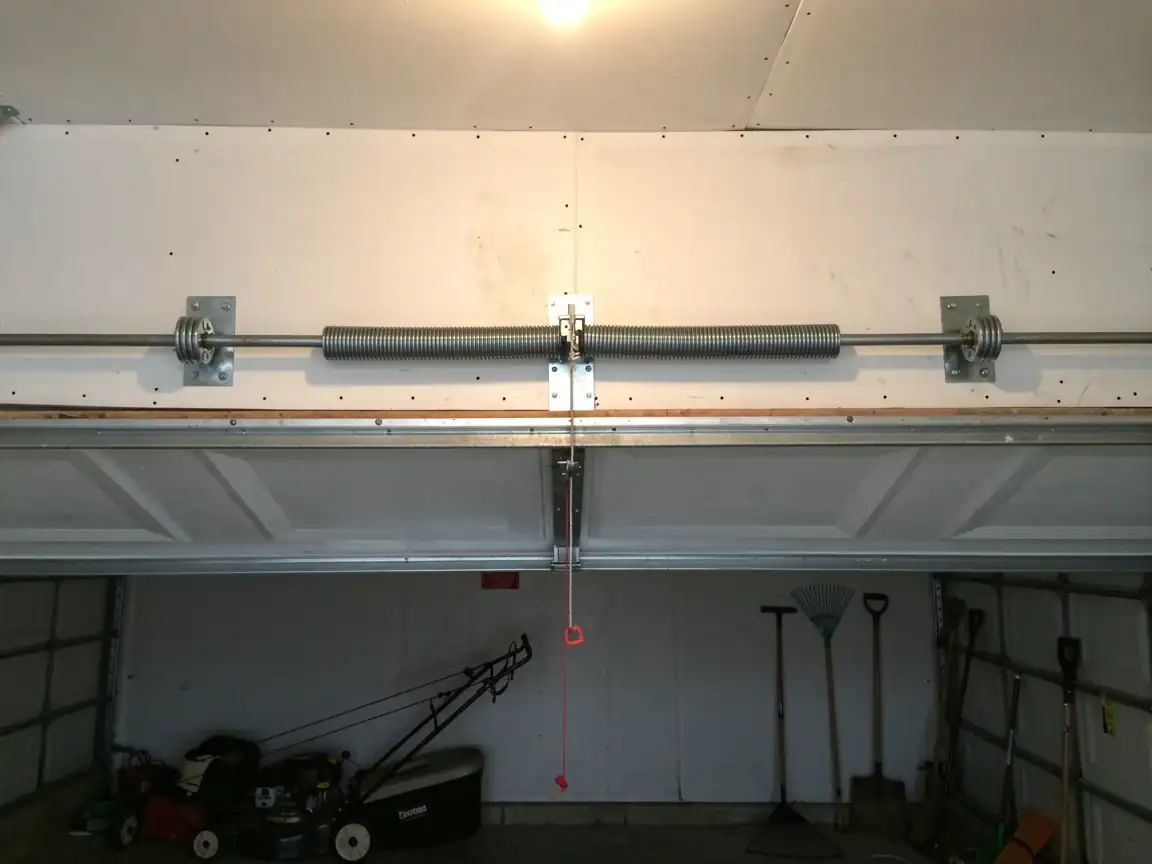
What you shouldn't do yourself: touch a torsion spring
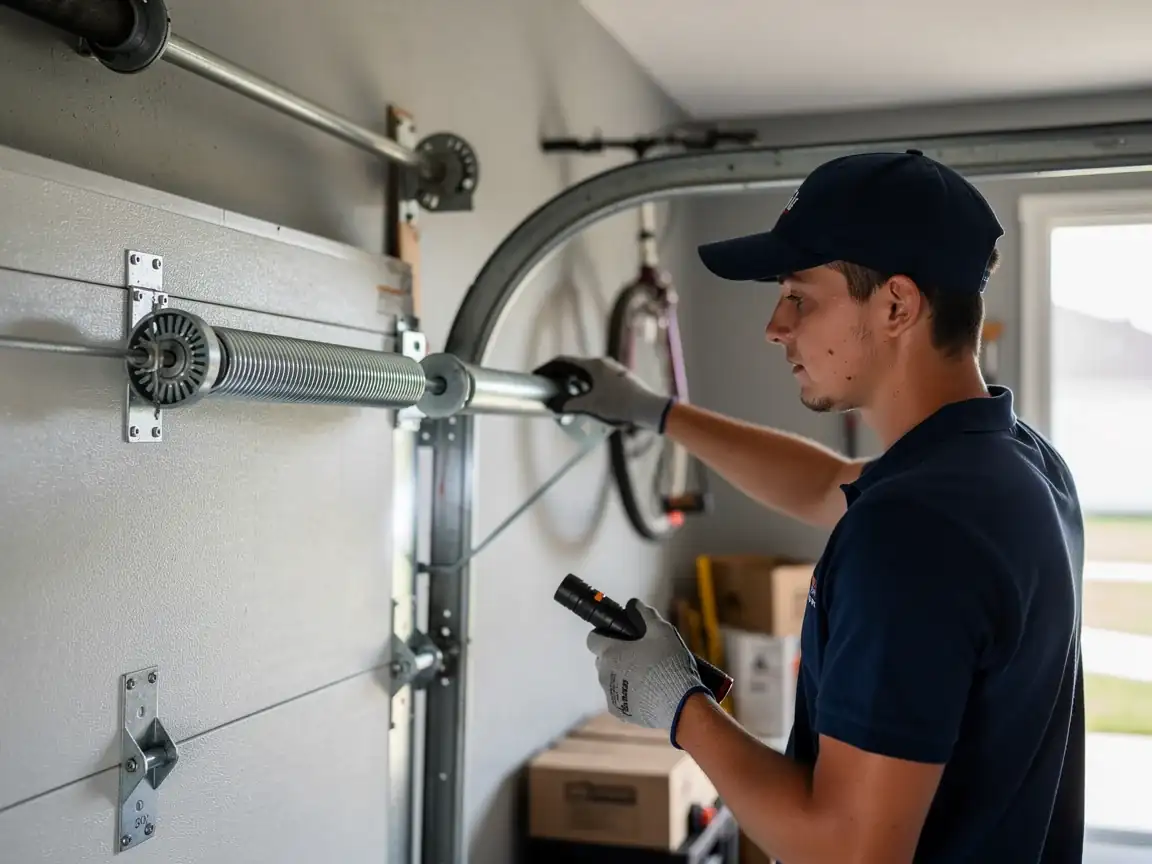
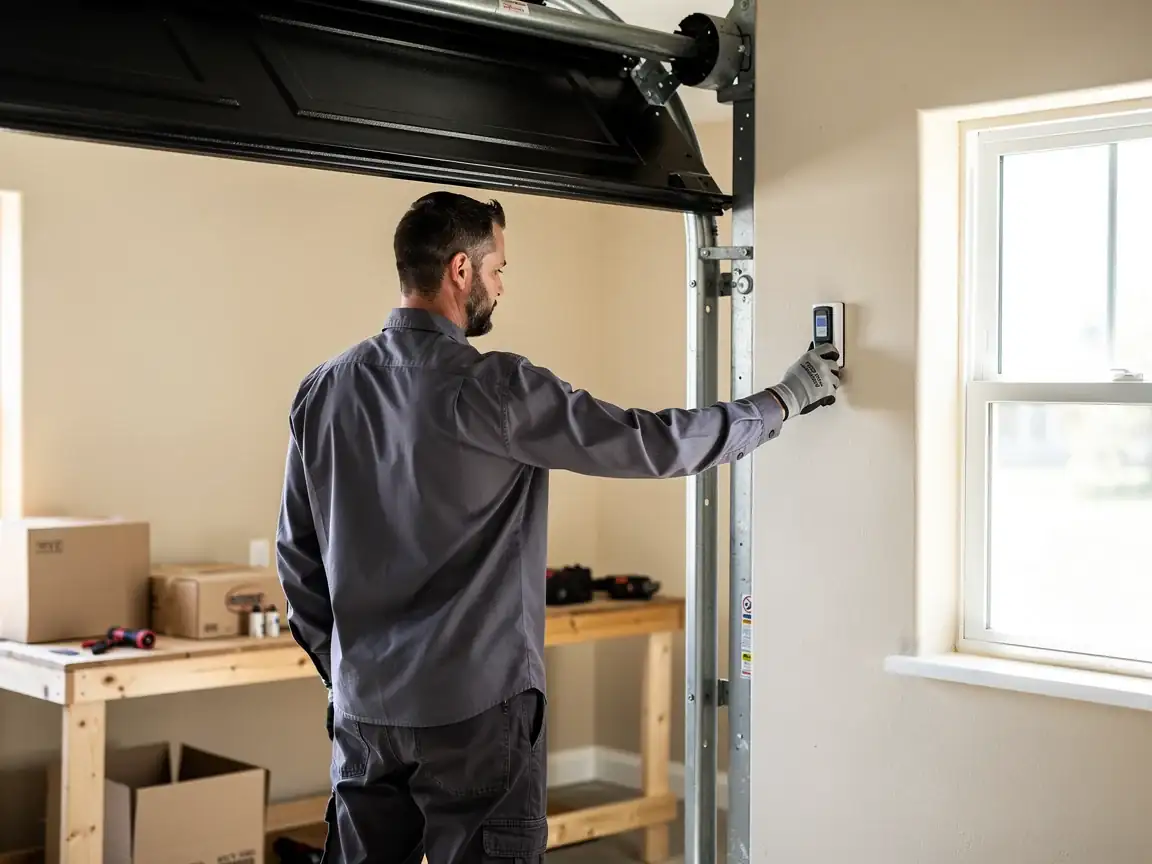
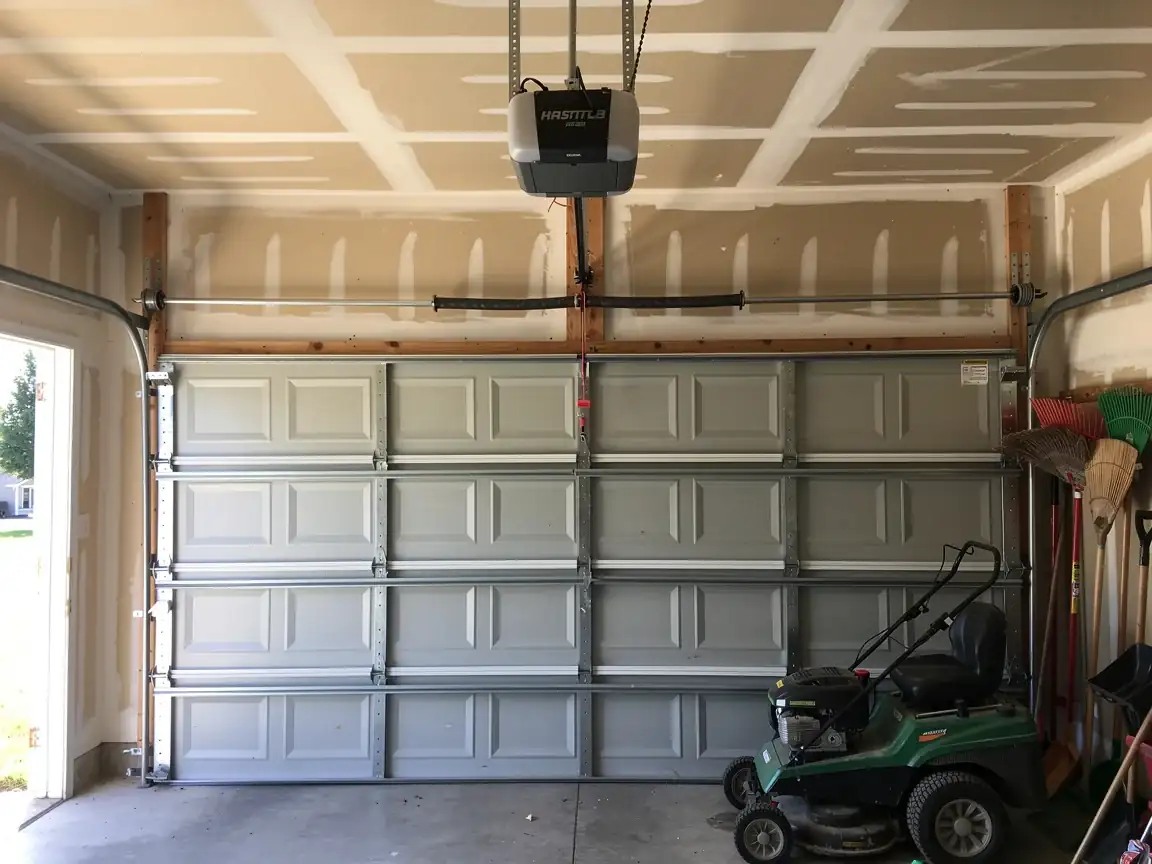
These are wound under heavy tension, and on the older systems common in houses built before the 1990s, the winding cones and shaft sizes don't always match what's sold off the shelf today. We've seen homeowners hurt trying to adjust springs that were never labeled for their actual wind count. Lubricating hinges and rollers with a light oil, tightening loose bolts on the track brackets, and checking the photo-eye sensors for opener issues - those are reasonable DIY jobs. Spring tension and cable replacement are not.
The Symptom
The most common call we get from Walnut Creek homeowners is a door that won't open all the way, or one that opens partway and then reverses itself. On a lot of the original 1960s-70s doors, this is a broken or weakening torsion spring losing its lift, and the opener's safety sensor reading that as resistance. A second common pattern: a loud bang followed by the door refusing to move at all, which is almost always a spring that's finally snapped after years of slow fatigue.
Less dramatic but just as frequent: a door that drifts down a few inches after you close it, or one side that visibly droops lower than the other. That's usually a cable stretching unevenly or a roller that's worn enough to bind in the track. None of these are climate-driven failures - we don't get the sudden cold-snap breakage some regions see. They're wear failures on hardware that's been running since before most of the current owners bought the house.
How We Fix It
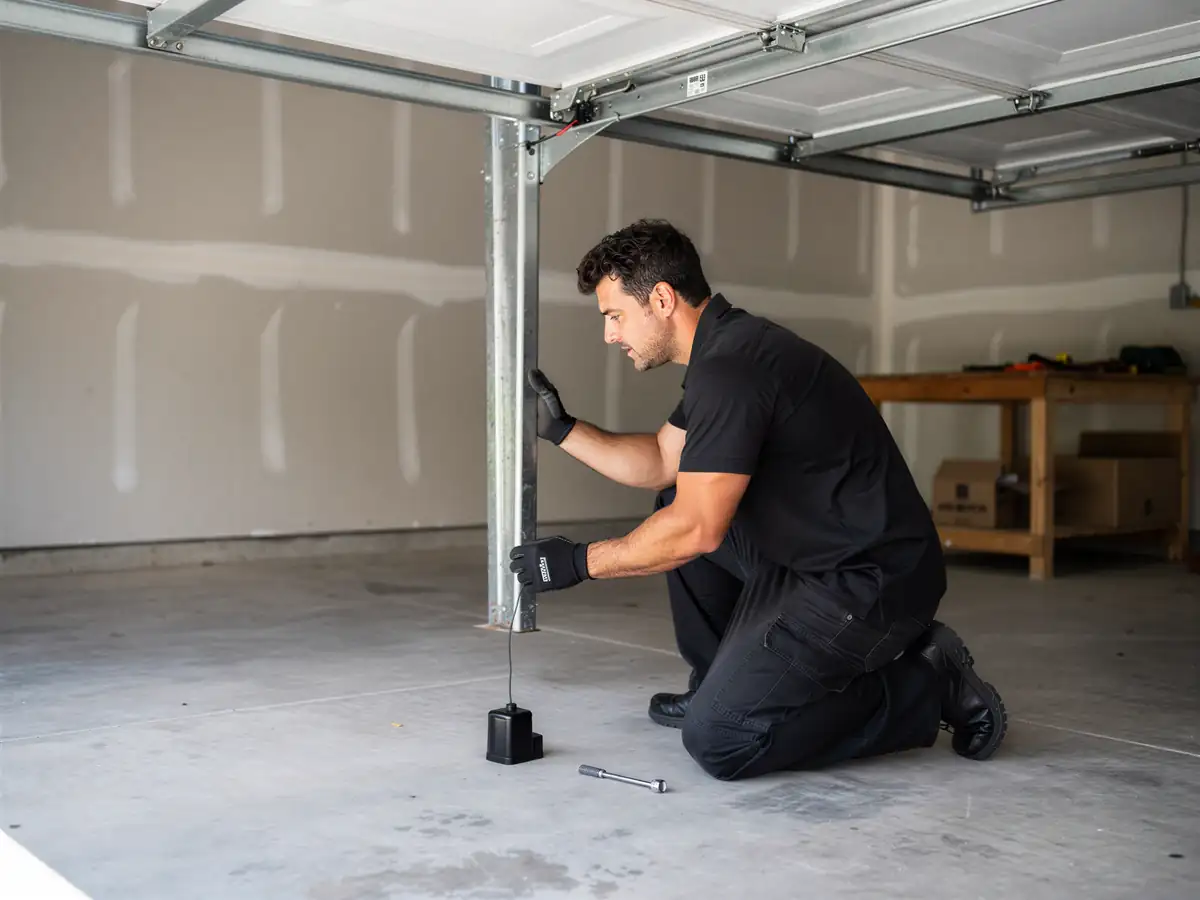
We start by identifying whether the hardware is original or already replaced once, because a house from the median 1972 era often has a mix - a spring swapped out in the 90s paired with rollers nobody's touched since. Matching new torsion springs to the original drum and shaft size matters more on these older setups than on newer construction, where everything's standardized.
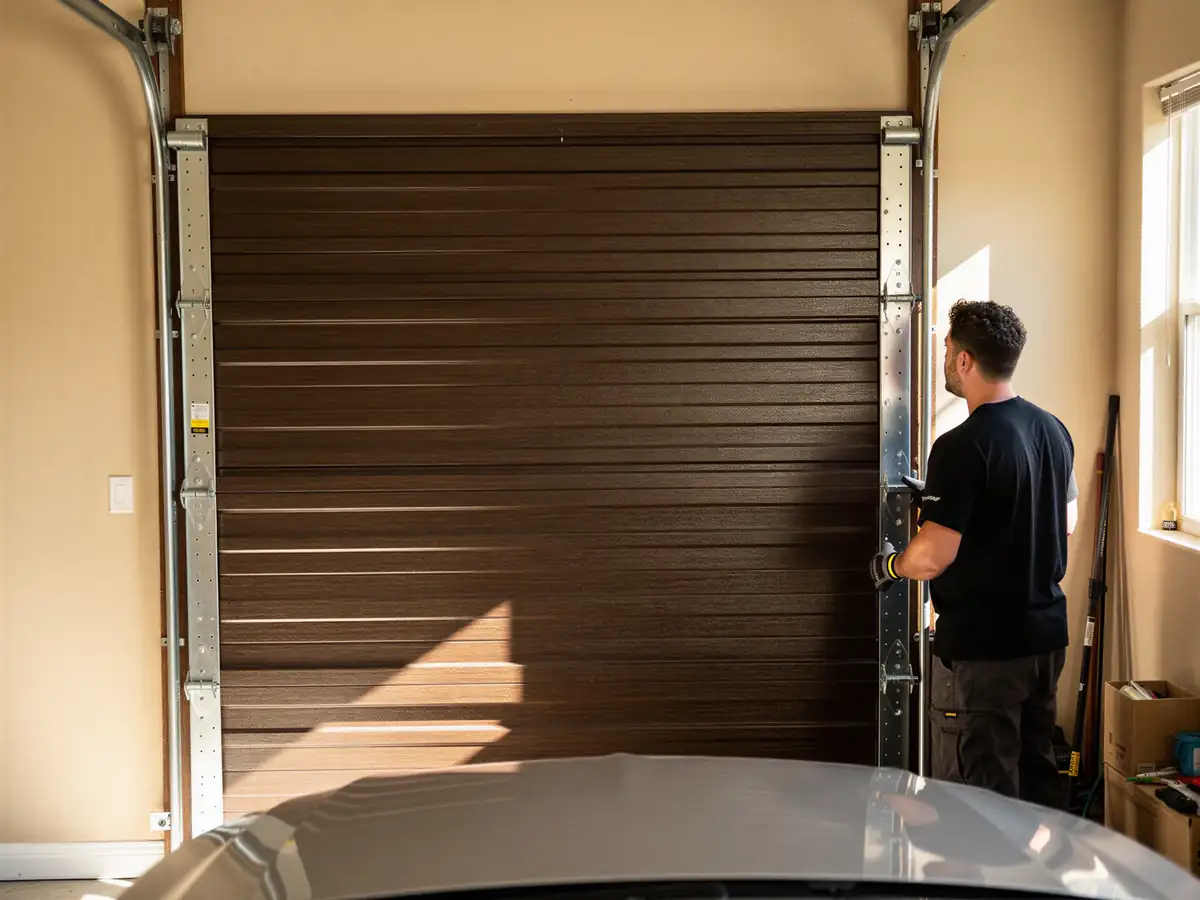
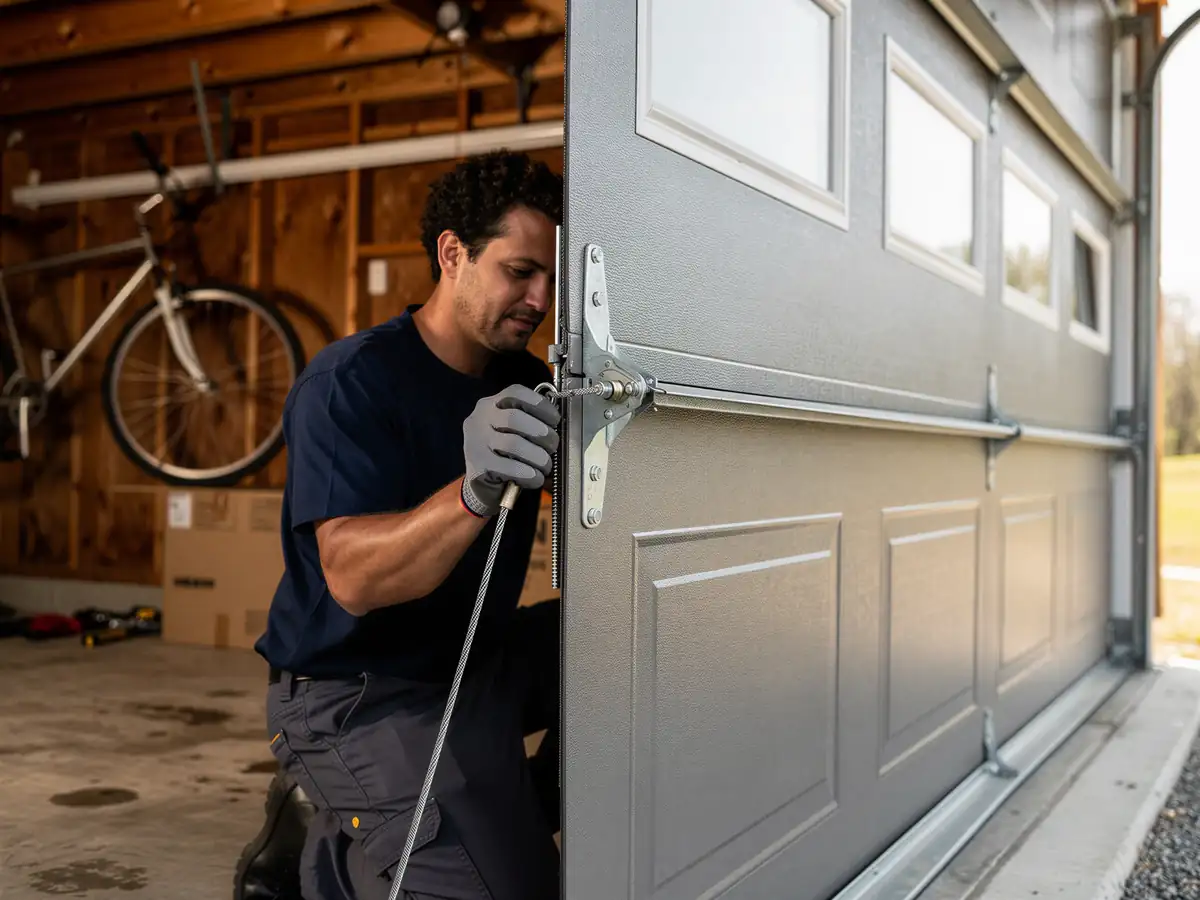
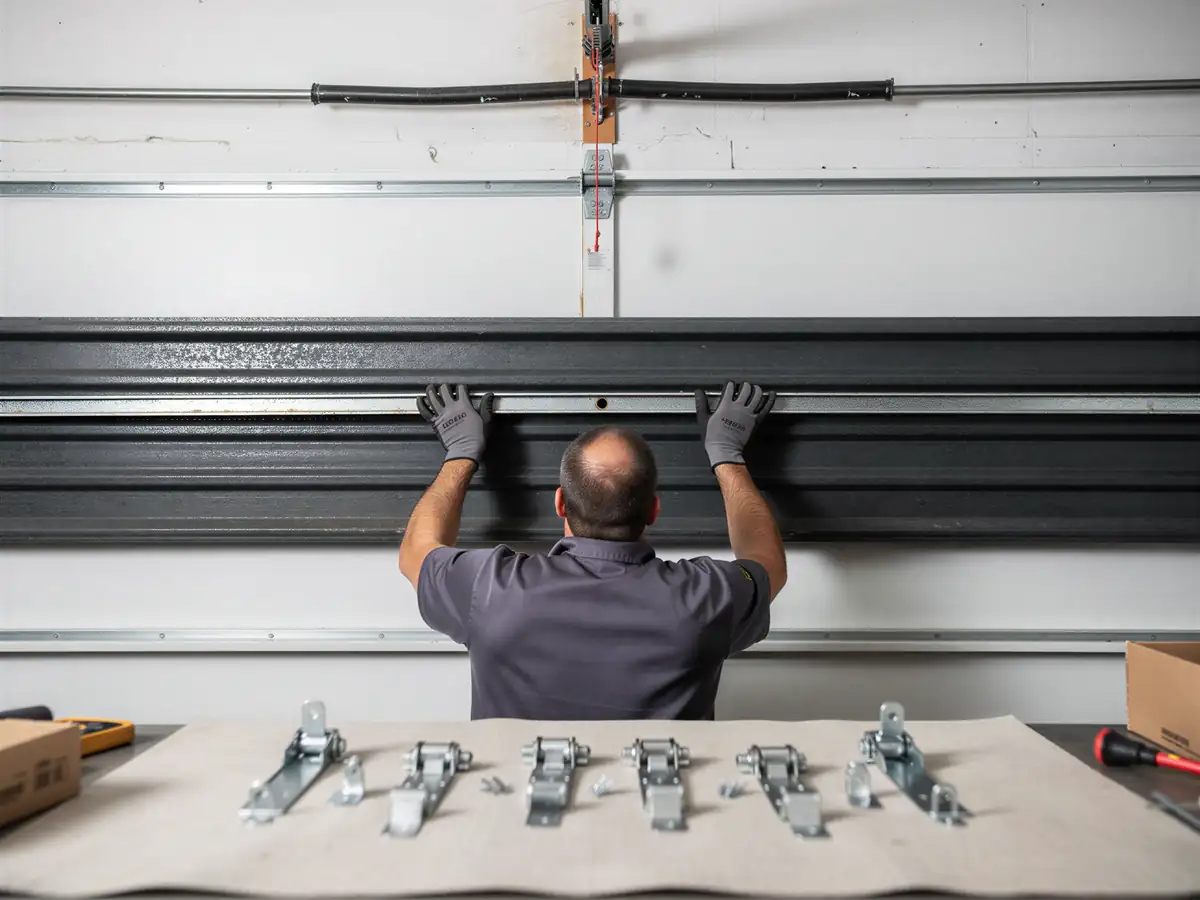
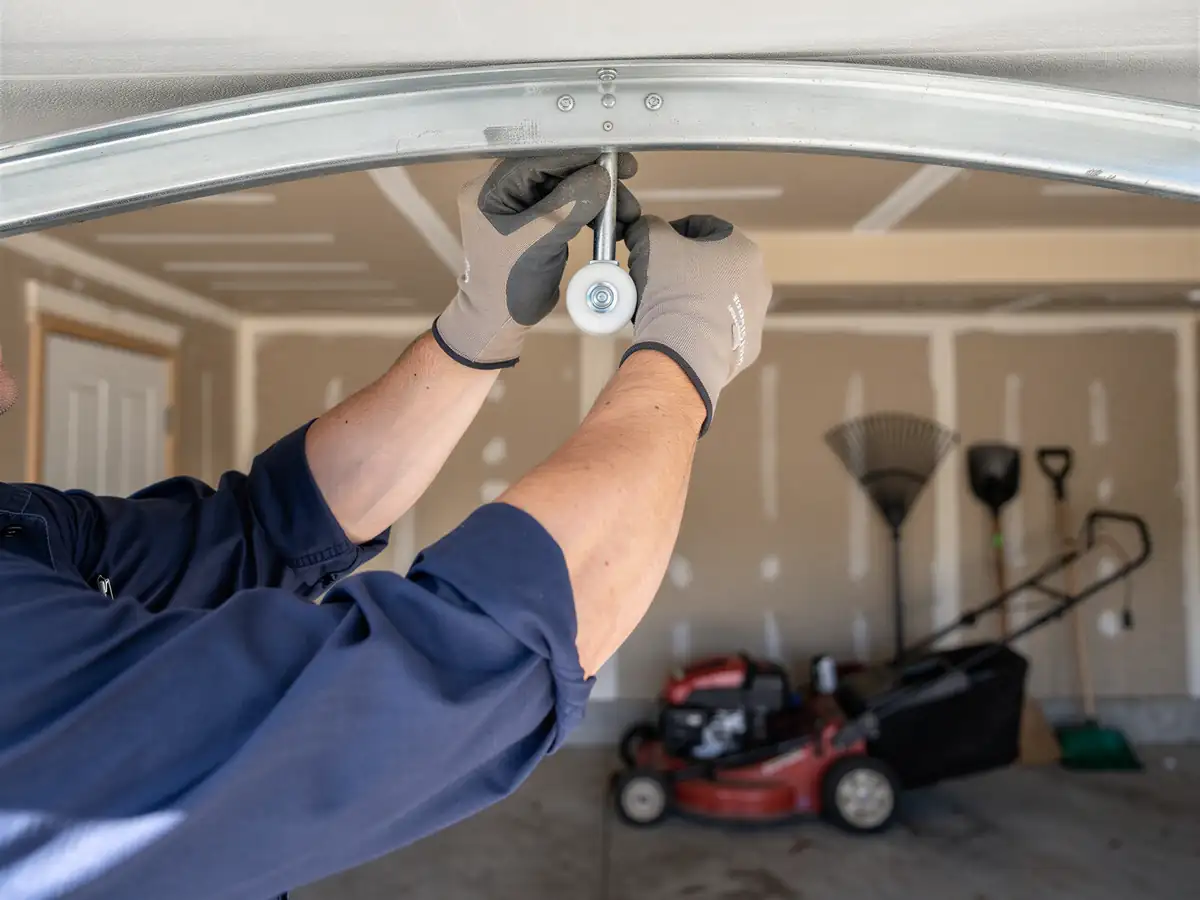
For a snapped spring, we replace in pairs when the door is a double, since running one new spring against one old one puts uneven load on the opener and shortens the life of both. Worn rollers get swapped for sealed nylon rather than the original steel, which holds up longer without the noise. Cable, hinges, and track alignment get checked in the same visit since on a door this old, one worn part usually means its neighbors aren't far behind. We don't recommend patching a track that's bent in more than one place - at that point realignment costs more than it buys you, and replacement is the honest answer.