Serving Walnut Creek, CA & nearby
(925) 255-9102
Walnut Creek, CA

What We Check First on a Walnut Creek Garage Door Call

A walk-through of what we look at first on a Walnut Creek service call, tied to this area's 1960s-70s housing stock and mild temperate climate.

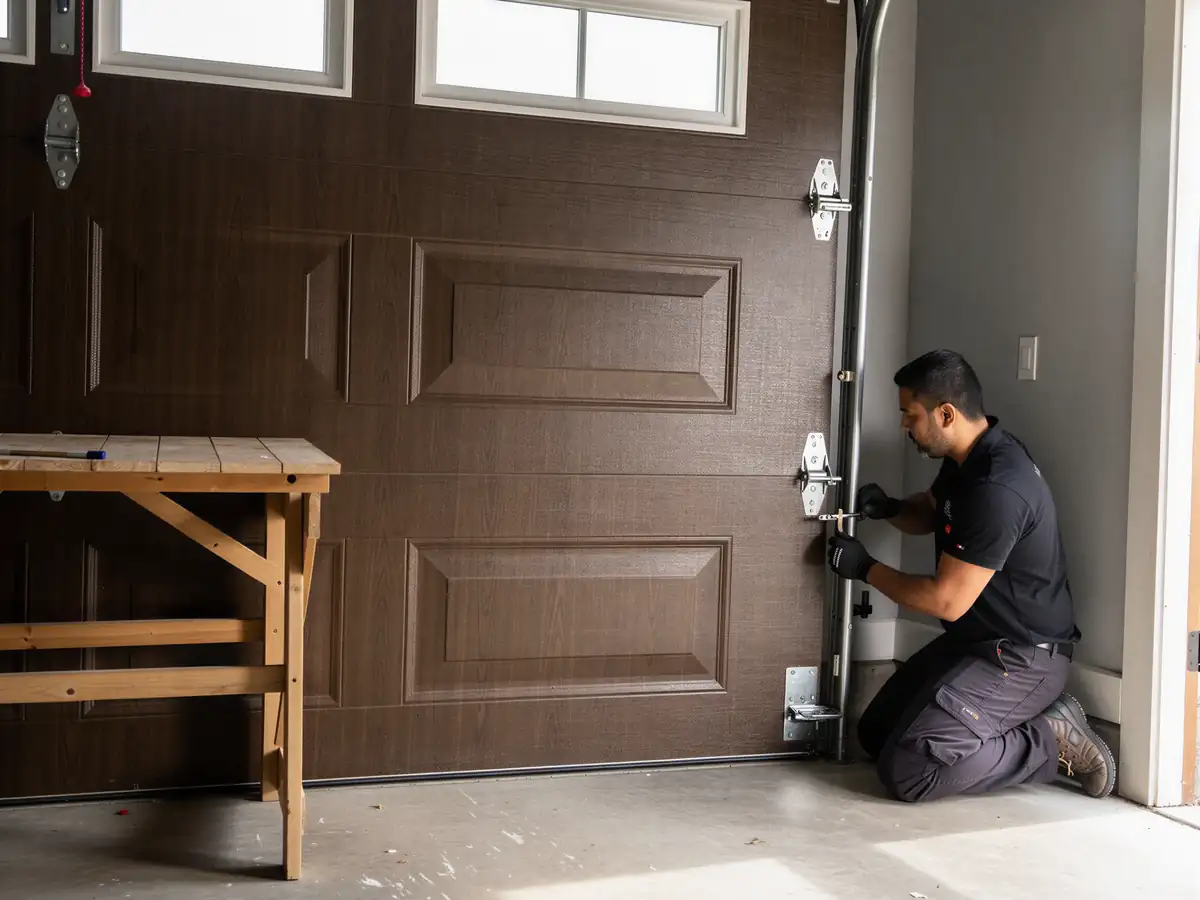
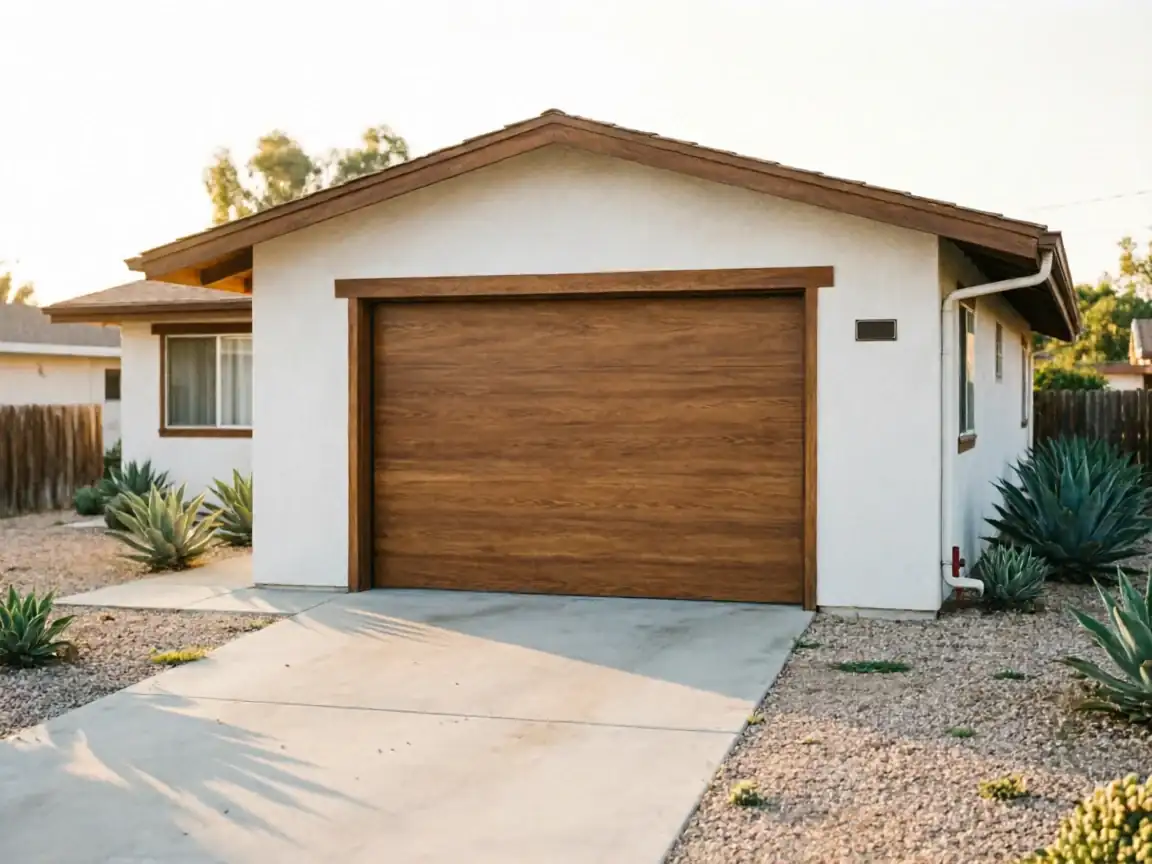
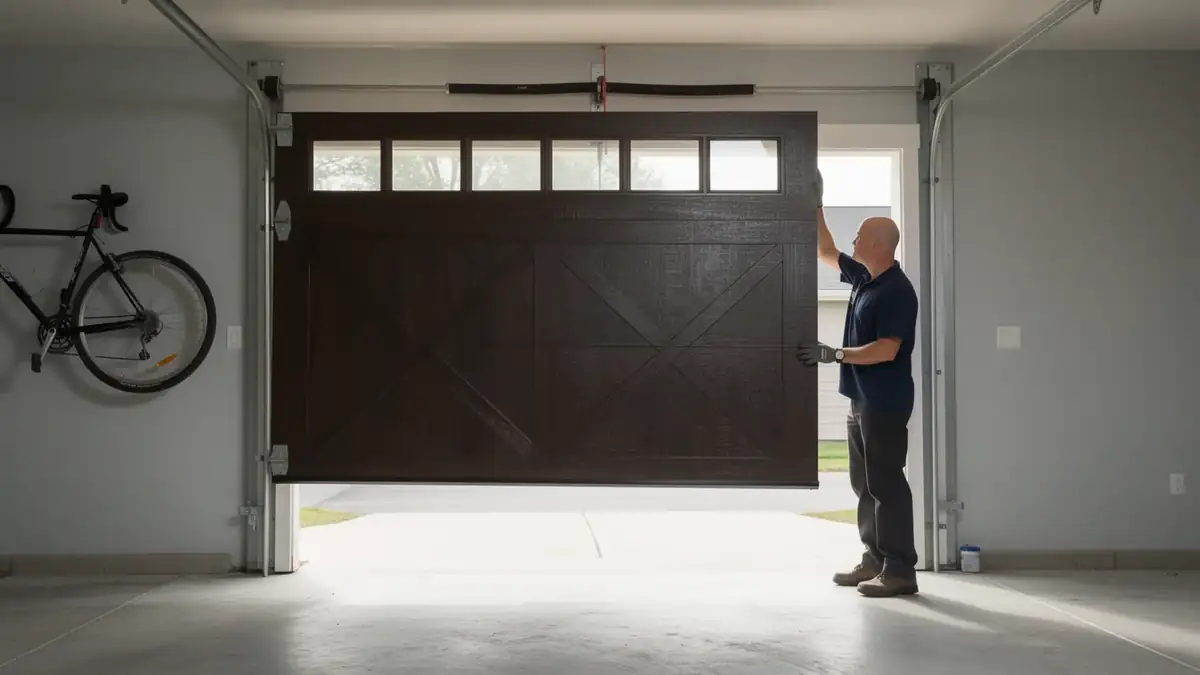
A technician installs a brown garage door with windows in an open garage.

The Situation

Most of the houses we get called to in Walnut Creek went up between 1938 and 2008, with the median build year sitting at 1972. That means the bulk of the doors we work on are original or second-generation units installed on hardware that matched building codes from the 1960s and '70s - the era that covers most of the 39 named areas across this part of the county, from San Miguel a mile out to just northeast. A door installed in 1971 and a door installed in 2005 are not the same job. The older one usually has a one-piece or sectional door on side-mounted torsion hardware that nobody stocks new parts for anymore, while the newer one is more likely a standard extension or torsion setup with parts still on the shelf. Before we touch anything, we want to know roughly when the house was built, because that tells us more about what's behind the panel than the homeowner's description of the symptom does. A door that 'just stopped working' in a 1968 house points us somewhere different than the same complaint in a house built in 1998.

What to Check

We start at the springs, because torsion spring age tracks pretty closely with house age here, and a spring installed when the house was built has had 50-plus years of cycling. We check for rust pitting on the coils, flat spots that show the spring has already started to let go, and whether the winding cone matches hardware from that build era or has been swapped at some point. Next is the track - on the older end of the local housing stock we often find bent or narrowed track from decades of minor door strikes, which throws the rollers off and makes the opener work harder than it should. We test the opener's force settings, since an opener fighting a misaligned track will mask a spring problem until the cable finally snaps. Rollers and cable condition come last in the walk-through but first in the 'why did this fail today' question - fraying is slow, and on a door that's original to a 1960s build, we expect to find it. One thing we won't do on-site is guess at parts availability for a door we don't recognize; some older one-piece units need parts ordered, and we'd rather tell you that up front than promise a same-visit fix we can't deliver.

Season by Season

Walnut Creek sits in a mild temperate band, so we don't see the freeze-thaw cycles that crack foundations and throw doors out of square the way colder climates do. What we do see is slower, cumulative wear - rubber weatherstripping and nylon rollers that age from UV and temperature swings rather than snap from a hard freeze. Spring and fall are when we get the most calls, mostly because that's when homeowners are in the garage more and notice the grinding or the door that's started sticking halfway up. Summer heat can make steel expand slightly, which on an older, already-loose track shows up as a door that binds in the afternoon and runs fine in the morning. Winter here doesn't bring ice, but it does bring more rain days, and a door seal that's been dried out and brittle for a decade suddenly has to do its job again. None of this is dramatic weather. It's steady, mild wear on steady, mild-climate hardware - which is exactly why problems tend to show up as slow degradation rather than sudden failure, and why a yearly look at rollers and seals catches more than waiting for something to break.

How Local Conditions Play In

Put the housing age and the climate together and you get a specific pattern: doors that fail from fatigue, not from storm damage or frost-heaved foundations. A door on a house built near the 1972 median has had roughly five decades of opening and closing on hardware that was never designed to be maintenance-free for that long, and the mild temperate climate means that hardware wore out slowly instead of getting knocked out by weather events. That's different from a technician's checklist in a climate with hard winters, where the first question is foundation movement. Here, the first question is cycle count and original equipment age. It also means that in neighborhoods like around where the housing stock skews toward that same 1960s-70s band, we see the same handful of failure points over and over: original torsion springs, narrowed track, and weatherstripping that's outlived its usefulness. We don't treat every call the same, but the pattern across this area is consistent enough that knowing the rough build era of the house tells us most of what we need before we even open the toolbox.
How it works

From “it’s stuck” to “it’s fixed”

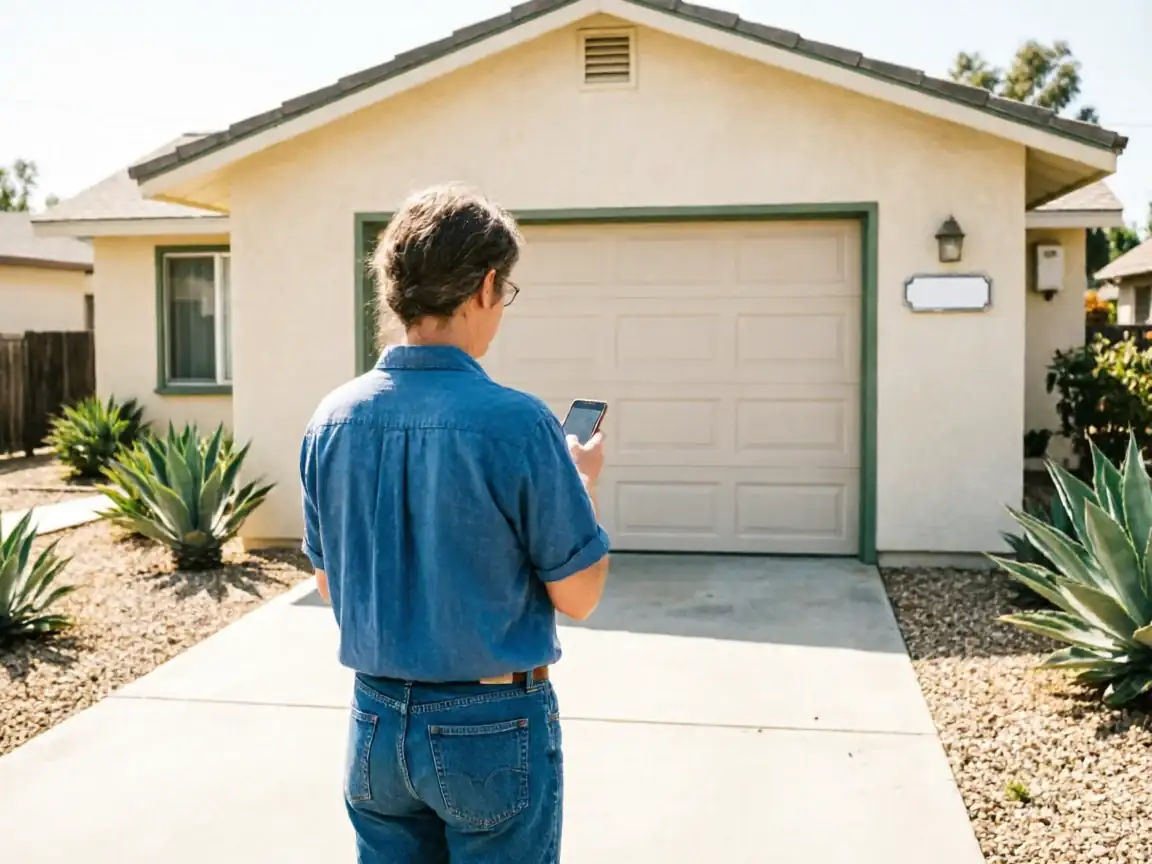
A person stands in a driveway, looking at a phone in front of a garage door.

Tell us what’s wrong

Describe the symptom - won’t open, loud bang, opener runs but the door won’t move.

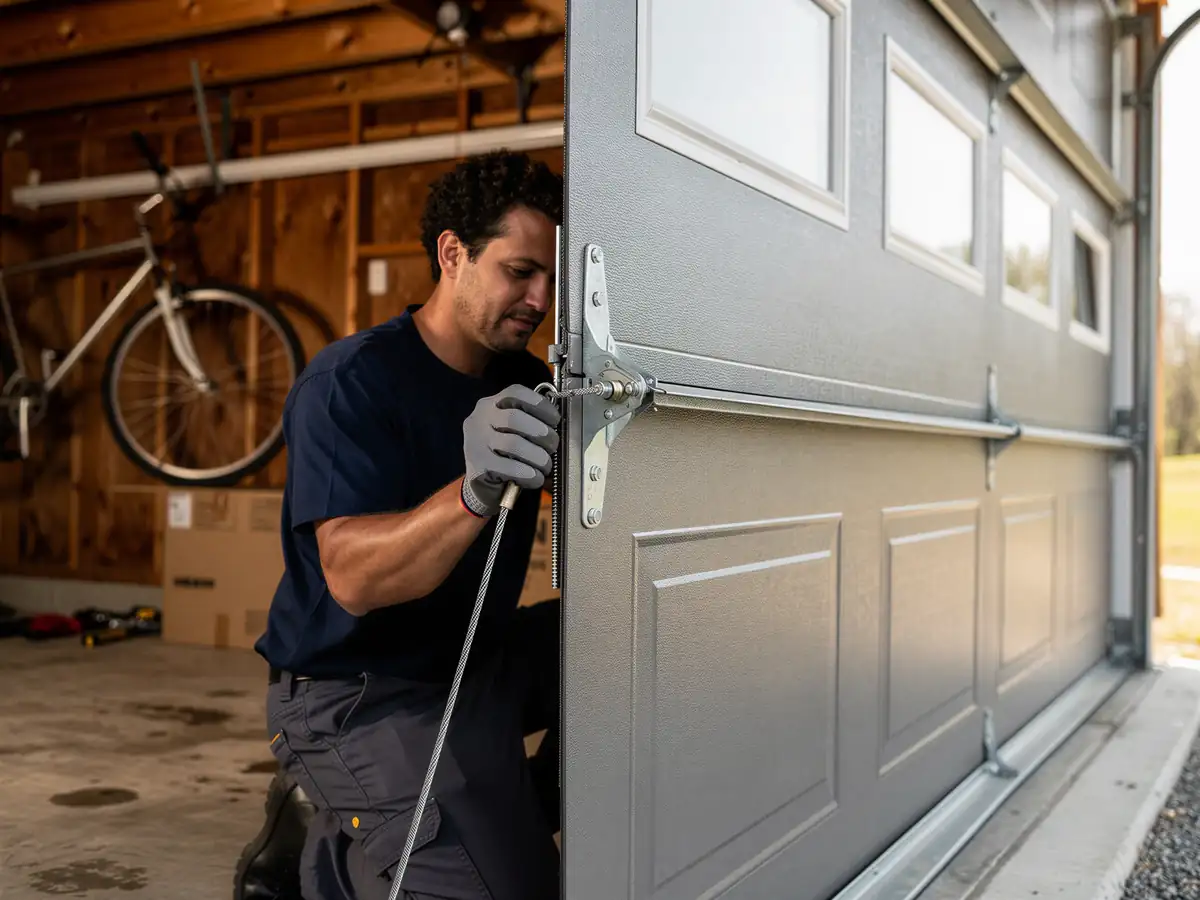
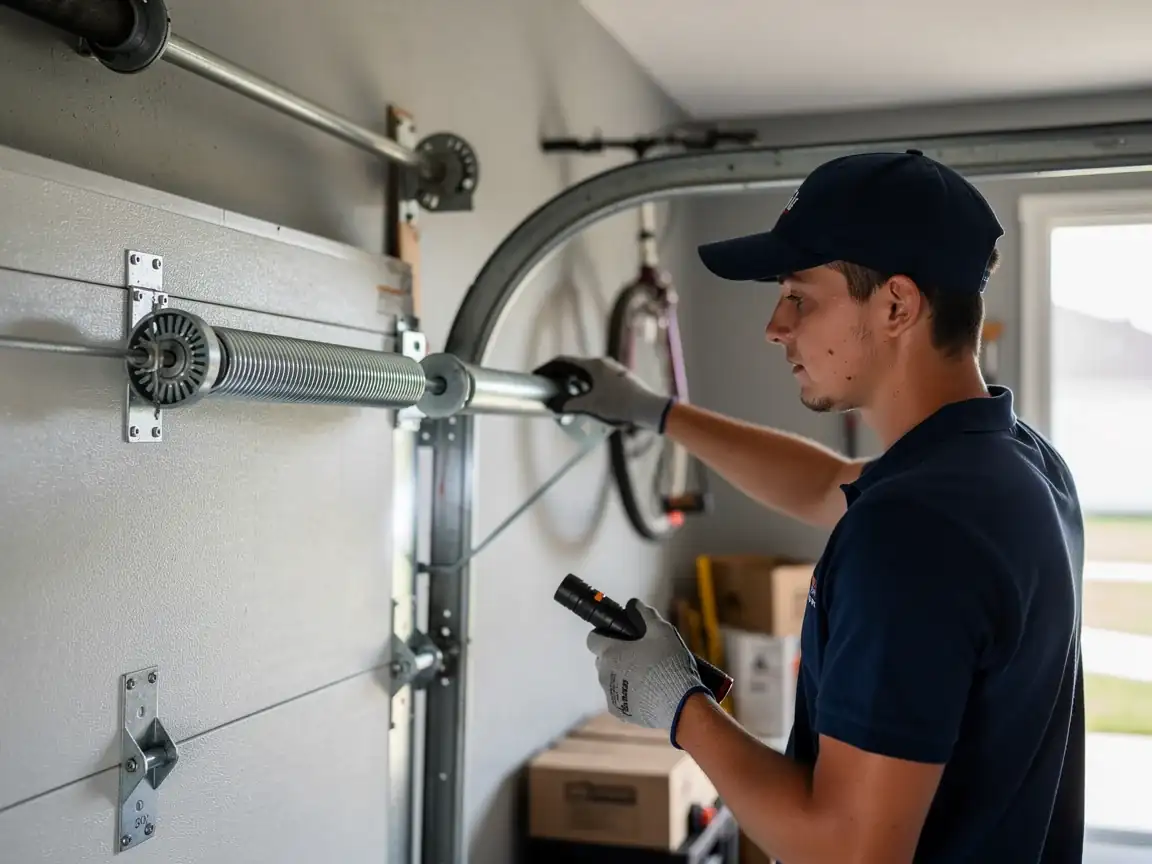
A technician in a blue shirt and cap works on a garage door torsion spring.

On-site diagnosis

A technician tests the door under power and by hand and finds what actually failed.

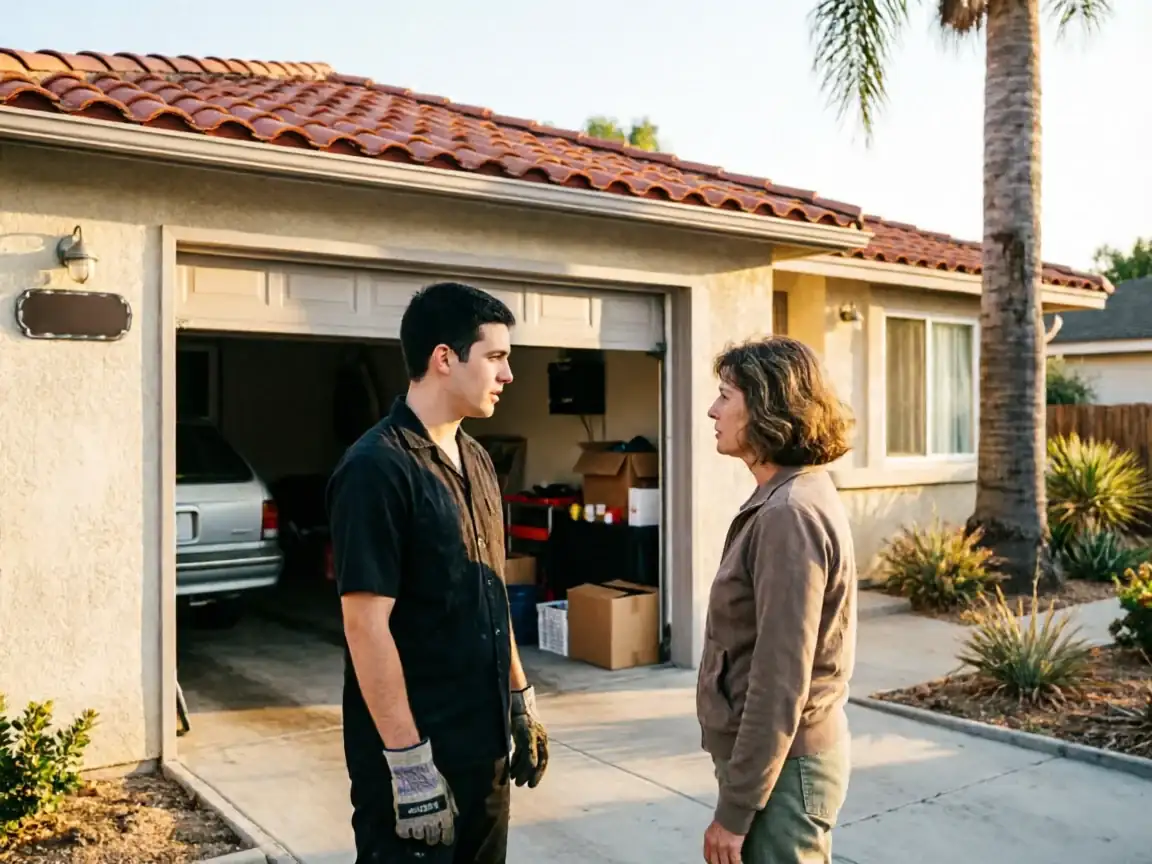
A technician and a woman stand in front of an open garage.

Clear, up-front plan

You get the fix that’s needed and what drives the cost - before any work starts.

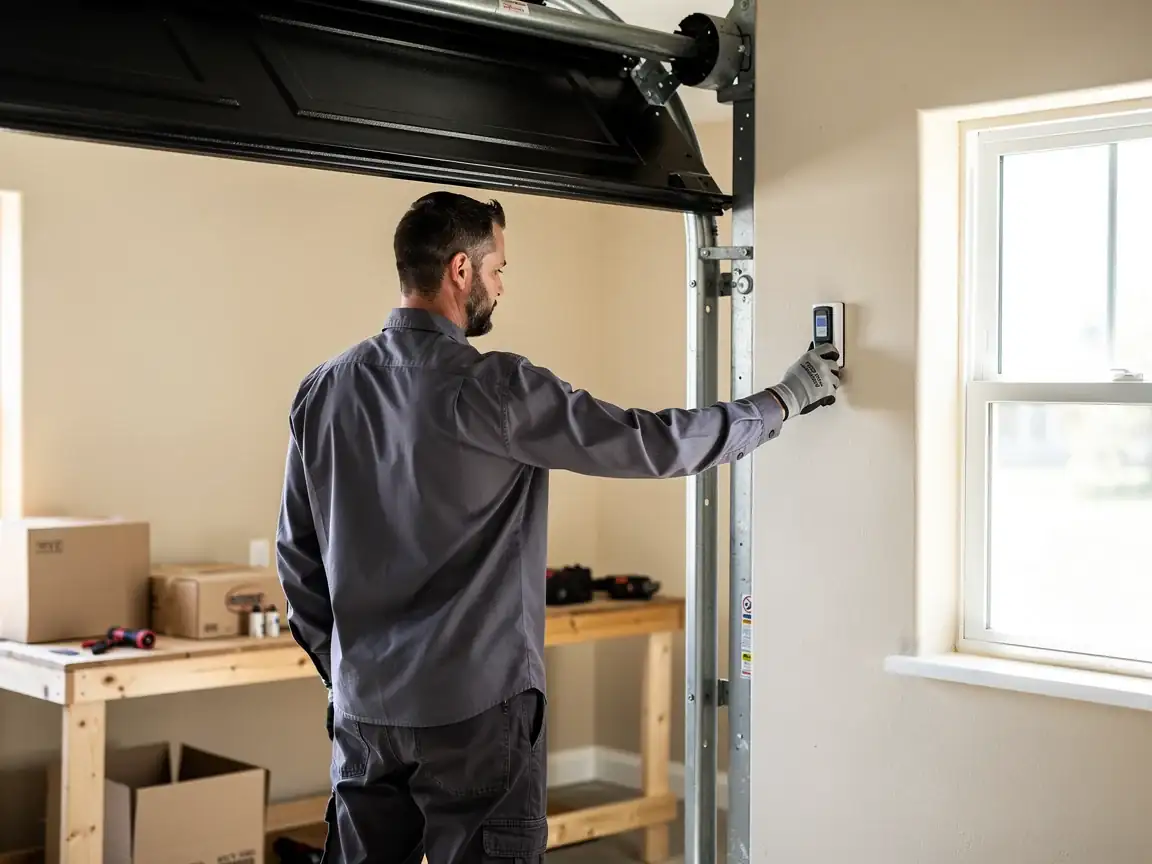
A technician adjusts a garage door opener control panel on a wall.

Repaired & tested

The repair is done, the door is set true and tested, and the work area left clean.

Not sure which repair your door needs in Walnut Creek, CA? Describe what it’s doing - every job starts with a diagnosis.

How we work

What to expect

Diagnosis firstEvery visit starts by finding what actually failed - not a pre-written parts list.
The right part for the doorSprings and openers matched to the door’s weight and age, so the fix holds up.
Straight answersWhen a repair makes more sense than a replacement - or the reverse - you hear it plainly.
Clean, careful workTension released safely, hardware set true, the door tested under power before we leave.
What we do

Garage Door Services

Repair and installation work for Walnut Creek homes and businesses.

Questions

Frequently asked

Straight answers about garage door repair in Walnut Creek. Still unsure? Ask us directly.

Why does the age of my house matter for a garage door repair?

Because hardware and codes from the build era usually dictate what's behind the panel. Most Walnut Creek houses date to the 1960s-70s, median 1972, so we expect original torsion spring setups and track that may not match parts sold today. Knowing the build year narrows down the likely failure before we even inspect the door.

Does Walnut Creek's climate cause garage door problems?

Not in the dramatic way a cold climate does. The mild temperate band here means no freeze-thaw foundation shifts, but UV and steady temperature swings still age rubber seals and nylon rollers over the decades. Failures here tend to be slow wear rather than sudden storm damage.

Can you always fix an older door the same day?

Not always. Some original hardware from 1960s and '70s builds uses parts that aren't stocked anymore, and we'd rather order the right part than force a mismatch. If your door is from that era, we'll tell you upfront if it needs a parts order instead of promising a same-visit fix.

Ready to get your garage door sorted?

Tell us what it’s doing and where you are in Walnut Creek - we’ll take it from there.

8Services offered
5Areas covered
Diagnosisfirst, then the fix
Request a QuoteCall