What Causes It Around Here
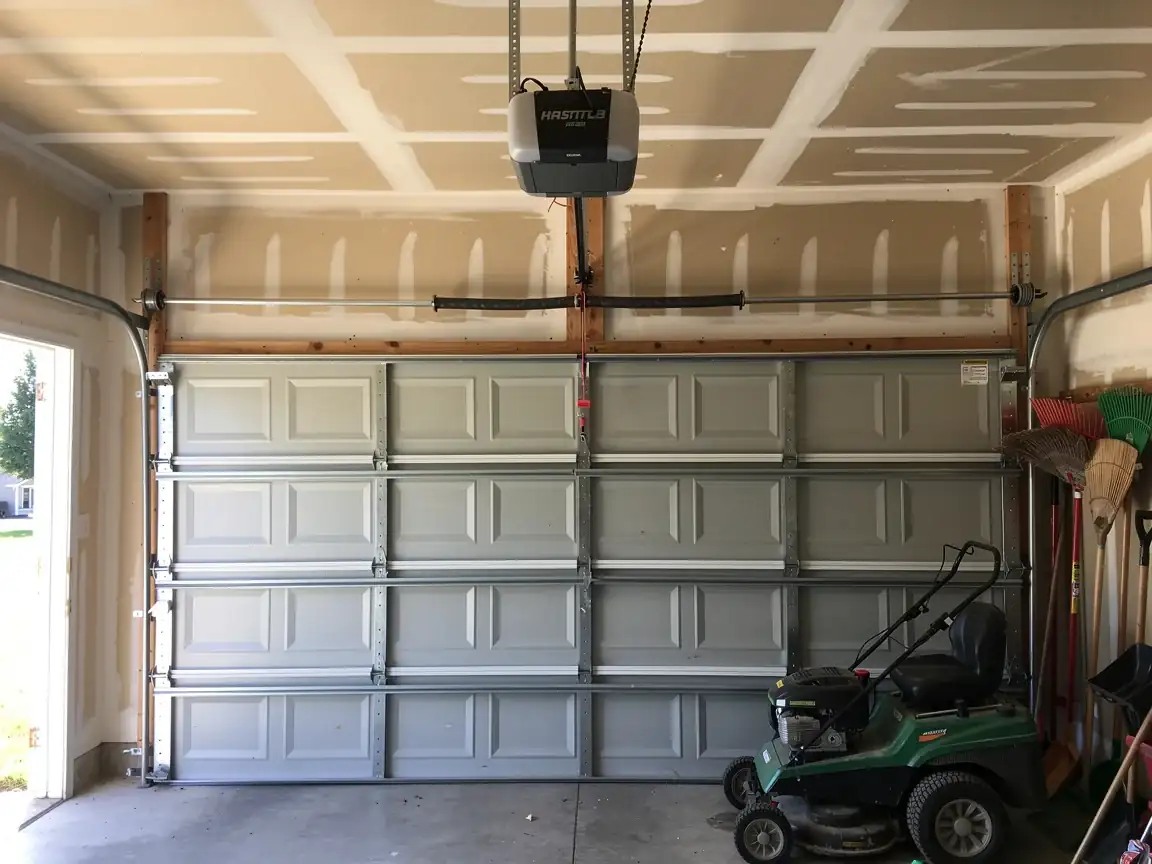
Walnut Creek housing runs from 1938 up through 2008, but the bulk of what we service was built in the 1960s and 70s, with a median build year around 1972. That means a lot of garage doors on their original torsion or extension springs, original steel rollers, and hardware that was never upgraded when the rest of the house got remodeled. A spring rated for roughly 10,000 cycles doesn't care what decade it is - it just wears out, and on a house pushing 50 to 60 years old, that wear-out point has usually already come and gone.
The mild temperate climate here actually works in these doors' favor compared to places with real freeze-thaw cycles or heavy humidity - you don't see the rust-through on tracks and hinges that garages in wetter climates deal with. But mild weather doesn't stop metal fatigue. Across the 39 named areas in this service territory, from San Miguel a mile out to three miles southwest, we see the same pattern: doors that look fine on the outside with springs and rollers that are simply done from age and use, not from weather damage.
Doing It Yourself
You can handle some of this yourself
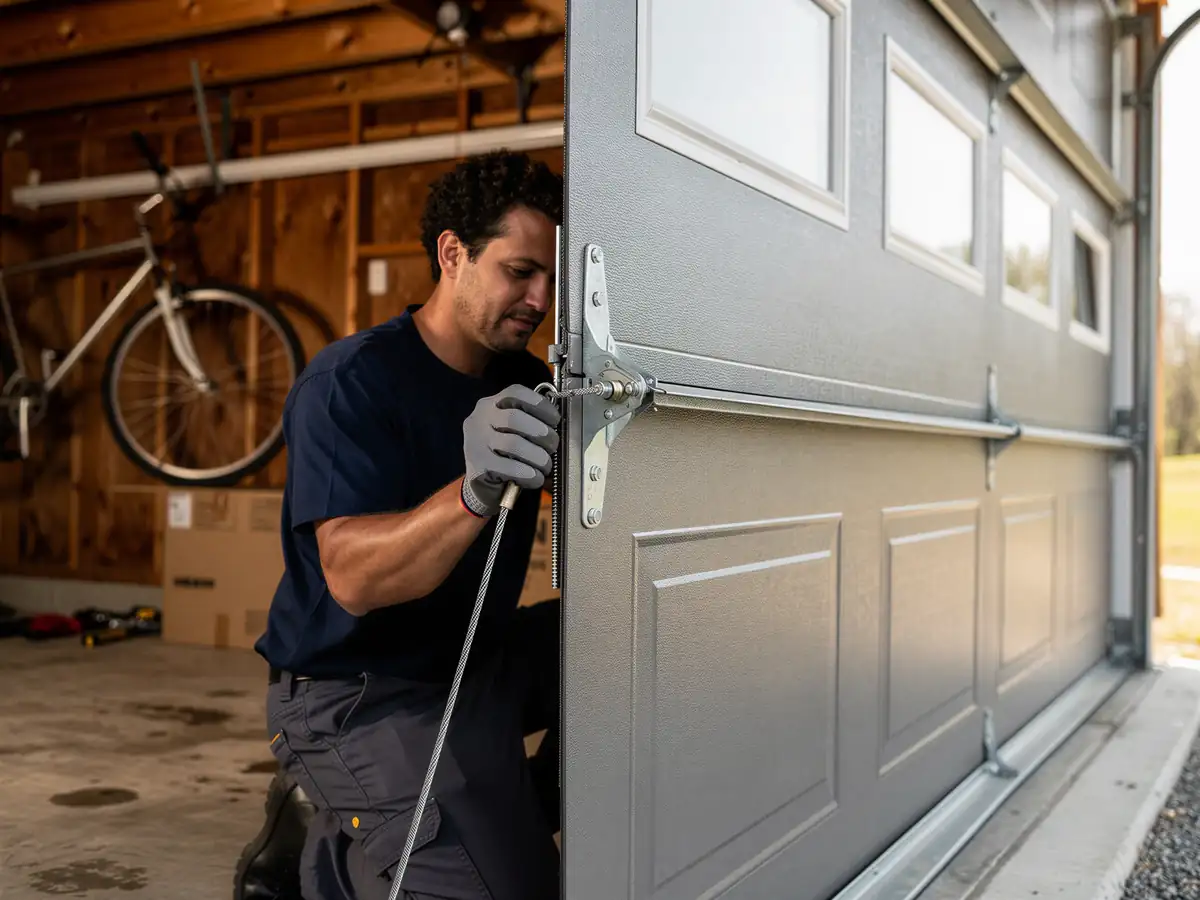
Lubricating rollers and hinges with a garage-door-specific lubricant, checking that the track is clear of debris, and tightening loose hardware on the track brackets are all reasonable weekend jobs. Visually check your cables too - fraying strands near the bottom roller bracket is a sign to call someone, not keep going.
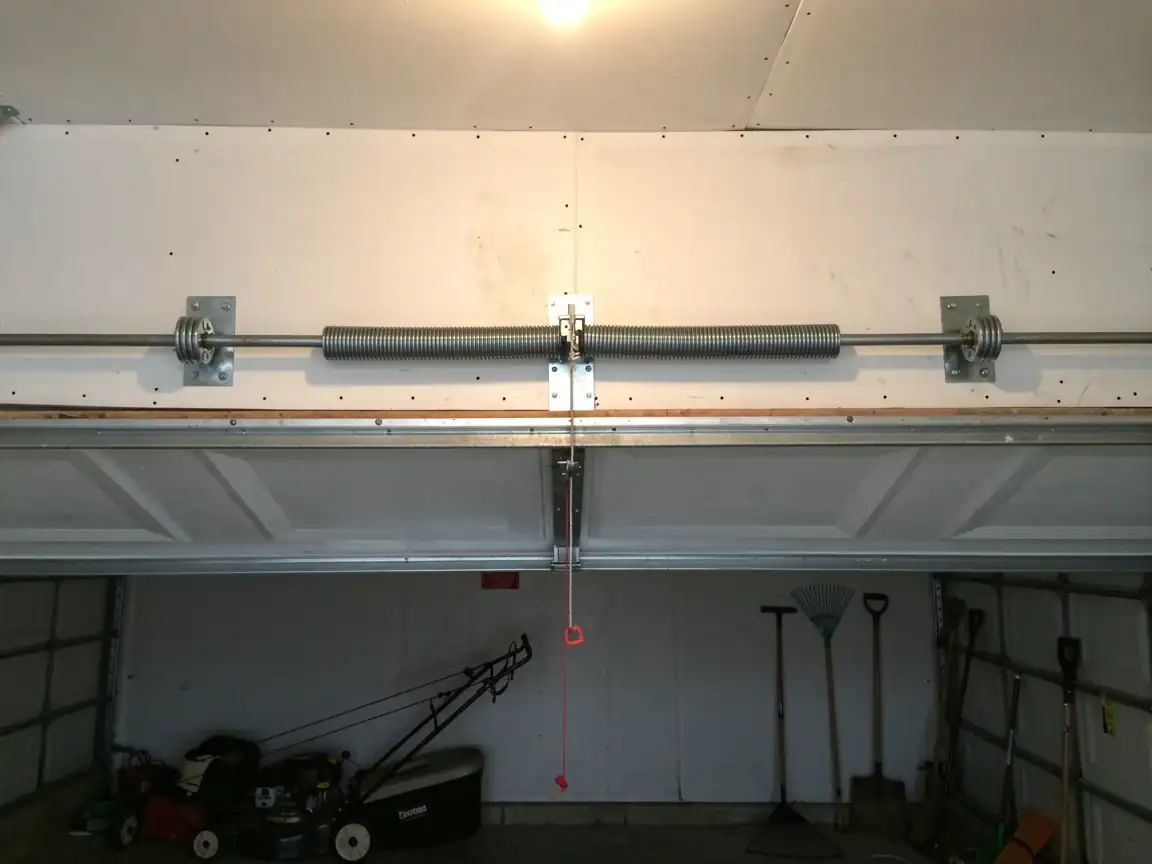
What you should not do on a house with original 1960s or 70s hardware is touch the torsion spring yourself
These springs store enough tension to cause serious injury, and on a door this old, the spring, the winding cones, and sometimes the shaft itself are all fatigued together. If your door is heavy to lift by hand with the opener disconnected, that's your spring telling you it's past its service life - not something to grease and hope improves.
The Symptom
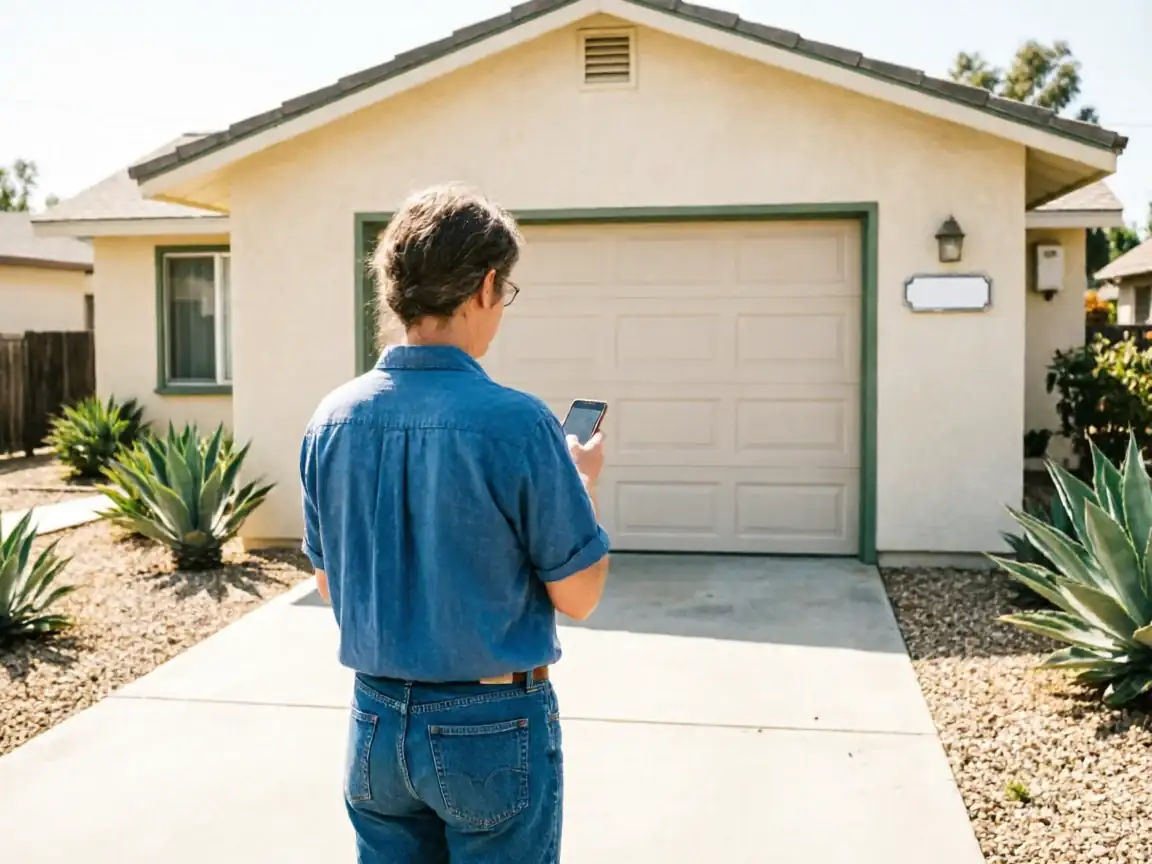
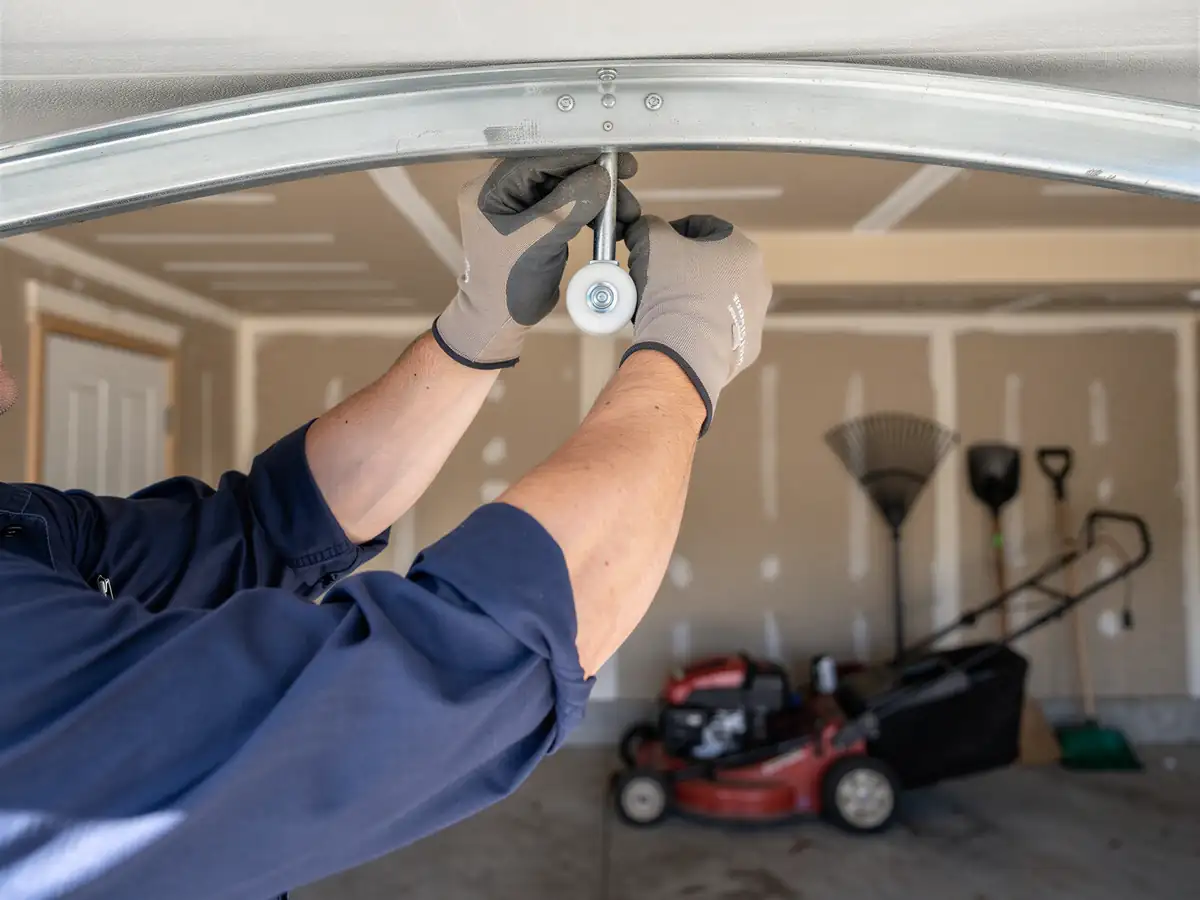
The call we get most from these older Walnut Creek neighborhoods sounds the same every time: the door used to open smooth and now it's loud, jerky, or the opener strains and stalls partway up. Sometimes there's a bang from the spring area. Sometimes it's a slow grinding as steel rollers - original equipment on a lot of these 1960s-70s doors - ride in tracks that have worn just enough to let the roller wobble instead of roll clean.
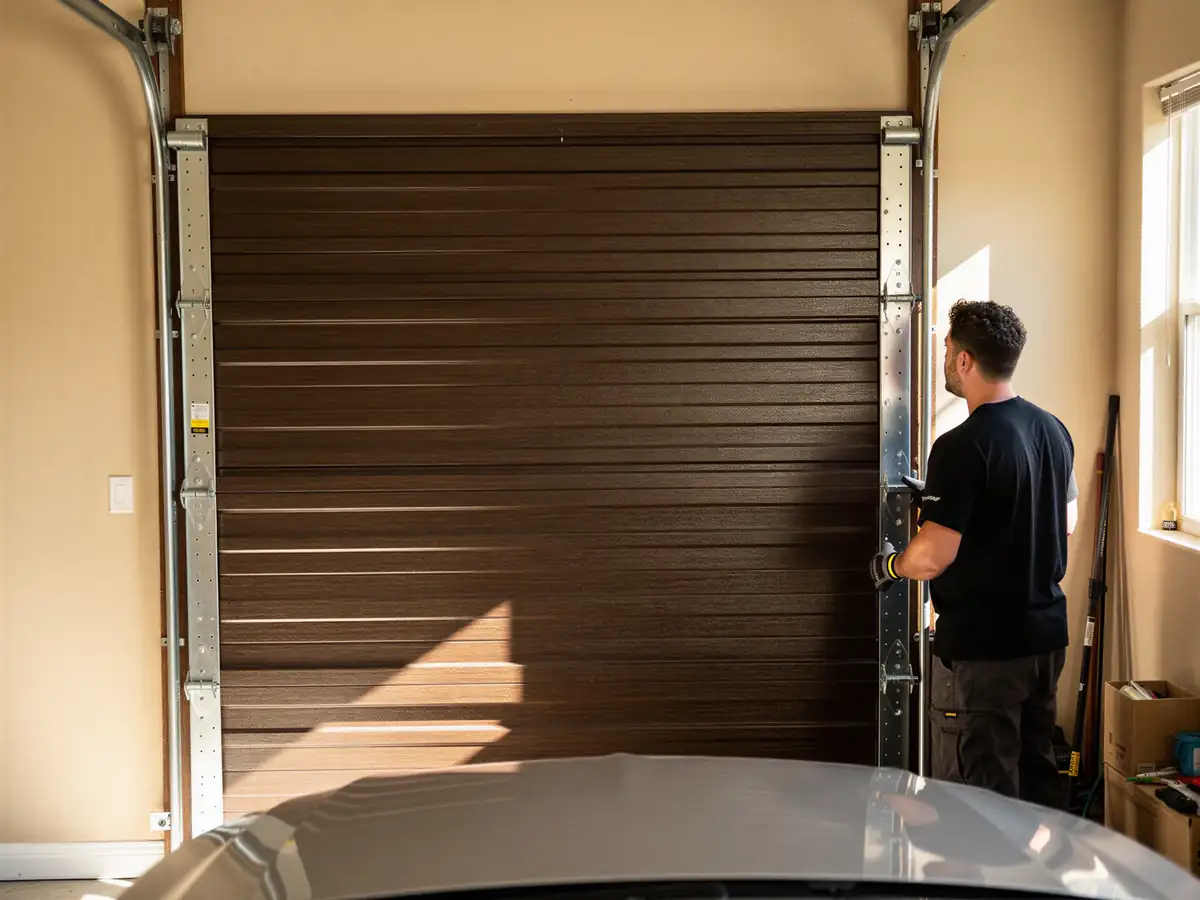
On a door built when your house was built, the rollers, the spring, and the cable are usually all aging out together, which is why a problem that starts as "a little noisy" often turns into "stuck halfway" within a few weeks. It's not usually one part failing in isolation - it's original hardware reaching the end of its cycle count at roughly the same time, because it all went in on the same day decades ago.
How We Fix It
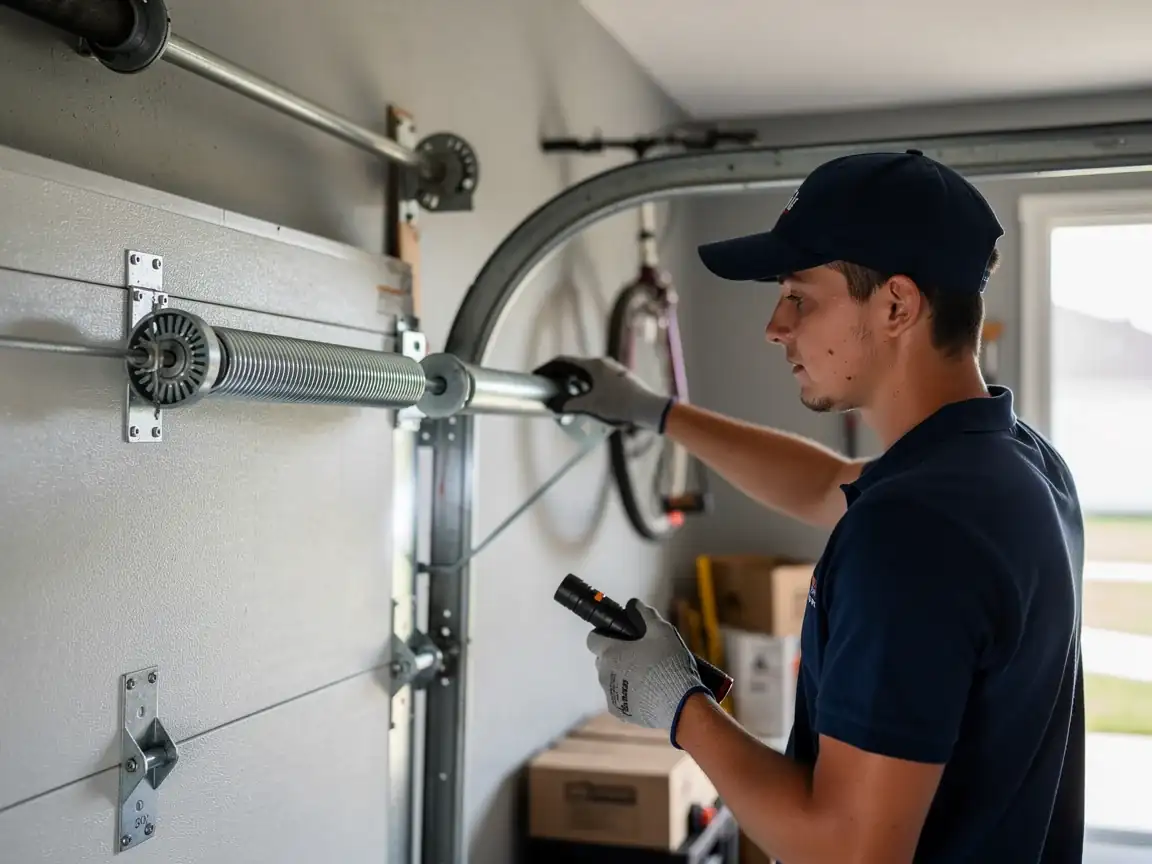
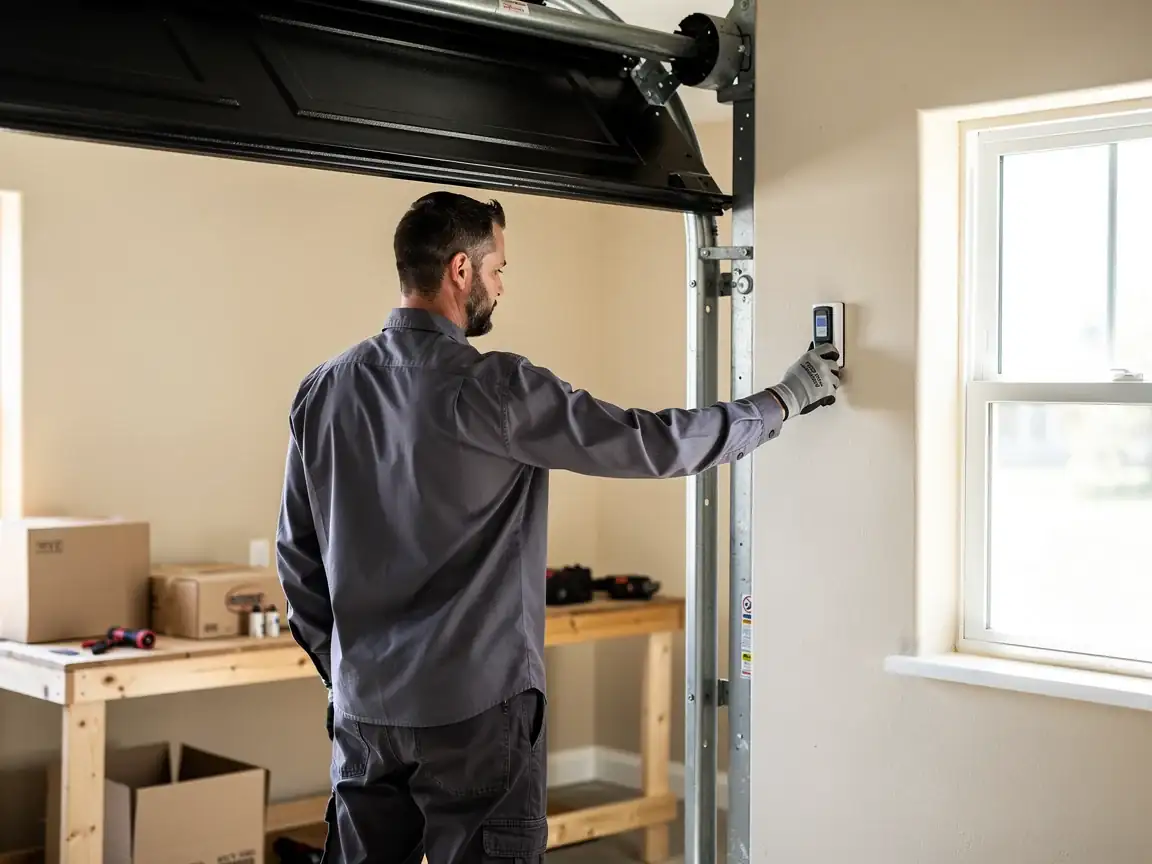
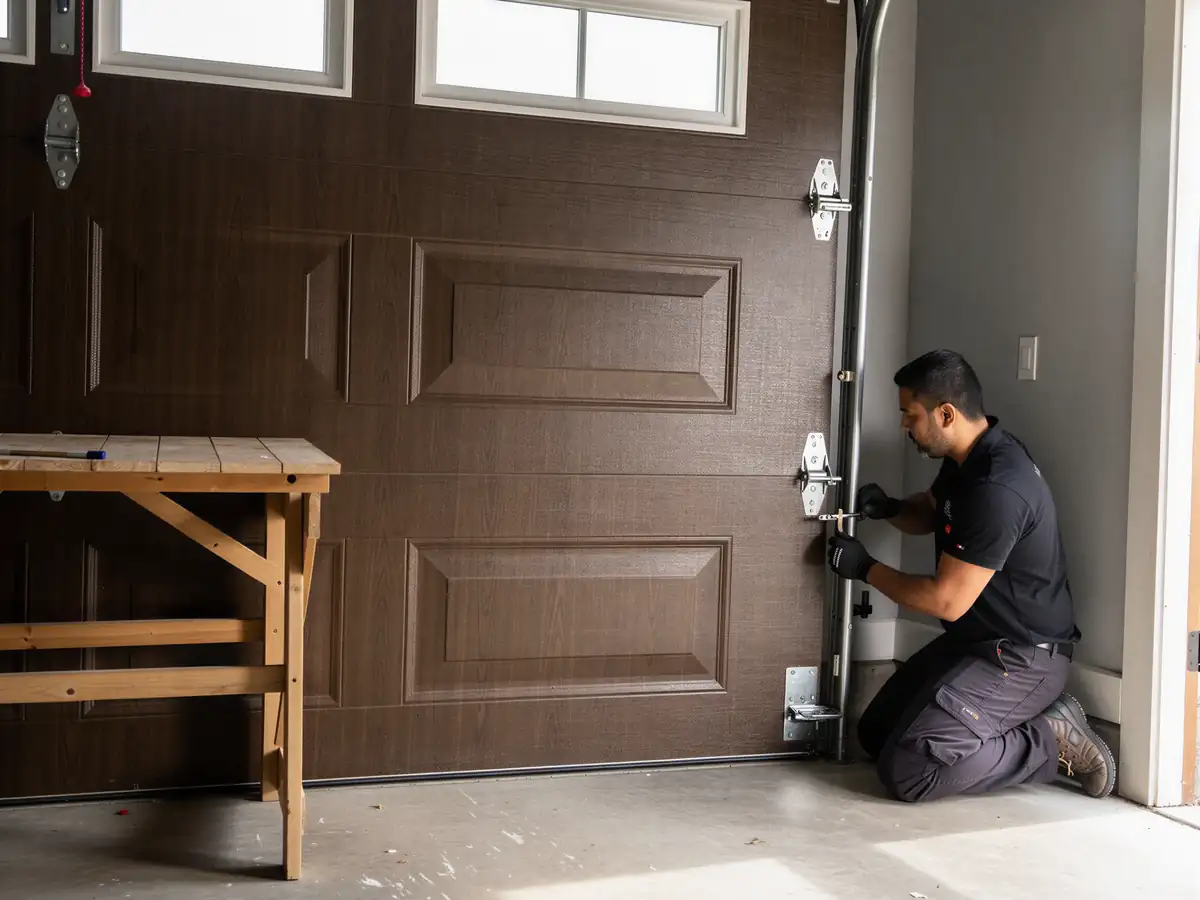
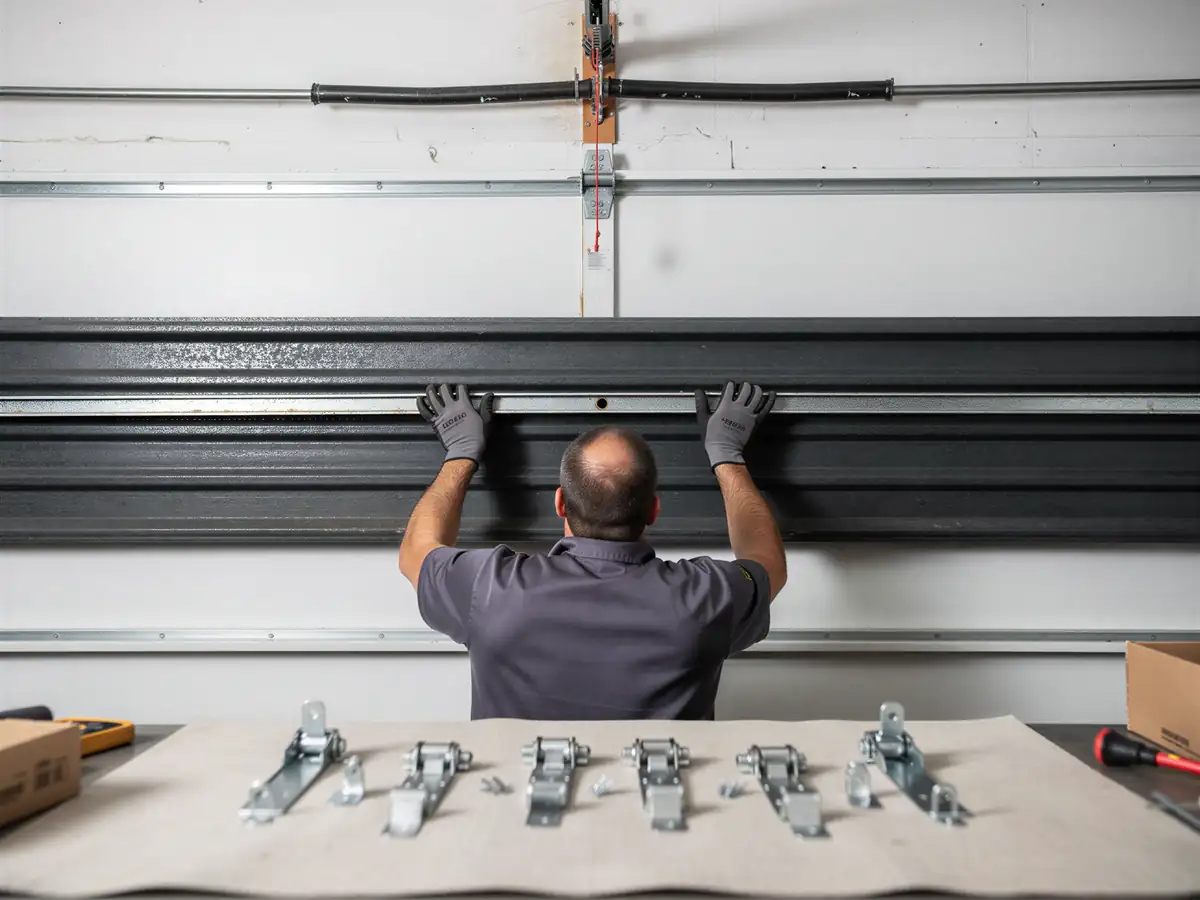
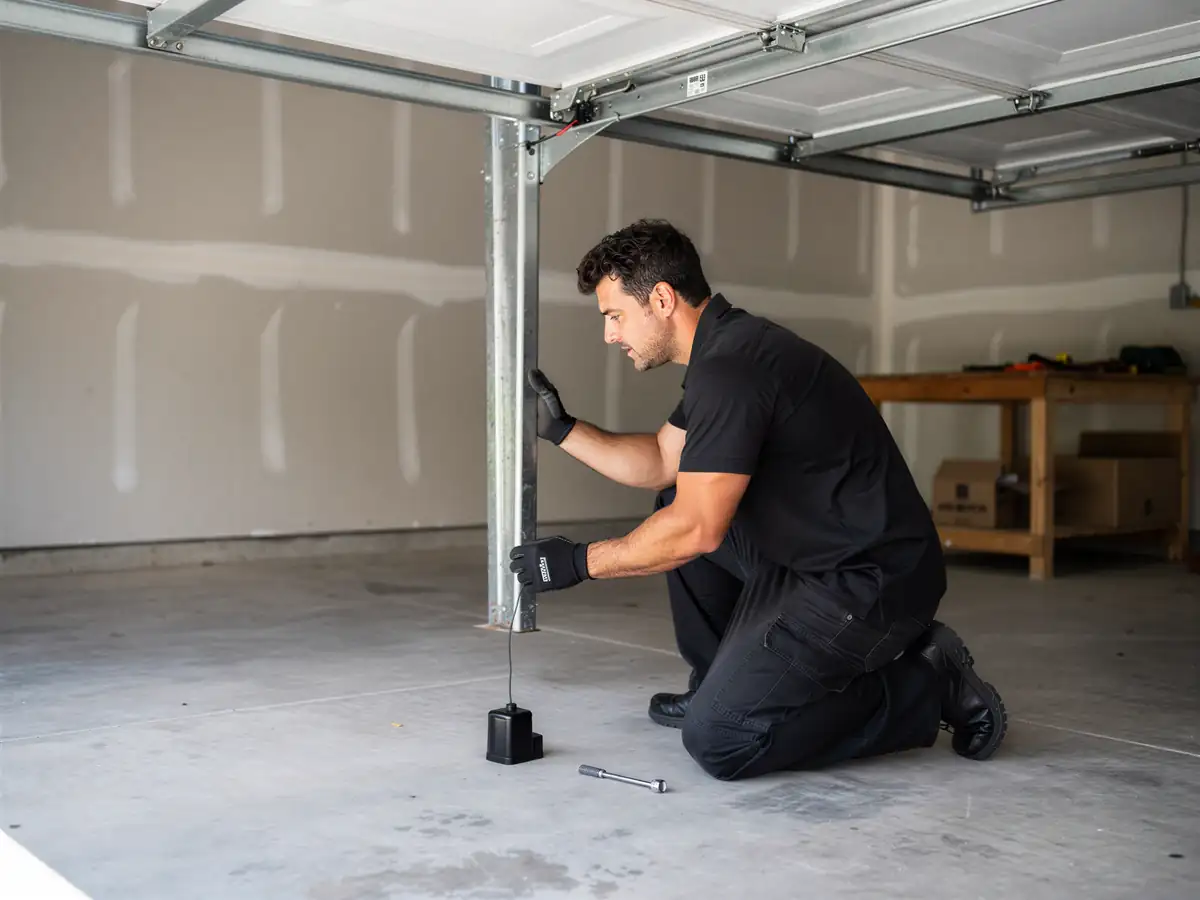
We start by checking spring type and cycle wear, roller condition, and cable fraying together, since on original hardware from the 1960s-70s era they tend to fail as a set rather than one at a time. If the spring is fatigued, we replace it with a correctly sized torsion or extension spring rather than patching around the symptom. Worn steel rollers get swapped for nylon rollers, which run quieter and don't wear the track the same way.
We'll be straight with you: if the door panel itself is original steel from that same build era and it's dented, rusted at the bottom corners, or the track is bent beyond simple adjustment, replacing the spring and rollers alone won't fix the underlying problem. In that case we'll tell you replacement is the better money rather than sink a repair bill into a door that's going to need the same call again in a year.