The Situation
Most of the housing across this service area went up between 1938 and 2008, with the median build year landing around 1972. That one number explains a lot of the replacement calls we get. A door bought in 1972 has outlived its torsion springs three or four times over, and a lot of homeowners are now looking at the door itself, not just the hardware, because the steel has pitted or the panels have dented past the point of a cheap fix.
Across the 39 named areas in this territory, the bulk of what's standing is 1960s-70s construction. That means openings sized to the garage door standards of that era, which don't always match what's stocked off the shelf today. If you're buying a replacement door here, the first question isn't style or color, it's whether your opening is a standard width or one of the narrower builder sizes from that period. Get that wrong and you're paying for a jamb kit you didn't plan on.
With 136,668 owner-occupied houses in the service area, this isn't a small or unusual problem. It's the normal condition of the housing stock, and it's why a straight measurement before you shop saves more money than any other step.
What to Check
Start with the opening itself, not the door in the showroom
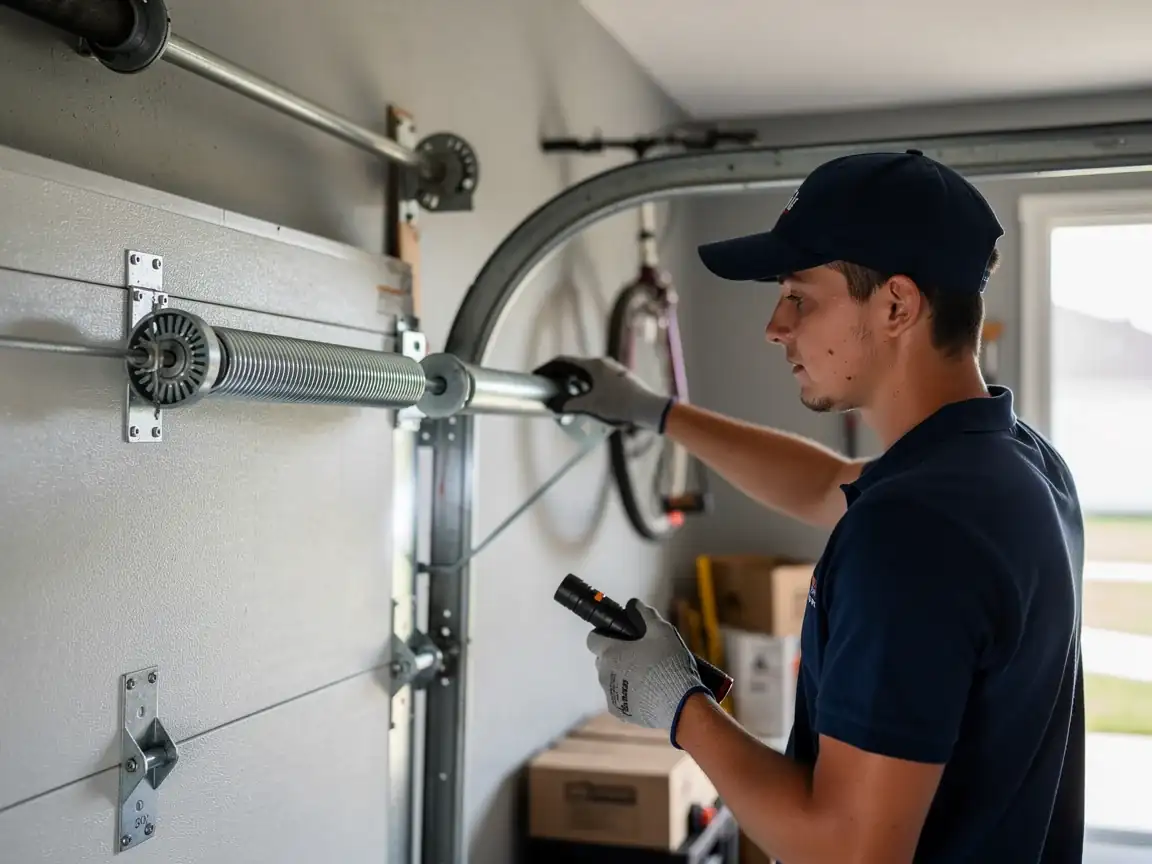
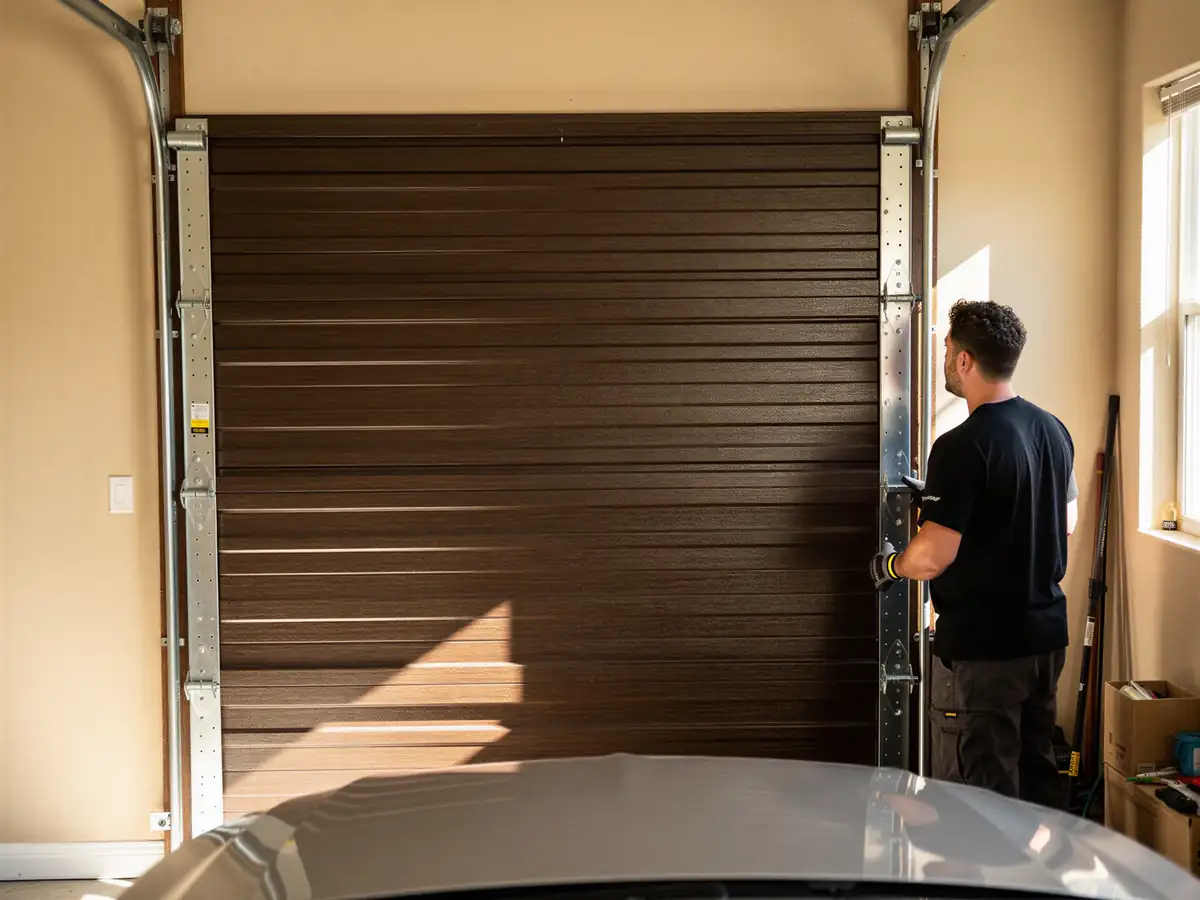
Measure width and height at the narrowest points, and check the headroom above the opening - older framing from the 1960s and 70s sometimes leaves less clearance for modern torsion hardware than you'd expect. If the track runs along a low ceiling, that limits which door systems will even fit without modification.
Next, look at the jamb and header material
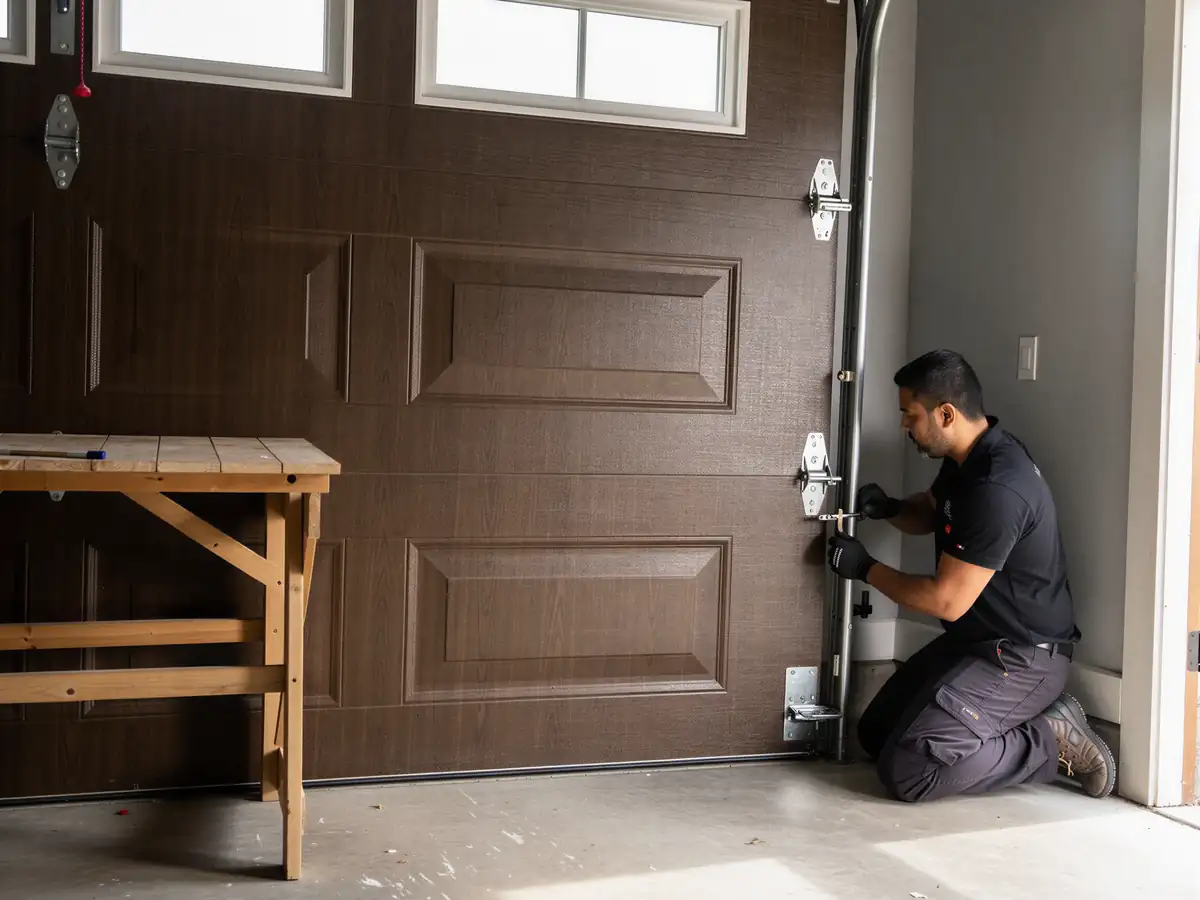
On houses from this build era, wood framing around the opening has often taken fifty-plus years of settling, so it may not be square anymore. A new door hung on an out-of-square jamb will bind or drag regardless of how good the door is.
Check what's actually failing on the current door before you assume you need a full replacement
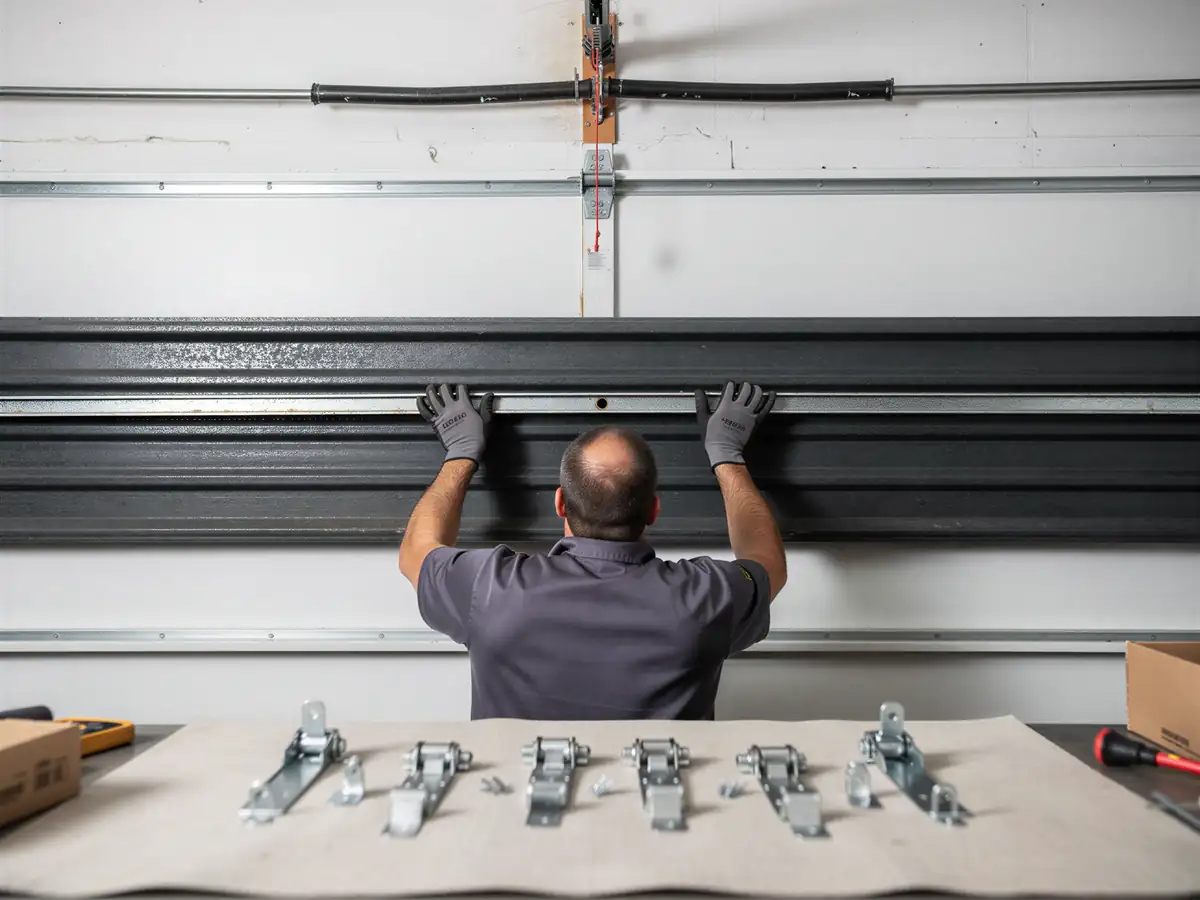
Dented panels, rust at the bottom section, and a dead opener are three different problems with three different price tags. We don't push a full door swap when a bottom panel repair solves it - that's the honest answer more often than people expect, especially on doors that are otherwise sound.
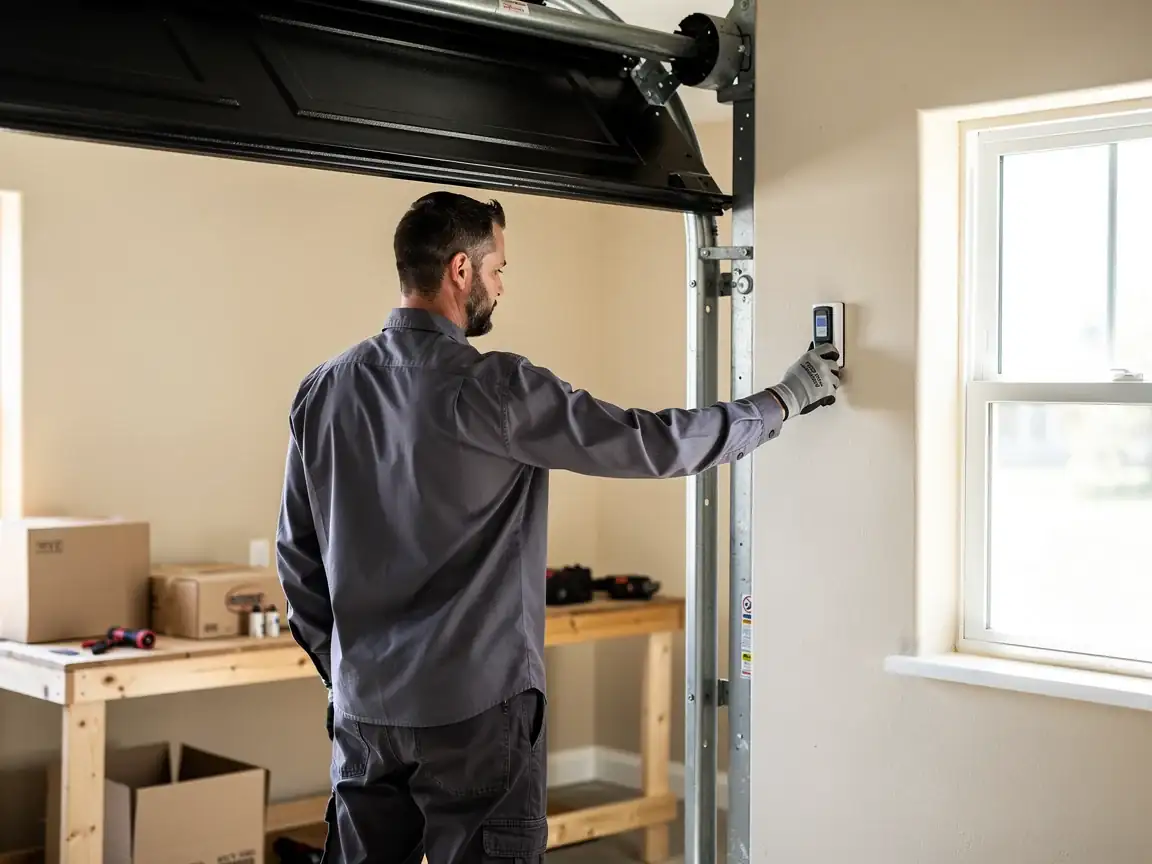
Finally, confirm your opener's horsepower and mounting type match the new door's weight
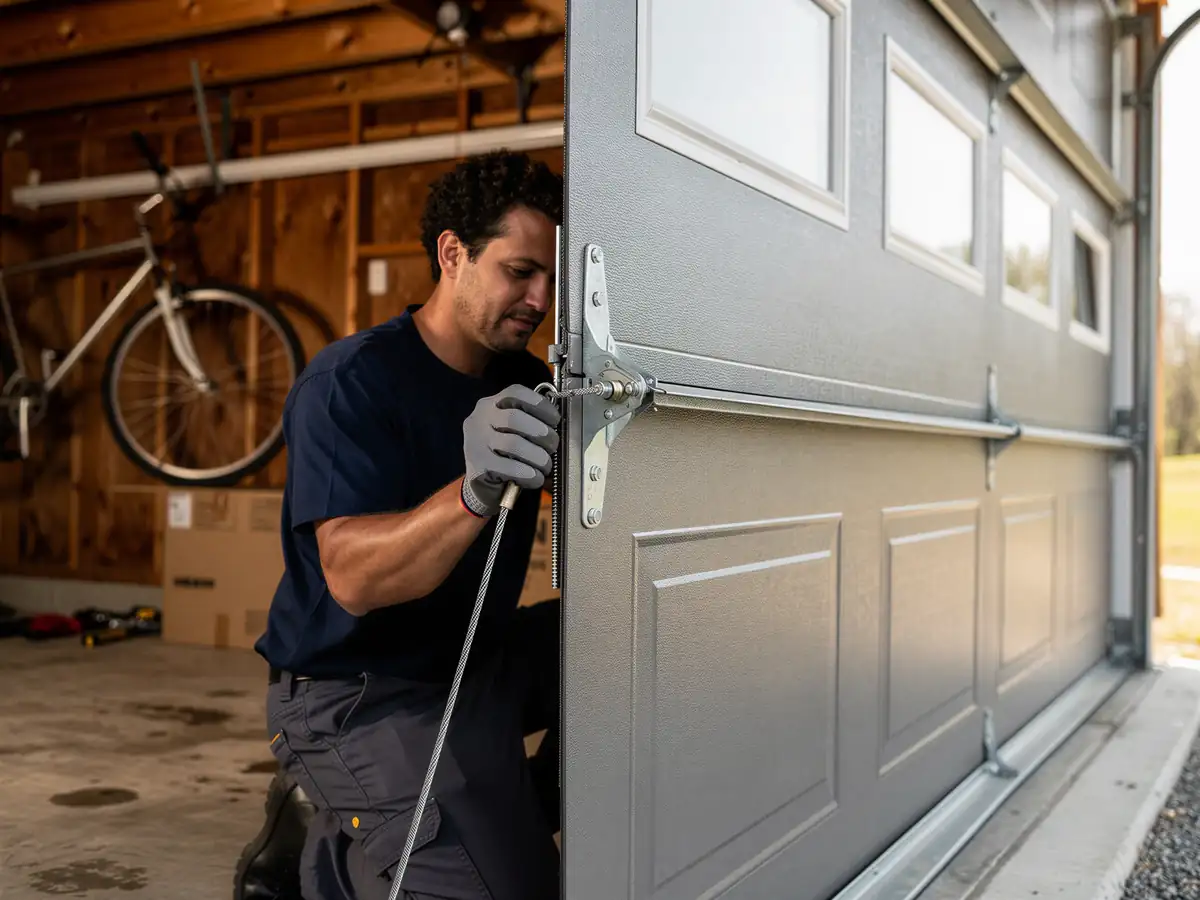
A heavier insulated door on an old, underpowered opener is a comeback call waiting to happen.
Season by Season
Walnut Creek sits in a mild temperate band, which changes the calculus compared to places with hard freezes or heavy snow load. You're not designing against ice buildup cracking panel seams, and you don't need the insulation package some colder-climate buyers lean on just to keep a door from warping in winter.
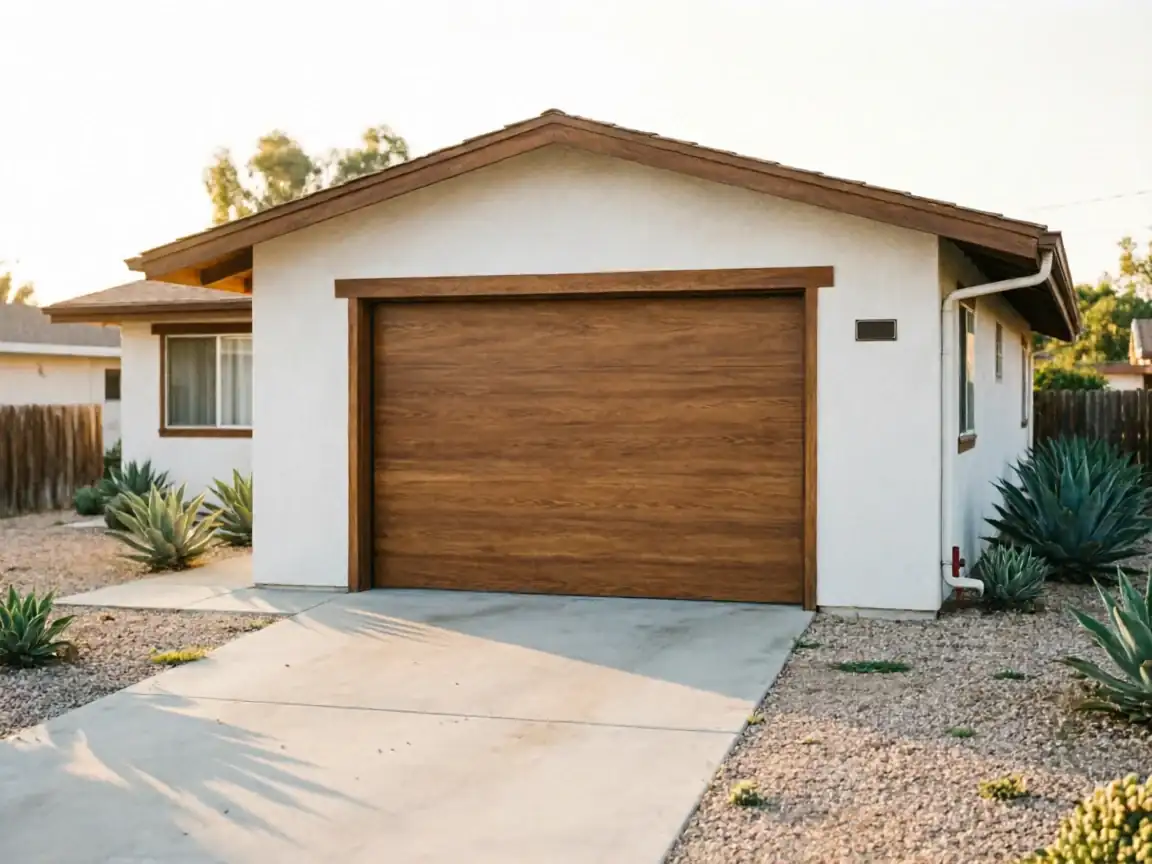
What you are dealing with is sustained summer heat on south and west-facing garages. Wood and wood-composite doors in direct sun for months at a stretch can dry out, warp, or pull paint faster than the same door would in a shaded, cooler spot. Steel doors handle that heat better but can still telegraph expansion noise at the seams on the hottest days if the hardware isn't adjusted right.
Spring and fall are the easiest stretches for a new installation - moderate temps mean the sealant and weatherstripping set up the way they're supposed to, without racing against heat expansion or cold contraction. If you're scheduling a replacement, those shoulder seasons give the install the best shot at sitting right from day one. Winter here is mild enough that it's not a barrier, just a less ideal window for sealant cure times.
How Local Conditions Play In
The mix of building eras across this area matters more than most buyers expect. In neighborhoods like homes cluster in that same 1960s-70s build window, and the garage openings there often run narrower than what a big-box store door comes pre-cut for. A mile away in San Miguel you'll find some of that same vintage stock, so the pattern isn't limited to one pocket of town - it's spread across most of the older neighborhoods here.
Median household income across the service area sits at $132,067, which is part of why we see more buyers opting for insulated steel or composite doors over the thinnest builder-grade option - people here are generally willing to pay once for a door that outlasts the next decade rather than replace twice. That's not a guarantee on any single job, just the pattern the numbers point.
The mild climate band means you're buying mostly for durability against sun and daily wear, not against freeze damage or snow load. That's a simpler design problem than a lot of regions face, but it still means matching the door to the opening's actual age and condition, not just picking whatever's on display.