The Situation
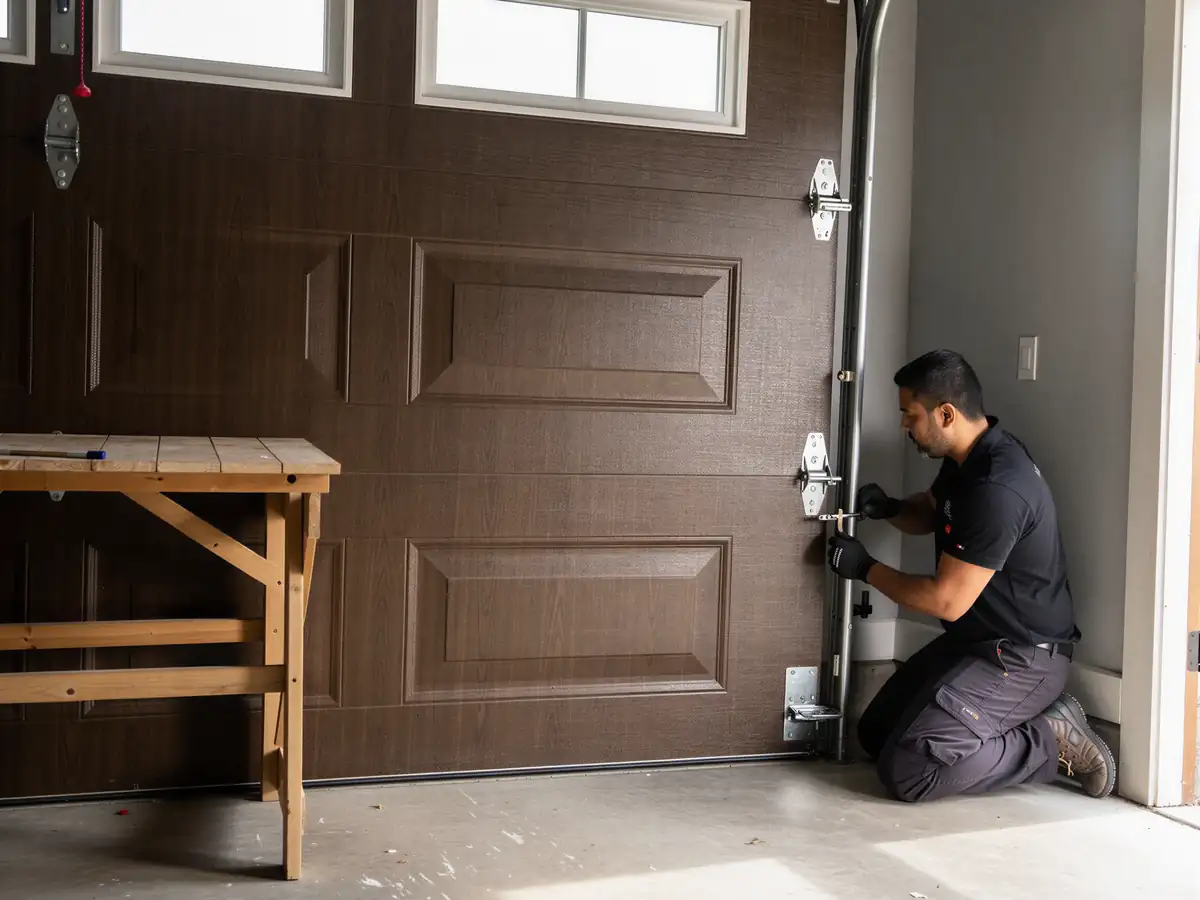
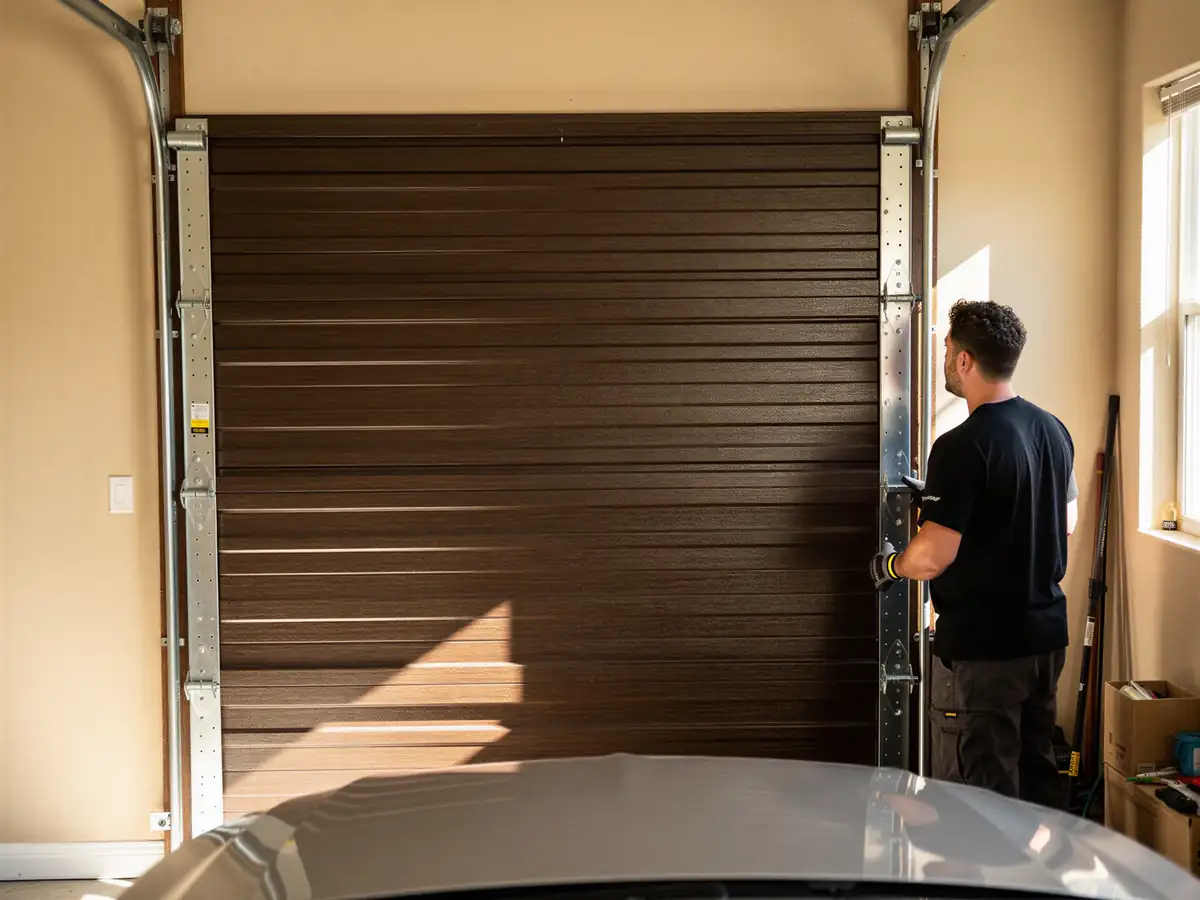
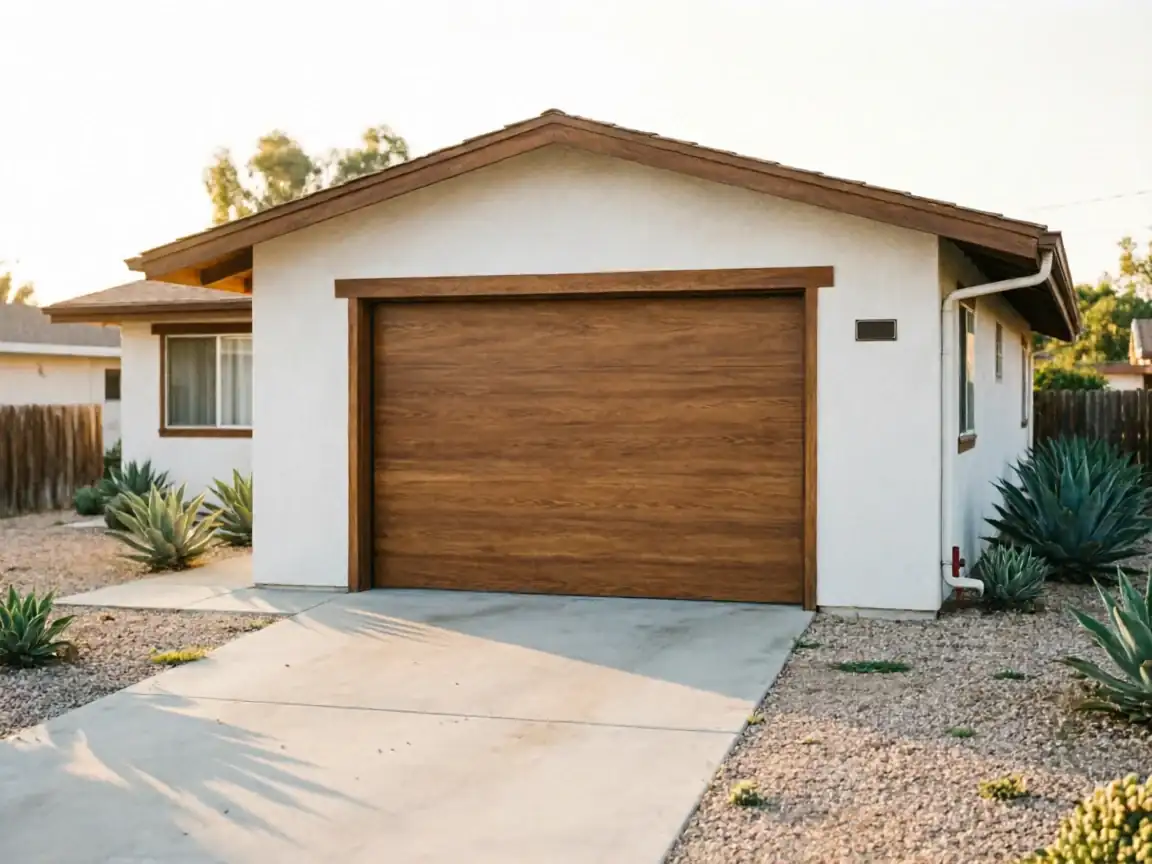
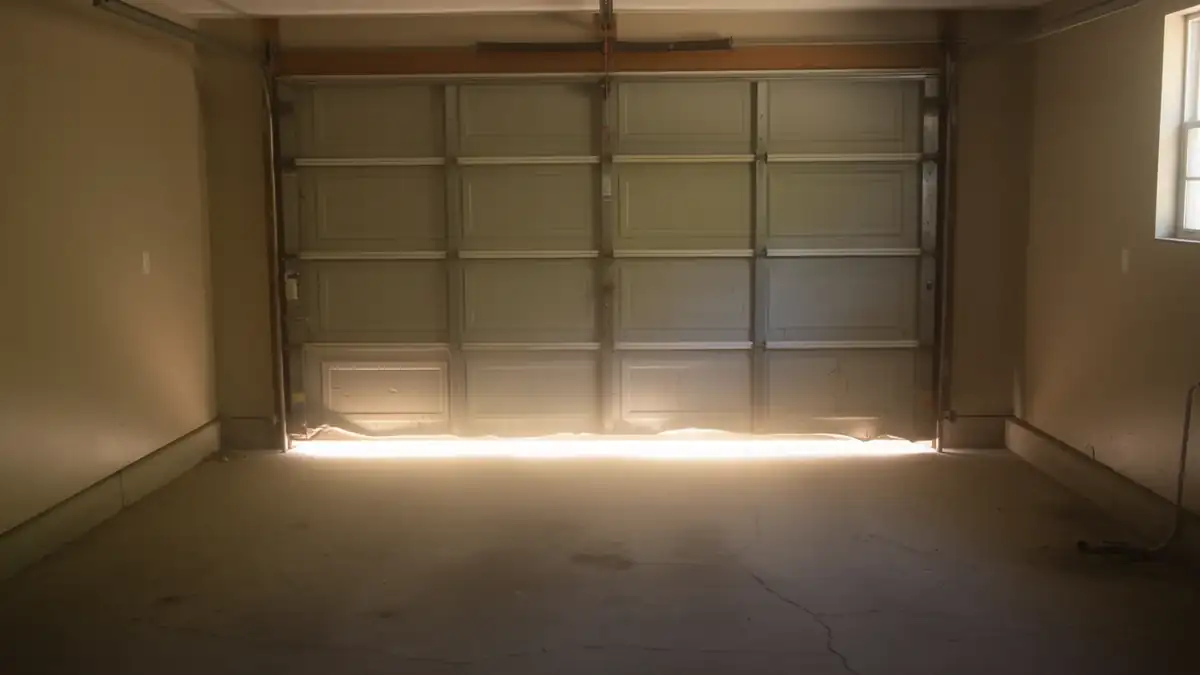
The median house in Walnut Creek went up in 1972, inside a build window that runs from 1938 to 2008. That matters for garage doors specifically, because insulation requirements for residential garage doors came along well after most of this city's tract housing was framed. If your house sits in one of the 1960s or 70s-era neighborhoods that make up the bulk of the 39 named areas around here, there's a decent chance the garage door is either the original panel or a like-for-like replacement that copied the same uninsulated steel or hollow-core wood construction. Nobody was required to put foam core or a thermal break in a garage door when these slabs went in, so they didn't. You get a door that's thin, that booms in the wind, and that transfers outside temperature straight into the garage - and often into whatever room sits above or beside it. This isn't a defect. It's just what building standards looked like fifty-plus years ago, and a lot of those original doors are still hanging on their original tracks today, long past when anyone expected them to still be in service.
Season by Season
Walnut Creek sits in a mild temperate band, so this isn't a market where a garage door has to survive hard freezes or heavy snow load. But mild doesn't mean static. Summers bring real heat, and an uninsulated steel door will get hot enough to the touch that the metal expands and can start binding slightly in the track by afternoon - something you'll notice as a door that opens smoother at 8am than at 4pm. Winter brings fog and rain rather than frost, and that's harder on an old wood door than cold ever would be, since the bottom rail sits closest to standing moisture on the slab. Spring and fall are when the daily swing is widest, and that's when you'll hear the most noise from an old door, because the metal or wood is contracting and expanding through a bigger range each day than it does in the flatter summer and winter stretches. None of this is dramatic weather. It's just steady, repeated cycling on hardware and panels that were never built with a thermal buffer to begin with.
How Local Conditions Play In
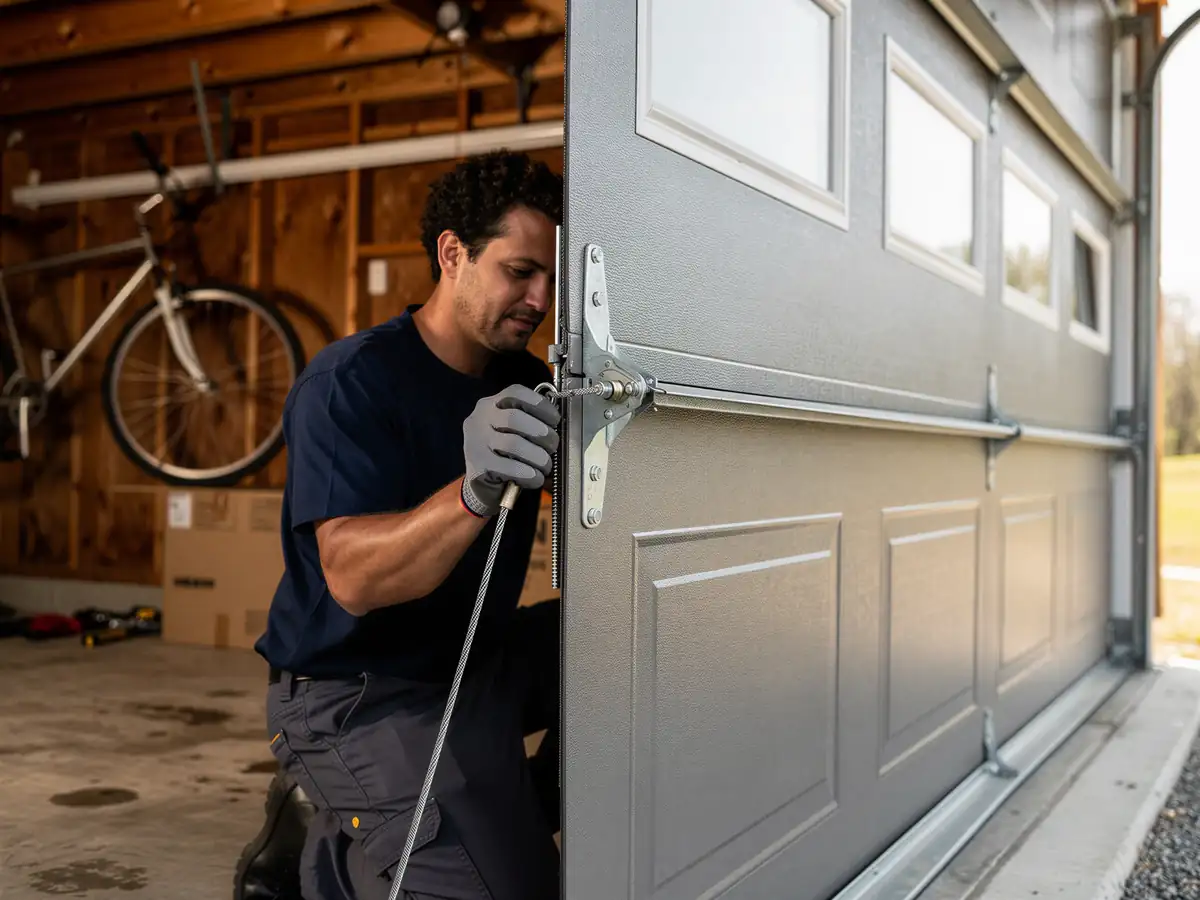
Across the service area there are 263,171 households and 136,668 owner-occupied houses, a lot of them built in that same 1938-2008 window with the heavy concentration landing in the 1960s and 70s. That spread shows up geographically too - a house near about two miles northeast, or one close to three miles southwest, is just as likely to be carrying an original uninsulated door as one near the center of town. Median household income in the area runs around $132,067, and we see plenty of owners in that bracket who've upgraded kitchens and bathrooms twice over but never touched the garage door, because it still opens and closes fine. That's a fair call for some houses. Where it stops making sense is when the garage backs onto a bedroom or laundry room - at that point the age of the door is costing someone comfort every single day, not just showing up as a slightly higher utility bill. One limitation worth saying plainly: we can't tell you from a phone call whether your specific door is worth insulating versus replacing outright. That's a five-minute look at the panel and the spring setup, not a guess from a description.