This Area's Housing
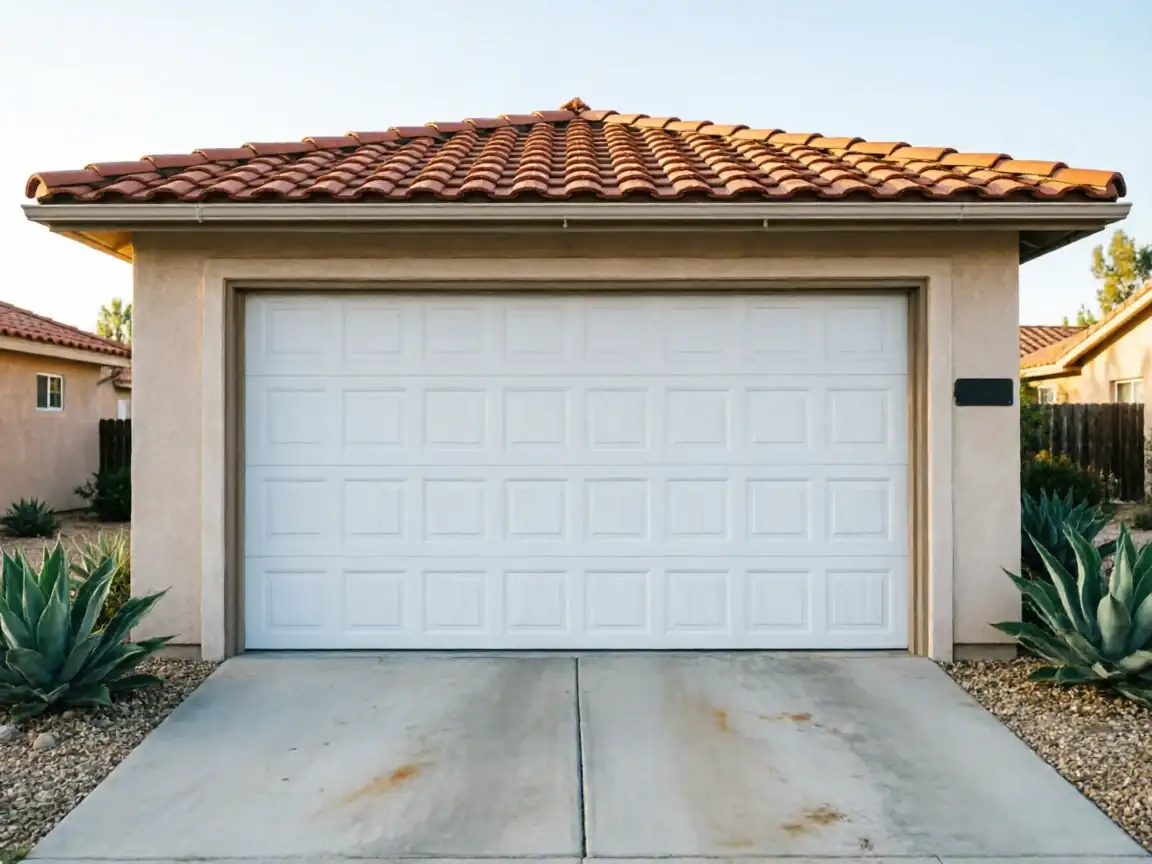
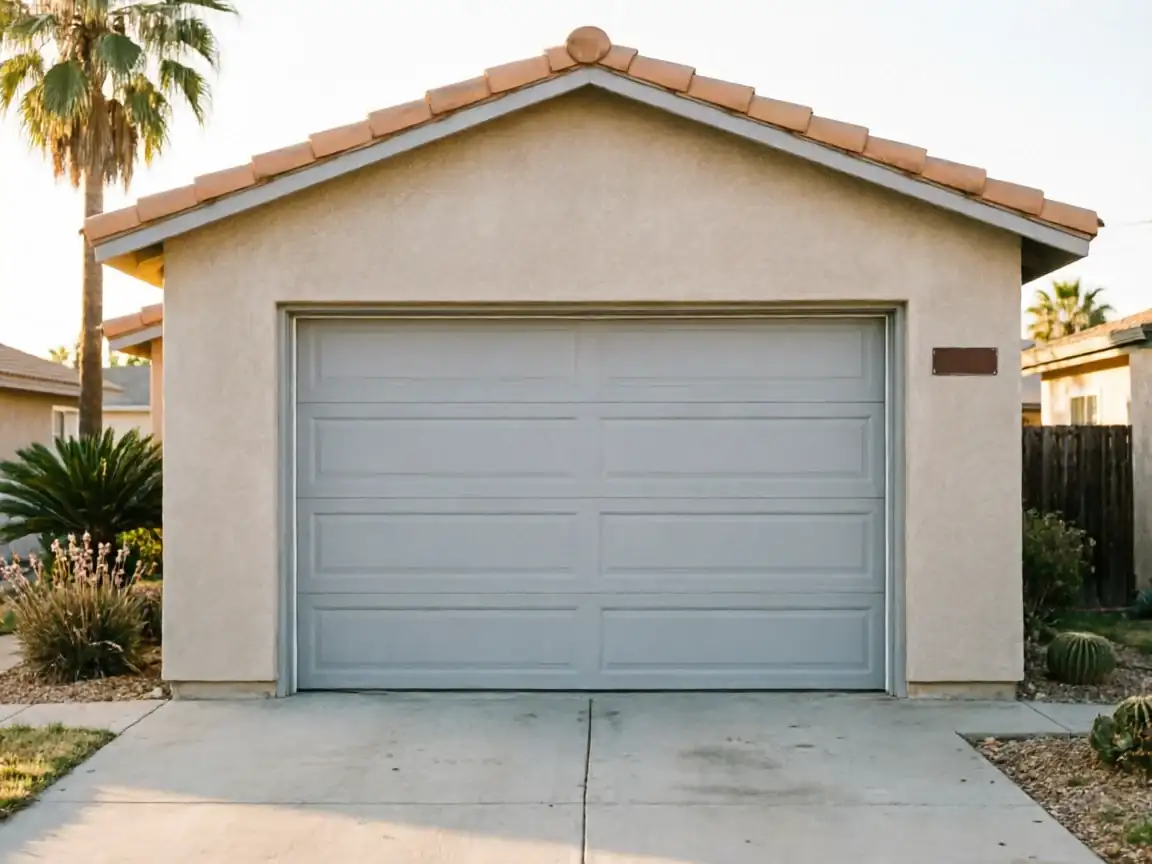
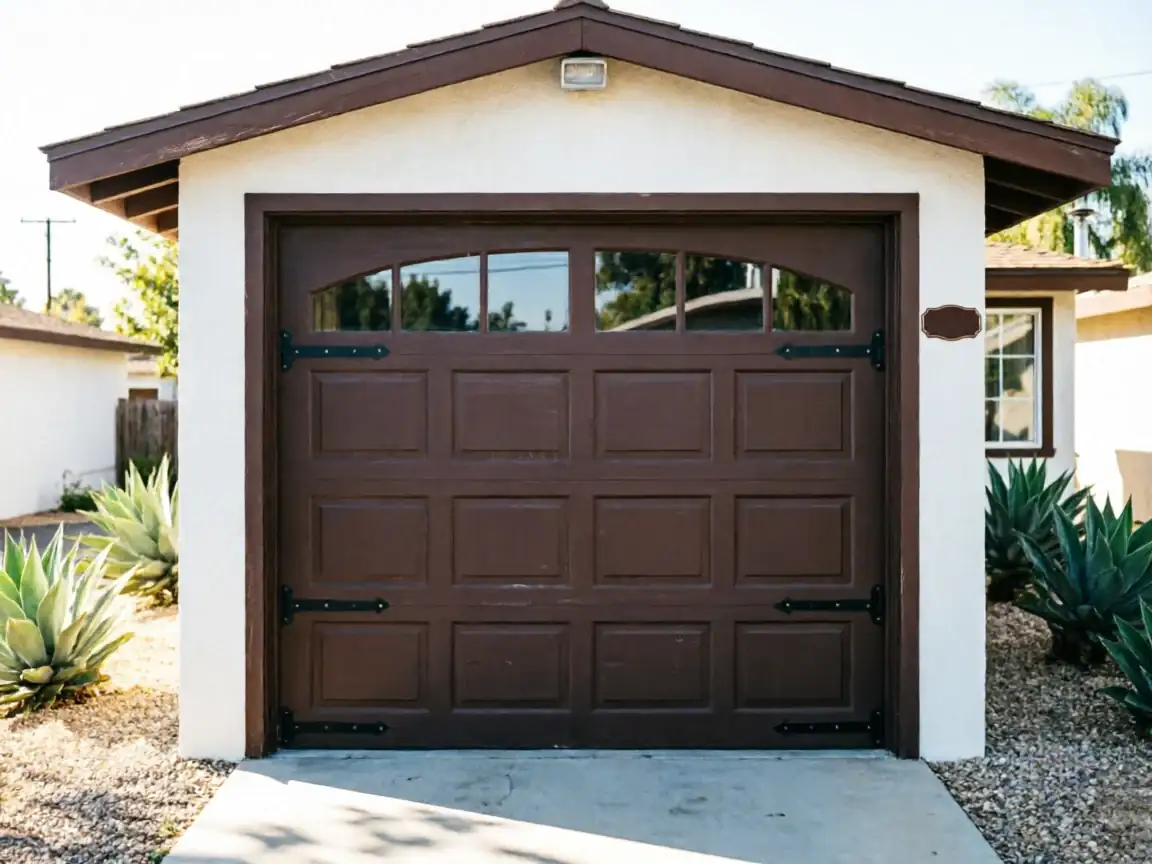
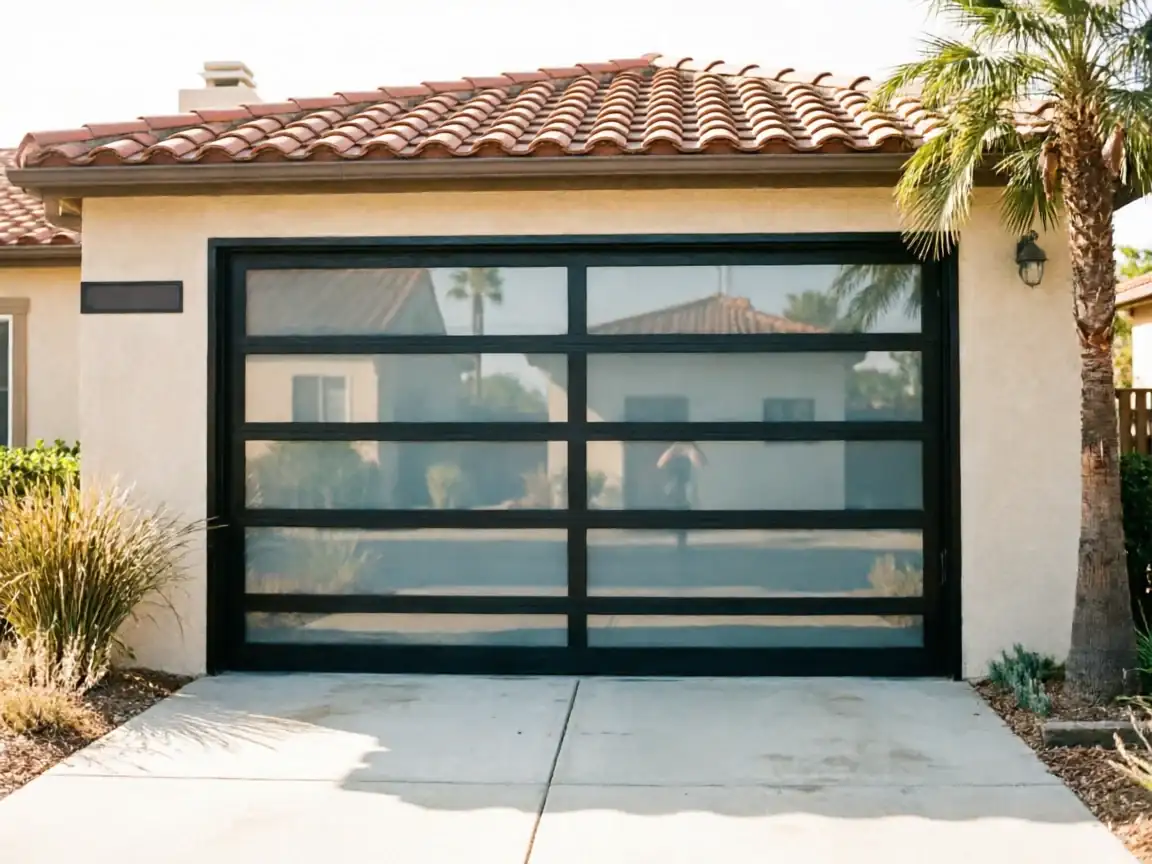
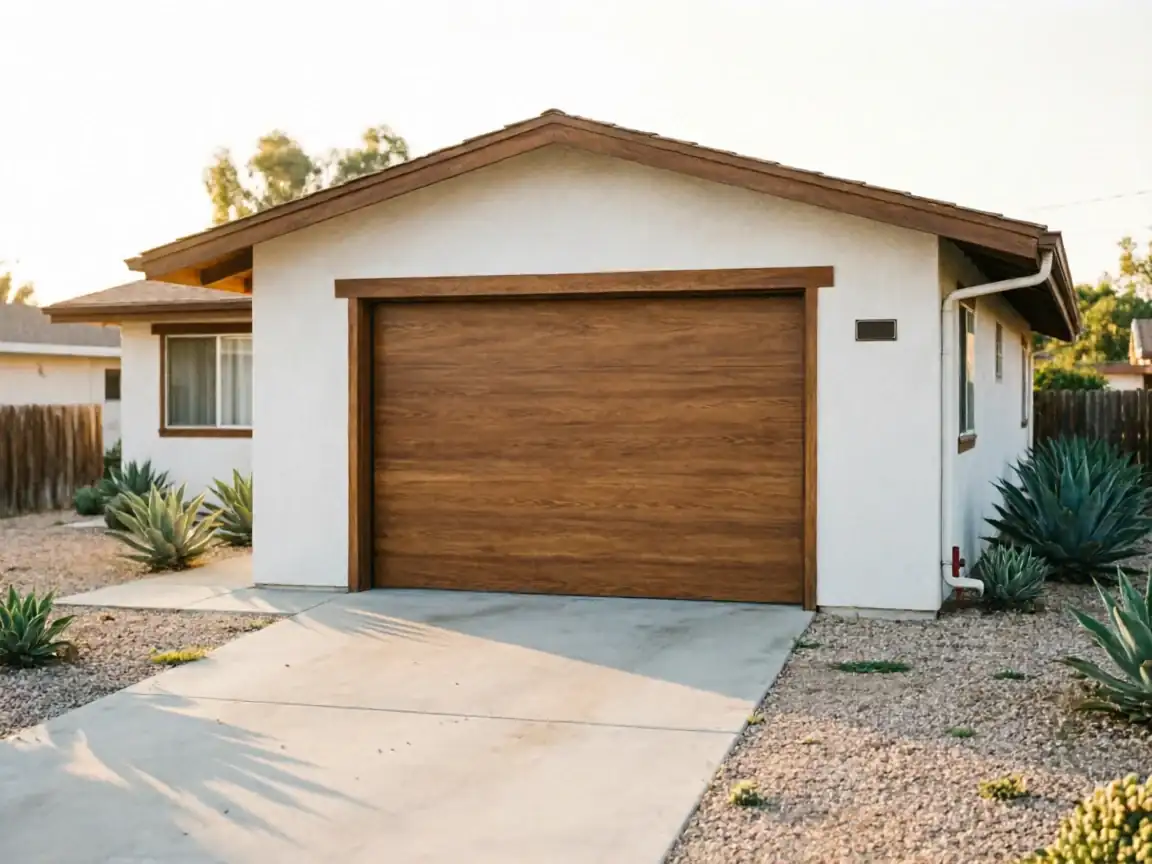
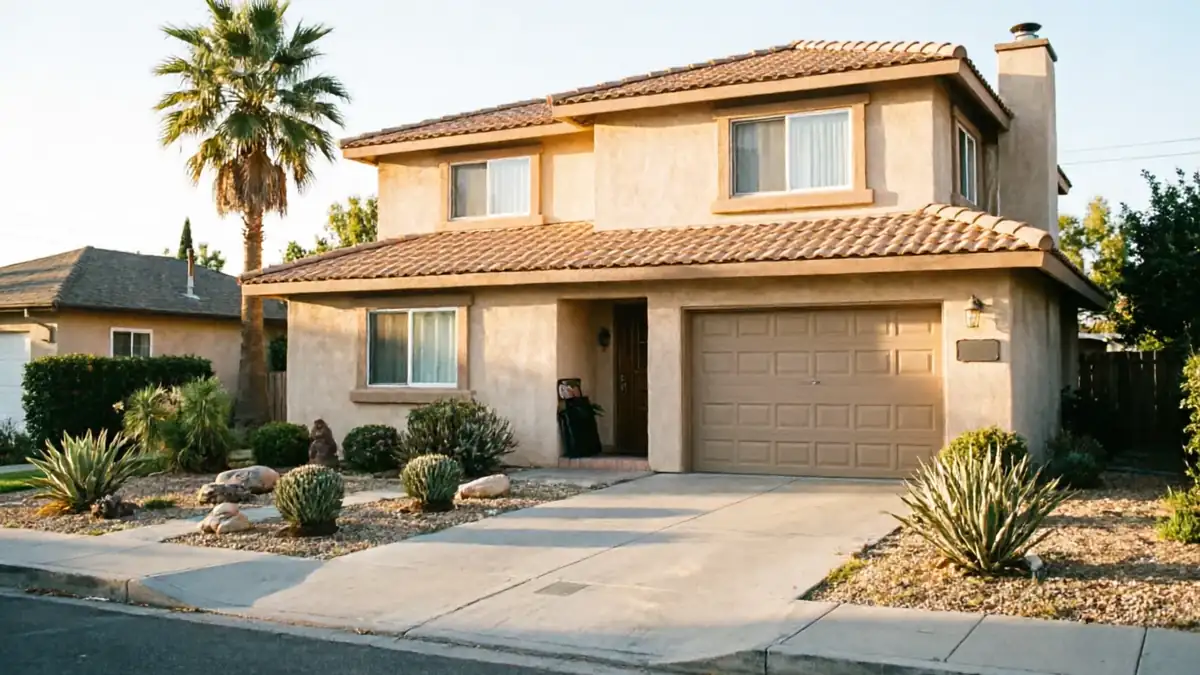
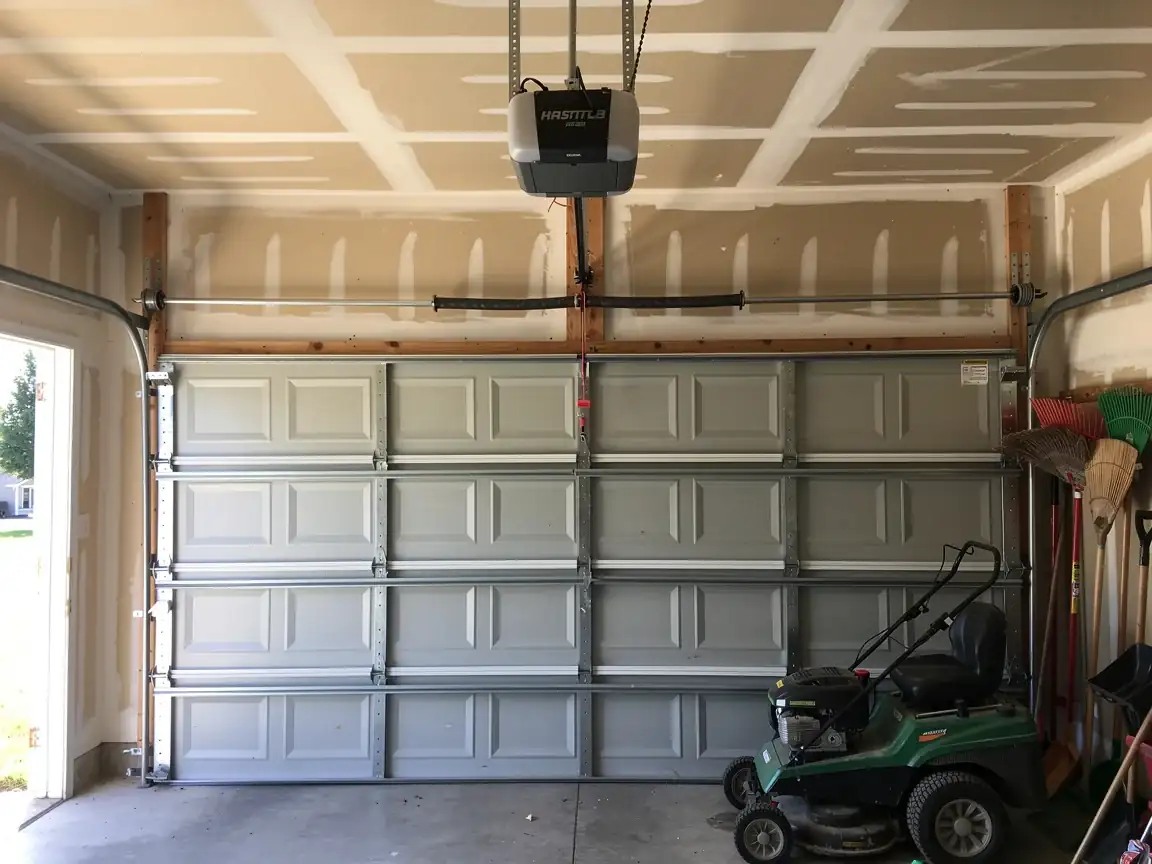
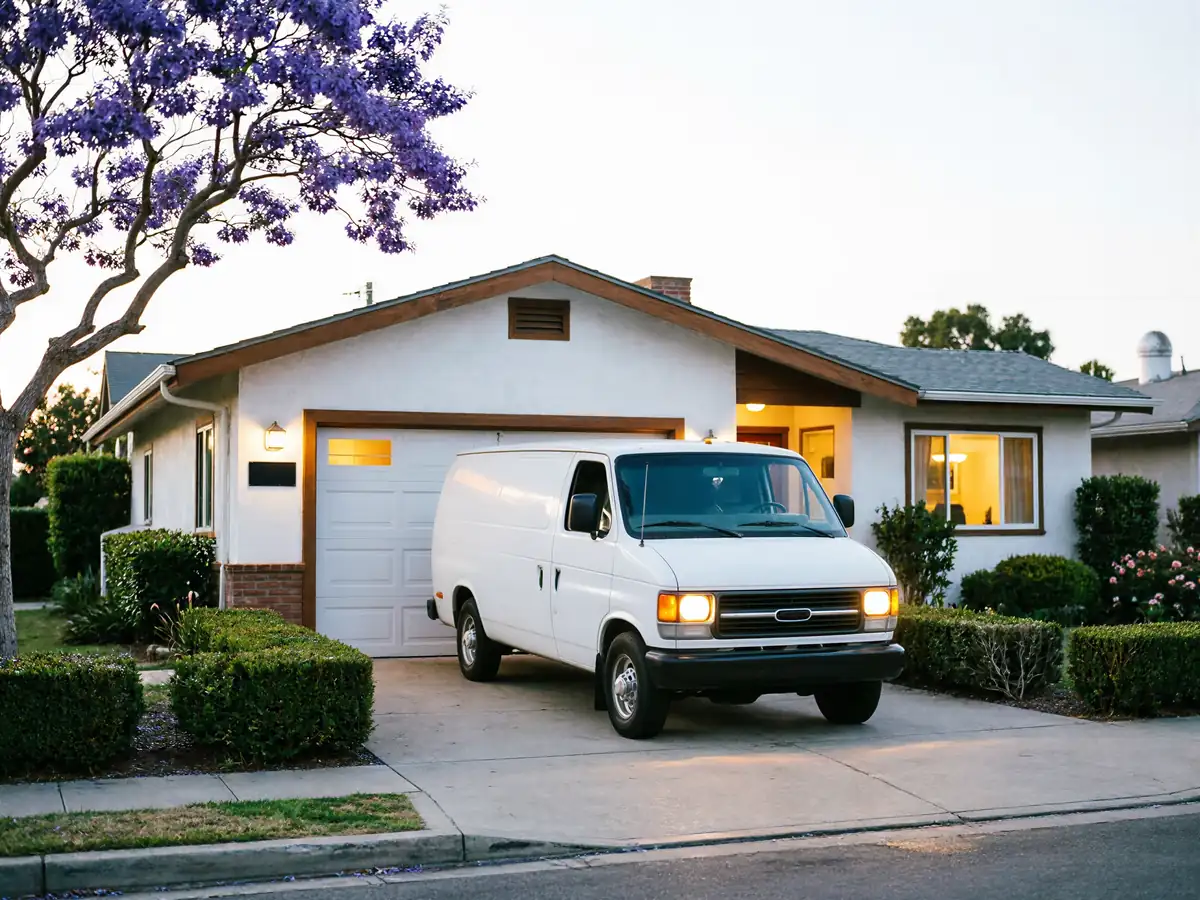
Lafayette sits about 4 miles from our shop in Walnut Creek, and the houses here mostly date to around 1960, which puts them a bit older than the 1972 median across our wider service area. That decade matters more than people think. A door installed in 1960 was built for hardware that's since been phased out twice over - extension springs mounted differently than what's sold today, tracks with radius curves that don't match current rollers, and openers bolted to framing that was never meant to carry a modern unit's weight or mounting pattern. When we get a call from this part of Lafayette, we're usually not looking at a door from the last remodel cycle. We're looking at the original, or a direct replacement from decades back that was never updated to current hardware. That changes what parts we bring on the truck and how long the job takes, because a straightforward spring swap on a newer door can turn into a full hardware mismatch on an older one. We don't guess at this - we ask the age of the house before we quote anything, because 1960s stock behaves differently than houses built even ten years later.
The Usual Work Here
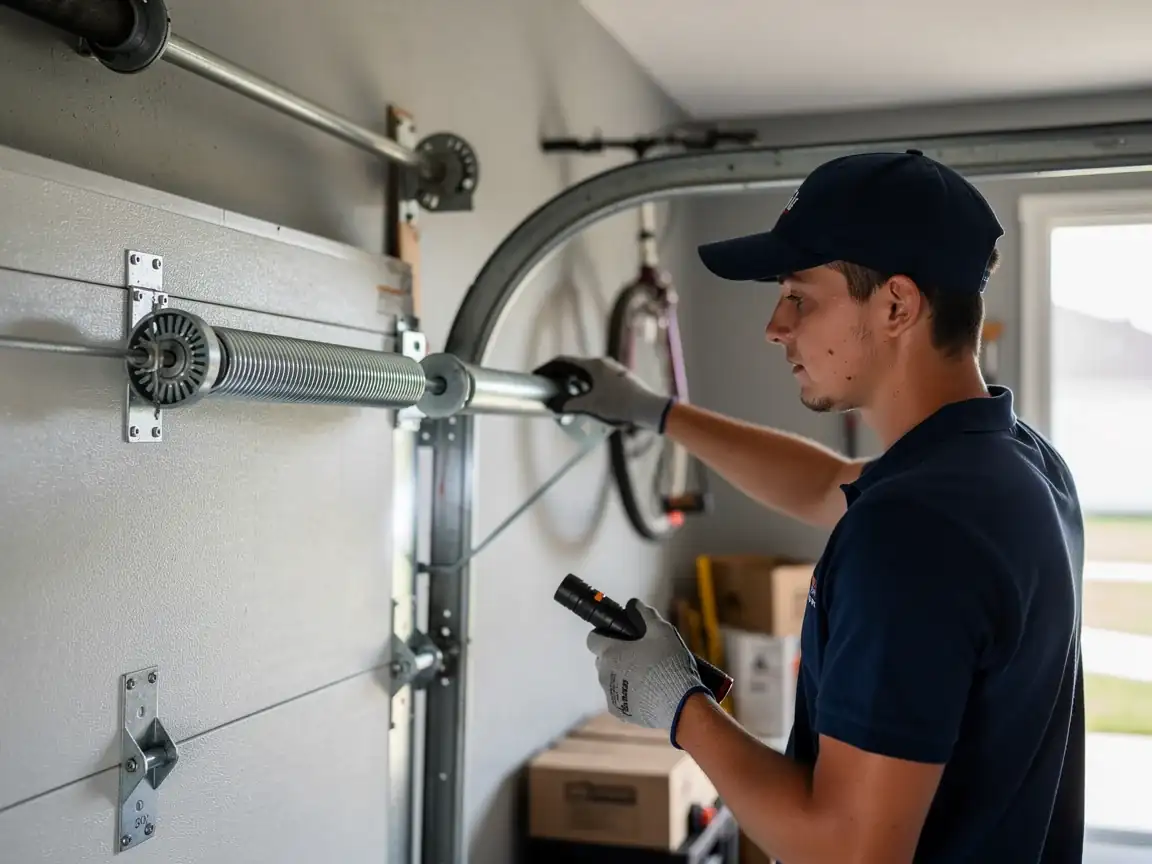
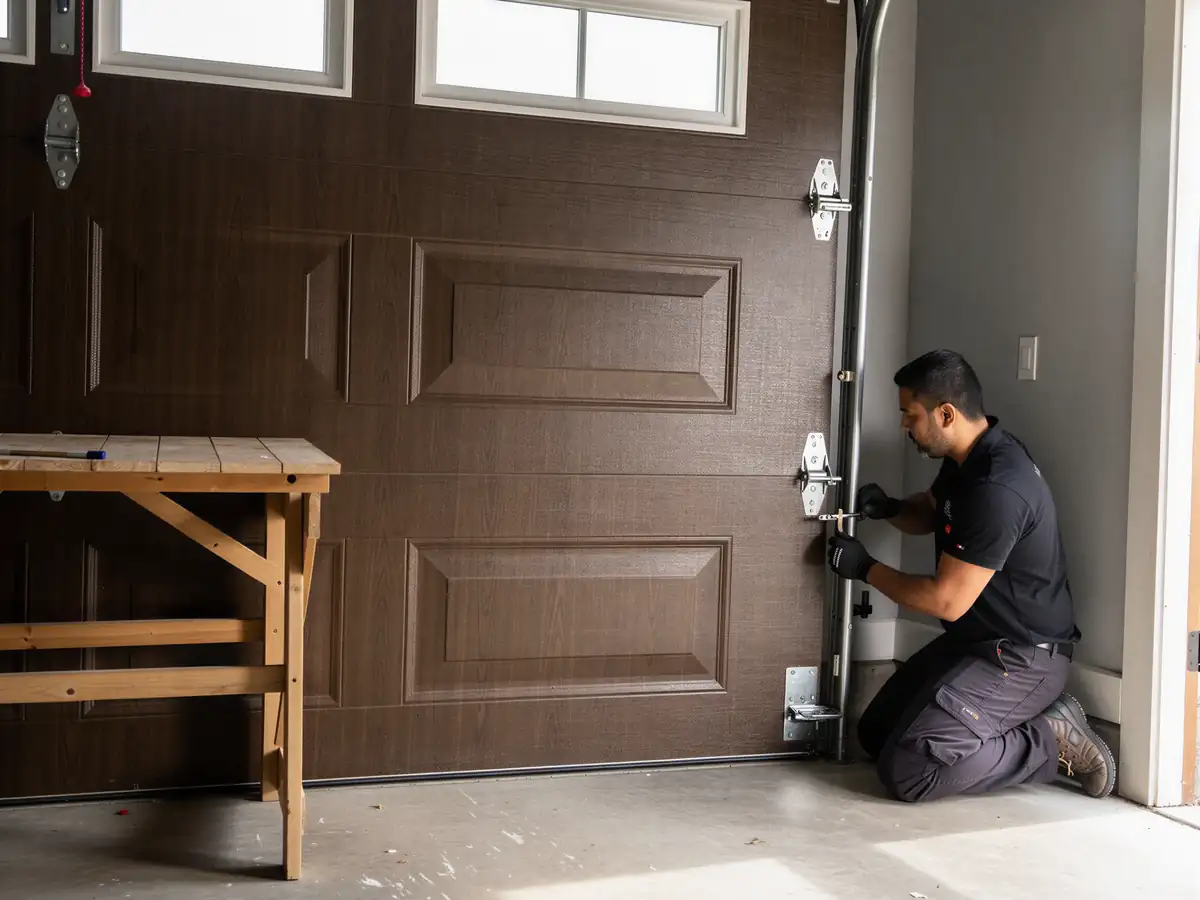
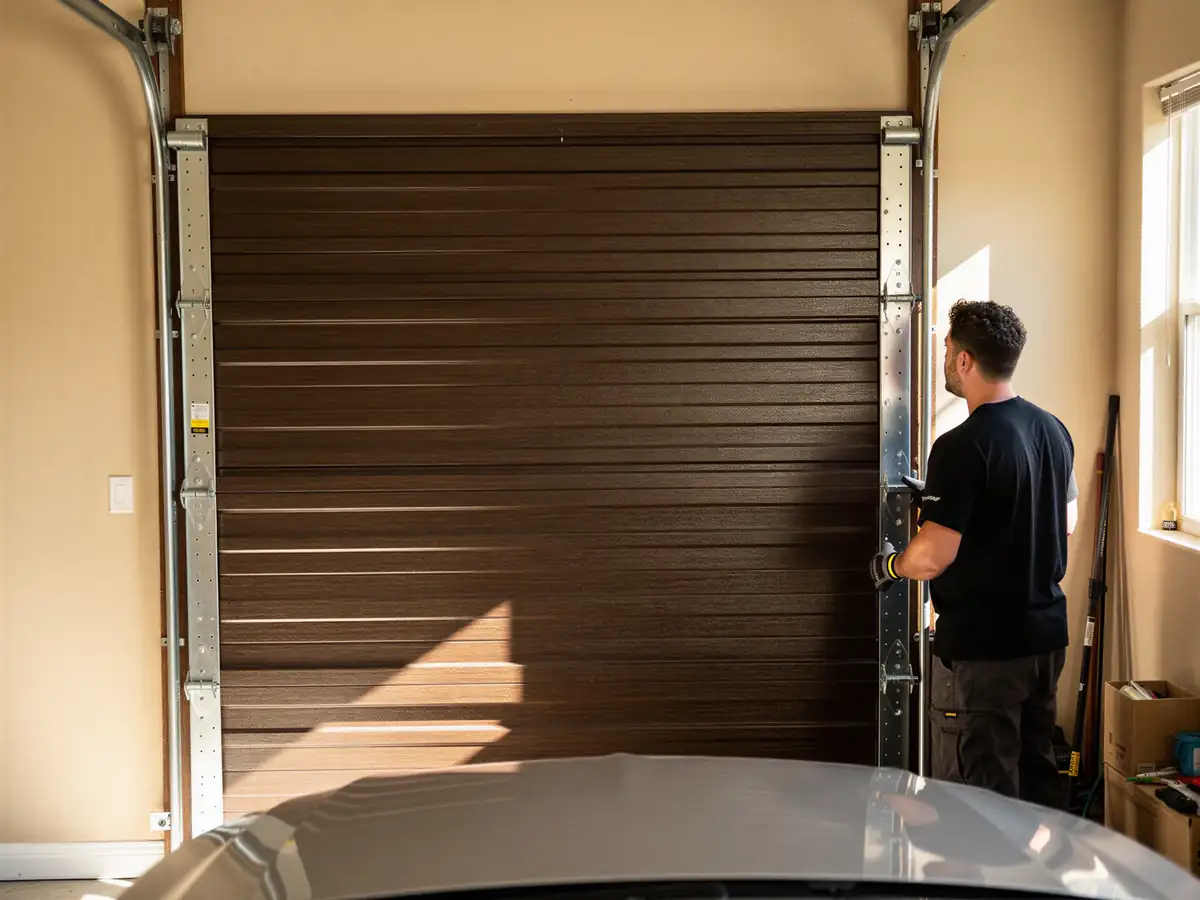
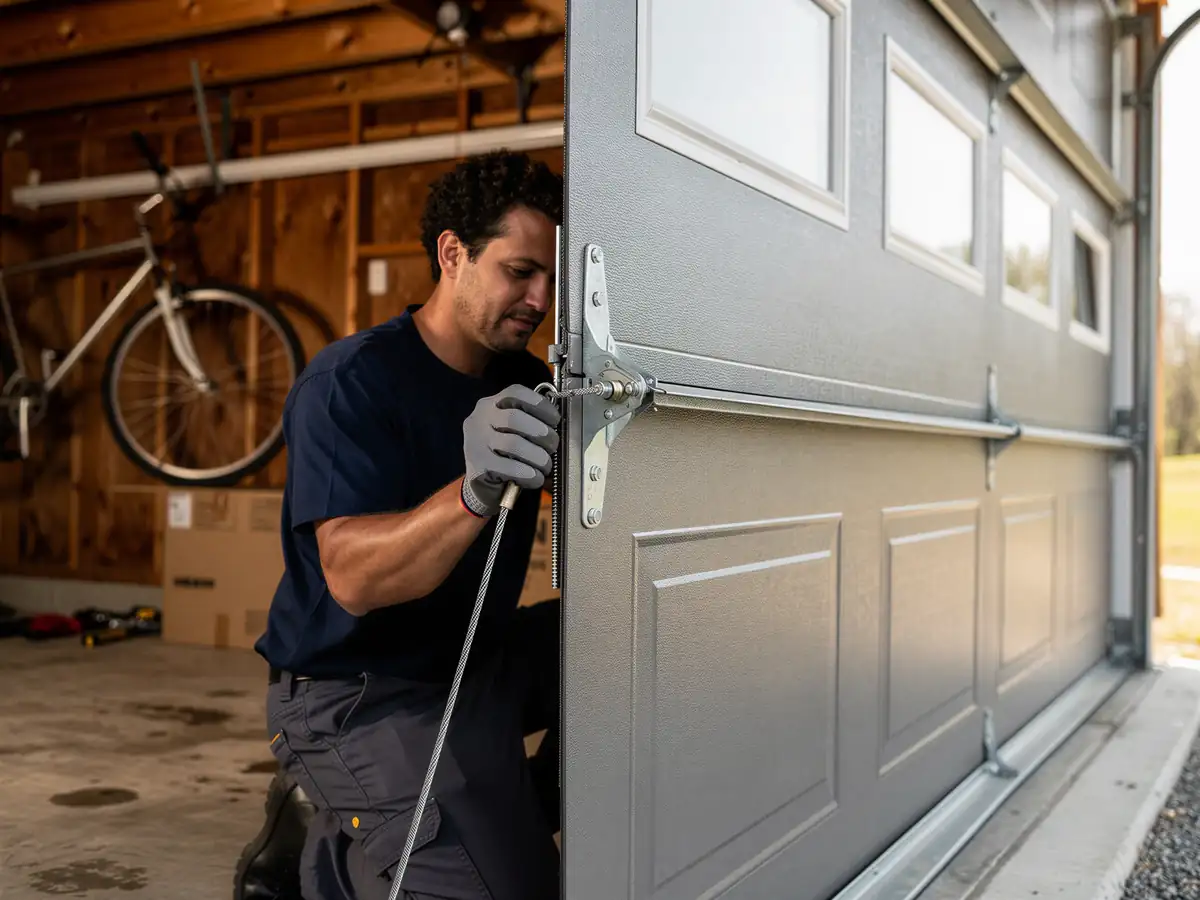
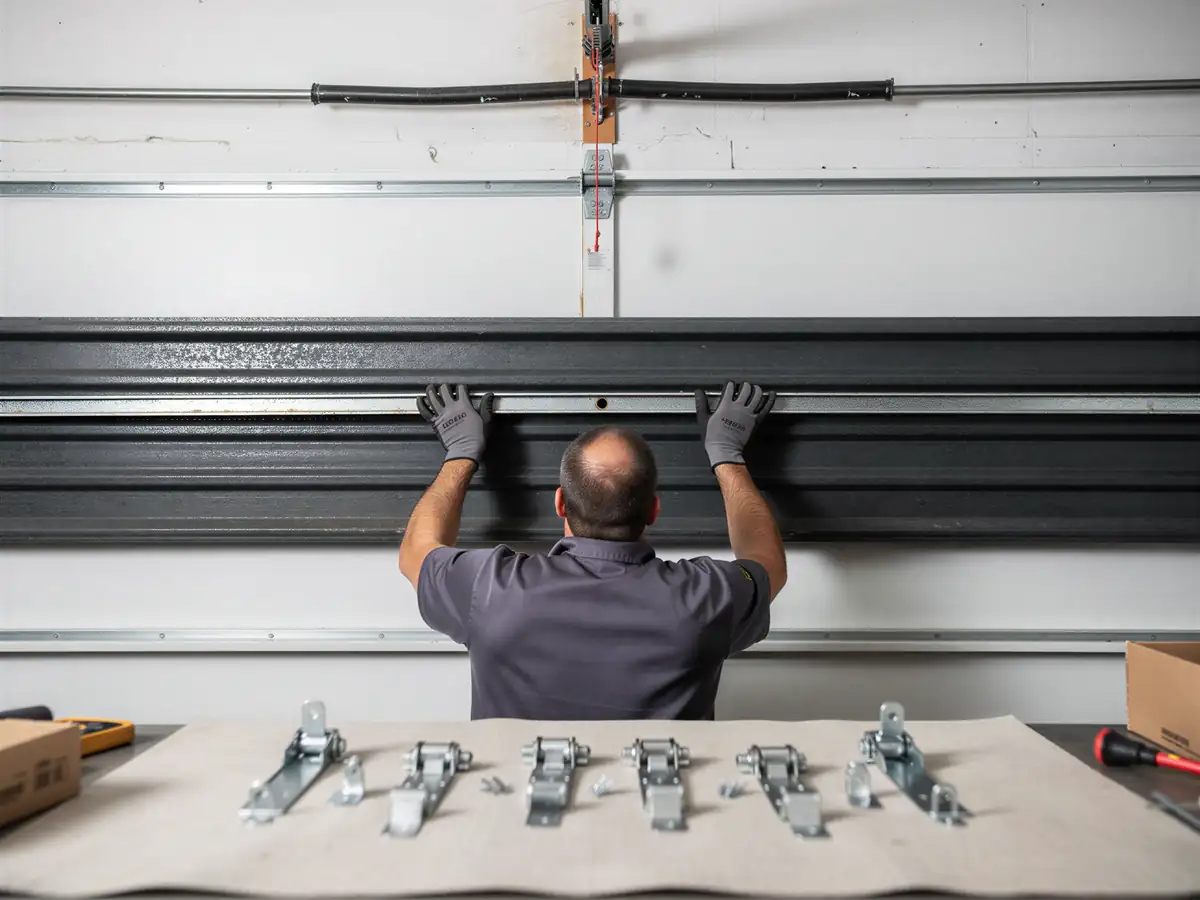
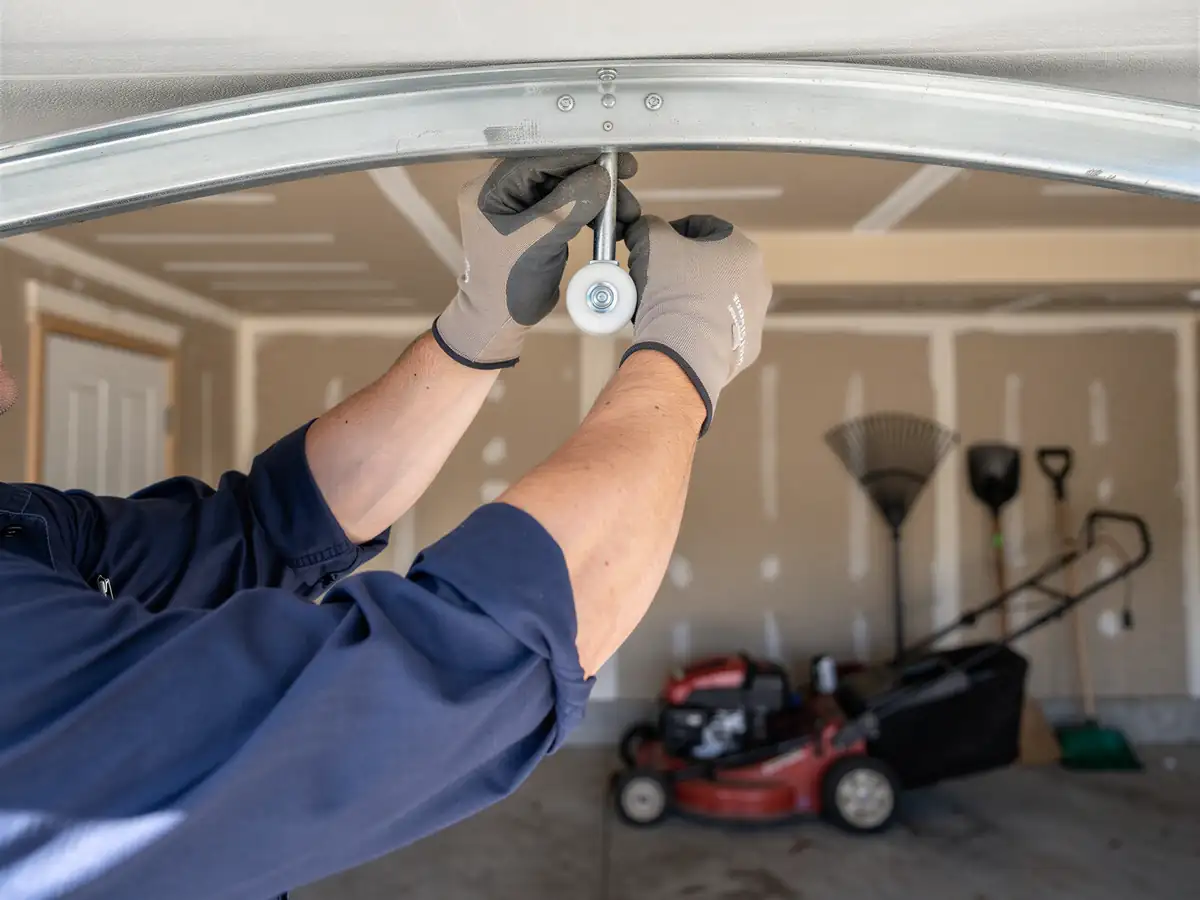
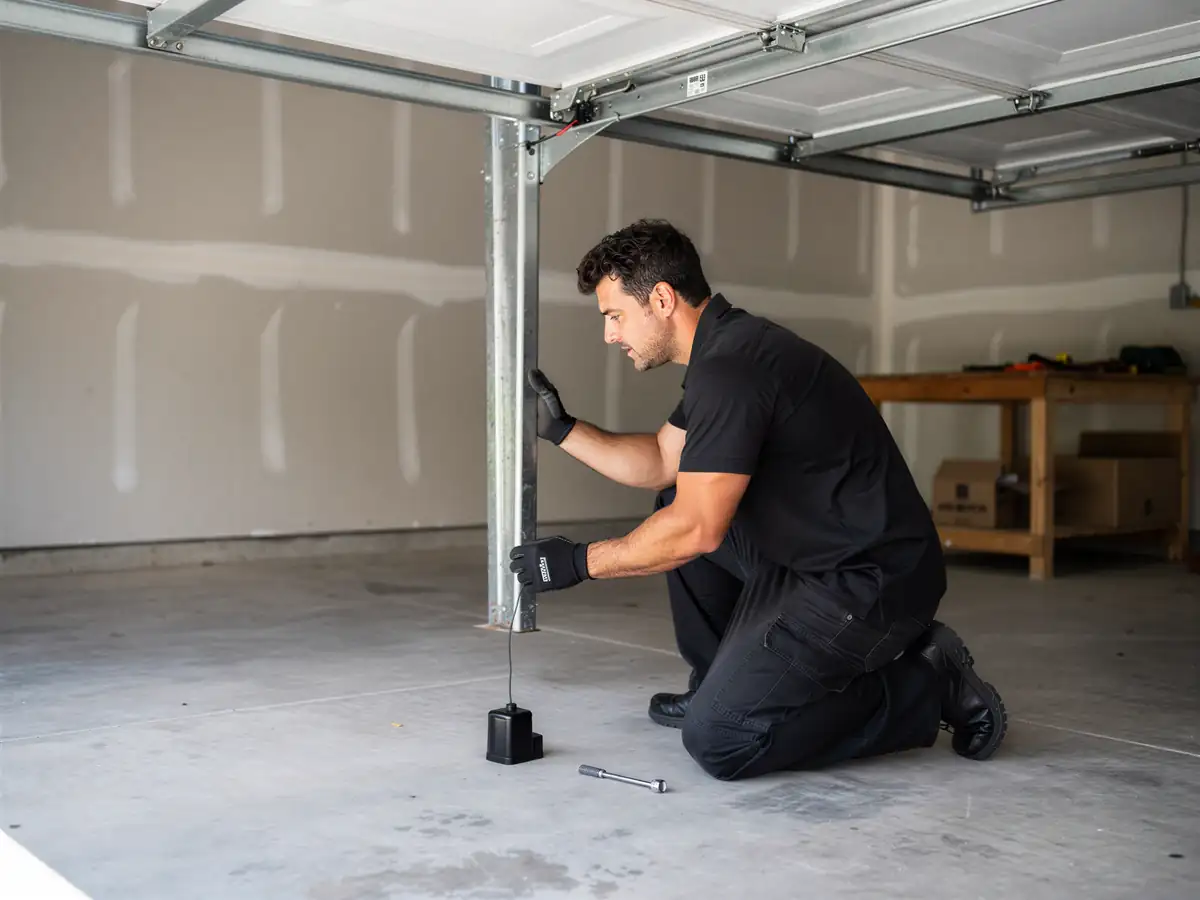
Most of the work in this area is spring replacement sized correctly for the actual door weight, not a generic off-the-shelf match. Second most common is track and roller work - realigning or replacing track that's warped from decades of use, and swapping rollers before they seize and strip a cable. We also do opener swaps where the existing unit has outlived the door's original hardware and the mounting needs to be redone to current standards rather than just bolted to whatever bracket is already there. One thing we won't do is force a new opener onto track and hardware that's too far gone to support it safely - if the door itself needs rebuilding first, we'll say so rather than bolt a new motor onto a frame that can't carry the cycles. That's not a sales pitch for more work; it's the honest order of operations on a door this old.
What the Housing Means for Your Door
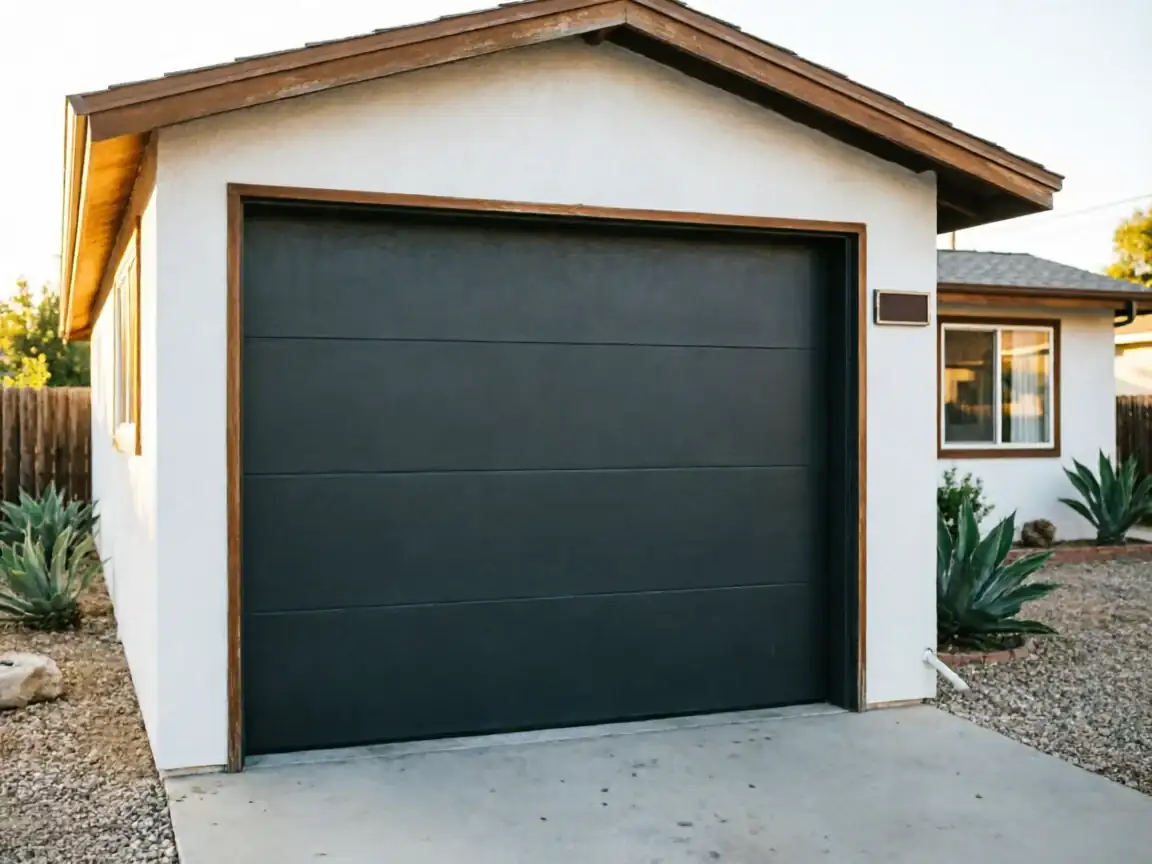
With roughly 9,225 households in this part of Lafayette and a median income well above the regional figure, a lot of owners here have the means to replace rather than patch, and that's often the right call once a door hits a certain age. But replacement only makes sense once you know what's actually failing - a worn spring on an otherwise sound 1960s door is a cheap fix, while a door with warped panels, outdated track, and a dying opener all at once is usually better torn out and redone properly. We look at the whole system before recommending either path, because on houses this age the symptoms often point to one small failure, not three. The mild climate here means the wood and steel underneath has aged mostly on mechanical terms - hinge wear, spring fatigue, roller friction - rather than weather damage, which is part of why these doors often look fine from the driveway while the moving parts underneath are near the end of their run.