What Causes It Around Here
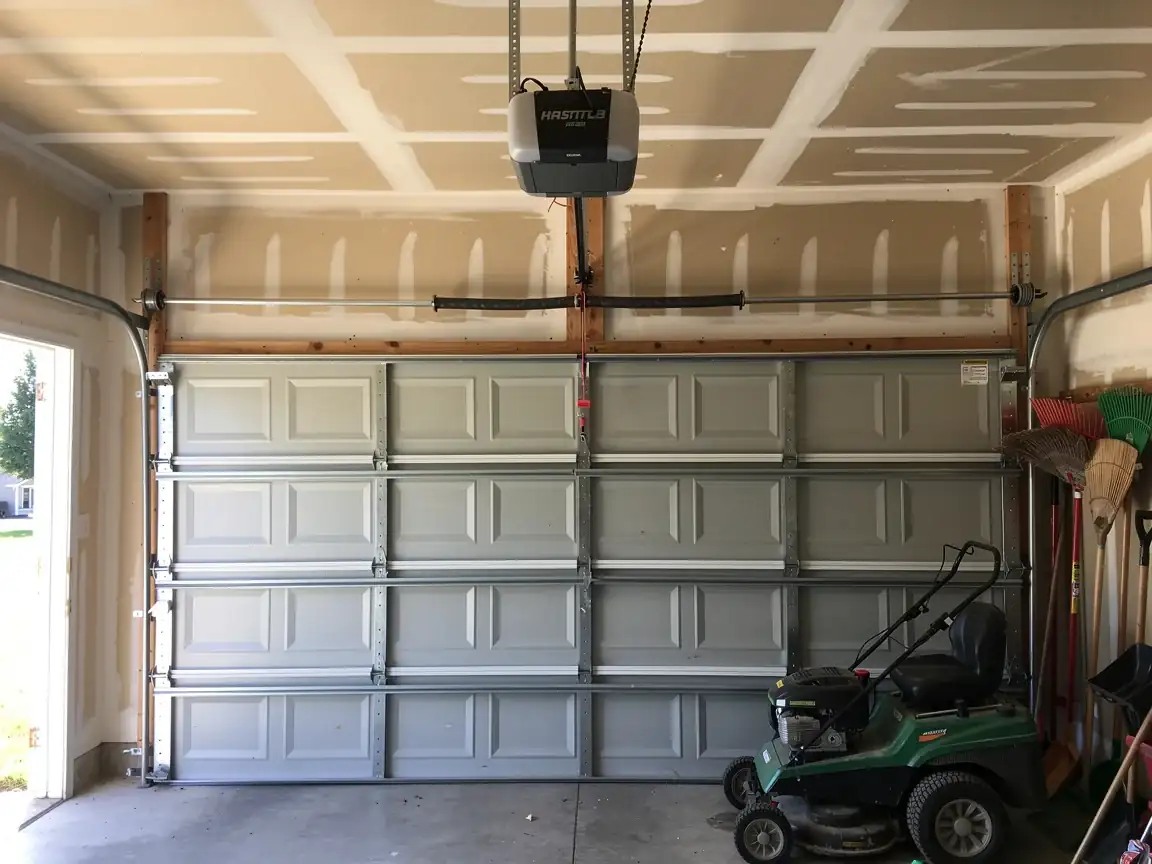
Most houses in Orinda went up around 1961, which puts them square in the stretch of Walnut Creek-area stock built between 1938 and 2008 with a median year of 1972 - Orinda sits a decade ahead of that curve. Doors from that era were hung with galvanized aircraft cable on open-faced drums, no plastic liner, no cable-drop safety feature. Over sixty years that cable stretches, the zinc coating wears thin at the drum groove, and the strands start to fray right where the cable wraps the bottom bracket. We see this pattern more in Orinda than in newer parts of the service area simply because the hardware is older on average.
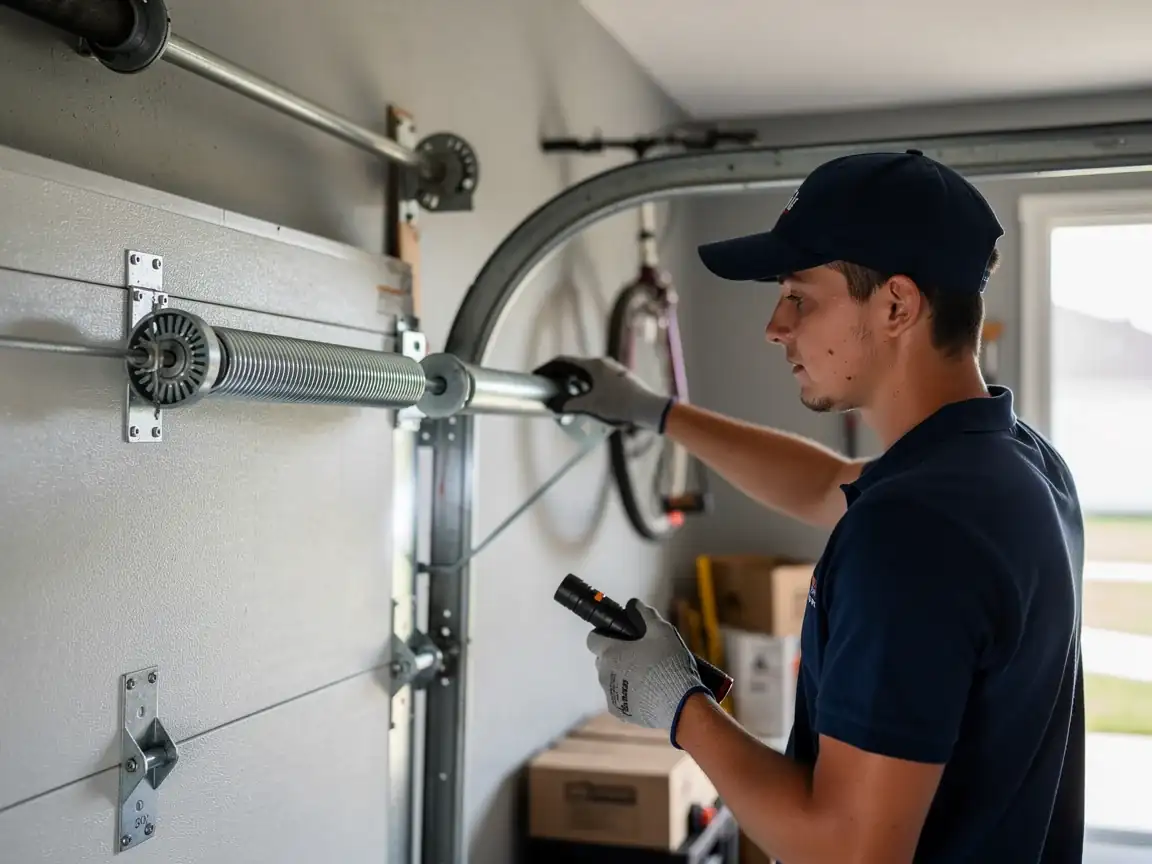
The mild temperate climate here doesn't rust cable the way a damp coastal town would, so when a cable fails in Orinda it's almost always fatigue and wear, not corrosion. That's actually good news for diagnosis - if a cable snaps on a 1961 door, look at the drum groove and the bottom bracket first, not the whole run. On double doors from this build period, both cables wear at close to the same rate, so if one has frayed, the other usually isn't far behind, even though it hasn't let go yet.
The Symptom
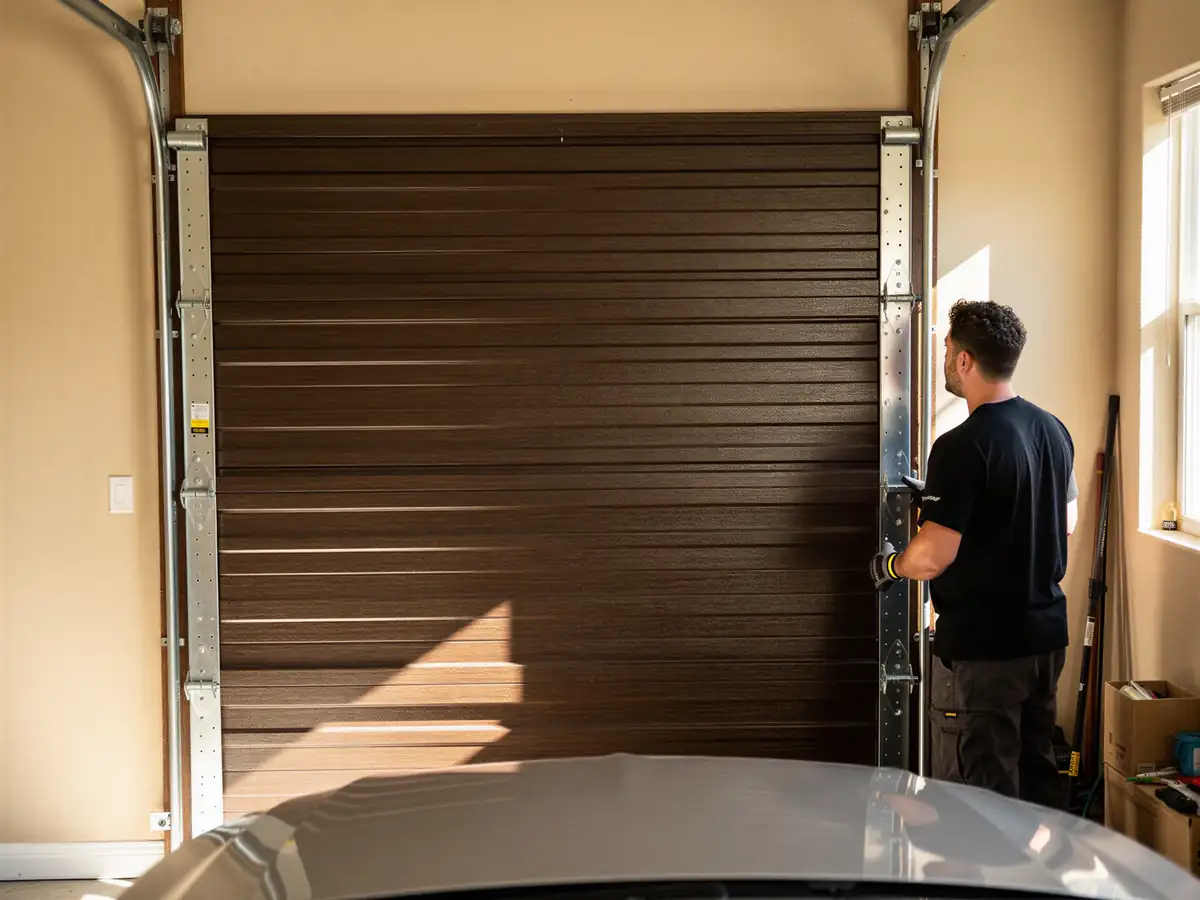
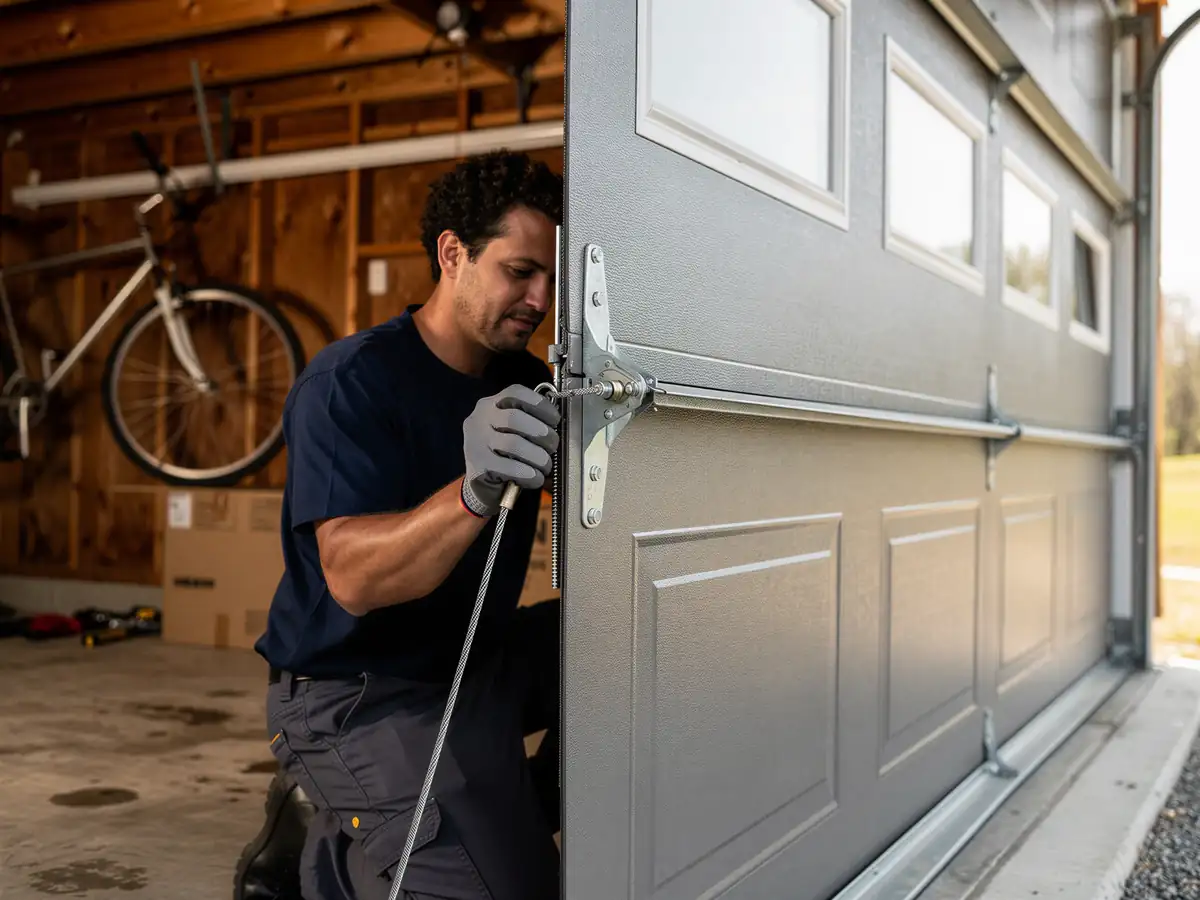
A frayed cable usually announces itself before it breaks: the door jerks a few inches off level as it closes, one side drags against the track, or you hear a faint popping as individual strands give way. Once a cable fully snaps, the door won't stay up - it drops on the broken side and jams crooked in the frame, or if both cables are near the end of life, the whole door can come down hard. On the older drum setups common in Orinda, a snapped cable can also let the drum itself spin loose and chew up the shaft key, which turns a cable job into a cable-plus-drum job. If your door looks tilted even slightly, treat it like a cable problem, not a track problem, and stop running the opener.
Doing It Yourself
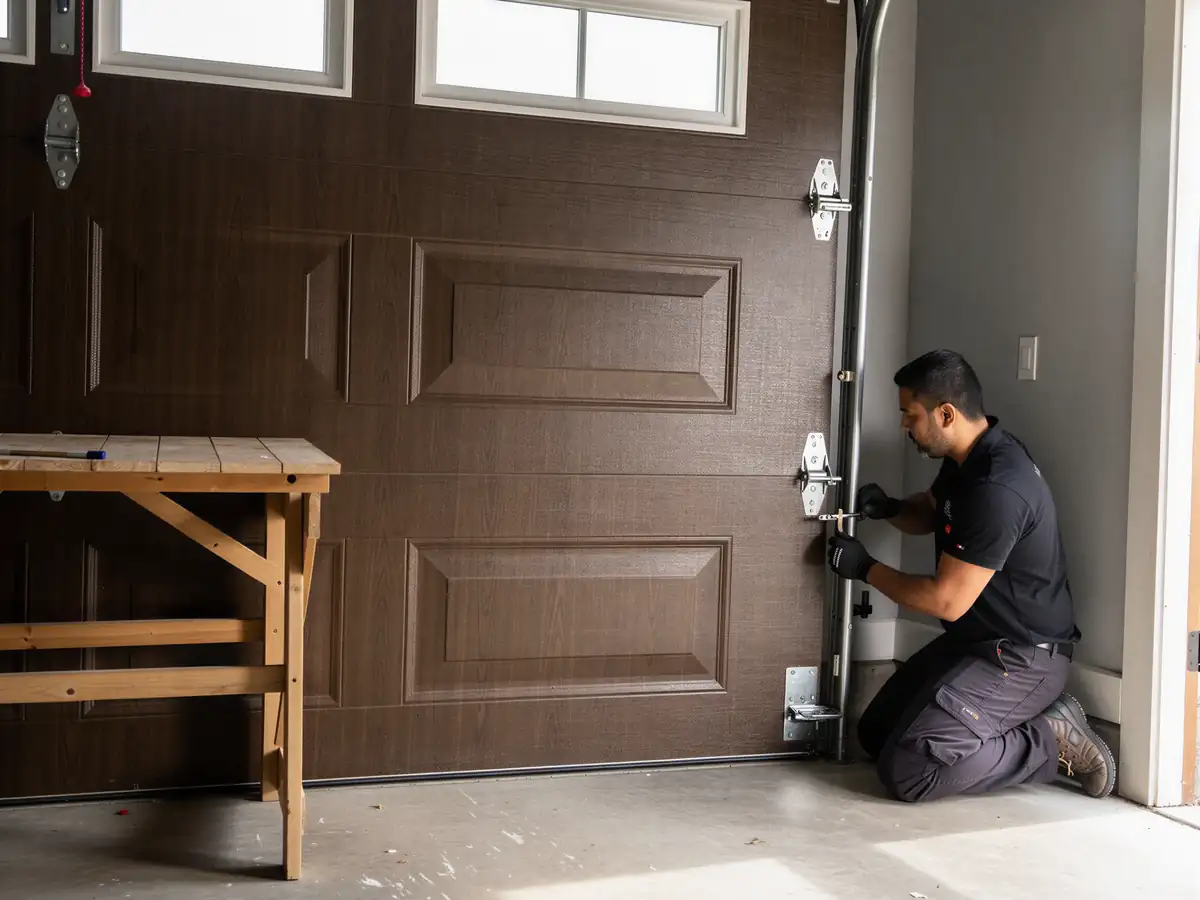
We'll say this plainly: do not try to replace a garage door cable yourself. The door is under spring tension even with the cable gone, and loosening the wrong bolt on a 1961-era torsion or extension setup can release that tension all at once. What you can safely do is look - with the door down and the opener unplugged, check whether the cable is frayed at the drum or at the bottom bracket, and check that the other cable isn't also fraying. That tells us what to bring. Past that, this isn't a YouTube repair, and we're honest that a misjudged spring on an older door has put people in the hospital. Call it in instead.