What Causes It Around Here
Walnut Creek's housing stock spans 1938 to 2008, with most of it dating to the 1960s and '70s across the 39 named areas we cover. That matters for cables because a lot of those original torsion and extension setups are still running on hardware nobody updated when the house changed hands. The galvanized cable itself doesn't care about age so much as cycles - and a door that's opened and closed twice a day for fifty years has put a lot of miles on a 1/8-inch strand.
The mild temperate climate here helps in one way and hurts in another. You don't get the ice-and-thaw cycle that snaps cables brittle in colder states, so corrosion isn't usually the villain. What you do get is UV and dust exposure building up slowly on cables that were never lubricated after installation - that's the deferred maintenance pattern we see on 1960s-era one-piece and sectional doors alike. On older homes with the original drum and cable setup, a frayed strand at the bottom roller bracket is the single most common failure we're called out for.
Doing It Yourself
If a cable has already snapped, don't try to re-string it yourself
The door is under spring tension even with the cable gone, and a loose drum or an off-track panel can move fast and without warning. That's not a scare tactic - it's just how torsion systems work, and it's the one job on a garage door where we tell people flatly to leave it alone.
What you can safely do is look
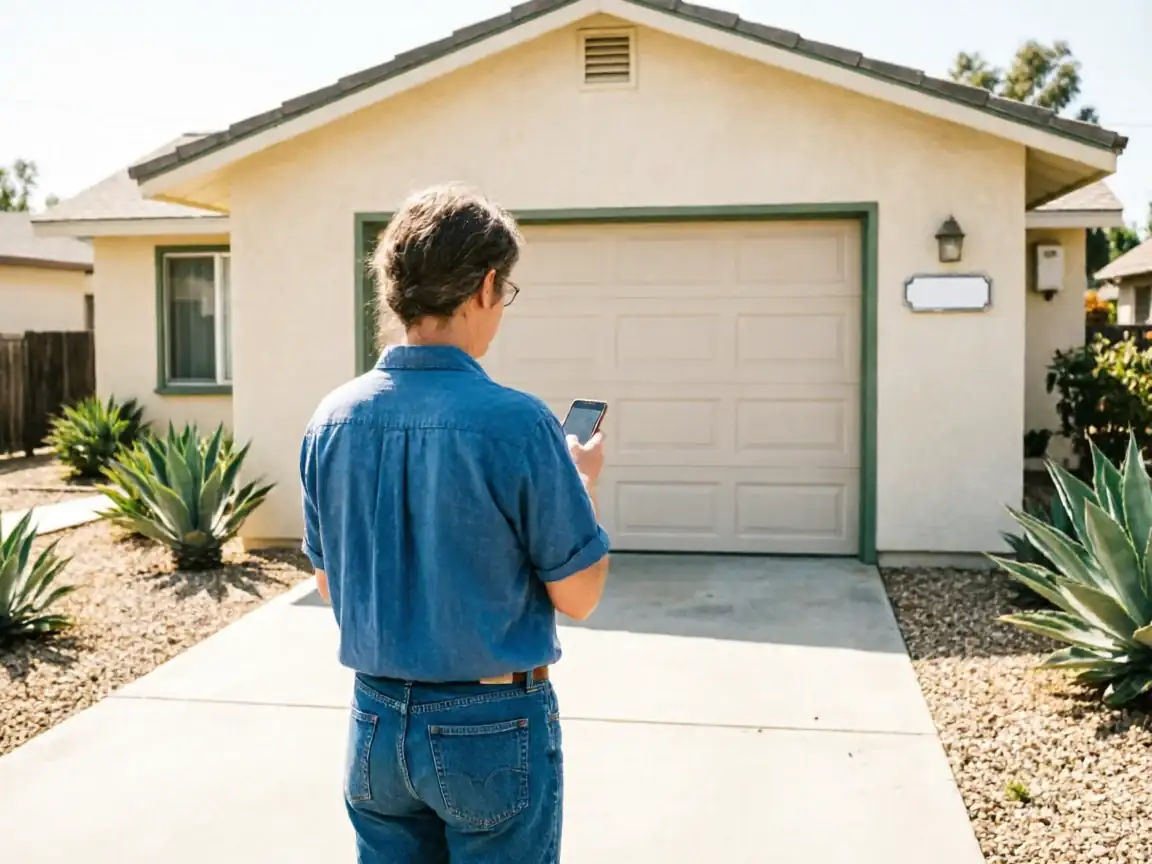
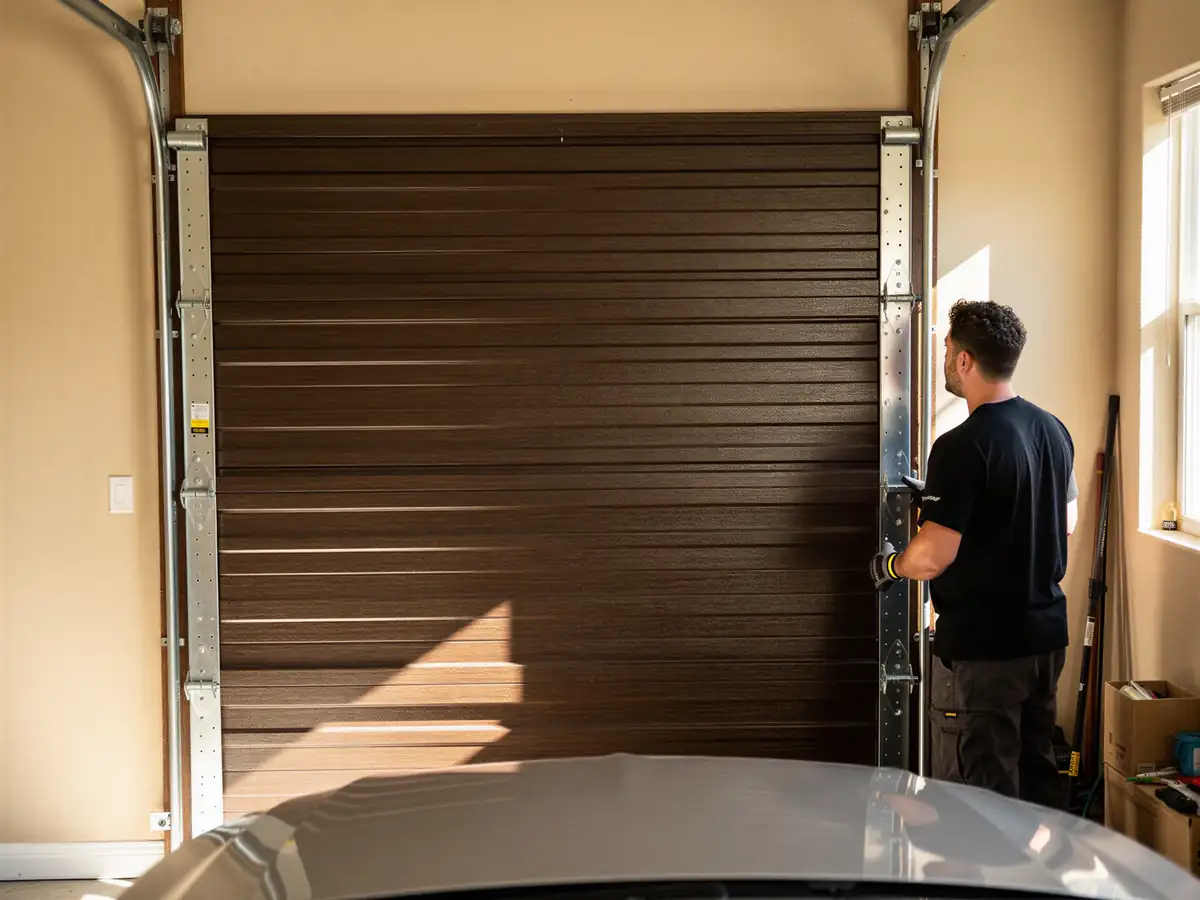
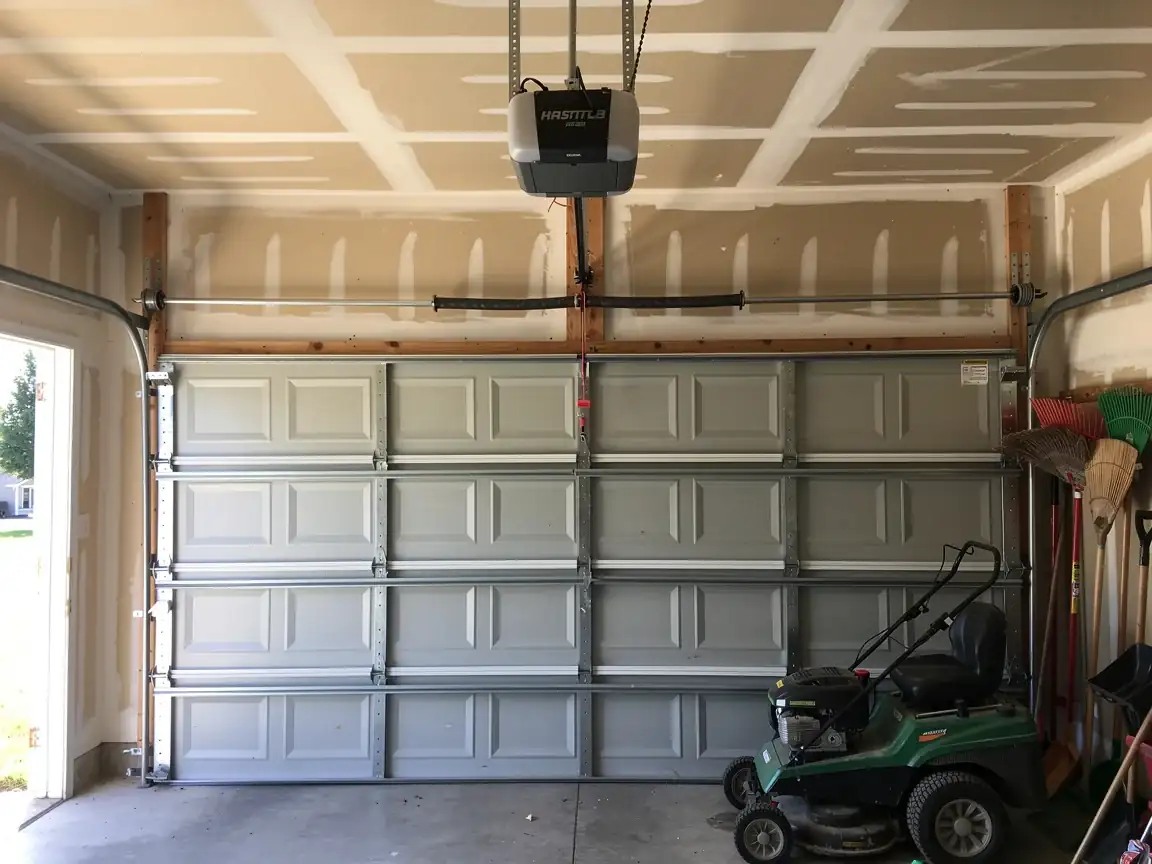
Check whether the cable is still wound evenly on the drum, whether one side of the door is sagging lower than the other, and whether the bottom bracket looks rusted or bent. Take a photo before you call - it saves us a trip if the fix turns out to be something else entirely, like a broken spring instead of a cable. We'll say it straight: if your door is older than the original installation and the drums themselves are worn, a cable-only fix sometimes isn't worth doing twice. Replacing both cables as a pair, even if just one broke, is usually the smarter call.
The Symptom
A cable problem usually announces itself one of three ways. The door stops dead and won't budge, with the opener straining or clicking uselessly. One side of the door droops visibly lower than the other, sometimes just an inch, sometimes enough that the panel binds in the track. Or you hear a loud bang or snap followed by the door dropping suddenly - that's the cable letting go under tension, and it's the scenario that worries people most because it sounds like something much worse broke.
On the 1960s and '70s builds common across this area, we also see slower warning signs first: a cable that looks frayed near the bottom bracket, strands starting to separate like a fishing line about to give. If you catch that stage, it's a planned repair instead of an emergency one, and it's cheaper and safer every time.
How We Fix It
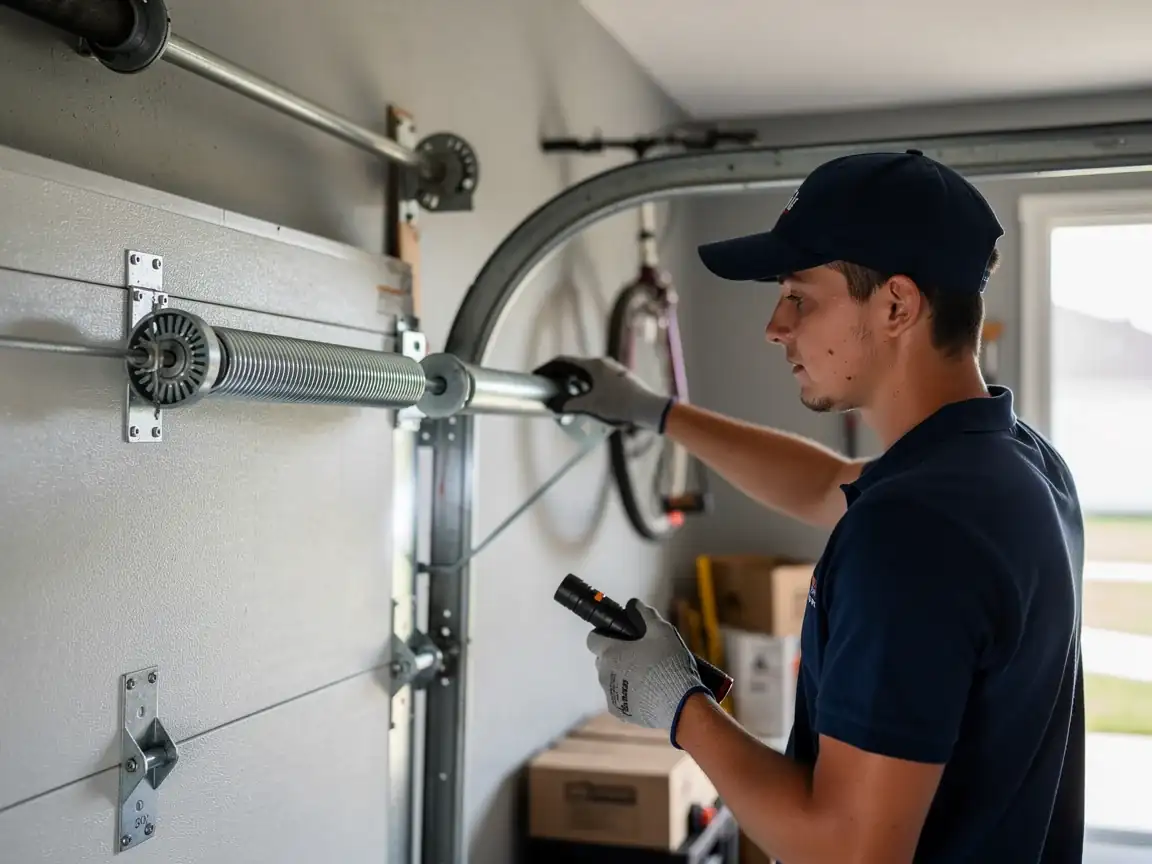
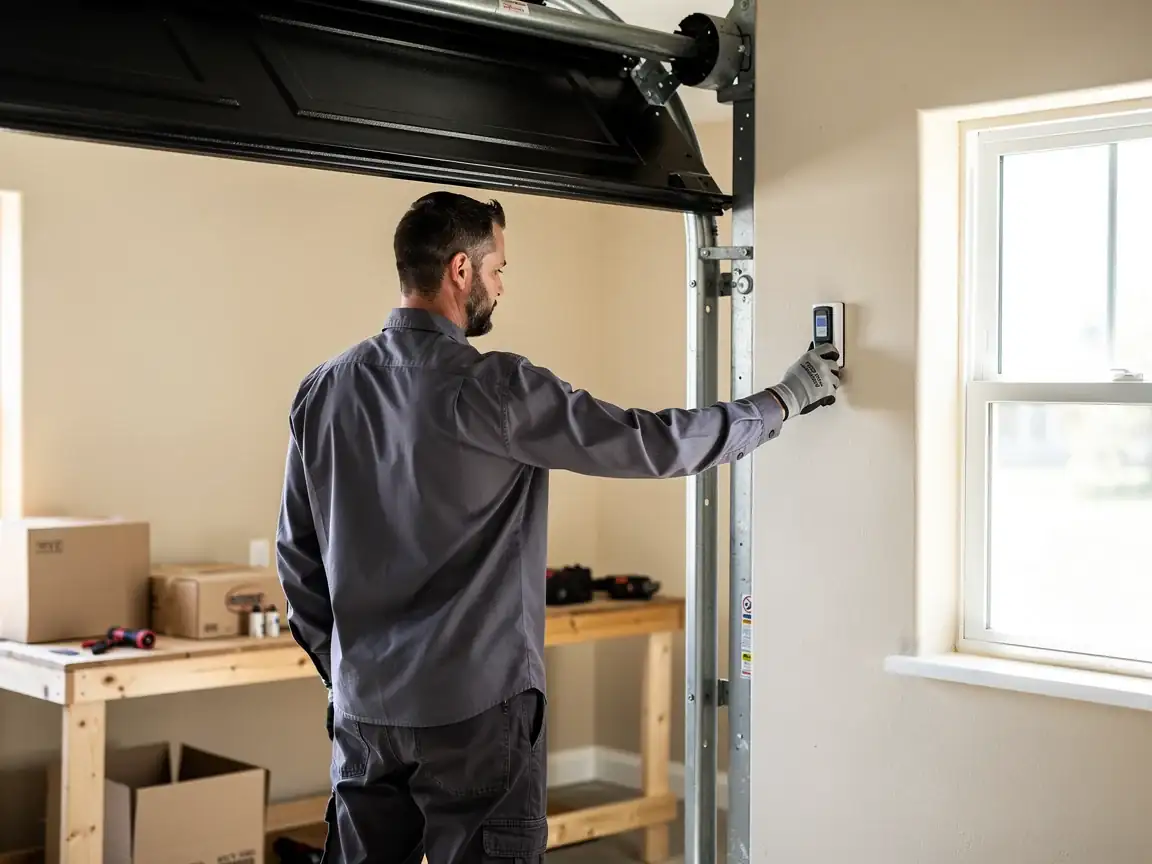
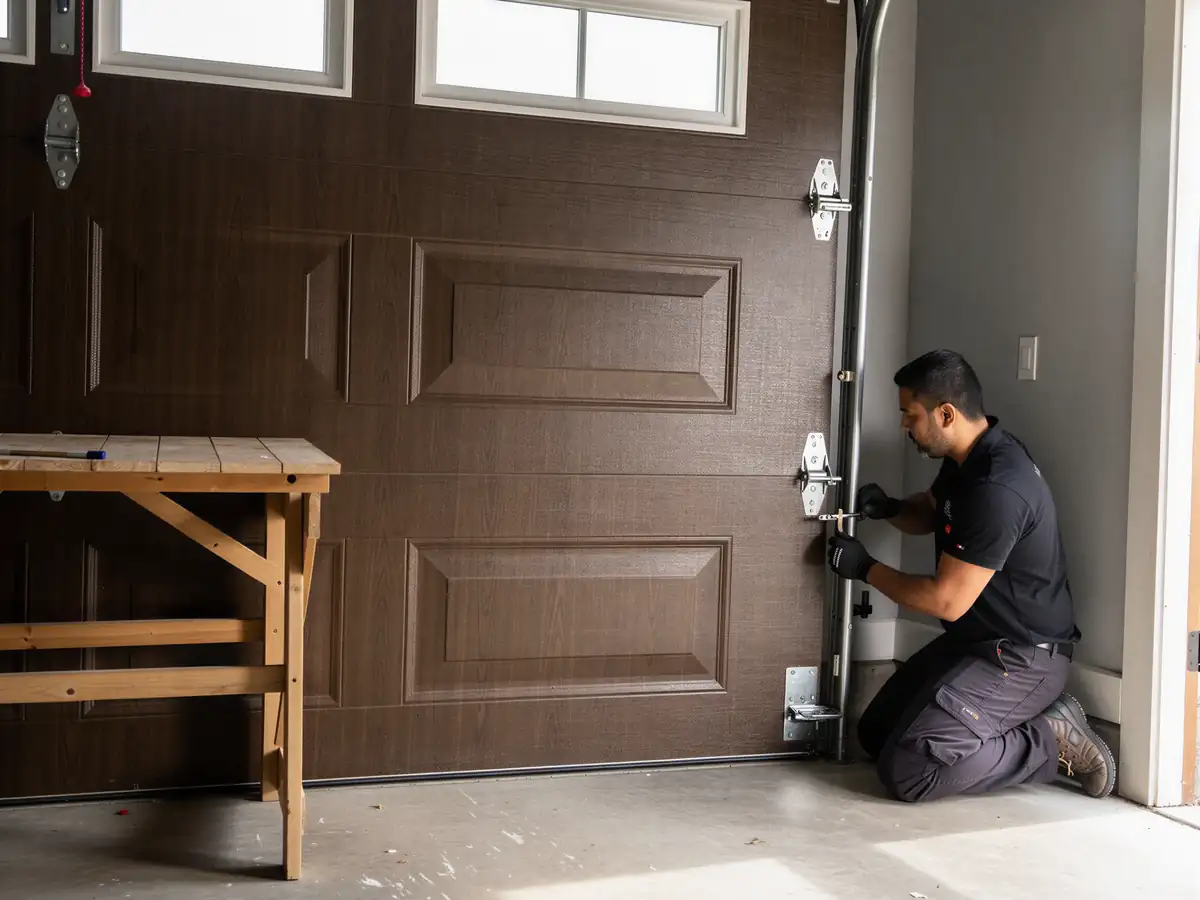
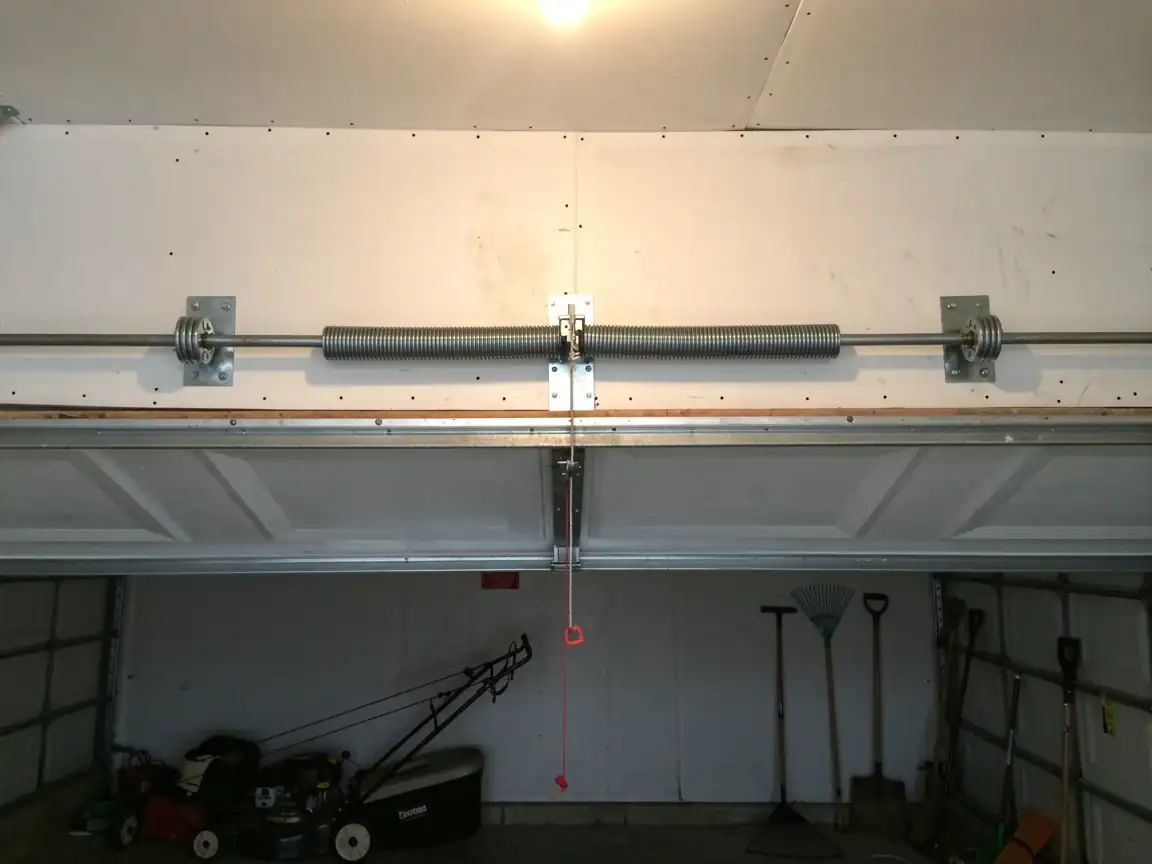
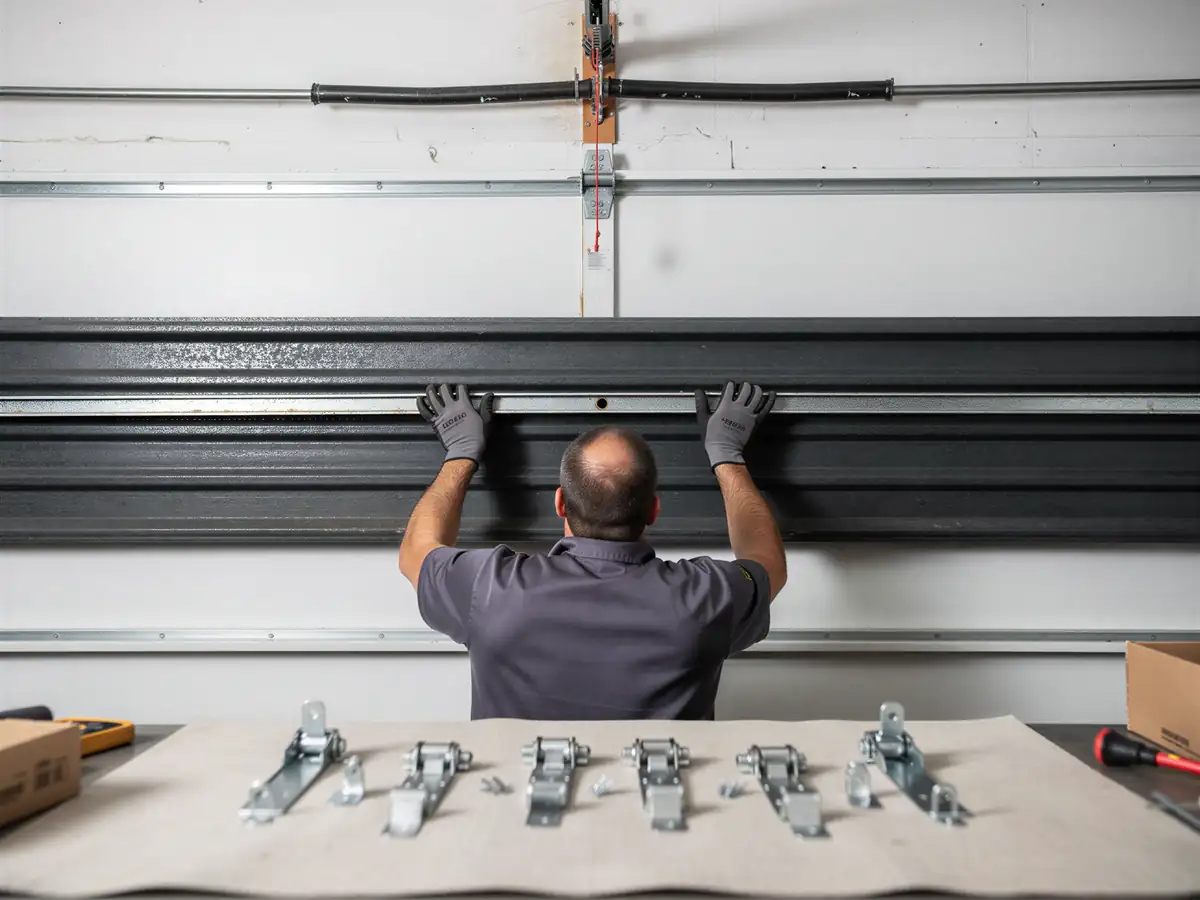
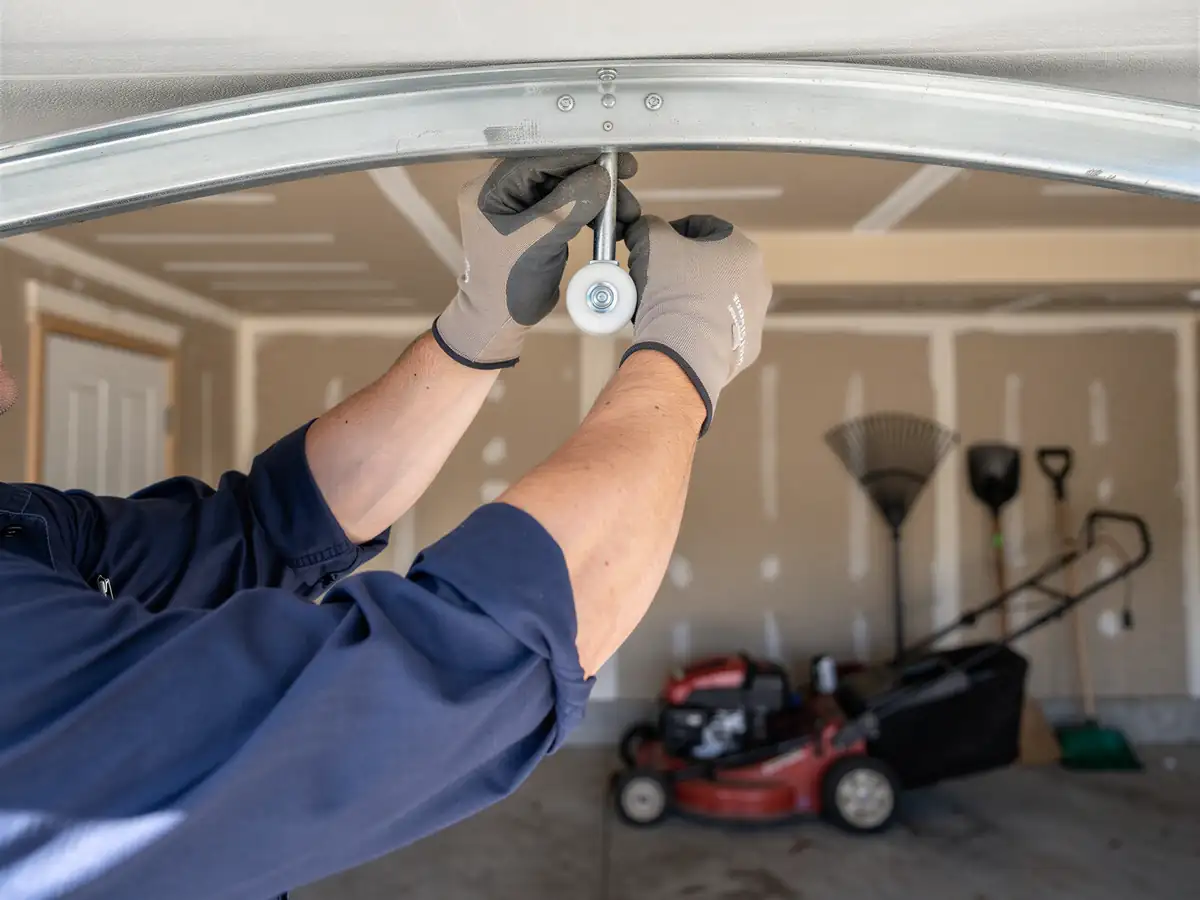
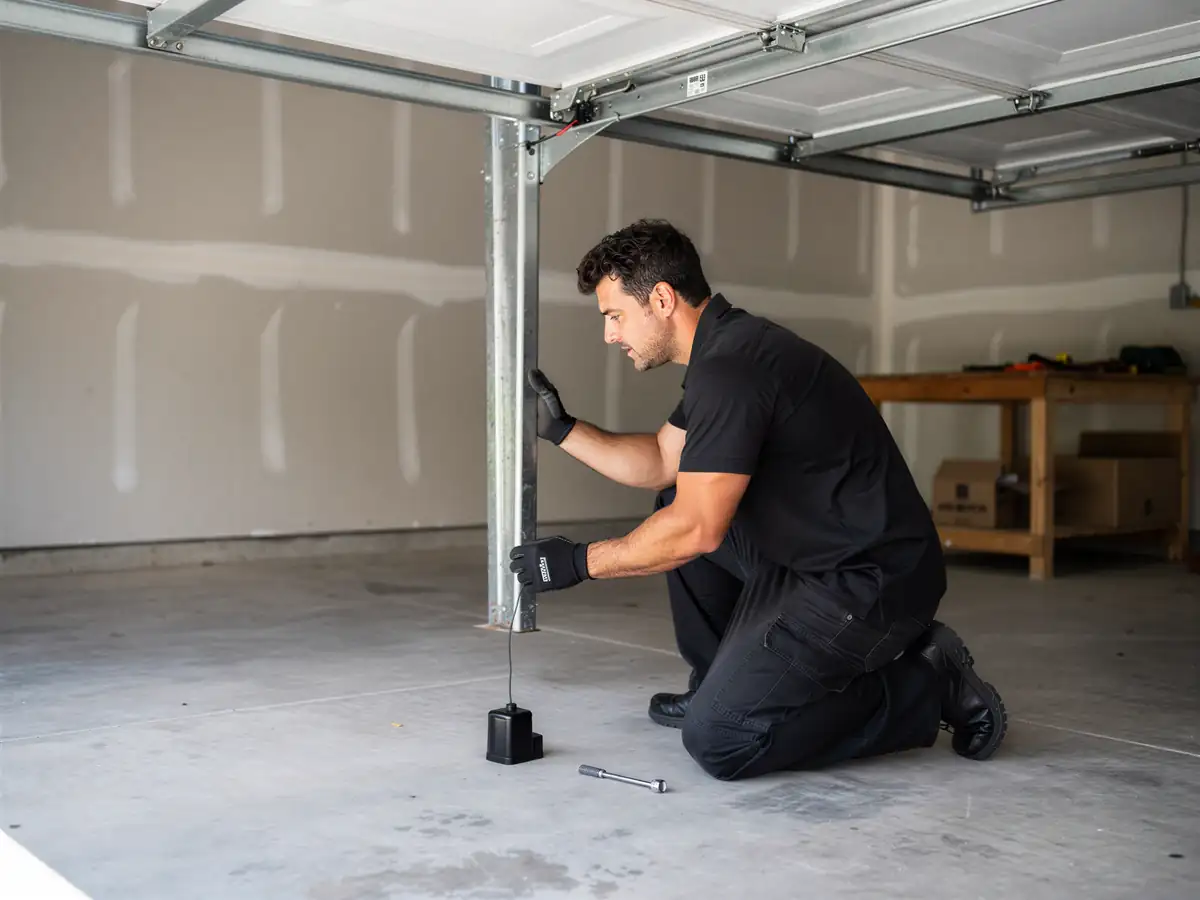
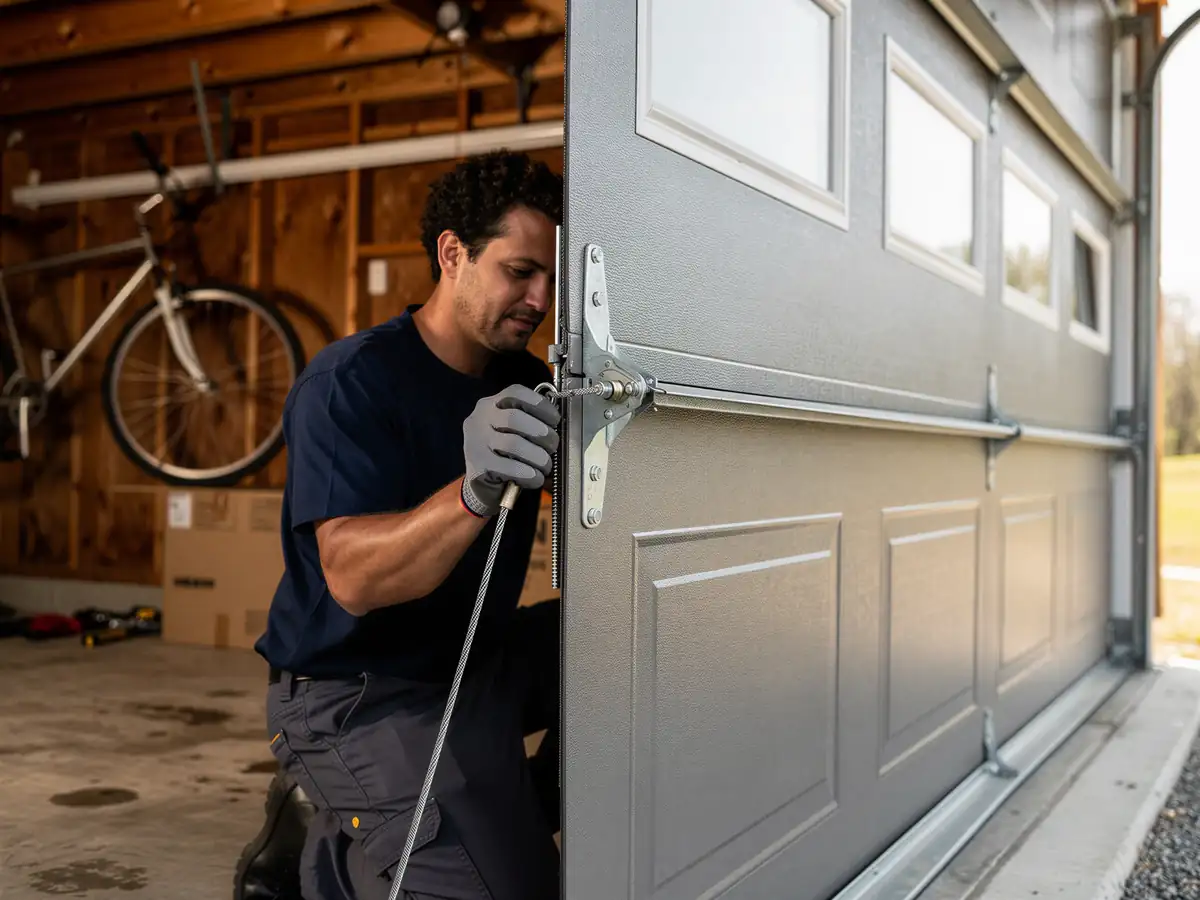
We replace the cable - both cables, if the drums or the opposite side show wear - and rebalance the door on the track before handing it back to the opener. On torsion systems, that means winding the spring down to a safe position first, swapping the cable at the drum and the bottom bracket, then re-tensioning so both sides move evenly. On the older extension-spring setups still found on a lot of the pre-1980 homes in this area, we check the pulleys and safety cables at the same time, since those tend to wear on the same schedule.
We don't stock every obscure drum size on the truck - some of the oldest doors in this area used hardware that's been discontinued for years, and if yours is one of those, we'll tell you straight rather than force a mismatched part on. Most jobs we can finish same visit. For households across the broader service area, where median income runs well above $132,000, replacement doors are sometimes the better long-term call than patching old hardware - we'll give you the honest comparison, not just the repair.