What Causes It Around Here
Walnut Creek's housing stock runs from 1938 to 2008, with the median build year sitting at 1972. That puts a large share of doors in this area squarely in the decades when steel rollers on raised-track hardware were the standard install, not an upgrade option. Across the wider service area that same 1960s-70s mix shows up in most of the 39 named communities we work in, so this isn't a problem tied to one pocket of new construction - it's the baseline.
Steel rollers on raised track wear from simple use. Every open-close cycle grinds metal against metal unless the stem is kept greased, and most homeowners never think about it until the door starts complaining. The mild temperate climate here actually works in your favor in one way: you don't get the hard freeze-thaw swings that crack lubricant and warp track in colder regions. What you do get is decades of steady, uneventful wear on original hardware that was never built to last fifty-plus years in the first place.
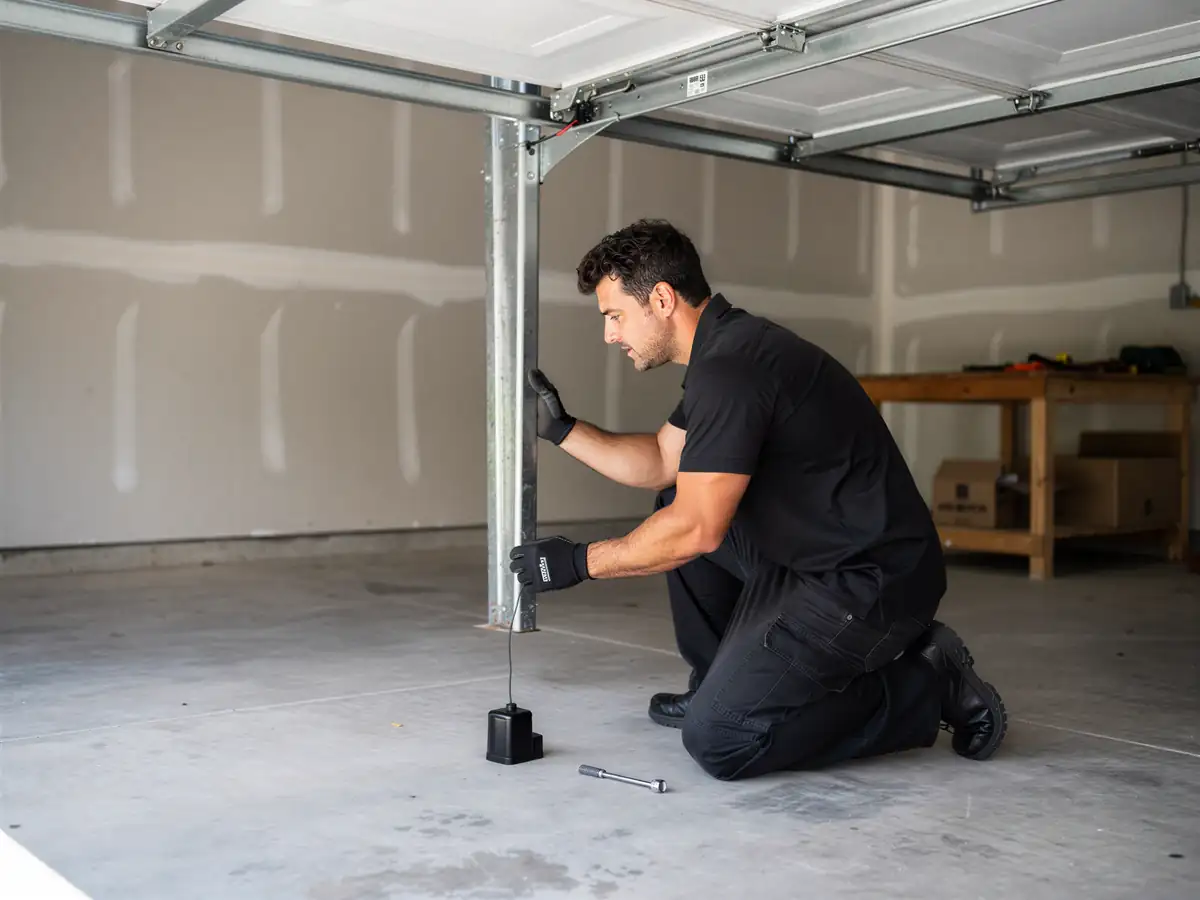
Dust and pollen buildup in the track groove is the other half of it. It doesn't freeze or corrode here, it just packs in behind the roller wheel until the door starts binding on one side before the other. That uneven drag is usually the first sign something's going.
Doing It Yourself
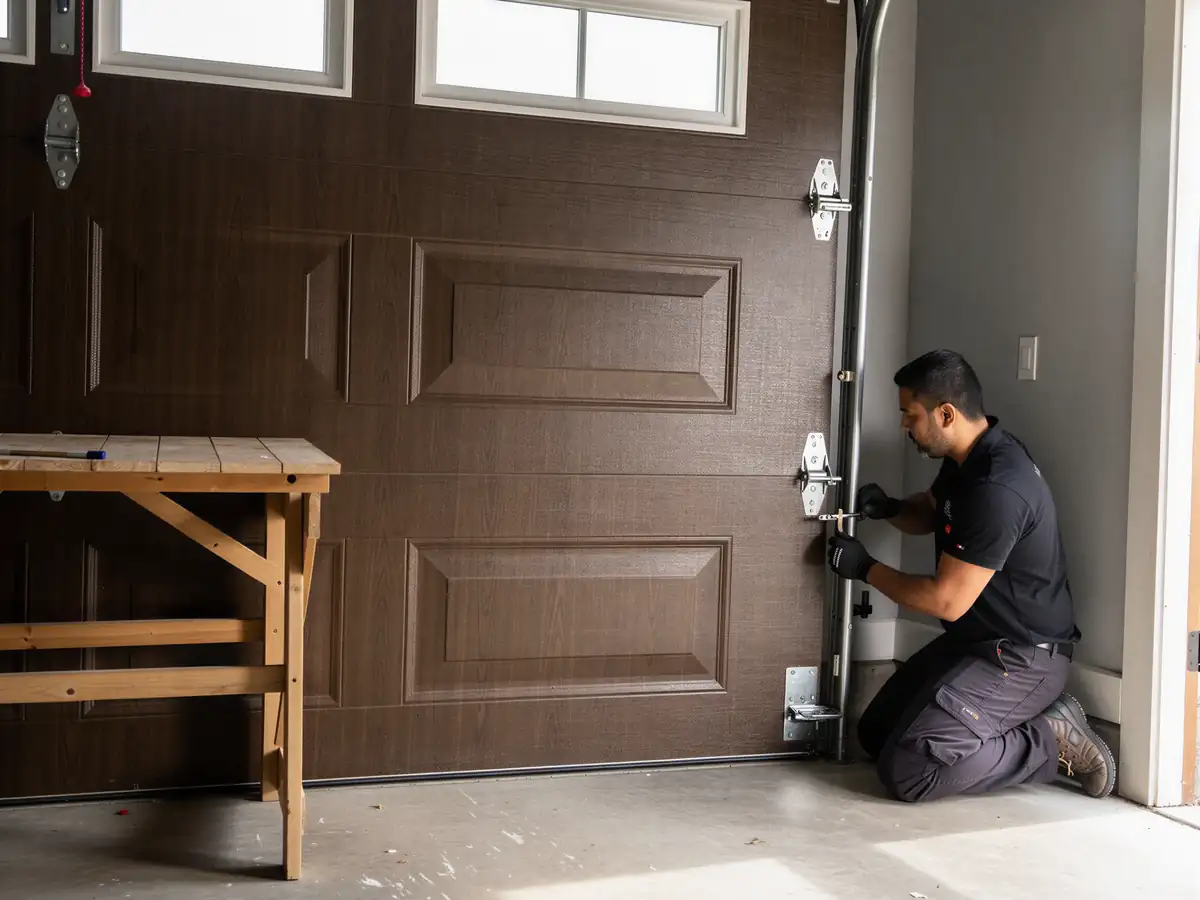
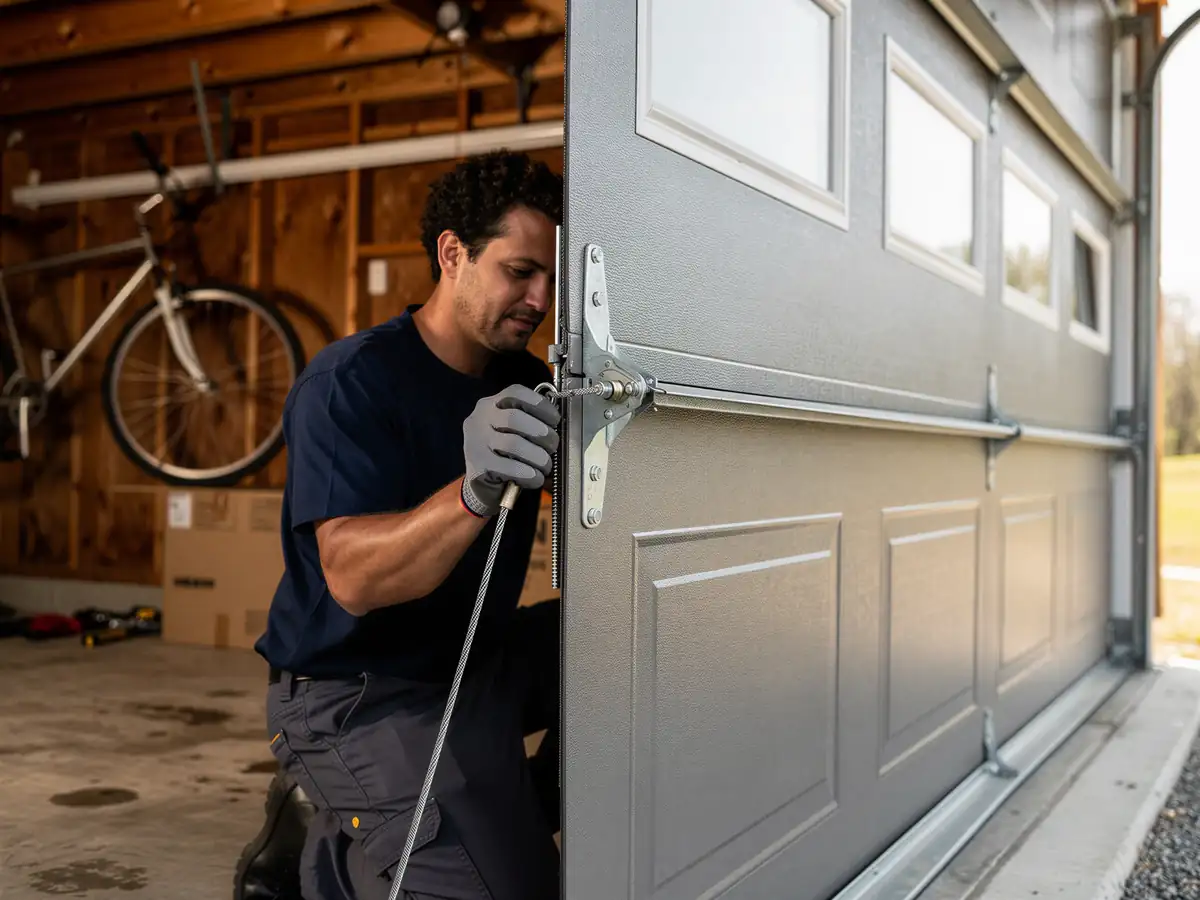
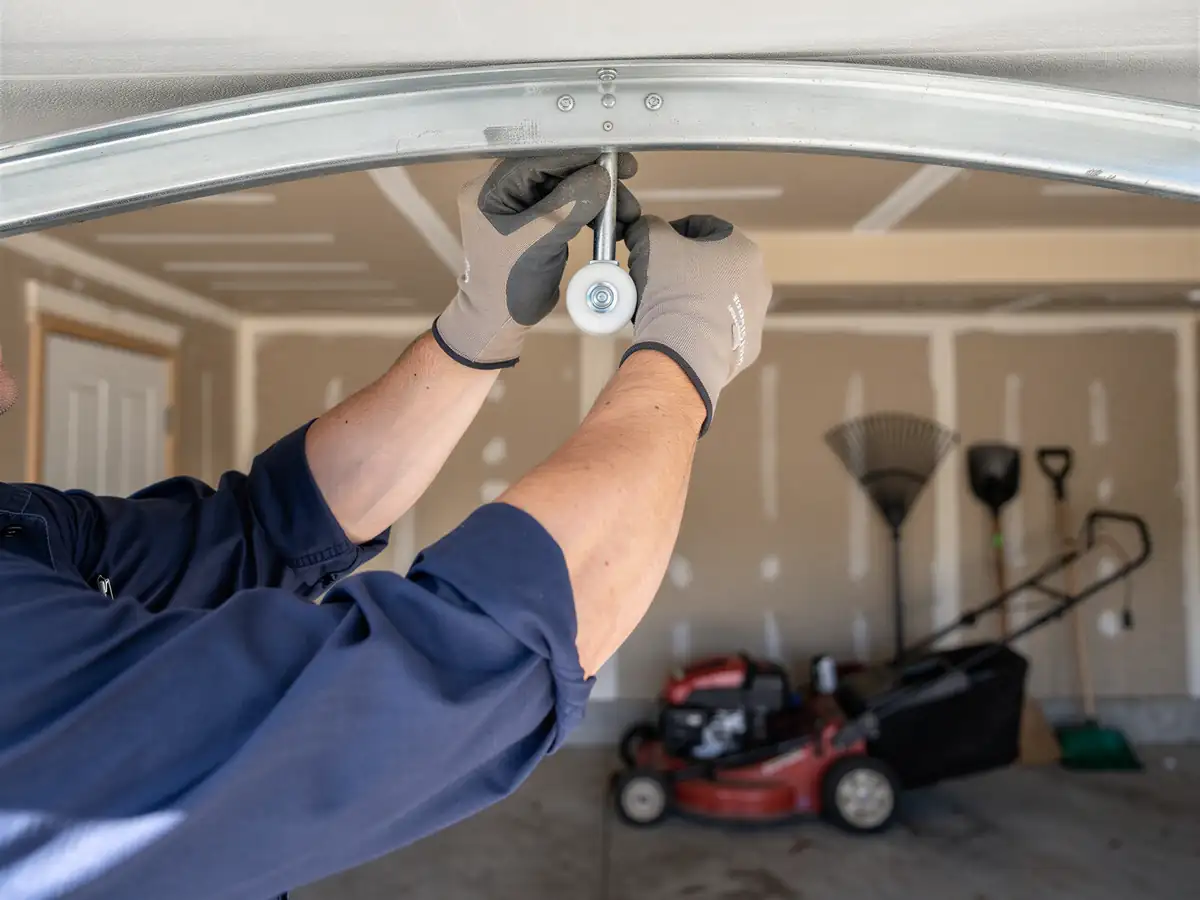
Swapping a single roller on an open-track section is within reach for a handy homeowner
Loosen the bracket, slide the old roller out, slide a new one in, re-tighten. That's the honest limitation here: if it's one roller on the bottom bracket of a door that still opens and closes under control, you may not need to call anyone.
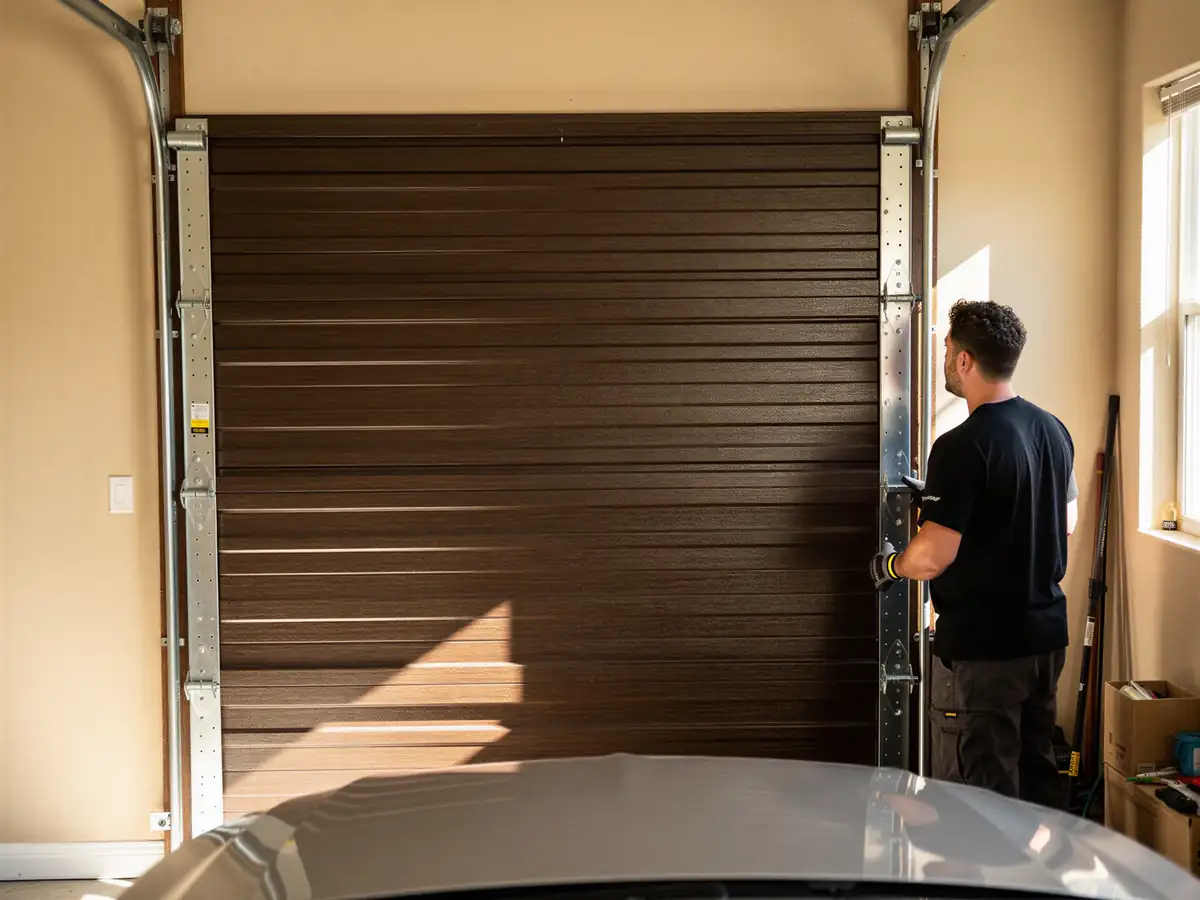
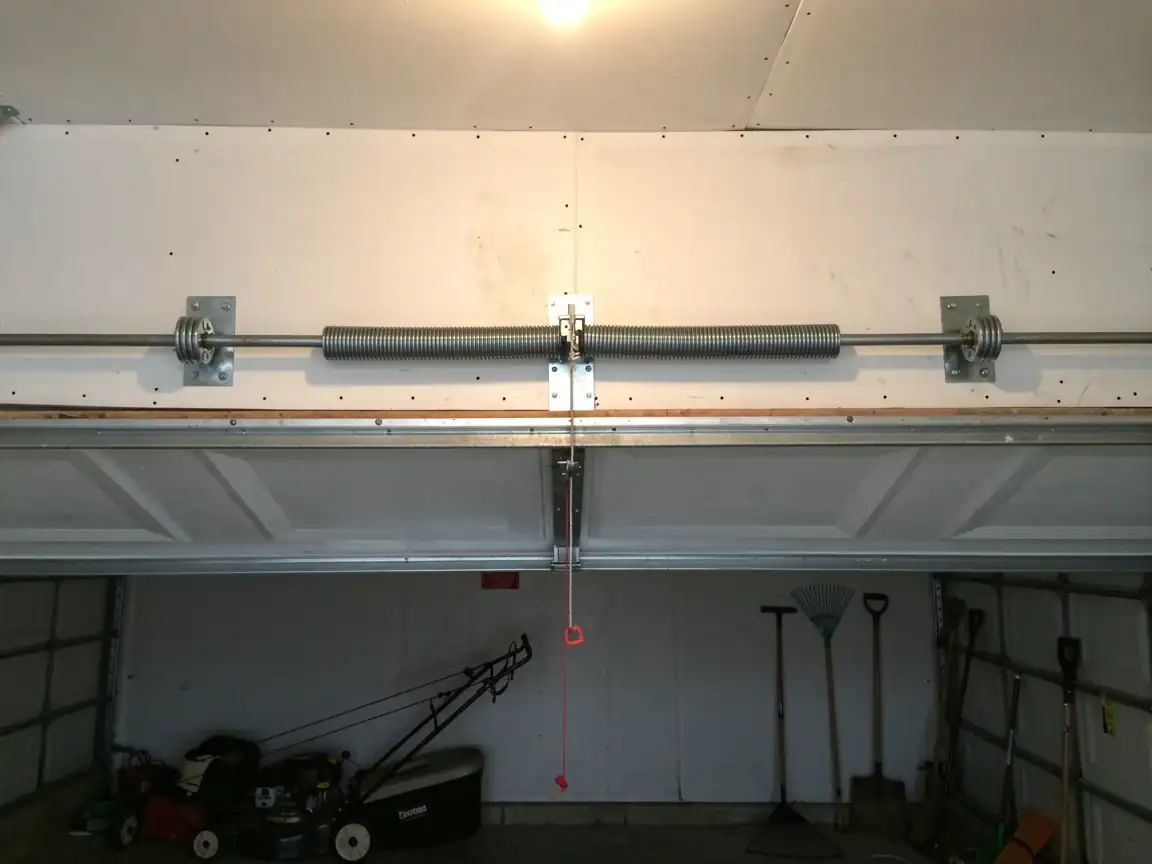
Where it gets risky is the rollers near the top section
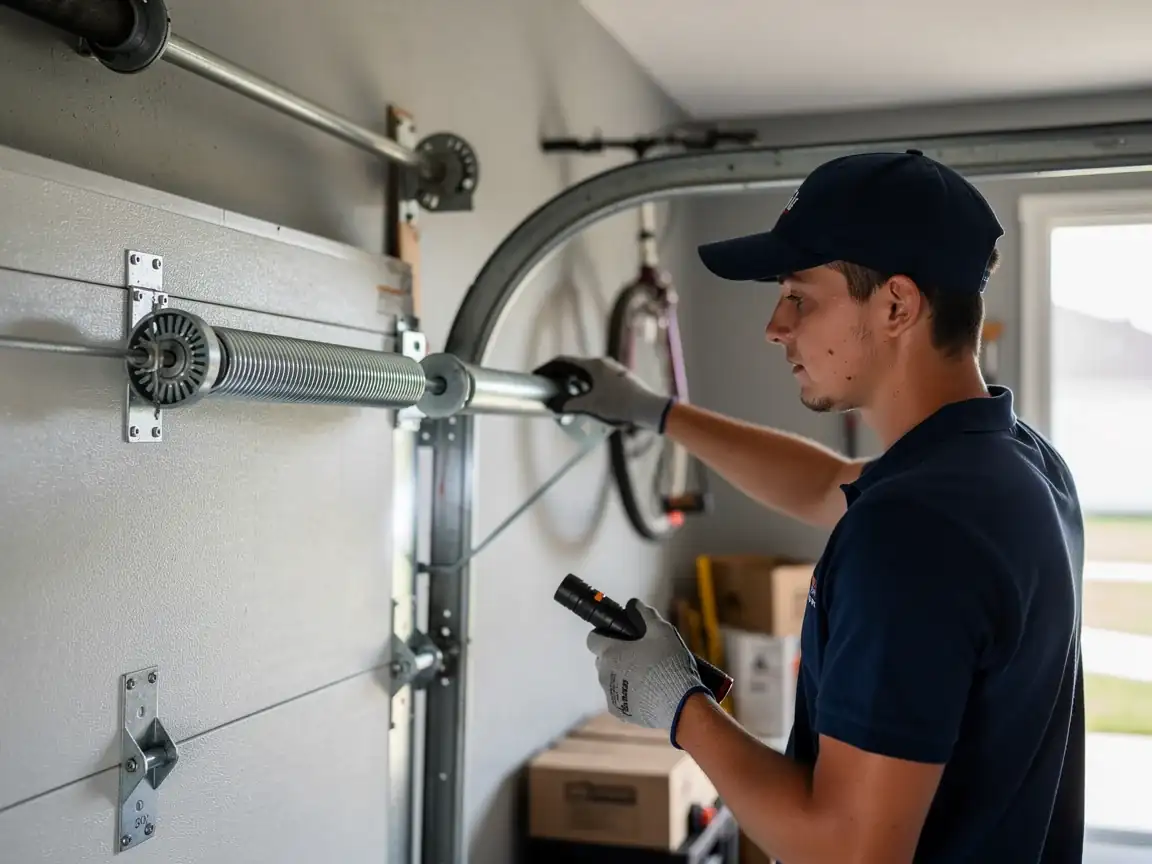
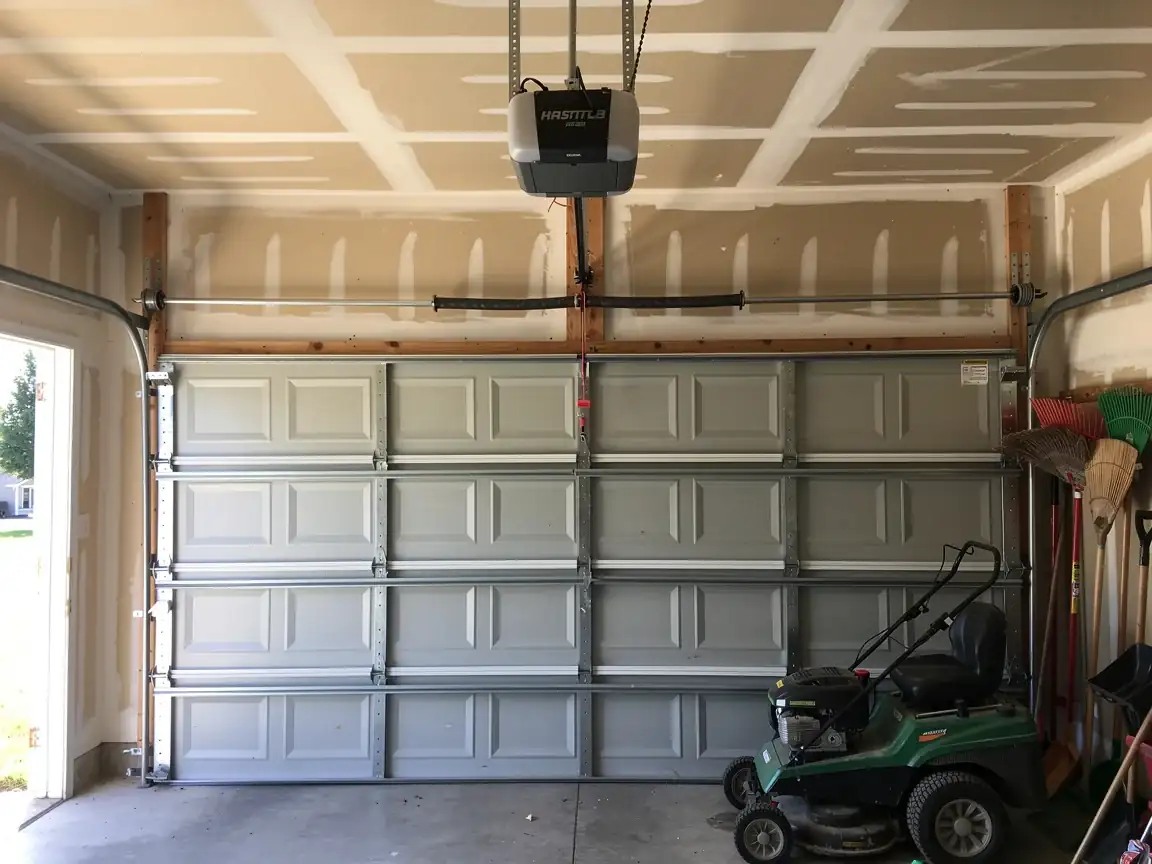
Because those brackets sit close to the cable and the torsion spring. Pulling a bracket in the wrong order with the door partway up can let a panel drop or let cable tension release unexpectedly. If your door is sagging, binding on one side, or the track has visibly bent, that's a sign the fix is bigger than a $15 roller and a wrench, and it's not a great weekend project.
If you do it yourself, match the roller stem length and wheel diameter to what's already on the door
Most of the original-era hardware in this area uses a 7-ball or 10-ball steel roller on a 4-inch stem, and mismatched parts bind worse than worn ones.
The Symptom
The giveaway is noise that changes with speed and position, not a steady grinding the whole way up. A worn roller usually sounds like a rhythmic clunk or squeal that gets louder as it crosses the curved part of the track, then quiets on the straight run. If every roller sounds the same, it's often age across the whole set rather than one bad wheel.
Visually, look at the wheel face where it rides the track. A nylon roller wears a flat spot; a steel roller usually develops a wobble you can see if you watch it move at walking pace. On doors with the original hardware common to 1960s and 70s construction in this area, it's common to find three or four rollers worn unevenly because one side of the track collects more dust than the other.
A door that drifts to one side as it closes, or that needs a shove partway through the cycle, is telling you the rollers on that side have lost roundness. Left alone, that uneven drag eventually stresses the opener and the track brackets too.
How We Fix It
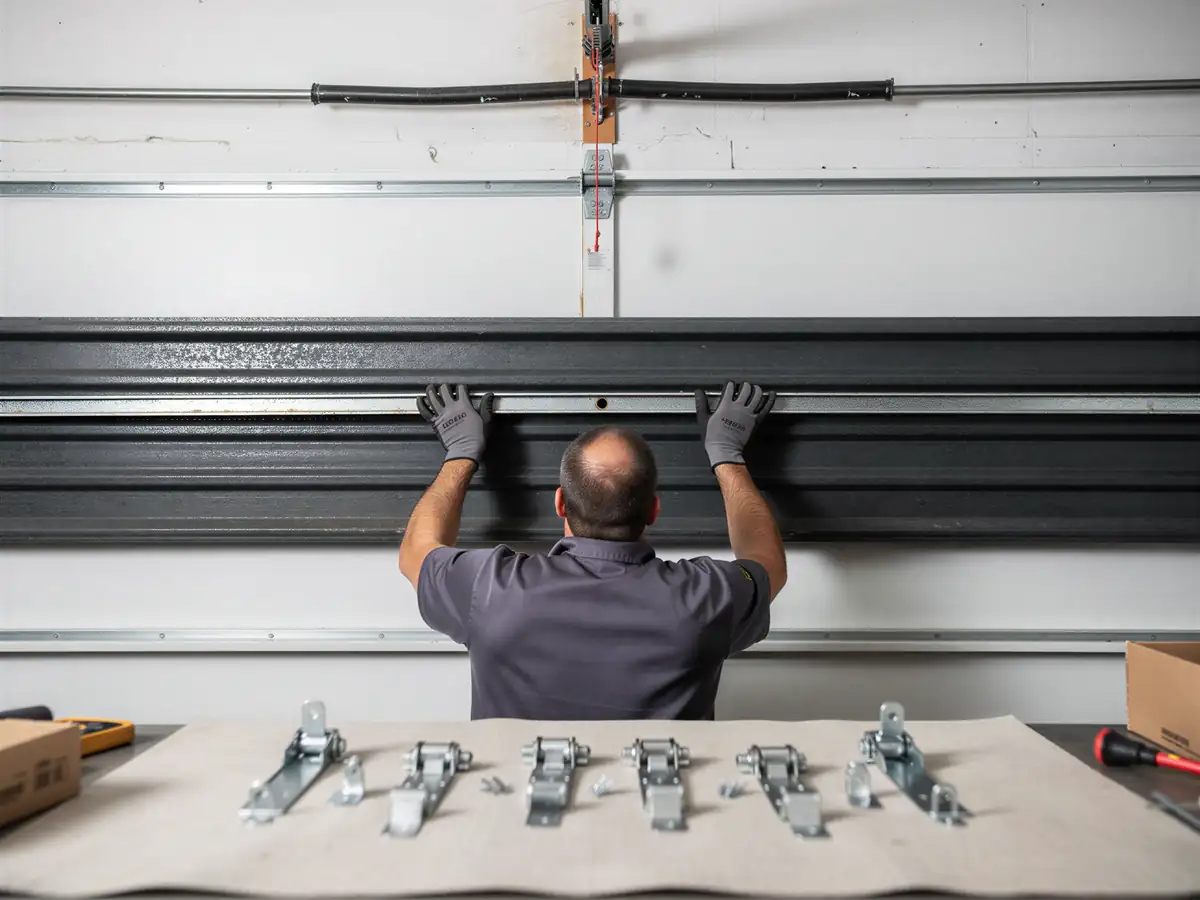
We replace rollers in full sets on a given track, not one at a time, because mismatched wear between an old roller and a new one just shifts the binding to a different spot. On original steel-roller setups typical of the area's 1960s-70s stock, we usually move the homeowner to sealed nylon rollers - quieter, no grease schedule, and they don't develop the flat-spot wobble steel does over time.
With a median household income of $132,067 across the service area, most owners here choose the nylon upgrade over the cheapest steel match, since the price difference is small relative to how much quieter the door runs afterward. We check the track alignment at the same time, because a roller job on a track that's bent or pulled away from the jamb won't hold.
If the bracket itself is worn oval instead of round, we replace the bracket too rather than bolt a new roller into a loose hole - that's a five-minute add that saves a return trip. Full roller sets on a double door typically run under an hour of labor once we're on site.