The Situation
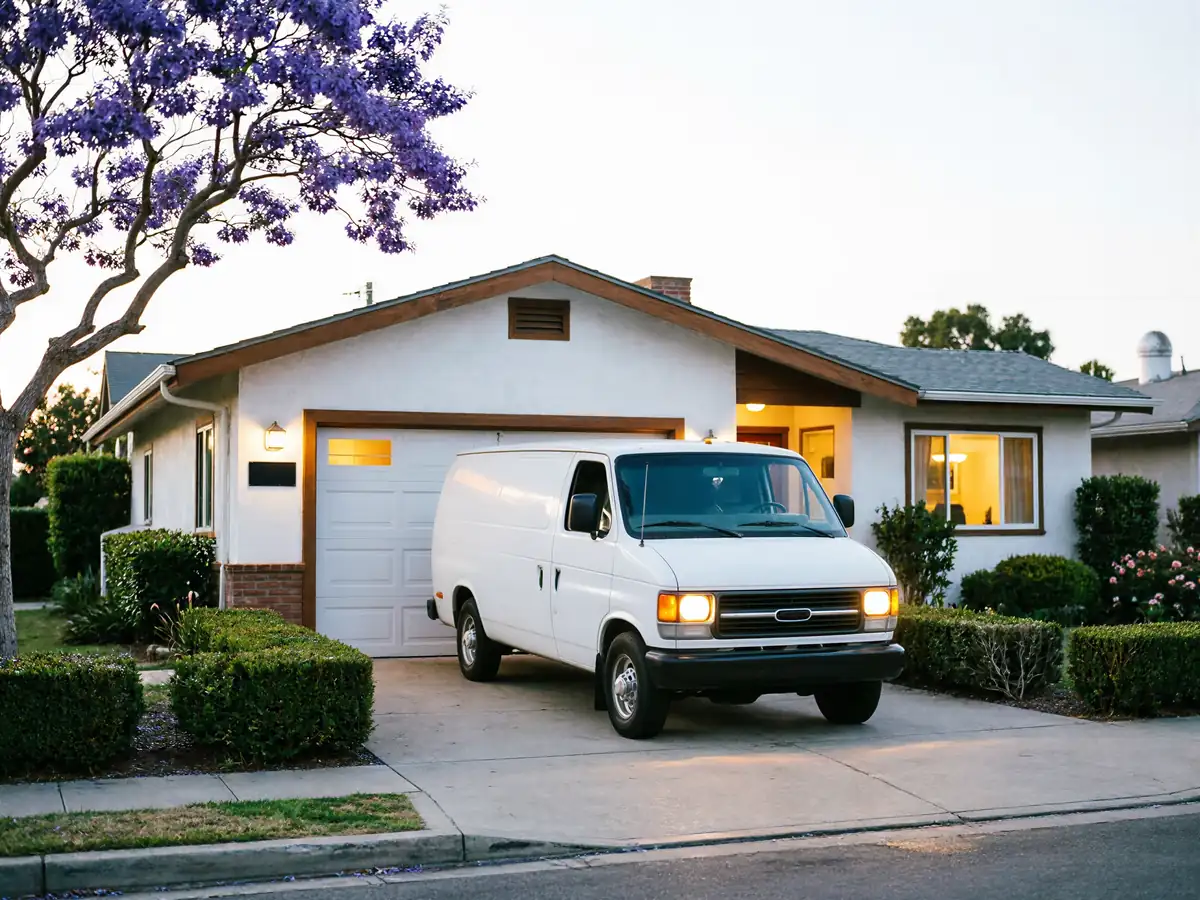
Most houses on this side of the East Bay went up between 1938 and 2008, with the bulk of the stock dating to the 1960s and 70s across the 39 named areas that make up this service territory. That means a lot of openers out there are second or third-generation units bolted to the same rail brackets installed when the house was framed. When the power drops - and it does drop here, usually from PG&E line work or a wind event rather than storm damage - the opener stops cold. No chain drive, no belt drive, nothing moves until power is back or you pull the manual release.
The problem isn't usually the outage itself. It's what happens to a door that's been sitting on an opener built for a 1970s torsion system when that system has drifted out of balance over fifty-some years. A power cut exposes a door that was already struggling - one more reason the manual release cord matters as much as the opener motor.
We don't rewire electrical panels or install backup generators. If your outages are frequent enough that you need whole-house backup power, that's an electrician's job, not ours. What we do is make sure the door itself - the part the opener has to move - isn't fighting the motor every time it runs.
What to Check
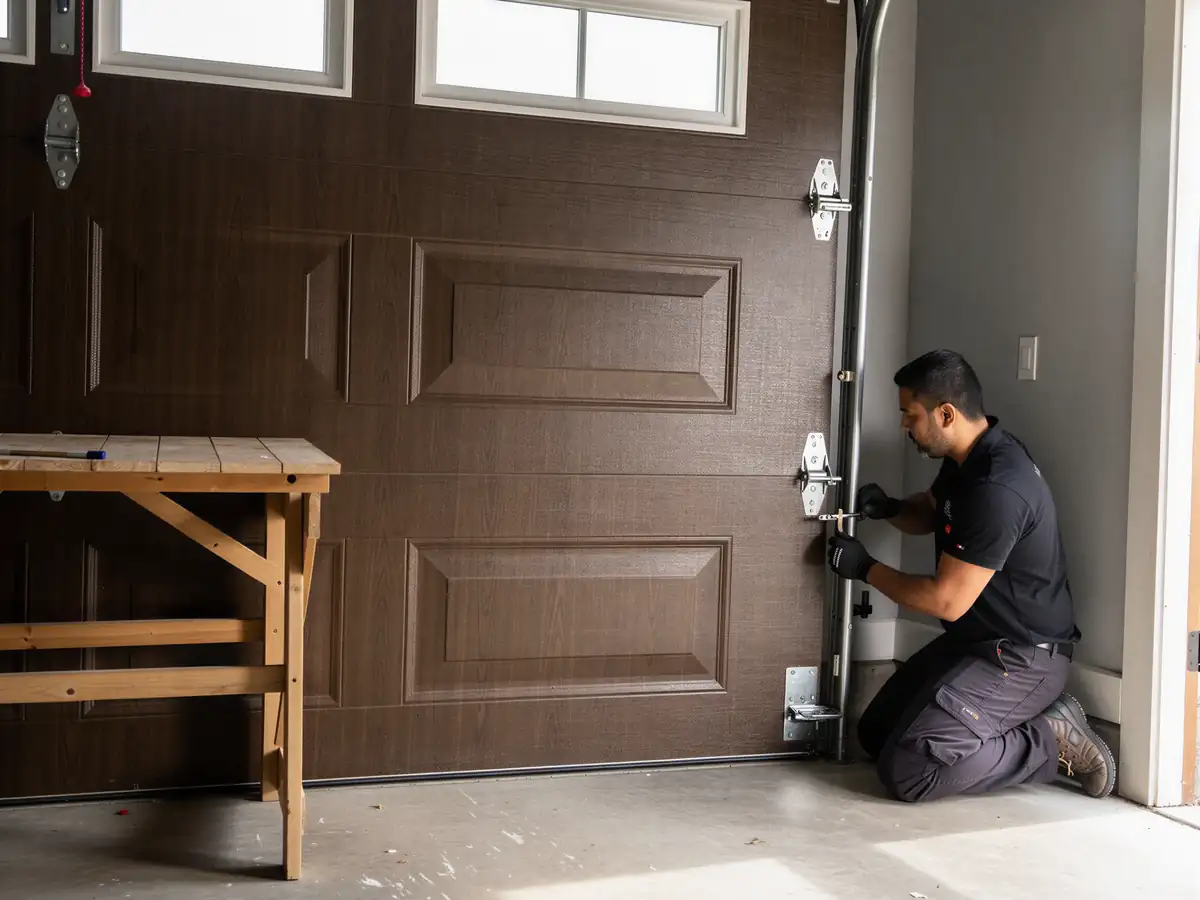
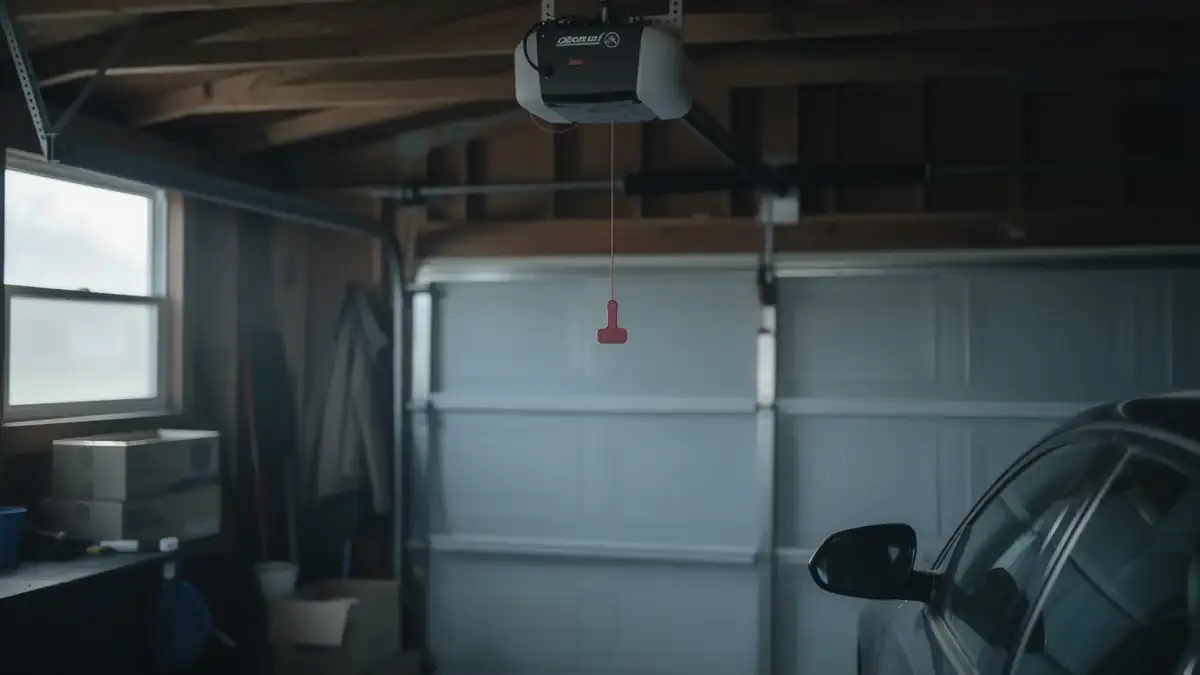
First, find the manual release cord - the red handle hanging from the trolley
On houses built in the 1960s and 70s, this is often buried behind decades of paint or stuck from disuse. Pull it before you need it in an actual outage, not during one.
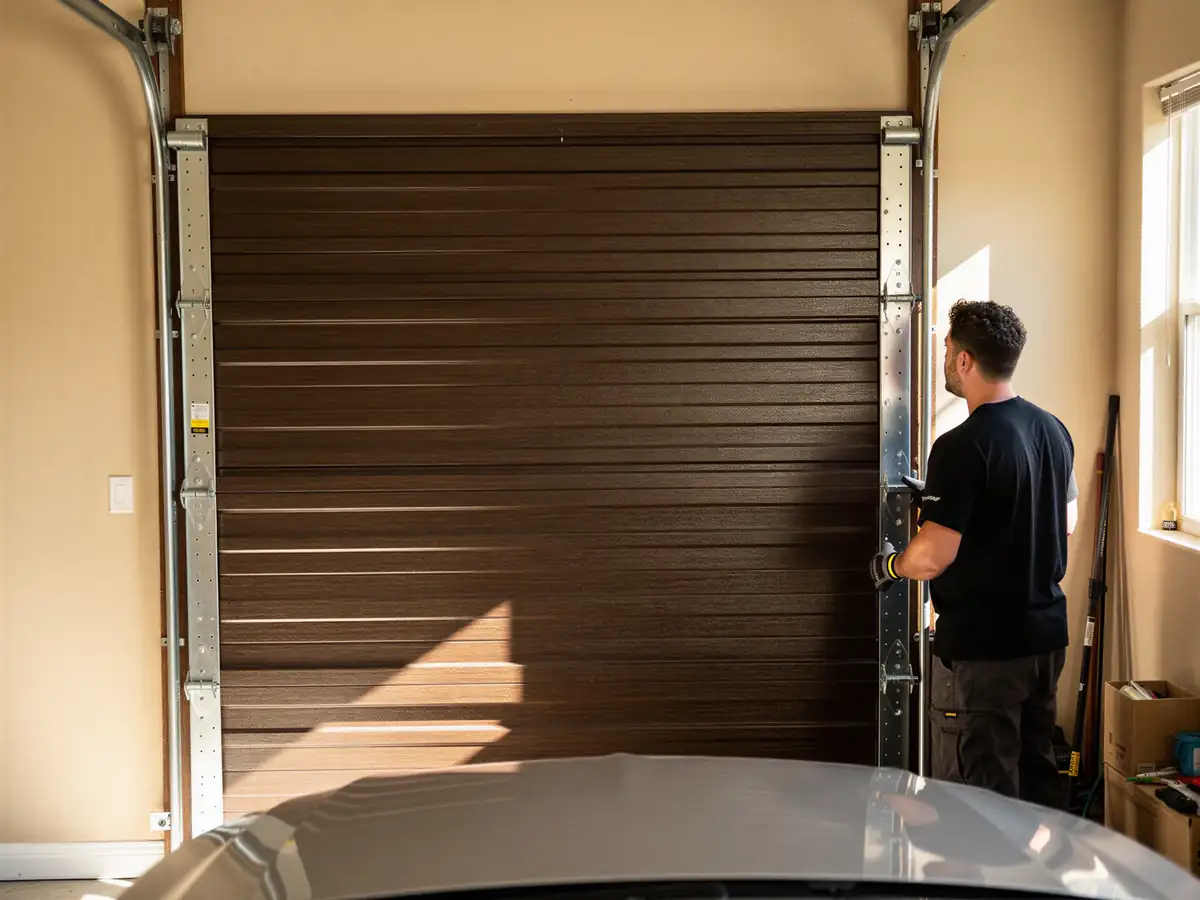
Second, check the door balance with the opener disconnected
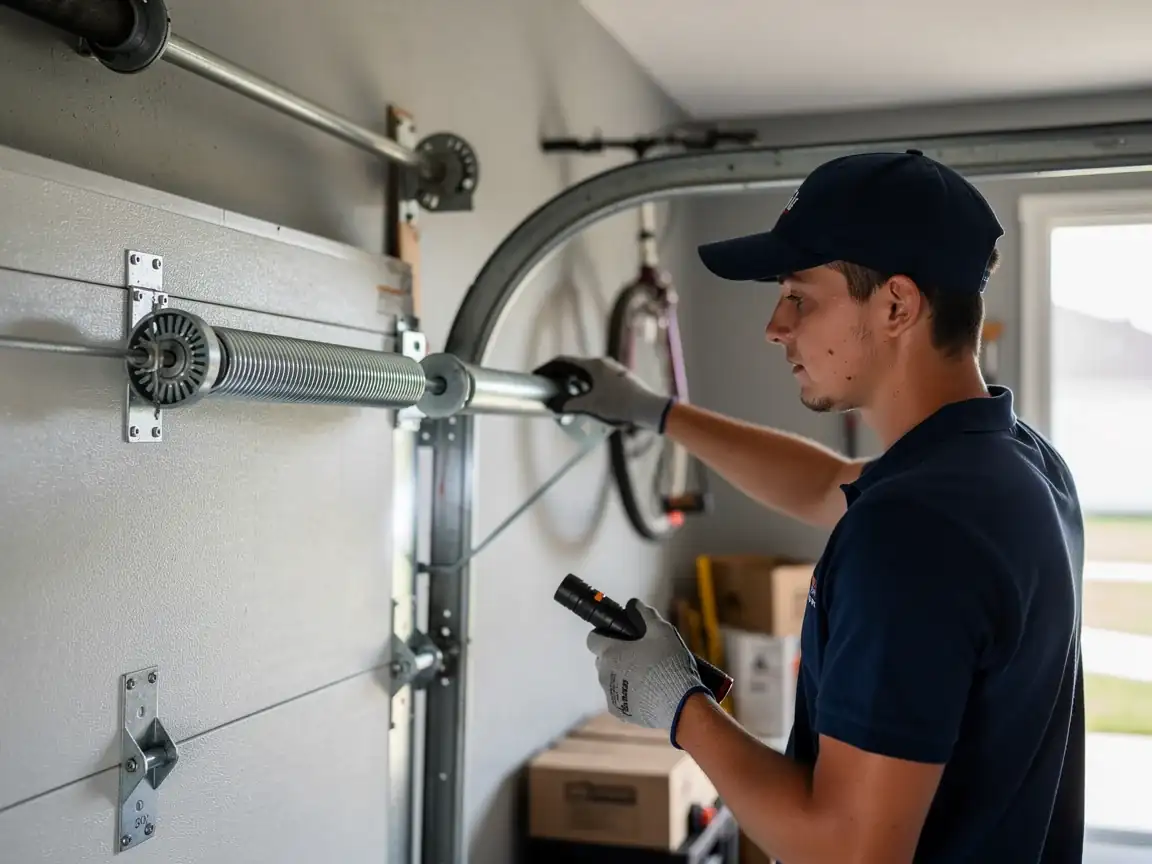
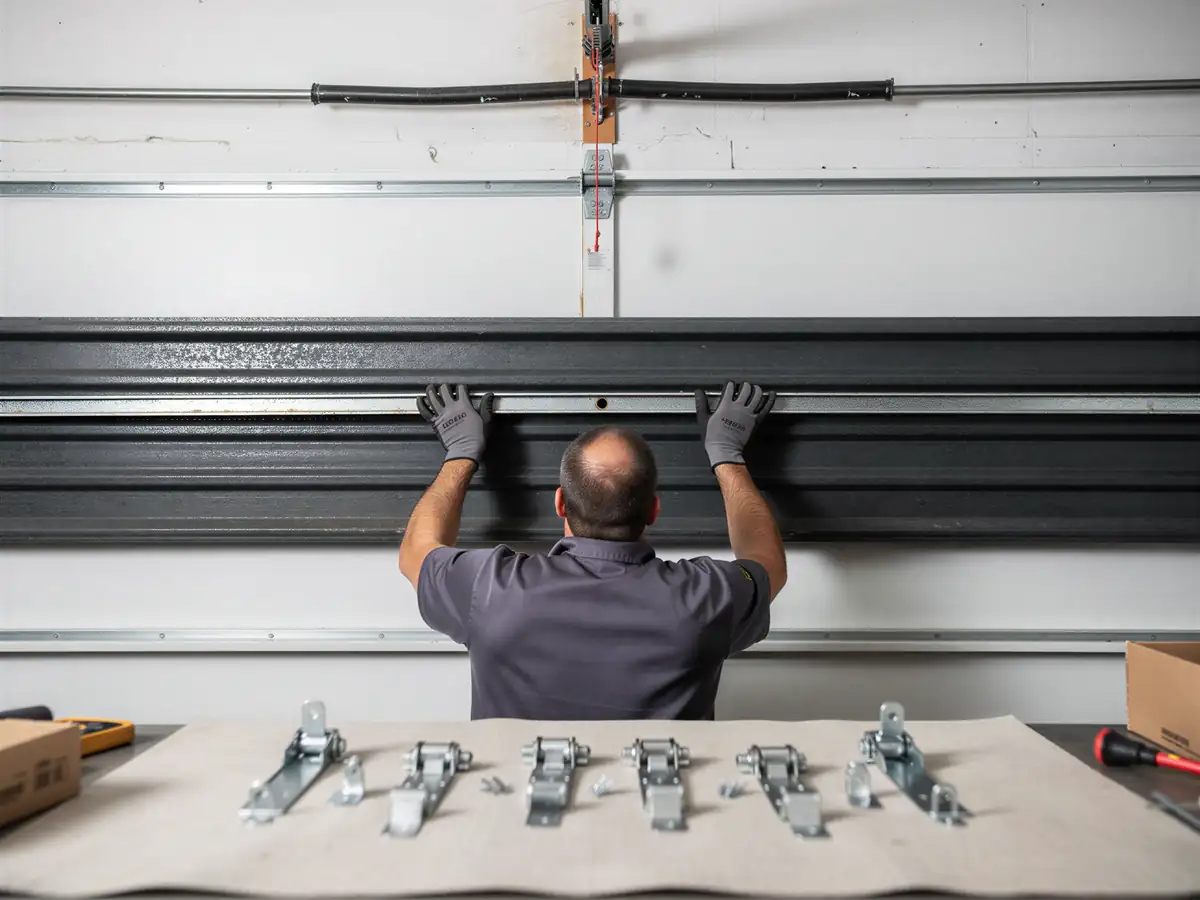
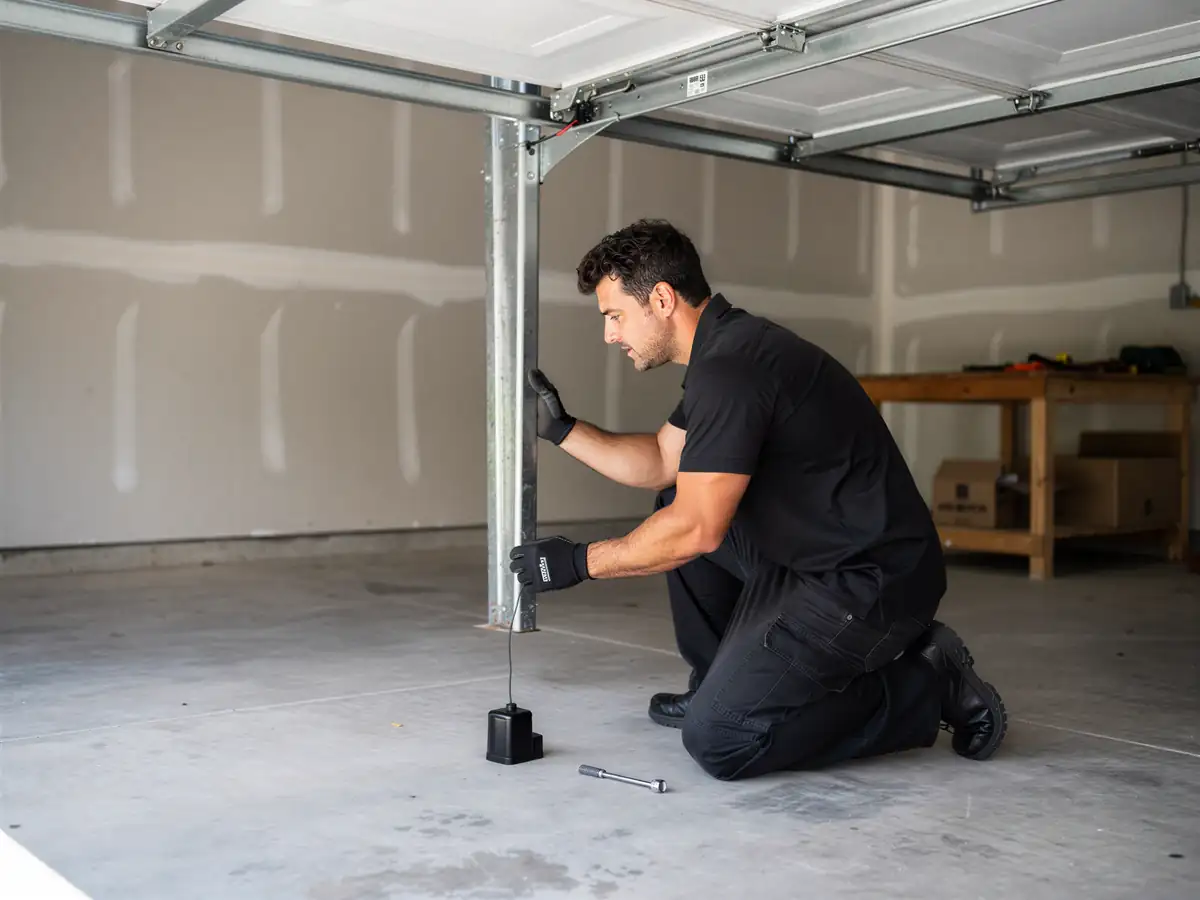
Lift the door by hand to waist height and let go. If it stays put, the springs are doing their job. If it drops or shoots up, the springs are compensating for something the opener has been masking - common in the original torsion setups still running on a lot of the pre-1980 housing stock in this area.
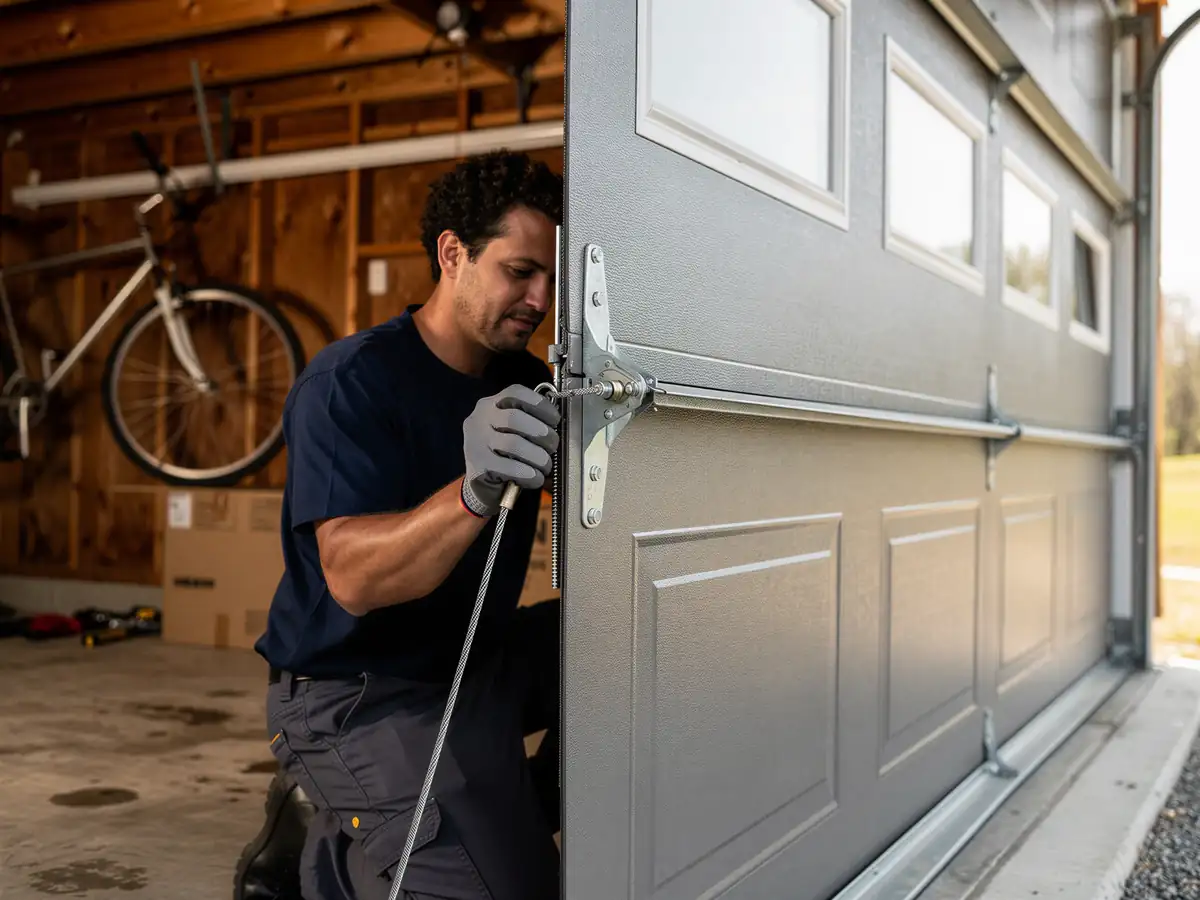
Third, look at the rail and trolley connection
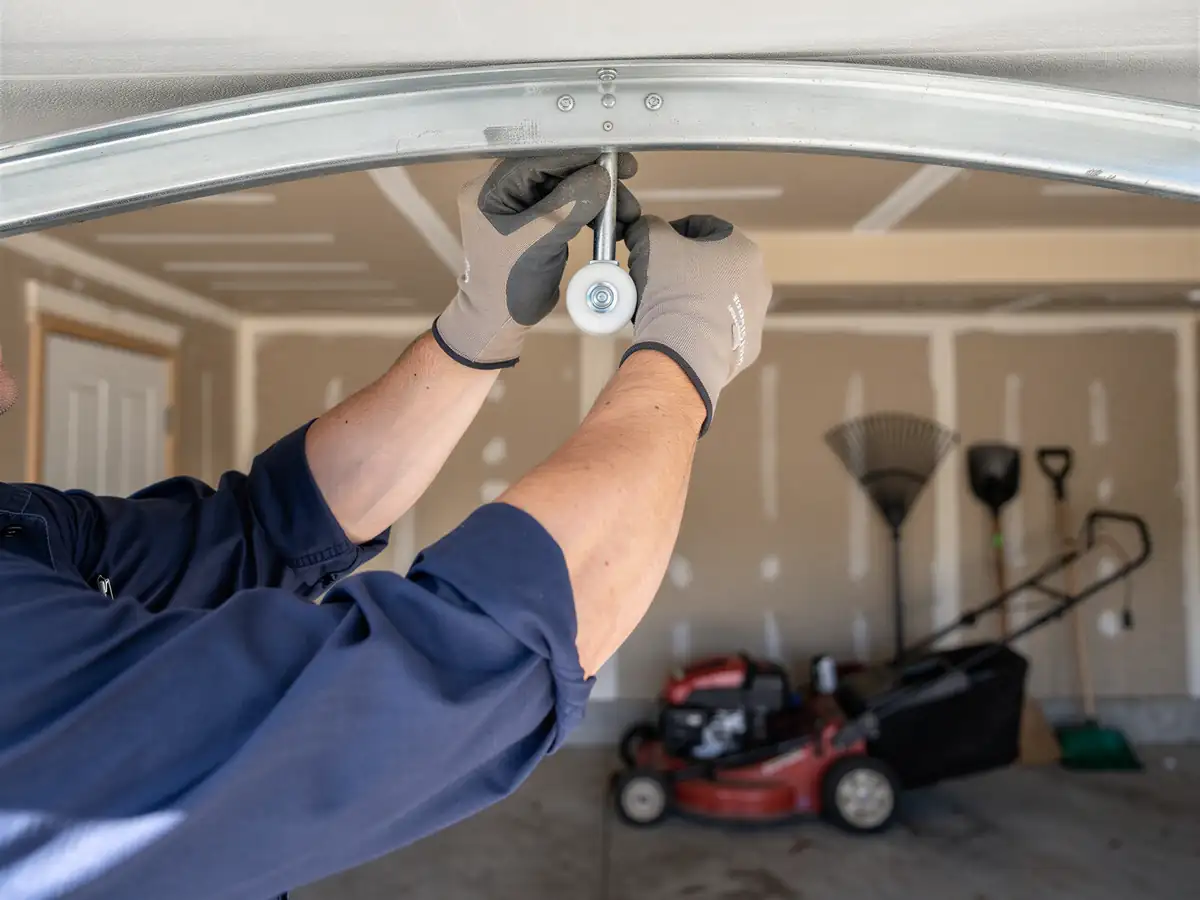
Older chain-drive units on original installations sometimes have enough slack that a manual pull doesn't fully disengage the carriage - you'll feel it bind halfway through the lift.
Finally, if your opener has a battery backup, test it on a schedule, not just when the power's already out
Batteries on units installed years ago often read fine on a shelf and fail the moment they're asked to lift an off-balance door.
Season by Season
Walnut Creek sits in a mild temperate band, so we don't get the freeze-thaw cycling that snaps springs or warps panels the way colder climates do. That's the good news - this isn't a market where winter takes doors out.
What the mild climate does mean is that outages here tend to cluster around wind events and utility maintenance rather than ice storms or heavy snow load on lines. Spring and fall, when PG&E does planned line work, are the stretches homeowners call us most about openers that won't respond - not because the unit failed, but because the power was cut for hours and nobody checked the manual release until the car was stuck inside.
Summer heat doesn't do much to a steel door or a modern opener board, but it will dry out old lubricant on rollers and hinges faster on doors that get full afternoon sun, which matters more here than cold ever will. Keep that in mind when you're setting a maintenance rhythm - this area runs on heat-driven wear, not cold-driven failure.
How Local Conditions Play In
With roughly 136,668 owner-occupied houses across a service area of 263,171 households, a lot of what we see is the same handful of original builder-grade openers reaching the end of their working life around the same time - because the houses around San Miguel went up in similar waves and the hardware ages on a similar clock.
A median household income above $130,000 in this area means most owners replace an opener outright rather than patch a dying one repeatedly, which is often the right call once a unit is original to a house built decades ago. We won't talk you into a repair on a motor that's circuit-board-dead just to pad a invoice - sometimes the honest answer is a new opener with a battery backup built in, so the next power cut doesn't strand the car.
The mild climate here means the opener itself rarely fails from weather. It fails from age, from a door it's been straining to lift for years, or from an outage that exposes both problems at once.