What Causes It Around Here
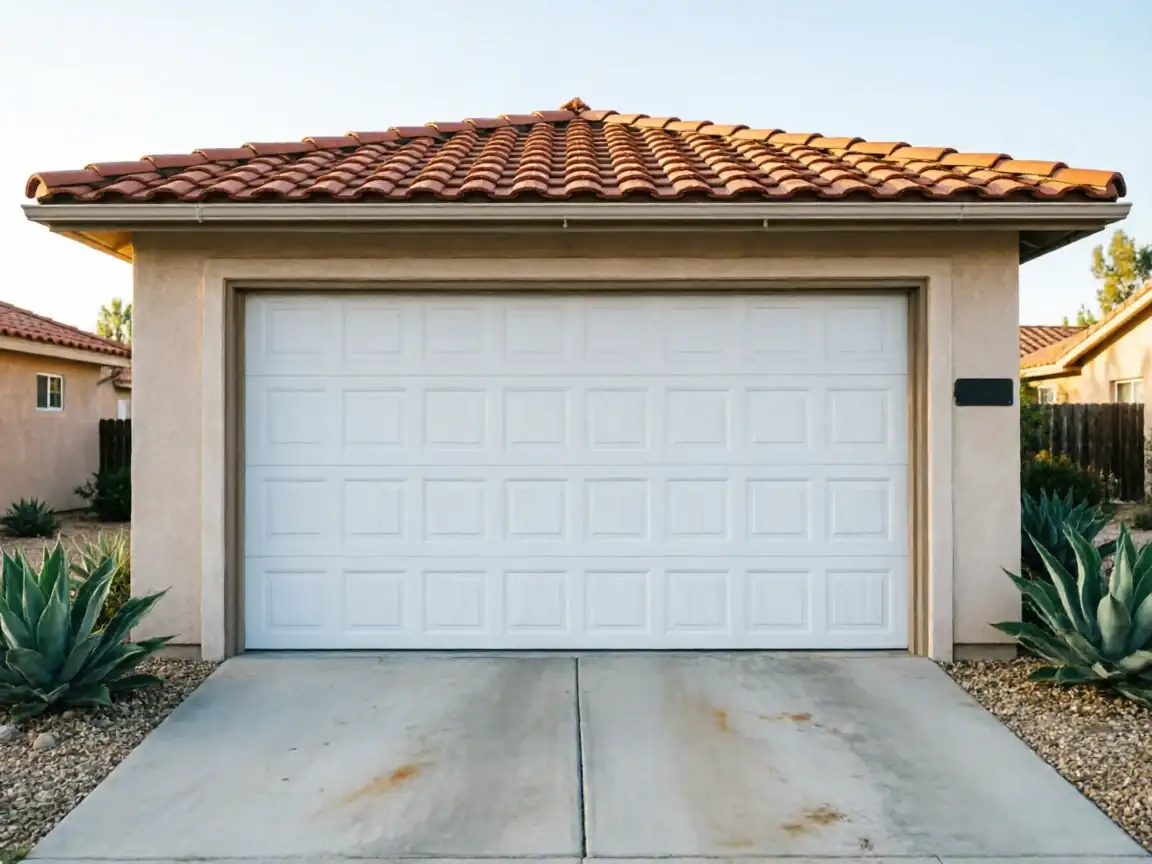
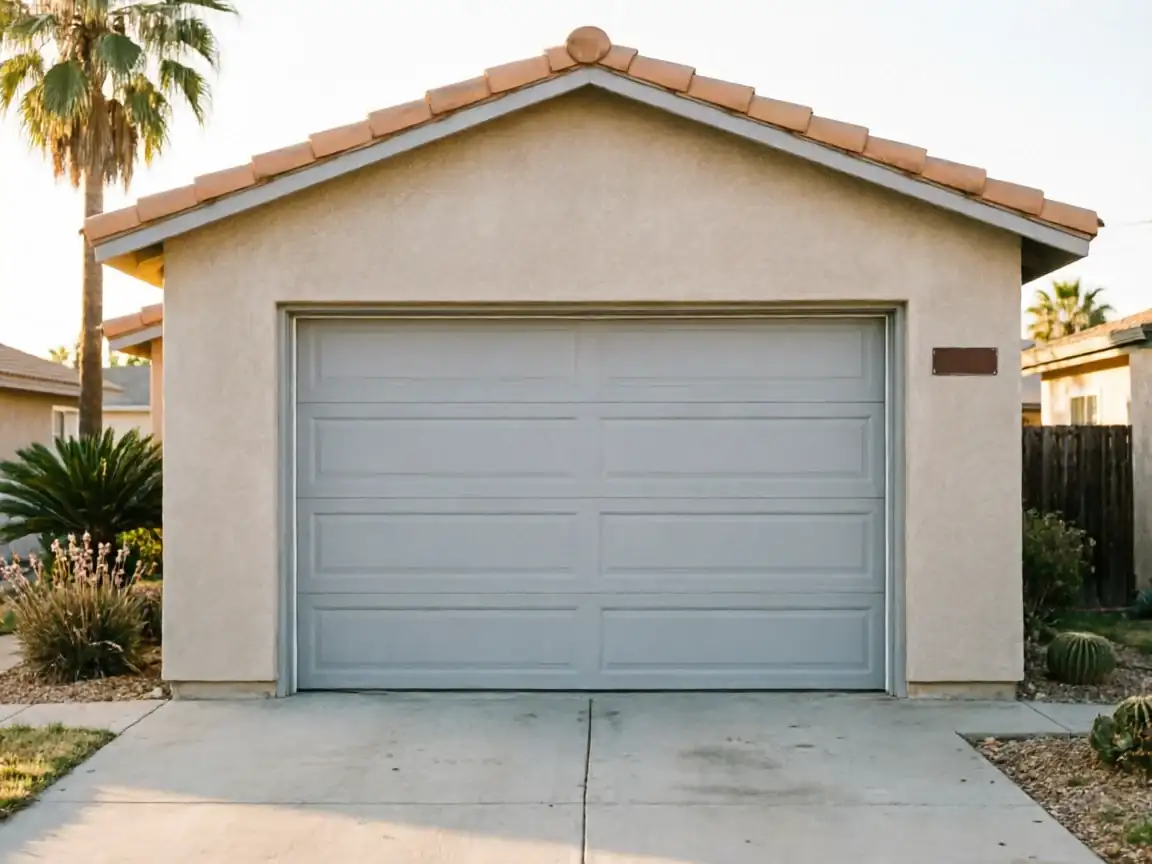
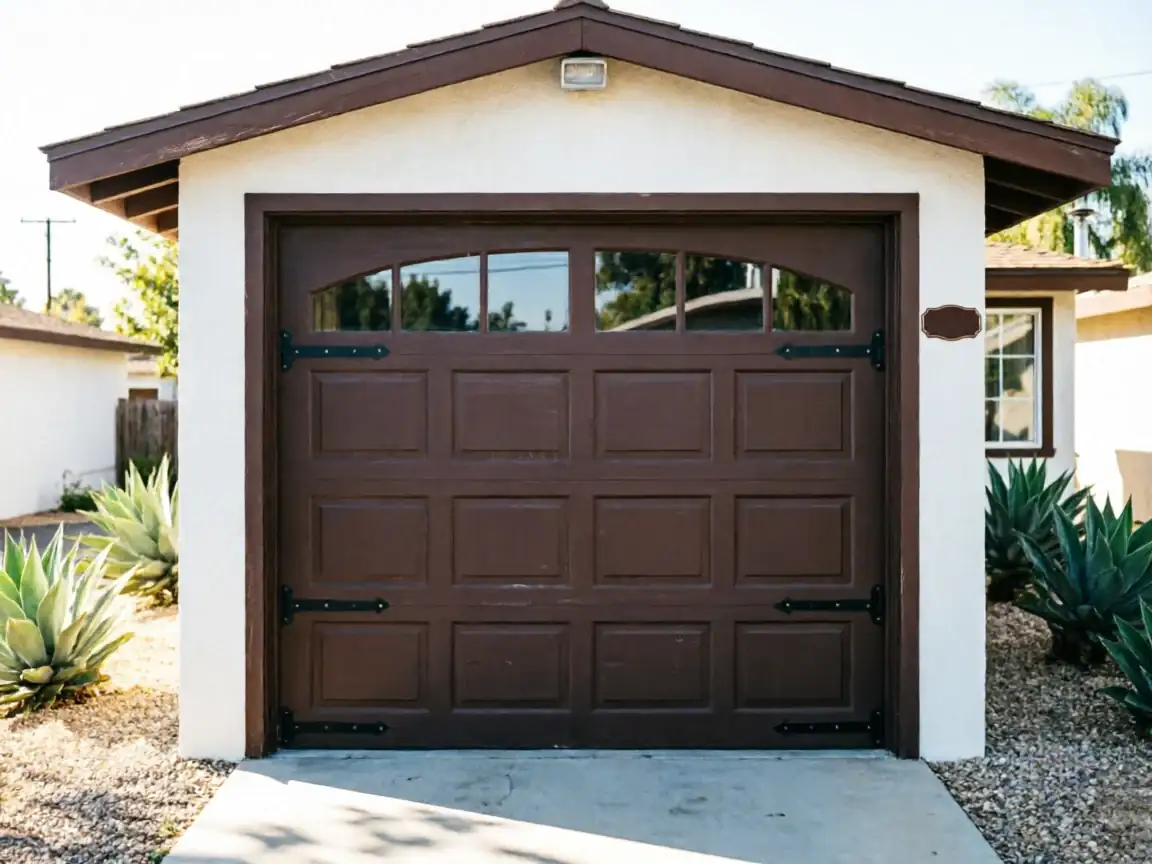
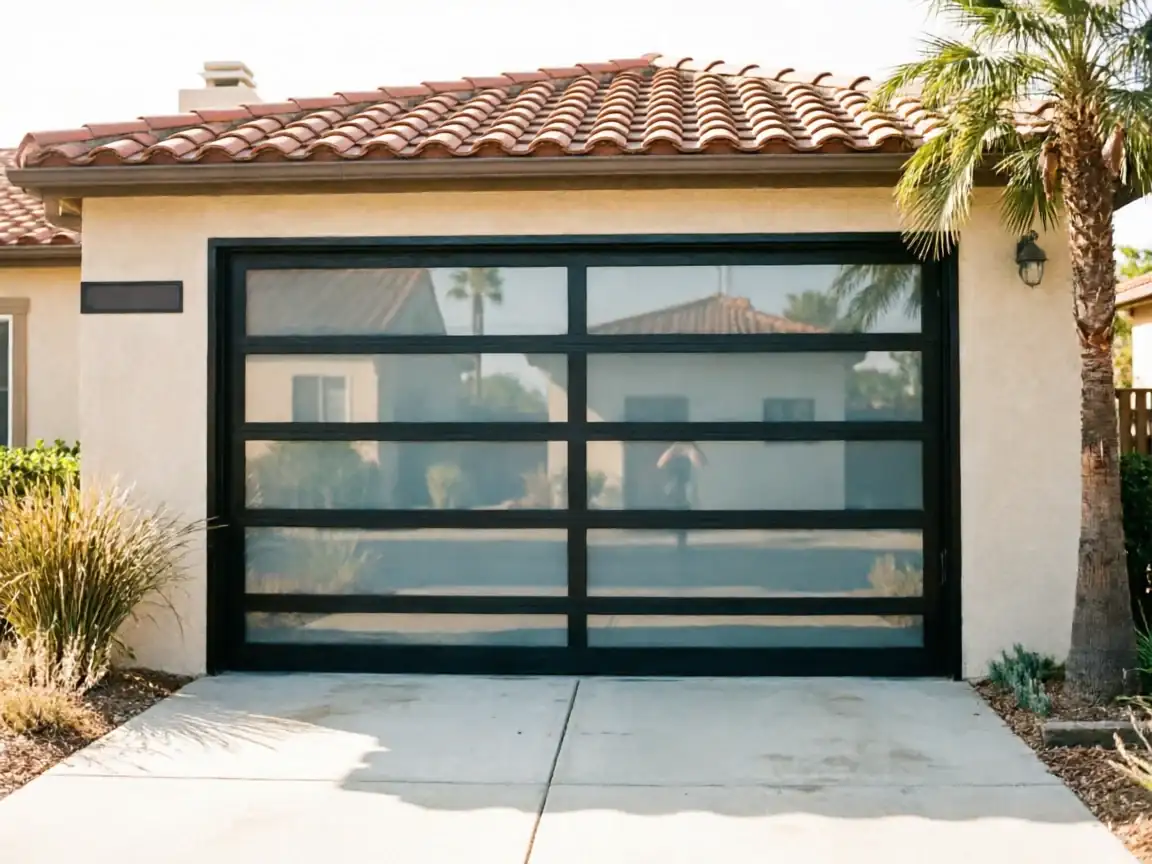
Orinda is a small place to service - about 7,386 households total, which is a fraction of the housing stock across the wider area we cover. That matters for maintenance because a small town built in a tight window doesn't produce a wide spread of door types. The median year built here is 1961, a decade older than the 1972 median across our broader service area, so a larger share of Orinda garages are original construction from the early 1960s than you'd find in newer pockets nearby.
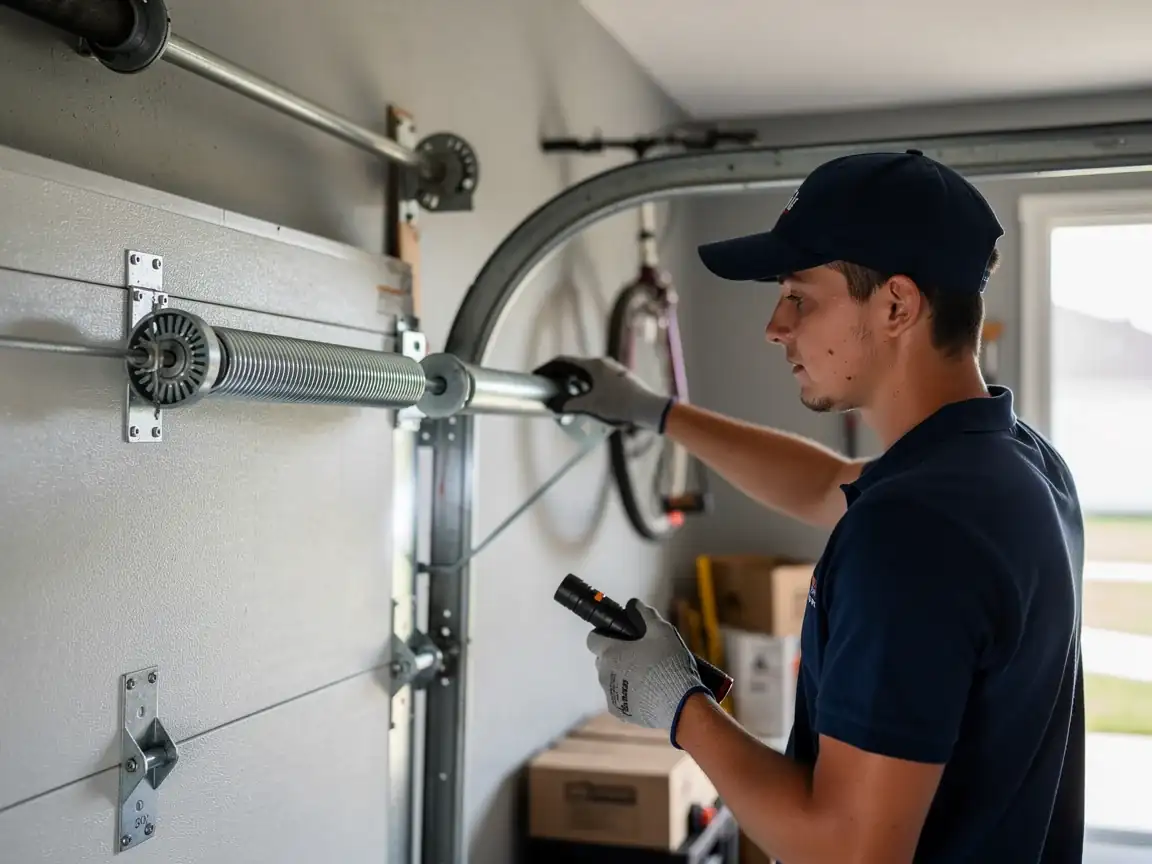
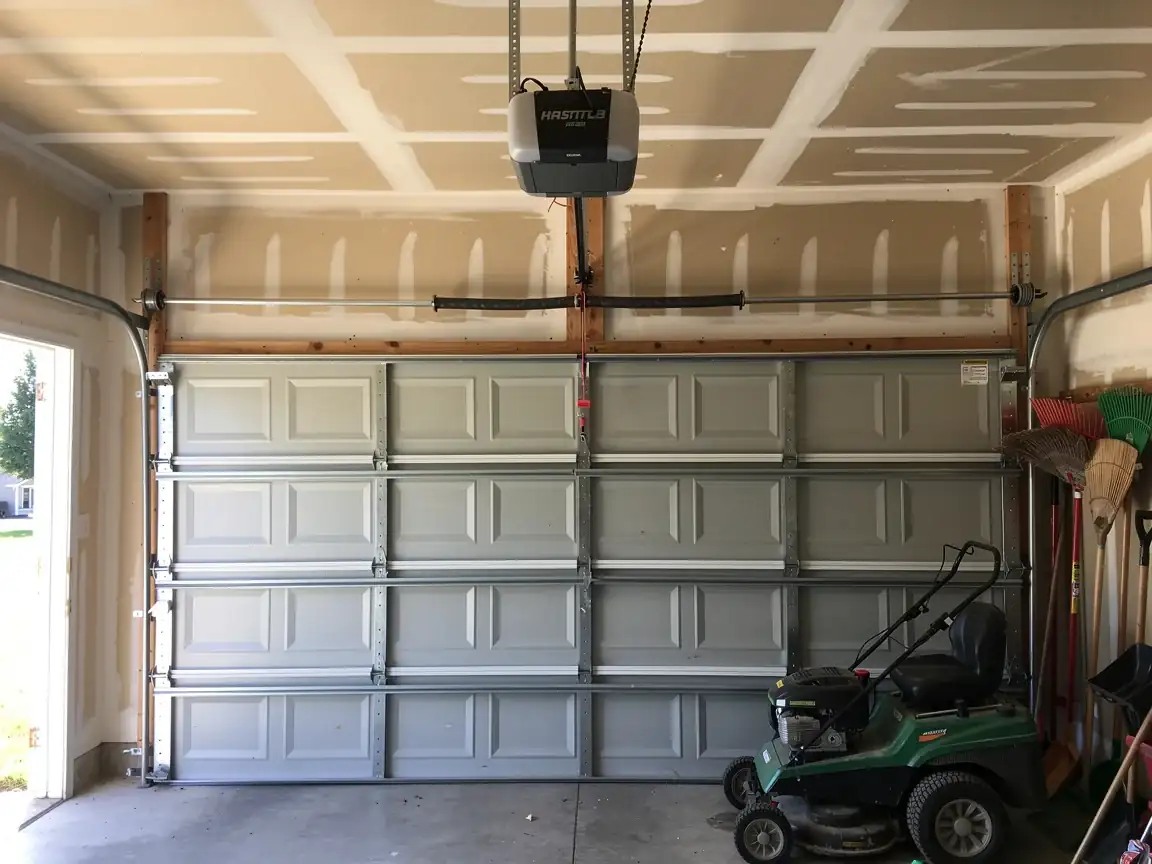
Doors from that era were built for different springs and different drums than what's sold today. The torsion hardware on a 1961 opening wasn't sized for the heavier insulated panels a lot of owners have since swapped in, and over sixty-plus years that mismatch shows up as uneven wear - one cable stretching faster than the other, a drum groove worn oval instead of round. We also work in a mild temperate climate band here, so we're not fighting the freeze-thaw cycling that cracks seals and warps tracks in colder regions, but UV and daily temperature swings on a west-facing door still dry out lubrication and perish weatherstripping over the decades a door this old has been in service.
None of this is unique drama - it's what you'd expect from a town whose garages are mostly older than the regional average and haven't all been touched since they were hung.
The Symptom
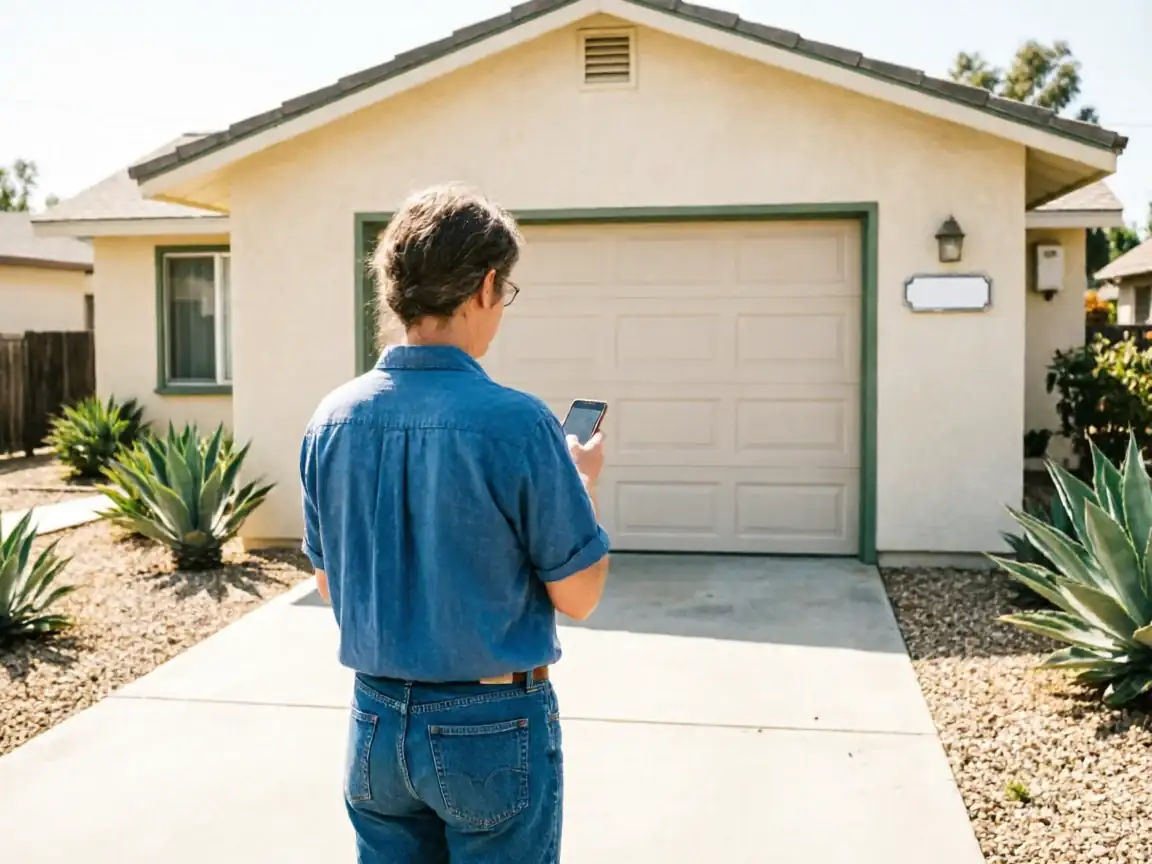
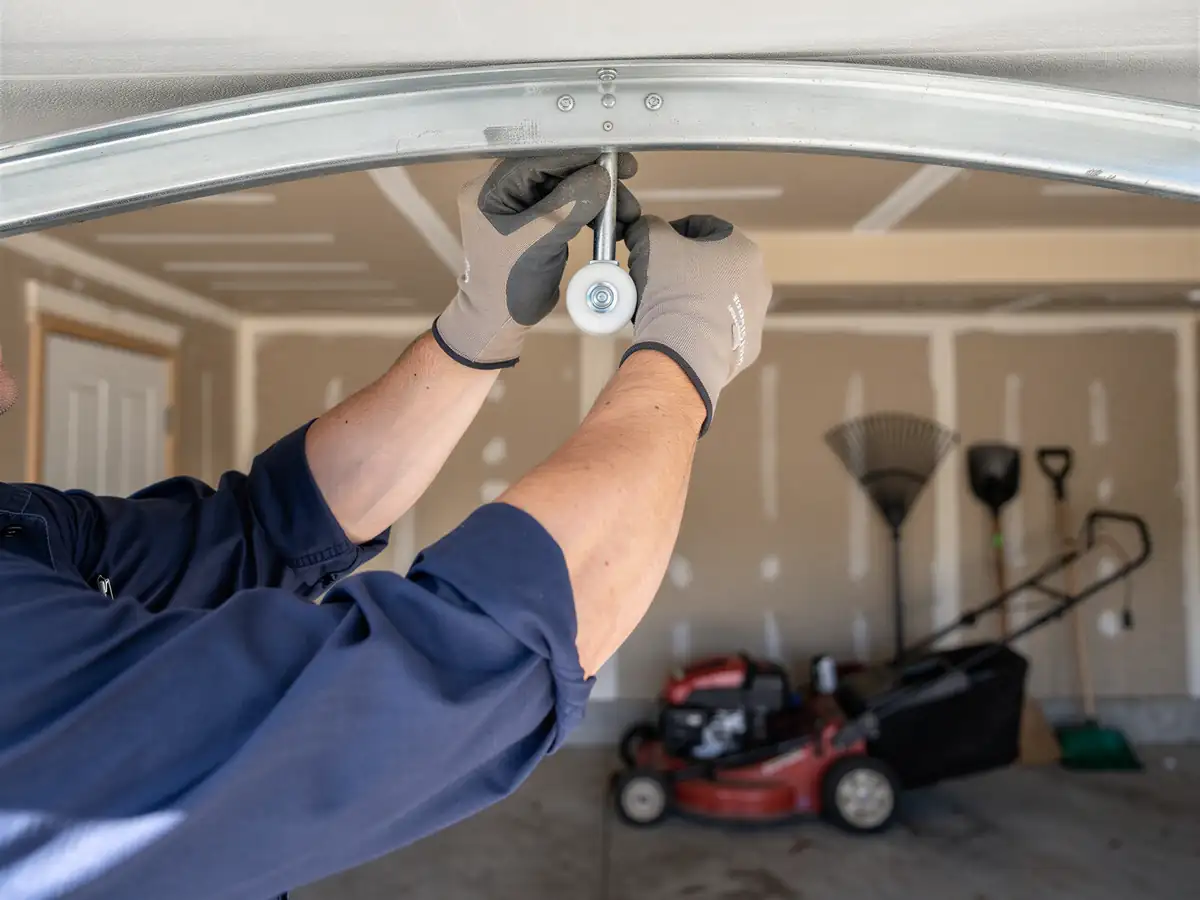
The complaint we hear most from this part of our coverage area is a door that's gotten loud or jerky over the last year or two without any single dramatic failure. That's consistent with a house built around 1961 - the hardware has had six decades to accumulate small amounts of wear in a dozen places, and none of them individually feels like an emergency. A roller that's gone from round to slightly flat-sided will thump once per rotation. A torsion spring that's lost a few winds of tension makes the opener strain and the door drop the last foot instead of settling.
What we don't see as often here, given the mild climate, is the kind of seal failure you'd get from hard freezes - so if a door in Orinda is sticking or binding, it's more often a track that's drifted out of alignment over the decades than weather damage to the rubber. That's worth knowing because it changes what actually needs replacing versus what just needs adjusting.
Doing It Yourself
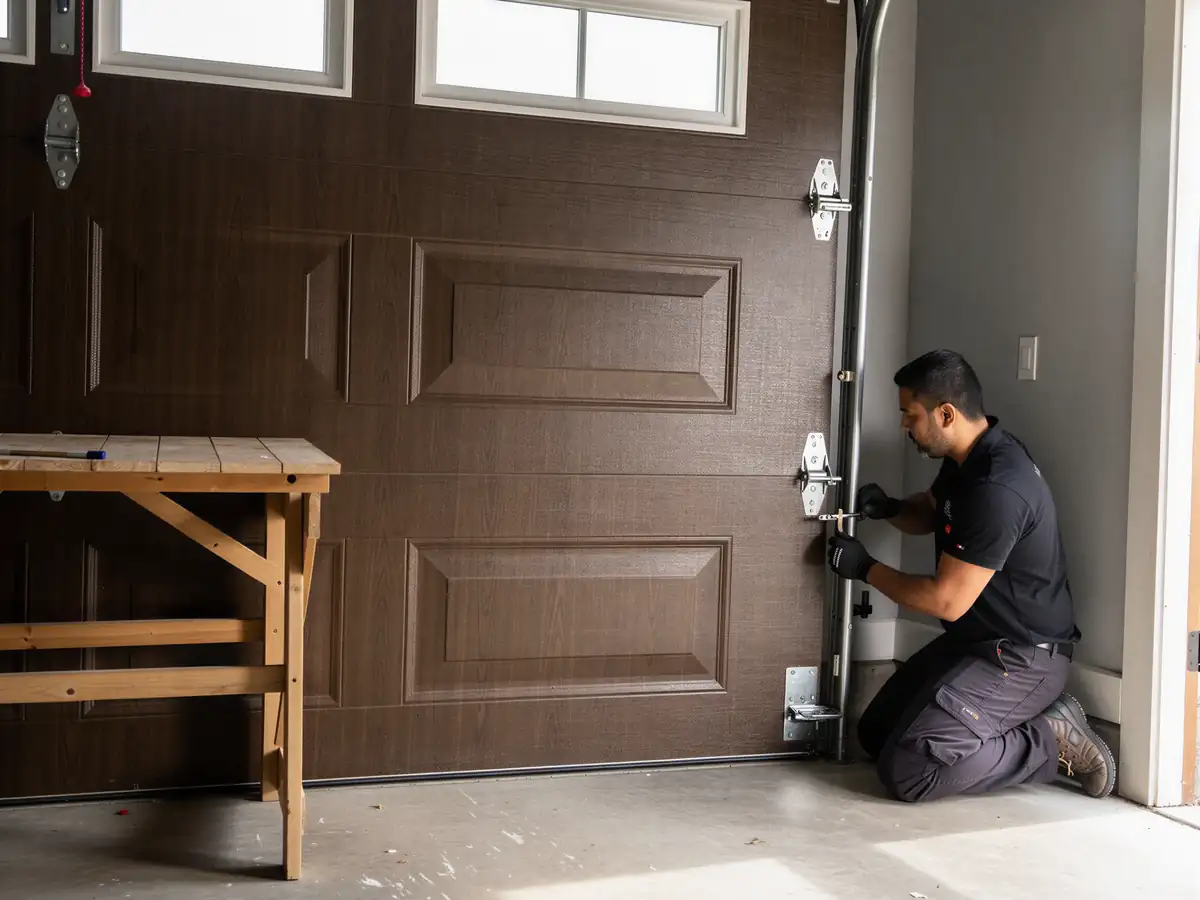
Visual checks are worth doing yourself between our visits: look at the cables for fraying near the bottom bracket, check that the tracks are still tight to the wall, and listen for new grinding or popping sounds. Lubricating hinges and rollers with the right garage door lubricant - not WD-40, which washes grease out rather than replacing it - is a reasonable homeowner task.
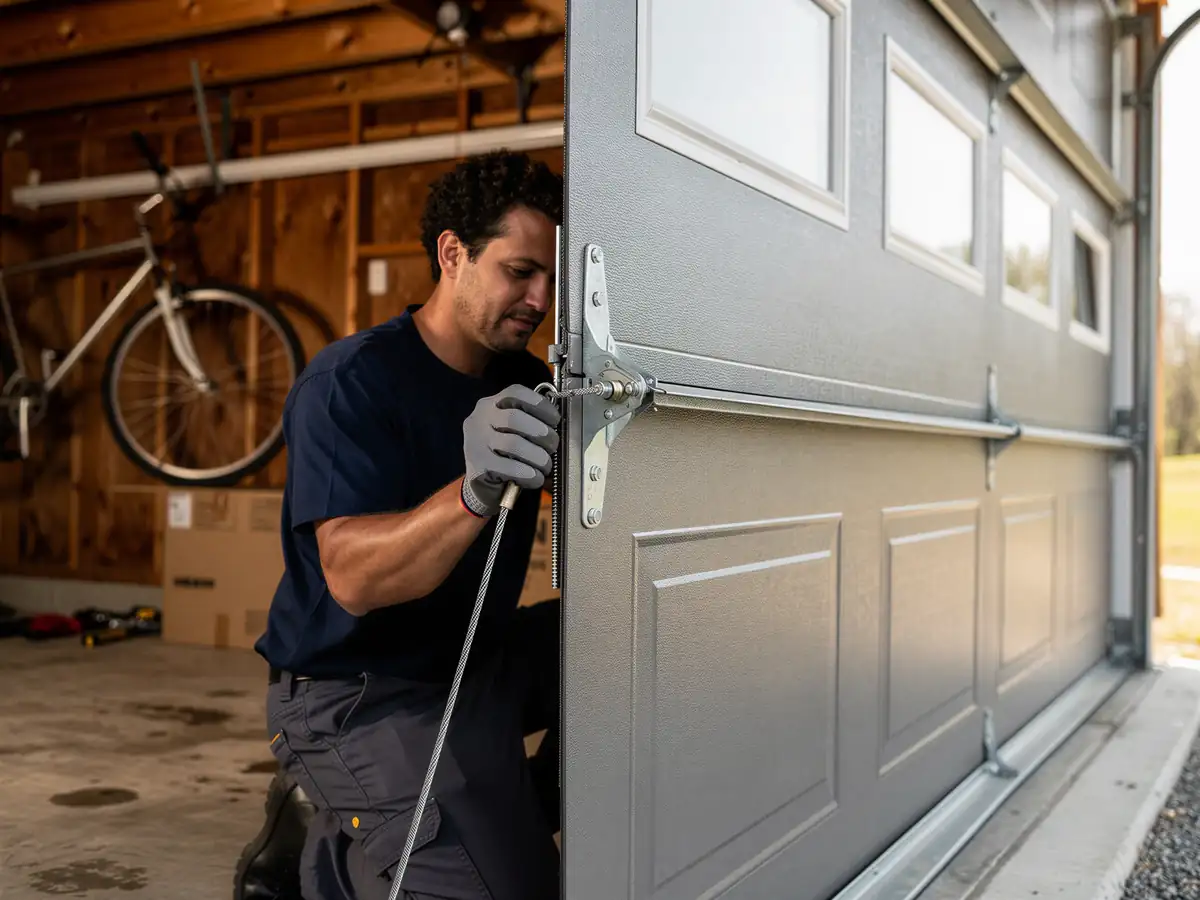
What isn't: touching the torsion spring itself. On a door this old, the spring is holding years of accumulated tension and the drums and cable may already be marginal. We won't walk you through spring adjustment over the phone, and if a cable looks frayed on a door built in the early 1960s, that's a call for us rather than a weekend project - the cost of a repair done wrong on old hardware is usually a trip to the ER, not just a redo.