What Causes It Around Here
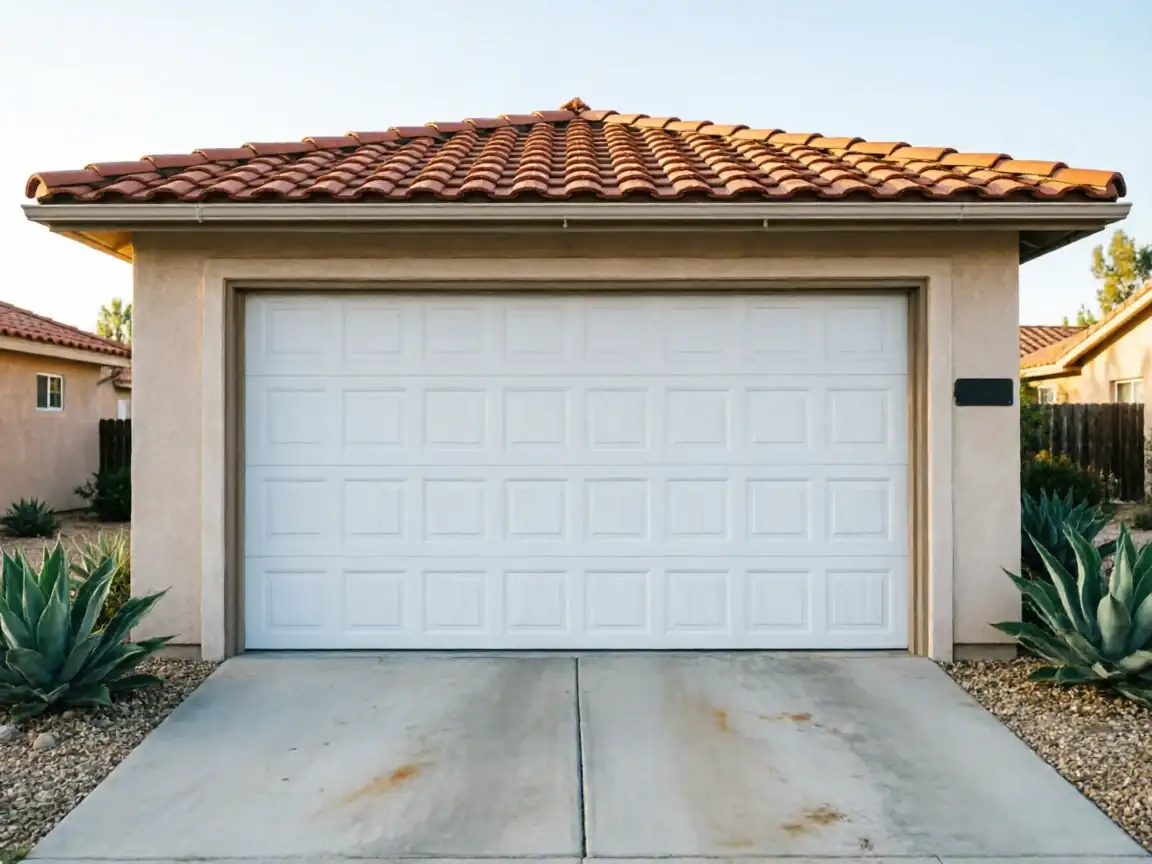
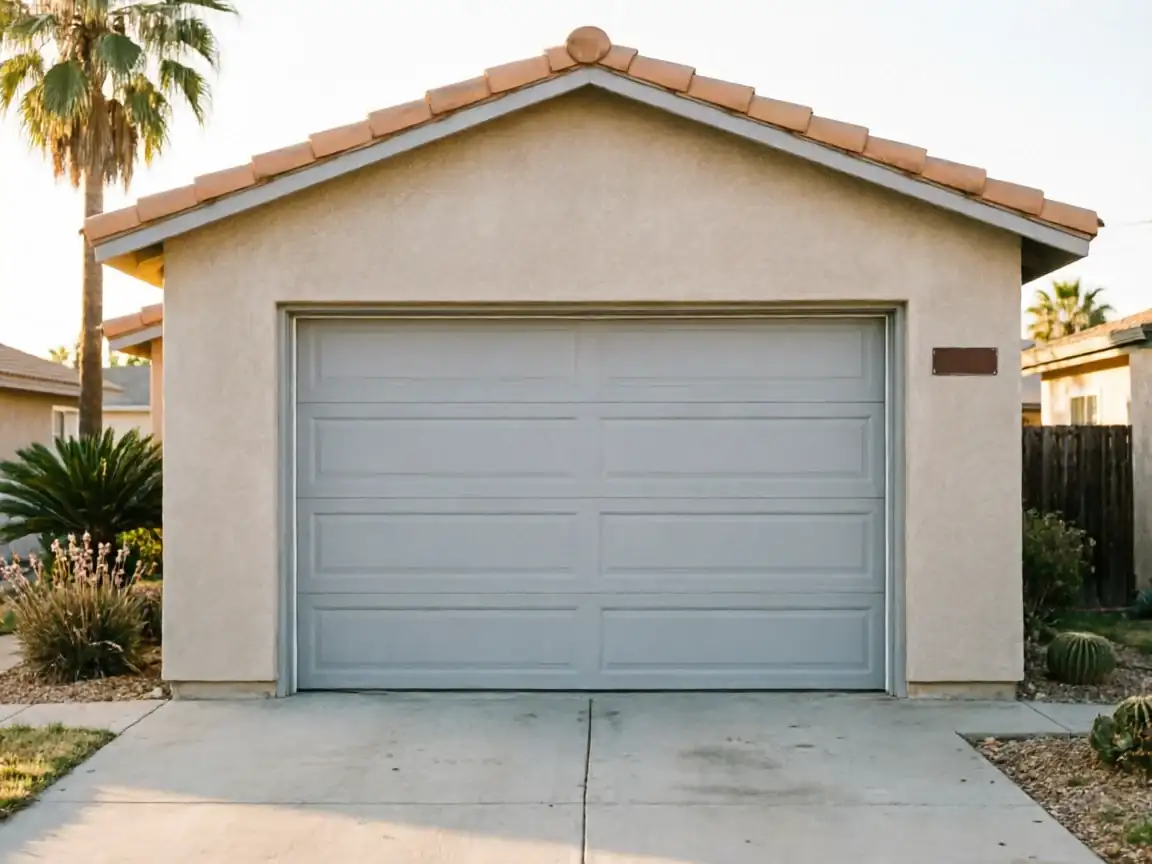
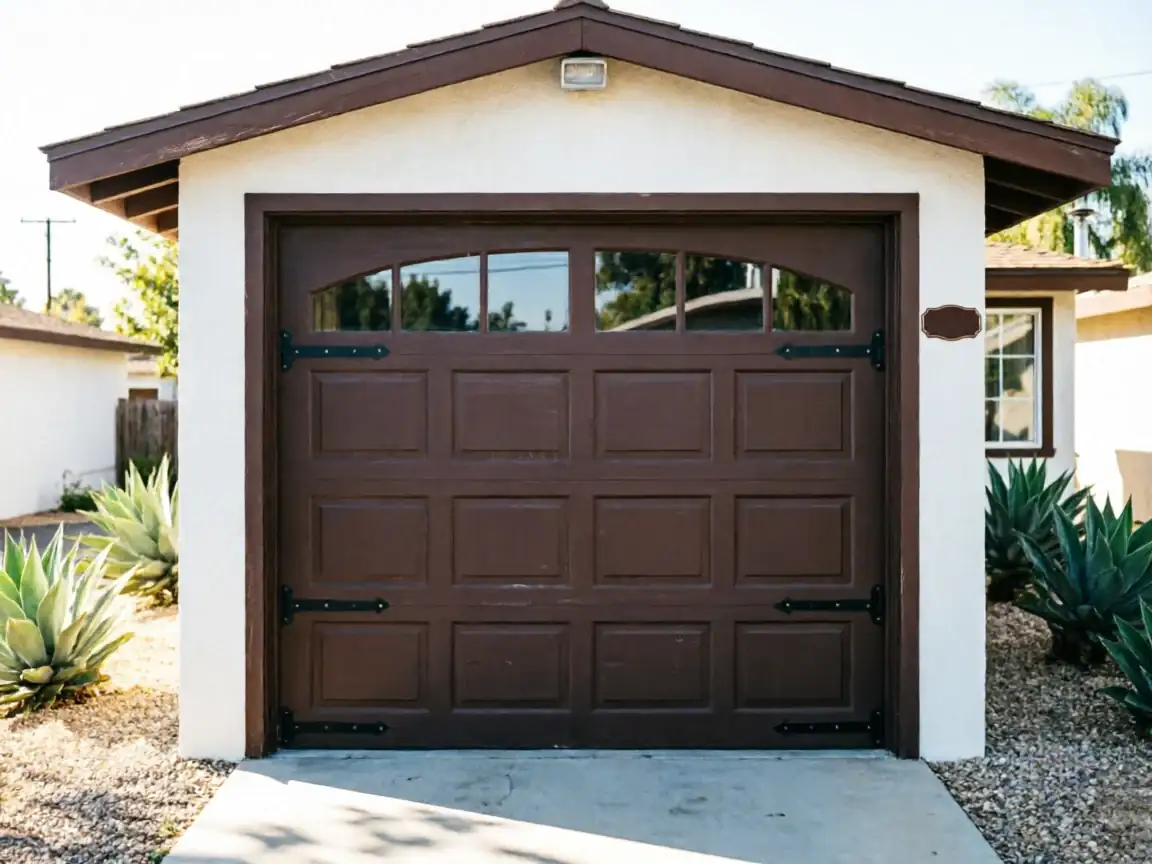
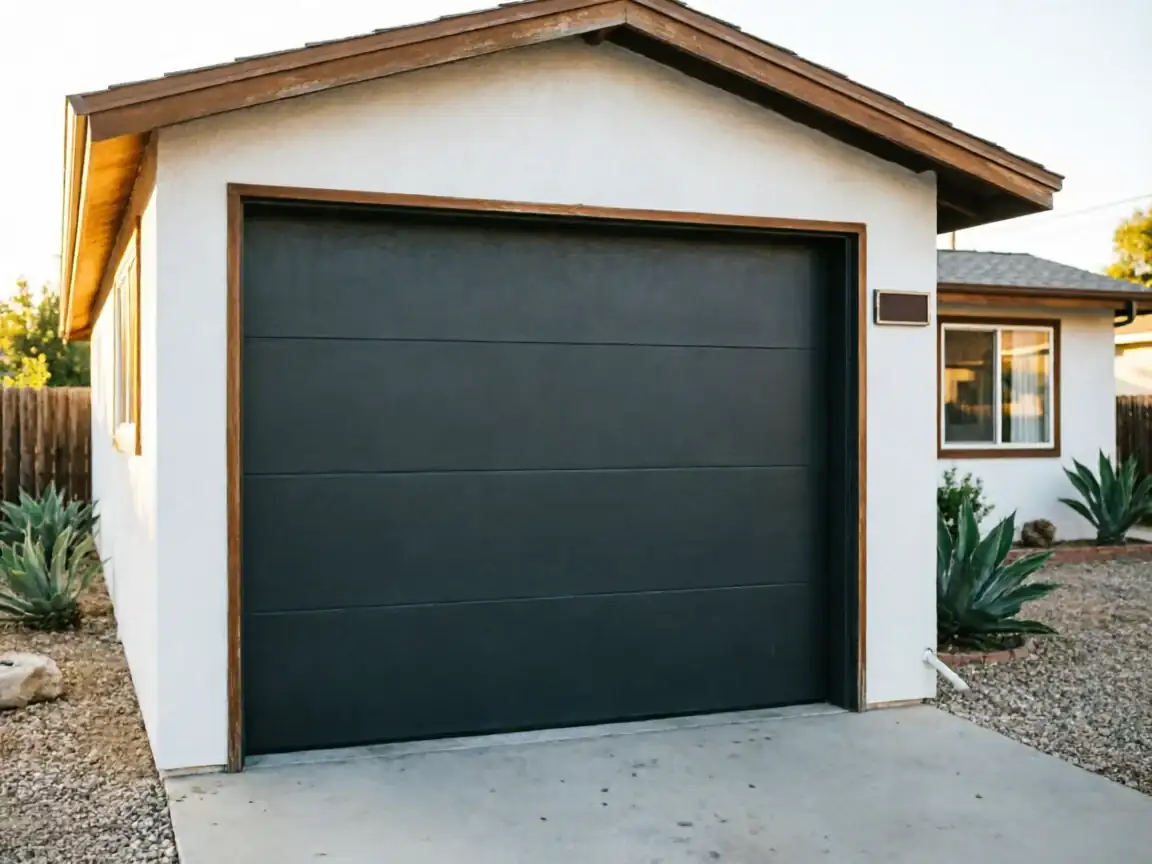
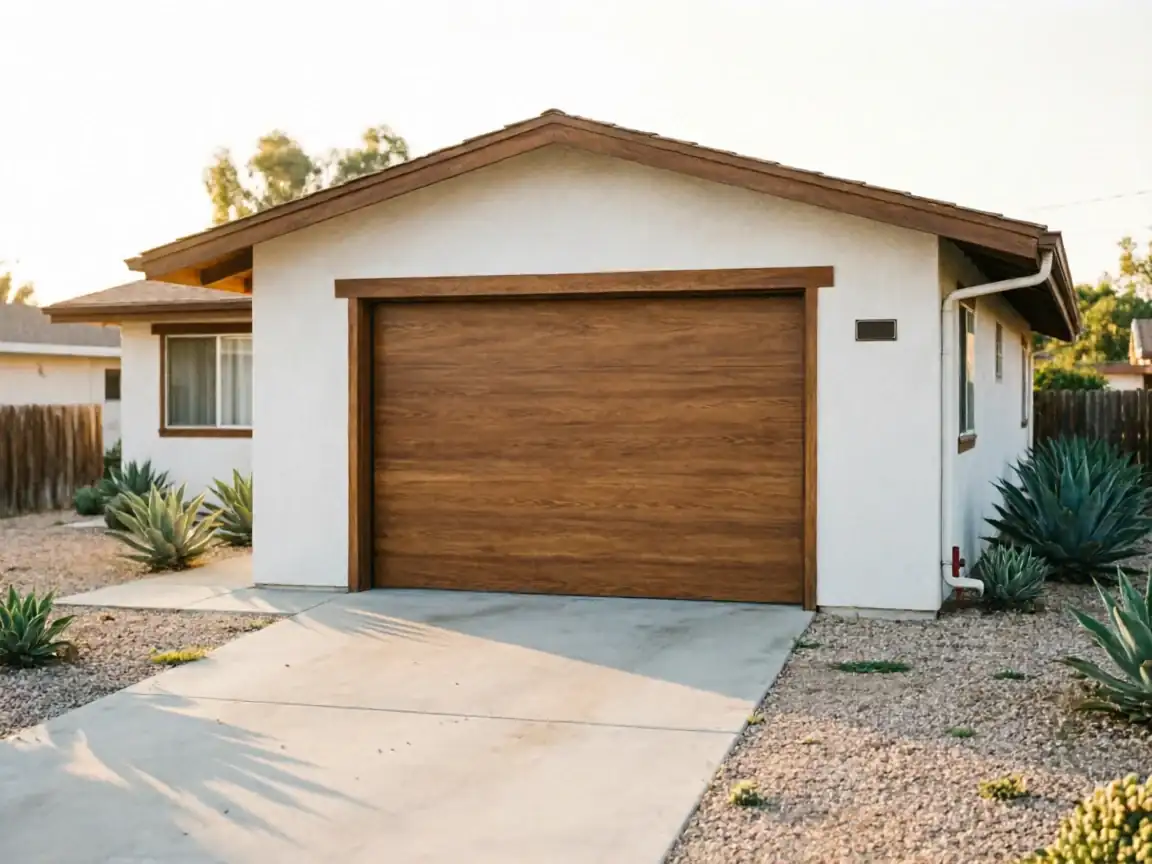
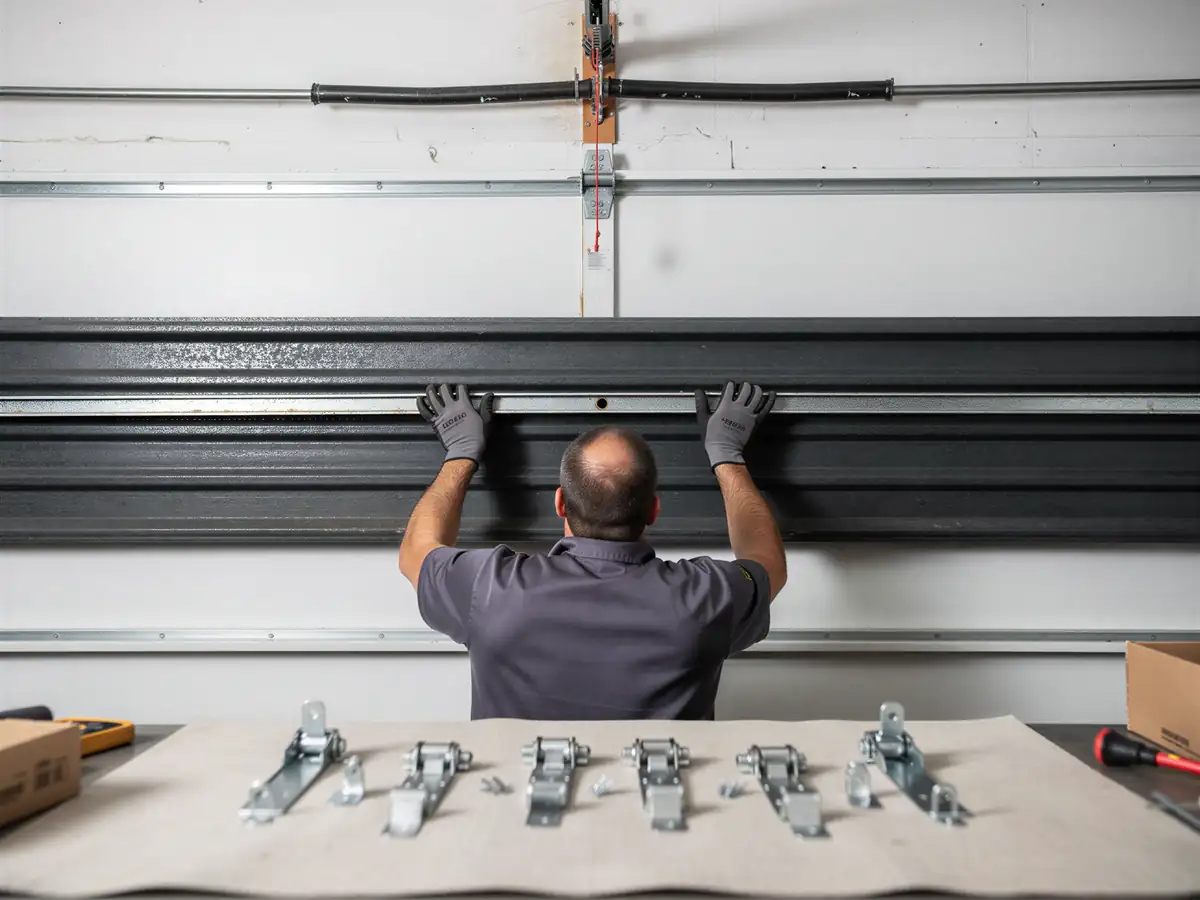
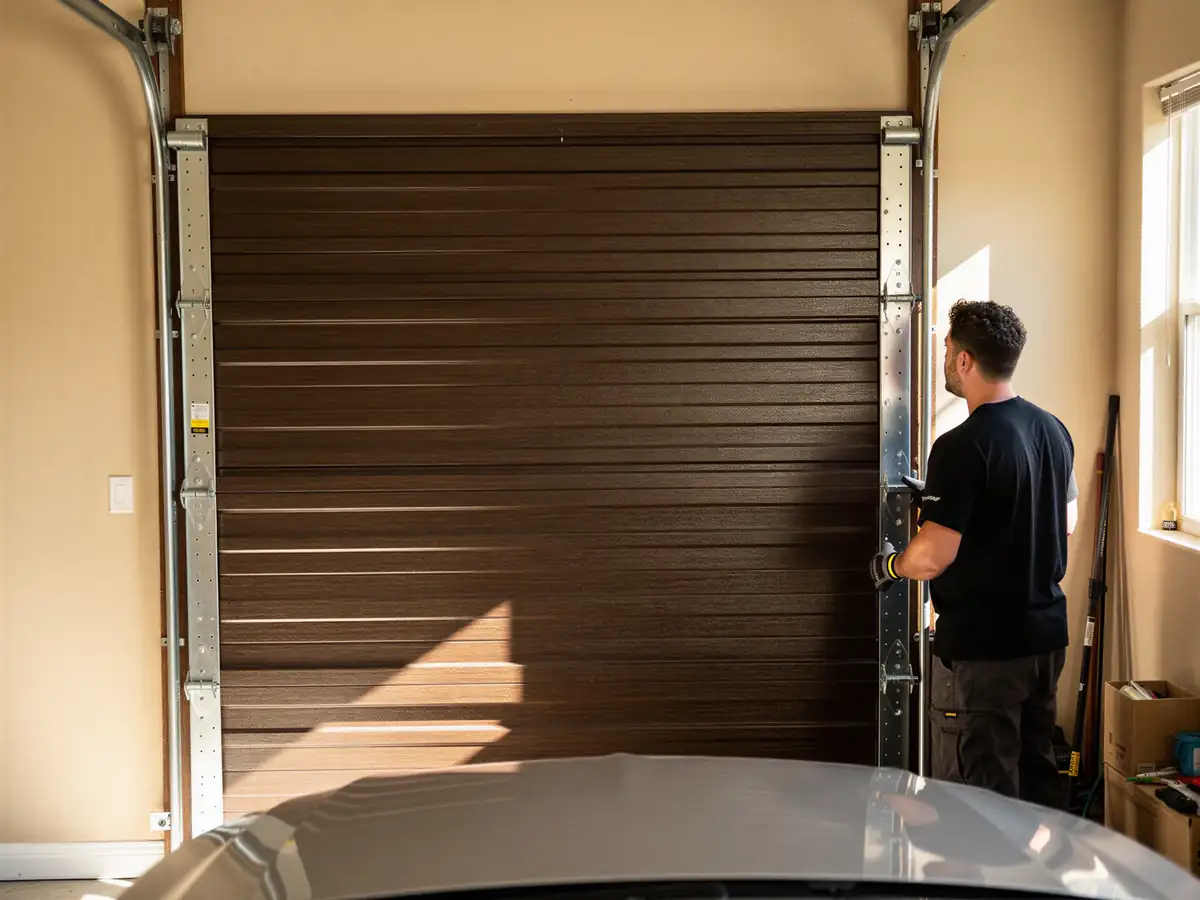
Most houses in Orinda went up around 1961, and the garage door on that house is very likely the first one it ever had, or a direct swap from decades back. Those doors are single-layer wood panel, hung on tracks sized for a lighter door than anything made now. No insulation, no thermal break, often no reinforcement strut on the bottom panel. Over sixty-plus years the wood swells, the panels sag at the corners, and the original hardware - hinges, rollers, the cable drum - wears past what a modern torsion spring is set up to handle if you just bolt one on. The mild temperate climate here hasn't rusted these doors out the way damp coastal air would, but it hasn't stopped the wood from drying, cracking, and pulling away from its own joints either. So the failure we see on these jobs isn't usually storm damage or corrosion. It's a door that was never built for the opener someone added in 1995, or a frame that's shifted a half inch out of square over sixty years of settling, which throws off every new door you try to hang in it until you shim the jamb first. That's the actual starting point for most installs out here, not the showroom catalog.
The Symptom
The giveaway on a 1961-era door that needs replacing rather than repair is usually visible from the driveway: a bottom corner that's dropped and doesn't meet the floor evenly, or a door that racks - tilts side to side - as it travels, because the track is fighting a panel that's no longer flat. You'll also hear it before you see it: a wood door loosens at every joint over time, so the whole thing creaks and shifts under its own weight even before the opener engages. If your door still closes level and the panels are tight, you likely have a repair, not a replacement. But once a wood panel has cracked through or the frame has racked enough that the door binds on one side every time, patching it buys you a few months at best.
Doing It Yourself
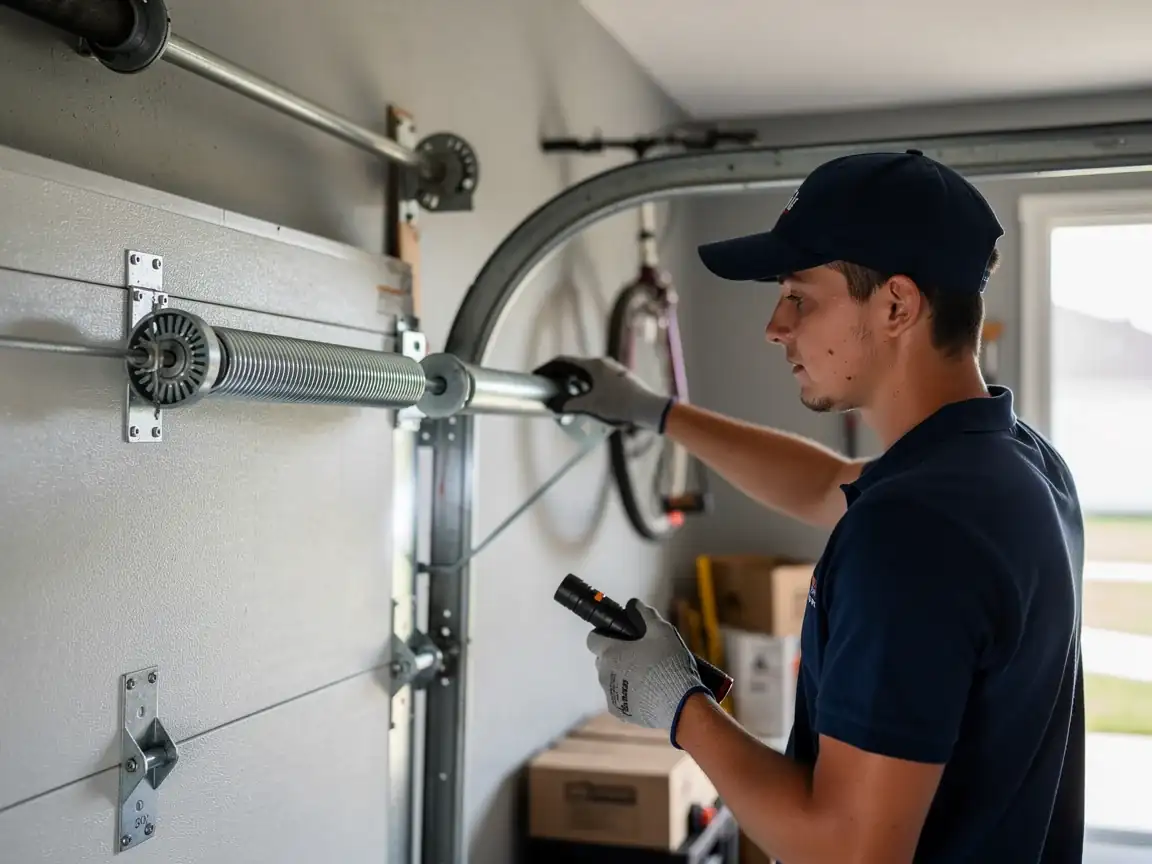
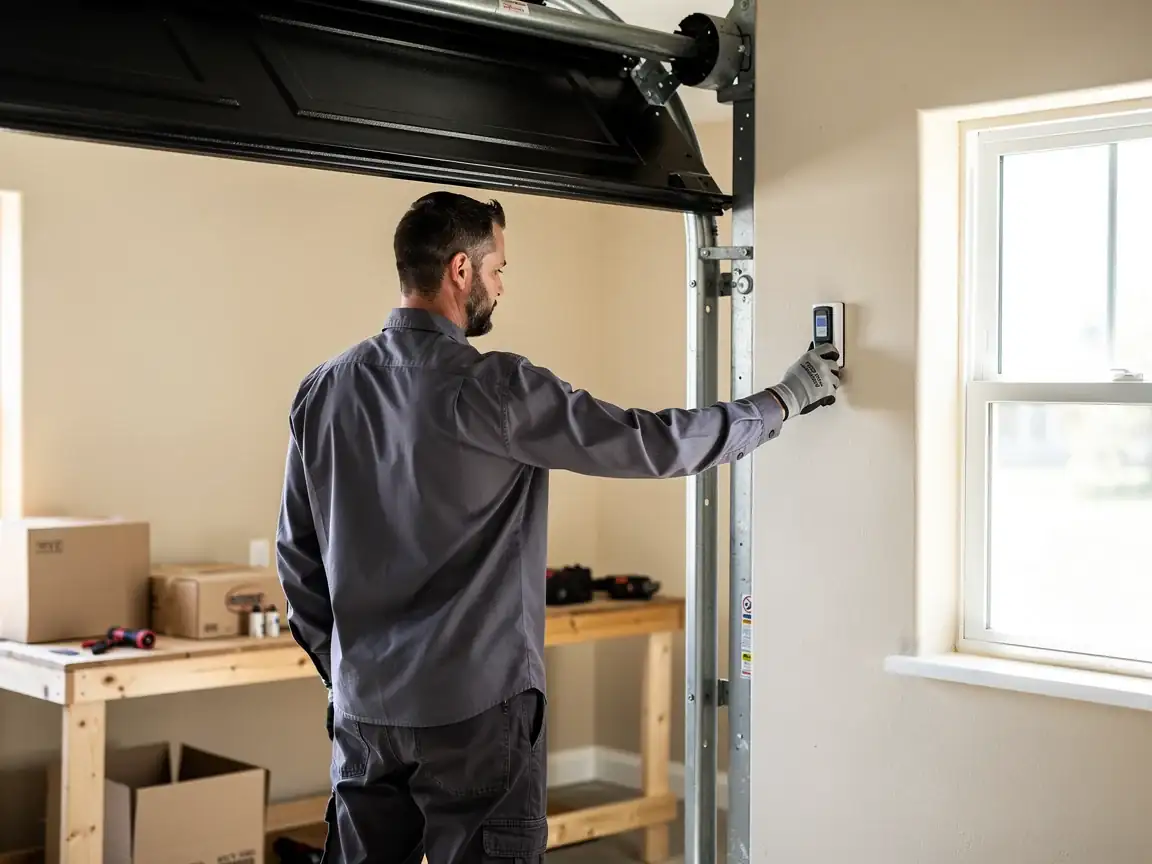
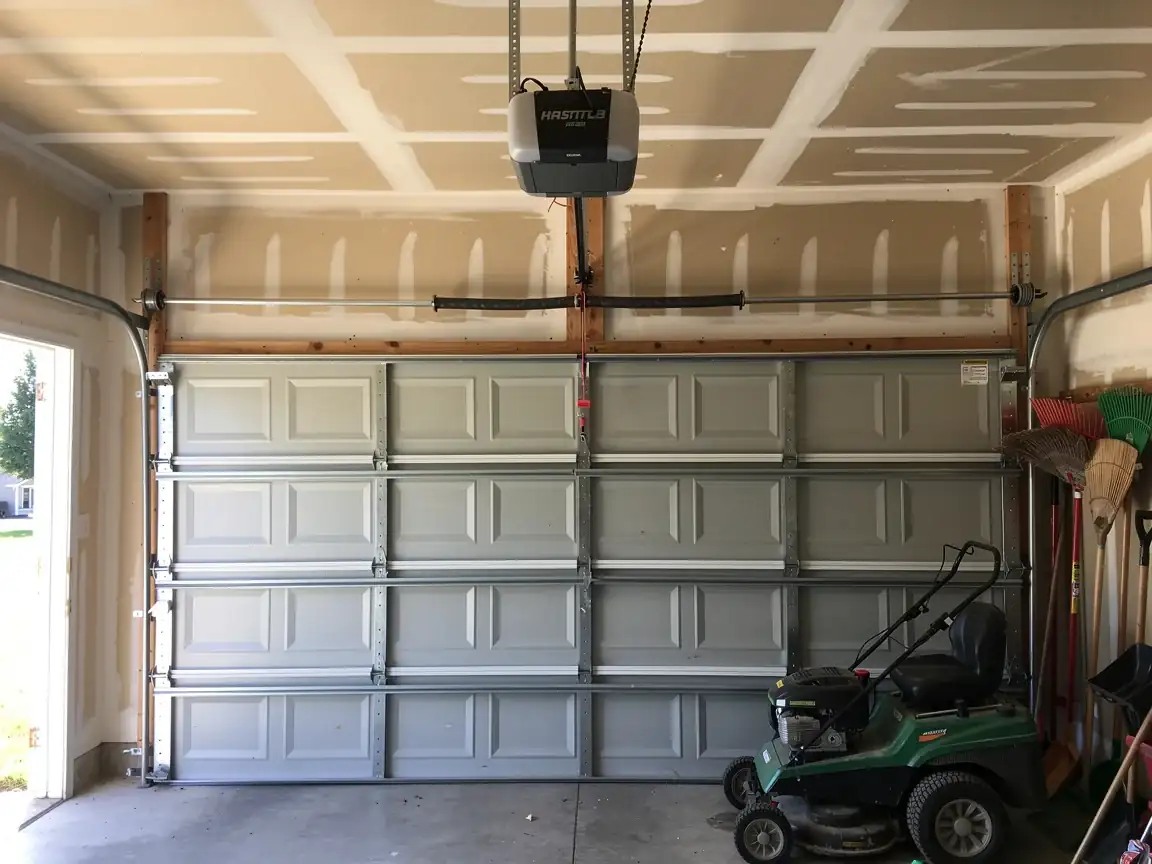
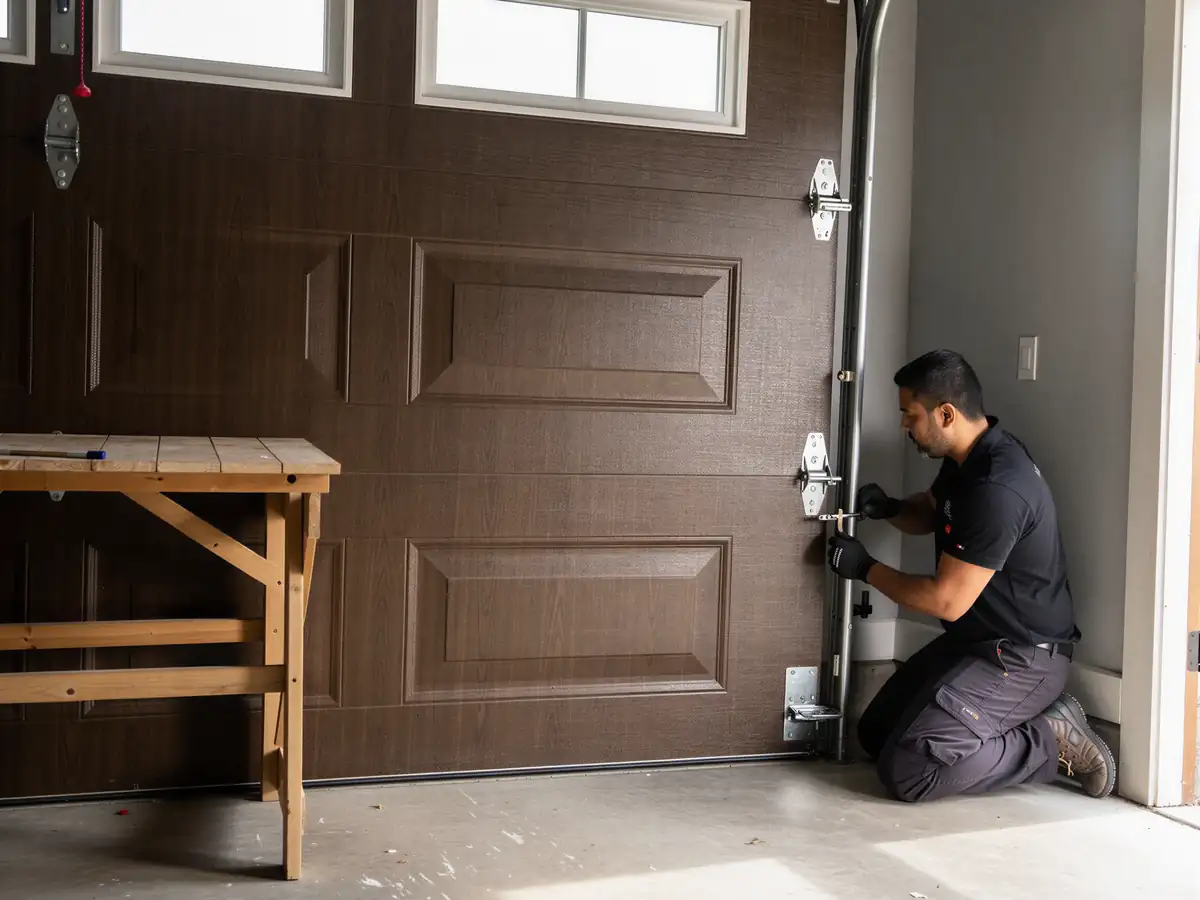
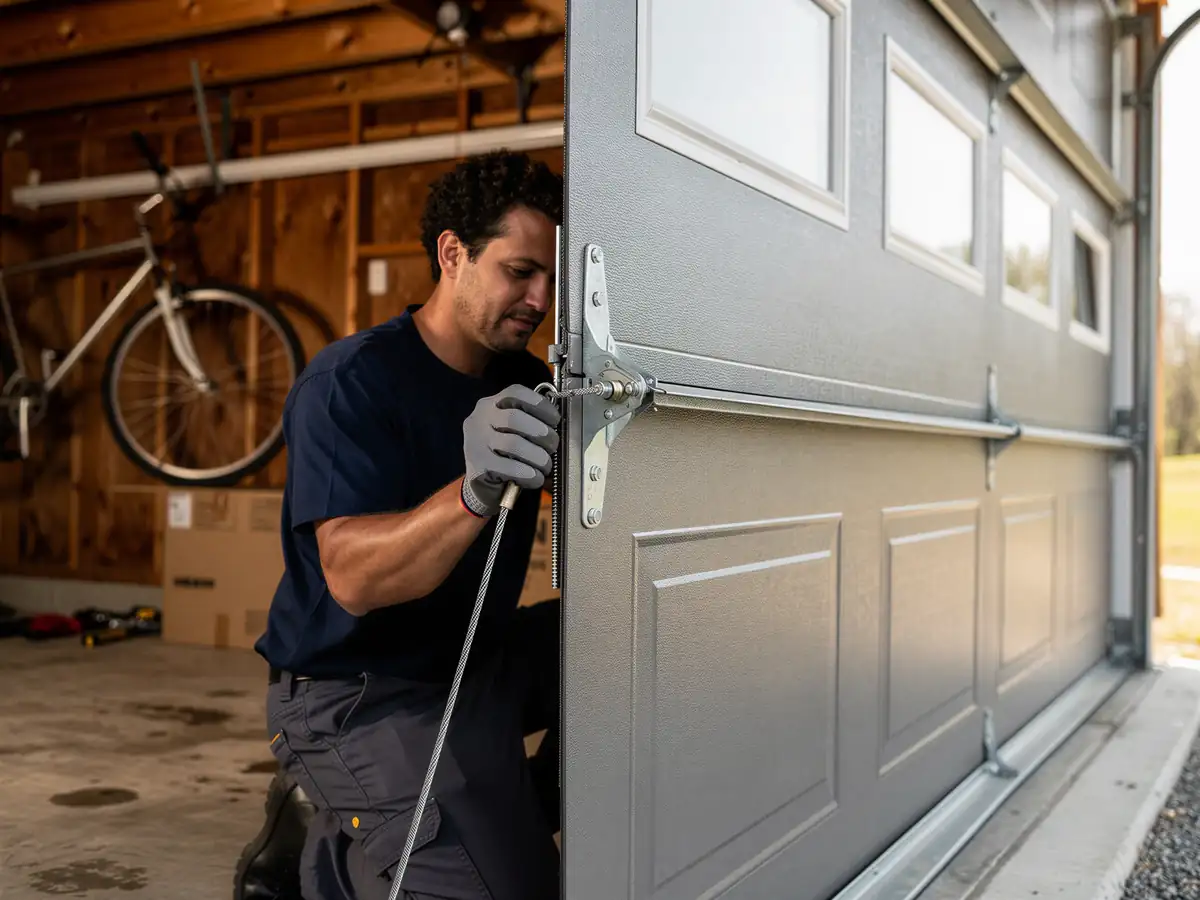
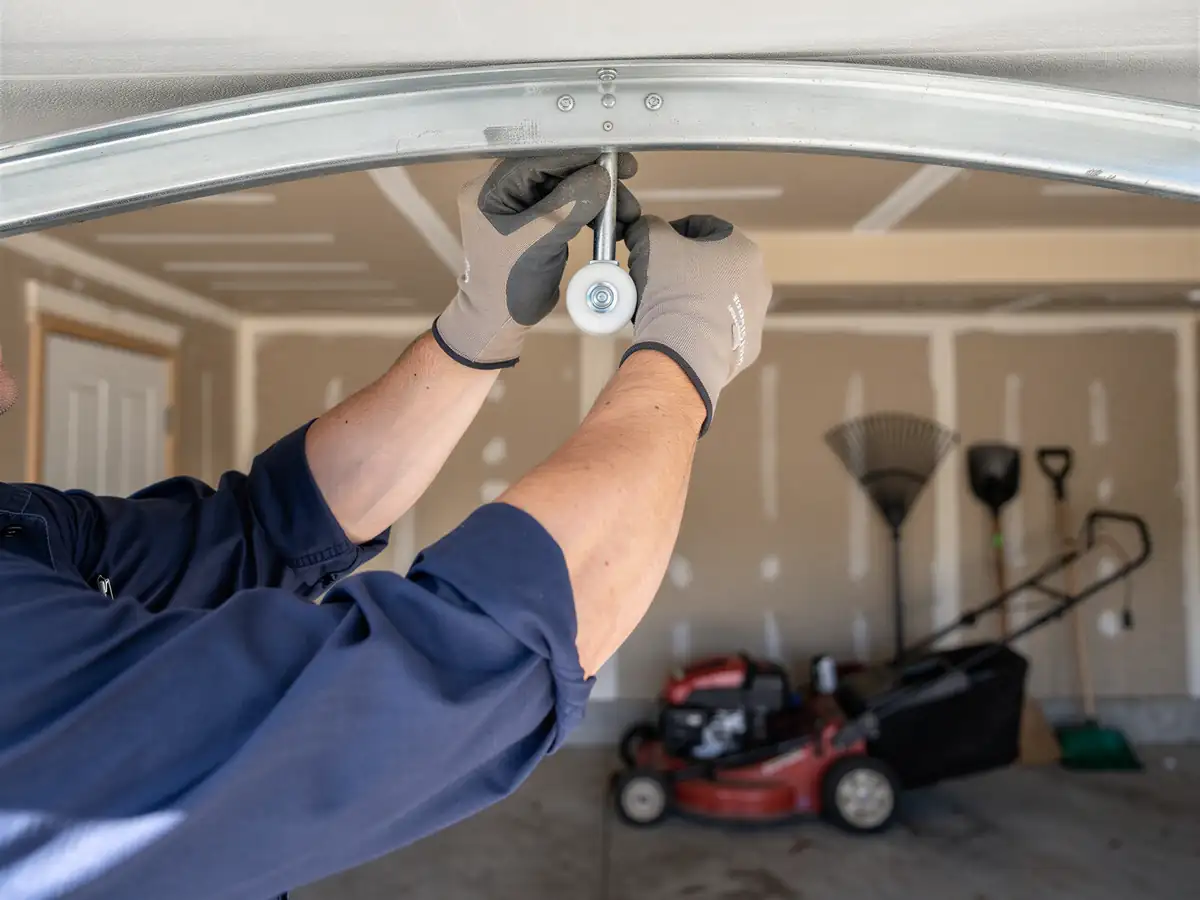
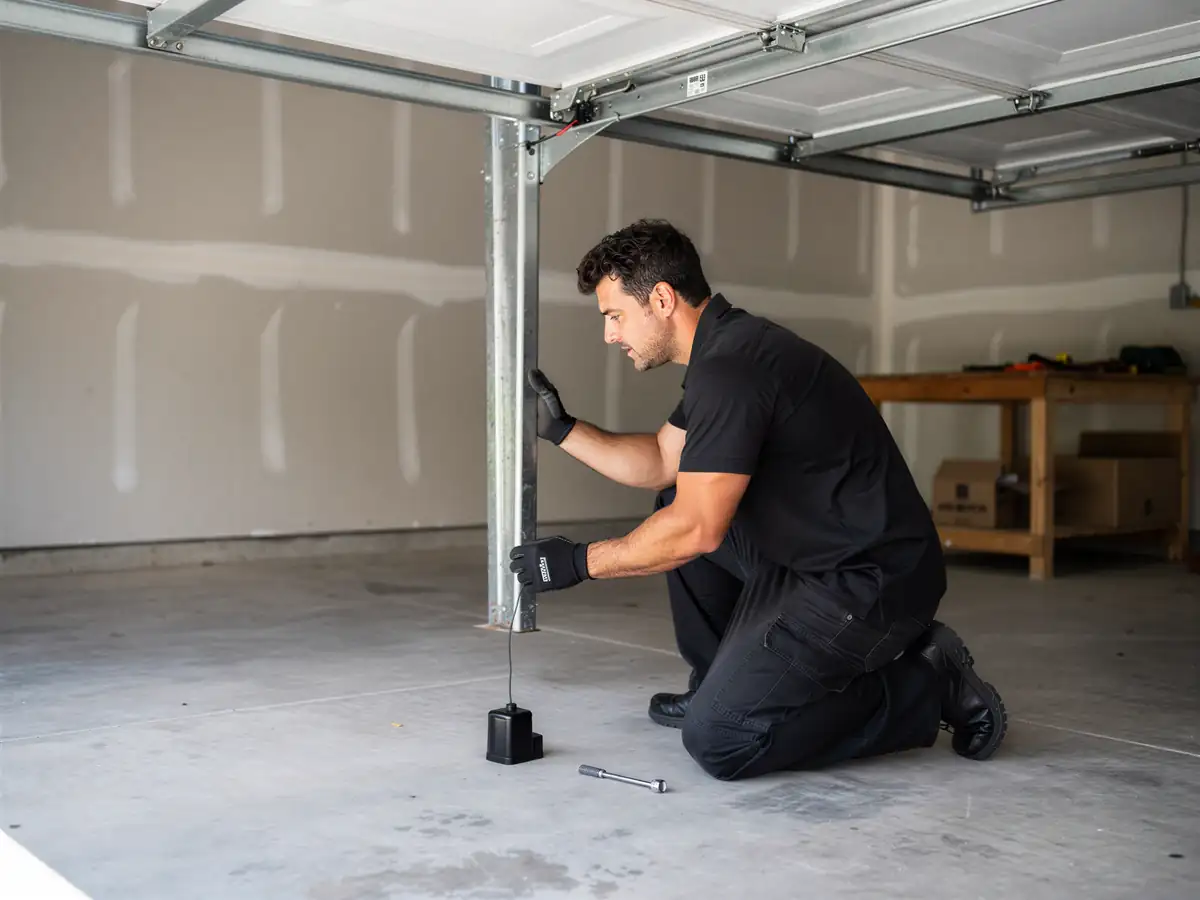
A homeowner can handle cosmetic stuff - repainting a wood door, tightening hinge screws, lubricating rollers. What you shouldn't take on yourself is anything involving the torsion spring or the cable system, full stop; those are under enough tension to break a bone, and that doesn't change whether the door is five years old or sixty. On a full replacement, the part that trips people up most on older Orinda homes isn't the door itself, it's the frame. If the jamb has shifted out of square over sixty years, which is common, a new door hung without correcting that will bind, and no amount of adjusting the opener fixes a crooked frame. That's a carpentry problem before it's a garage door problem, and it's worth having someone check the opening is square before you order anything.