The Situation
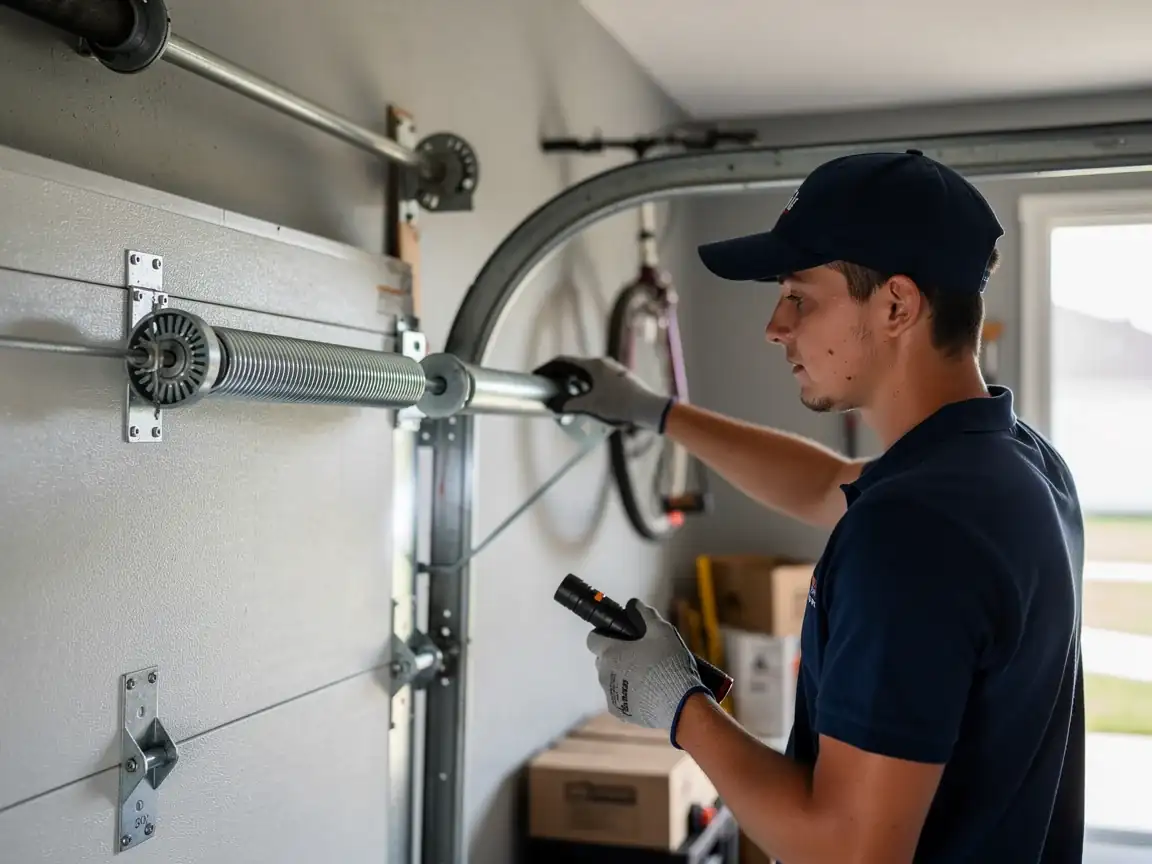
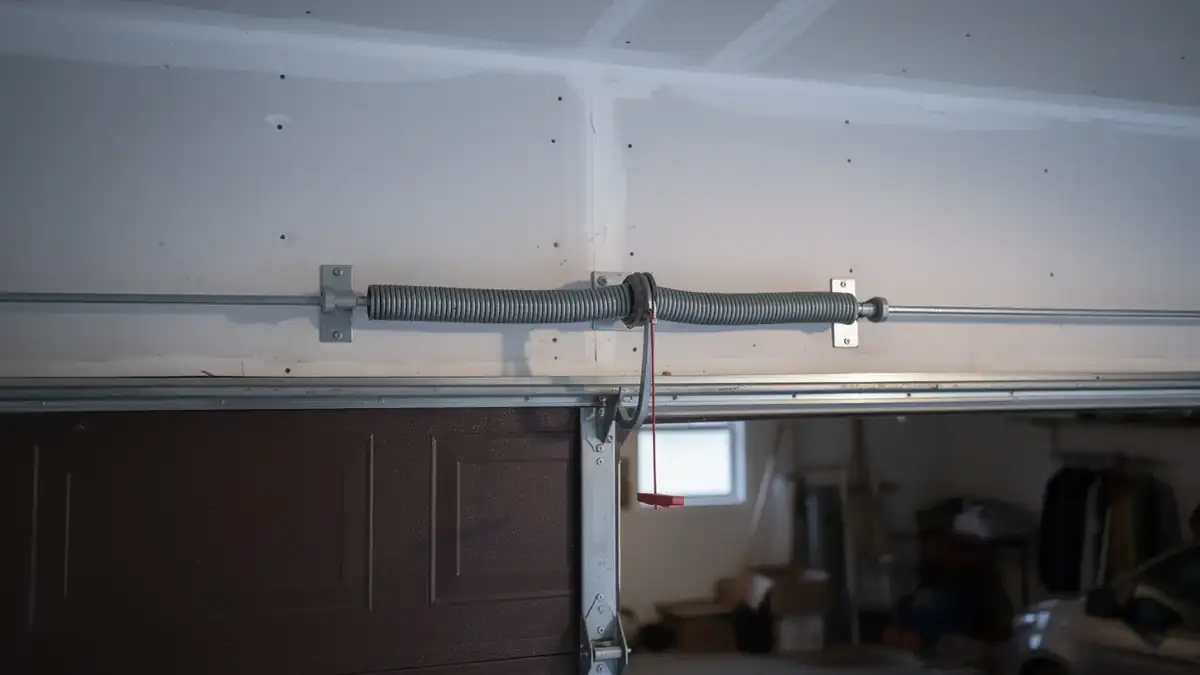
Walnut Creek sits in a mild temperate band, not a place anyone associates with hard winters. But mild doesn't mean flat. A clear December or January night here can drop 30 to 40 degrees from the afternoon high, and that swing is exactly the kind of stress that finishes off a torsion spring that's already near the end of its cycle count. The steel contracts, the coil tightens a fraction more than it did the day before, and a spring that's been fraying for months lets go on the coldest morning of the week - usually when you're already late and the door won't budge past six inches. This isn't a once-a-winter event tied to a storm. It's a quiet mechanical failure that cold just happens to trigger a little earlier than it would in July. Housing stock matters here too: homes built across 1938 to 2008, with most of the area's 39 named neighborhoods sitting in 1960s-70s construction, means a lot of original or first-replacement springs are well past due regardless of the thermometer.
Season by Season
Spring and summer in Walnut Creek are low-drama for door hardware - steel holds its shape fine once the days warm and stay warm. Fall is when you start seeing the first overnight dips, and that's a reasonable time to have a spring checked if it's showing rust or flat spots, before the swing gets sharper. Winter is the short window, mild as it is here, where the daily temperature range does the most work on hardware that's already tired. It's not the cold itself doing damage - it's the repeated expansion and contraction on metal that's past its rated cycle count. Houses built earlier in that 1938-2008 range, especially anything still running original springs, are the ones most likely to show a failure in a cold snap rather than a random Tuesday in June.
How Local Conditions Play In
Walnut Creek's mild temperate climate means we're not dealing with ice, snow load, or the kind of hard freeze that cracks seals and warps panels. That's a real advantage over towns a few hours north or in the mountains. What we are dealing with is a housing stock with a median build year around 1972, which means a lot of springs, cables, and rollers original to a door installed decades ago, now getting hit by the sharpest temperature swings the mild climate here still produces. We'll be straight with you: we don't carry every obscure vintage spring size on the truck, and if your door is old enough that the spring was sized for a lighter wood panel than what's hanging there now, matching hardware can take an extra day to source. That's worth knowing before you call expecting a same-visit fix on a 1960s door.