What Causes It Around Here
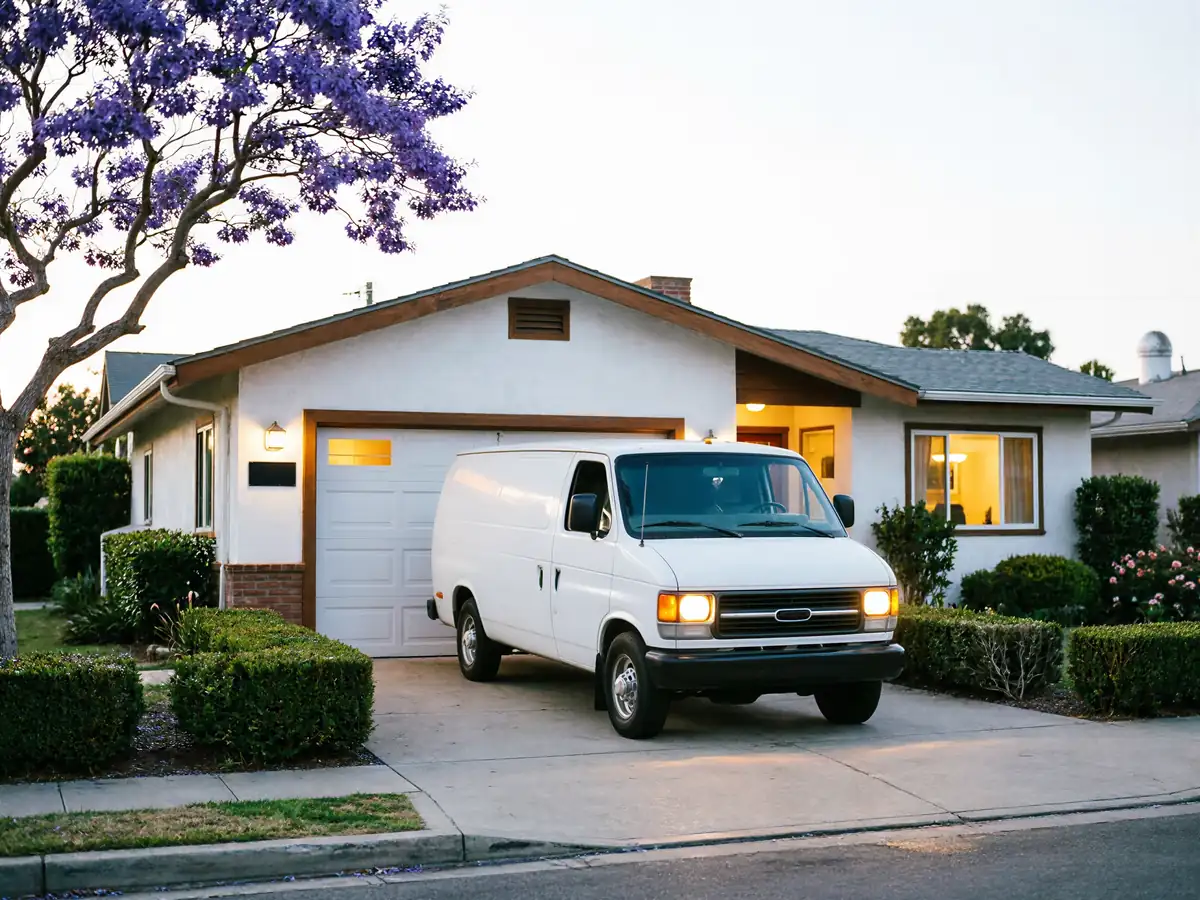
Orinda's housing stock centers on 1961, which puts most garages here squarely in the one-piece-to-sectional transition. A lot of these doors still ride on their original torsion hardware, or a replacement from decades back that was never upsized for a heavier steel door. That hardware wasn't built with today's thicker, insulated panels in mind, so when a homeowner swaps in a heavier door without upgrading the spring, the spring runs short on cycles and the cable starts to fray years before it should. The mild temperate climate here doesn't put the same stress on doors that you'd see somewhere with real freeze-thaw cycles, but it doesn't stop steel from fatiguing on its own schedule. What we see most in a town built out this era is wear, not weather - a torsion spring that's simply done the number of lifts it had in it, a roller that's worn its track groove uneven, or a cable drum where the set screw finally backs out. None of that is dramatic. It just picks the worst possible morning to let go.
The Symptom
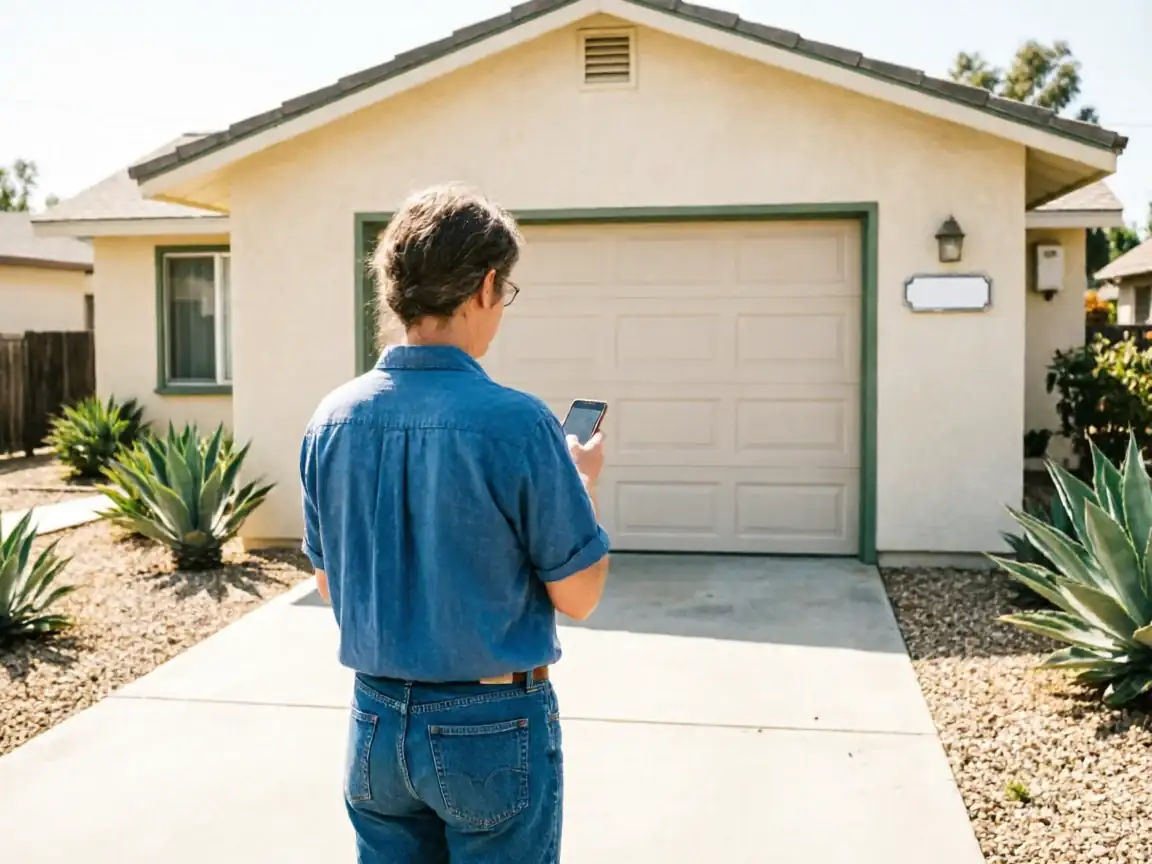
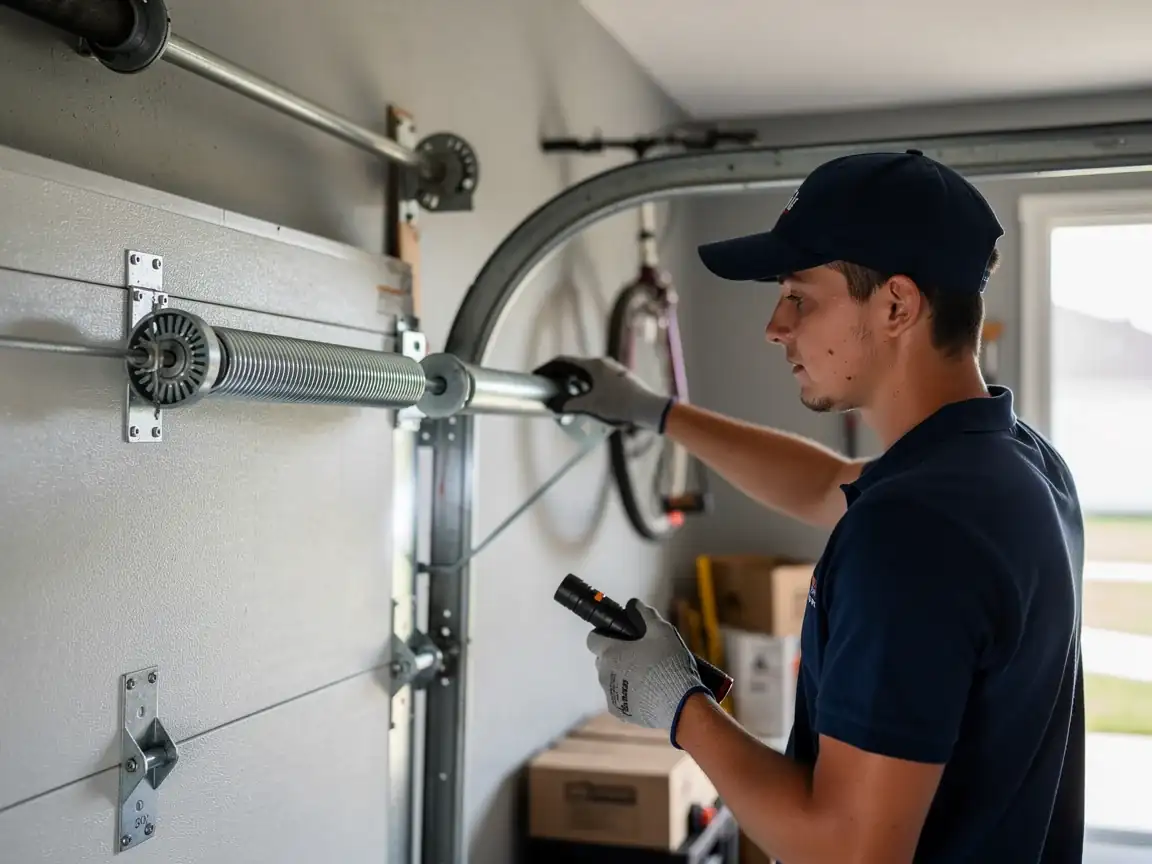
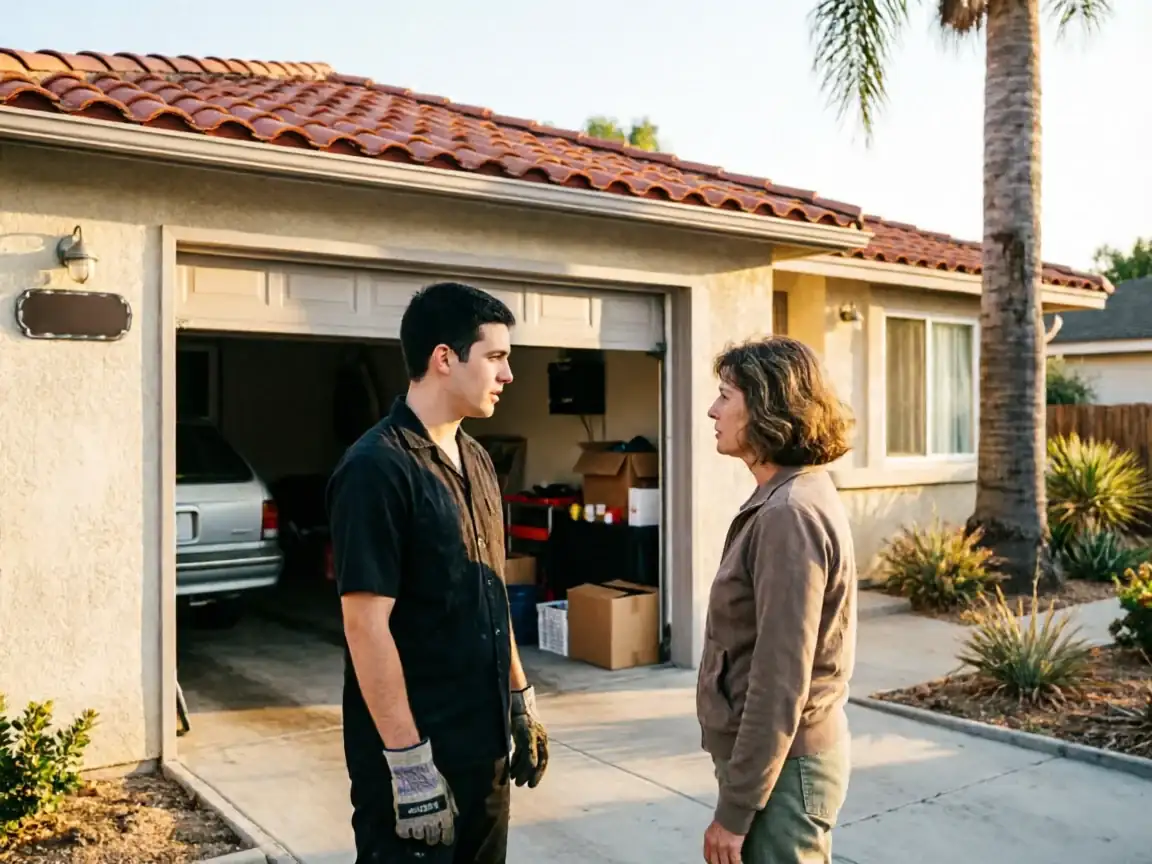
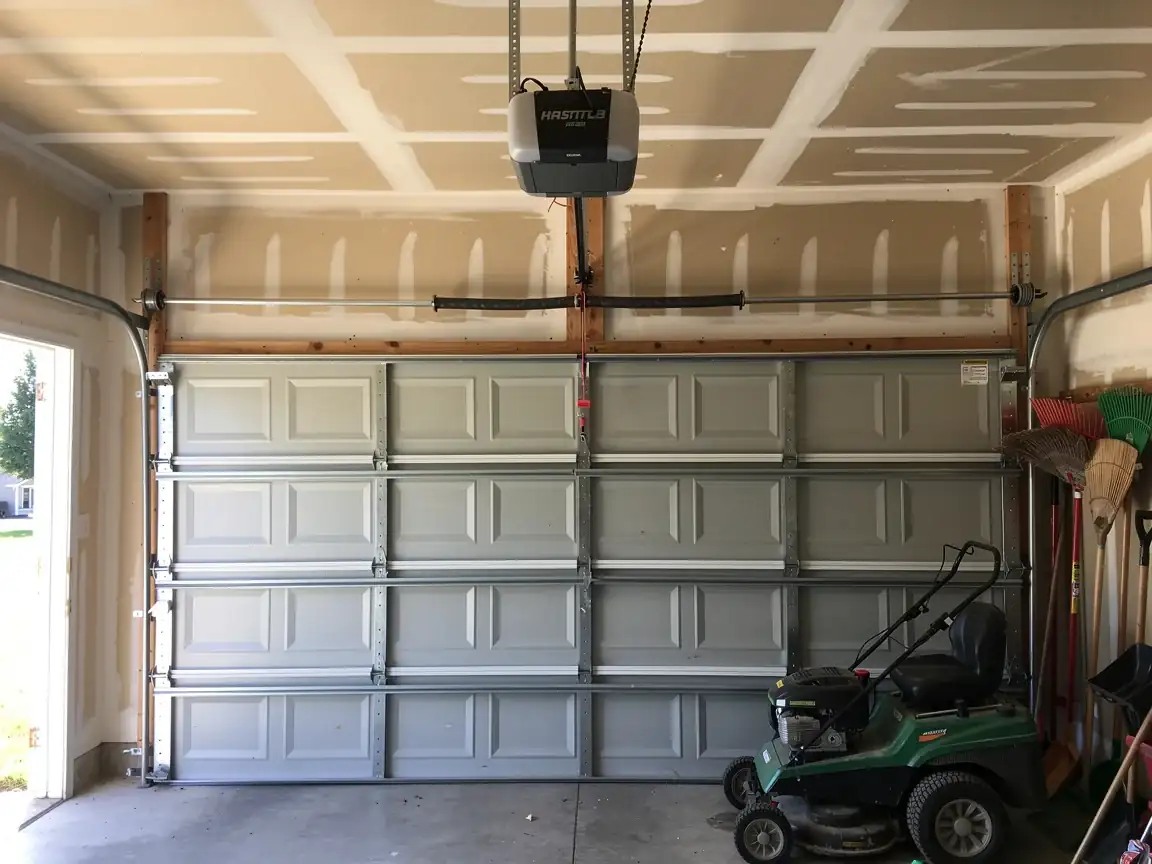
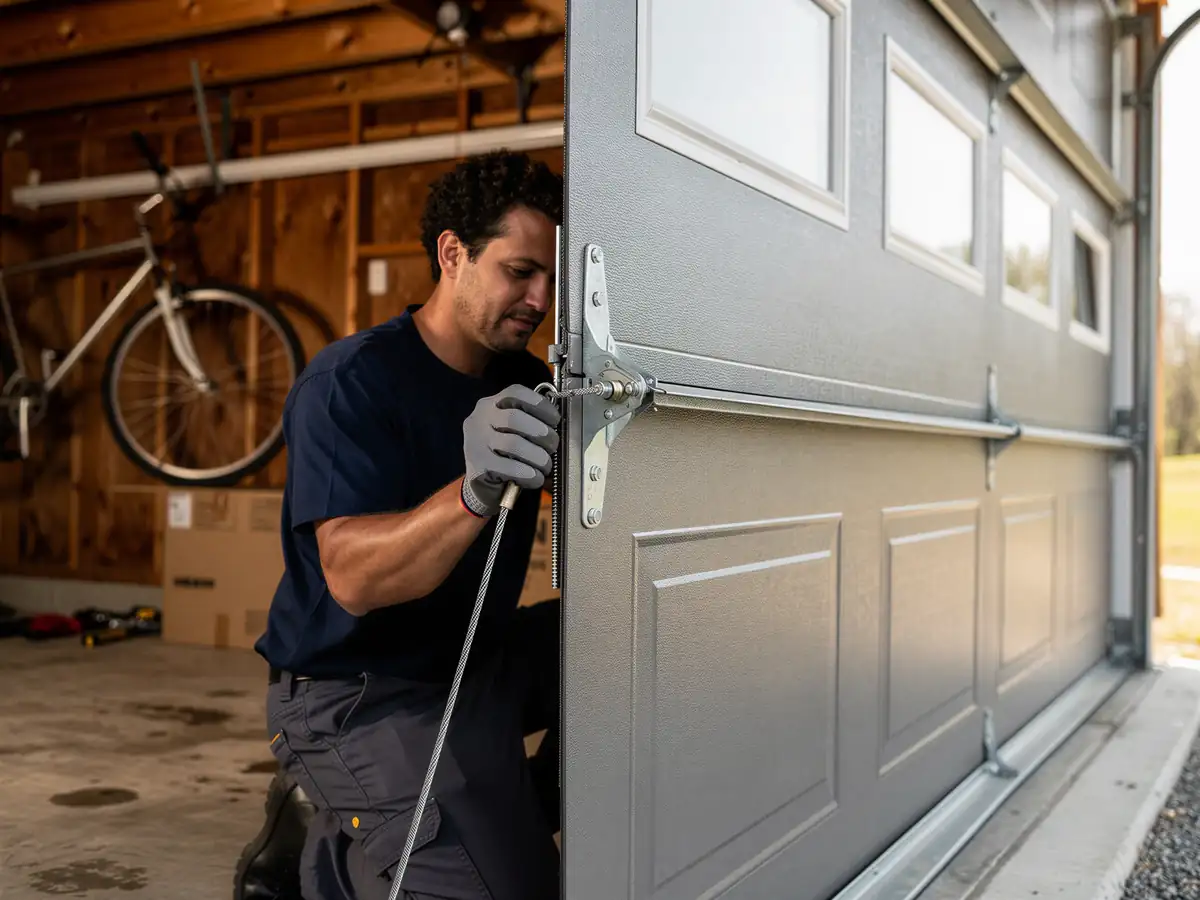
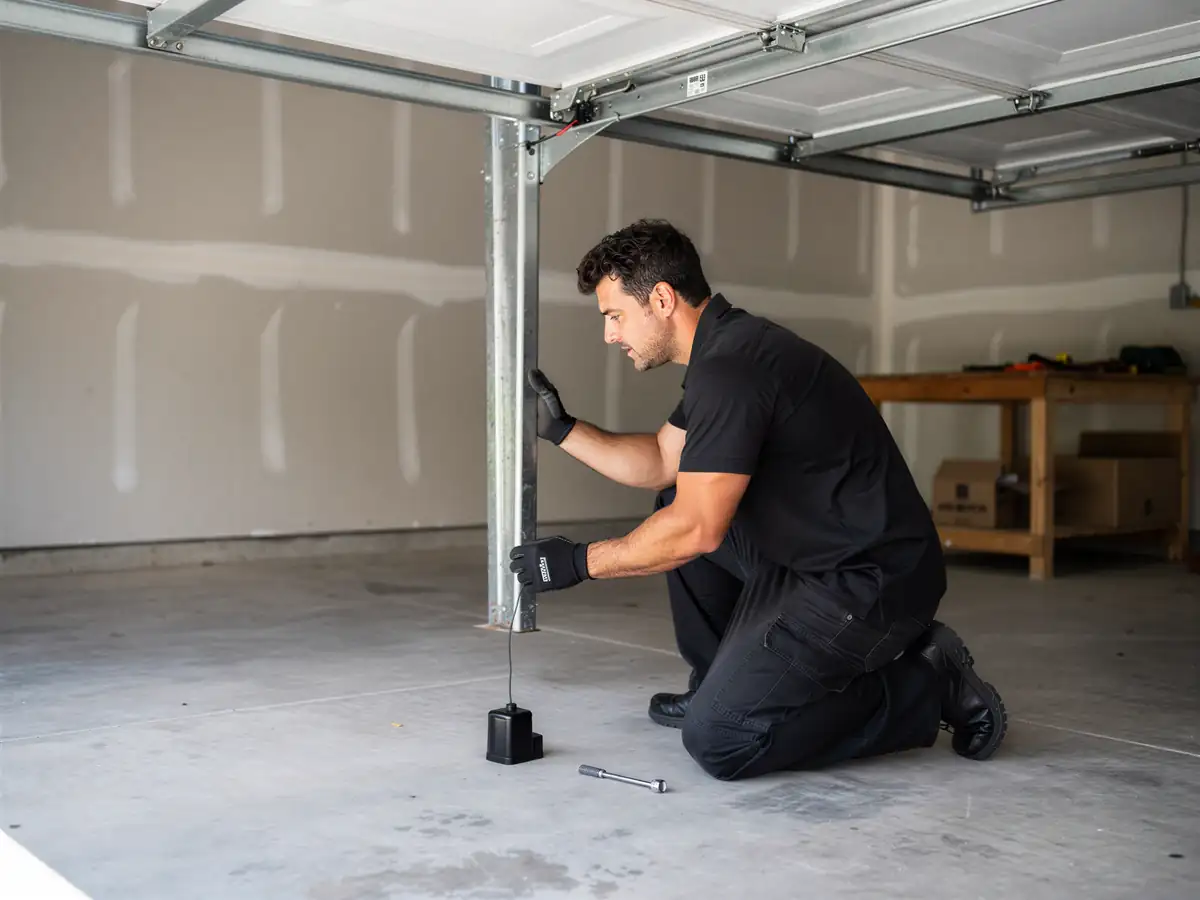
The call we get most from this side of the service area is a door that won't budge, with a visible gap at the top of the spring above the door, or a loud bang from the garage followed by the door refusing to open with the opener or by hand. That's a torsion spring letting go, and on a door this old it's rarely a surprise to the spring - it's just the last cycle. Less dramatic but just as common: the door starts to open, shudders, and reverses itself. On 1960s-era hardware that's often a cable that's slipped off a worn drum rather than a sensor issue, which is why clearing the sensor lenses doesn't fix it. If the door is off its track entirely, stop trying to run the opener - you'll bend the track further and turn a repair into a replacement.
Doing It Yourself
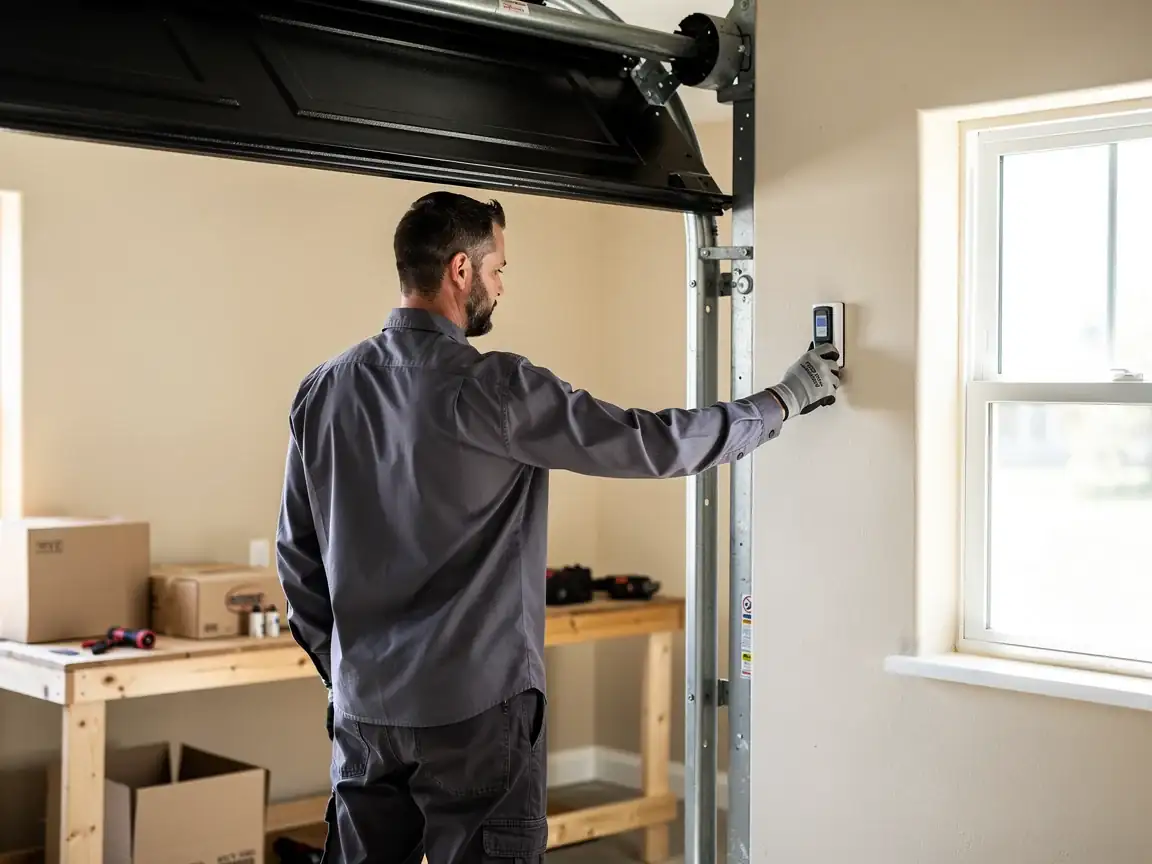
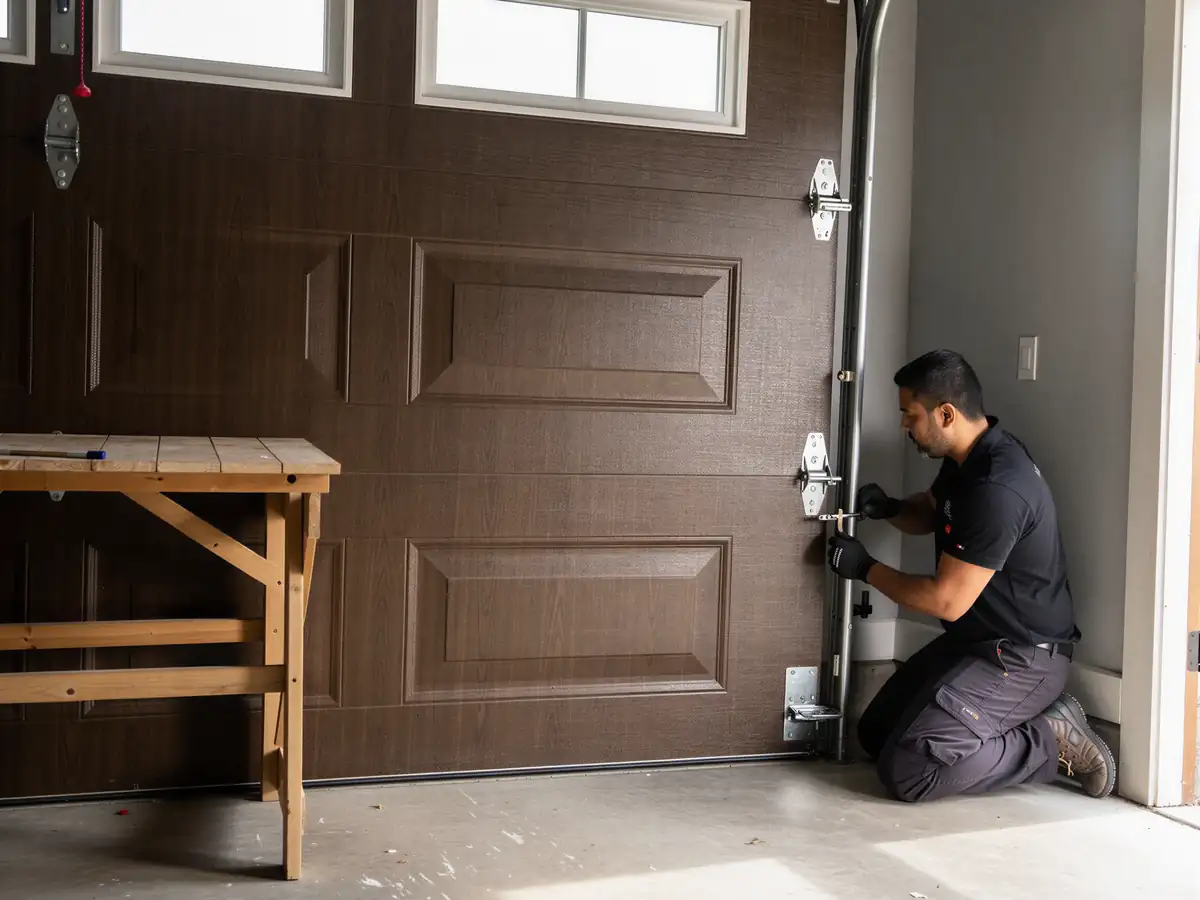
A torsion spring is not a DIY repair, full stop - it's wound under enough tension to break a bone, and on a door this old you don't know its fatigue history. What you can safely check yourself: the manual release cord (make sure it's not what's jammed), whether the track is visibly bent or just dirty, and whether the issue is the opener (listen for the motor running with no door movement) versus the door itself (motor doesn't run at all). Here's the honest limit - if your door is original to a 1961-era build and the spring or cable has gone, we're not going to hunt down a 60-year-old part to match it. We replace it with current hardware sized to your door, which is safer and more available than trying to source an exact original.