This Area's Housing
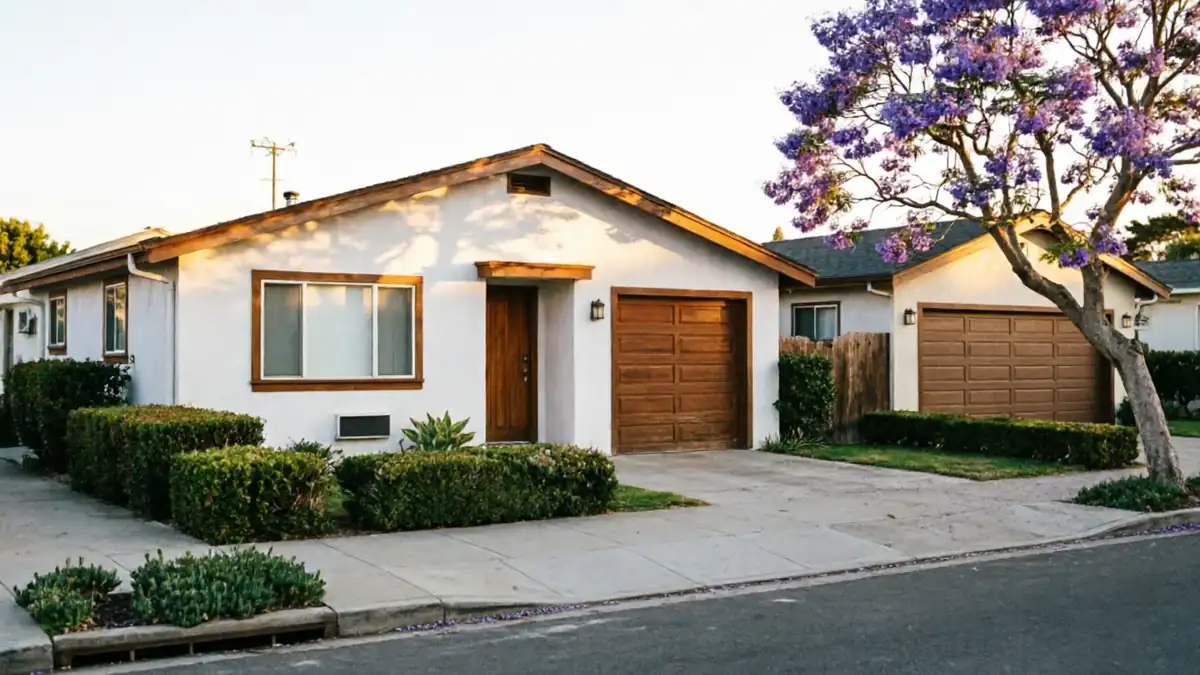
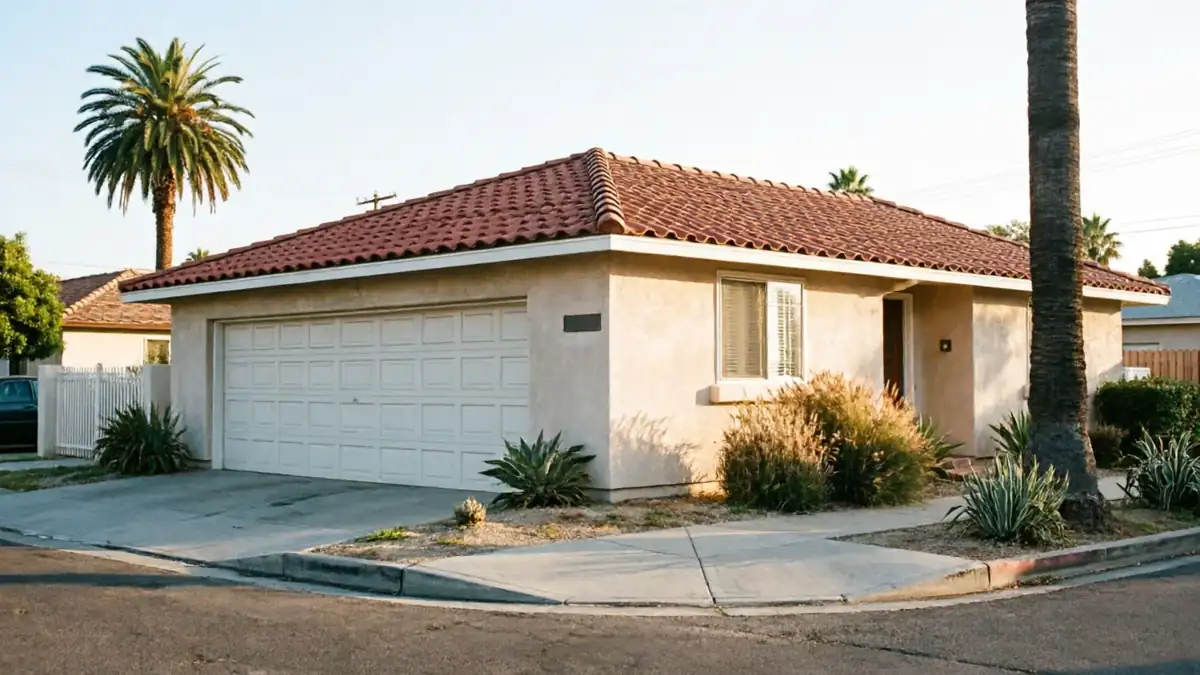
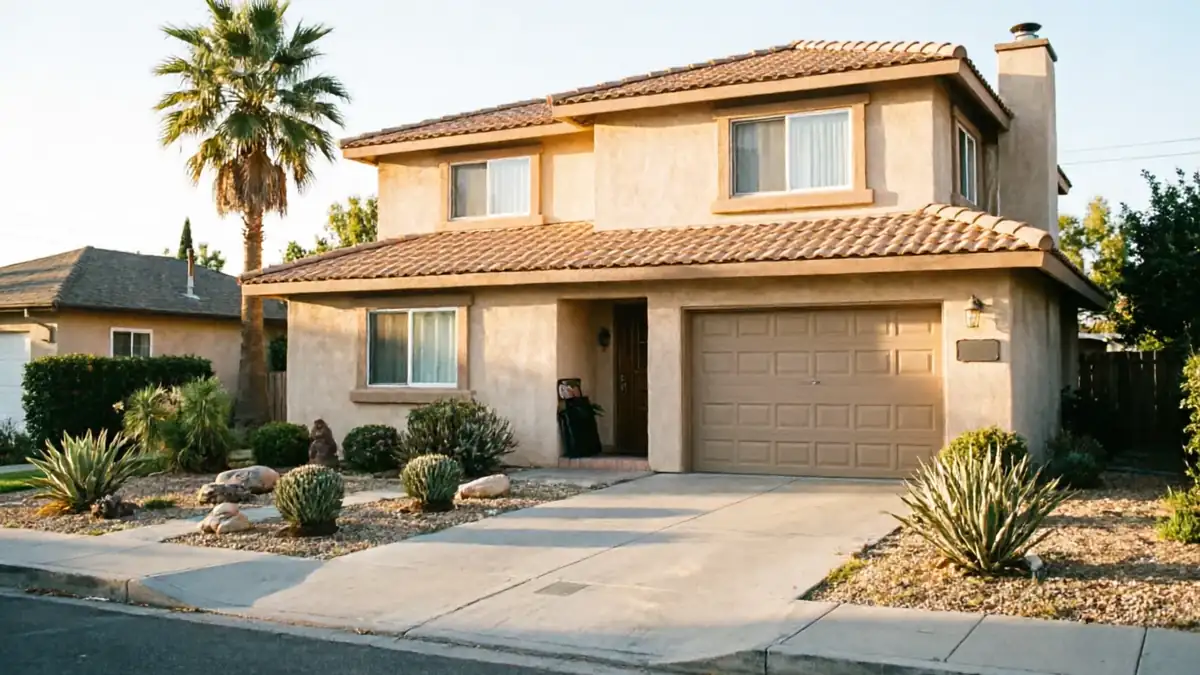
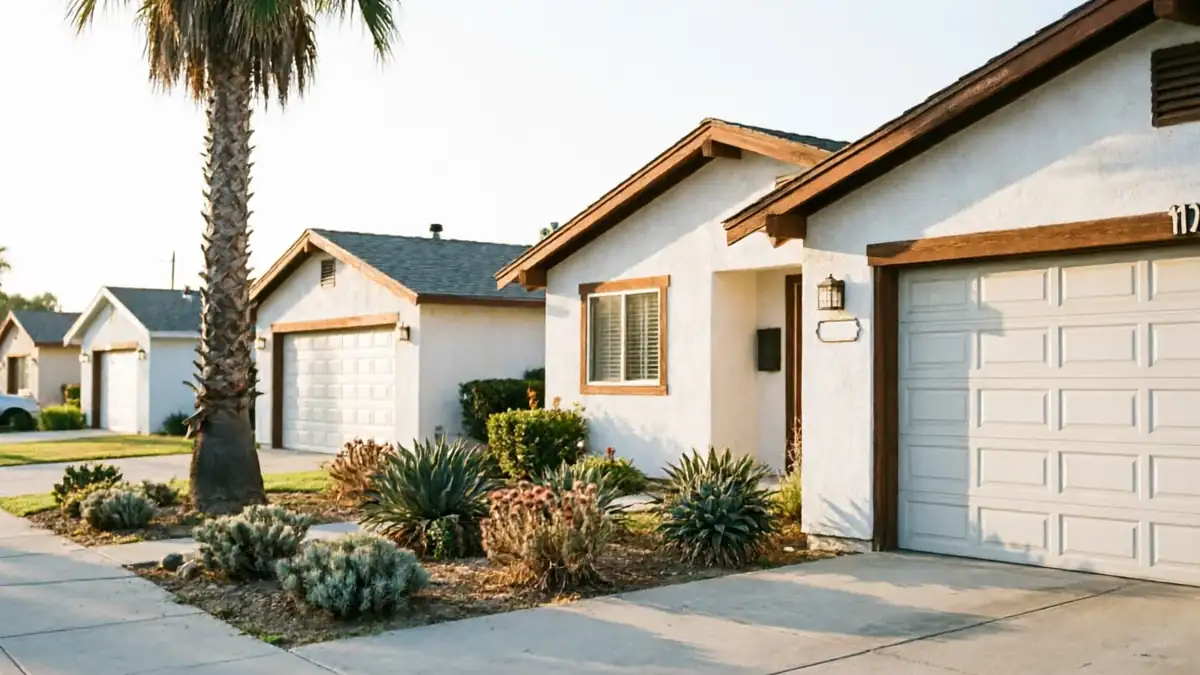
Castro Valley's houses run a shade newer than the typical stock across our service area. The median build year here is 1966, while the broader coverage area we work in skews closer to 1972, with homes going back to 1938 and up through 2008. That six-year gap matters more than it sounds. A house built in 1966 usually still has its original garage opening, but by then builders had mostly moved off the oldest extension-spring setups and into early torsion systems - which is a different repair than what you'd find on a 1950s build. We're coming from Walnut Creek, about 14 miles out, so when we quote a job we're quoting for what's actually on your house, not a guess based on the zip code.
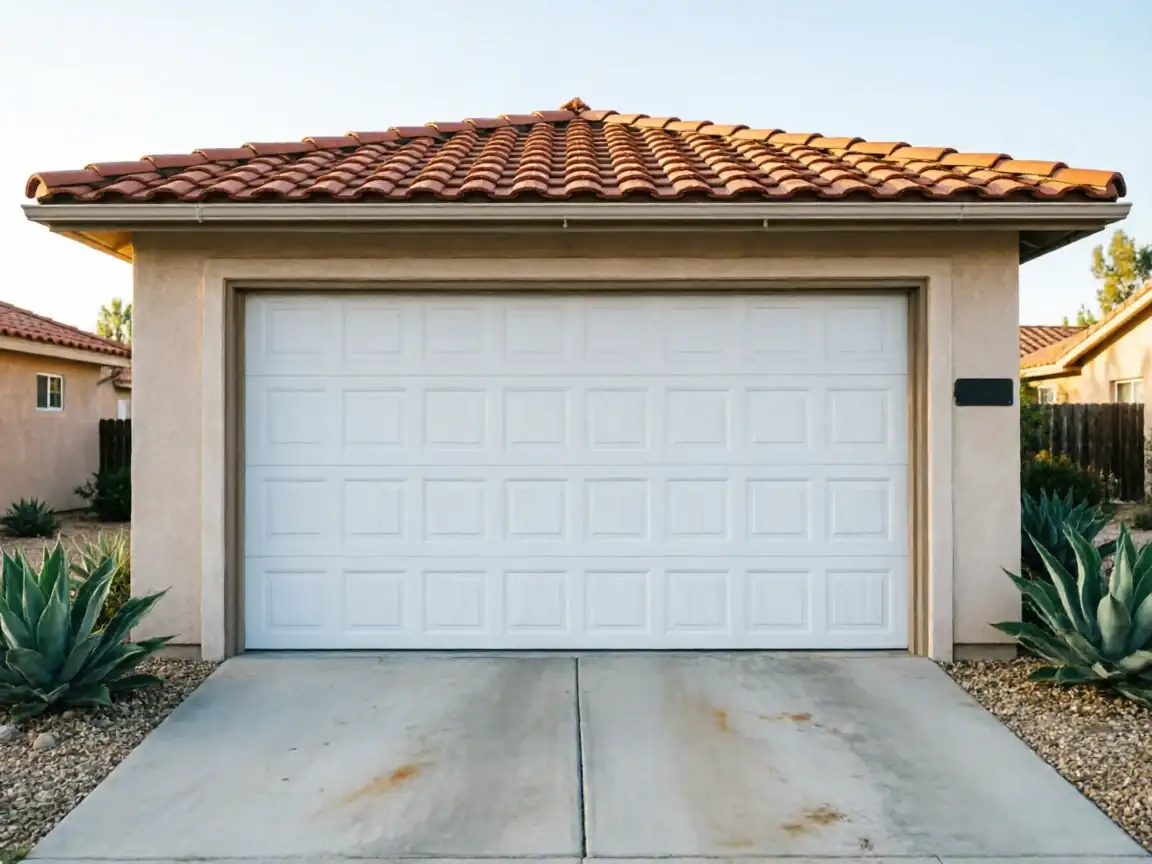
Across the wider area we cover - which spans 39 named communities - the dominant pattern is 1960s-70s construction. Castro Valley sits right in that window, maybe a touch past the middle of it. If your house hasn't had the garage door touched since it was built, the hardware under that panel is pushing sixty years old, and most of it was never designed to last that long without a rebuild.
What Neighbours Usually Call About
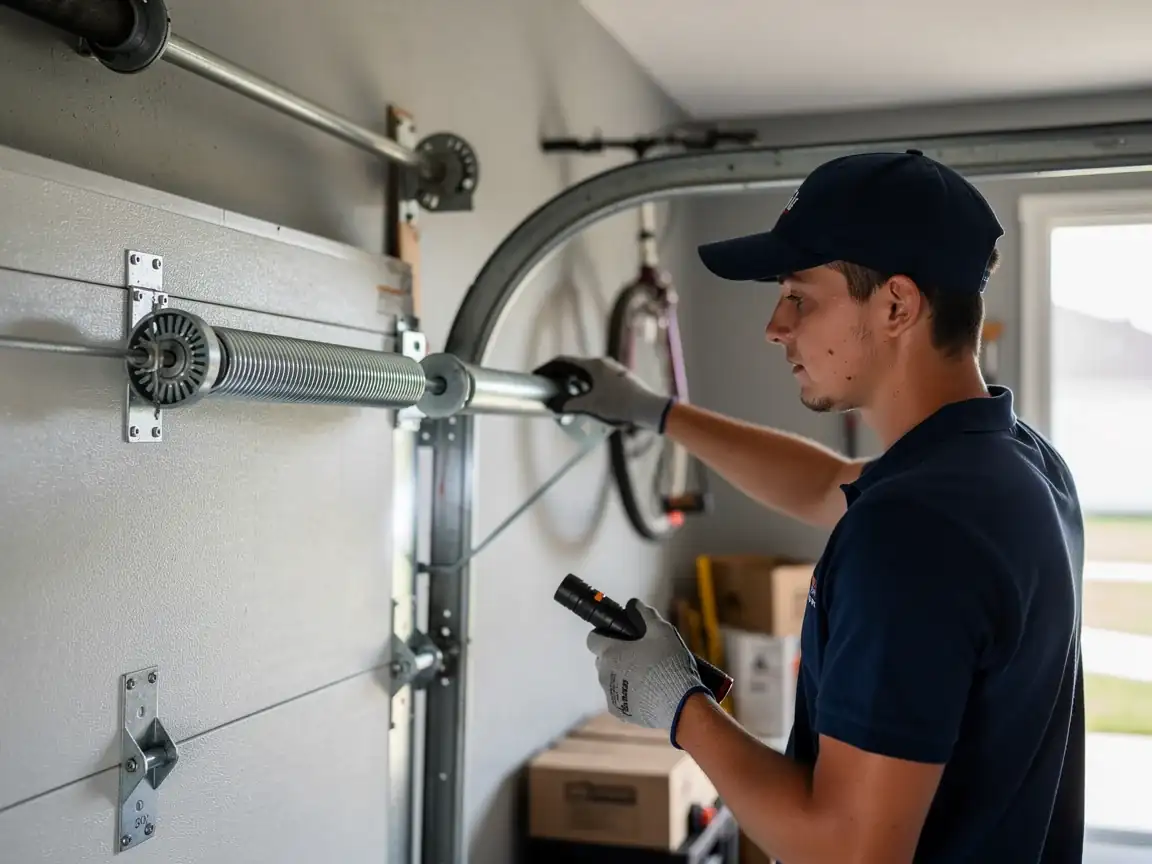
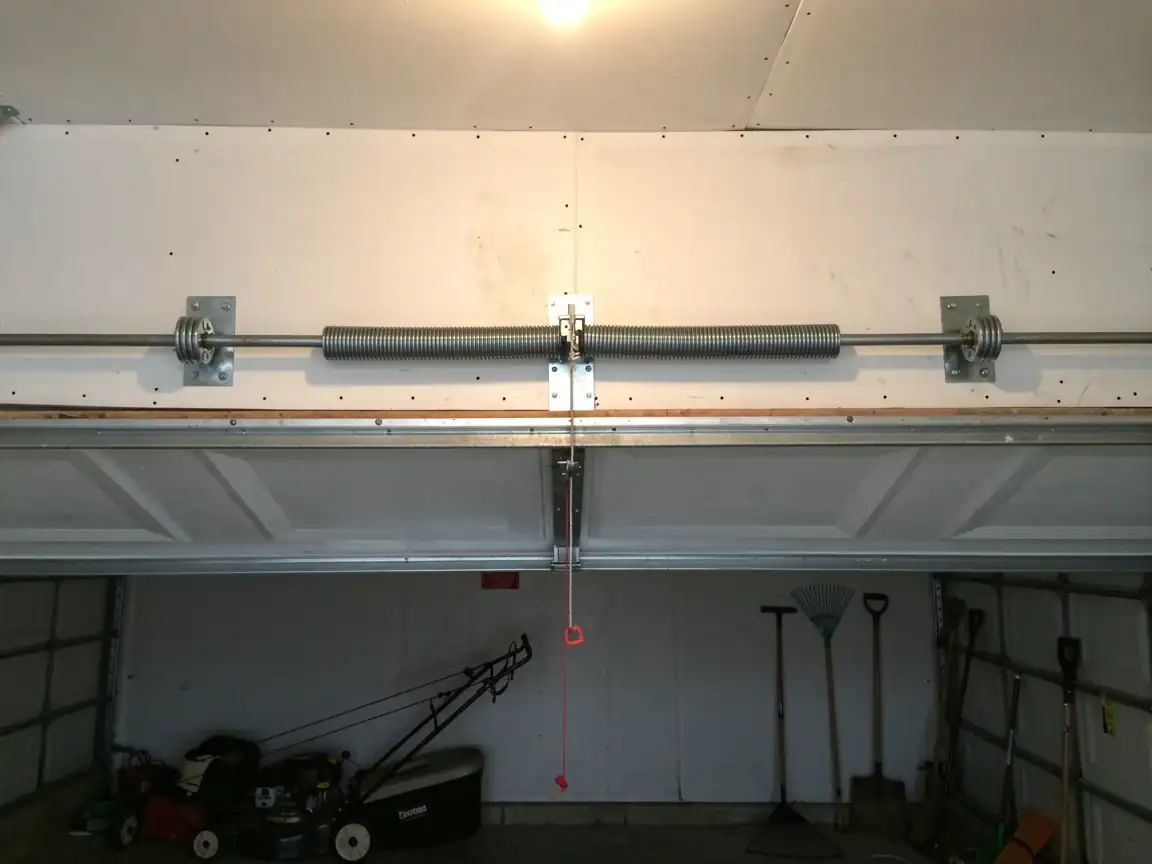
With a mid-1960s build year, the calls we get from this area cluster around torsion springs that have simply worn out from age rather than from one dramatic failure
They stretch, lose tension, and the door starts feeling heavy months before it finally gives. We also see a fair number of original rollers still running on steel wheels with no nylon, which means noise complaints more than outright breakdowns.
The mild temperate climate here means we're not chasing rust-through on tracks the way a crew in a damp coastal fog belt would
But it also means owners haven't had a hard-weather reason to replace anything early - gear sits in service long past when it should've been swapped, simply because nothing forced the issue. Openers from the first replacement cycle, usually installed sometime in the 80s or 90s, are reaching the end of their practical life too, and that's a second wave of calls layered on top of the spring work.
The Usual Work Here
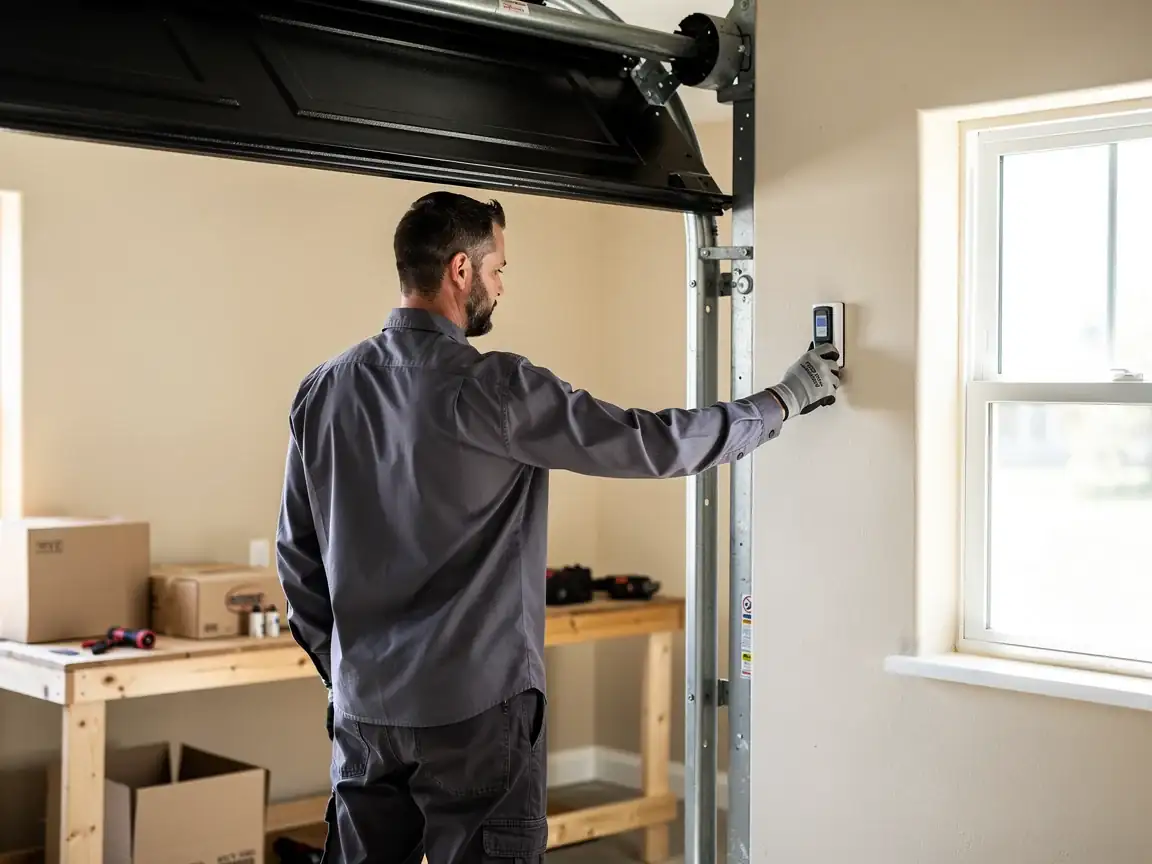
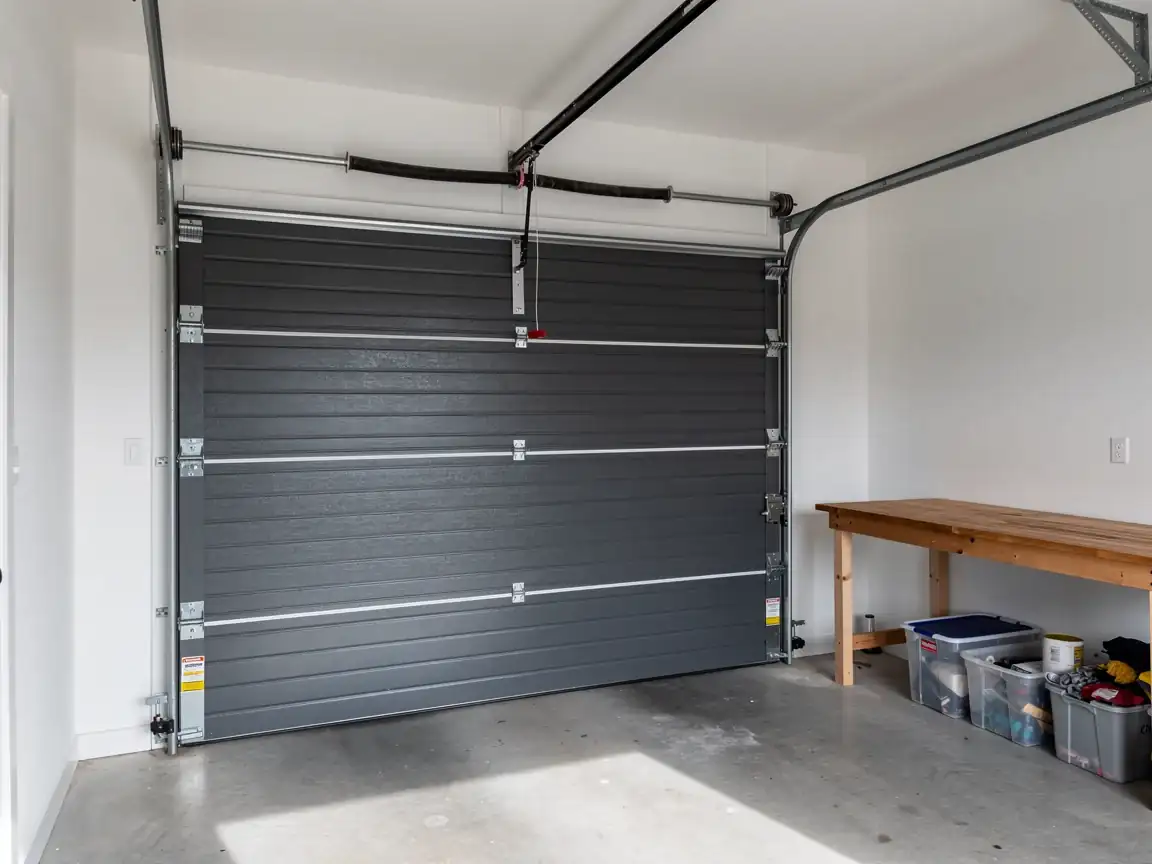
Given the 1966 median build year, most of the jobs we run in Castro Valley are torsion spring replacement, cable swaps, and roller and hinge upgrades on doors that are original or close to it. We also do opener replacement where the drive gear has worn down or the logic board is dead - common on units installed during the first big remodel wave this area saw.
One honest limit: if a door's wood jamb or track mounting has shifted enough from decades of settling, a straight parts swap won't fix it, and we'll tell you that instead of billing for a repair that won't hold. Sometimes the right call is a new door section rather than patching the old one, especially on panels that have taken sun and minor dents since the 60s. We don't stock every obsolete torsion size on the truck, so on rare original hardware we may need a day to source the right coil before we can finish the job.
What the Housing Means for Your Door
Because the median home here went up in 1966, the garage openings tend to be a standard width for that era, but the hardware mounting - torsion bar height, end bearing plate spacing - follows the conventions of that specific decade, not the 1972 median you'd find elsewhere in our coverage area. That's a real difference when it comes to finding a replacement spring or bracket that actually fits without reworking the header.
Household income in this area runs higher than the service-area median of $132,067 - $138,069 here - which we mention only because it tends to mean owners replace rather than patch once a door's hardware is clearly at the end of its run, rather than nursing a 60-year-old spring along for another winter. We make the trip in either direction: full replacement or a focused repair, depending on what the door in front of us actually needs.