The Situation
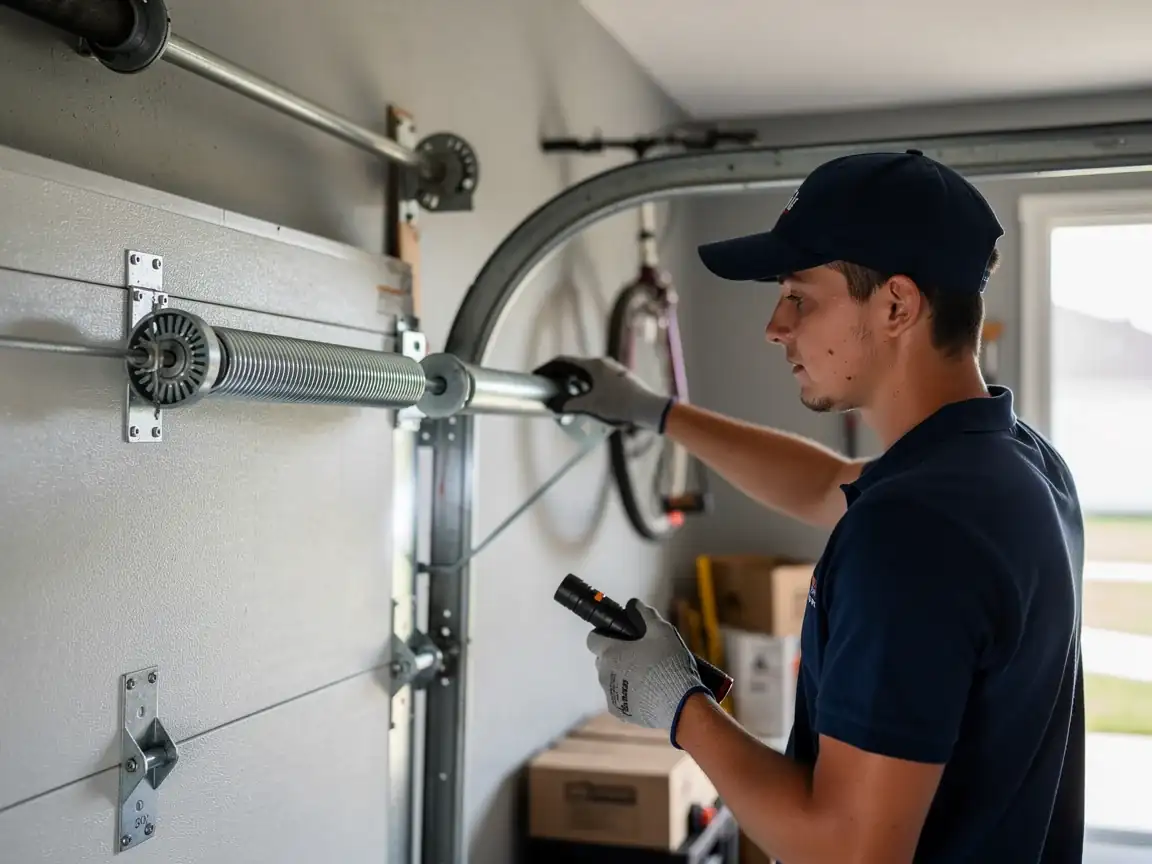
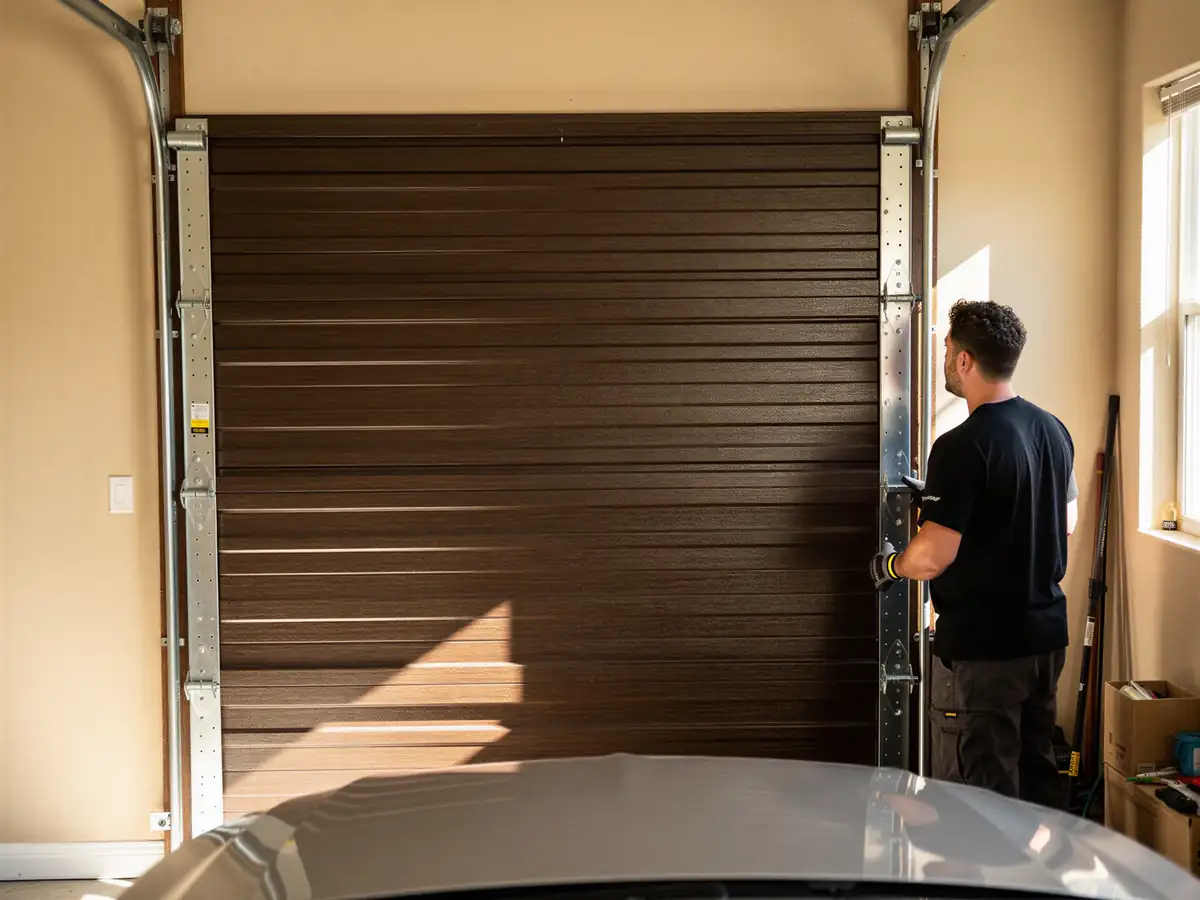
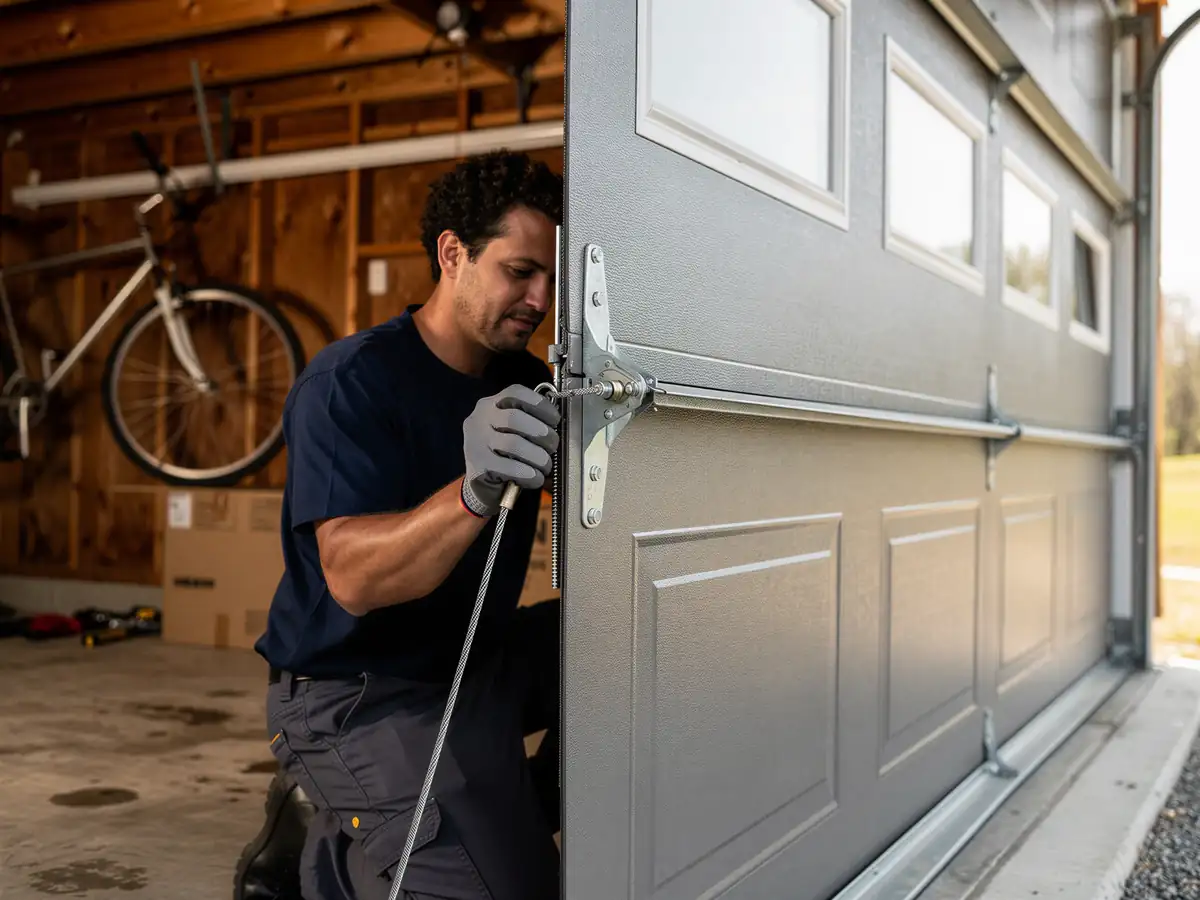
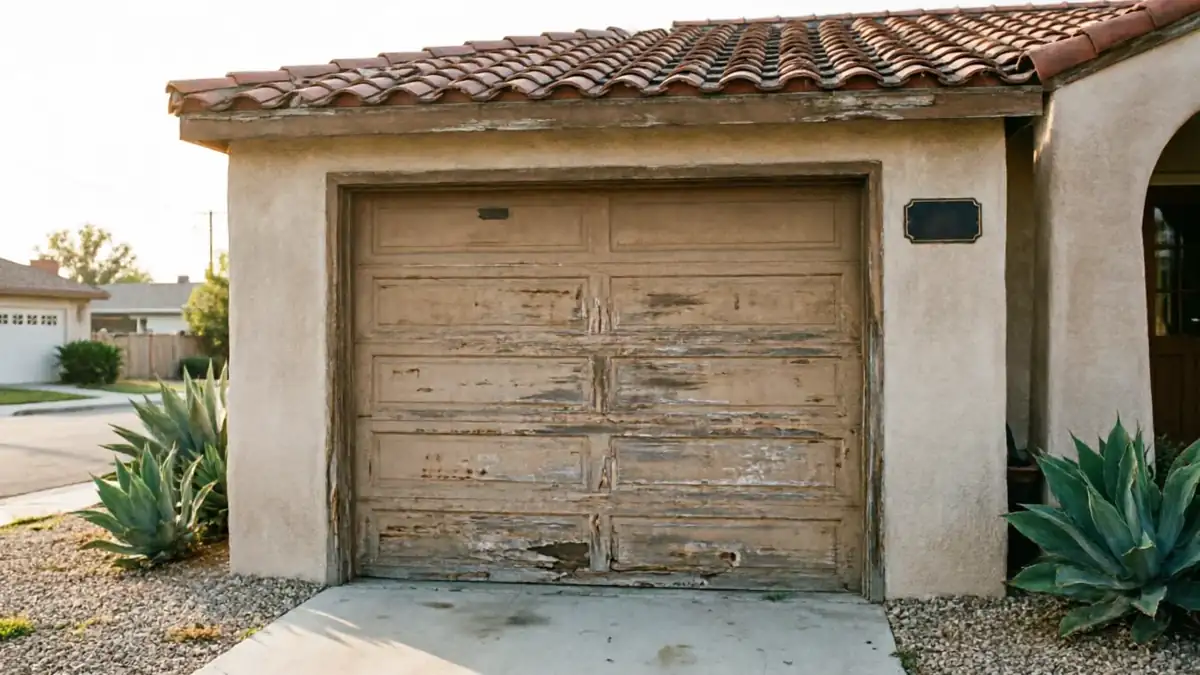
Most of the housing stock around Walnut Creek went up between 1938 and 2008, with the median build year sitting around 1972. That means a lot of doors out there are original or close to it - steel panel doors on torsion springs that were installed when the house was framed, now pushing fifty years of daily cycles. A door that old has usually been through a spring replacement or two already, maybe a cable, maybe nothing at all if the owner's been lucky.\n\nThe question homeowners ask is simple: fix the thing again, or pull it and start over. The honest answer depends less on the door's age and more on what's actually wrong. A torsion spring that snapped on a door with sound panels and a good track is almost always worth fixing - springs are a wear part, not a verdict on the whole unit. A door with rusted-through bottom panels, a bent track from years of alignment drift, or hardware nobody stocks anymore is a different story. We'll tell you straight which bucket yours is in before we quote anything.
Season by Season
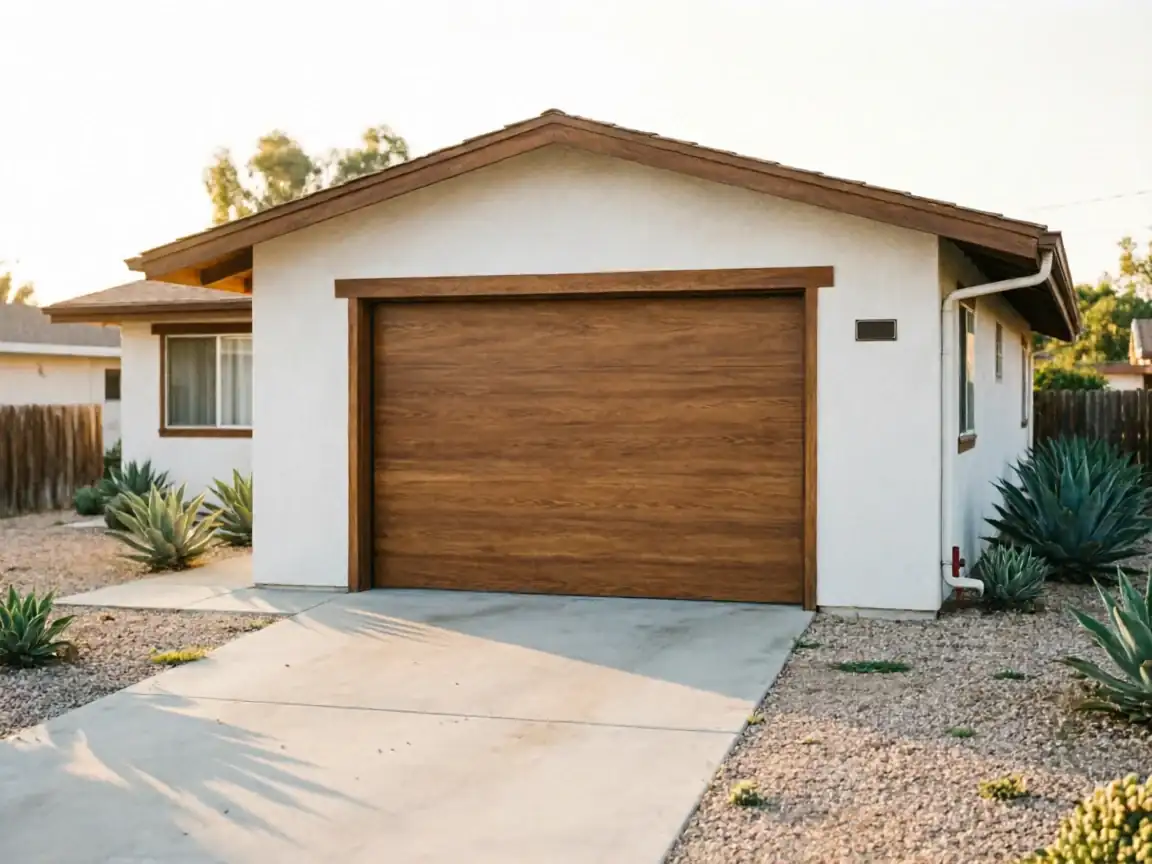
Walnut Creek sits in a mild temperate band, which is kinder to garage doors than most of the country - no deep freeze to crack a torsion spring, no humidity swings that warp wood jamb trim every year. That's the main reason a lot of these older doors have lasted as long as they have.\n\nStill, the year isn't uniform. Spring and early summer bring the heaviest day-to-day temperature swings, and that's when a spring under marginal tension is most likely to finally let go - metal fatigue doesn't wait for a dramatic weather event here, it just accumulates. Late summer heat can dry out old weatherstrip and lubricant on tracks that haven't been serviced in years, which shows up as grinding or sticking.\n\nWinter is the quietest season for calls in a mild climate like this, but it's also the best time to get ahead of a spring that's been making noise all year, before the warm-weather rush hits. There's no hard freeze to force your hand, so the timing is yours to pick rather than the weather's.
How Local Conditions Play In
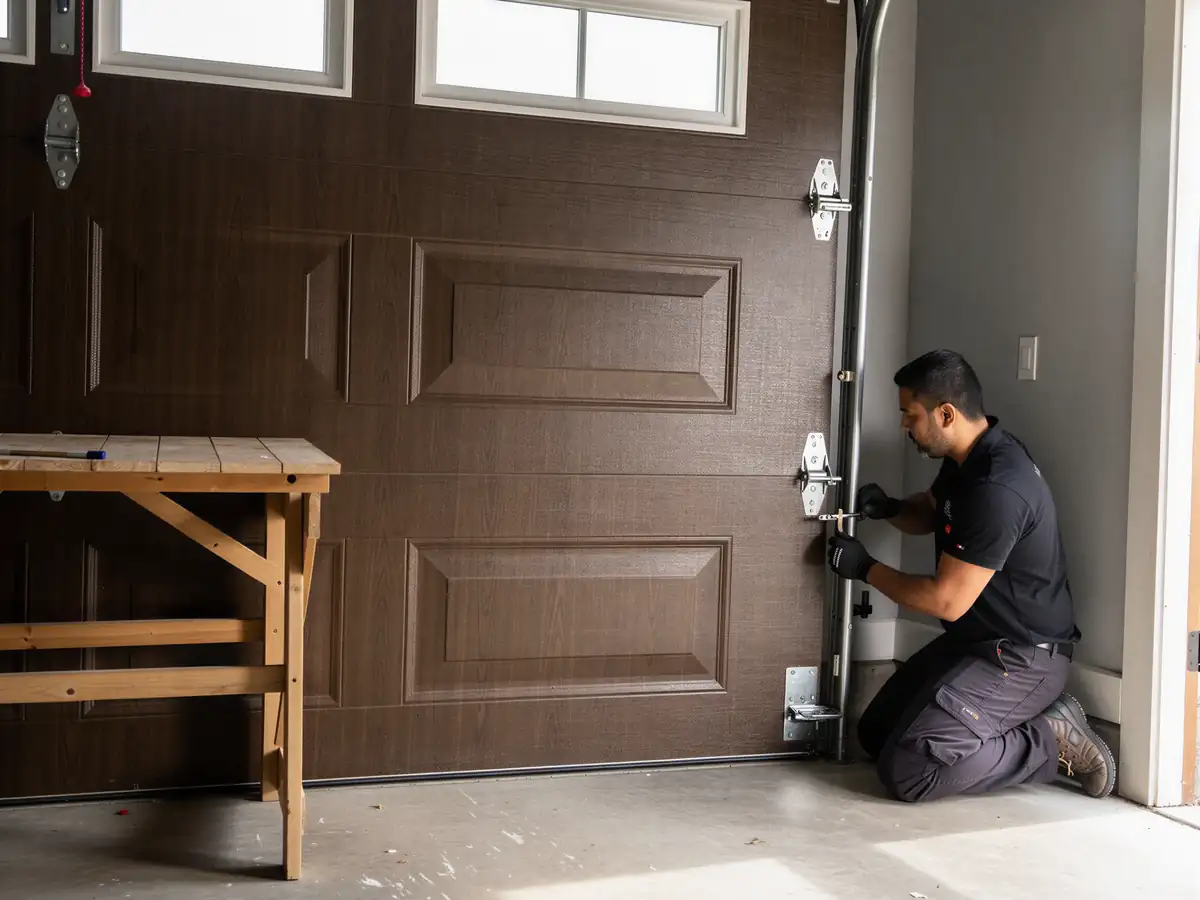
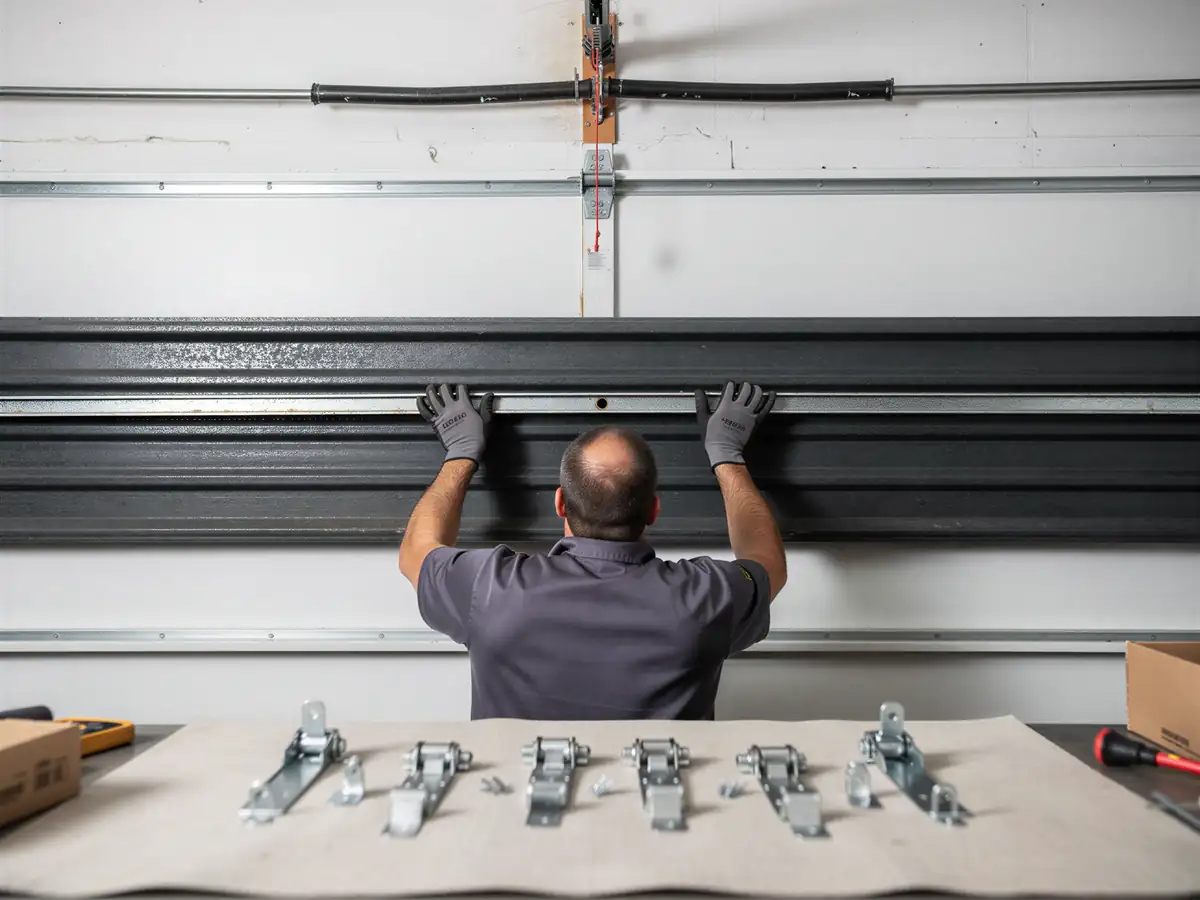
Because the climate here is mild, the usual culprits that kill garage doors elsewhere - ice-locked tracks, swollen wood panels, rust from road salt - aren't really in play. What ages a door around Walnut Creek is almost entirely cycles and original hardware, not weather damage. That changes the math on repair versus replace: a 50-year-old door here can still have a straight track and sound panels, because the climate never tried to destroy it.\n\nThat's good news for repair costs, but it cuts both ways. A door that's lasted this long on original parts is also a door built to an older, thinner steel gauge, with hardware sized for a lighter load than current doors carry. If you're repairing a door from the 1960s-70s stock common in this area, parts availability is the real limiting factor, not the weather - torsion springs and tracks are standard sizes we can match, but some original hinge and roller hardware isn't made anymore, and we'll say so rather than force a mismatched part onto a door that deserves better.