What Causes It Around Here
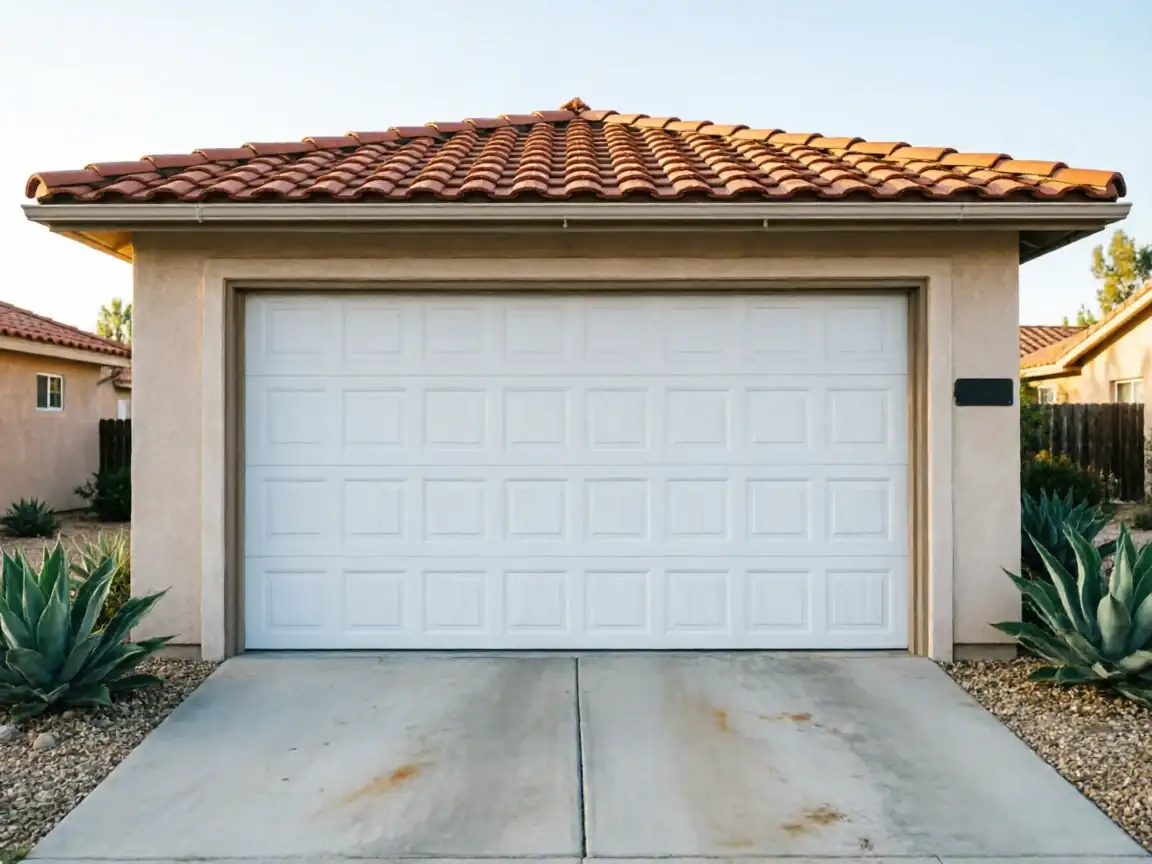
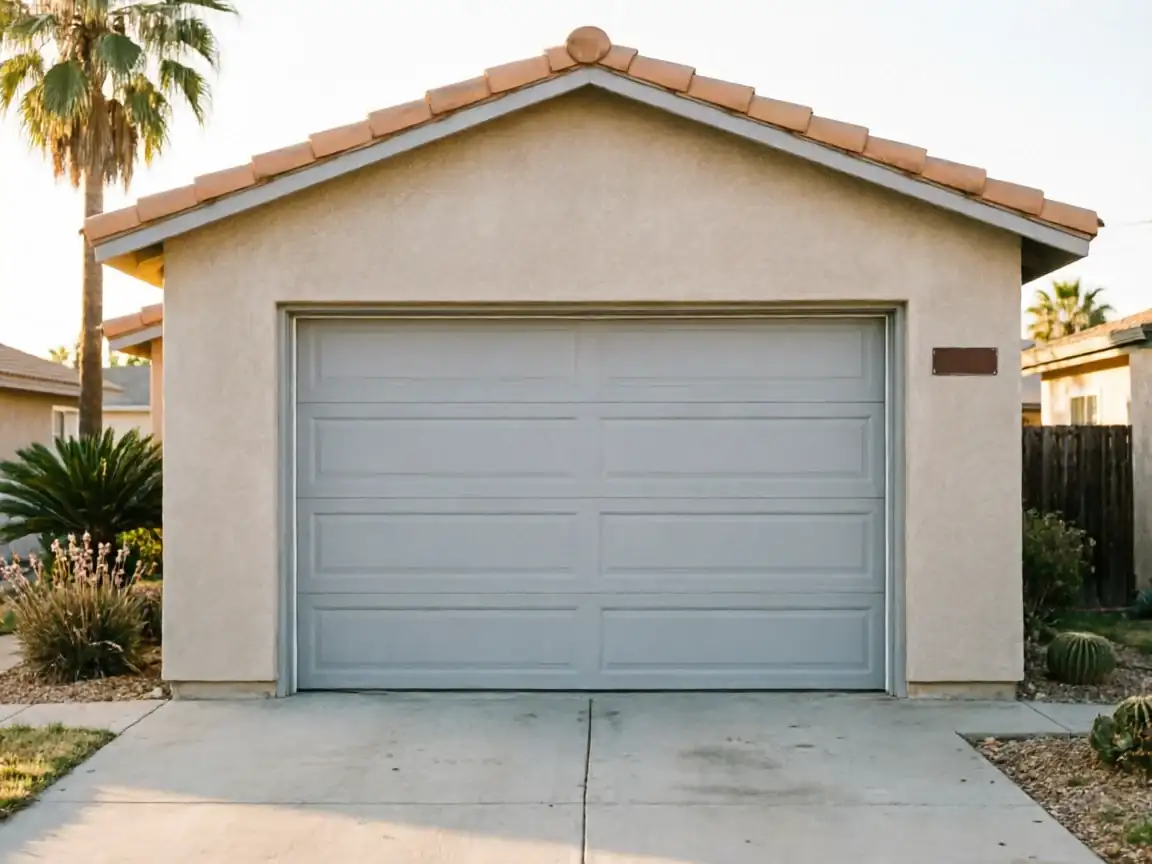
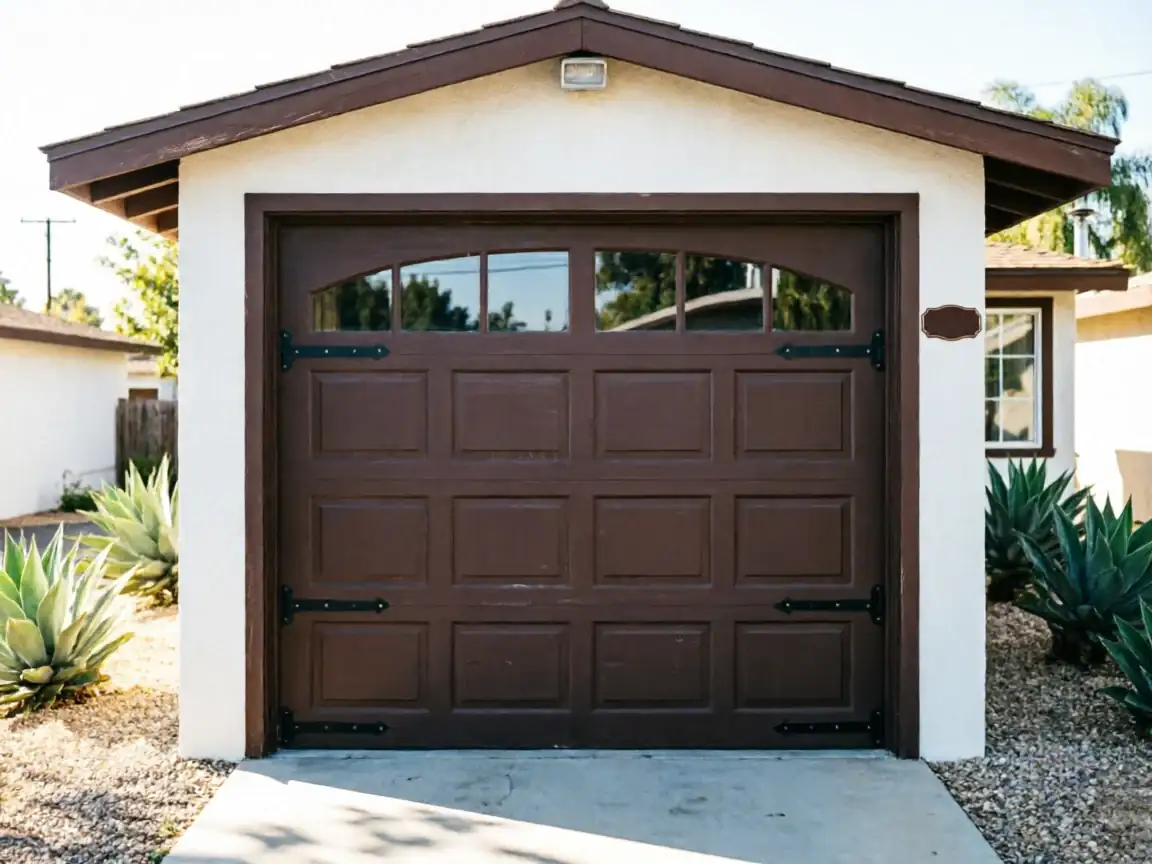
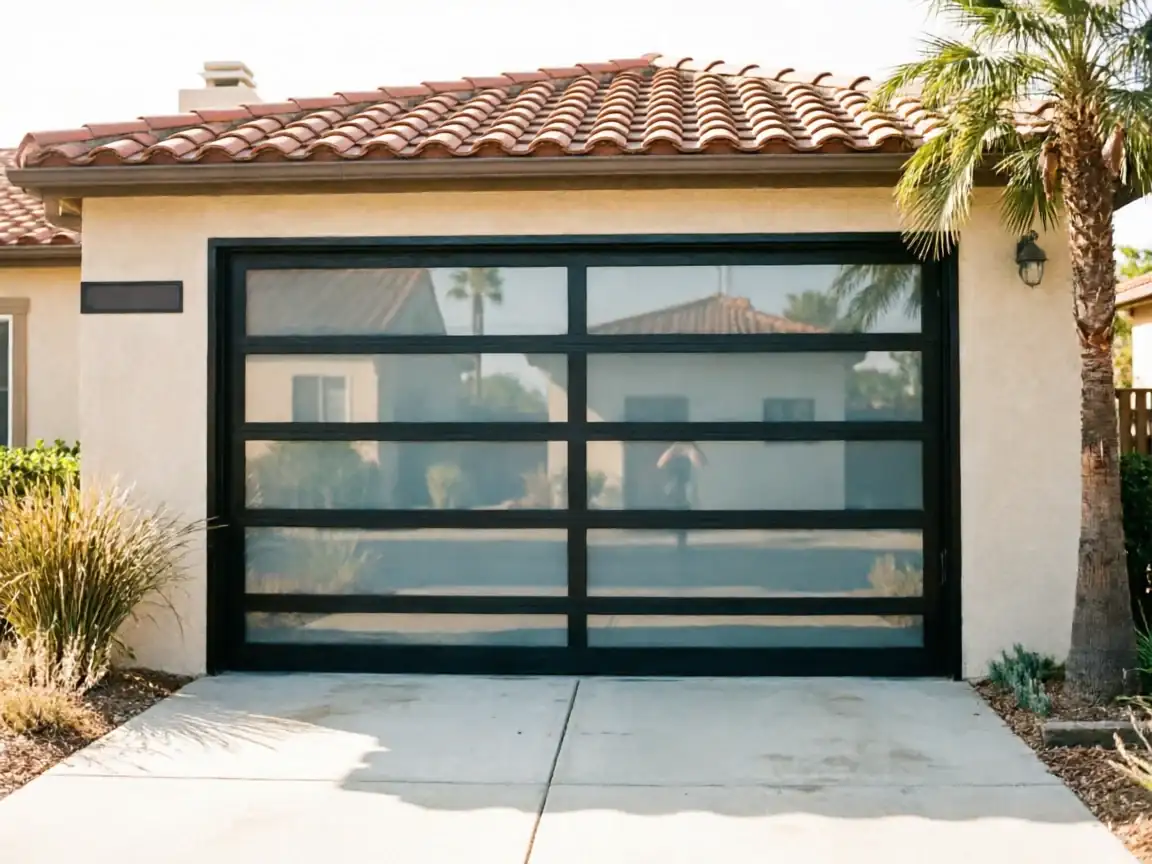
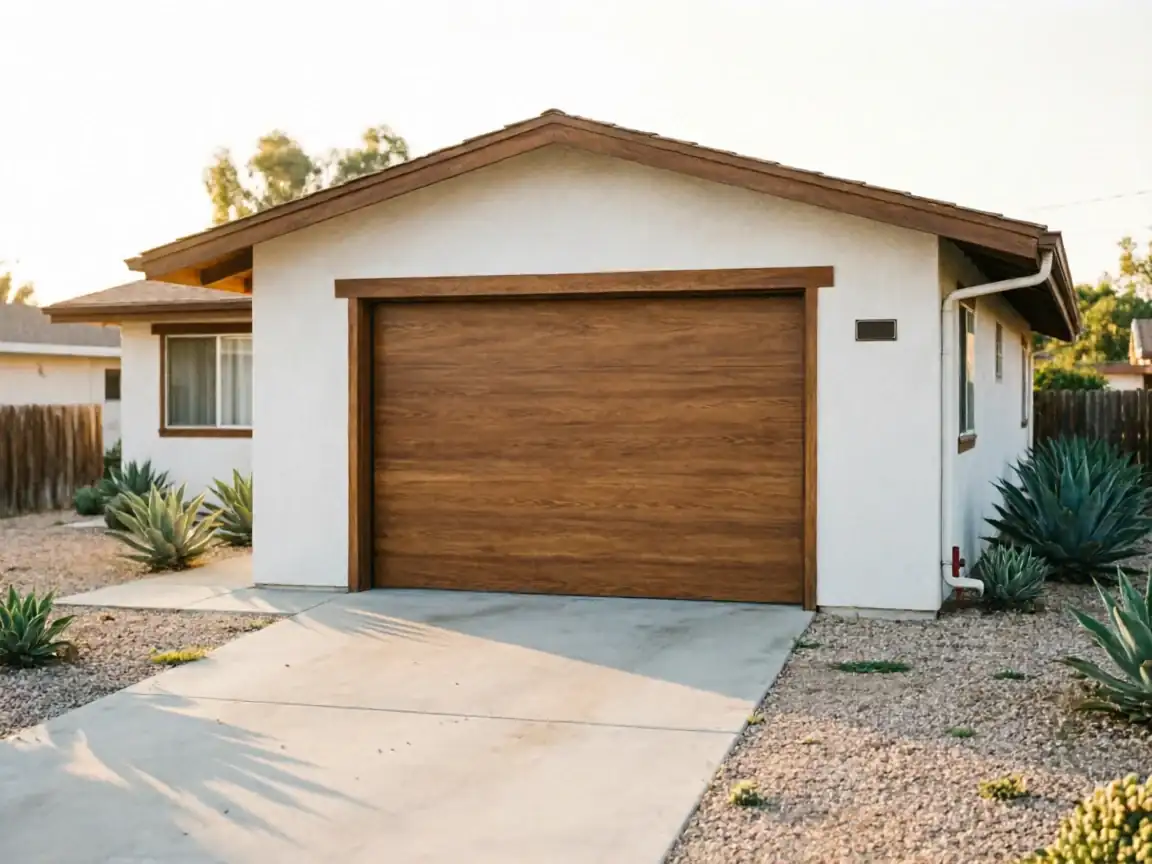
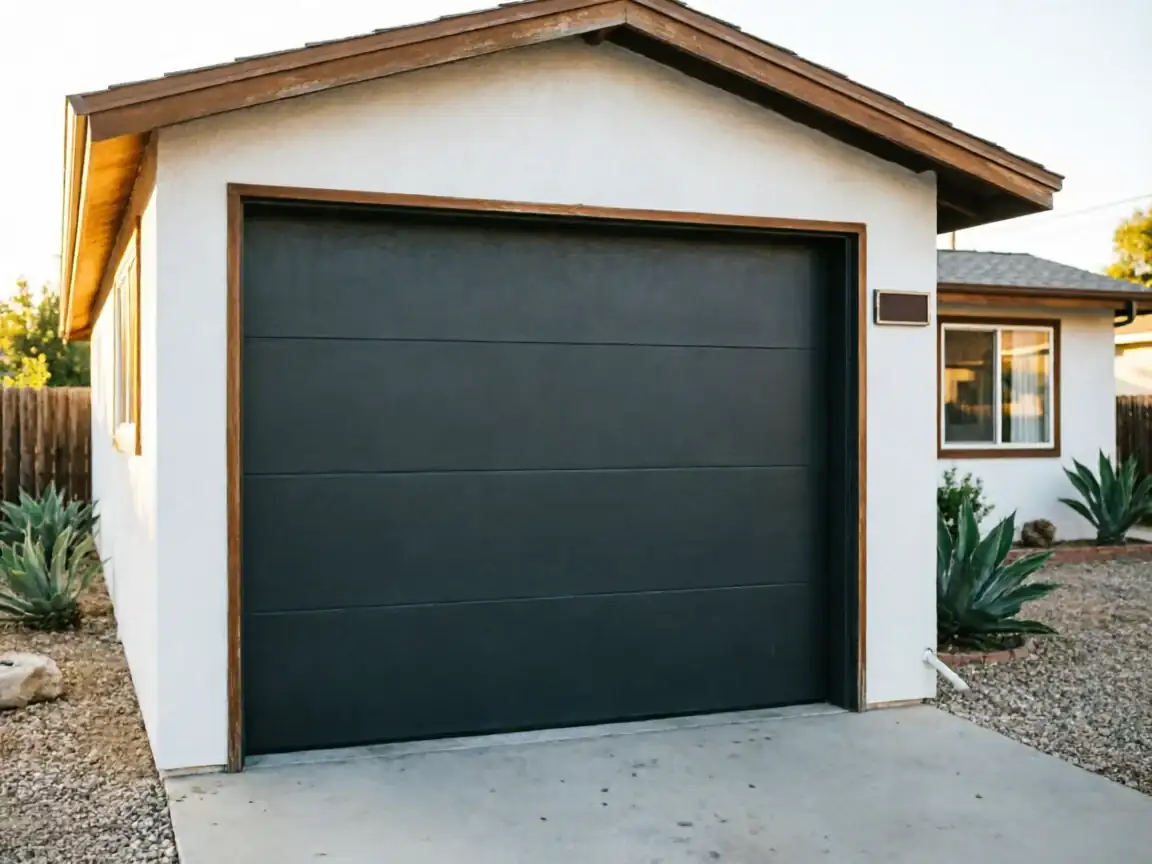
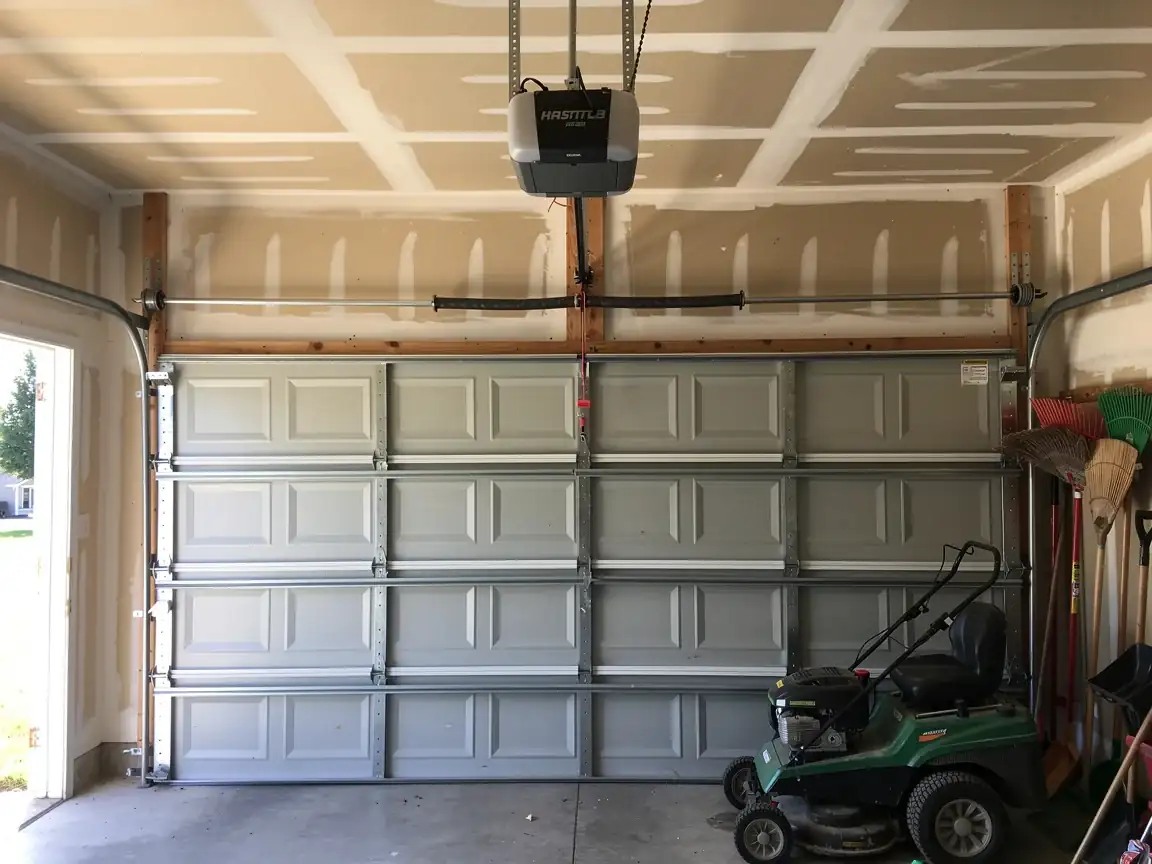
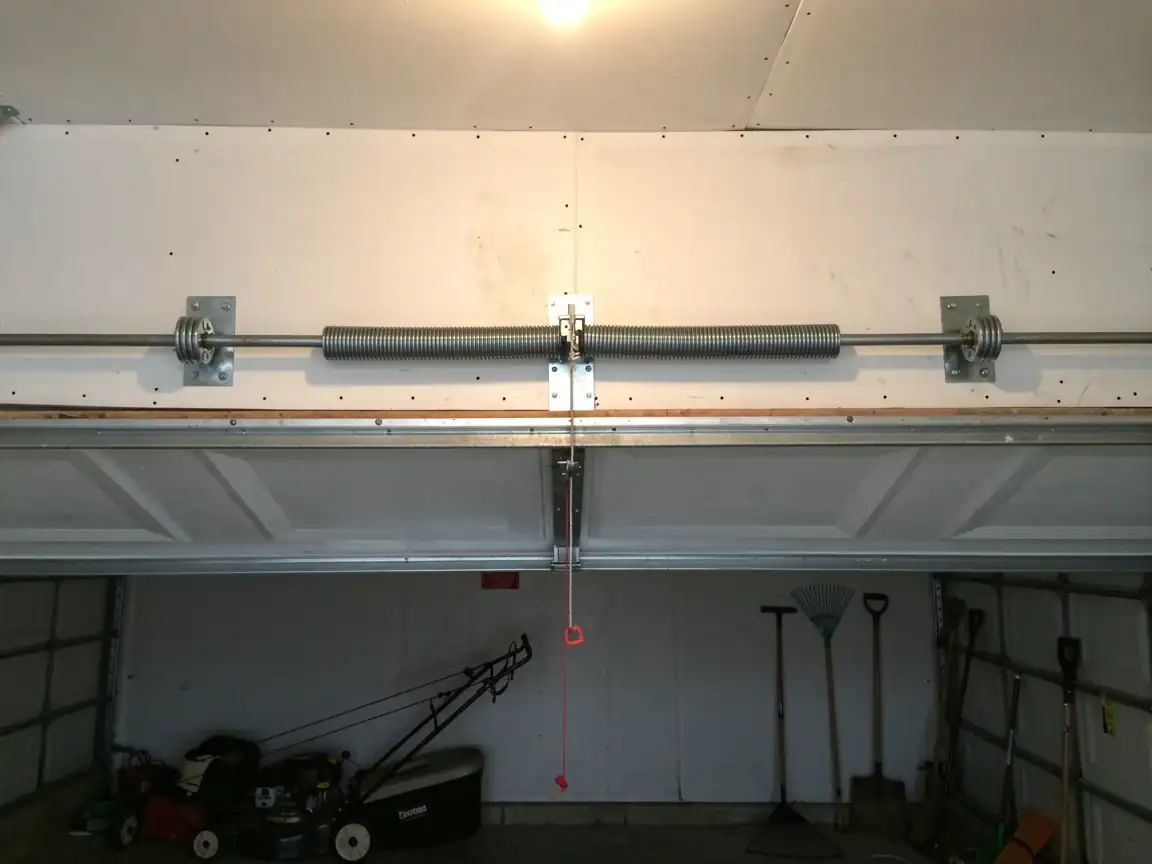
Most of the houses we work on in Walnut Creek went up between 1938 and 2008, with the bulk of the stock dating to the 1960s and 70s across the area's named neighborhoods, from San Miguel out toward. Doors from that era are steel or aluminum sectional panels on tracks that were never built for today's wider two-car openers, and after fifty-plus years the panel seams and hinge points are the first thing to give. A dented panel usually comes from a backed-into car or a stray basketball, not from weather - Walnut Creek sits in a mild temperate band, so we don't see the freeze-thaw cracking or wind-driven panel fatigue you'd get in a harsher climate. What we do see is UV and heat cycling on older paint and fiberglass panels, which makes them brittle enough that a small dent turns into a crack along the seam. On a lot of these mid-century doors, the exact panel profile was discontinued years ago, which changes how we approach the fix.
The Symptom
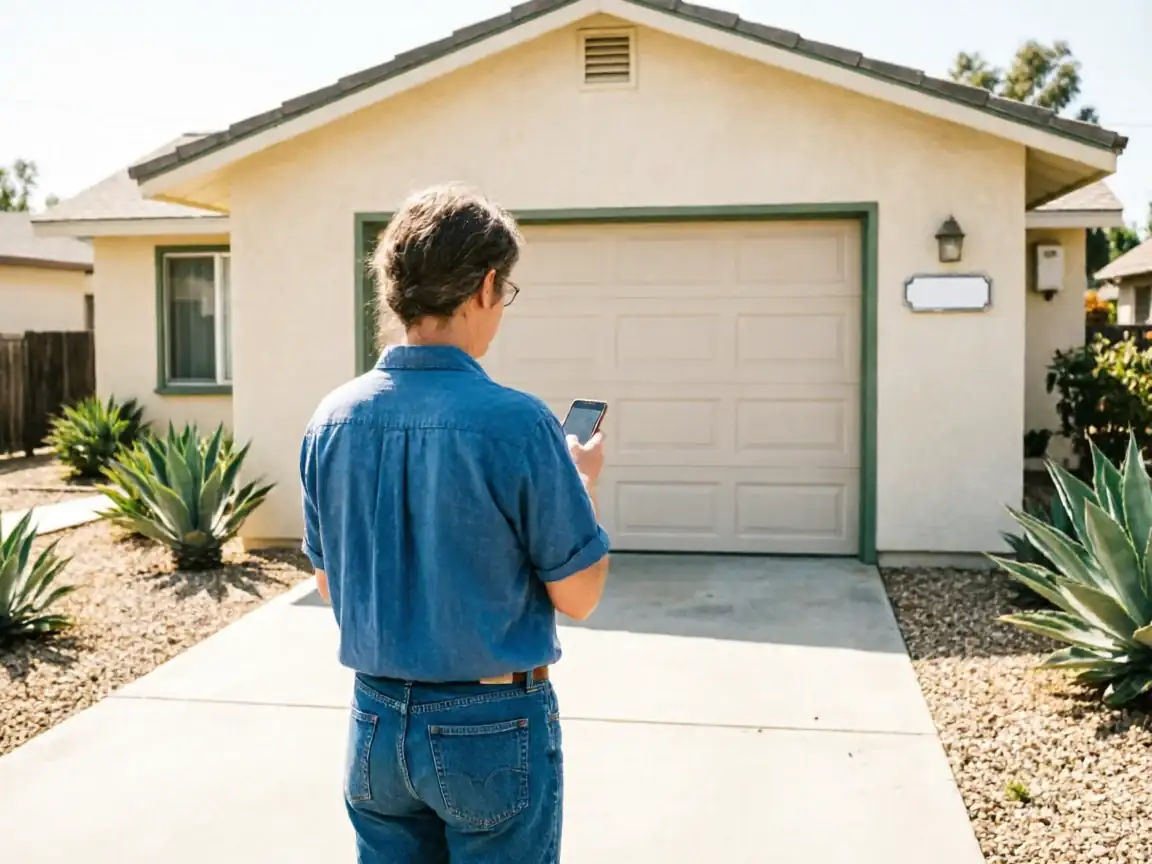
The giveaway is a visible dent, crack, or buckle in one or two sections of the door while the rest of the panels and the opener still work fine. Sometimes it's cosmetic - the door closes level and seals at the bottom. Other times the dent is deep enough to bow the panel inward, which throws off the track alignment and makes the door bind, grind, or reverse partway through its cycle. On older Walnut Creek doors, a cracked panel seam often shows up first as a thin gap where the weatherstrip used to sit flush, letting in light along one edge. If you see rust blooming at the dent site on a steel panel, that's moisture working its way into bare metal exposed by the impact, and it spreads faster than you'd think even in a mild climate.
How We Fix It
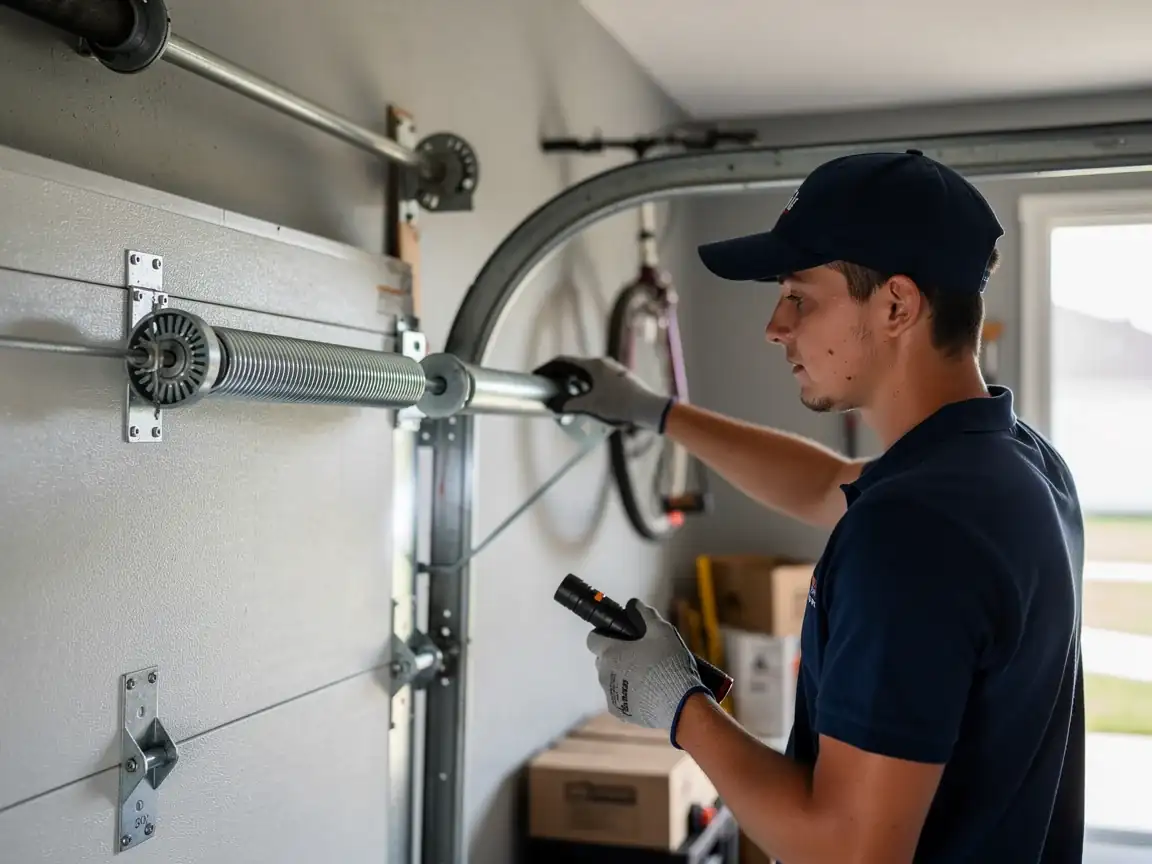
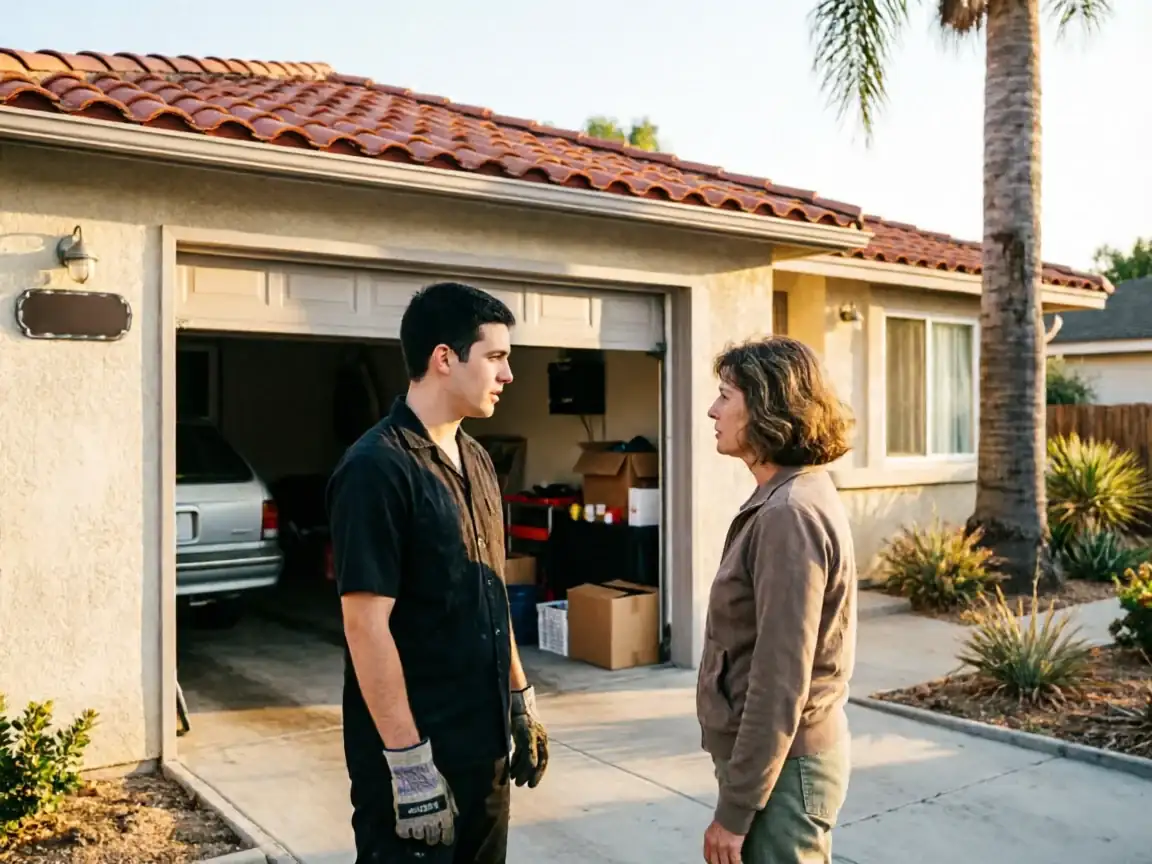
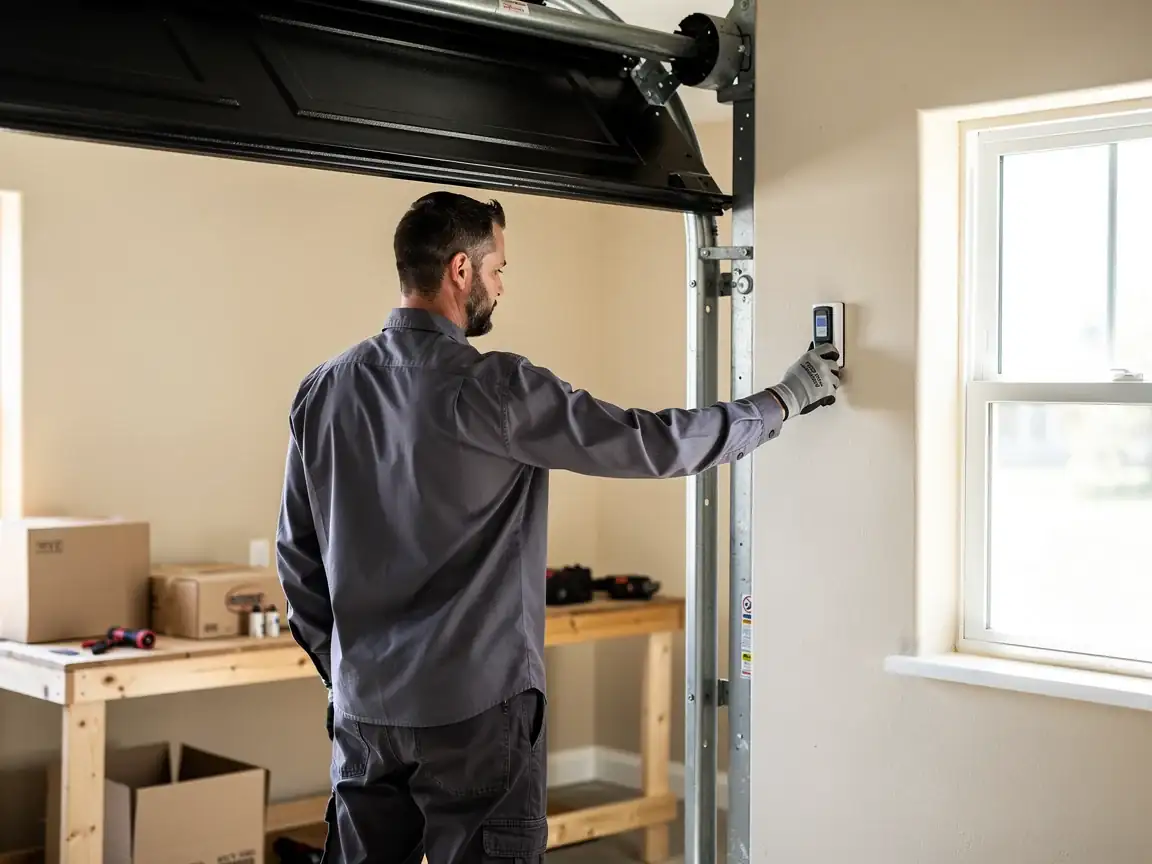
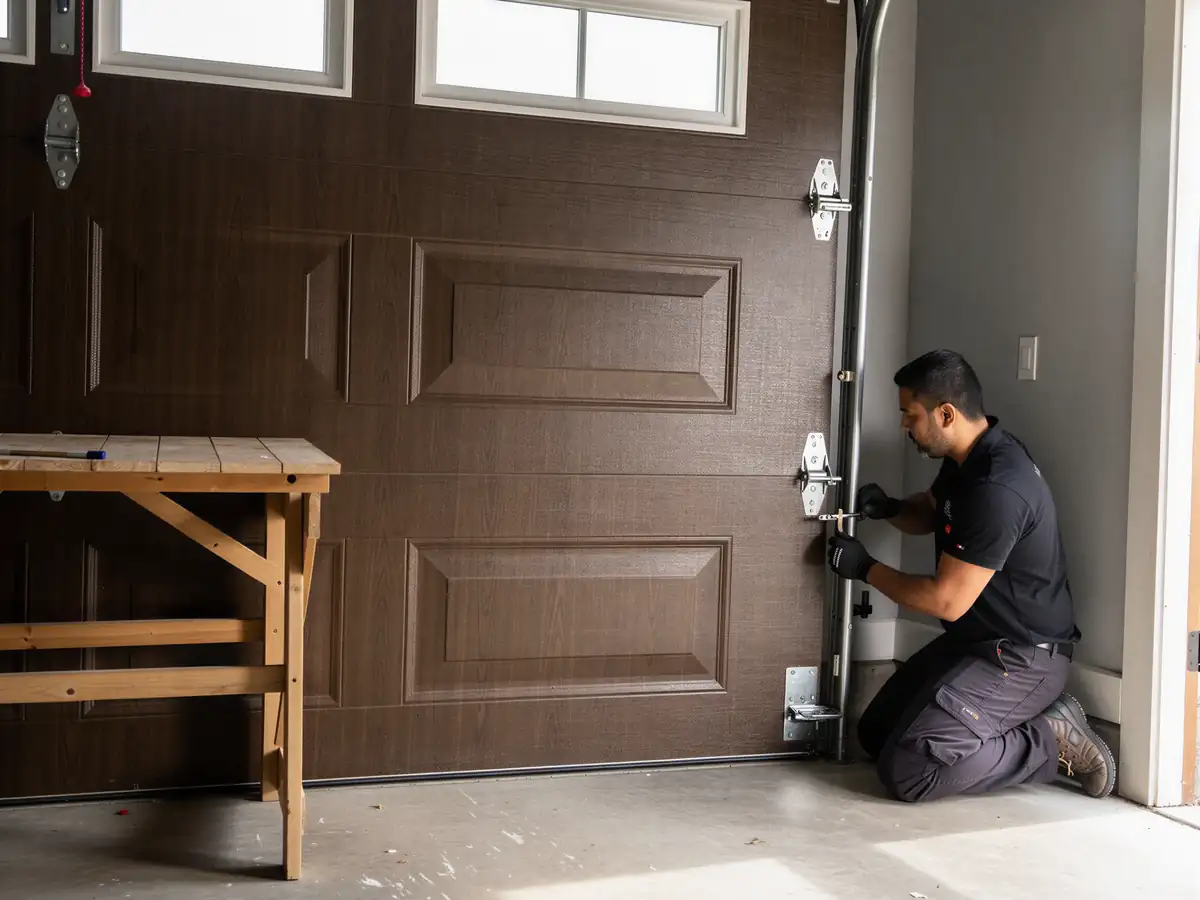
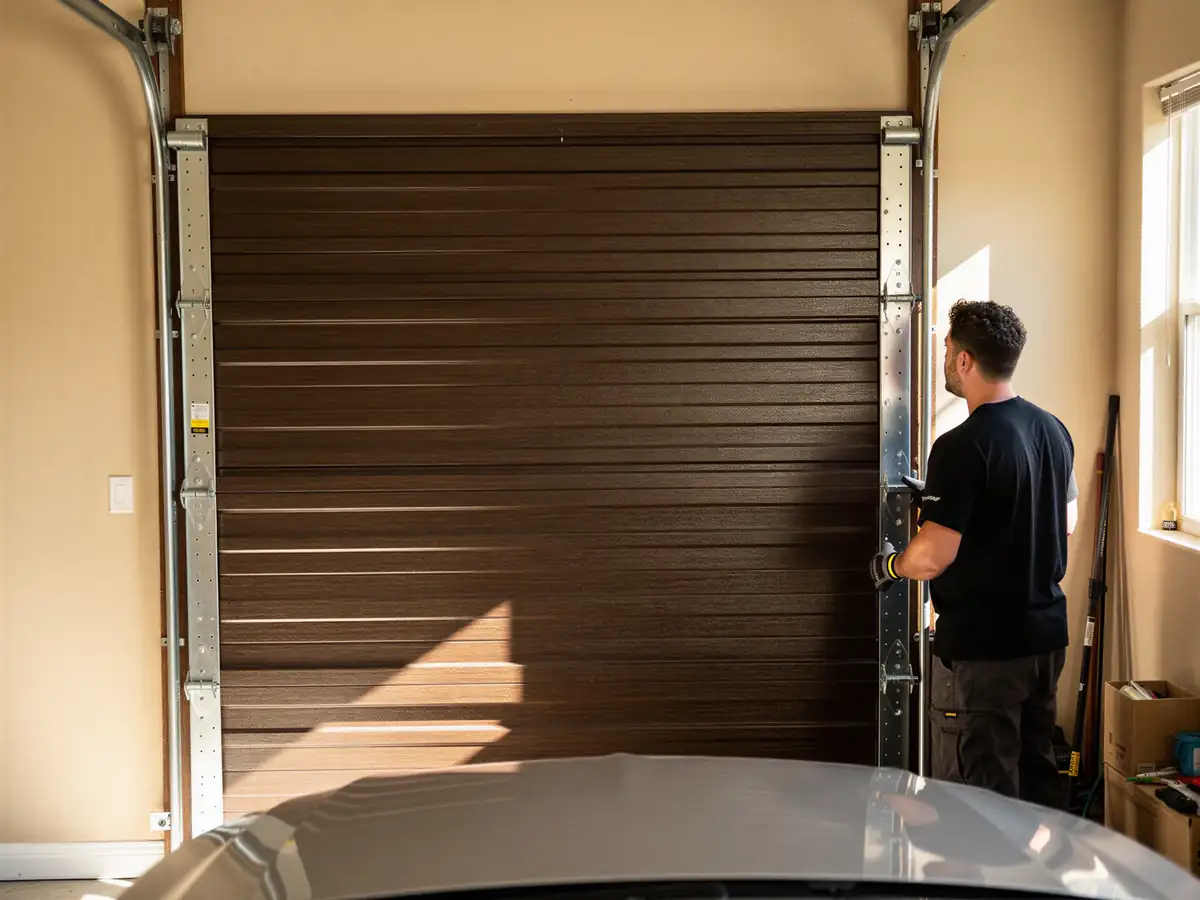
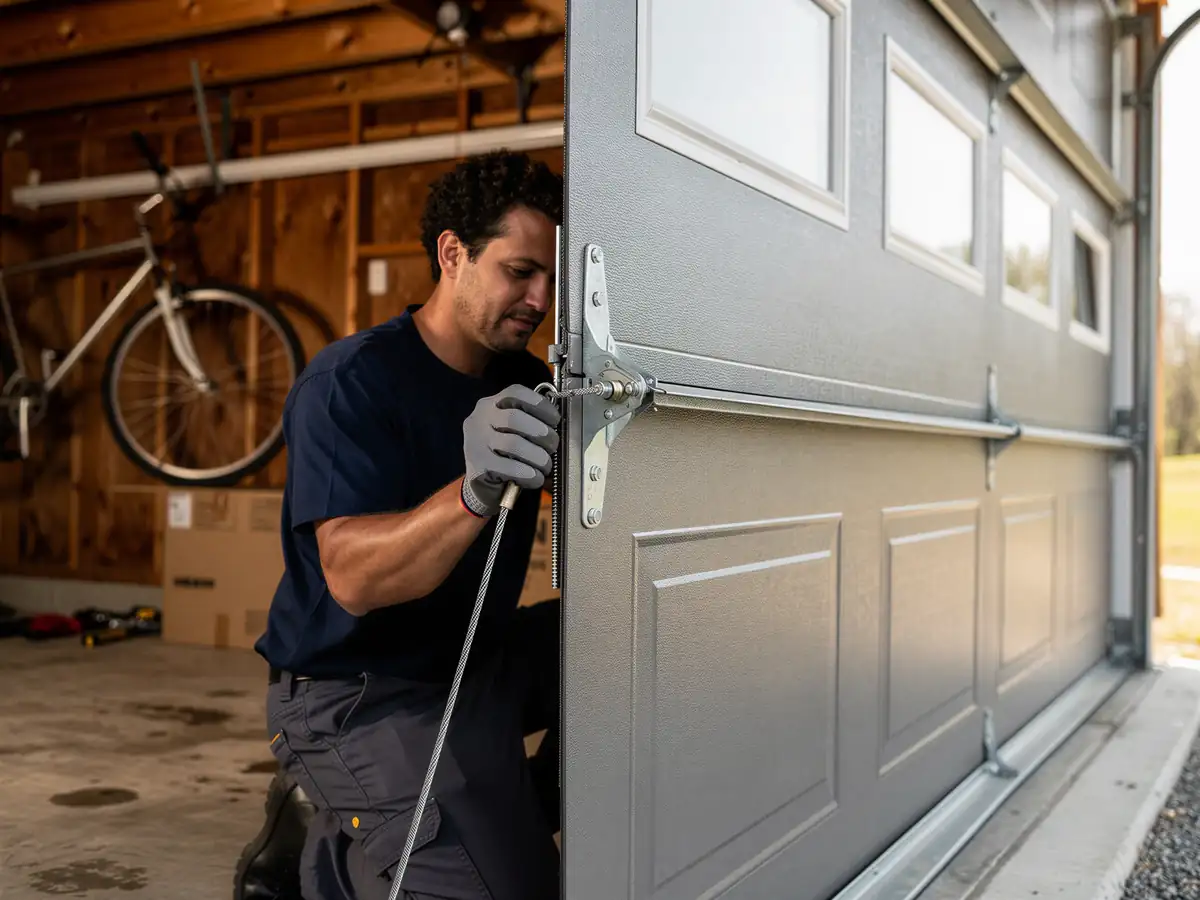
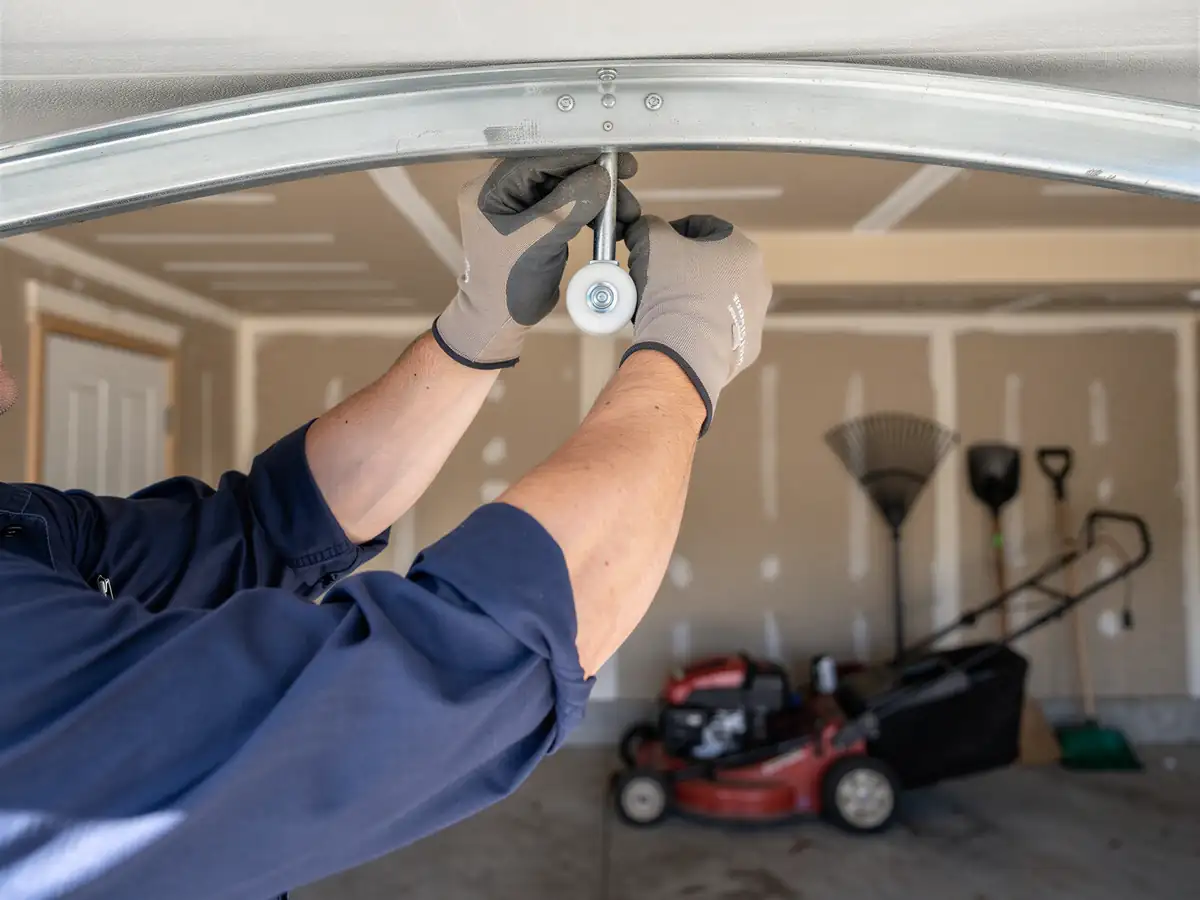
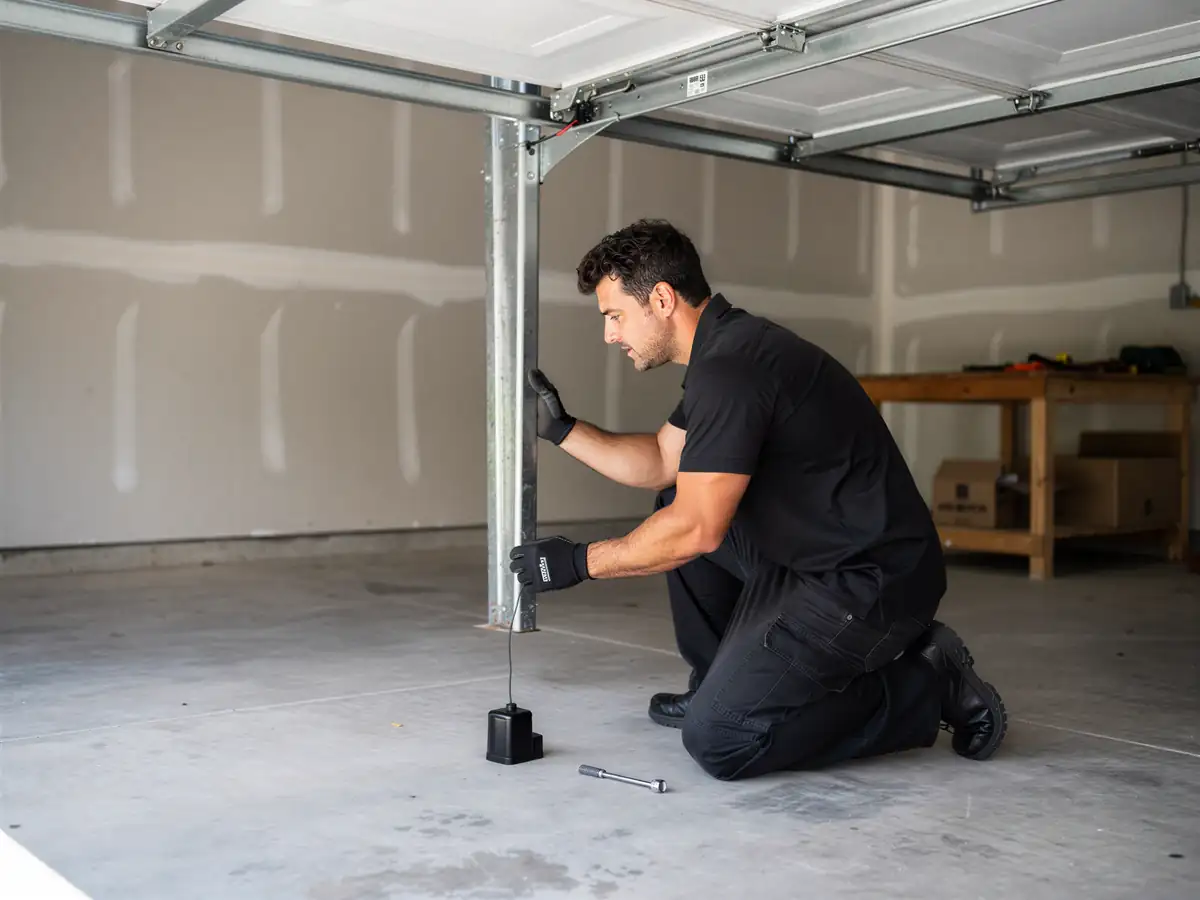
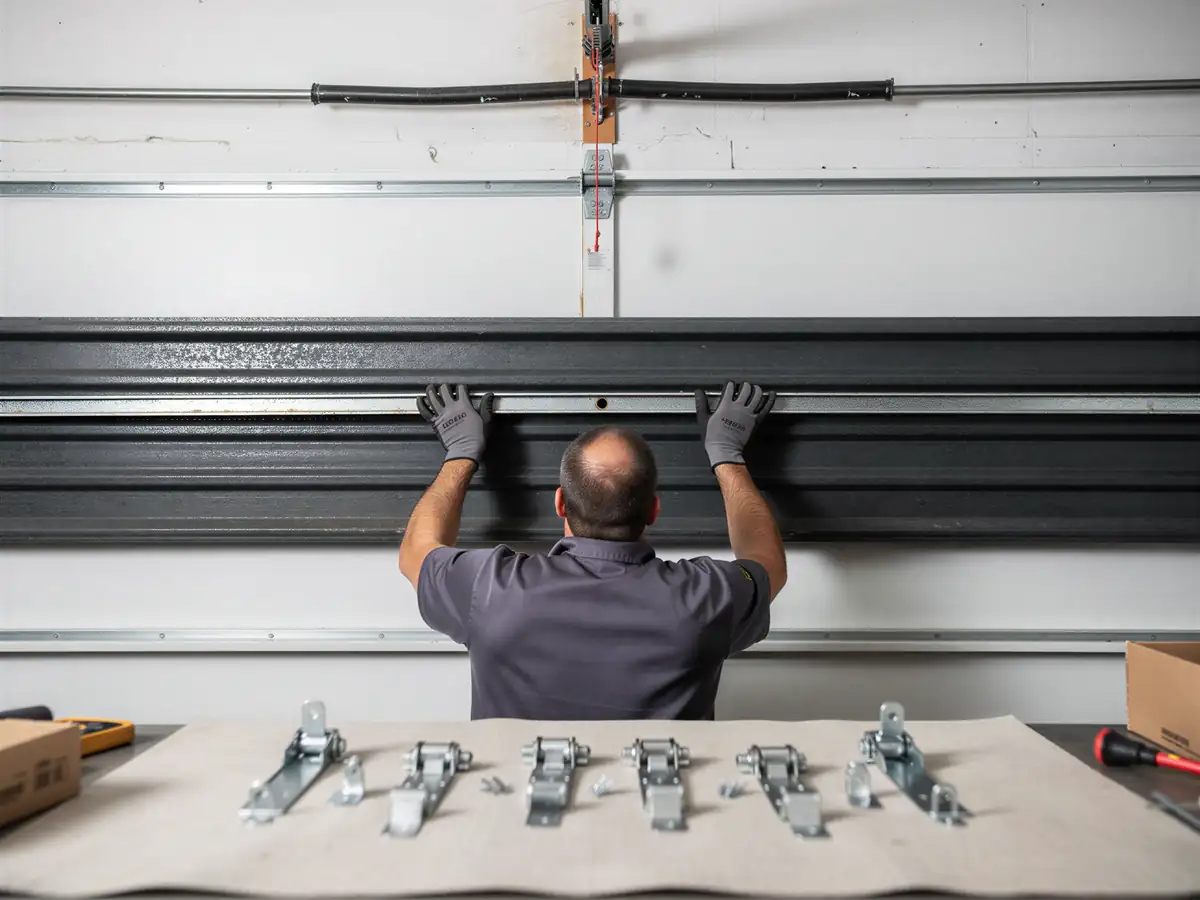
We start by identifying the door's make, model, and panel profile, which on a lot of Walnut Creek's older housing stock means cross-referencing discontinued lines rather than pulling a part off a shelf. If we can source a matching panel, we replace just that section and re-square the track. If the profile's gone or the door's old enough that color and texture won't match across sections, we'll tell you straight that a full door replacement is the better call rather than a mismatched patch job you'll notice every time you pull in the driveway. Either way we check the rollers, hinges, and track alignment on the whole door while we're there, since a dent heavy enough to need a panel swap often knocks something else out of line too. We don't carry every discontinued panel profile in stock - some orders take time to source, and we'll give you a straight timeline before you commit.