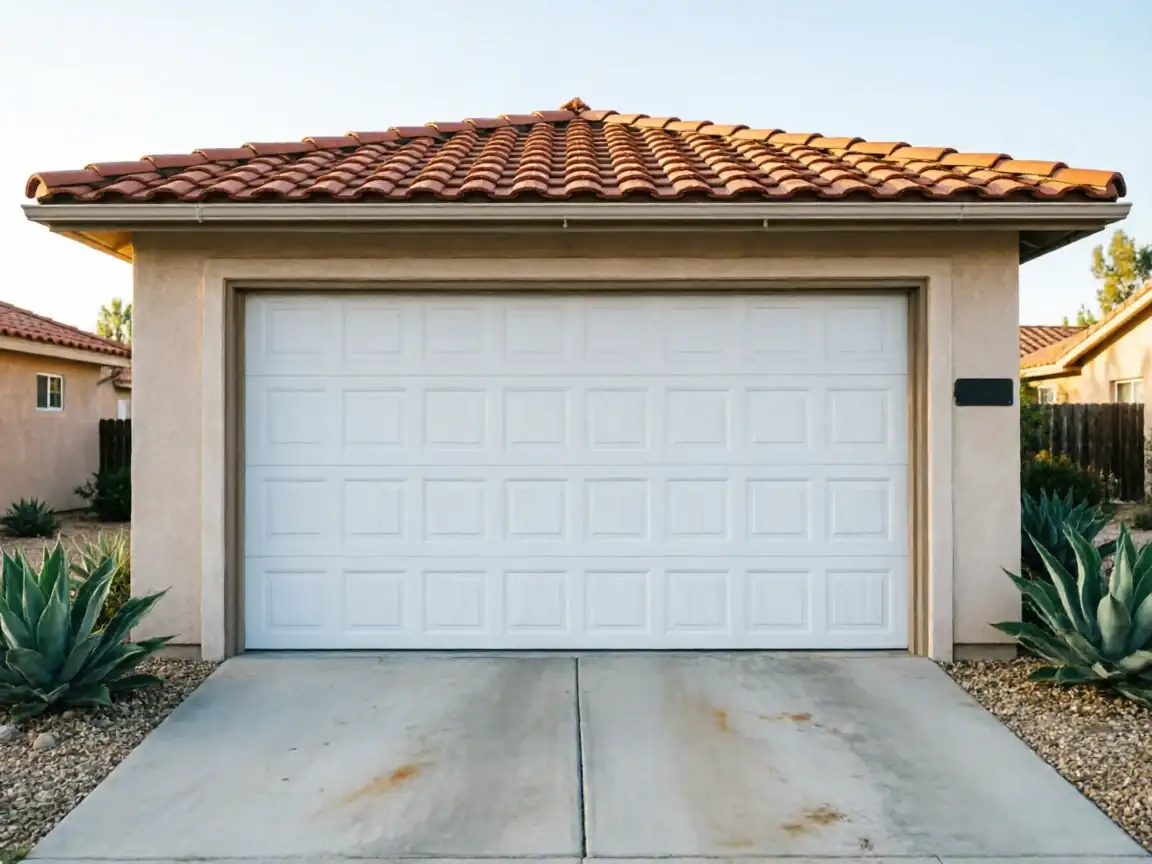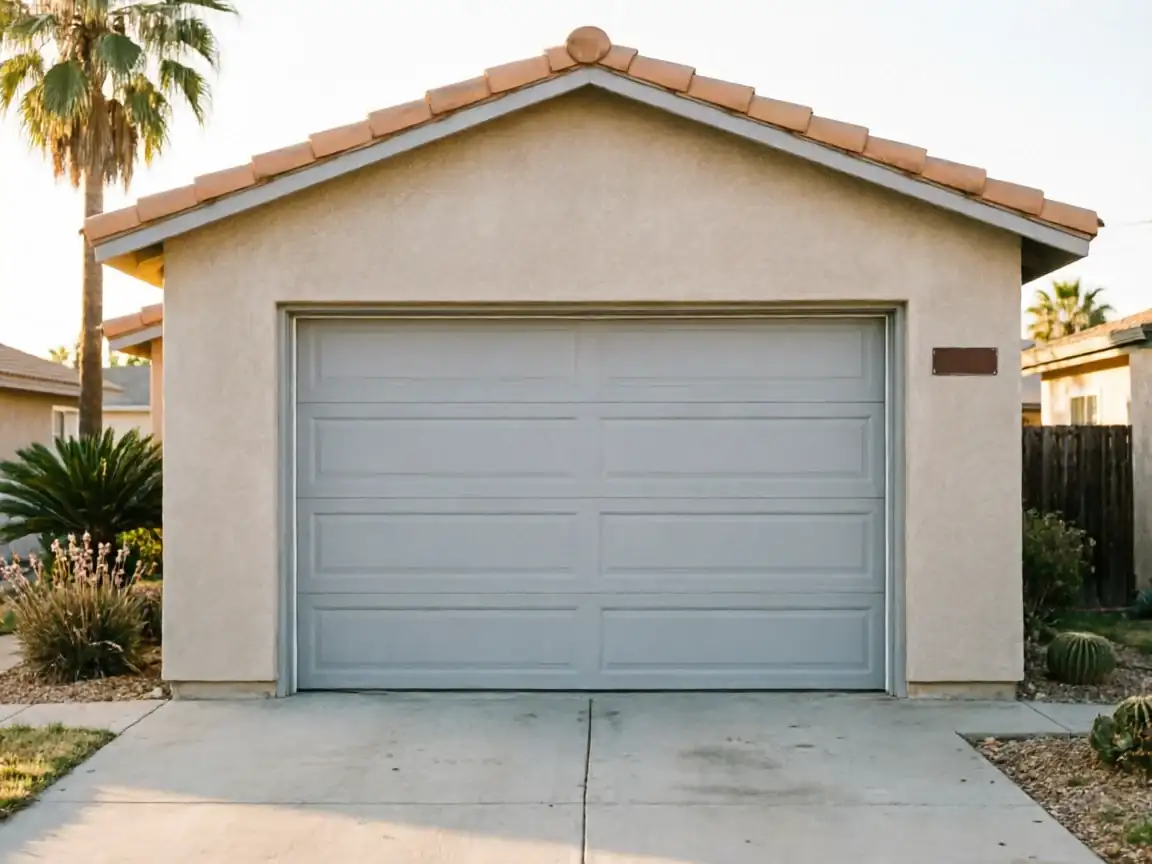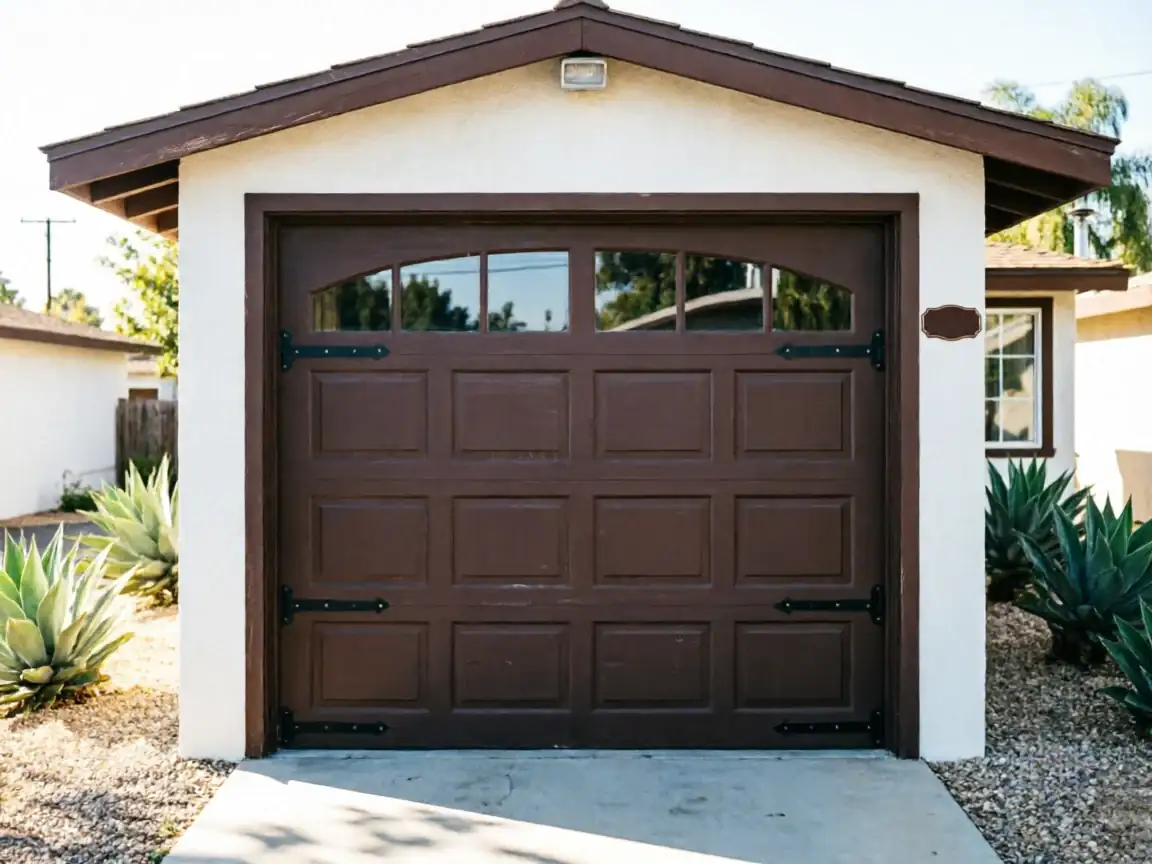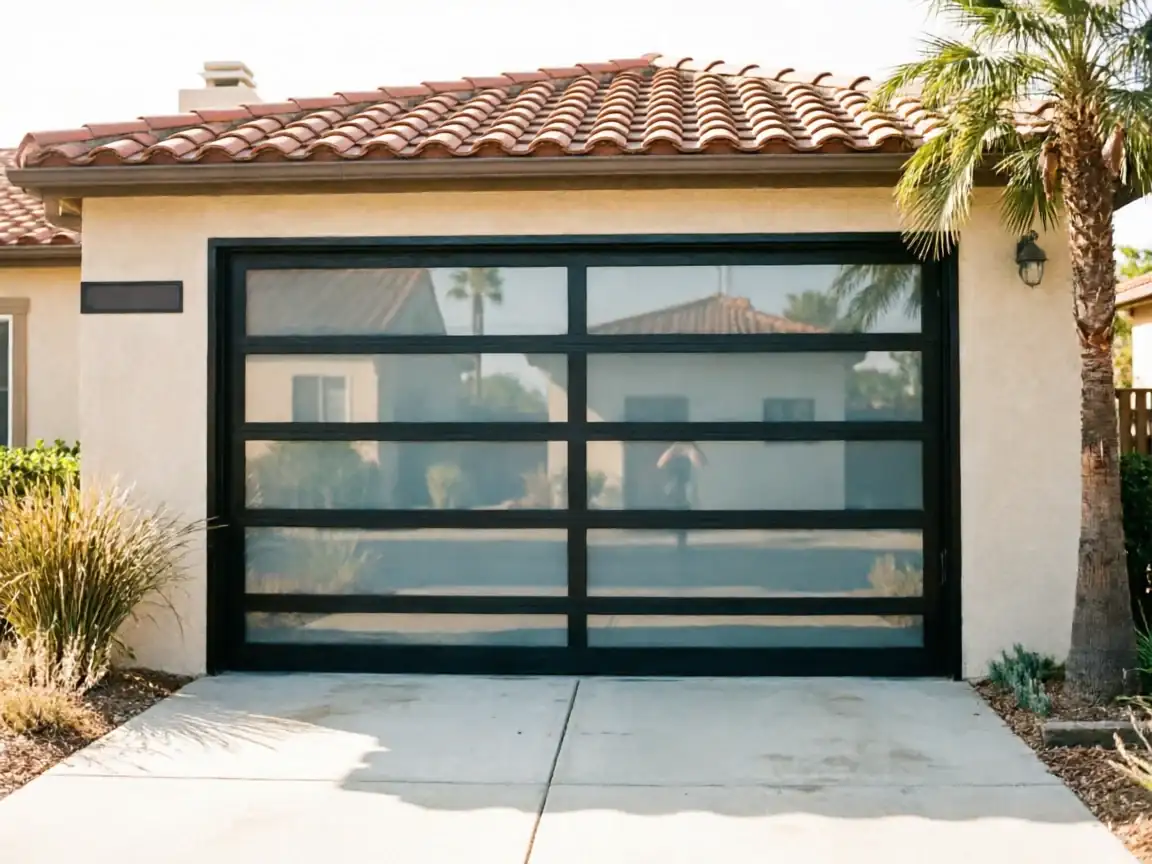
What Causes It Around Here
Housing in this service area was built mostly between 1938 and 2008, with the median home going up around 1972 and the bulk of the stock dating to the 1960s and 70s. That matters because a huge share of the doors we get called on still carry original or first-replacement torsion hardware - springs rated for a 20 to 25 year life that are now pushing 50. When a spring that age finally lets go, it tends to go all at once, usually on the coldest morning of a cold snap or after a run of damp days when the metal has flexed one time too many.
The climate here is mild temperate, so we don't see the extreme freeze-thaw cycling that wrecks hardware in harsher regions, but we do see steady, slow fatigue - cables fraying at the drum, rollers going oval, center bearing plates wearing thin from four decades of the same up-and-down cycle. Across the 39 named communities we work in, the pattern repeats: a door that's been fine for years suddenly won't open, won't close, or comes off track mid-cycle, and it's almost always age-related wear catching up with a house built in that same 1960s-70s window.
Newer construction in parts of the area sees less of this, but a lot of the housing stock still running original springs means this isn't a rare call for us - it's the bulk of the emergency work.
Doing It Yourself
If the door is stuck open or stuck down and nobody's hand or car is near it
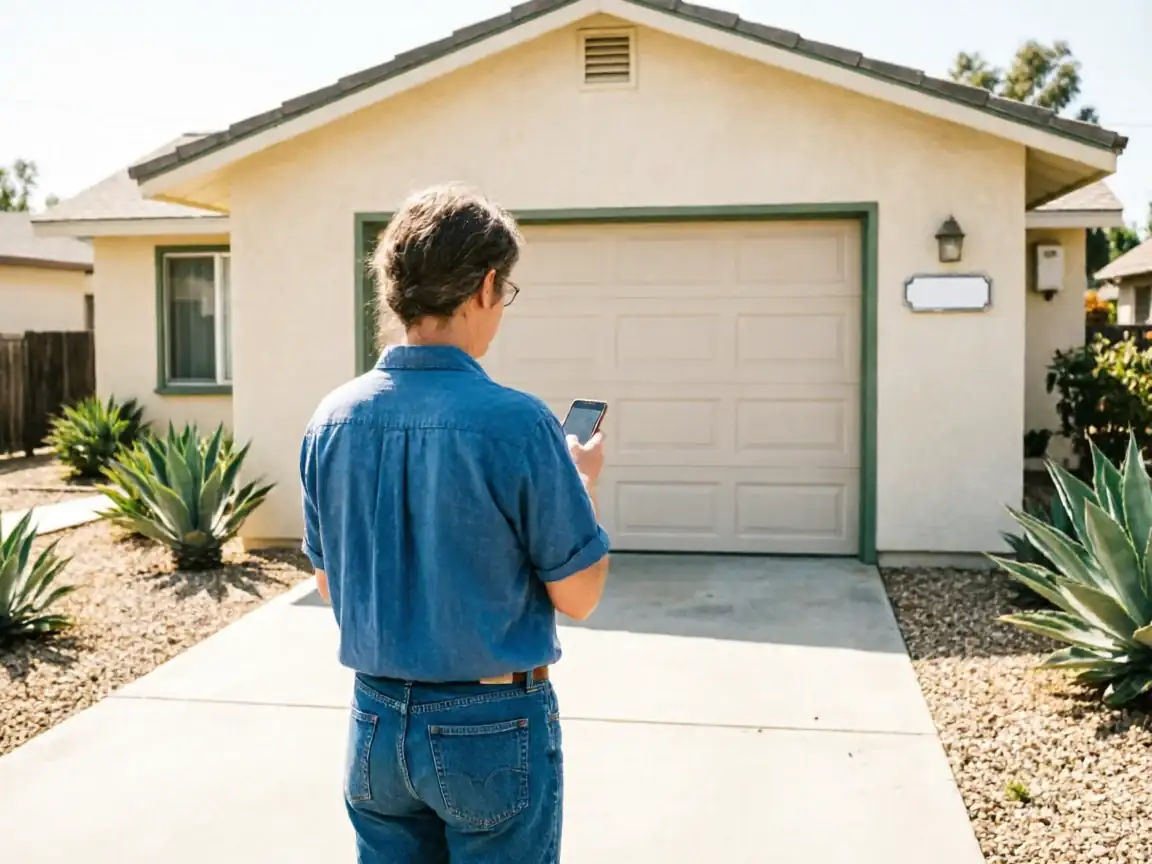
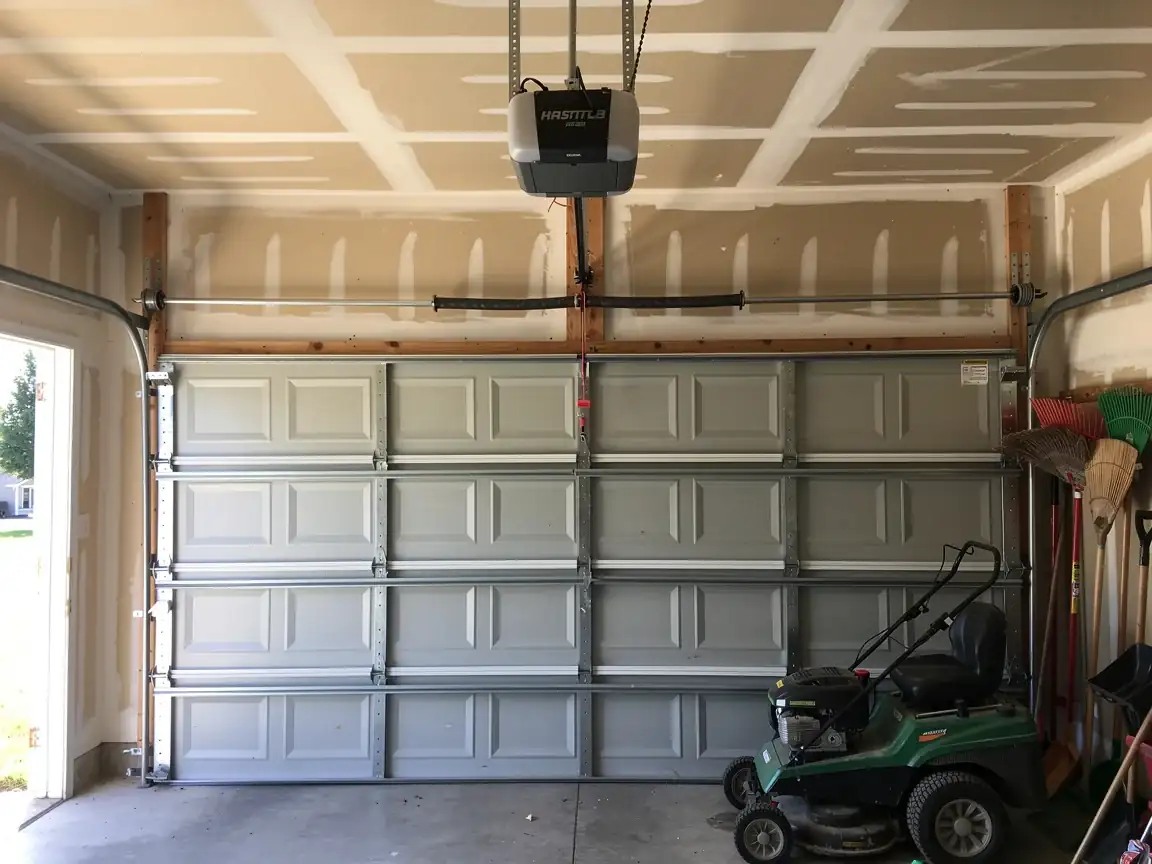
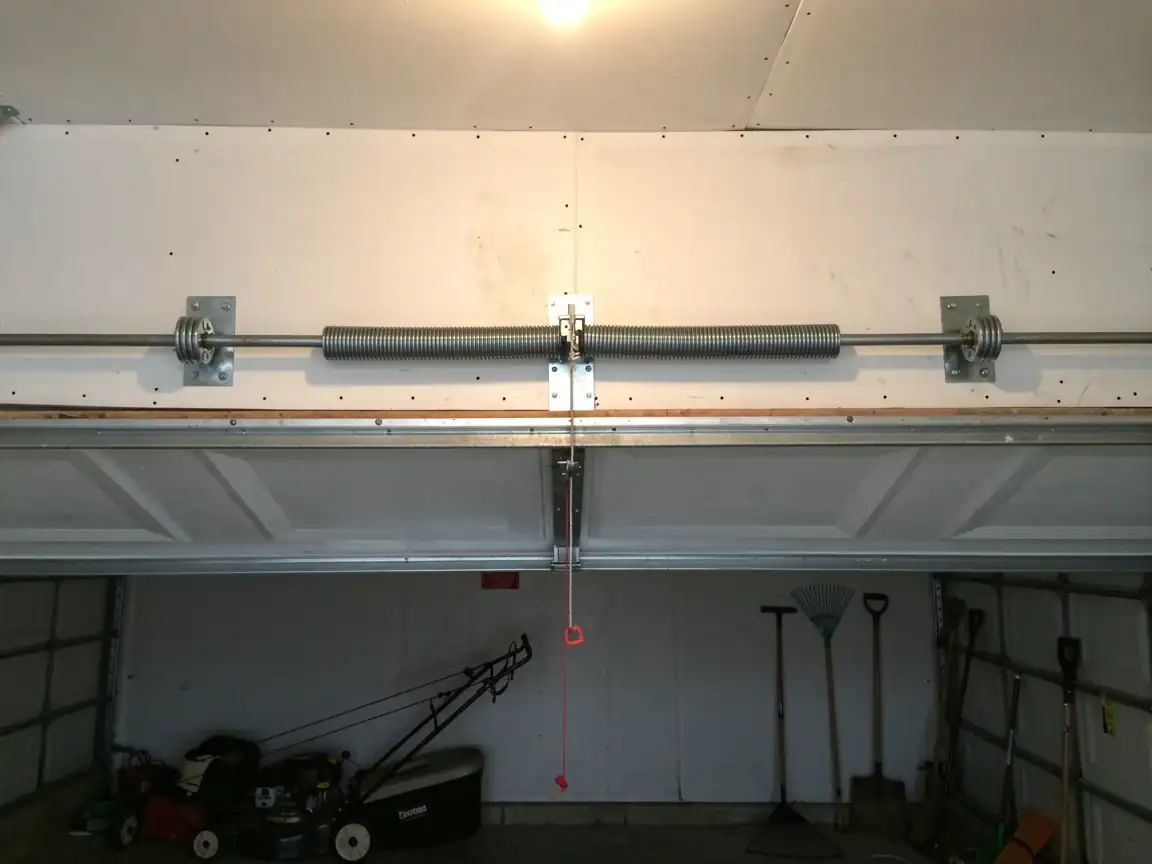
Your first move should just be to look. A broken torsion spring shows itself fast - you'll see a visible gap in the coil above the door, usually dead center on the shaft. If you see that gap, stop. Don't pull the emergency release cord, don't try to force the door by hand, and don't let anyone drive under it. A door with a broken spring is holding its full weight on the opener or on nothing at all, and that's a lot of weight to have come down on a hand or a windshield.
What you can safely do
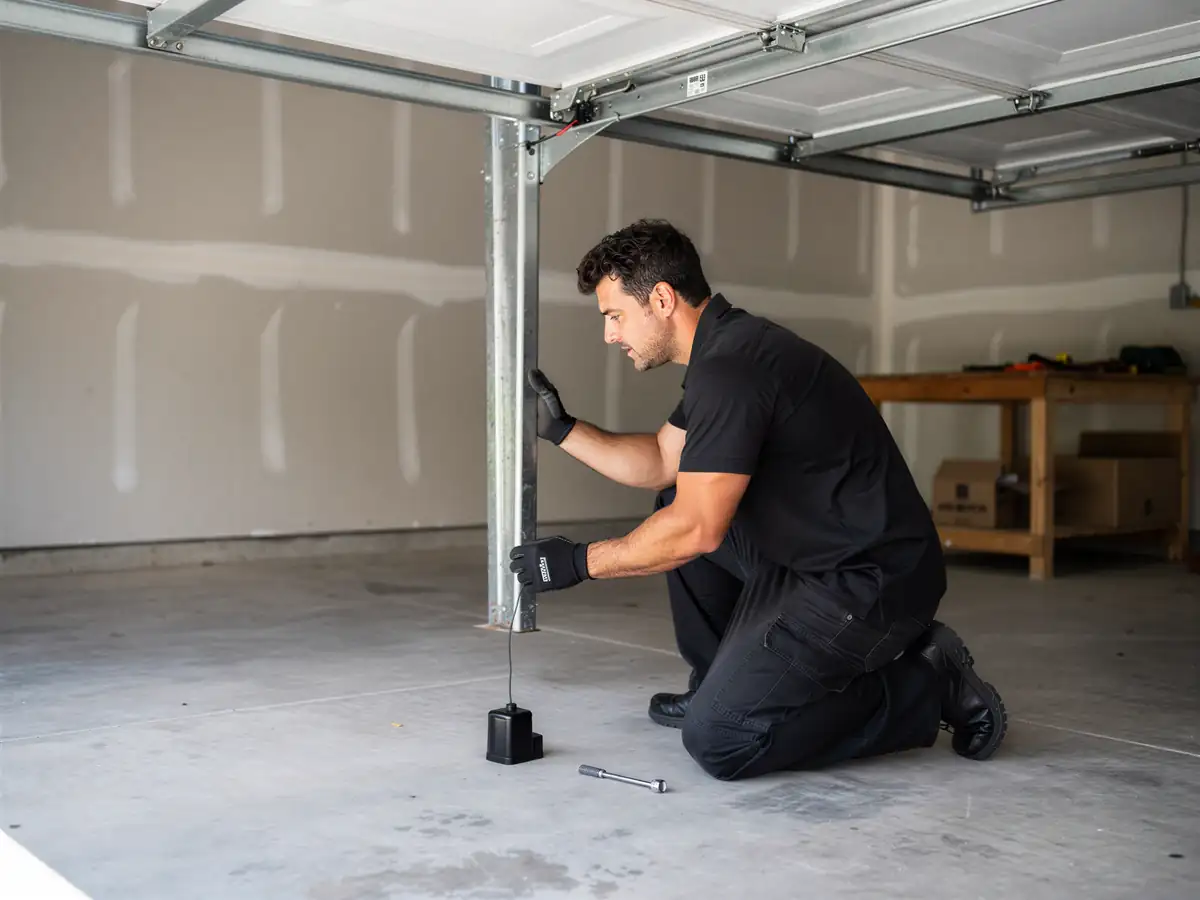
Unplug the opener at the outlet so nobody accidentally triggers it, and if the door is already down, leave it down. If it's stuck halfway open, block the opening with a car or a sawhorse rather than trying to muscle it the rest of the way.
We'll be straight about one thing
Spring replacement and broken cable repair are not jobs we recommend doing yourself. The springs on a standard residential door store enough tension to break bones or worse, and the tools to wind them safely aren't something most homeowners own or should buy for a once-in-a-decade job. This is the one repair where the DIY video is genuinely dangerous advice.
The Symptom
Most emergency calls fall into a short list: the door won't move at all and the opener motor just hums, the door opens a few inches then reverses, a loud bang came from the garage and now the door won't budge, or the door is hanging crooked with a cable visibly off the drum on one side. Each of those points to a different failure, but they share the same root cause we see constantly in this area's older housing stock - fatigued torsion springs, worn cable drums, or bottom brackets that have finally given out after years of carrying a door built heavier than the hardware holding it.
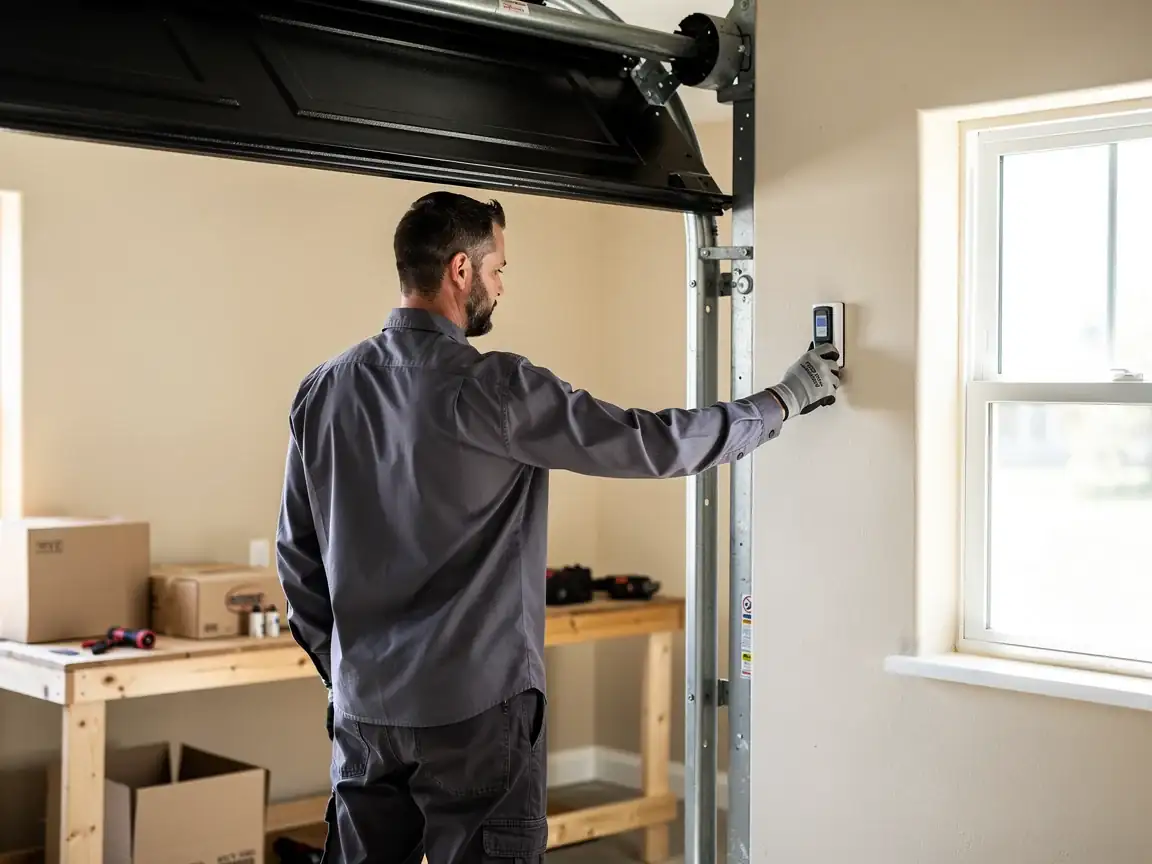
A door that reverses or won't fully close is sometimes a safety sensor knocked out of alignment, which is a five-minute fix, not an emergency. A door that's silent and dead is more often the opener itself or a disconnected trolley. But a loud bang followed by a door that won't move at all, or a visibly uneven door hanging lower on one side, is almost always a broken spring or snapped cable, and that's the one we tell people to stop touching and call about the same day.
How We Fix It
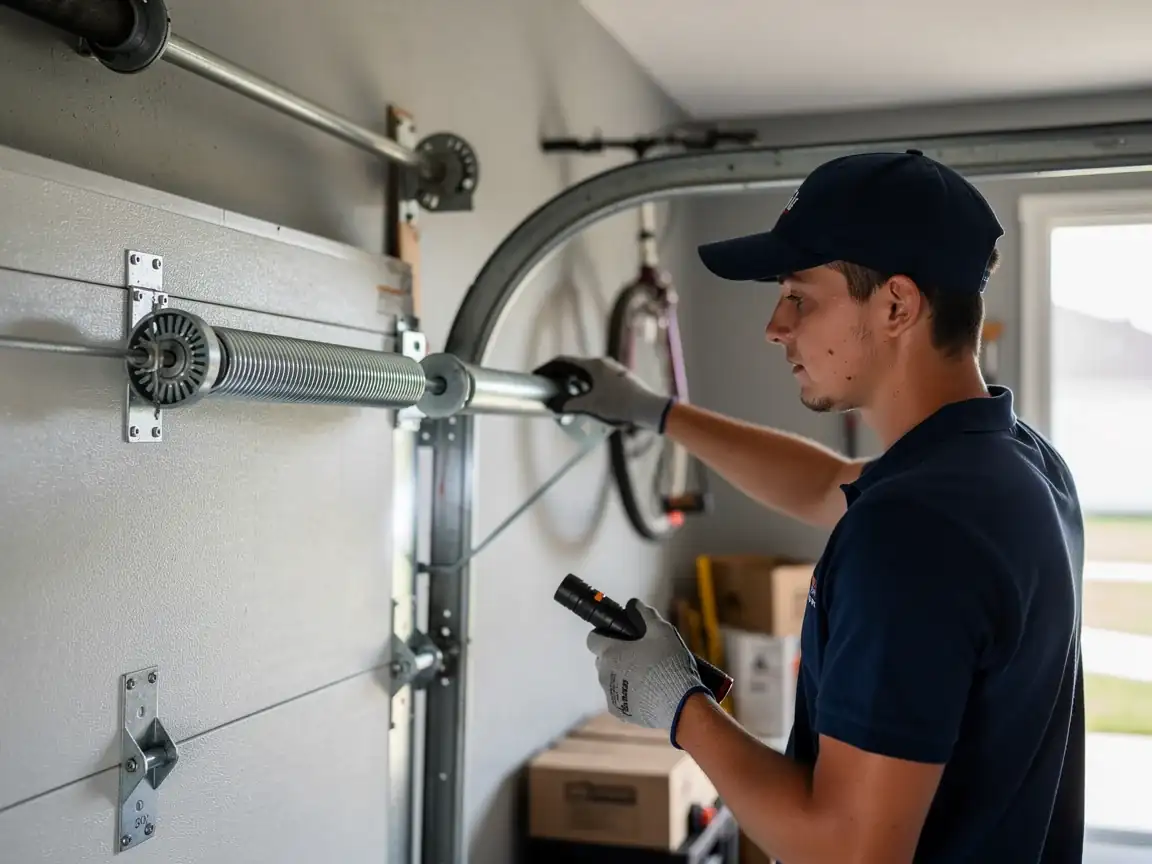
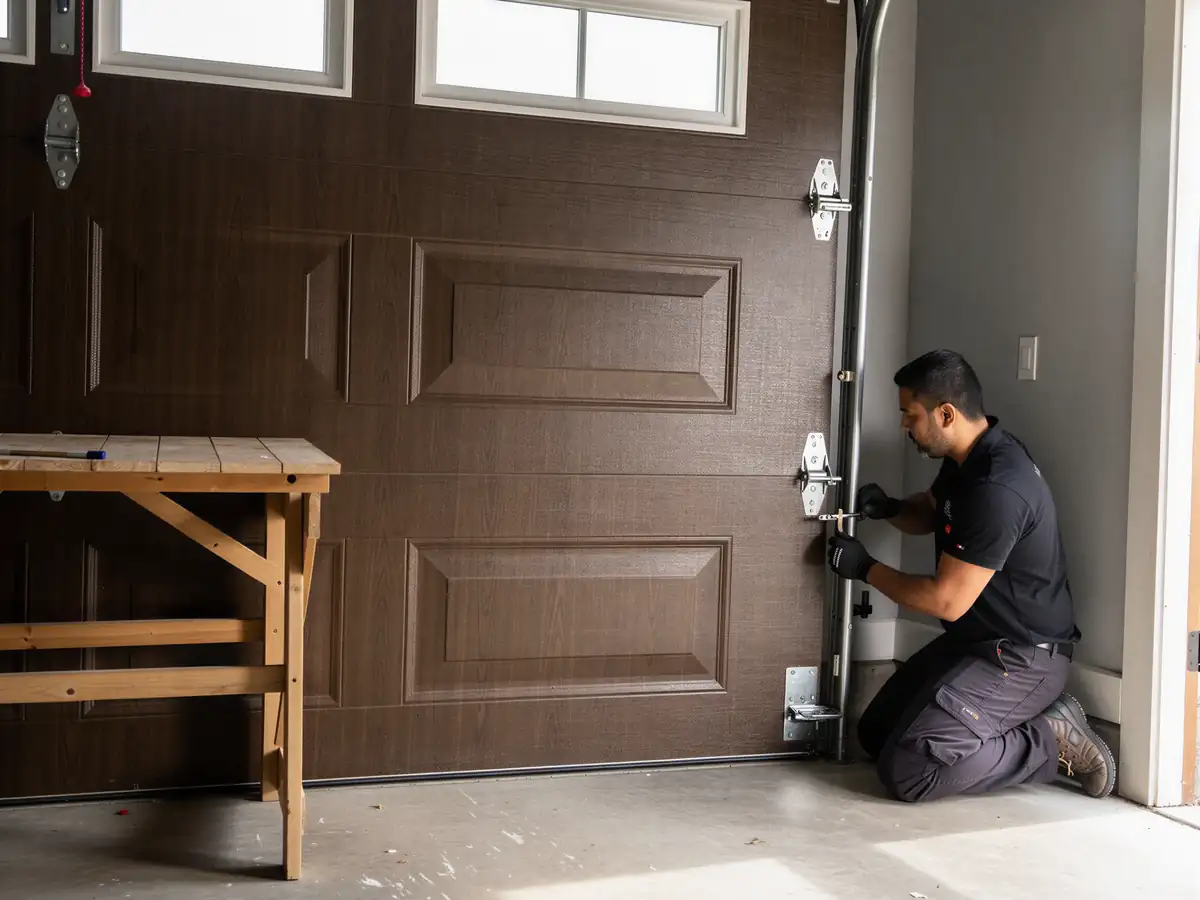
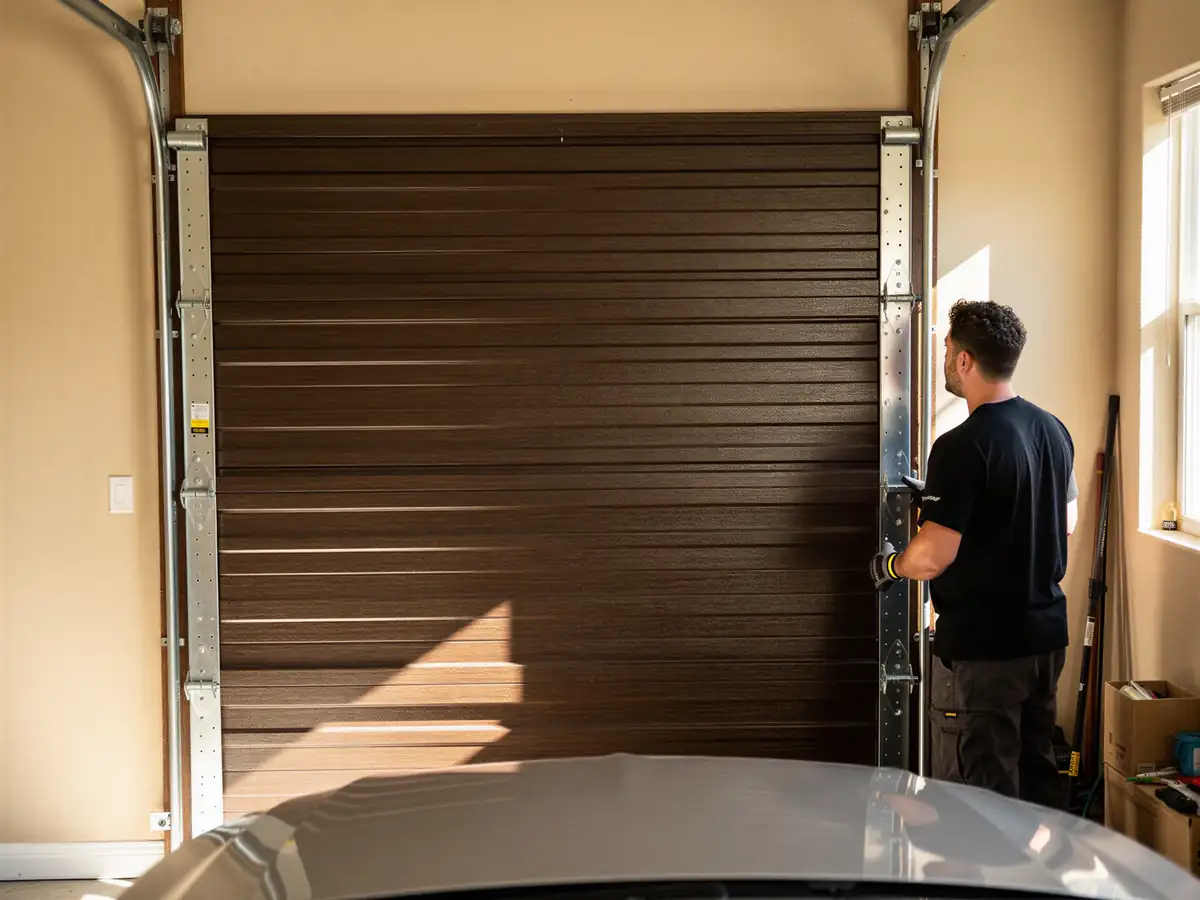
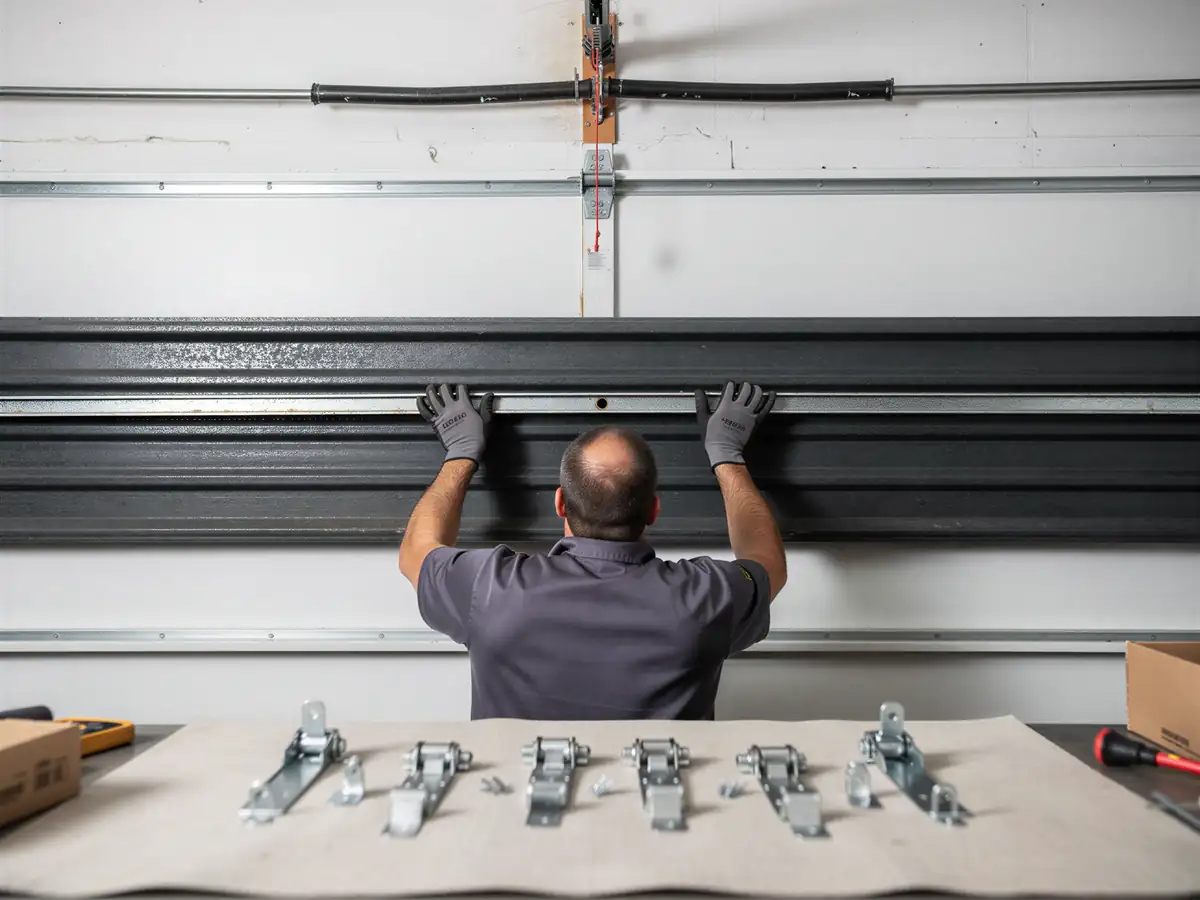
For a broken torsion spring, we size the replacement to the actual door weight and track setup rather than guessing, since decades of wear and prior repairs can mean the original spring spec no longer matches what's hanging there. We replace in pairs on most double doors even when only one has broken, because the second is carrying the same fatigue and usually isn't far behind.
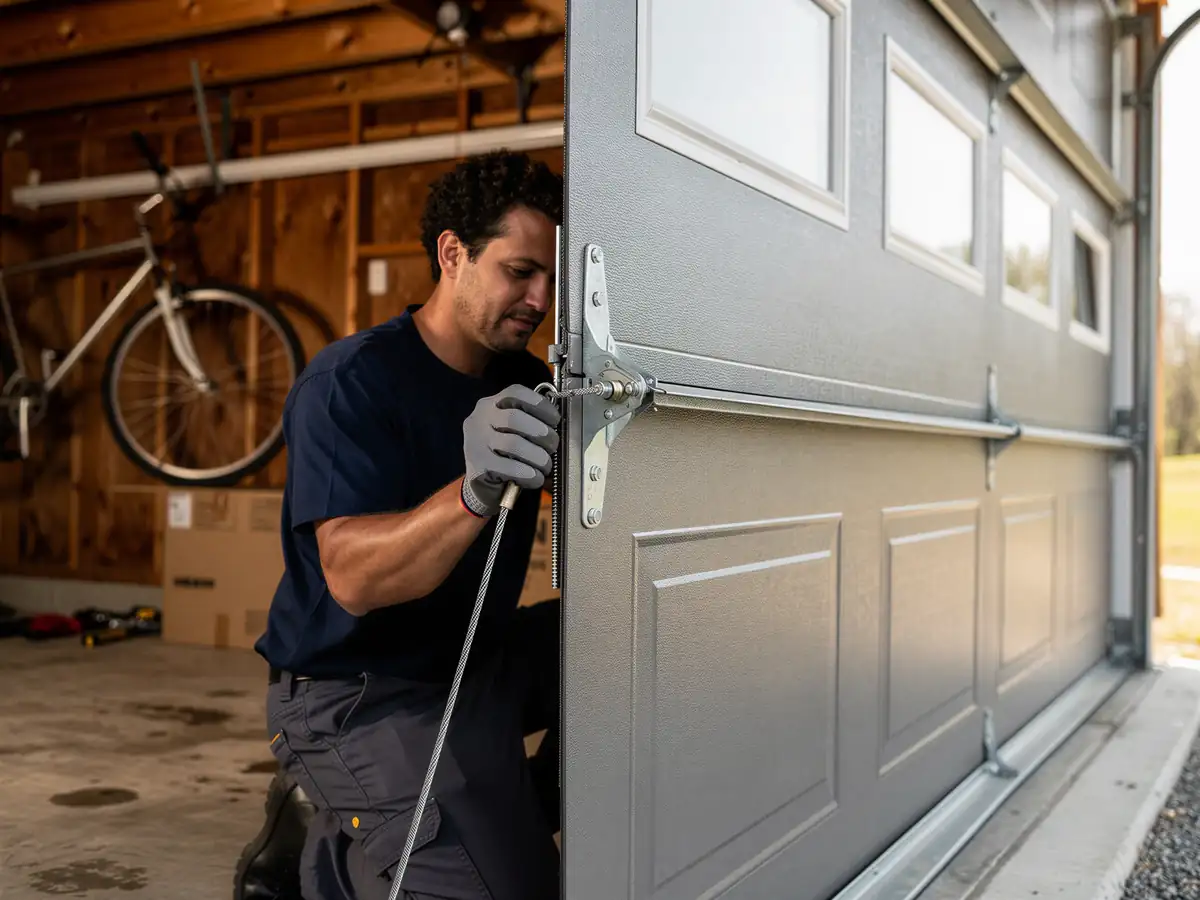
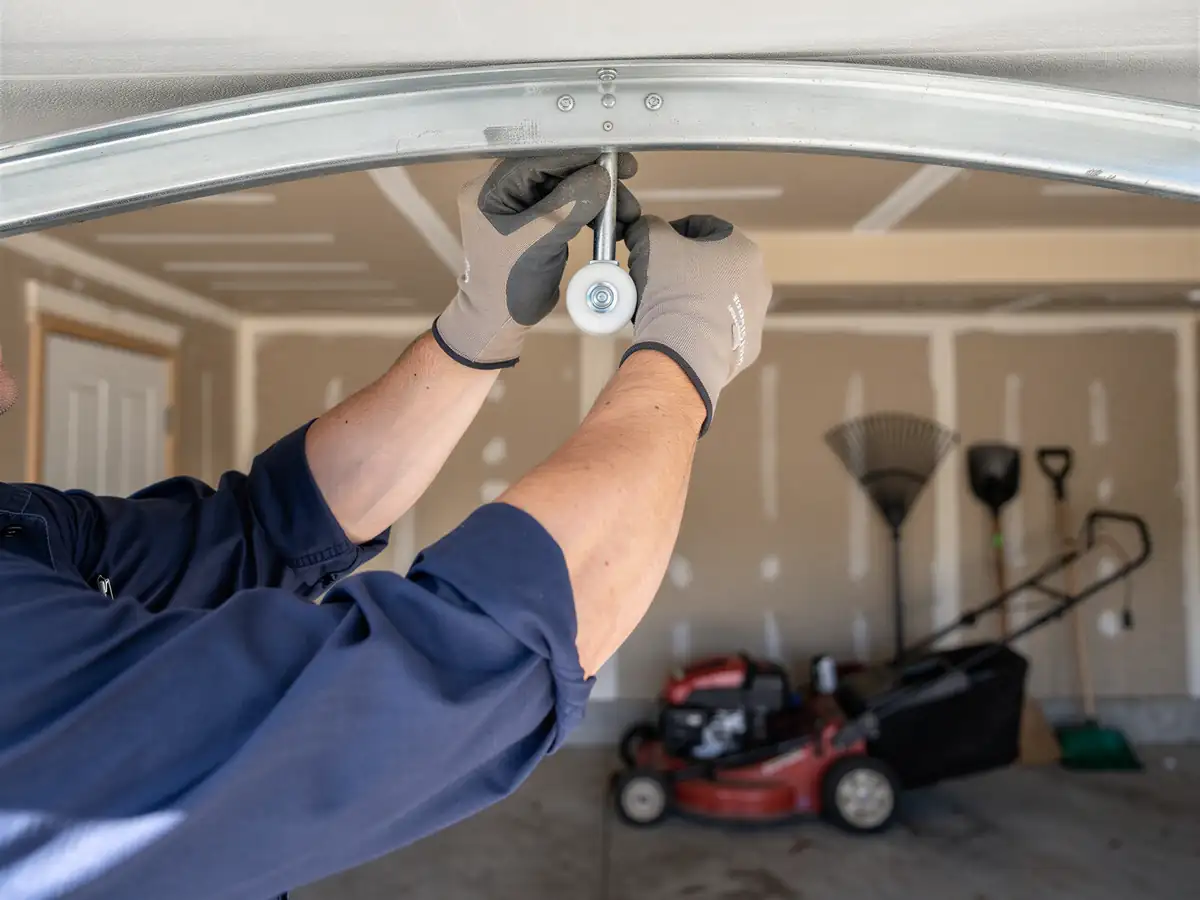
For off-track doors and snapped cables, we check the rollers, the bottom brackets, and the drums before putting the door back in motion, since a cable that snapped because a drum edge is chewed up will snap again if we just replace the cable and move on.
Here's the honest limit: if the door or opener is old enough that parts are no longer made, or if the track and drums are worn enough that a spring replacement would just shift the failure point somewhere else next month, we'll tell you that straight and talk replacement instead of pouring a repair into hardware that's done. Not every stuck door is worth saving, and we'd rather say so than sell you a patch.