The Situation
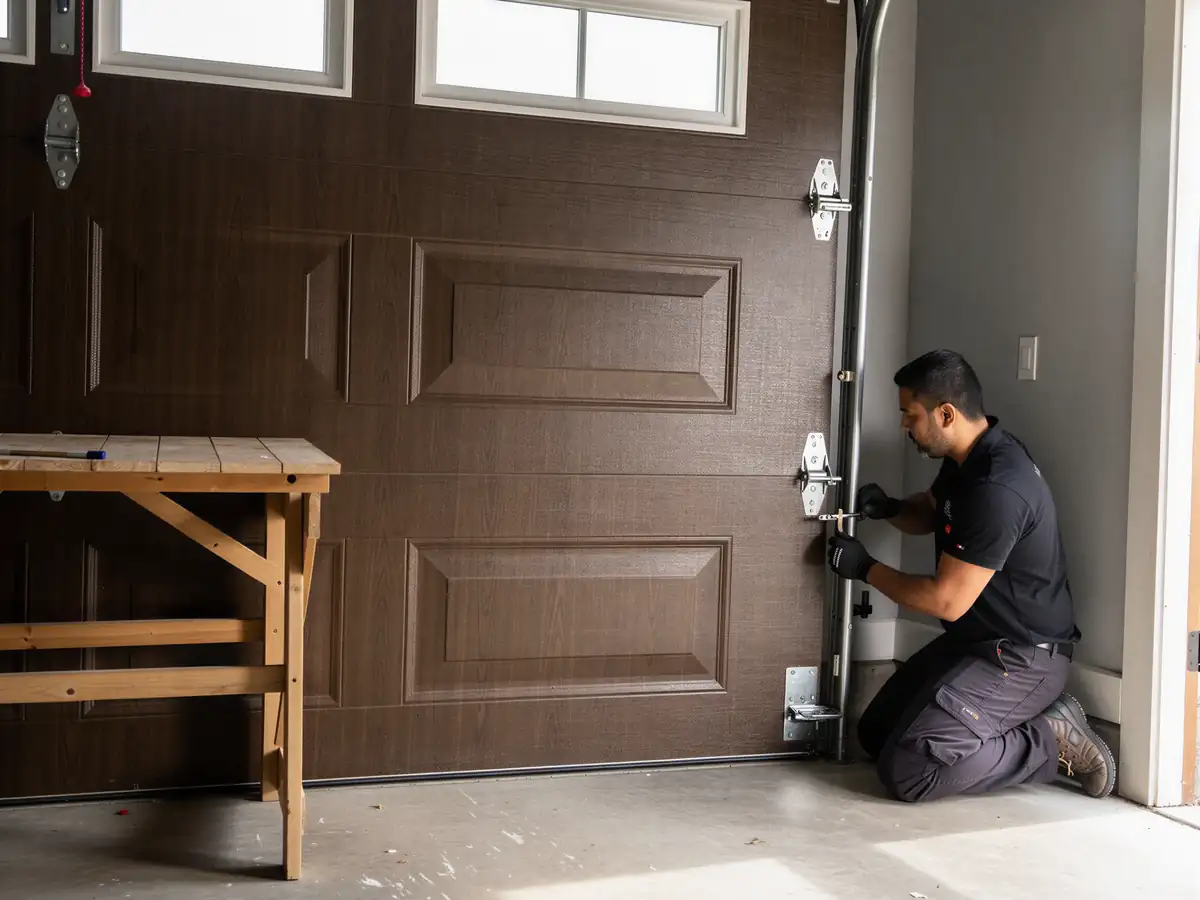
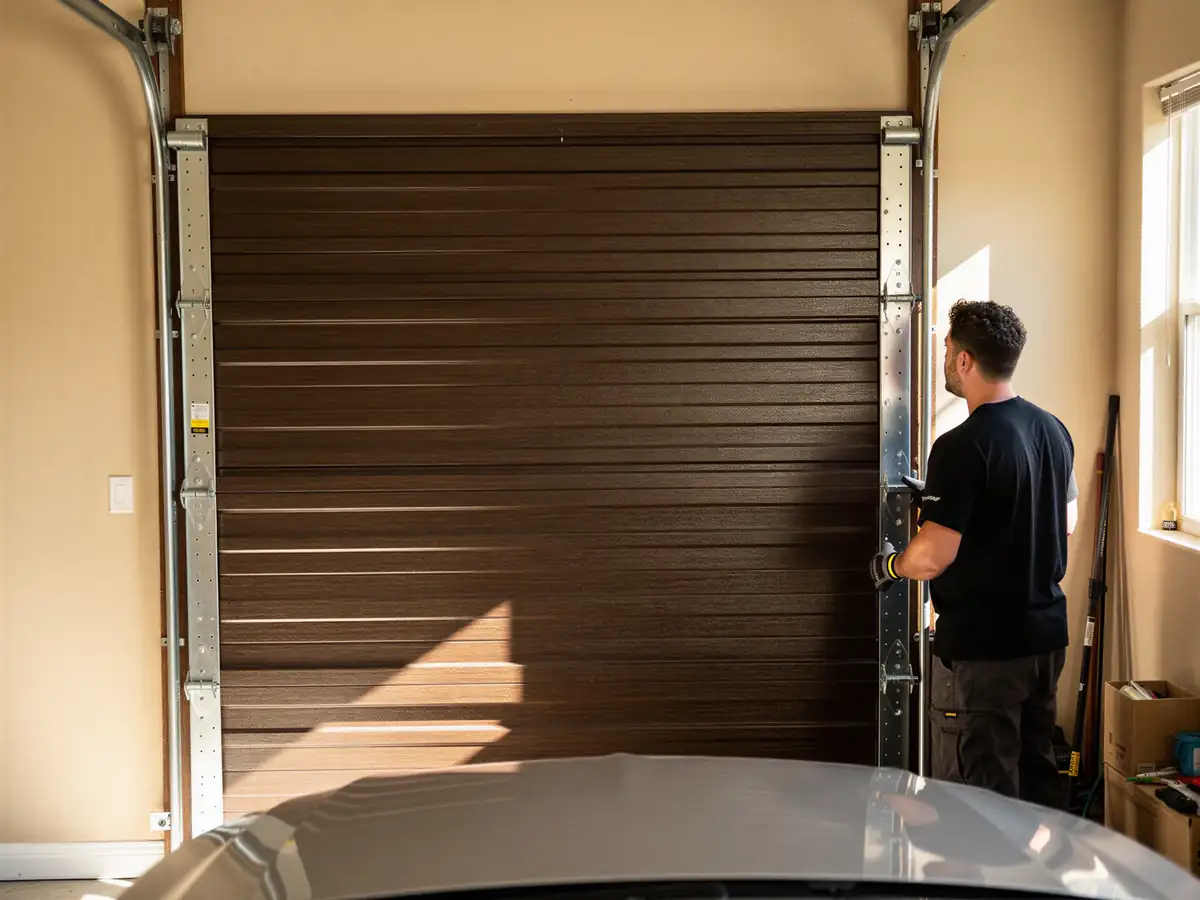
Most of the garage doors we get called out on in Walnut Creek are original or close to it, hanging on houses built between 1938 and 2008 with a median build year around 1972. That means a lot of doors and openers from the 1960s and '70s are still in daily use, especially in areas like and the neighborhoods closer to San Miguel. These doors weren't bad doors. They were built with steel and springs sized for a different era of hardware, and forty-plus years later the symptoms show up as sound before they show up as failure.
A noise is data. A door that's quiet one week and groaning the next didn't break overnight - something loosened, dried out, or wore past tolerance. On a house this old, the first noise is rarely the opener. It's almost always something mechanical: a roller, a hinge, a spring that's lived its full life. Catching it as a sound instead of a jammed door is the difference between a $200 call and a torsion spring letting go while the door is halfway up.
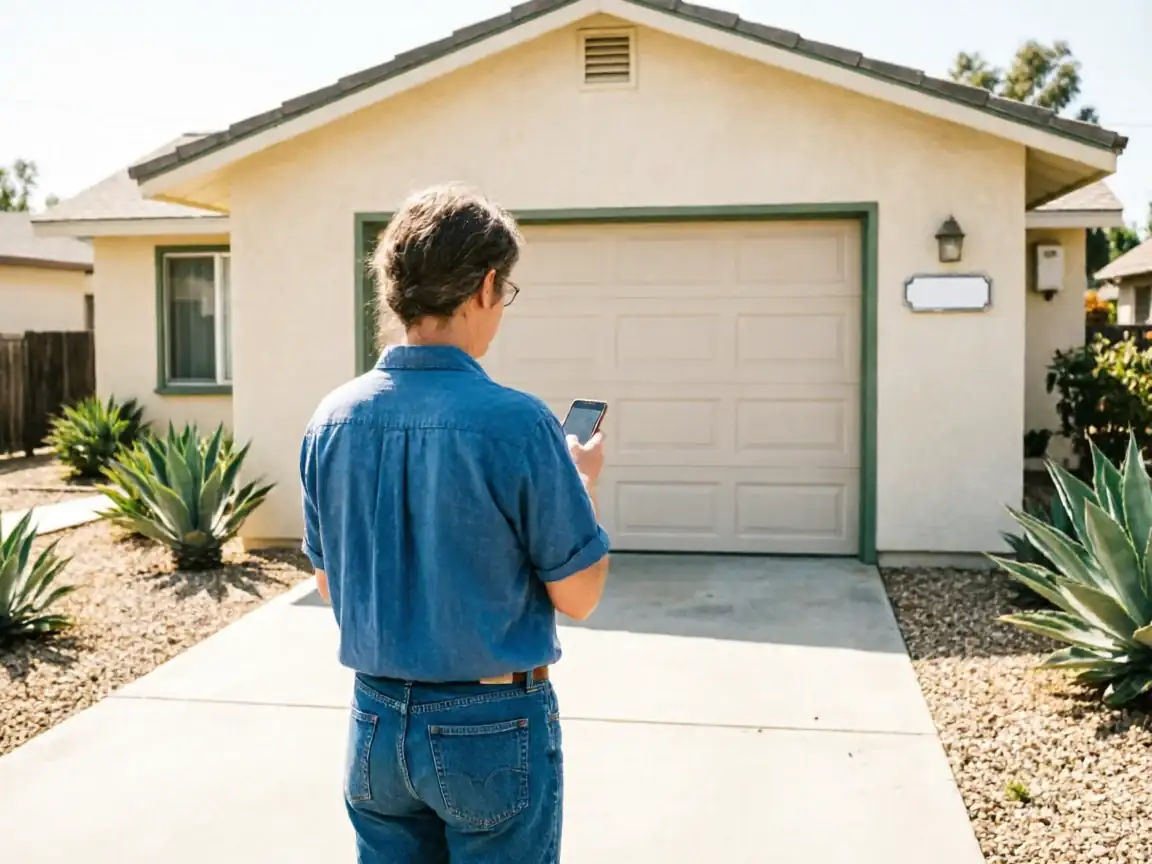
We're not going to tell you every noise means a new door. Most don't. But on 1960s and '70s stock, certain sounds are so consistent across the houses we work on that you can diagnose a lot of it from your kitchen before we ever show up.
What to Check
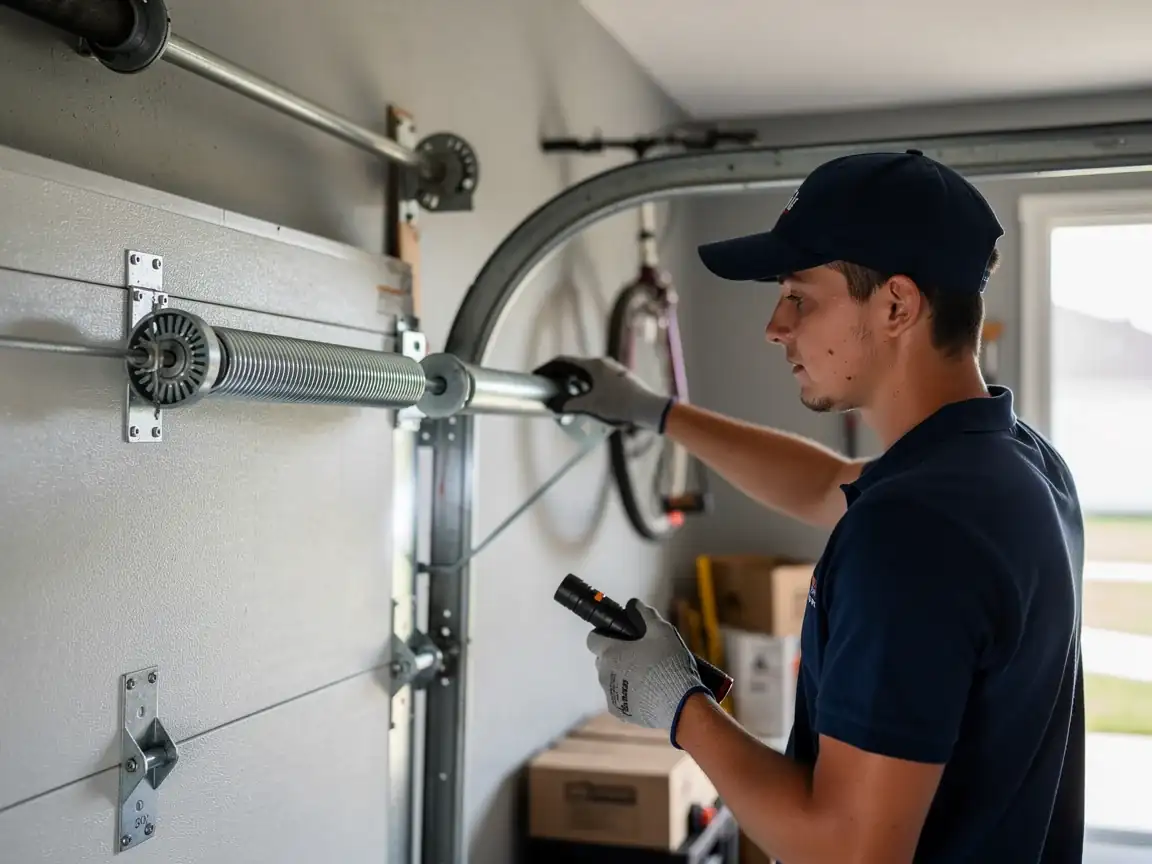
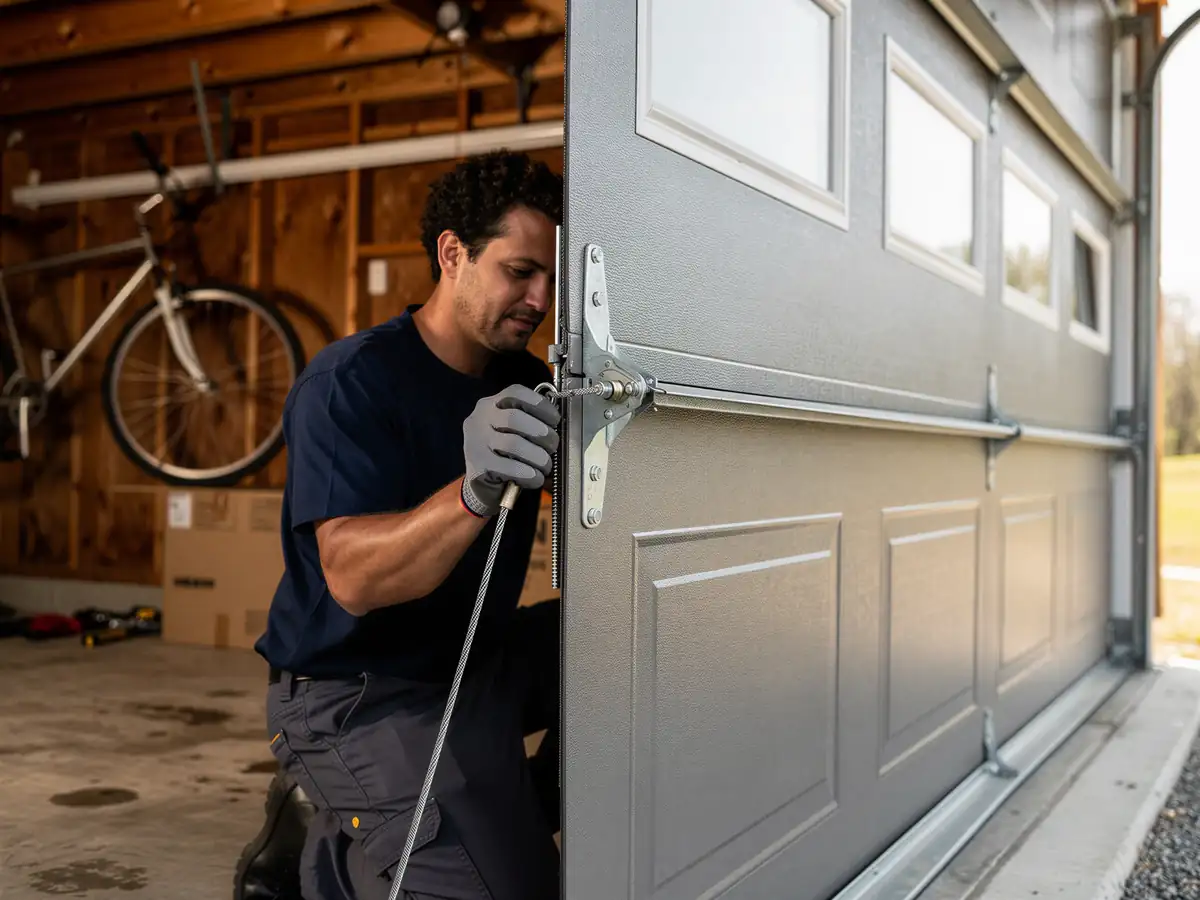
A sharp metallic bang, usually once, usually loud: that's a cable or spring
Stop using the door and call - this isn't a lubrication fix.
A rhythmic grinding or rumbling as the door travels, getting worse over months
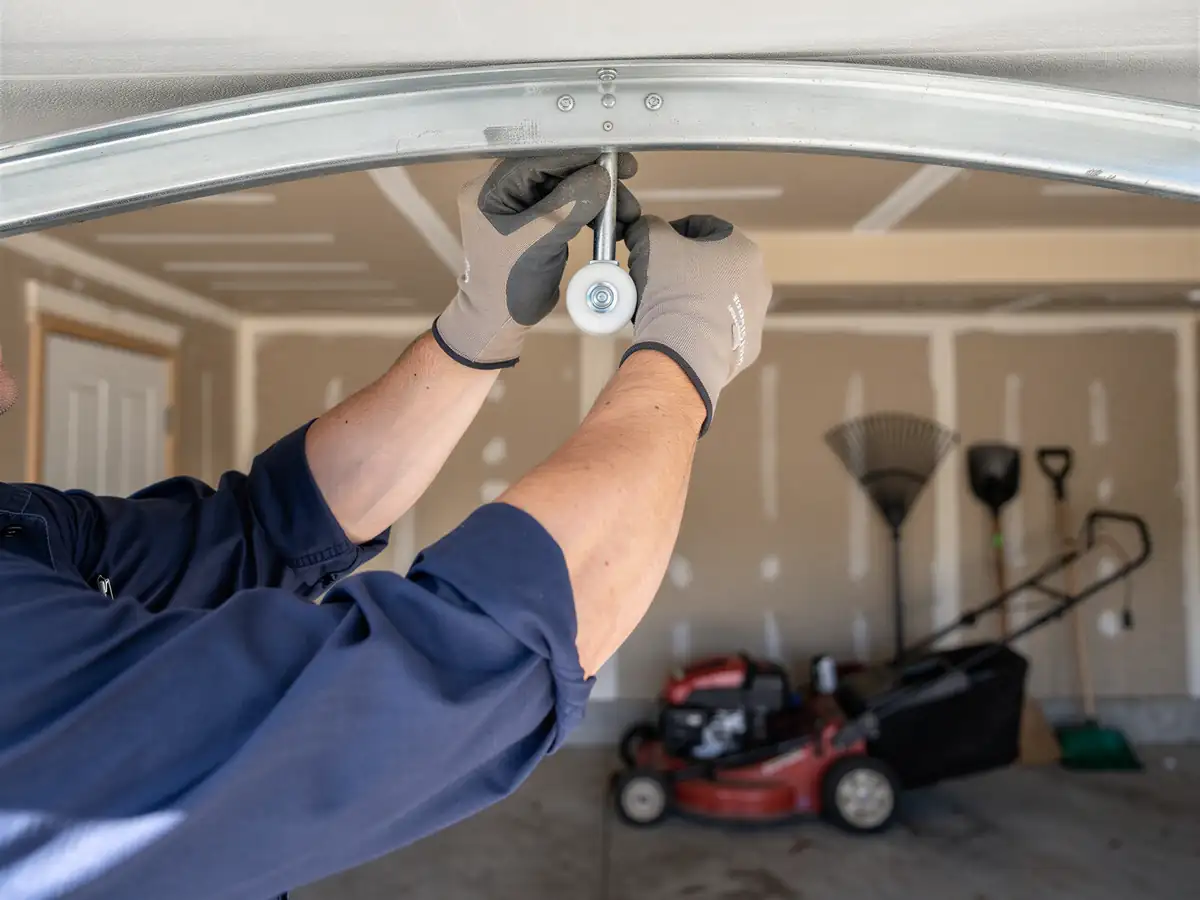
Original steel rollers, common on doors from the 1960s-70s stock that makes up most of this area, wearing their bearings out. This is the single most common noise we hear on houses built before the 1980s.
A loud slap or clank right when the opener starts or stops
Chain-drive openers from that same era have a chain that's stretched past its adjustment range. It's annoying, not dangerous, but it tells you the opener's due.
A squeal specifically on the way down, not the way up
Usually a hinge, sometimes a spring needing lubrication - and on doors this old, lubrication has often never been done at all.
A low hum with no movement
The opener's trying and the door isn't responding, which points to a broken spring carrying too much load for the motor.
Write down when the sound happens - opening, closing, starting, stopping - and how often
That detail is what gets a repair diagnosed on the first visit instead of the second.
Season by Season
Walnut Creek sits in a mild temperate band, so we don't get the hard freeze-thaw cycling that tears up garage door hardware in colder climates. That's the good news - steel doesn't contract and crack the way it does elsewhere. The noises we see here aren't weather-triggered in the way they are in places with real winters.
What we do see is a steady, year-round wear pattern rather than a seasonal spike. Without hard freezes forcing lubricant to gum up on a schedule, a lot of owners go years without re-lubricating hardware at all, because nothing forces the issue. The noise shows up gradually - a little more grind each month - rather than announcing itself in one cold snap.
The one seasonal pattern worth watching is heat. On the hottest stretches, metal expands slightly and a door that's already borderline tight in its tracks will complain more - a scrape or bind that goes quiet again once temperatures drop. If a noise comes and goes with the heat, it's usually alignment, not a part that's failing outright. If it doesn't go away when it cools off, that's the one to get looked at.
How Local Conditions Play In
The mild climate here means your hardware isn't fighting the elements - no rock salt corrosion, no deep-freeze seal failure, nothing that would push an owner in a harsher climate to replace parts on a strict schedule. That's the honest upside of garage doors in this area: they last. But it also means the only real clock running on these doors is age and use, not weather damage, and across the 1960s-70s stock that dominates this part of the service area, that clock has mostly run out.
We won't tell you to replace a door just because it's old if the noise points to a $150 roller job instead. We also won't pretend every noise on a 50-year-old door is a quick fix - sometimes the spring, the rollers, and the hinges are all at end of life together, and patching one just moves the next noise a few months down the road. With median household income in the service area at $132,067 and over 136,000 owner-occupied houses across it, a lot of these homes can afford to fix things right the first time instead of chasing noises one part at a time. That's usually the cheaper path anyway.