The Situation
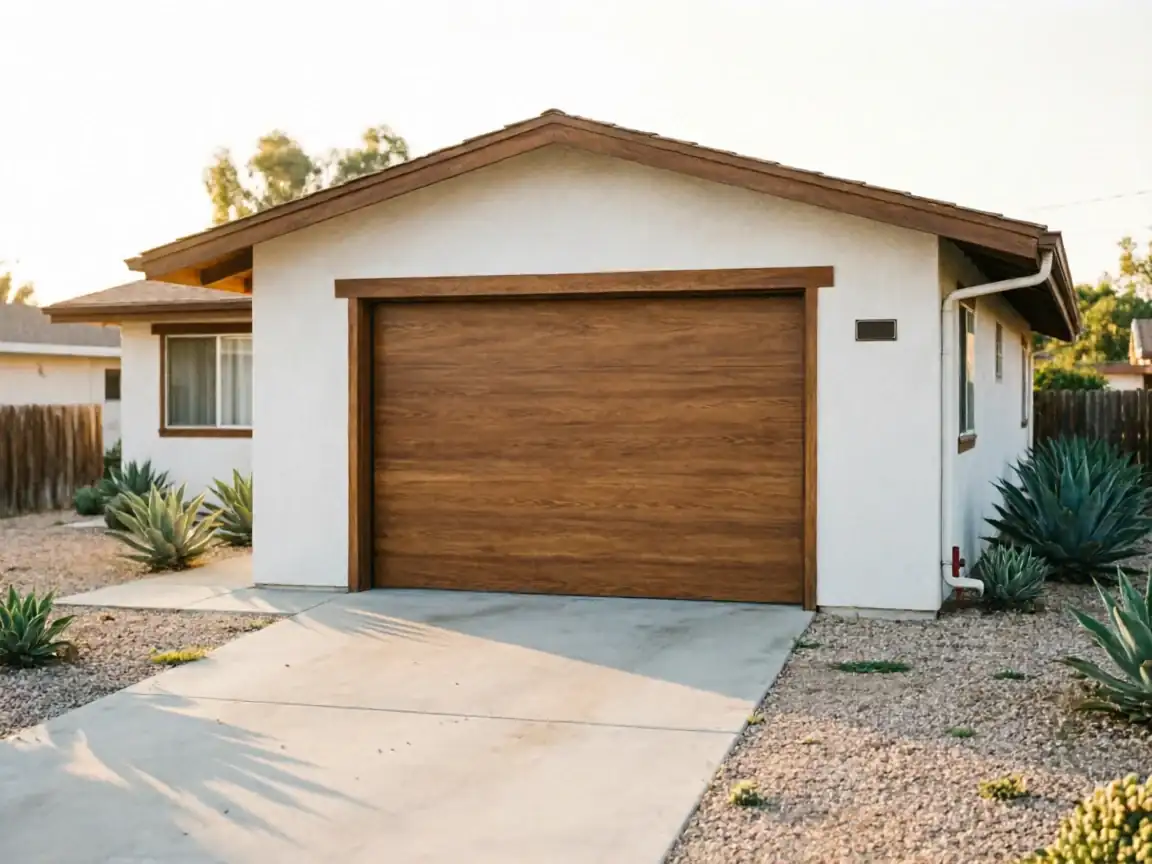
Walnut Creek's housing stock runs from 1938 to 2008, with the median build year landing in 1972 - which puts a lot of original aluminum door frames and the rubber seals that came with them well past their working life. Most of the subdivisions in this area went up in that 1960s-70s wave, and the seal material from that era wasn't built to last fifty years. It was built to last maybe fifteen.
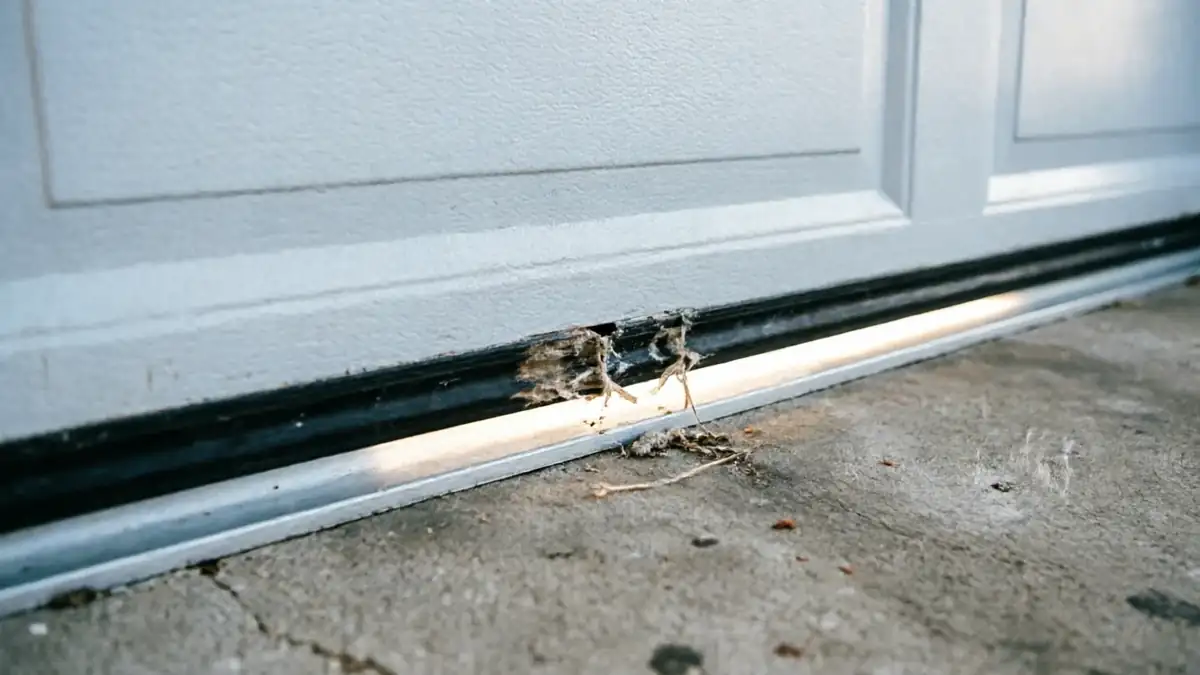
What that means on a service call: the bottom seal has gone flat and hard, the side weatherstripping has pulled away from the track, or the top seal has a gap you can fit a finger through. None of that is a dramatic failure. It's just rubber doing what rubber does after decades of sun and temperature swing - it shrinks, it cracks, and it stops doing its job.
We see this most on original one-piece and early sectional doors that never had the weatherstripping replaced. If your house falls in that 1938-1972 range and nobody's touched the seals, there's a good chance that's exactly what's letting in the draught you're feeling, not a problem with the door panel or opener itself.
What to Check
Start at the bottom
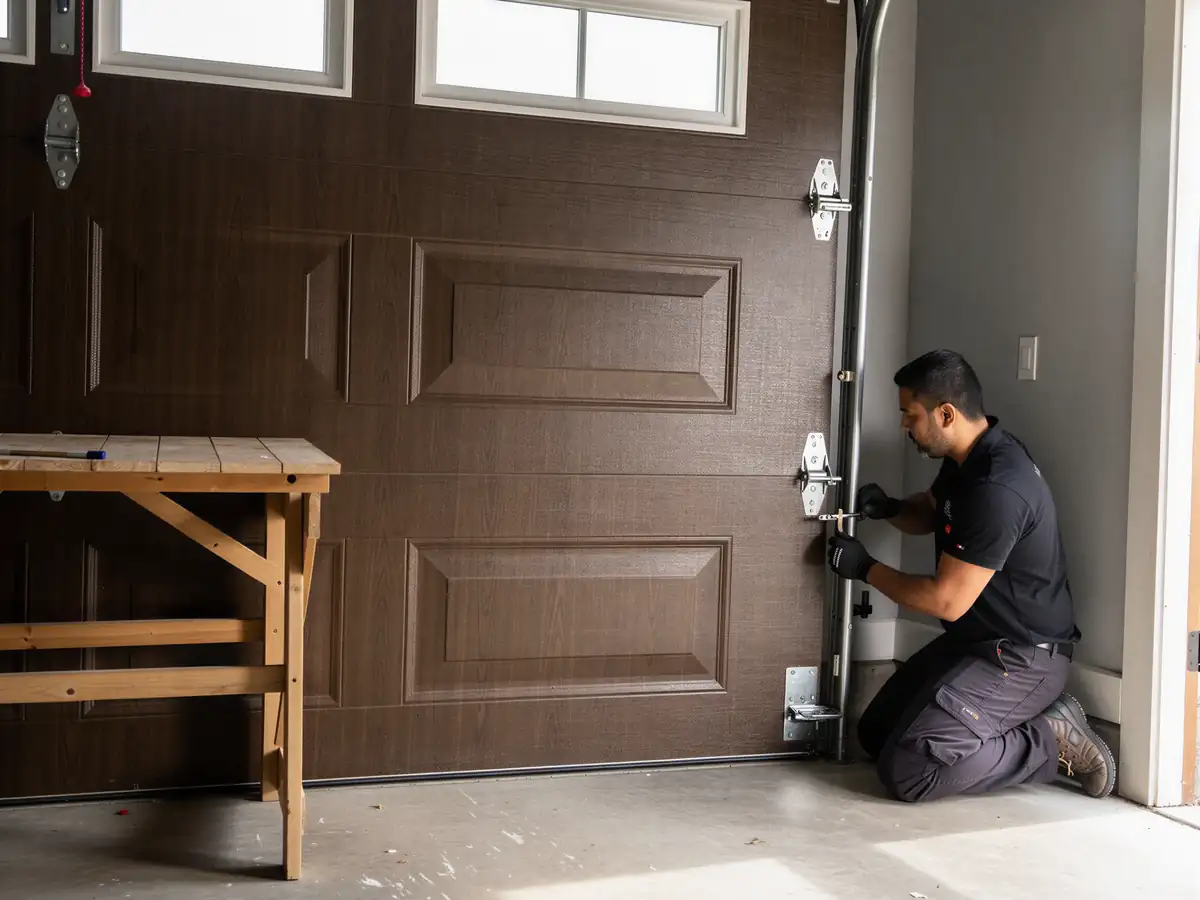
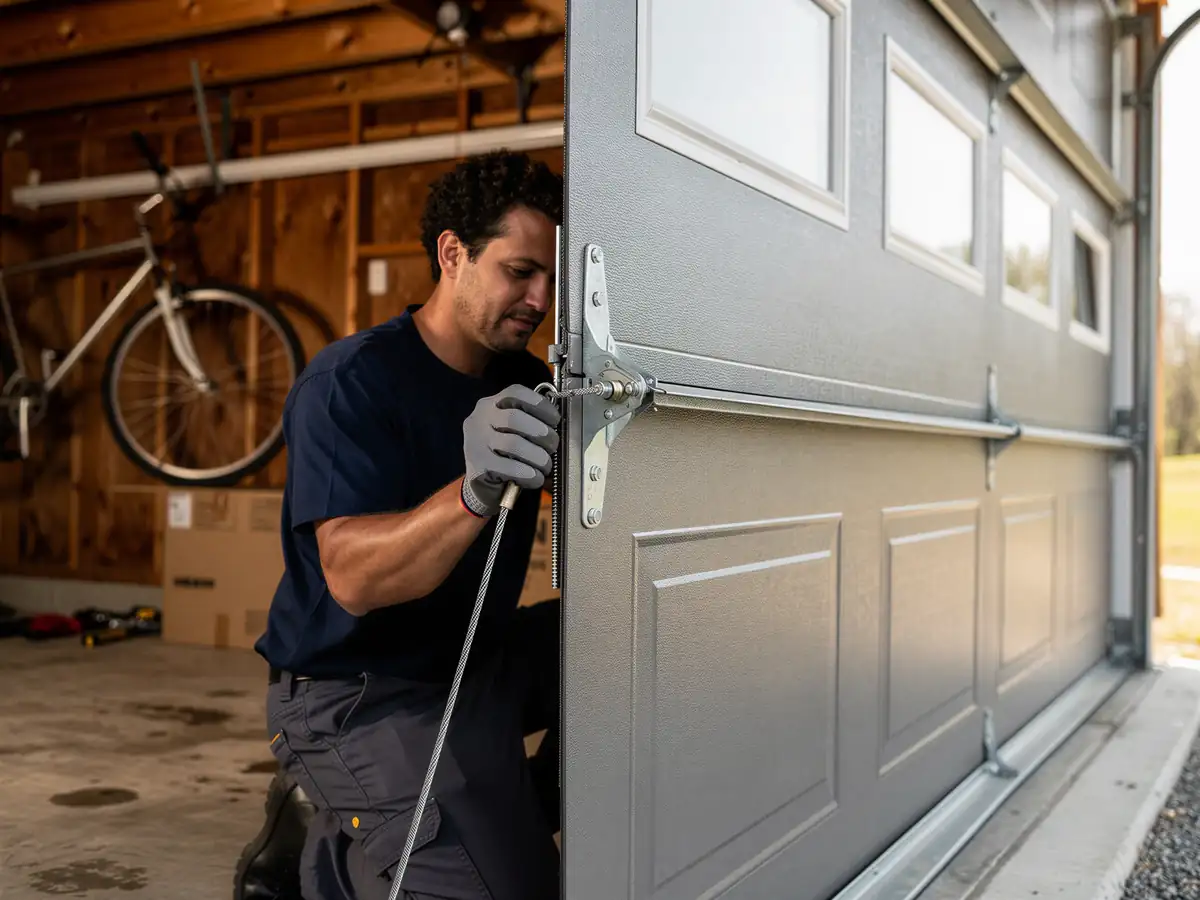
The bottom seal is a strip of rubber or vinyl set into a retainer along the floor edge of the door - on older Walnut Creek houses this is often the original astragal, and it's usually the first thing to go. Press a thumb into it. If it doesn't spring back, it's done.
Next, run a hand along the side jambs where the door meets the frame
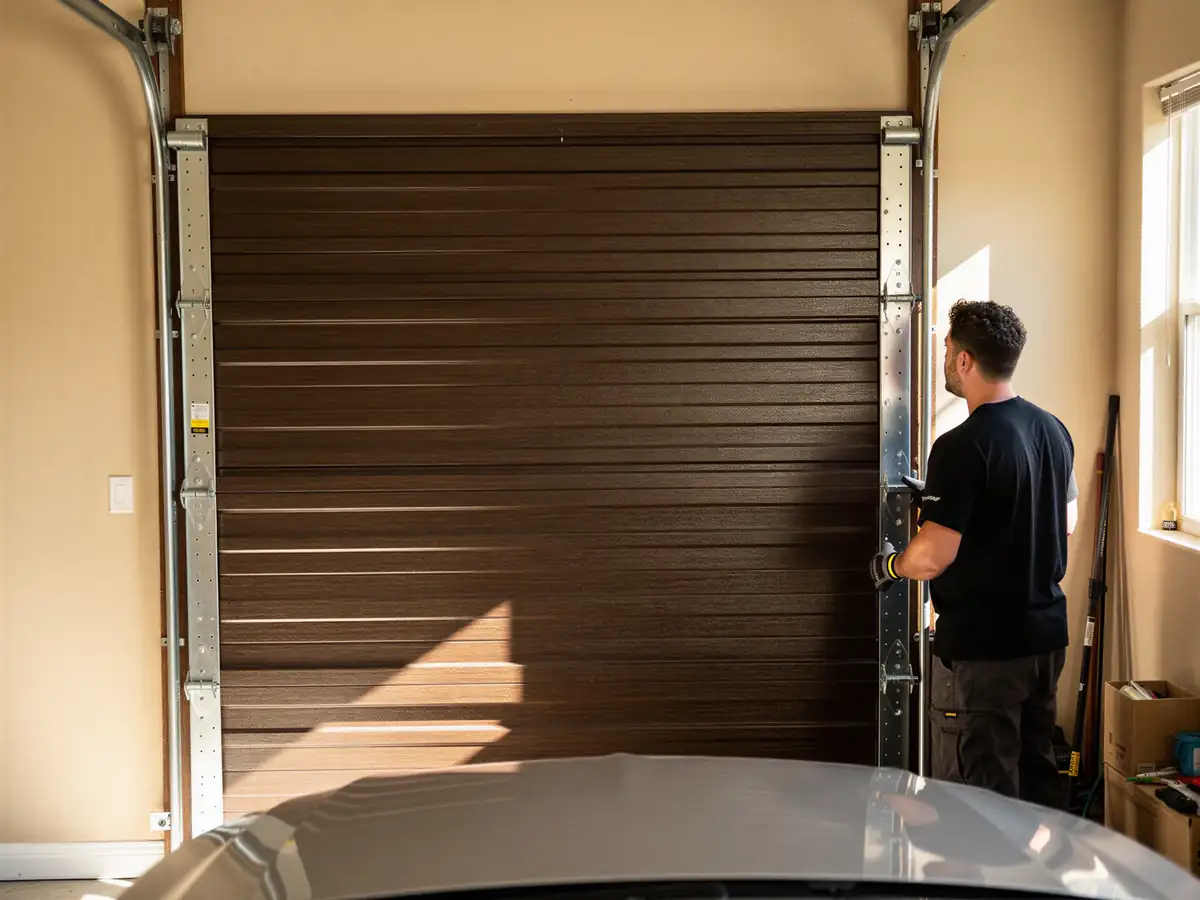
On houses from the 1960s-70s wave, this is often a thin strip stapled or nailed to wood trim rather than a proper vinyl-bulb seal set into aluminum track. If it's brittle, cracked, or missing in sections, that's your draught.
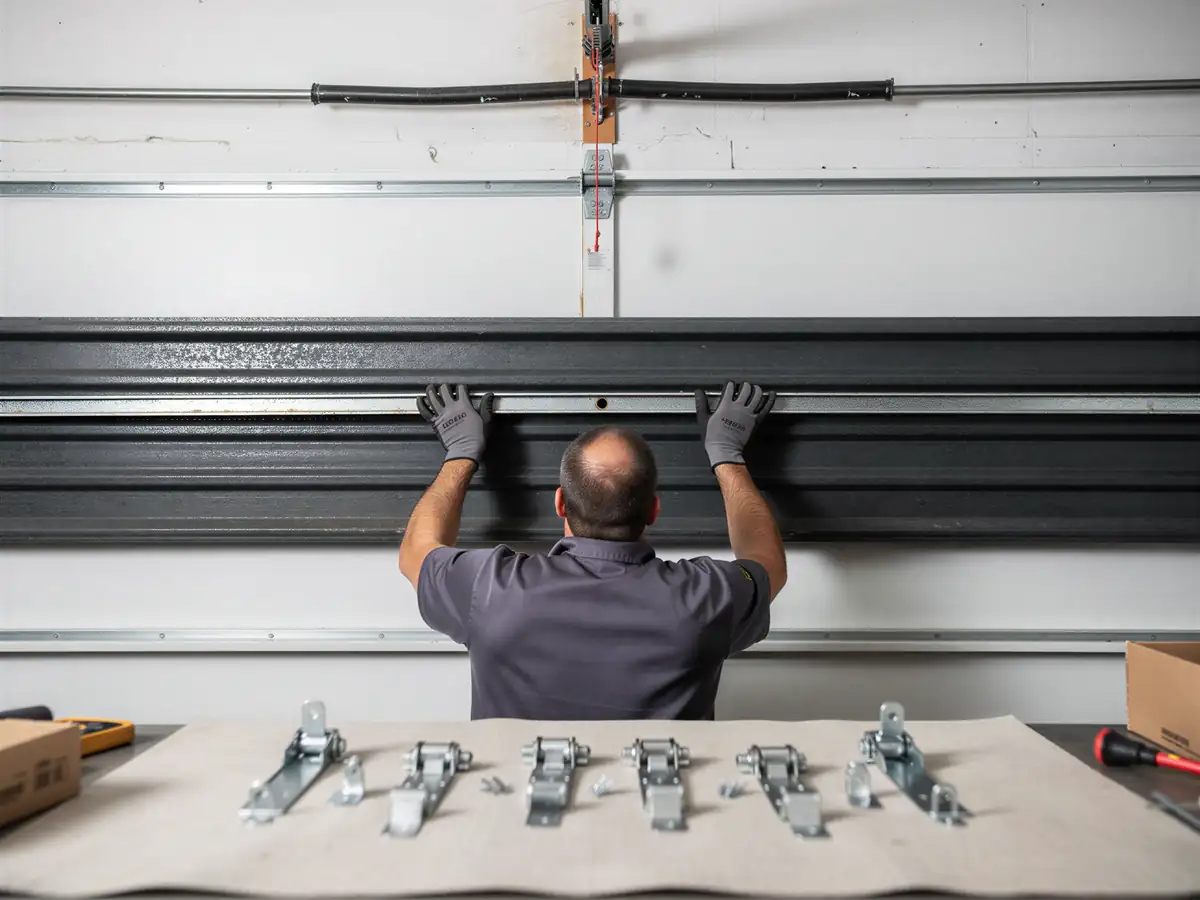
Check the top seal the same way
And look at the threshold itself - concrete settles over fifty-plus years, and a door that sealed fine in 1972 may now sit a quarter-inch off true at one corner.
One honest limitation
We can replace seals and weatherstripping on most doors in a single visit, but if the slab itself has settled unevenly, no seal fixes that by itself. At that point you're looking at either a threshold ramp or accepting a small gap, not another seal.
Season by Season
Walnut Creek sits in a mild temperate band, so we're not fighting freeze-thaw cracking the way a colder-climate shop would. What we're fighting instead is UV. A long dry summer bakes vinyl and rubber seals, and they shrink a fraction of an inch at every edge - not enough to notice looking at the door, but enough to open a gap at the corners.
Then the rain comes. Winter in this area isn't severe, but it is wet, and a seal that shrank over the summer now has a ready path for water and wind to get under the door. That's the pattern we see most: seals that looked fine in July start leaking by January, not because anything broke, but because the gap that opened up in the heat finally has water to find it through.
There's no single month to do this work. But if you're going to check your seals once a year, late summer - before the wet season starts and while the shrinkage is at its worst - is when a quarter-inch gap is easiest to see and cheapest to fix before it becomes a winter draught complaint.
How Local Conditions Play In
Distance from downtown doesn't change much here - San Miguel, a mile out, about two miles northeast, both sit on the same 1960s-70s build pattern as most of Walnut Creek, so the seal problems are the same problems, just on a different street. Reliez Valley, four miles out, runs a bit newer in pockets but still carries plenty of that same-era stock.
Because the climate here is mild rather than extreme, you don't need the heavy cold-rated seal kits that get specified in snow country. What you need instead is UV-stable vinyl rather than cheap rubber, since rubber is what degrades fastest under a dry Walnut Creek summer. That's a smaller, cheaper fix than most homeowners expect - replacing the bottom astragal and side weatherstripping is usually a parts-and-labor job measured in an hour, not a day.
If your door is one of the originals from the 1938-1972 range, don't assume a draught means the door's at the end of its life. Nine times out of ten in a house that age, it's the seal, not the panel, and that's a far cheaper problem to solve.