What Causes It Around Here
Orinda's median household income sits at $250,001, well above the $132,067 median across the wider service area, and that changes which call we get. In lower-income pockets a dented panel often just gets left dented for a few more years. Here, we see the opposite pattern more often: owners replace a panel before it becomes a structural problem, because the cost of waiting (a sagging section pulling on hardware, a door that no longer seals) isn't worth the savings.
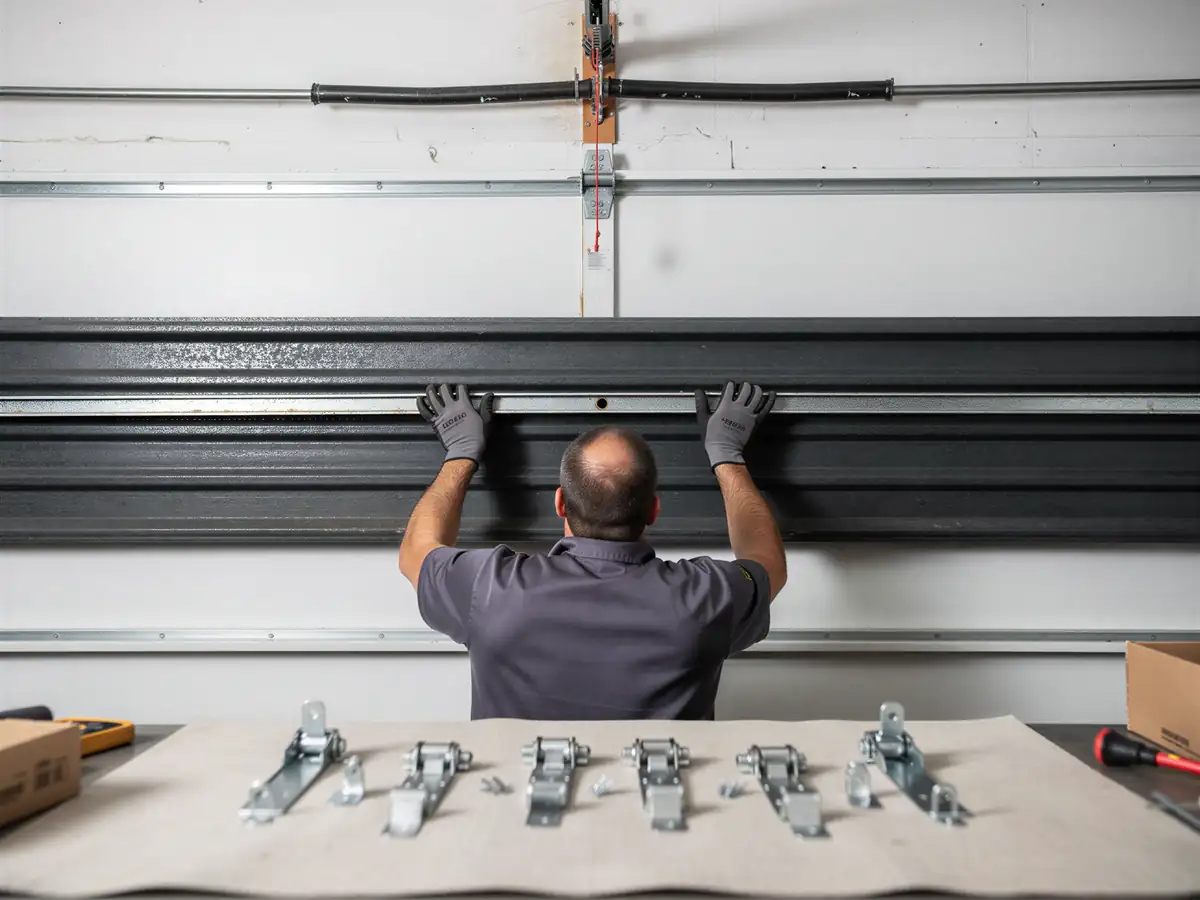
The housing stock matters too. Orinda's median build year runs around 1961, a bit earlier than the broader 1938-2008 range we work across, where the typical home dates closer to 1972. Doors from that era were often steel or early aluminum sectional panels on narrower tracks than what's sold today. When one panel on a 1960s door gets crunched - a trailer hitch backing in wrong, a basketball hoop bracket that finally gave way - matching the exact panel profile isn't always possible, and that's the honest limitation: sometimes we're replacing all the panels in a section, or the full door, instead of just the one that's bent.
Orinda sits in the same mild temperate band as the rest of the area, so panels here aren't failing from frost-heave or hail the way they might somewhere colder. What ages them is decades of sun on one side of the door and moisture on the other.
How to Book
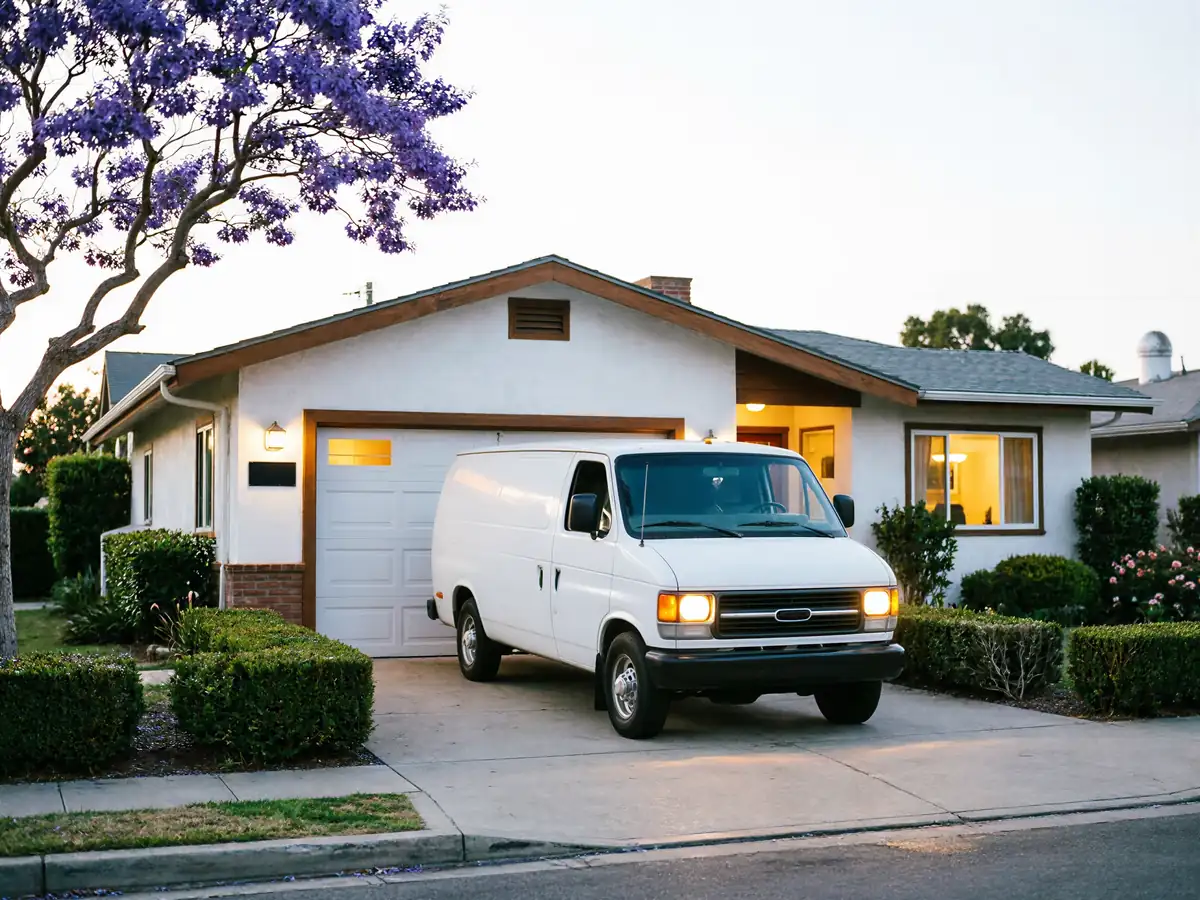
We run out of Walnut Creek, about 7 miles from Orinda
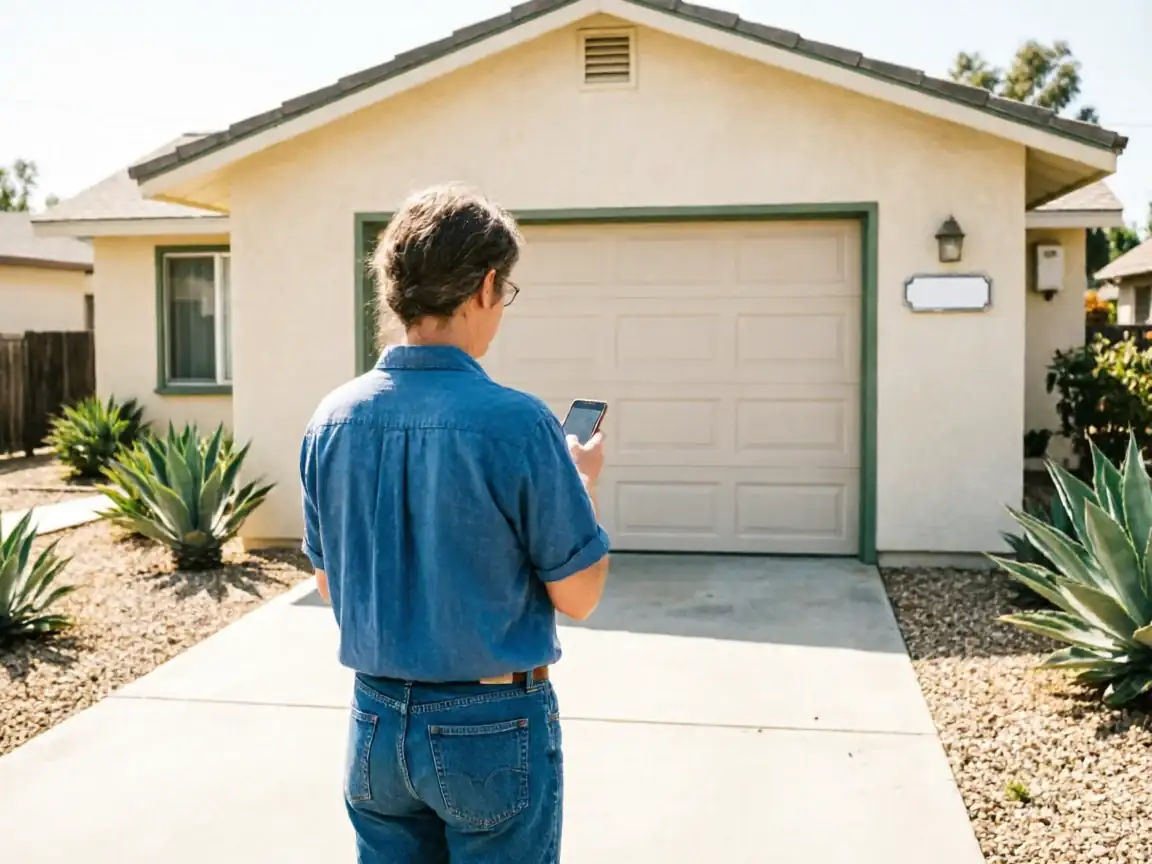
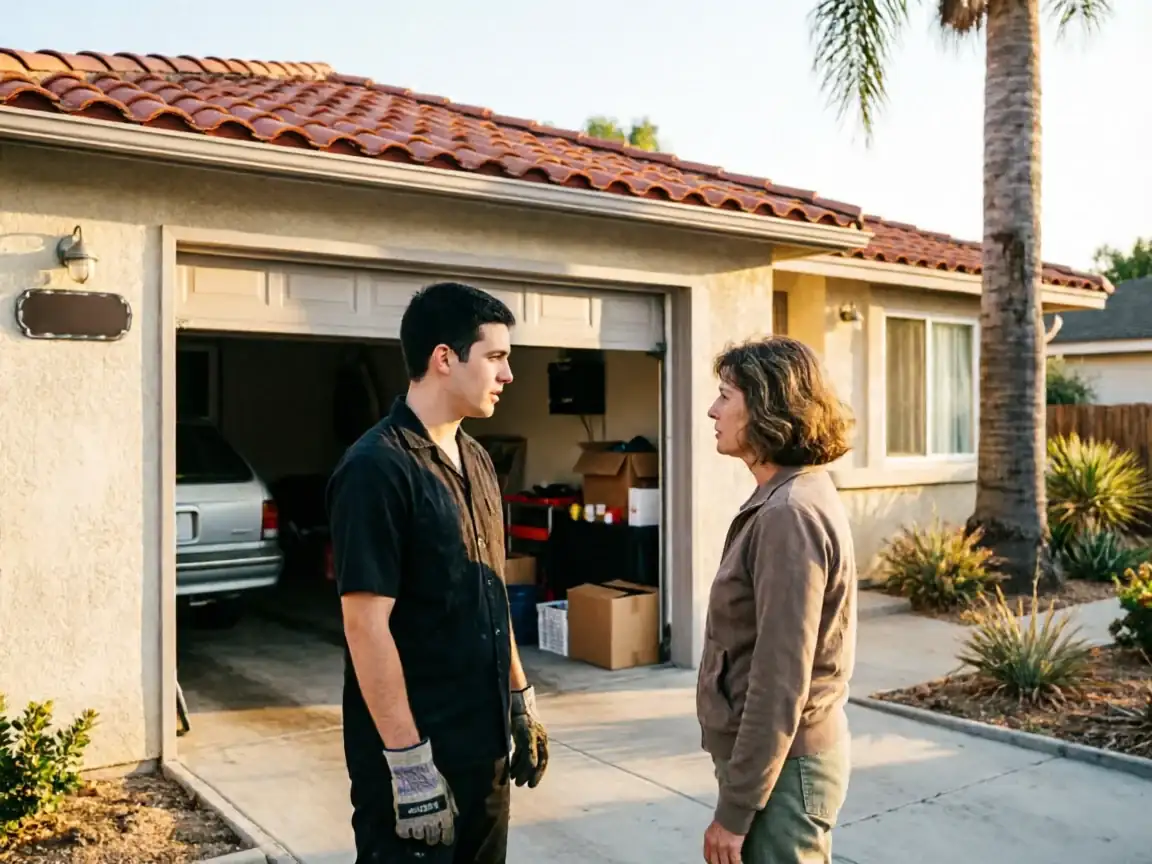
So there's no local branch to call - just us driving over. Reach out through the Orinda coverage page and tell us what you're looking at: which panel, how many sections, whether the door still opens and closes on the track or whether it's binding. A photo helps us figure out ahead of time if we're looking at a single panel swap or something bigger.
- 7 miles
We can't promise a same-day slot from this page
That depends on the truck's route that day - but we'll tell you honestly on the call what the timeline looks like once we know the job.
The Symptom
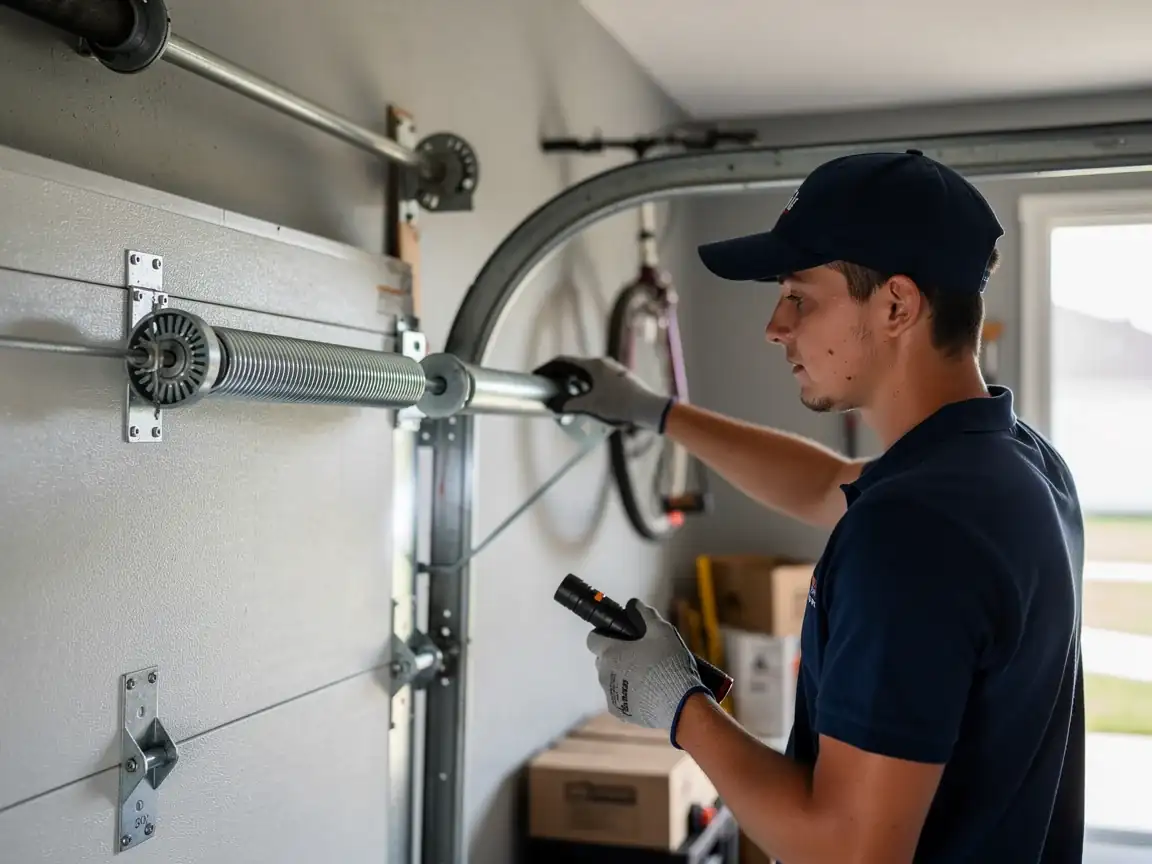
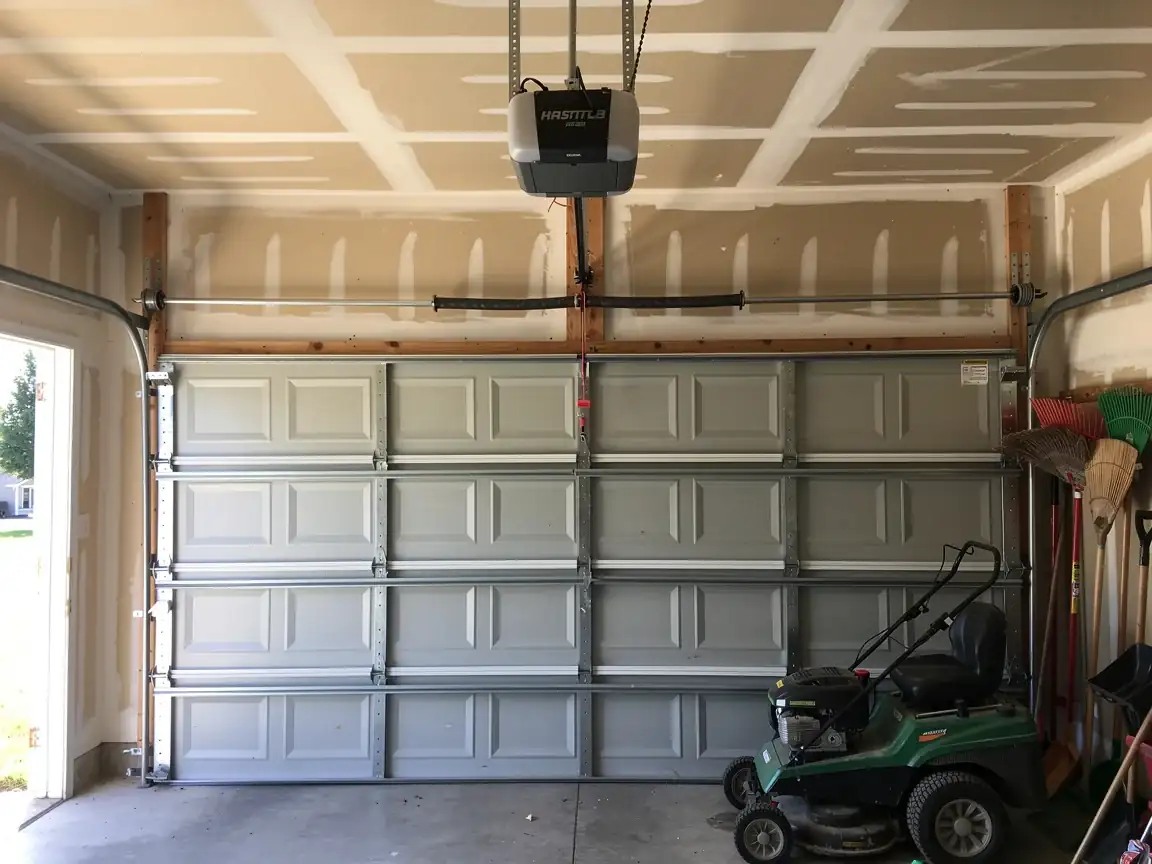
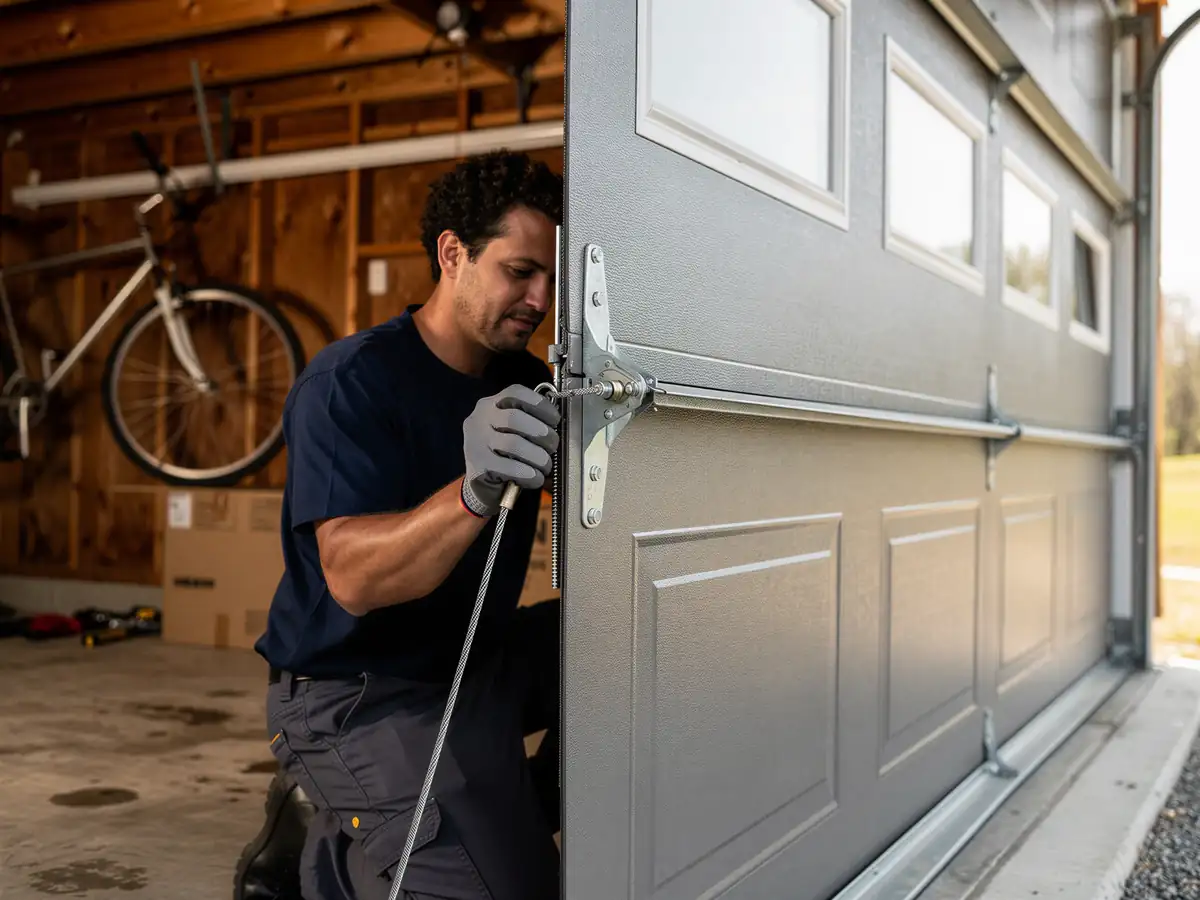
The giveaway is usually a visible dent or crack in one section while the rest of the door still looks fine, paired with a door that now drags, binds, or won't seat flush at the bottom. On a 1960s-era door, a bent panel can throw the whole section out of true, which puts extra load on the rollers and track on that side. You'll often hear a new scrape or grind right where the damage is.
If the door still opens and closes smoothly and the opener isn't straining, it's usually just the one panel. If the door is fighting the track, the damage has already spread past the panel itself, and that's a different, larger job.
Doing It Yourself
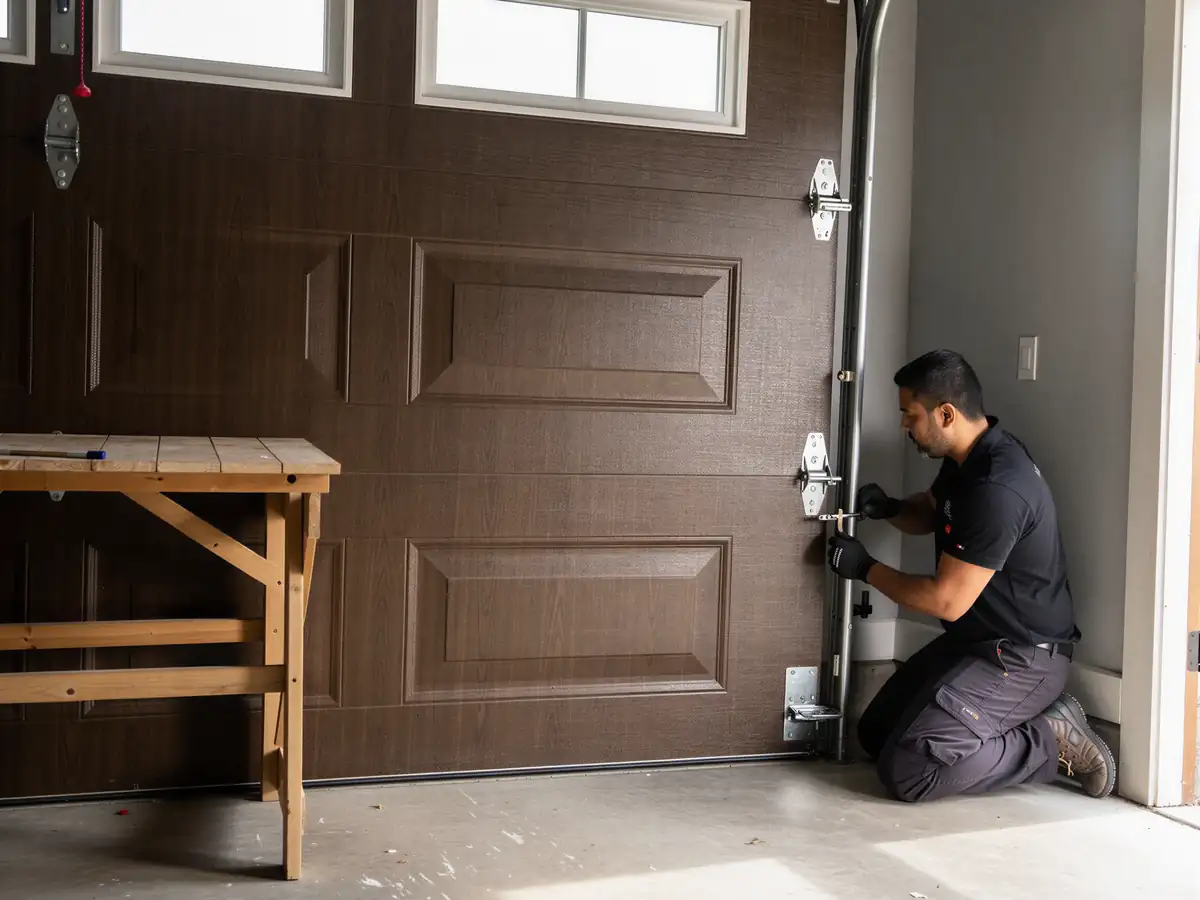
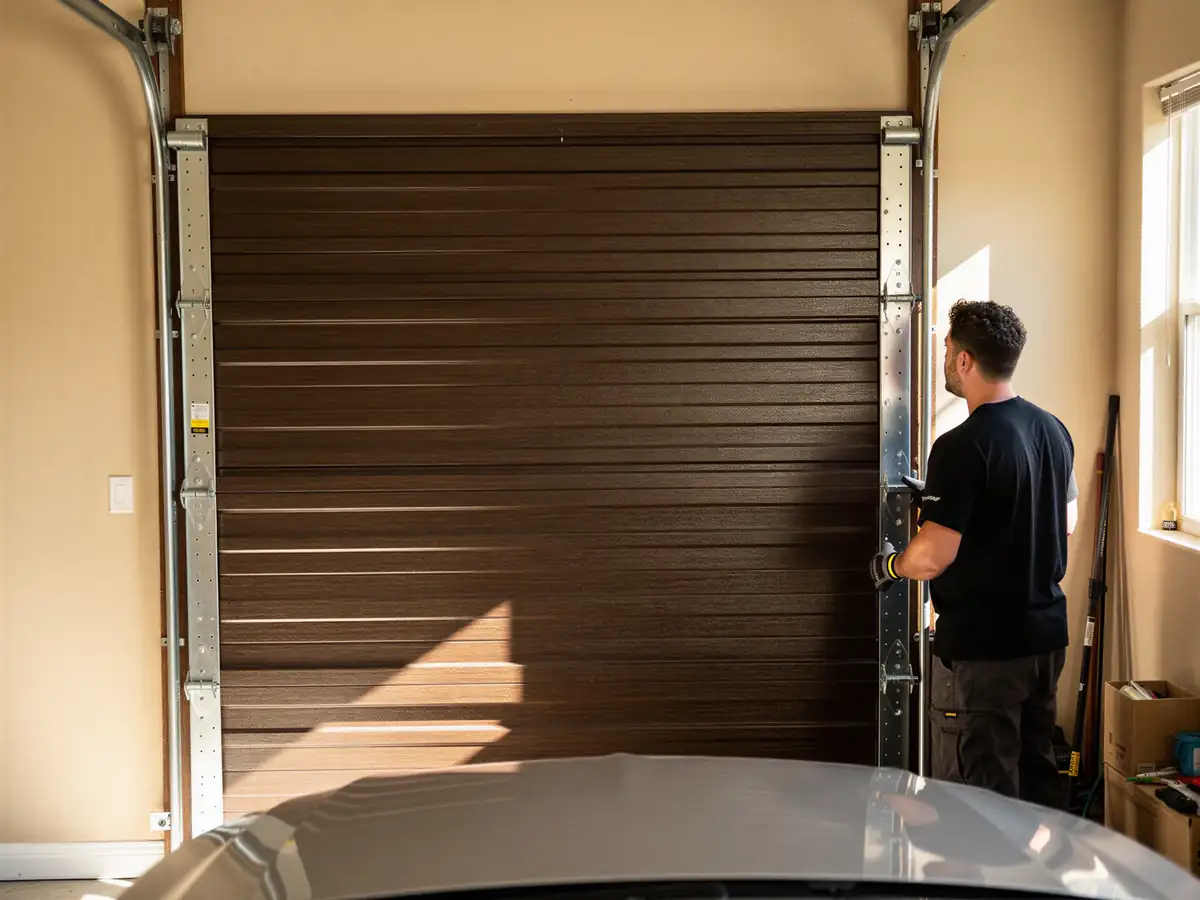
Ordering a single replacement panel and swapping it yourself is possible on newer doors with common dimensions, but on an older Orinda house built around 1961, the panel profile, screw spacing, or even the gauge of steel may not match anything currently manufactured. We've seen homeowners order a panel that's close but not exact, then force it into place - which strains the hinges and the track alignment on that section.
If you want to try it yourself, at minimum take the full door's measurements (width, panel height, hinge spacing) and match them against the manufacturer before you order anything. If you can't find the original manufacturer's model number stamped on the door, that's usually the point to call us instead, since matching an unlabeled older panel from scratch is most of the job.