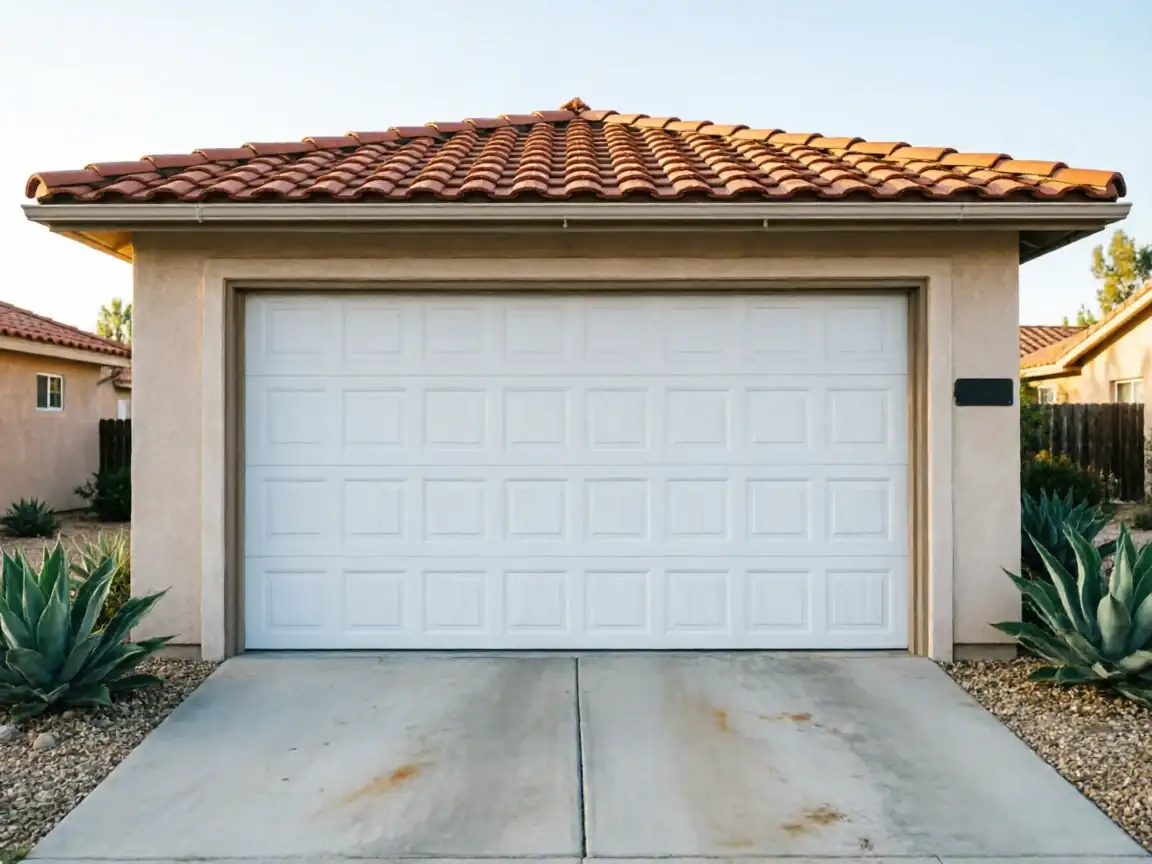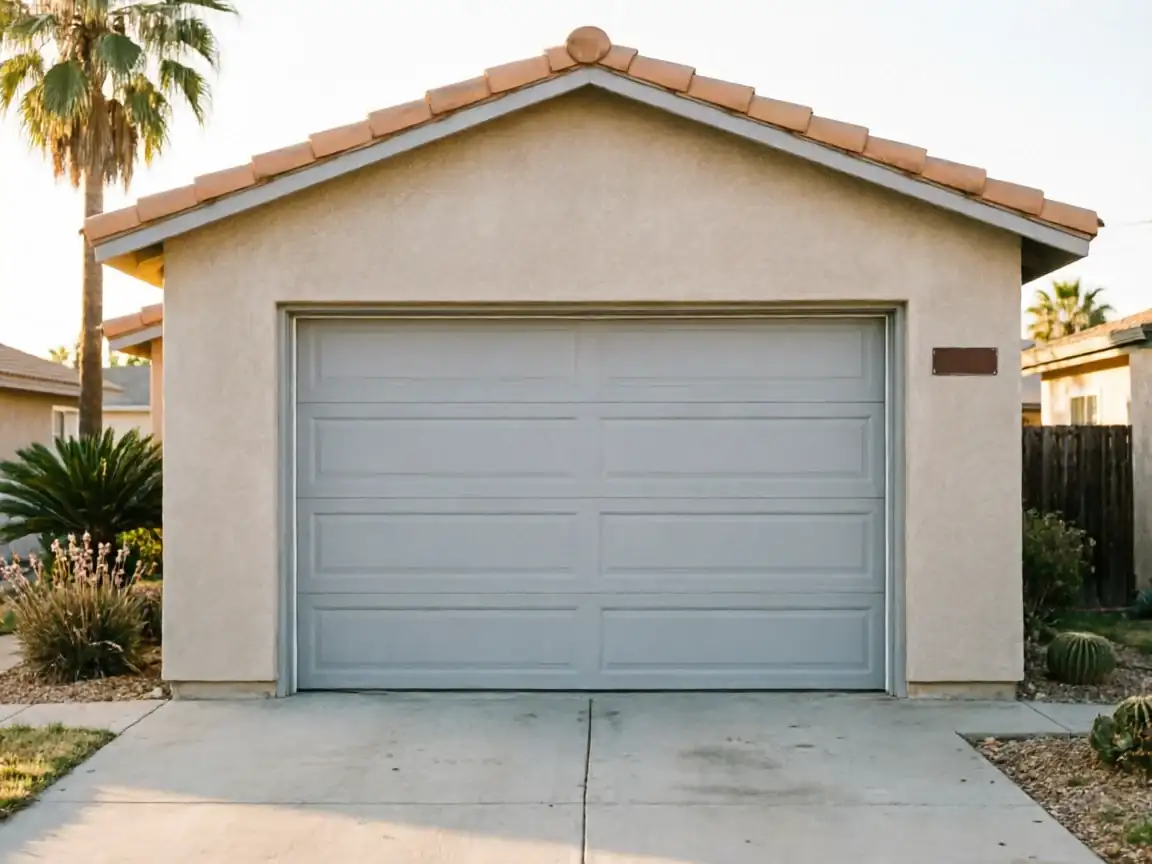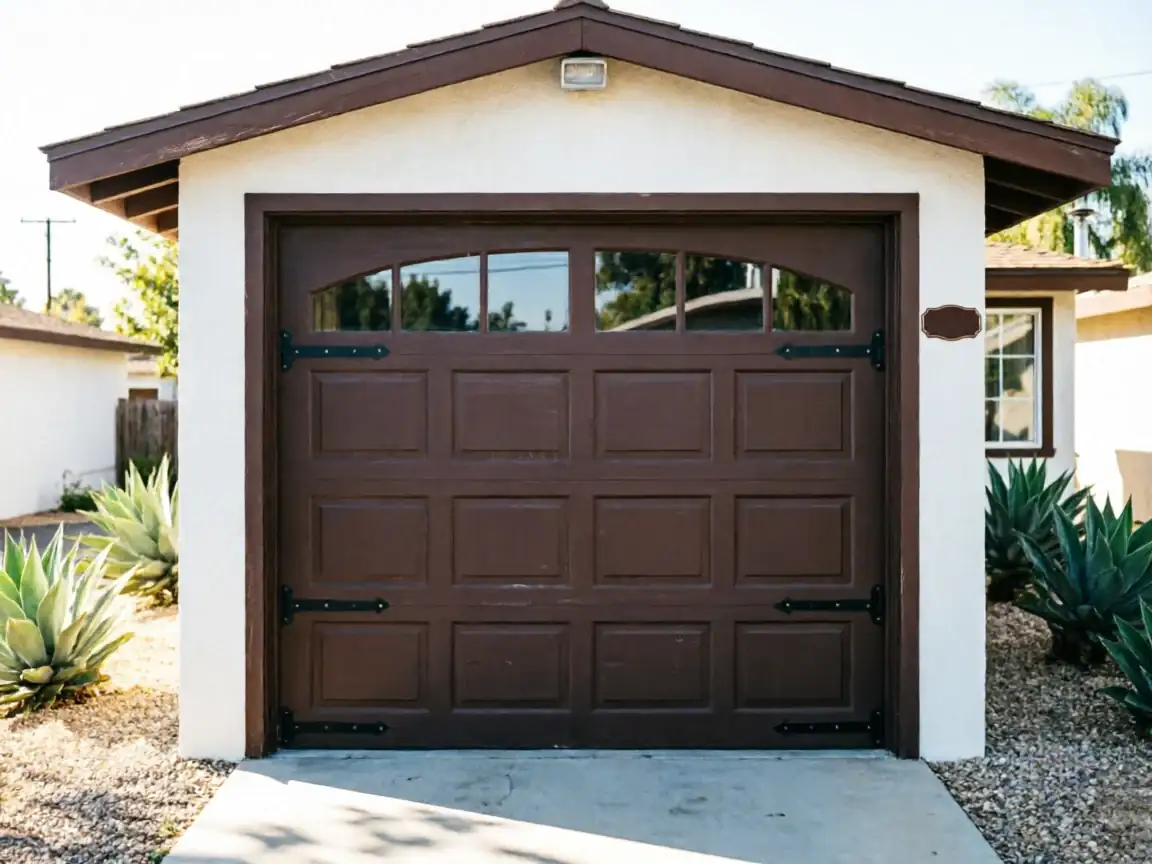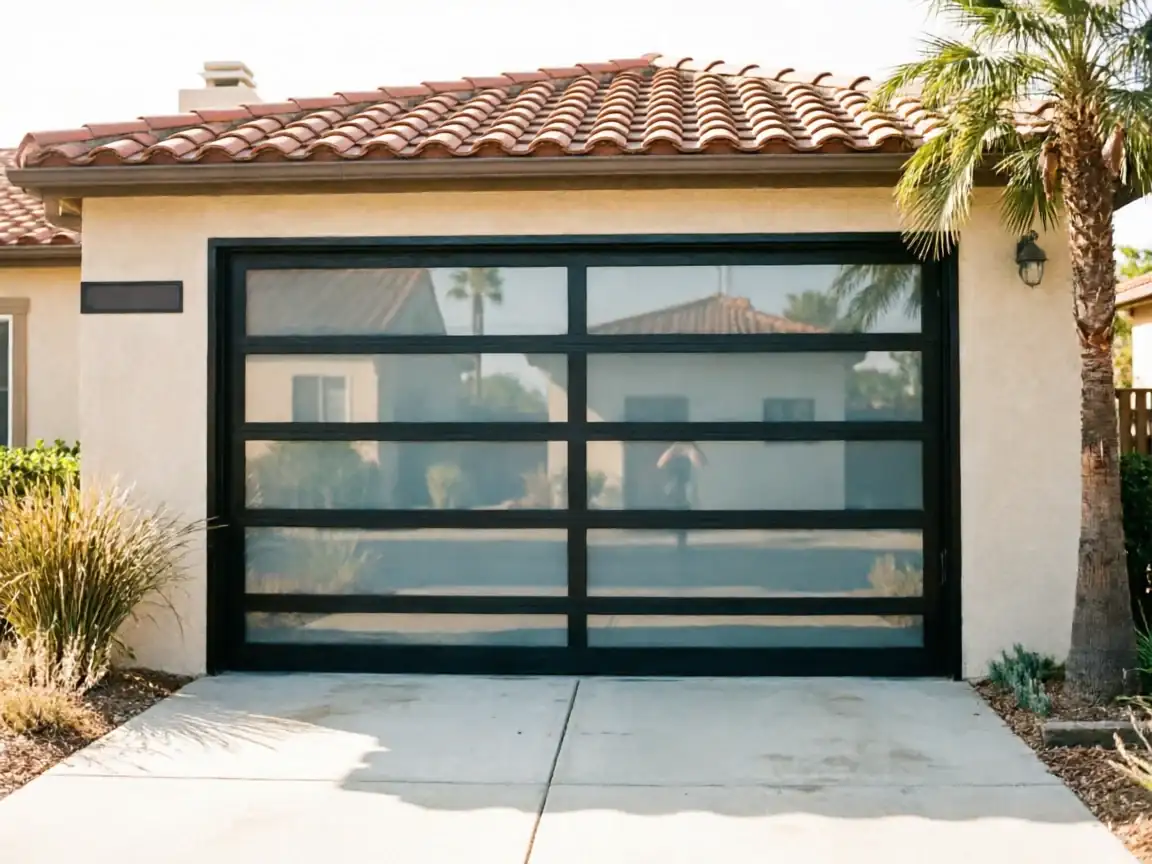
What Causes It Around Here
Walnut Creek's housing stock runs from 1938 to 2008, with the median build year sitting at 1972. That means a huge share of the doors on this side of the hills are original equipment from the 1960s and 70s boom years, across the area's 39 named neighborhoods. Original hardware from that era wasn't built for forty-plus years of daily cycling. Springs lose tension gradually, rollers wear flat, and the galvanized coating on cables starts to flake once lubrication dries out.
The mild temperate climate here is actually kind to doors compared to places with real freeze-thaw cycles or heavy coastal salt air. You don't get the rust-through failures some regions see. What you do get is slow mechanical wear that nobody notices until the day the door won't open: a torsion spring that's been quietly losing coils of tension for a decade, or a track that's walked a quarter inch out of plumb from thousands of open-close cycles.
Across the service area - 263,171 households, with 136,668 of those owner-occupied houses - the pattern repeats. Older stock, mild weather, and doors that get used instead of babied. That combination is why maintenance calls cluster around hardware fatigue rather than weather damage.
Doing It Yourself
There's real DIY room here
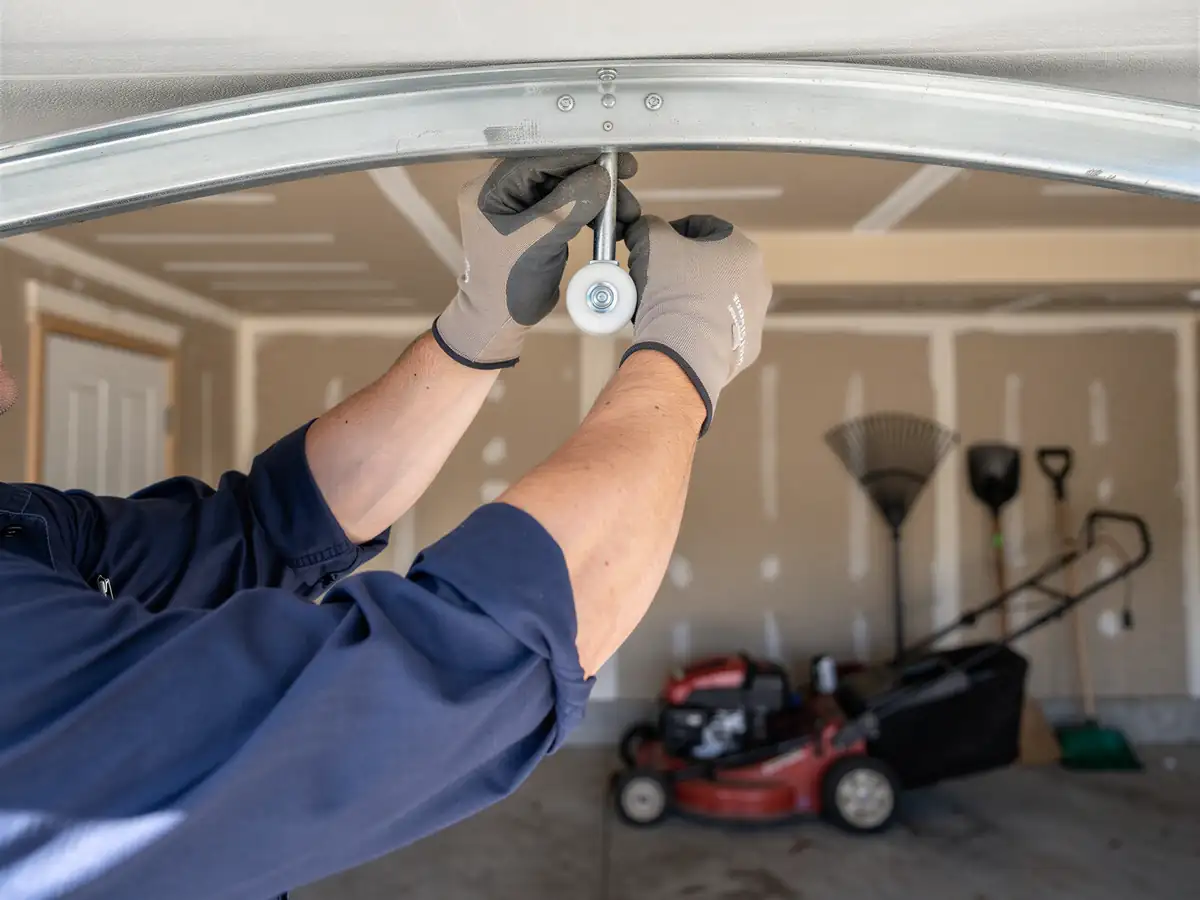
Twice a year, wipe down the tracks and check for debris, then run a bead of garage-door lubricant on the rollers, hinges, and the torsion spring itself - not WD-40, which washes out grease rather than replacing it. Look at the cables for fraying strands, and check that the bottom seal still makes contact with the slab across its whole width.
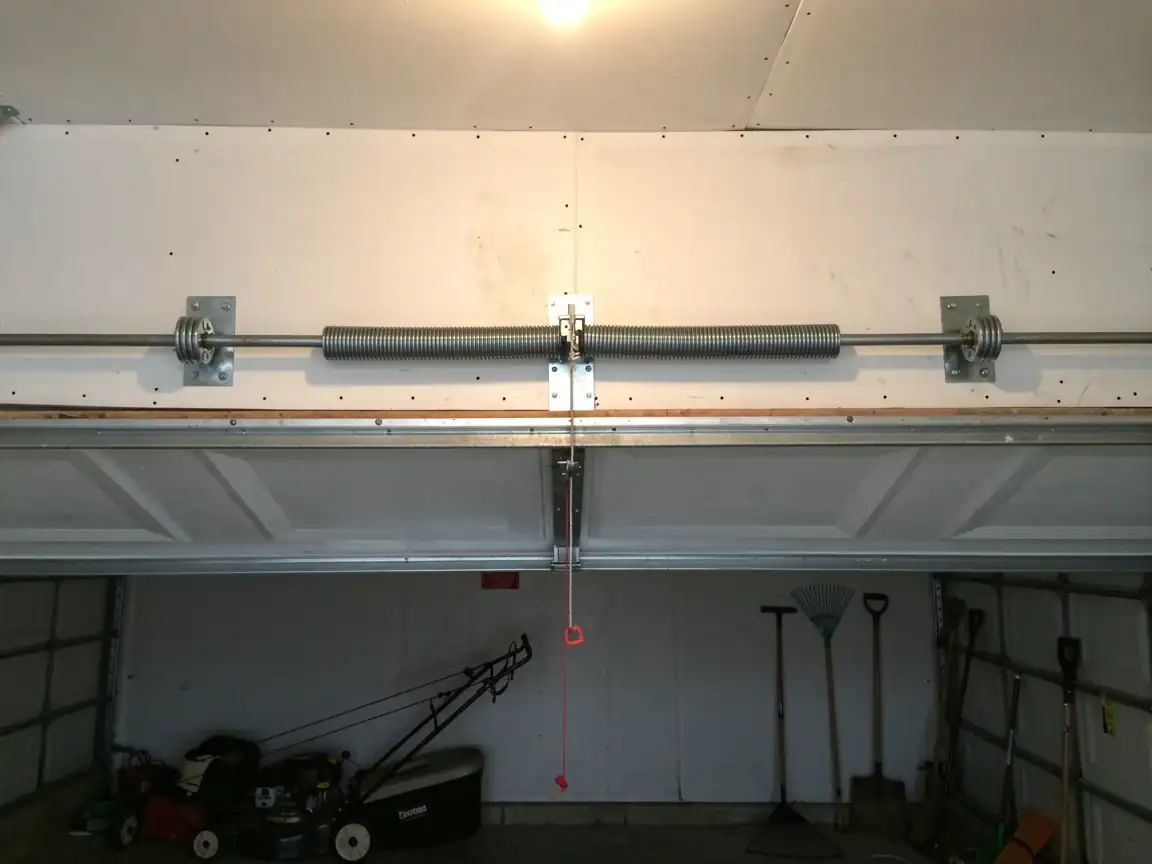
What you shouldn't touch: the torsion spring's tension itself
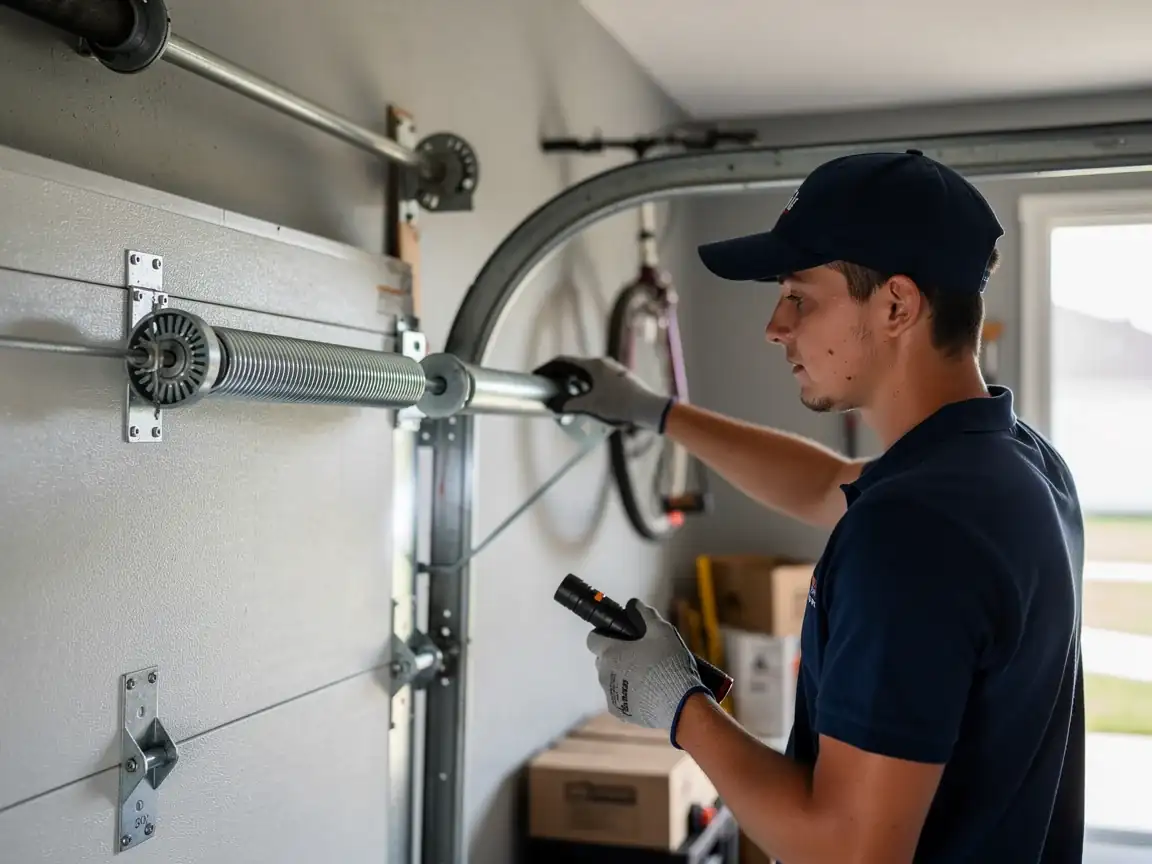
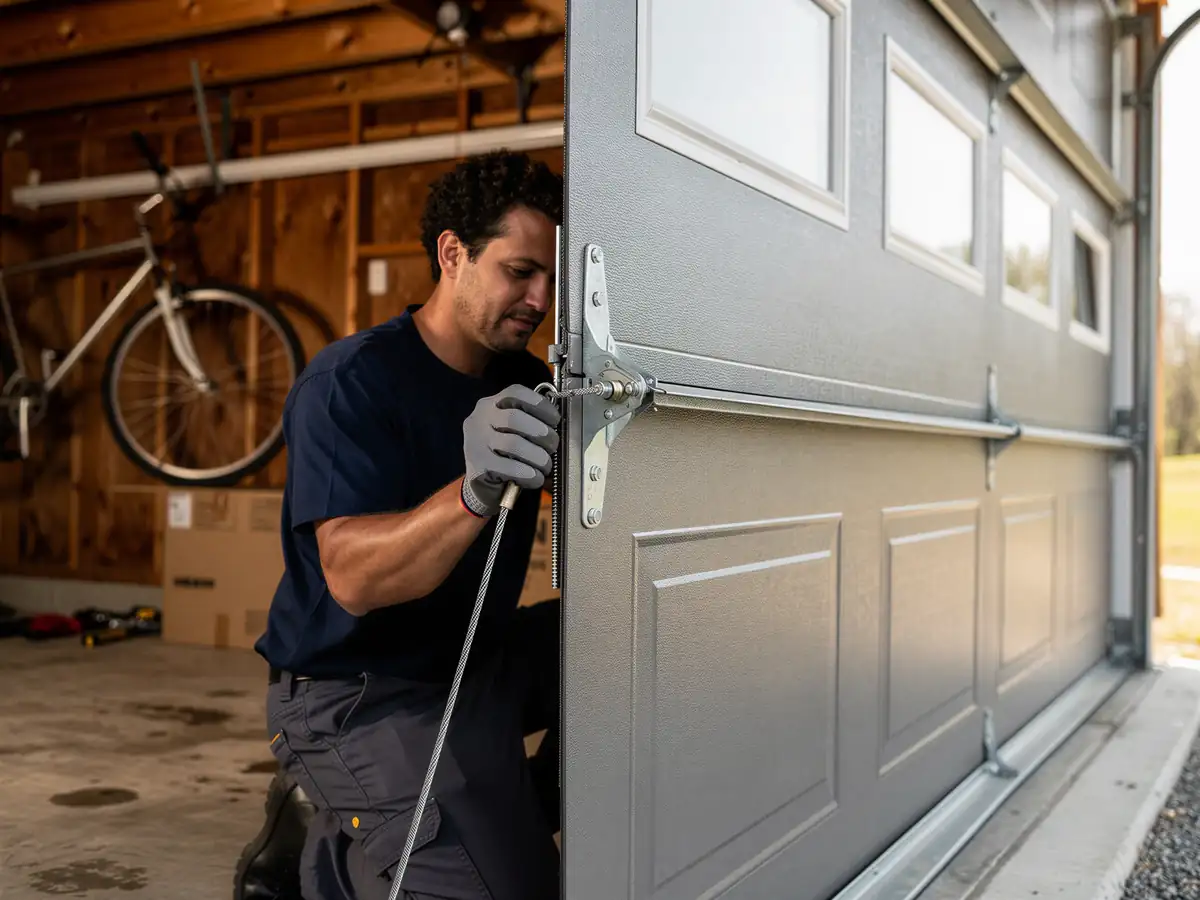
On a door built in the 1960s-70s window, that spring is holding the full dead weight of the panel under wound tension, and an incorrect adjustment can snap the winding bar back hard enough to break bones. Same goes for the cables under tension near the bottom brackets.
If your opener is original to a 1970s install
Don't try to recalibrate the force settings past what the owner's manual specifies - overcompensating a weak spring with opener force just wears the drive gear and strips the motor early. That's a job for someone who's replacing the spring, not working around it. If you're not sure what decade your hardware dates to, that's reason enough to call rather than guess.
The Symptom
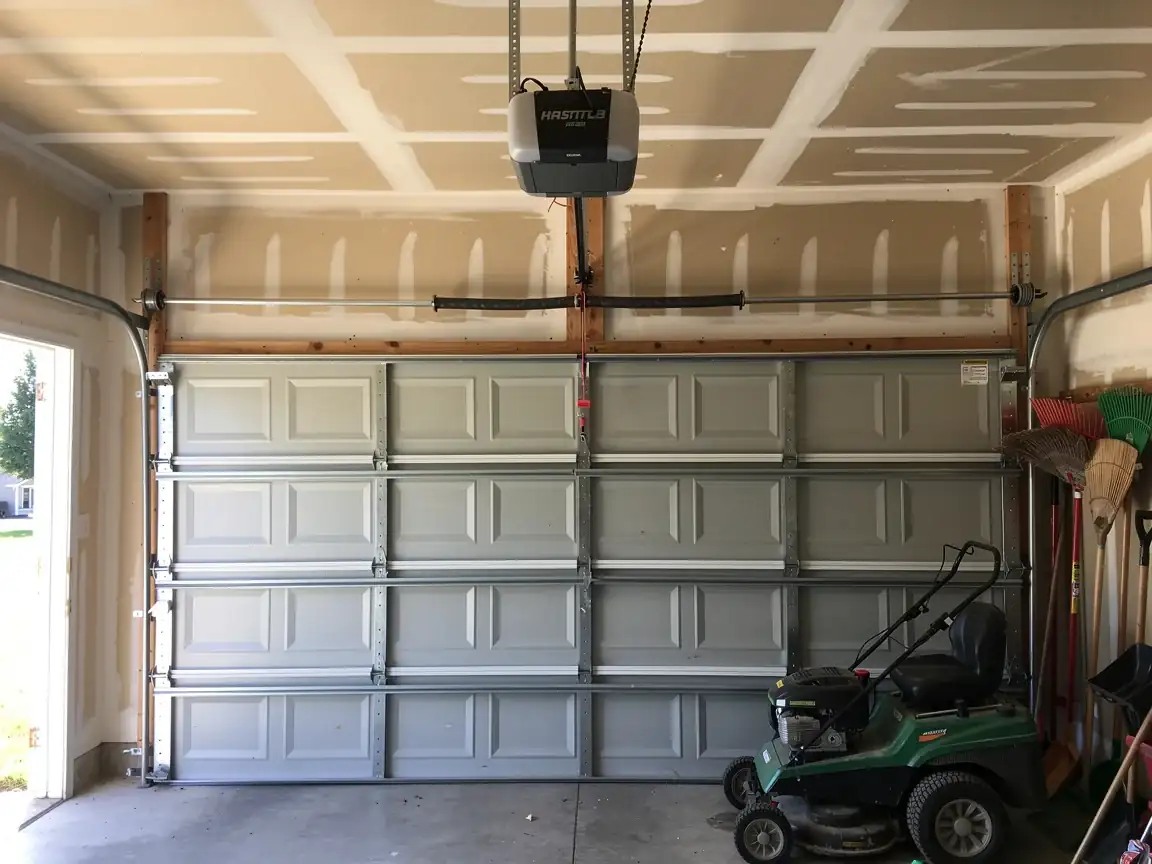
The most common call we get isn't a door that won't open at all - it's a door that's gotten noticeably heavier to lift by hand, or an opener that strains and groans partway through the cycle. That's a spring losing tension gradually, not failing all at once, and it's the signature wear pattern on hardware this old. You'll also hear it: a grinding or popping sound from the spring area as worn coils bind against each other.
A second common pattern is a door that reverses on its own a few inches off the floor - usually a sign the opener's force setting has crept up over the years to compensate for the same losing spring, rather than an opener problem on its own. Homeowners often replace the opener first because that's the part making noise, when the spring underneath is the actual cause.
Less common but real: tracks that have drifted out of alignment after years of cycling, which shows up as a door that rattles or drags on one side. None of these show up overnight. They build for months, which is exactly why a maintenance visit catches them before the spring snaps at 2am on a cold start.
How We Fix It
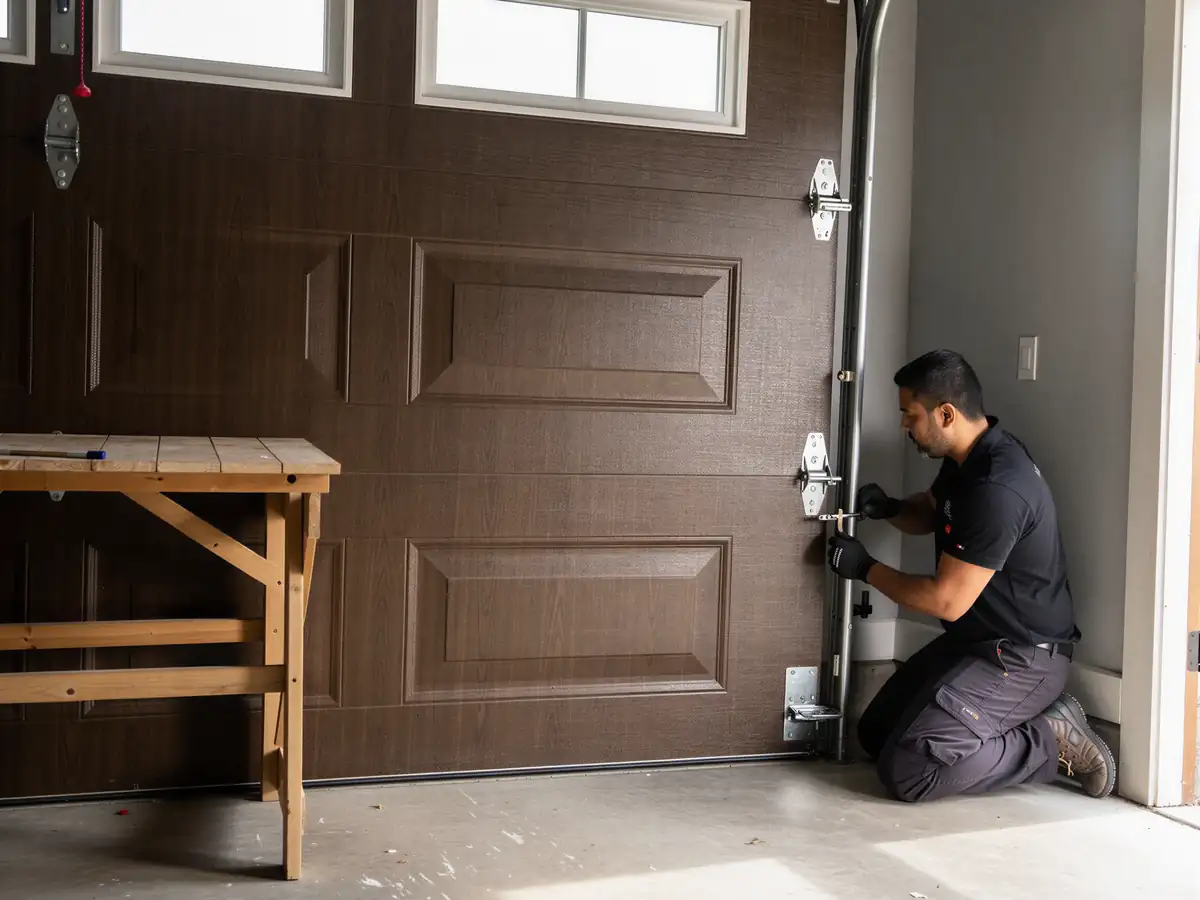
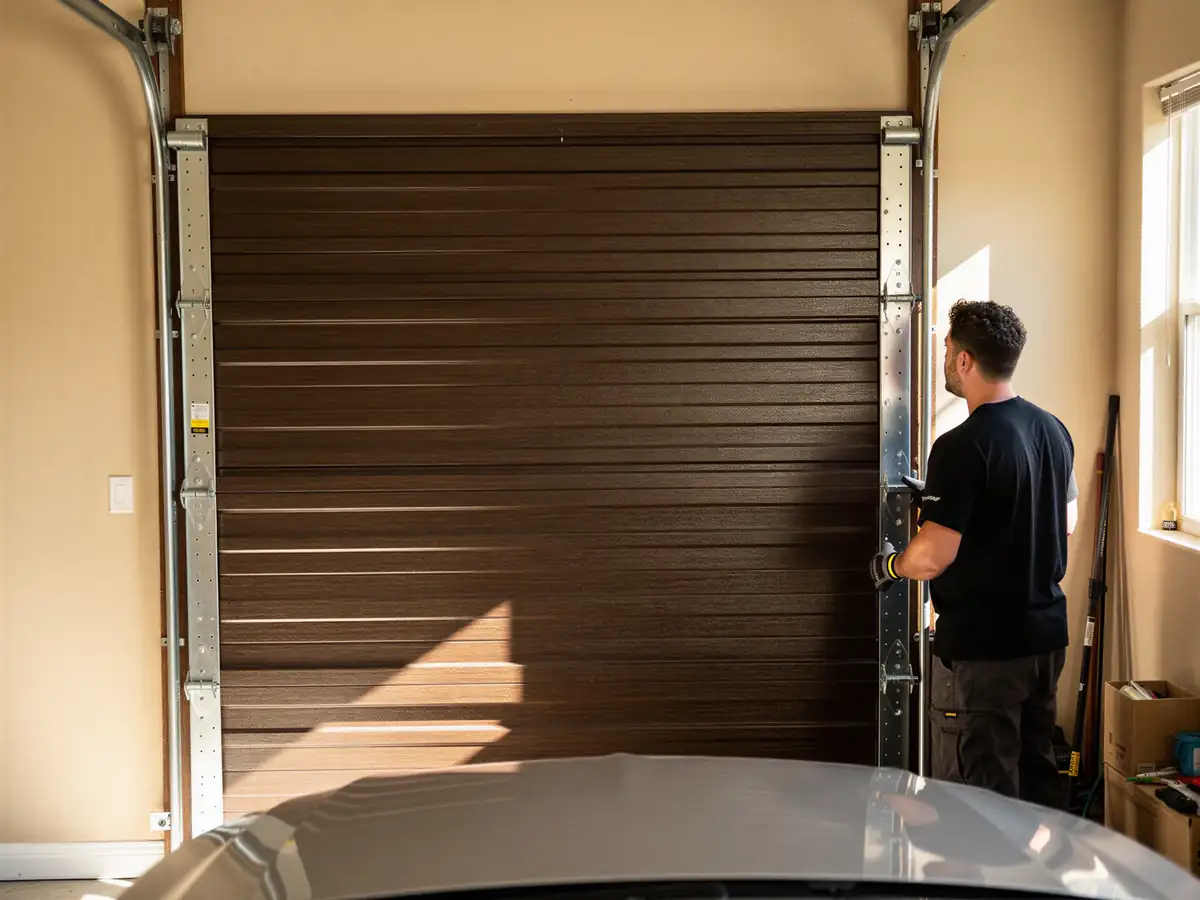
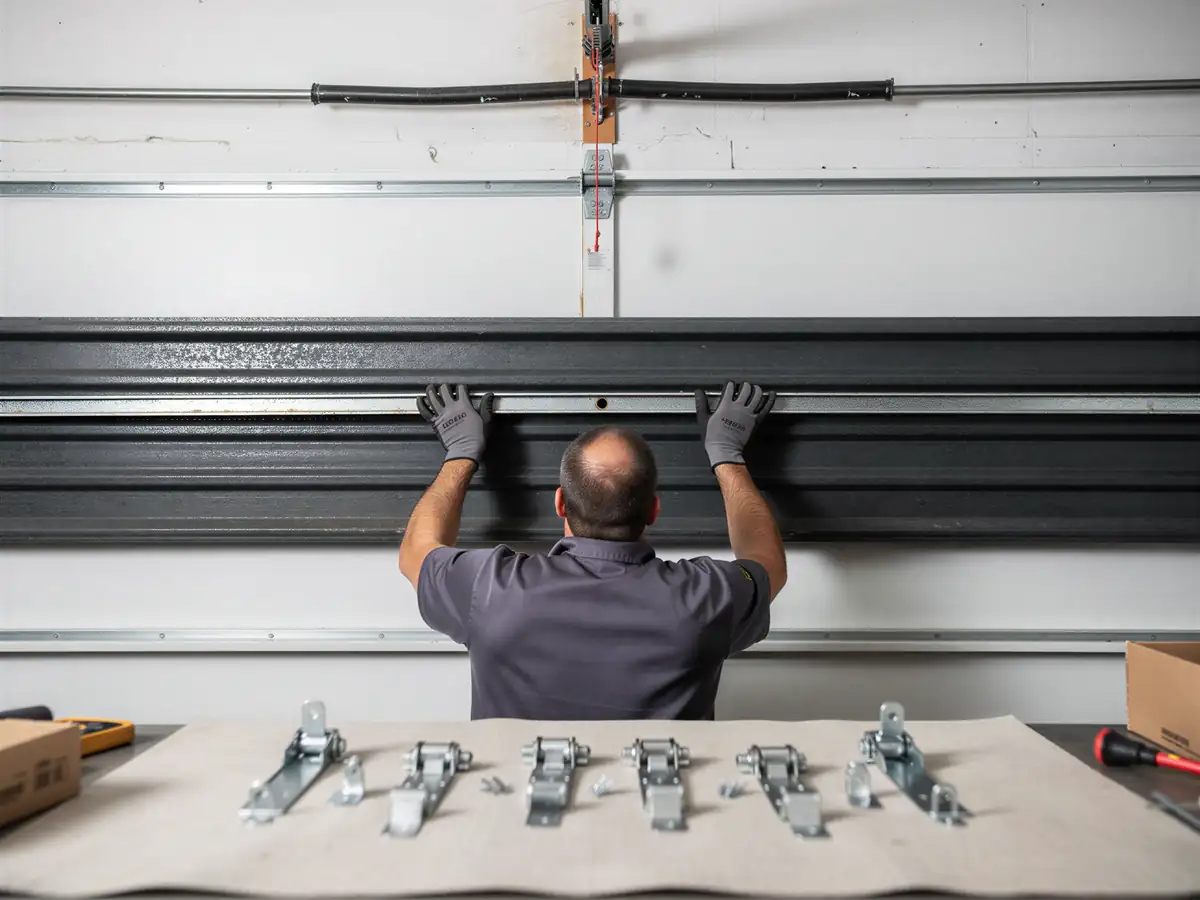
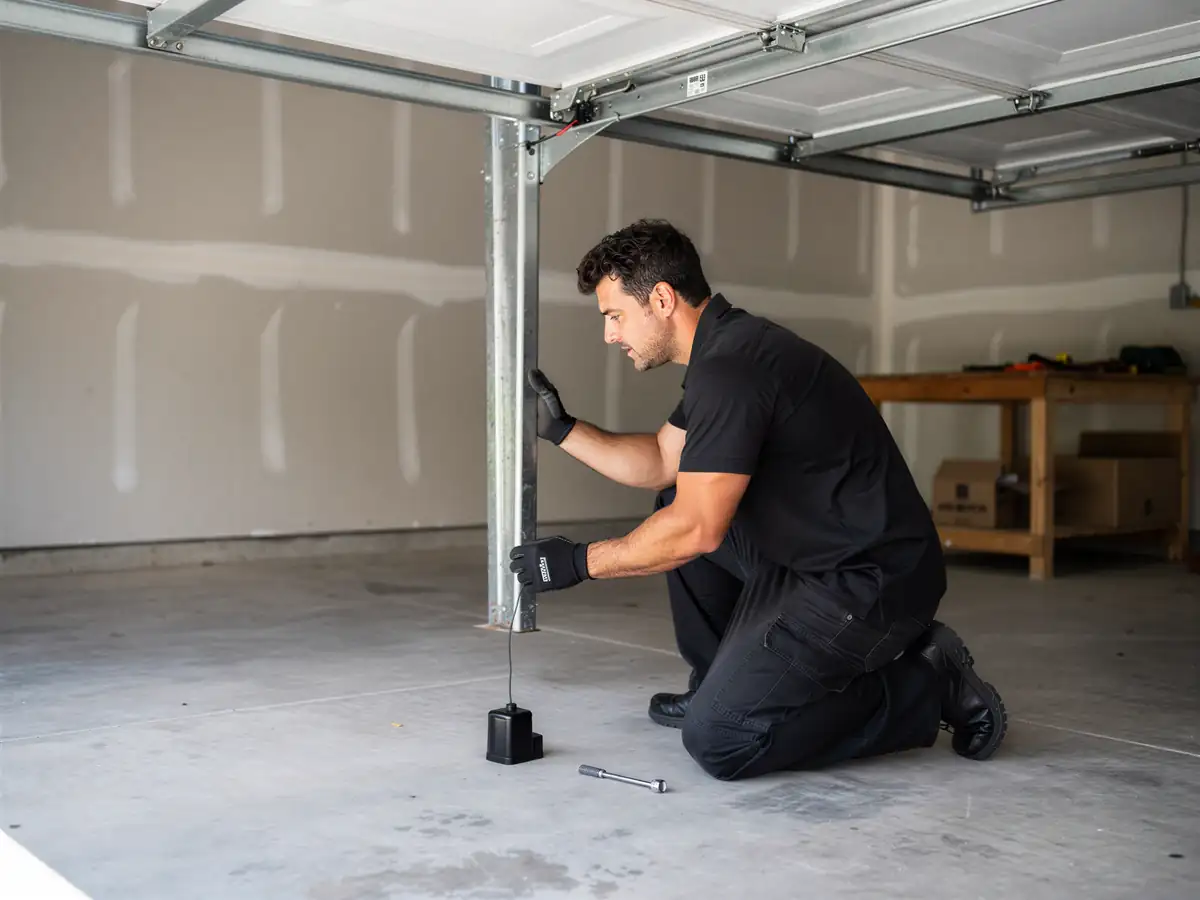
A maintenance visit means a full inspection of the moving parts - spring tension, cable condition, roller and hinge wear, track alignment, and opener force and travel settings - followed by lubrication of everything that moves and tightening of hardware that's worked loose over years of cycling. On a door from the 1960s-70s stock common here, we're usually also checking whether the spring size still matches the door's actual weight, since insulation retrofits and replacement panels sometimes change that math without anyone adjusting the spring to match.
If a spring's wear has gone past adjustment - visible flat spots, rust pitting inside the coils, uneven winding - we'll say so plainly rather than keep tuning around a part that's near the end of its life. Replacing a torsion spring on original 1970s hardware sometimes means sourcing a size that isn't a stock item anymore, which can add a day or two versus a straightforward tune-up.
We work across the Walnut Creek service area, including San Miguel, Alamo, Pleasant Hill, and the other named areas nearby. Each of those has its own housing mix and its own page with the specific detail - this page covers the maintenance work itself.