What Causes It Around Here
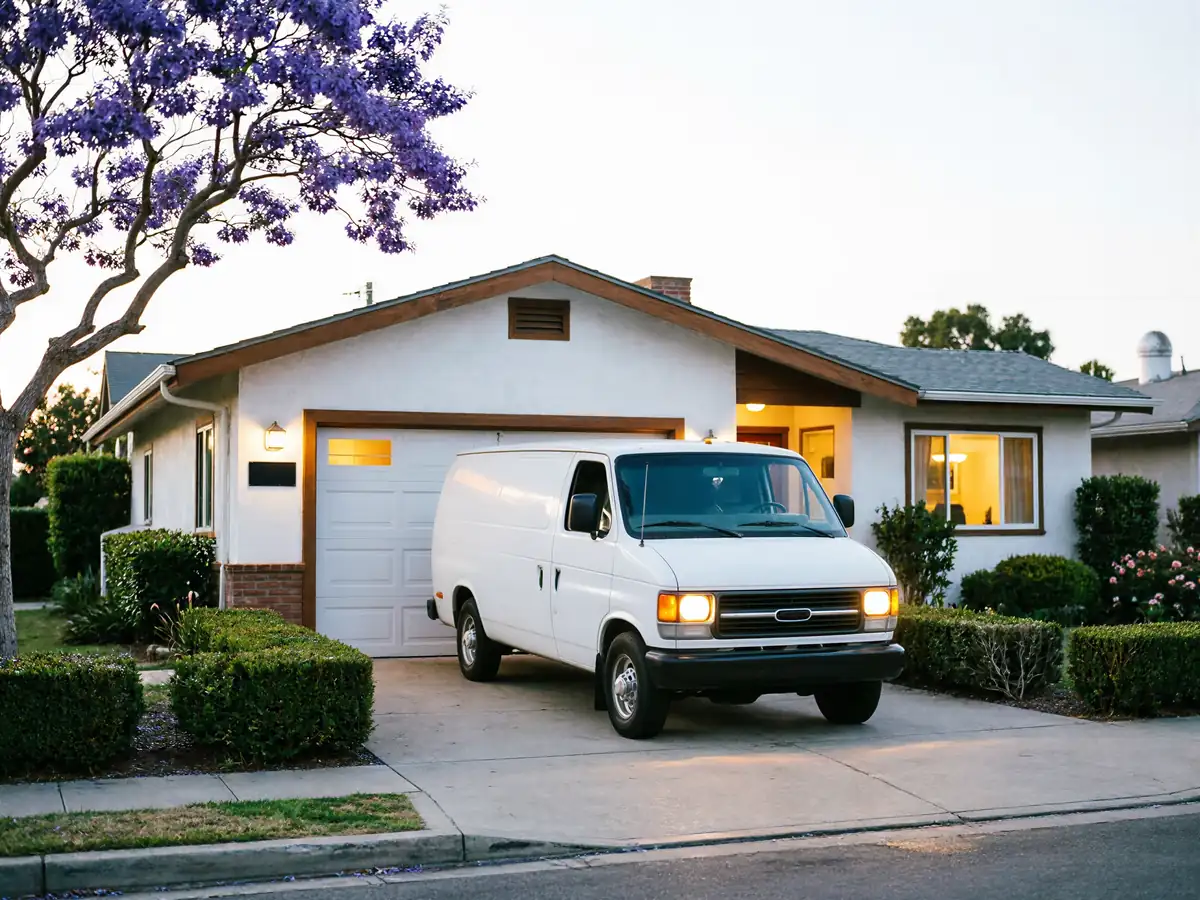
Castro Valley is a 14-mile drive from our shop in Walnut Creek, which is the first thing worth knowing if you're booking a maintenance visit instead of an emergency call. We batch Castro Valley jobs when we can, because that drive means a tech isn't sitting in your driveway for a five-minute lube job alone - he's doing the full check while he's out there.
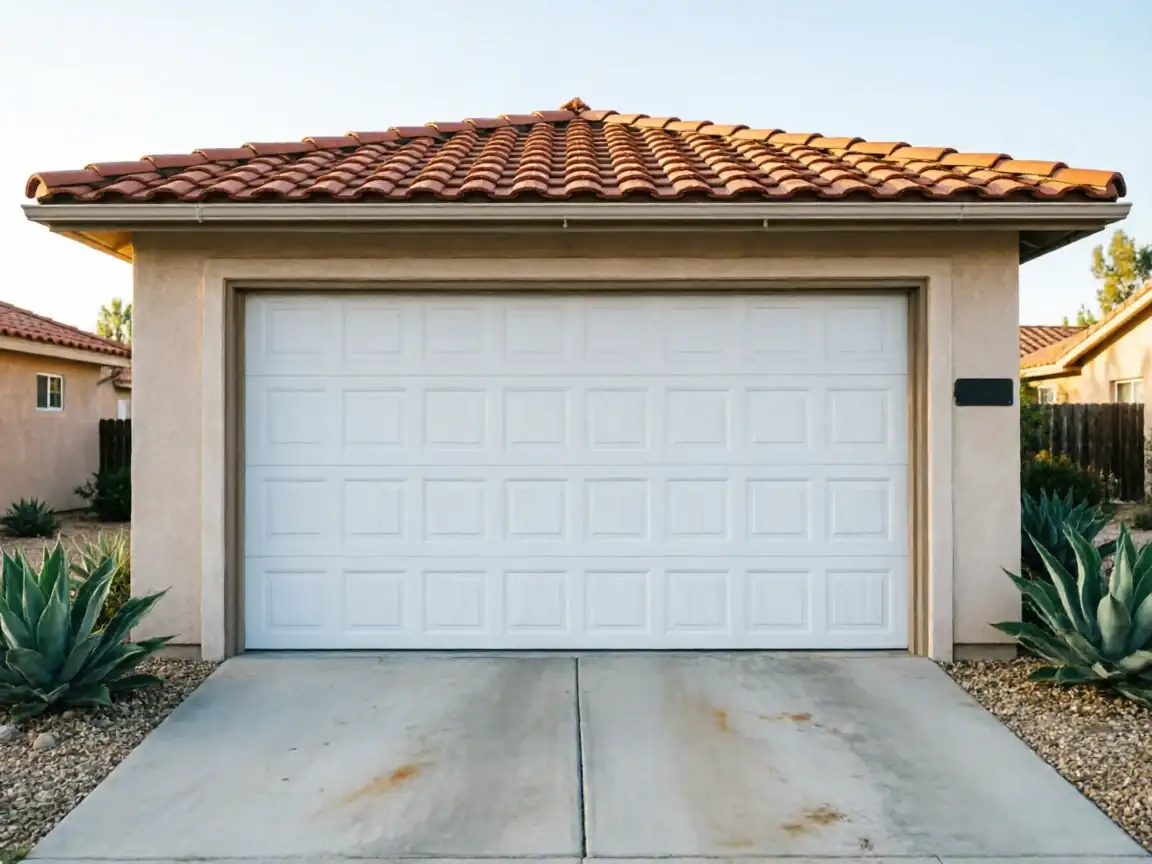
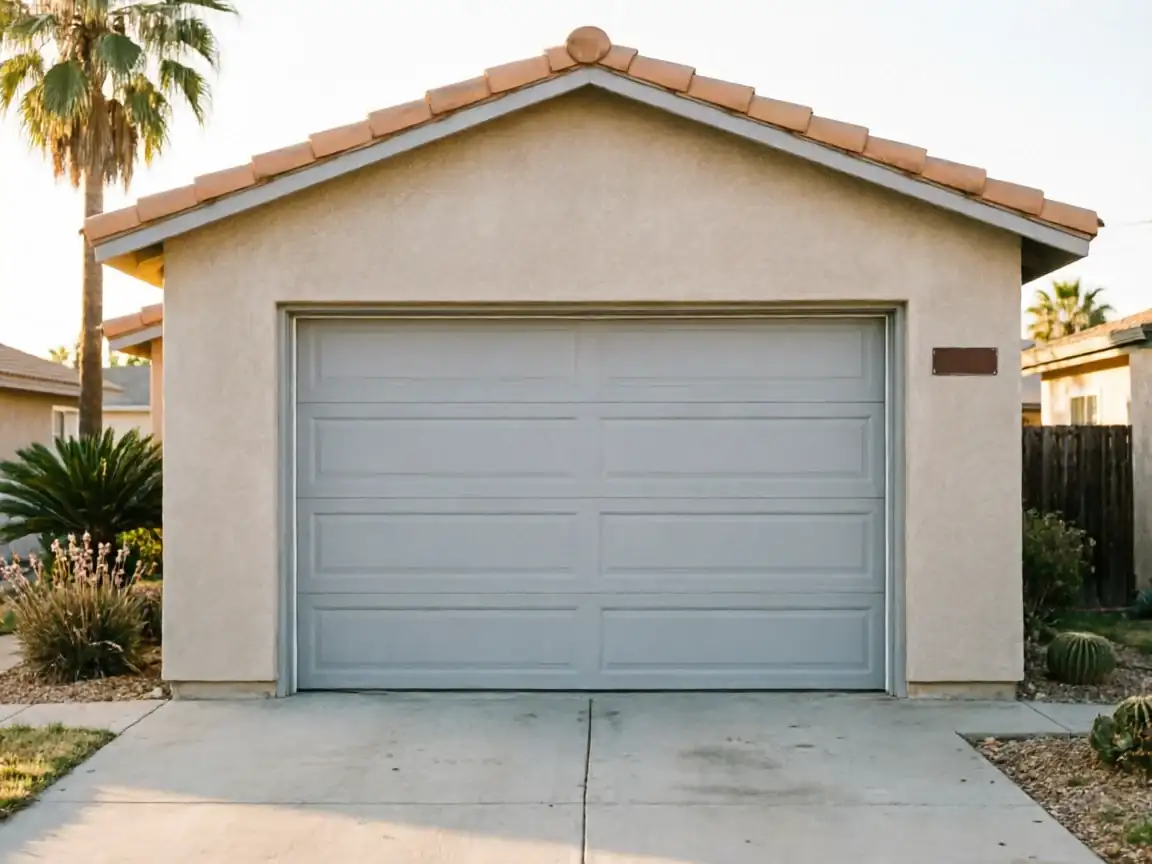
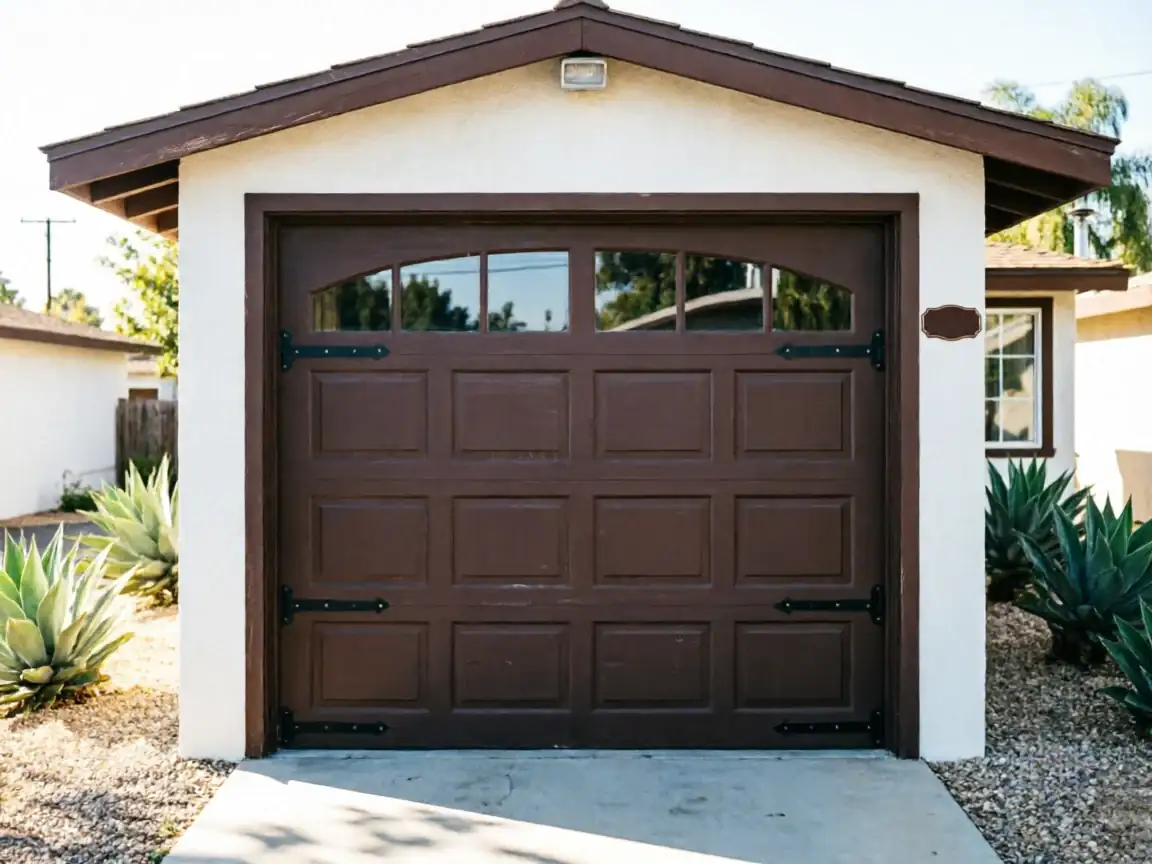
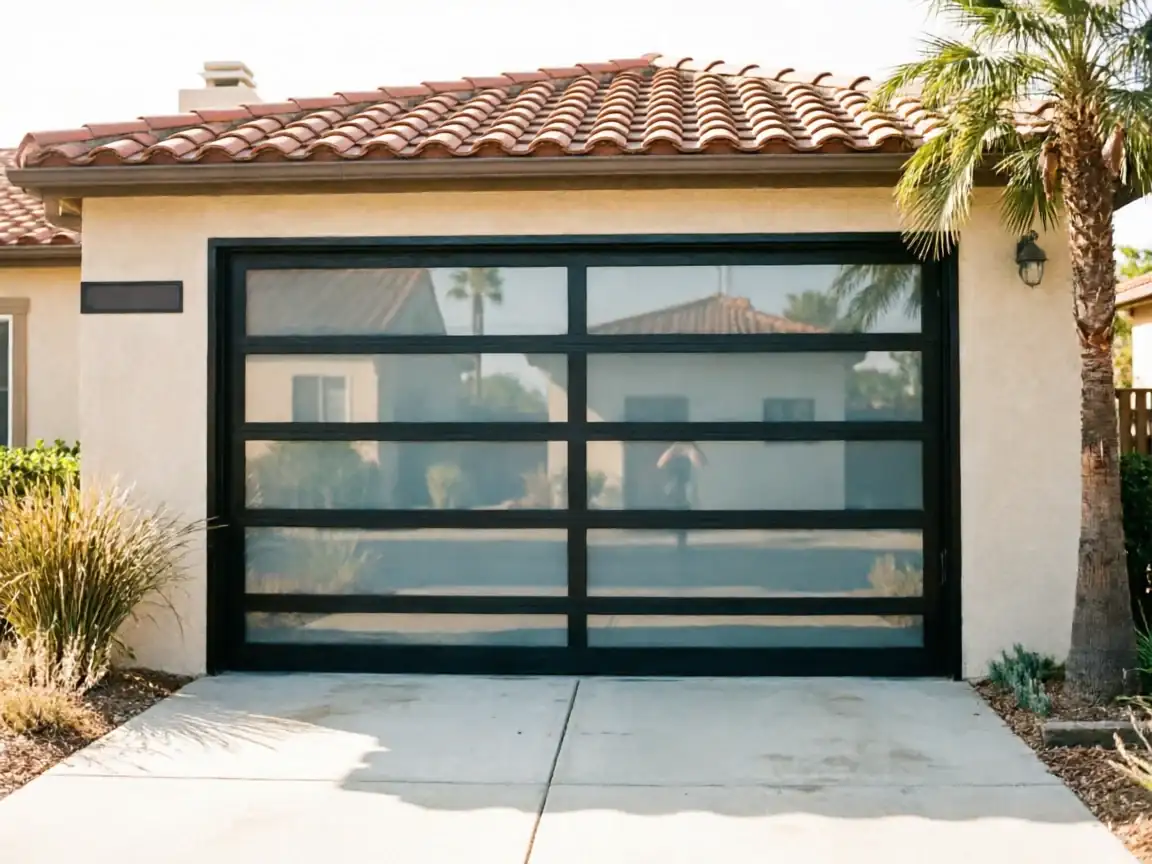
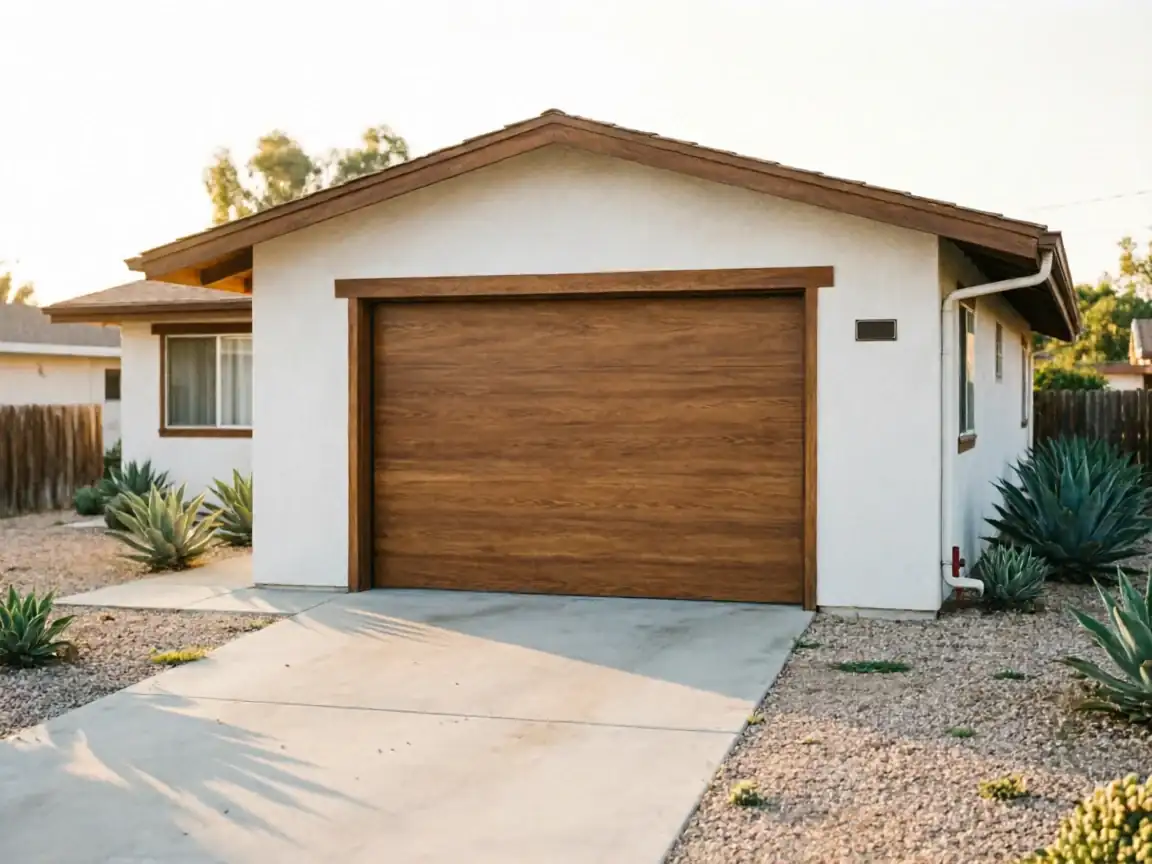
The bigger factor is the housing stock itself. Most of the houses in Castro Valley went up around 1966, a touch earlier than the 1972 median across our whole service area. That handful of years matters more than it sounds like. Doors and openers from the mid-1960s have usually been through at least one full hardware swap already, sometimes two, and what's on the track now is a mix of original brackets with newer cable and a replacement opener bolted on top. Maintenance on a door like that isn't just checking bolts - it's figuring out which generation of parts you're actually looking at before you touch anything.
The Symptom
The complaints we hear out of Castro Valley tend to be the slow kind, not the dramatic kind
A door that's started hesitating halfway up, a remote that needs two tries some mornings, a faint grinding when the door reverses near the bottom. None of that reads as an emergency, which is exactly why it gets ignored for months.
On a door from the 1966 era, that hesitation is often the opener motor compensating for spring tension that's drifted off its original set point
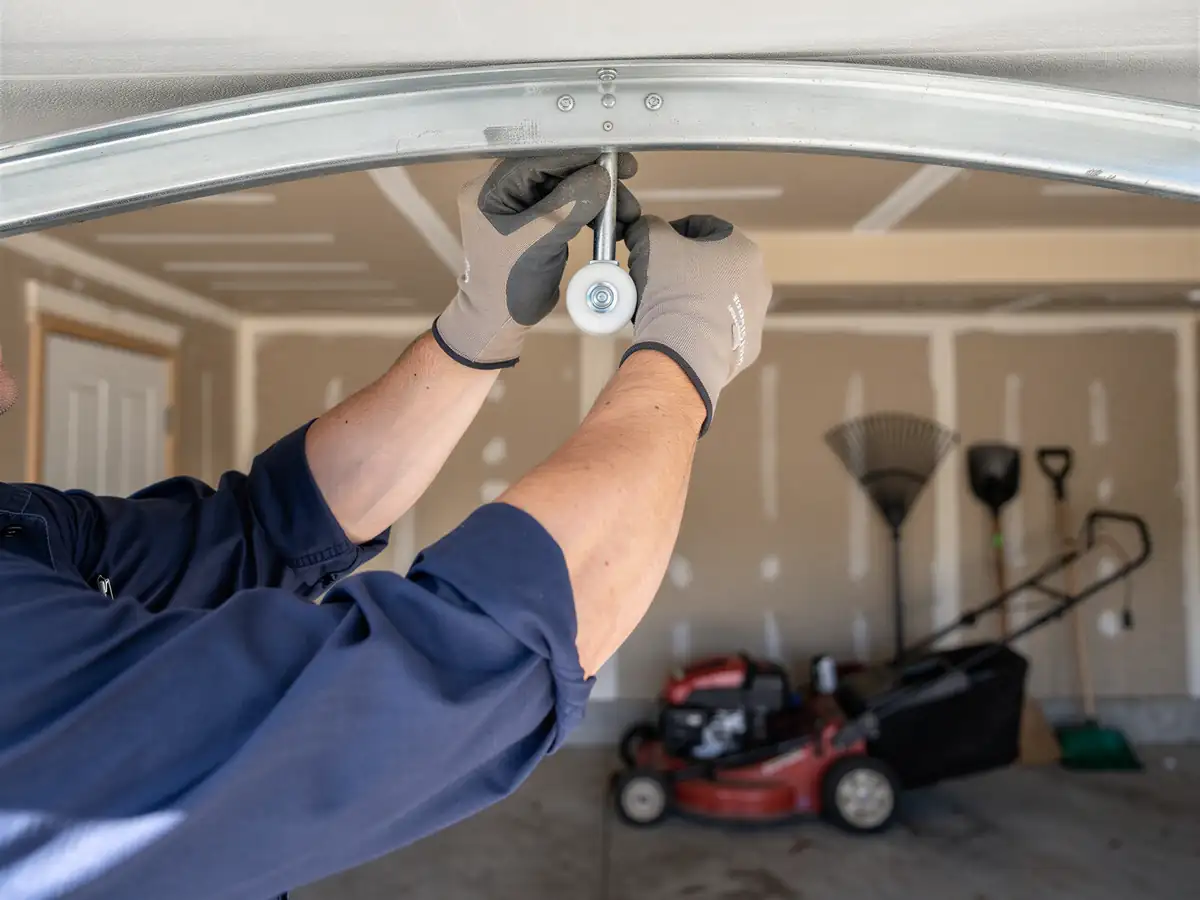
Or rollers that have worn enough to bind slightly in an older track profile. It's the kind of fault that a mild climate like ours lets you live with for a long time - no ice, no extreme heat cycling the metal - but living with it isn't the same as it being fine. The mild climate band here buys you time on rust and brittle seals that a harsher region wouldn't get. It doesn't buy you time on tension and wear.
What Can Go Wrong
Leave a hesitating door alone long enough and the opener does the work the spring should be doing, which shortens the motor's life well before it should wear out. On houses with a mid-1960s build date, we also see cable fraying at the drum that's hard to spot without pulling the door down manually, since the visible wear point and the actual failure point aren't always the same spot.
We'll be honest about one limit here: if a part on your door has been discontinued and nobody stocks it anymore, maintenance turns into a decision about replacement, not a repair ticket. That's more common on doors this age than on anything built in the last fifteen years, and we'd rather tell you that up front on the phone than show up and find it mid-job.
How to Book
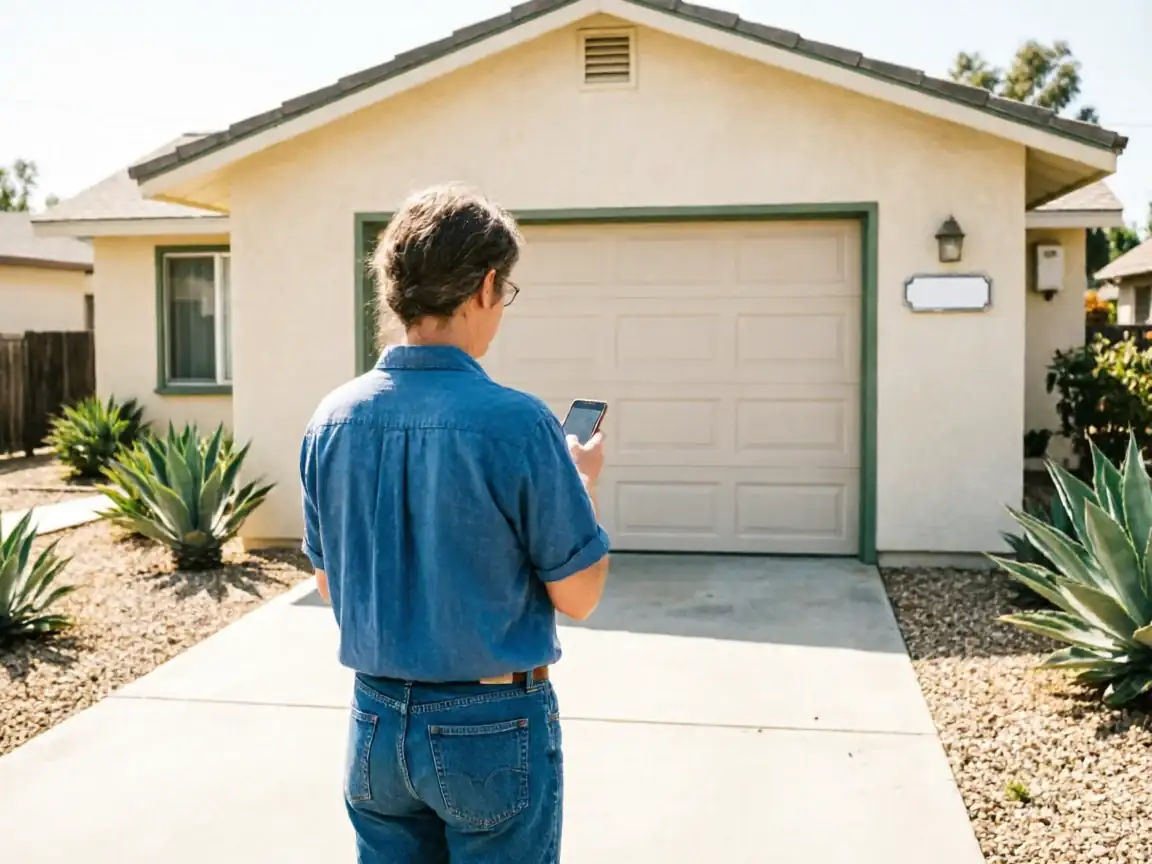
Call or use the coverage page below to get a visit scheduled. Because every Castro Valley job starts with that 14-mile trip from Walnut Creek, we ask a few questions up front about the door's age and symptoms so the tech comes out with the right parts already on the truck instead of making a second trip.
We don't run a branch in Castro Valley - it's covered as part of the wider service area from our Walnut Creek location - so same-day slots depend on what else is already routed that direction that day. Ask when you call.
How We Fix It
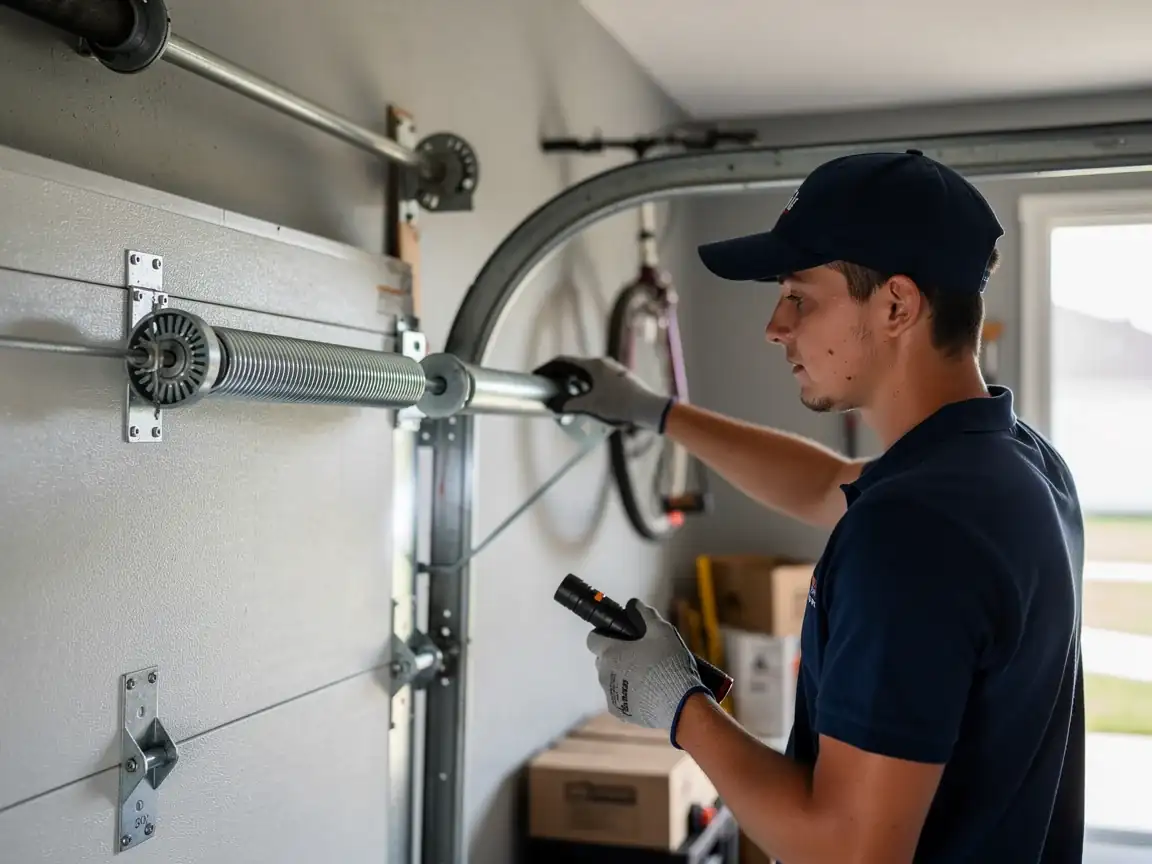
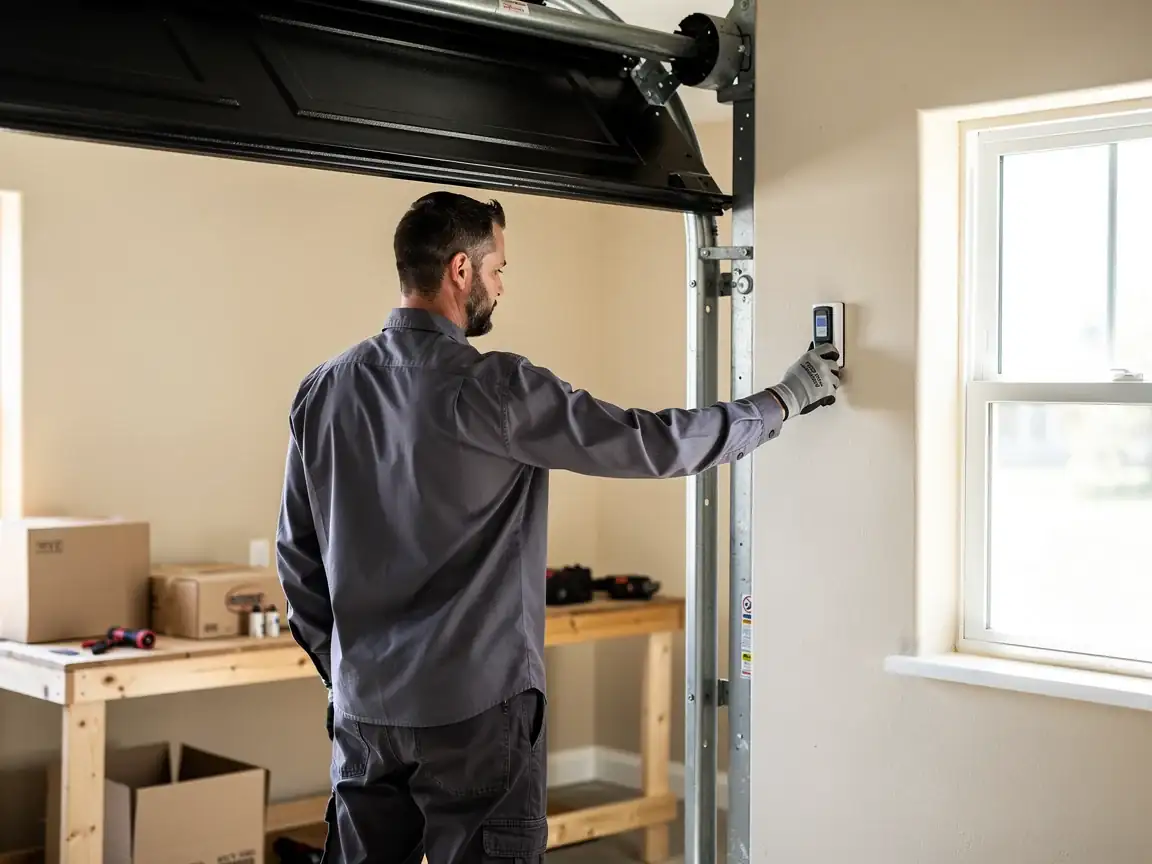
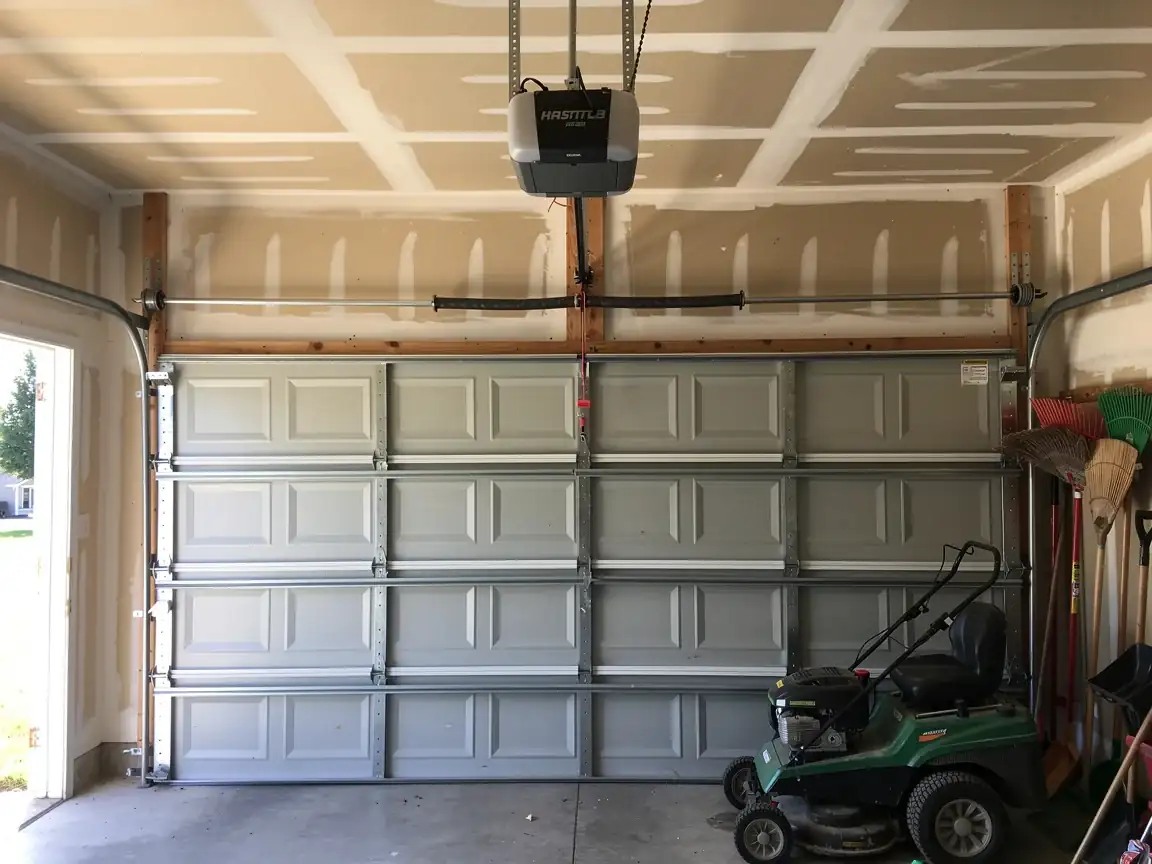
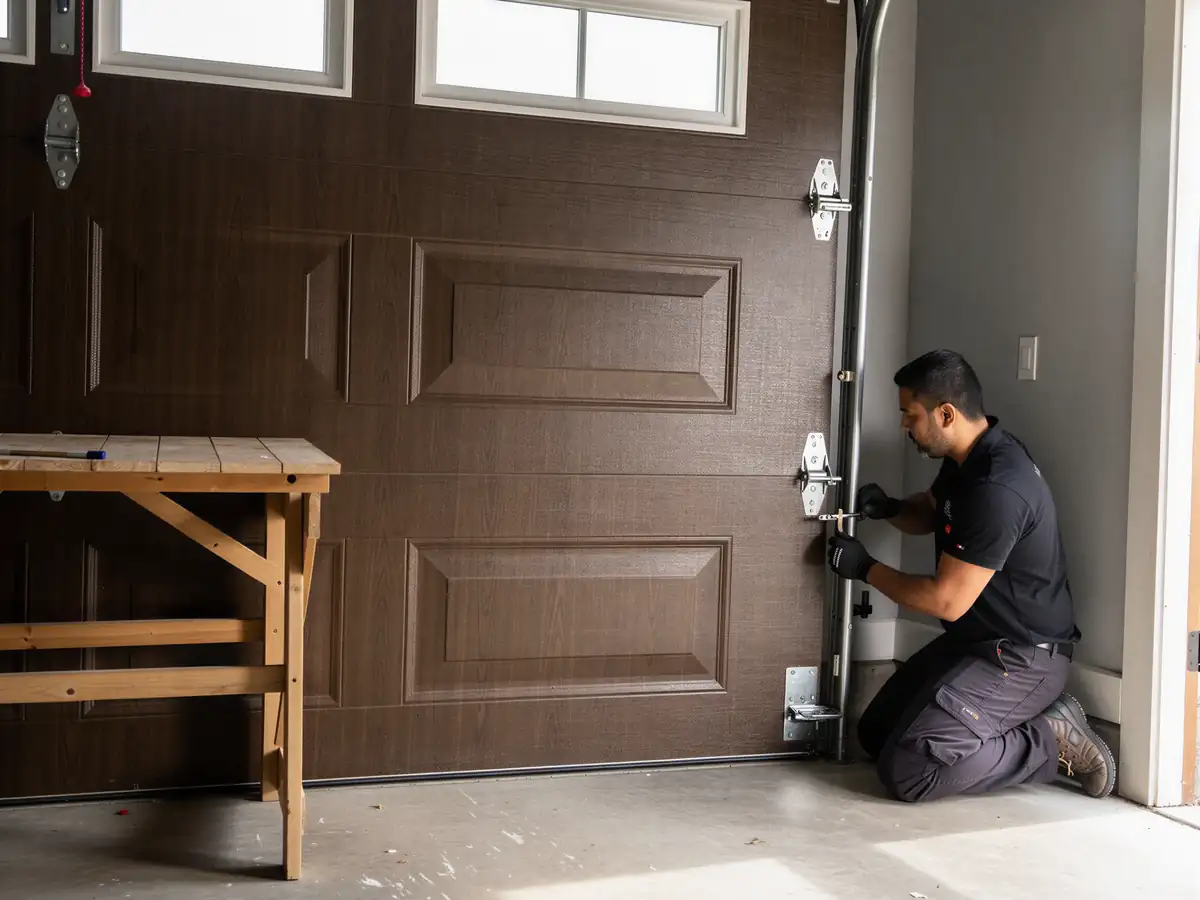
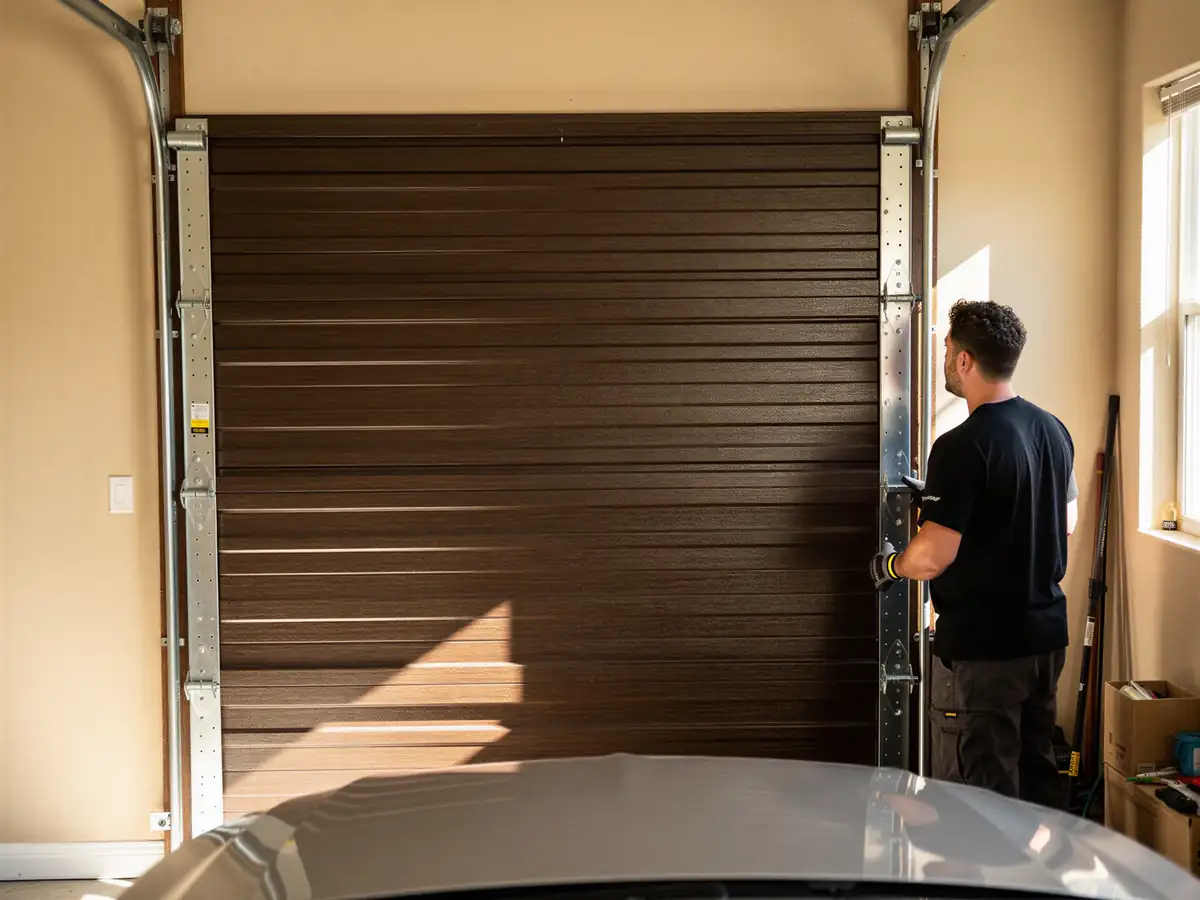
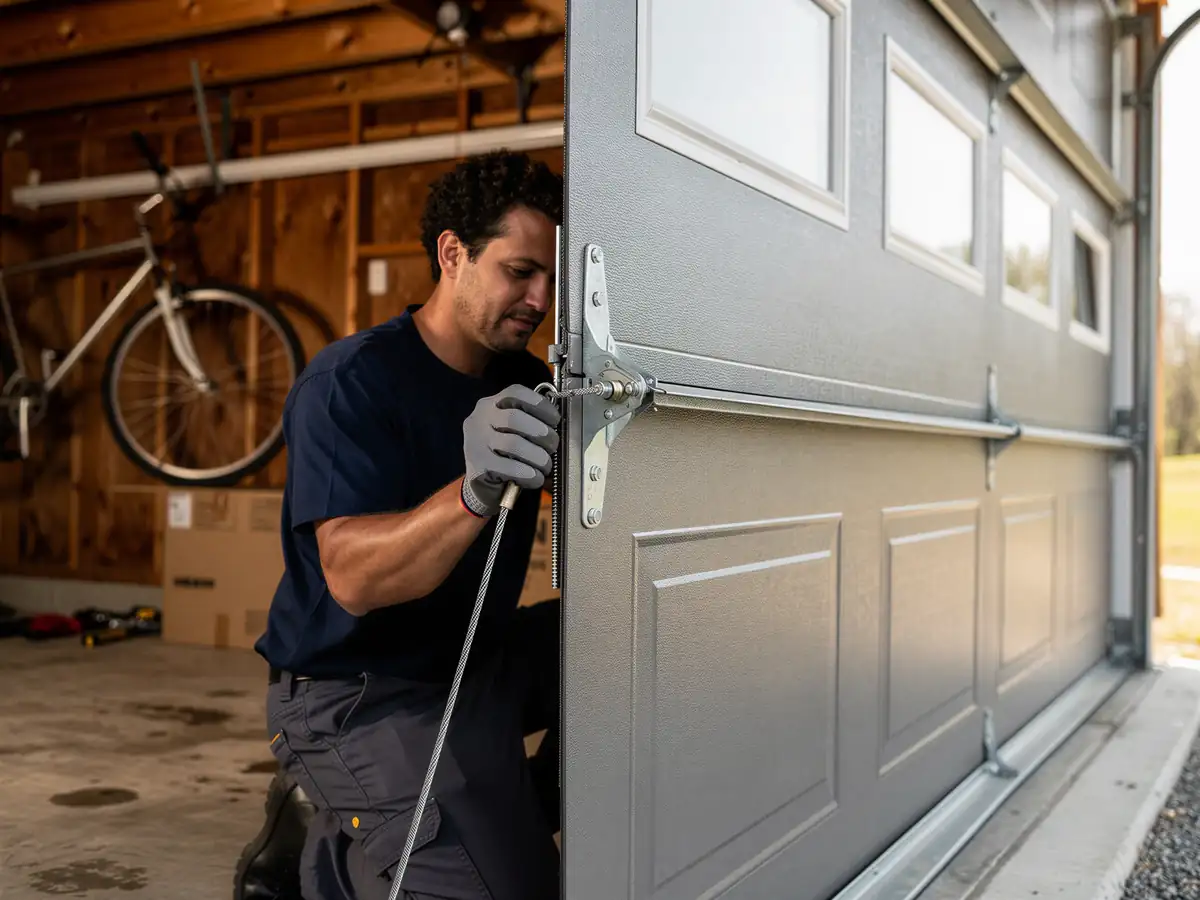
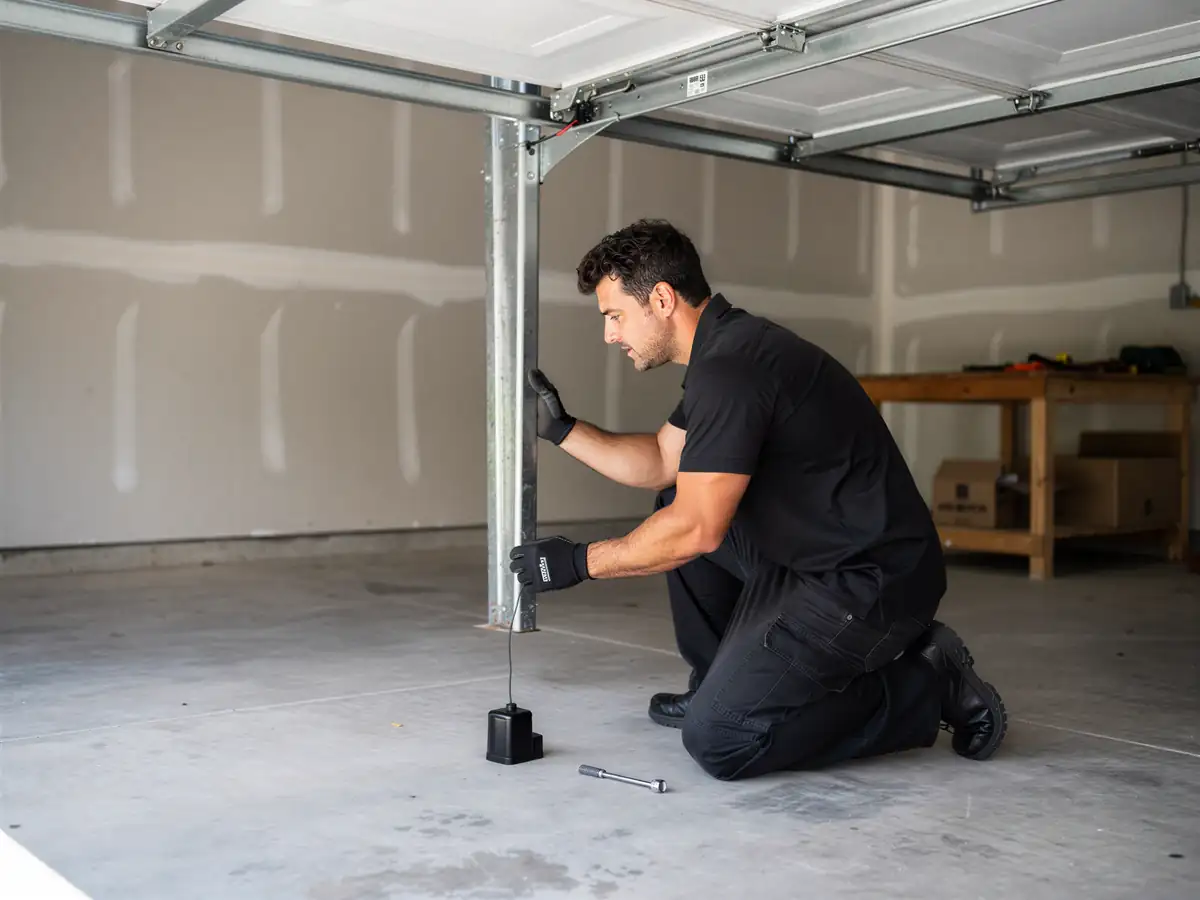
A standard maintenance visit covers spring tension, cable condition at the drum, roller wear, track alignment, and opener force settings
In that order, because on an older door the spring is usually driving every other symptom. For houses from the 1966 wave, we also check whether the opener has been replaced since the original install, since a newer opener on original hardware is its own category of mismatch that needs a different adjustment than a matched set.
We adjust what can be adjusted and flag what can't
If a part needs replacing, we'll tell you the part, not just "it needs work."
What Is on the Truck
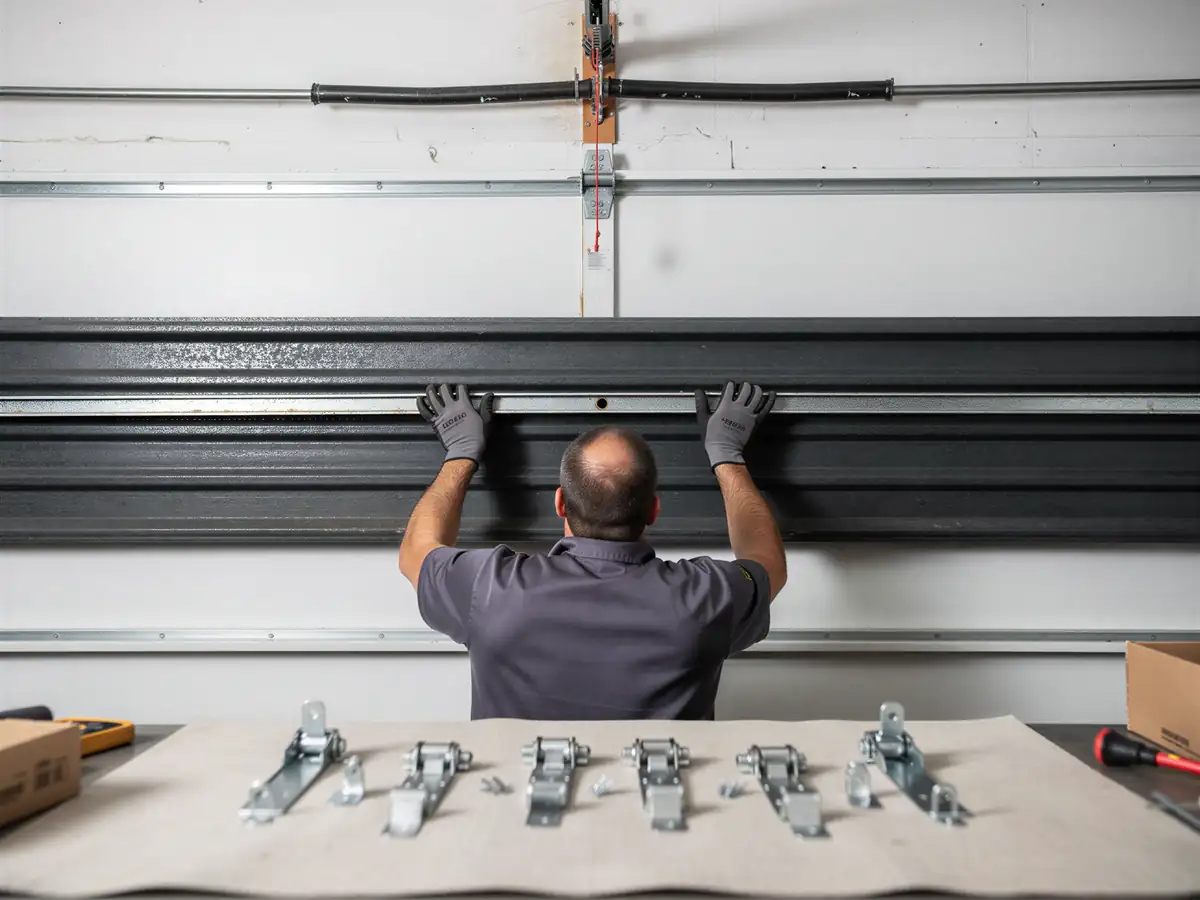
For Castro Valley calls we stock the roller and cable sizes most common on 1960s-era residential doors, standard torsion spring ranges, and opener logic boards that cover the common replacement units installed over the decades since. What we can't always carry is an exact match for an original 1966 bracket or hinge pattern - those sometimes need to be sourced, which we'll flag before the visit, not after.