What Causes It Around Here
Walnut Creek's housing stock runs from 1938 up through 2008, with the median landing around 1972. Castro Valley sits a few years earlier than that, with a median build year of 1966. That gap matters on a garage door call: a house built in the mid-60s is more likely to still have its original torsion hardware, or a replacement unit installed decades ago that doesn't match what's on the shelf today. We see a lot of doors out here that were never upgraded past their first opener, which means the track spacing, the spring size, and even the panel gauge can be a step behind what a newer Walnut Creek build would have.
Castro Valley is about 14 miles out from Walnut Creek, so when a tech gets a call from this side of the service area, they're already thinking about which era of hardware they're walking into before they knock. The area's mild temperate climate doesn't throw the kind of freeze-thaw cycling that cracks steel or swells wood panels the way harsher climates do, so most of what fails out here fails from age and use, not weather. That's a small mercy, but it doesn't change the fact that a 1966-era door on original rollers has usually outlived the lubrication schedule it needed.
The Symptom
The most common call from this part of the service area is a door that's gotten loud
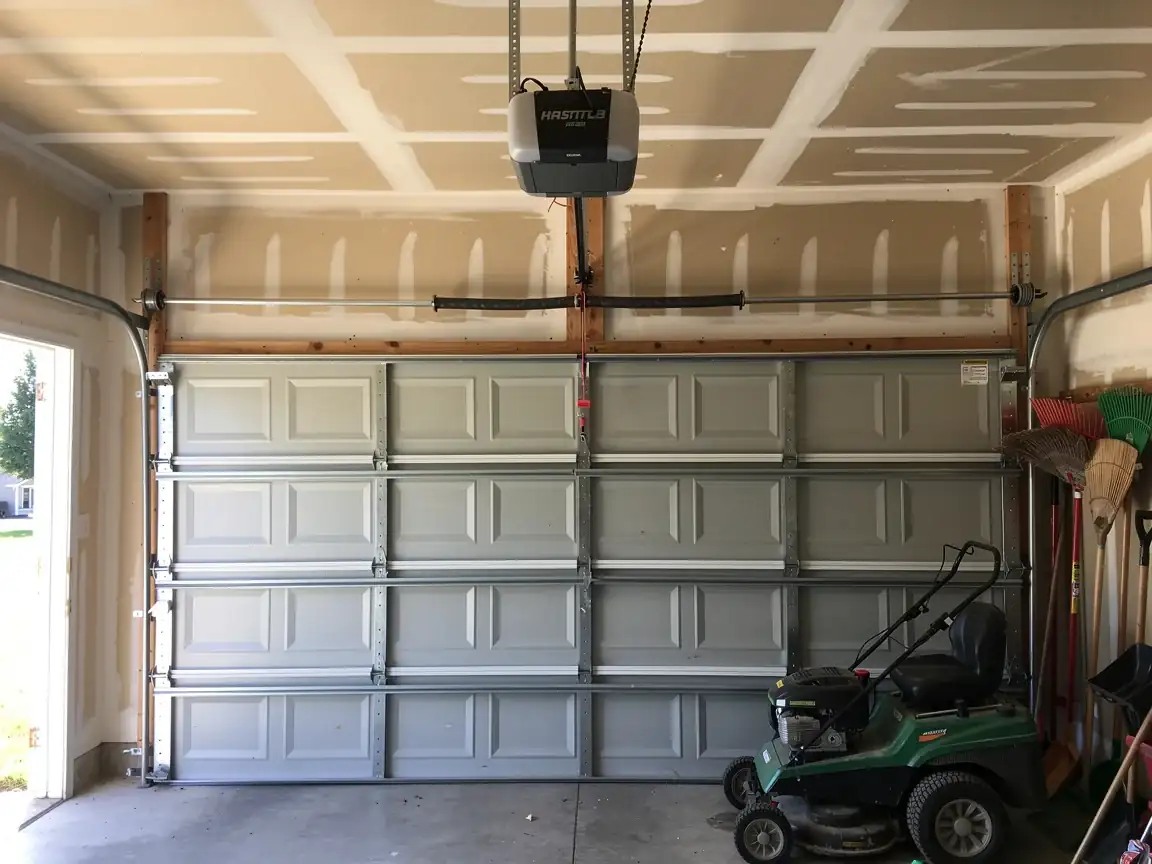
Or one that hesitates partway up and then lurches. On a house with original hardware from the 1960s, that hesitation is almost always the rollers or the track, not the opener. Steel rollers on a track that's 50-plus years old wear unevenly, and the door starts binding at the same spot on every cycle. Homeowners often think it's the motor since that's the loudest part, but the opener is usually just straining against a door that's fighting itself.
A second common symptom is a door that won't stay down
Drifting up an inch or creeping open overnight. That points to spring tension that's drifted off balance, which happens gradually over years and is more noticeable on older torsion setups than on newer extension-spring doors. Either symptom is worth a call before it turns into a stuck door or a cable that lets go under load.
What Can Go Wrong
On a door this old, deferred maintenance compounds. A worn roller that isn't replaced wears the track faster. A spring that's lost tension makes the opener's gears work harder than they're rated for, which shortens the opener's life too. We've seen original-era torsion springs that are still technically holding but are well past the cycle count they were built for, and when they go, they go without much warning.
The honest limitation here: if the track and rollers are original to a 1966 build and badly worn, patching one section of track rarely holds for long. At that point replacing the full track run, or in some cases the whole door assembly, costs less over a few years than repeated roller swaps. We'll tell you straight when a repair is the better call and when it isn't worth the labor.
How to Book
Call or use the coverage page for Castro Valley to get a tech scheduled. We run the job from Walnut Creek, so when you book, mention the age of the house if you know it - a 1960s build versus a newer one changes what the tech brings on the truck. We don't keep a branch or drop-in counter in Castro Valley; every call is routed from the Walnut Creek shop, so the more detail you give us up front about the door's age and symptom, the less back-and-forth there is once the truck's on the road.
How We Fix It
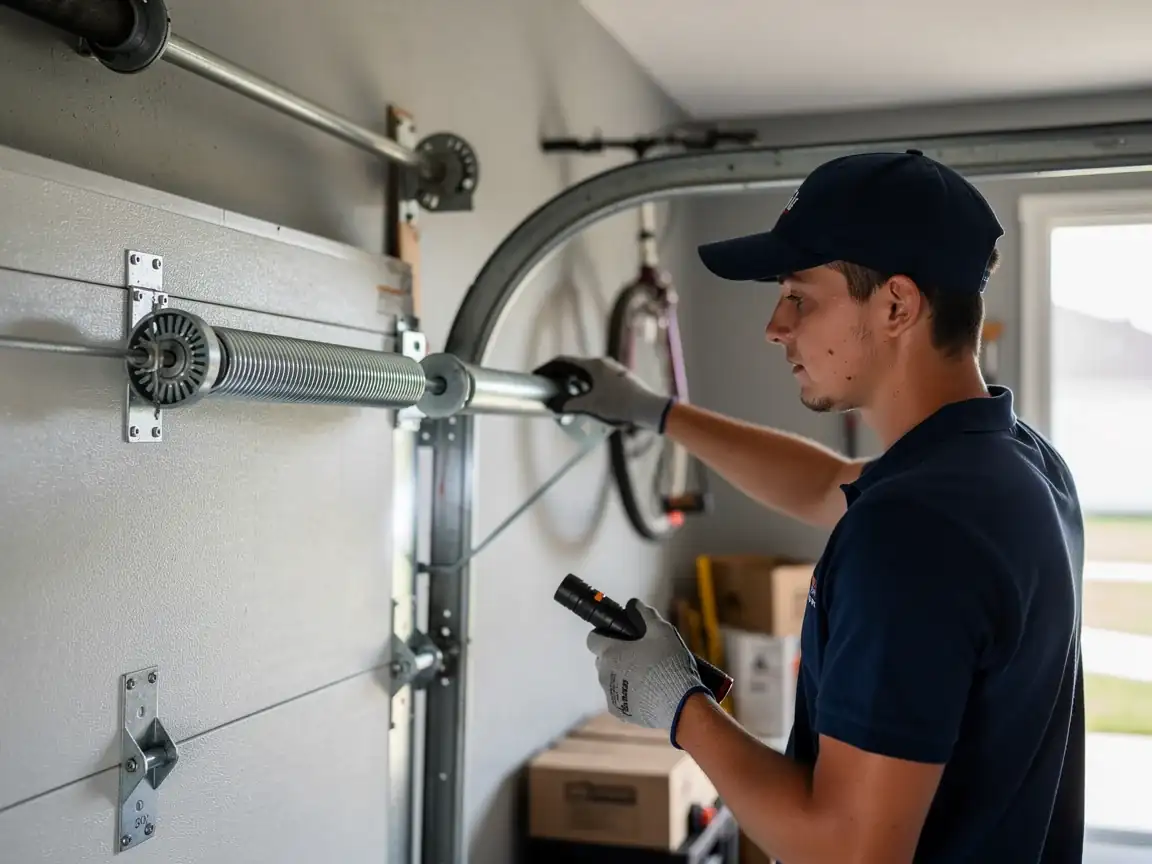
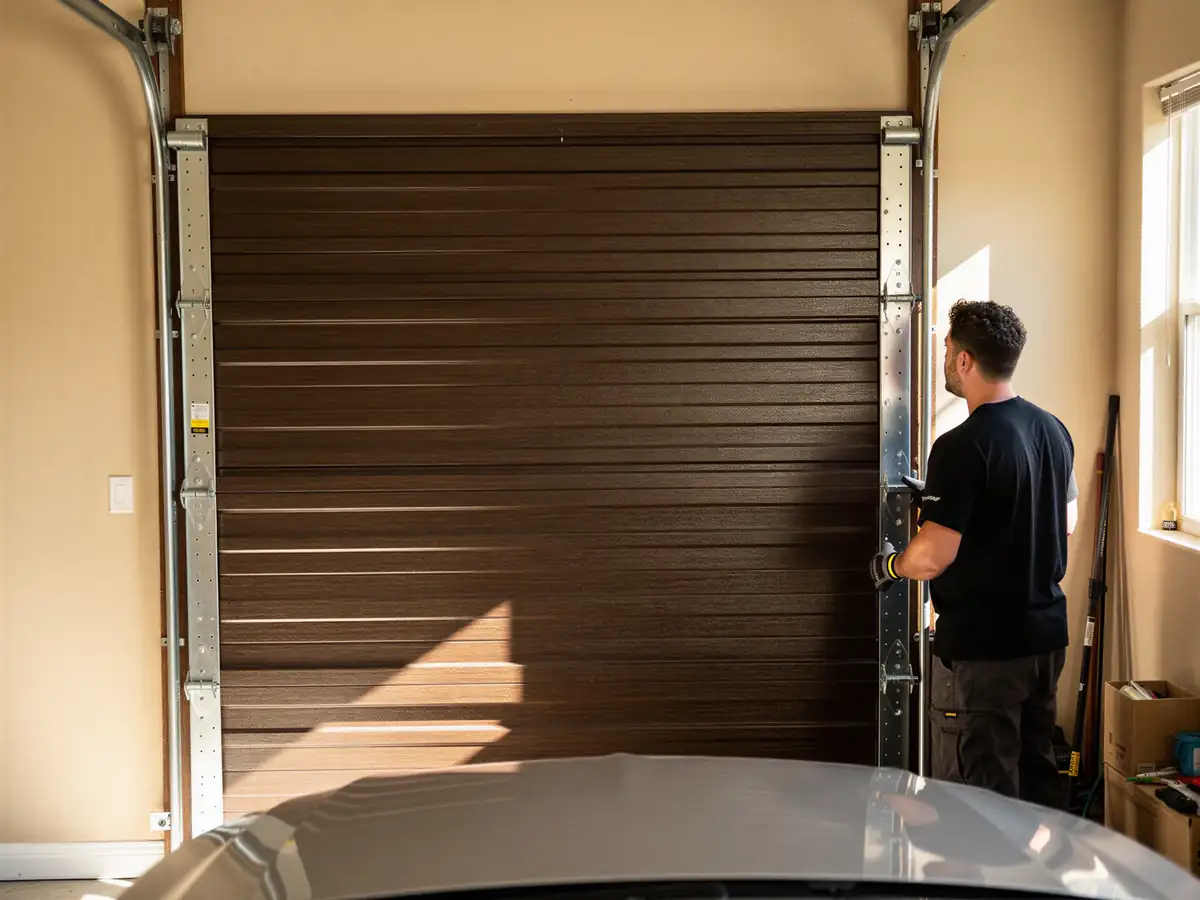
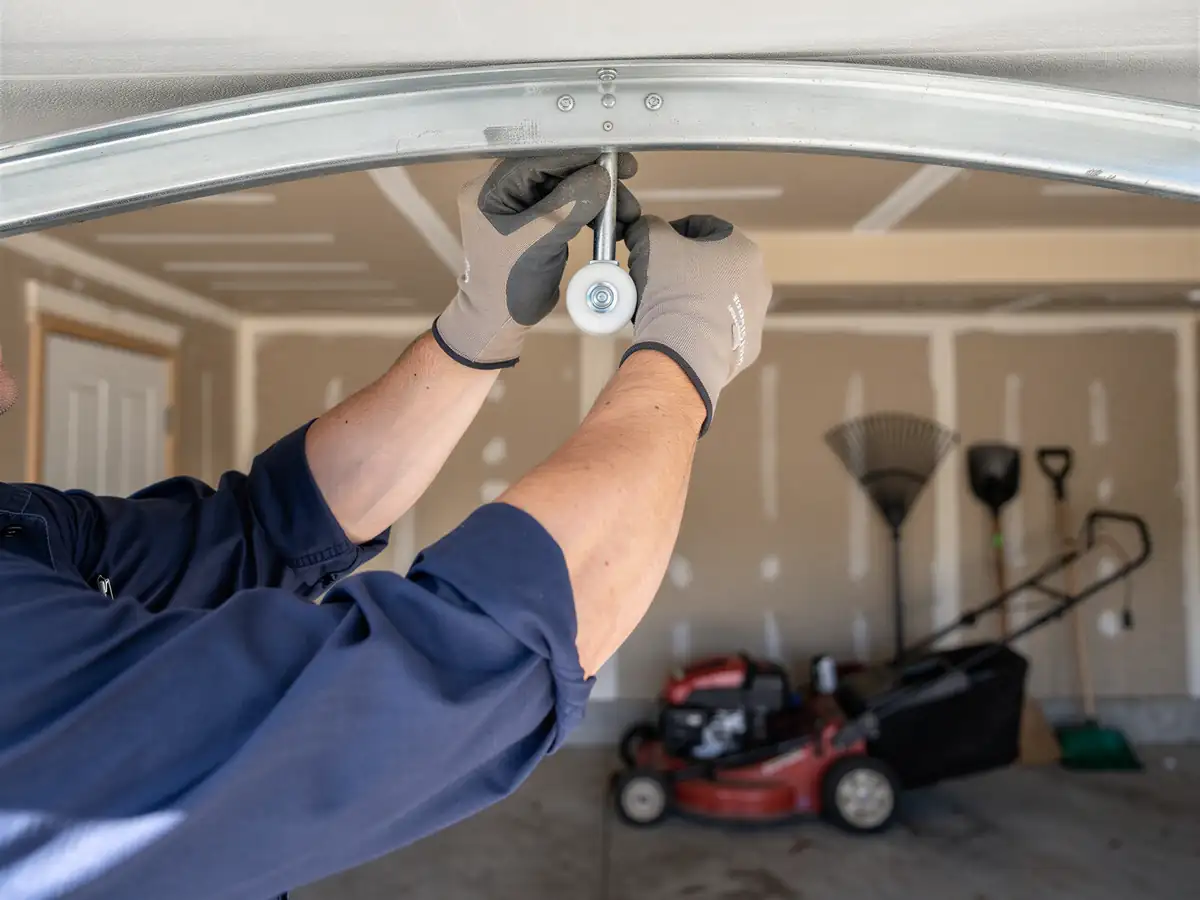
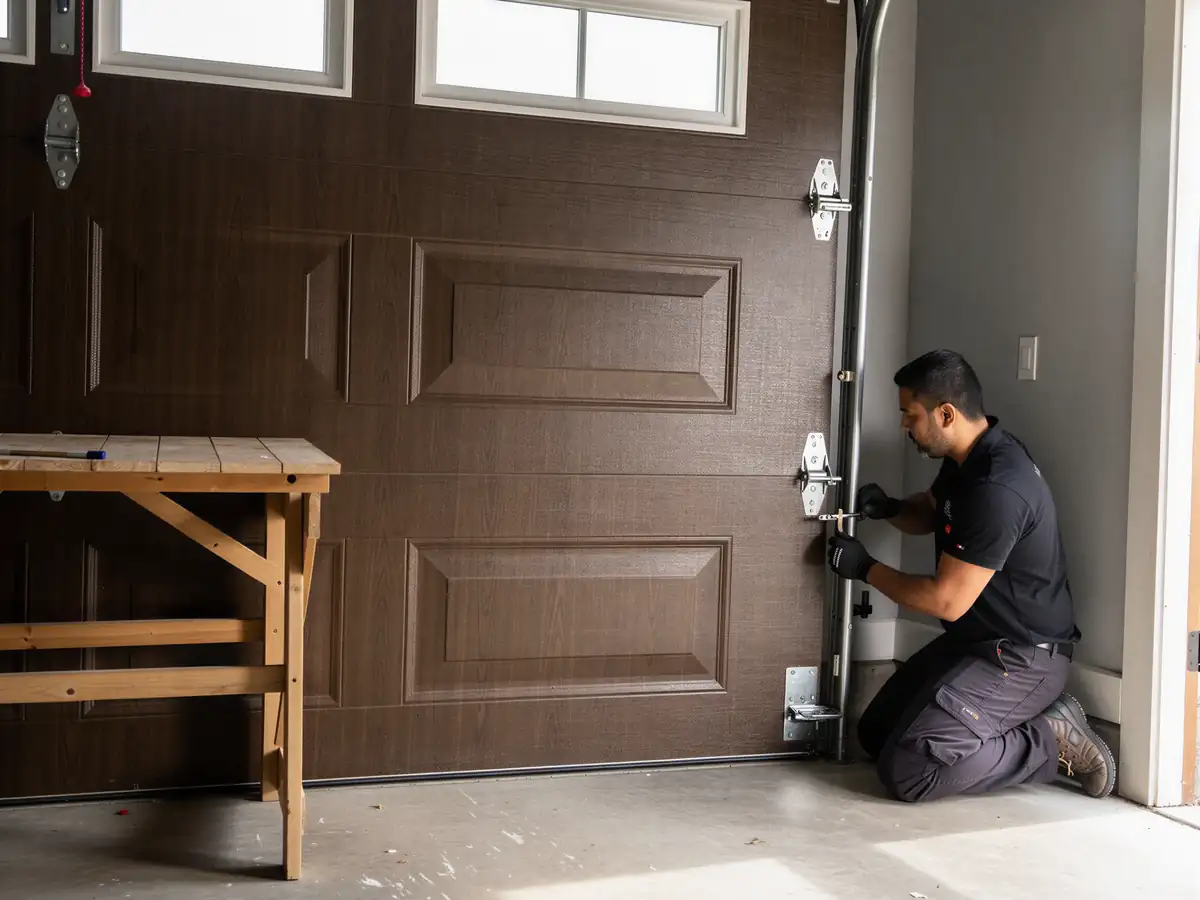
For the hesitating or binding door, the fix usually starts with pulling the old rollers and checking the track for wear grooves or bent sections
If the track's still straight, new rollers and a re-level of the track solve it. If the track's grooved from years of an off-balance door, that section gets replaced rather than patched, because a patched track just wears the new rollers the same way.
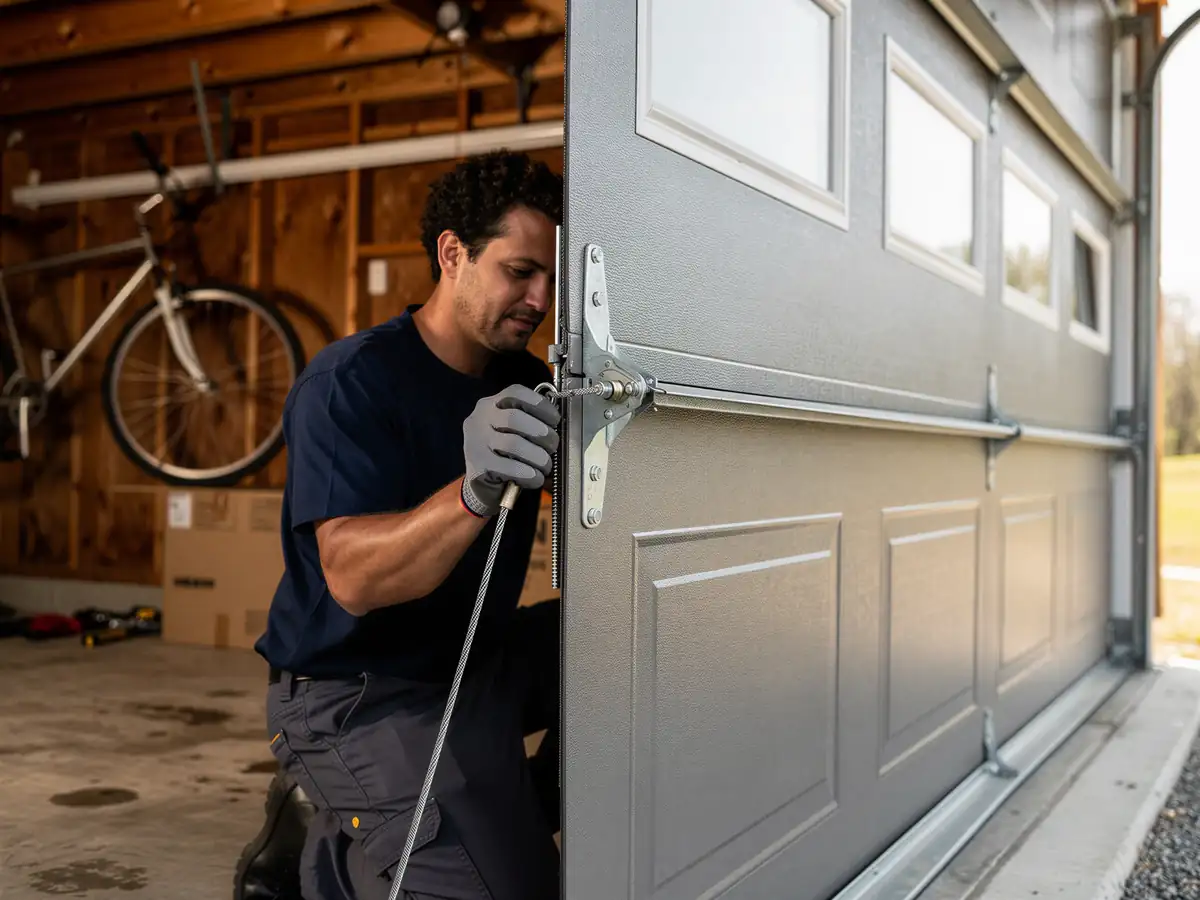
For a door that drifts or creeps, we check spring tension first
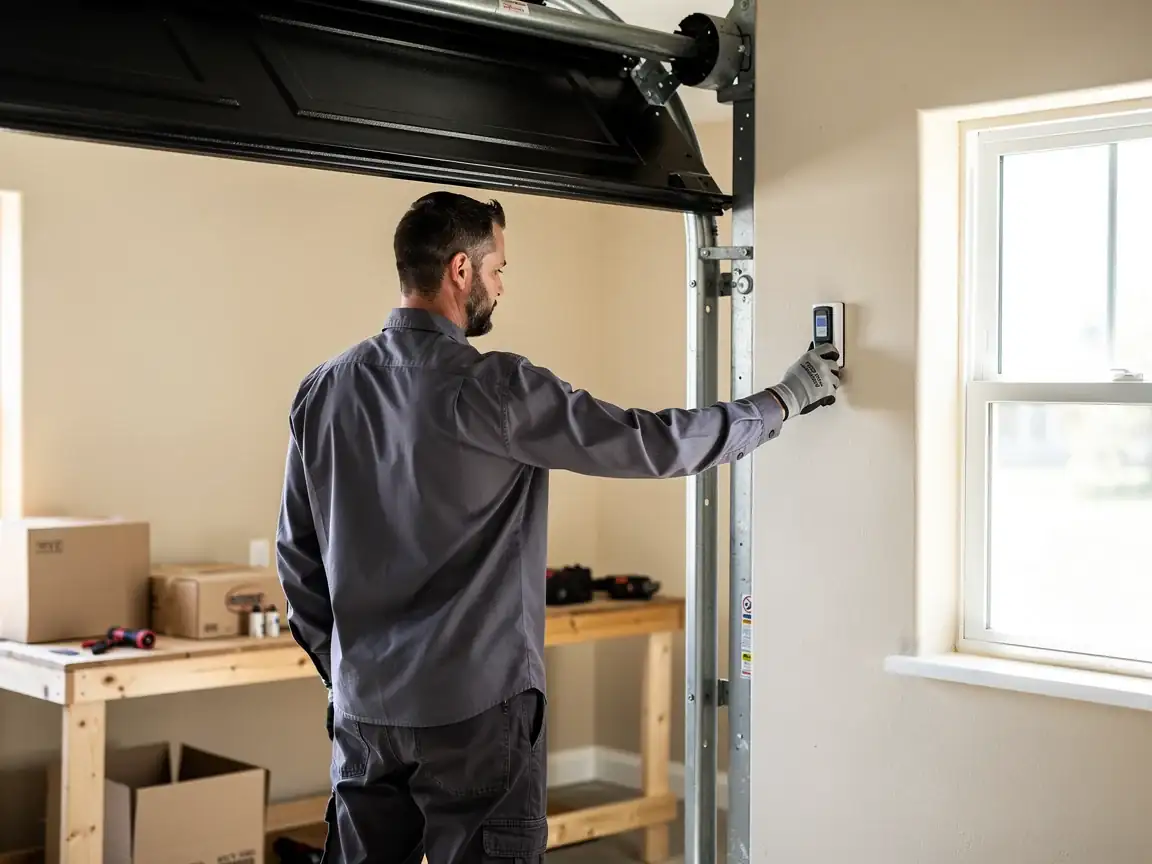
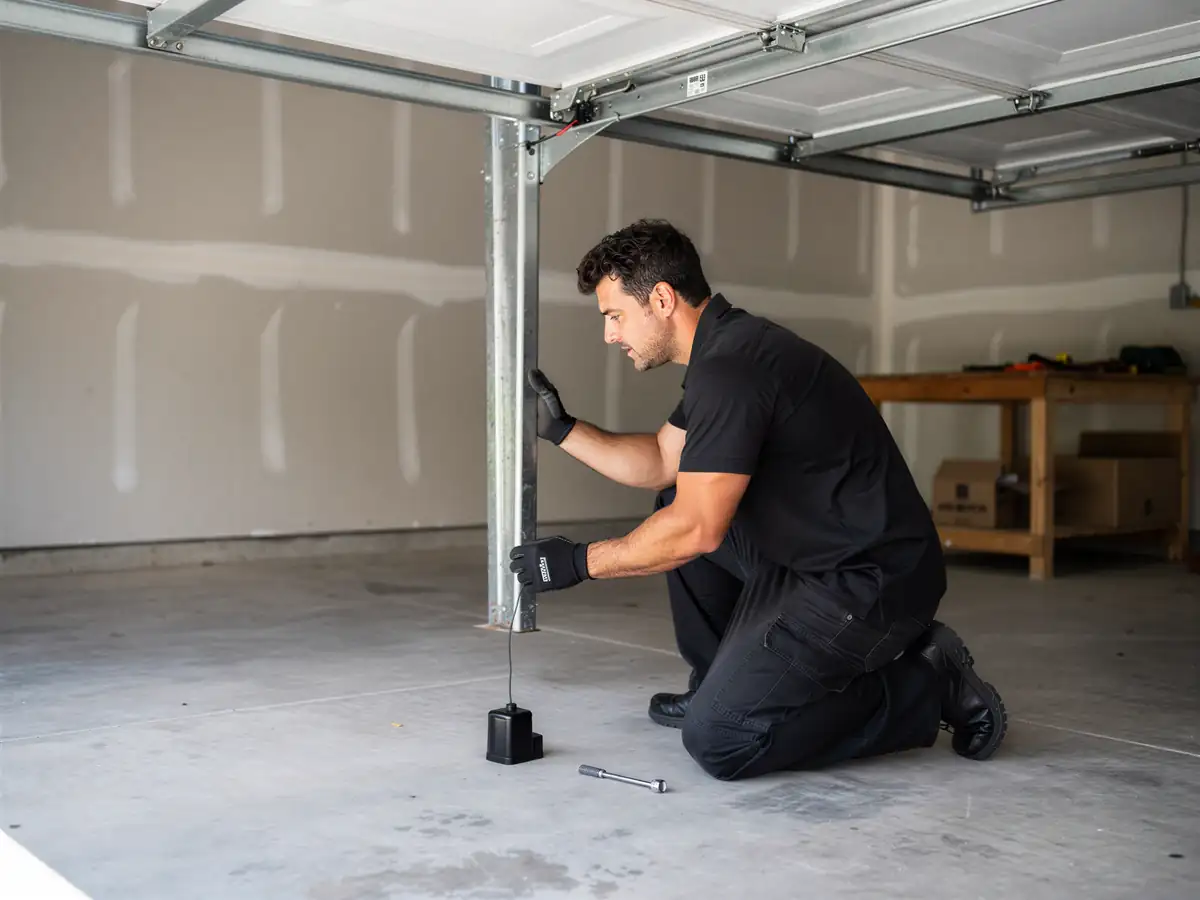
On older torsion setups we rebalance or replace the spring to match the door's actual weight, since repainting or added insulation over the years can shift that weight without anyone noticing. We test the balance by hand after any adjustment - a properly balanced door should hold still at waist height with the opener disconnected. That test alone catches a lot of jobs that would otherwise come back.
What Is on the Truck
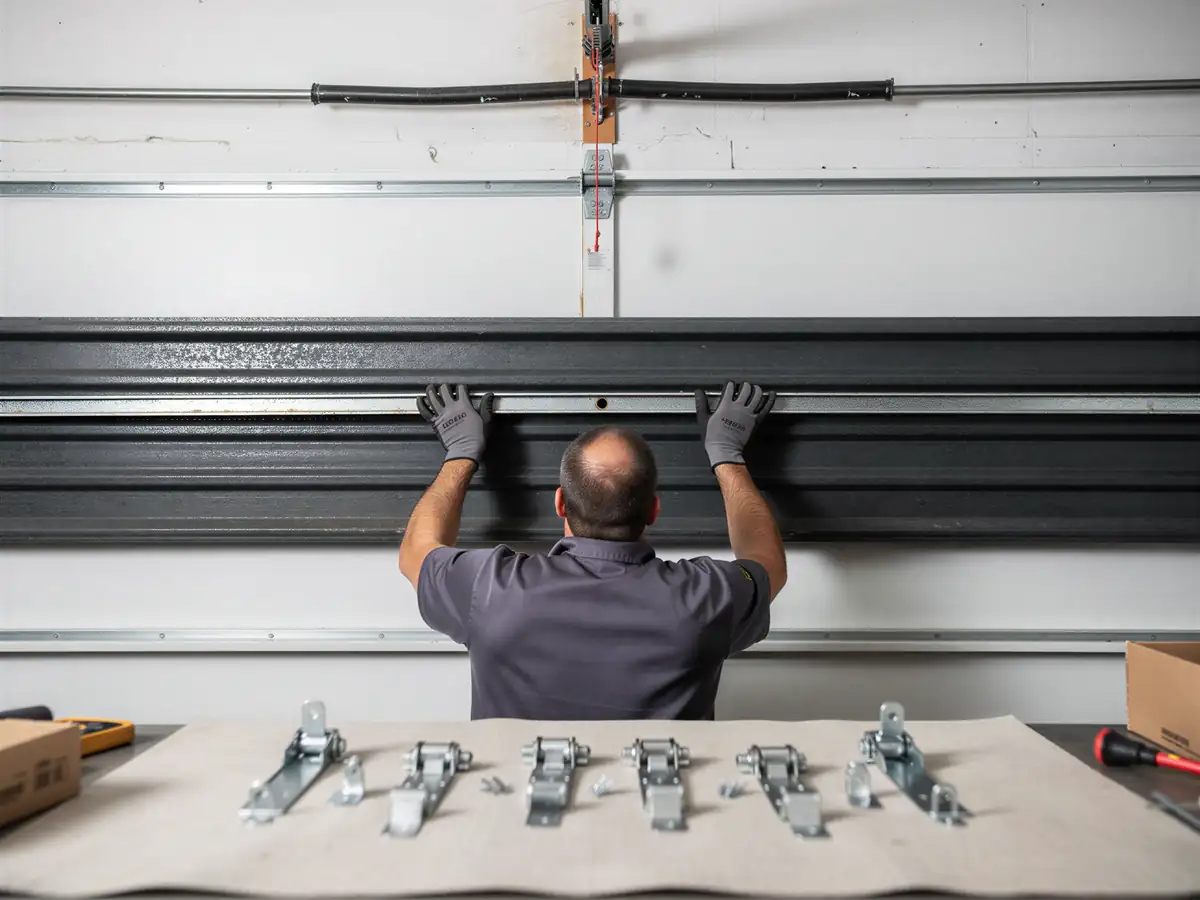
Because so much of the Castro Valley stock dates to the 1960s, the truck carries standard-width rollers and track sections sized for older torsion mounts, not just the newer low-profile hardware that's become common since. Common spring sizes for both torsion and extension setups are stocked, along with cable and standard safety sensors. What isn't always on the truck is a replacement panel matched to a discontinued original door design - those sometimes need to be special-ordered, which can add a few days to a full-panel job. We'll tell you on site if that's the case rather than letting a quick fix turn into a guessing game.