What Causes It Around Here
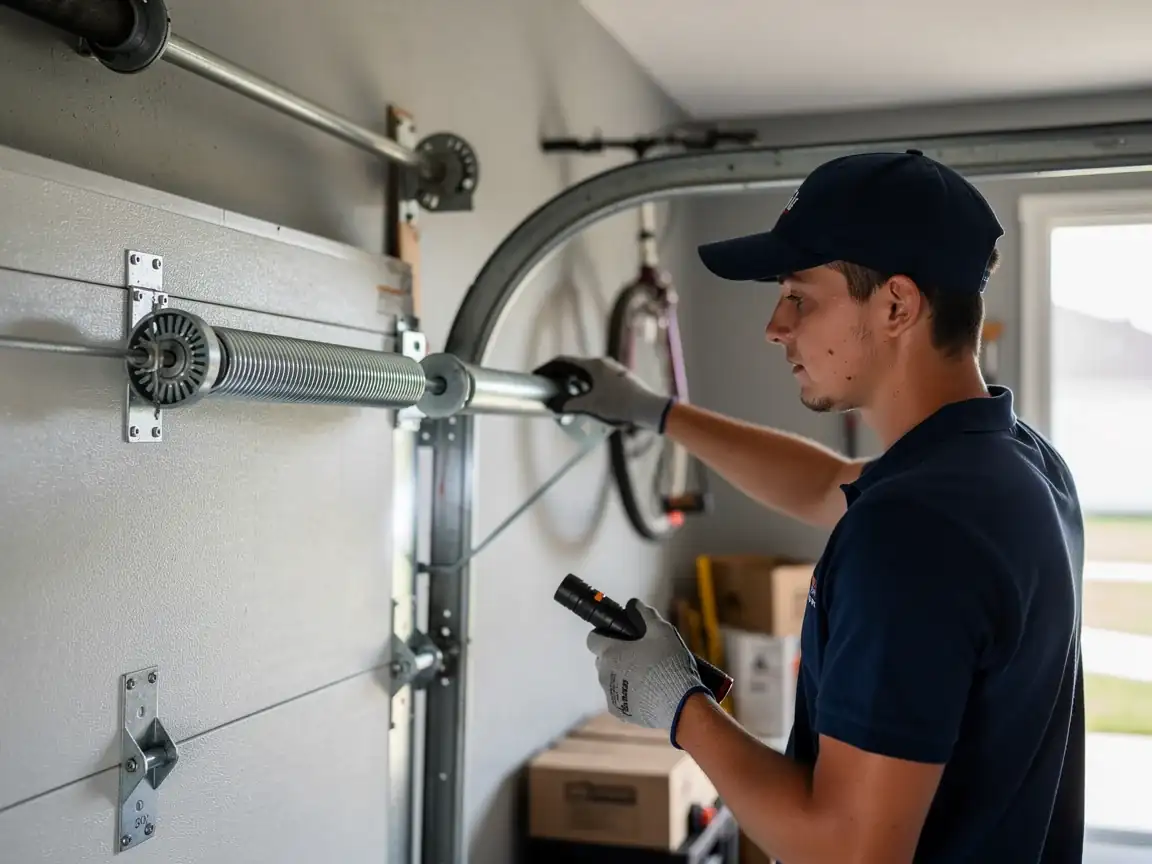
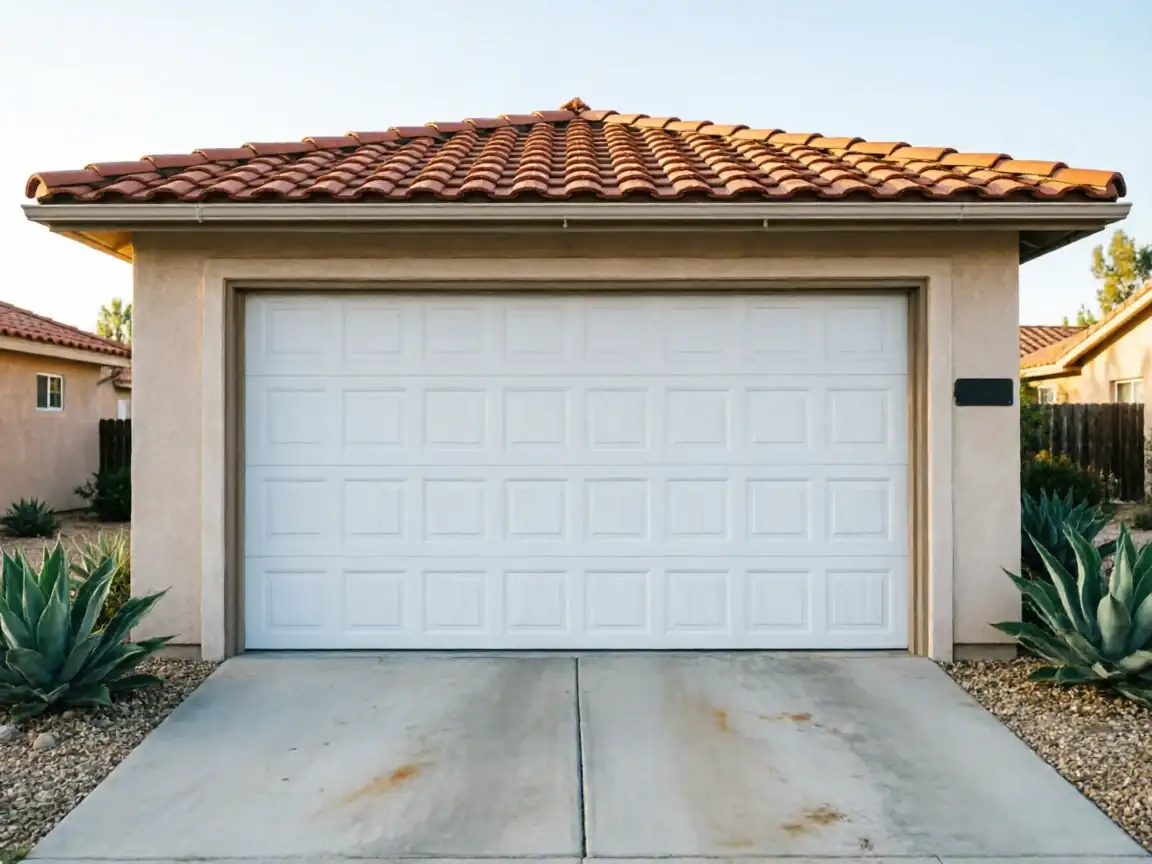
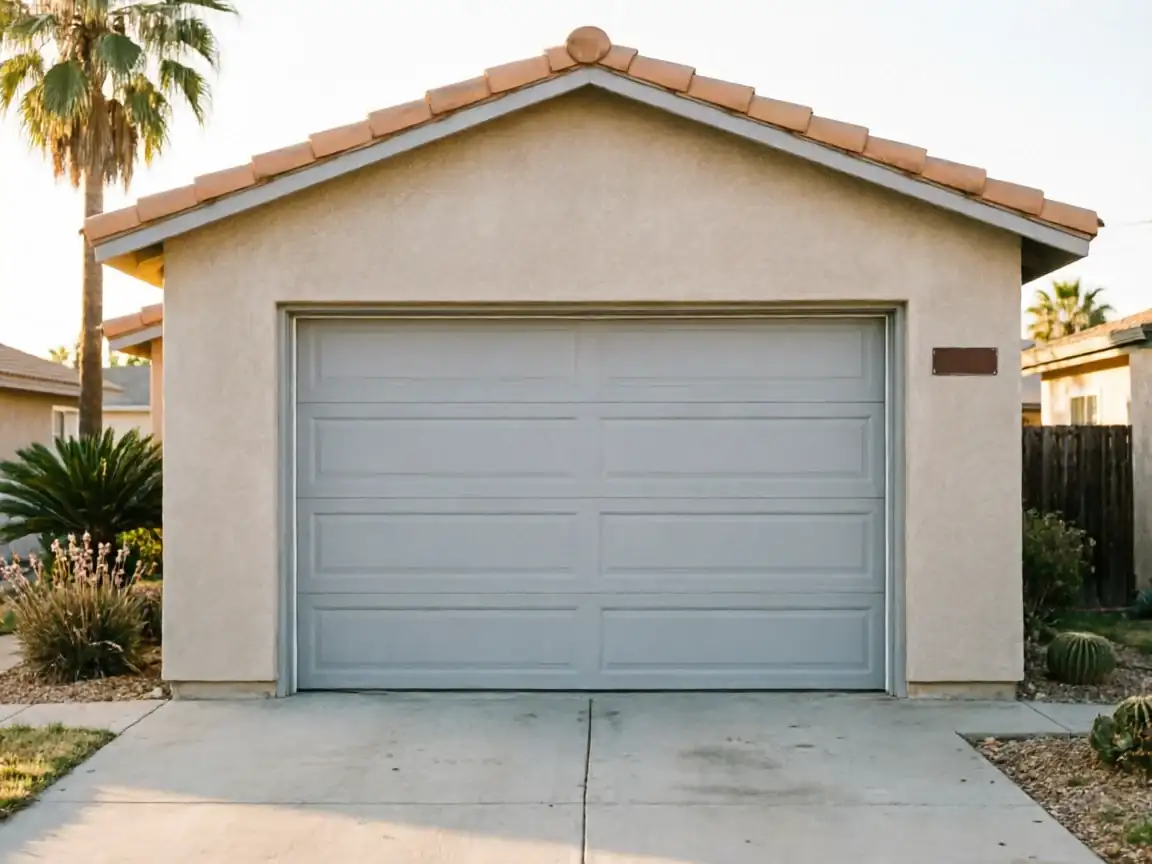
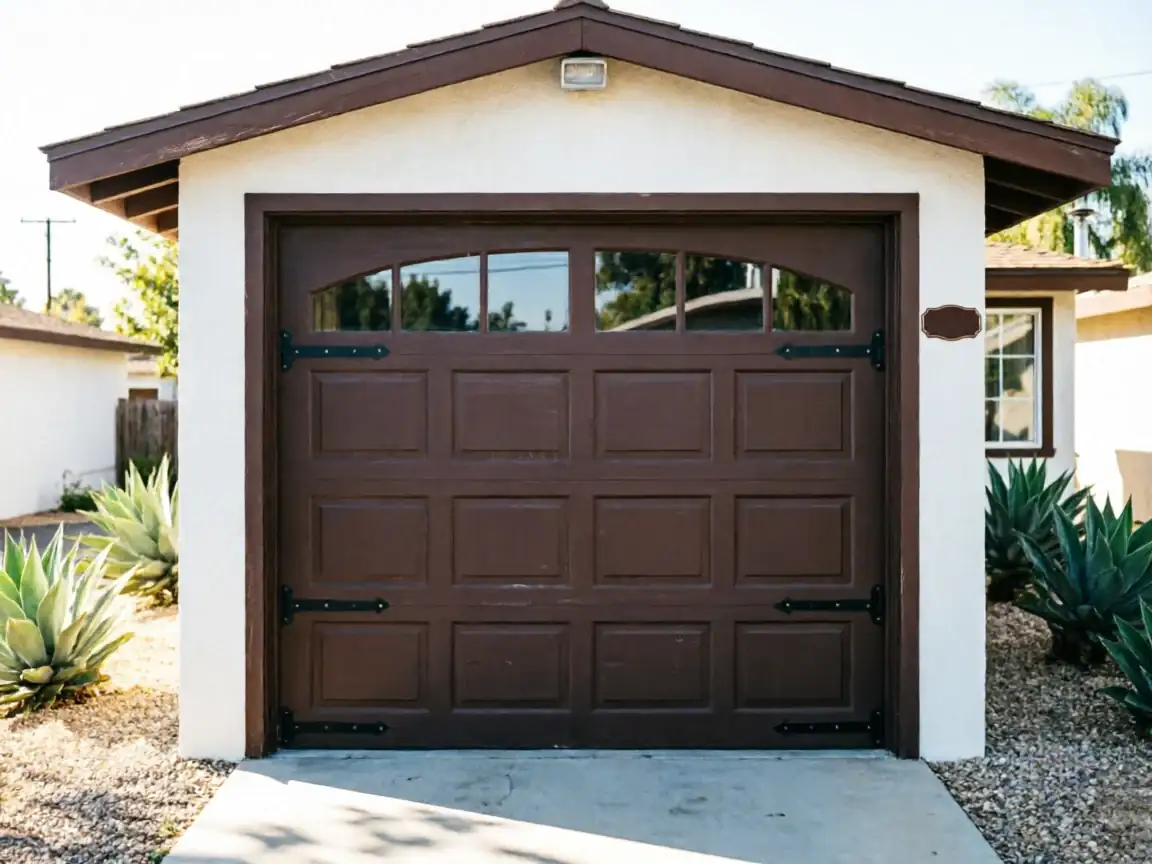
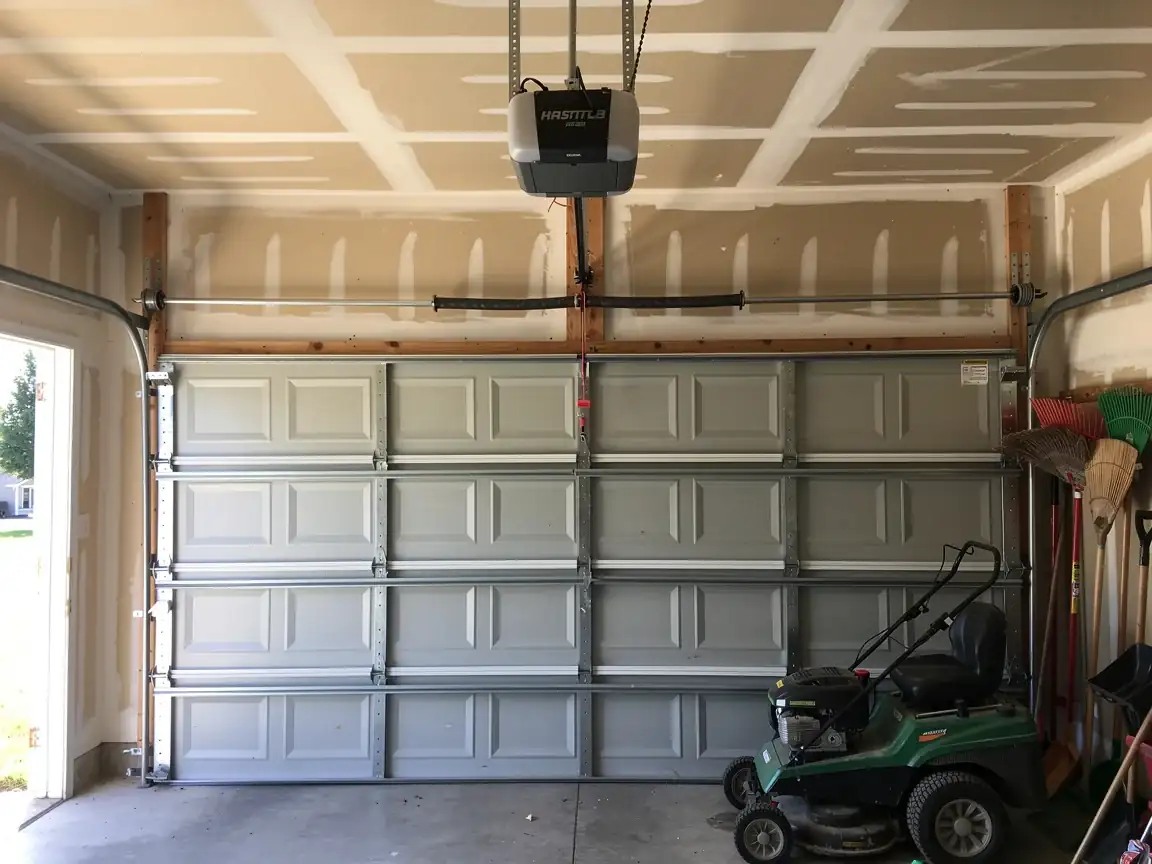
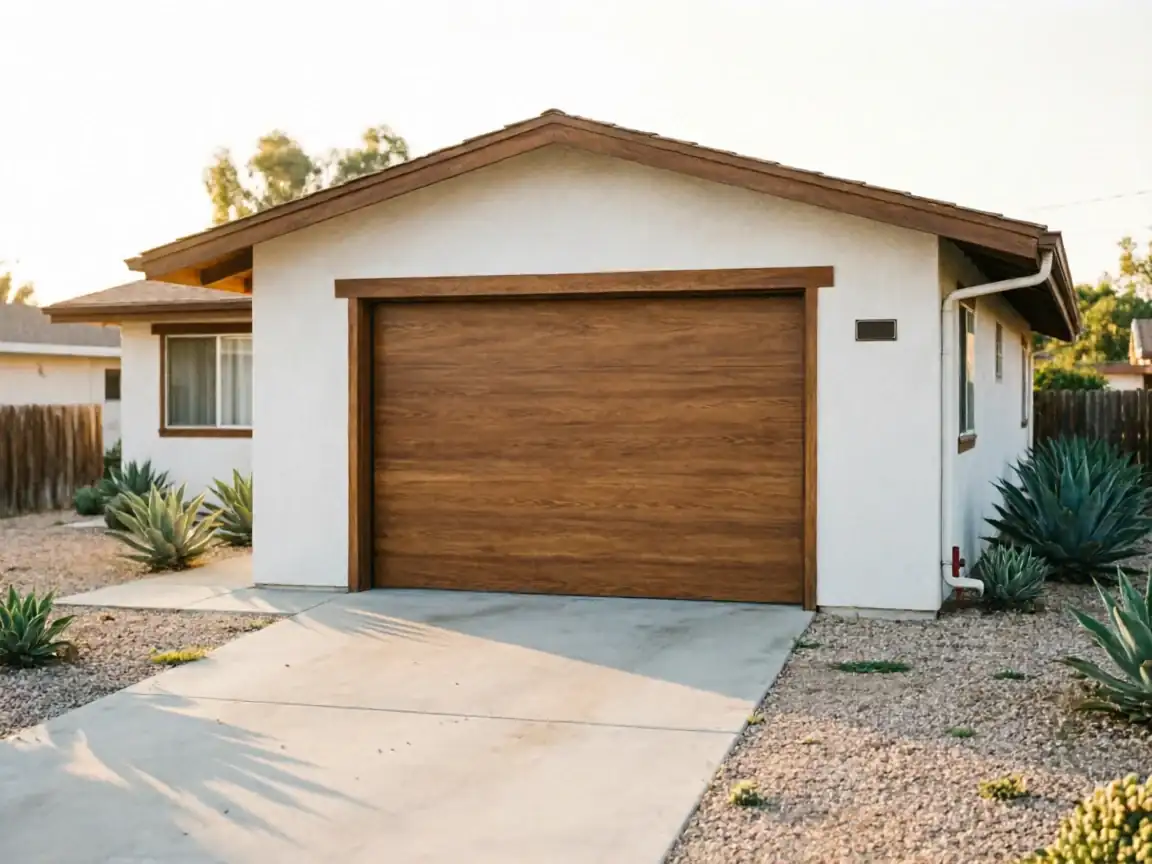
Castro Valley's housing stock centers on 1966, which puts most garage doors here at or past the point where original torsion springs give out. A spring rated for 10,000 to 15,000 cycles, installed when the house went up, has had almost sixty years to work through that count even in a house with light daily use. Doors from that era were built with single-layer steel or solid wood panels, heavier per square foot than the insulated doors sold now, and the torsion hardware was sized to match that original weight - not whatever opener or panel got swapped in later.
That mismatch is the pattern we see called in from this side of our coverage area: a replacement panel that's lighter than the door it replaced, paired with a spring still sized for the old one, or the reverse - original heavy panels on a spring that's been re-wound once already and is now out of tolerance. Either way, the door doesn't fail gently. It locks up mid-cycle, or a cable lets go and the whole section drops.
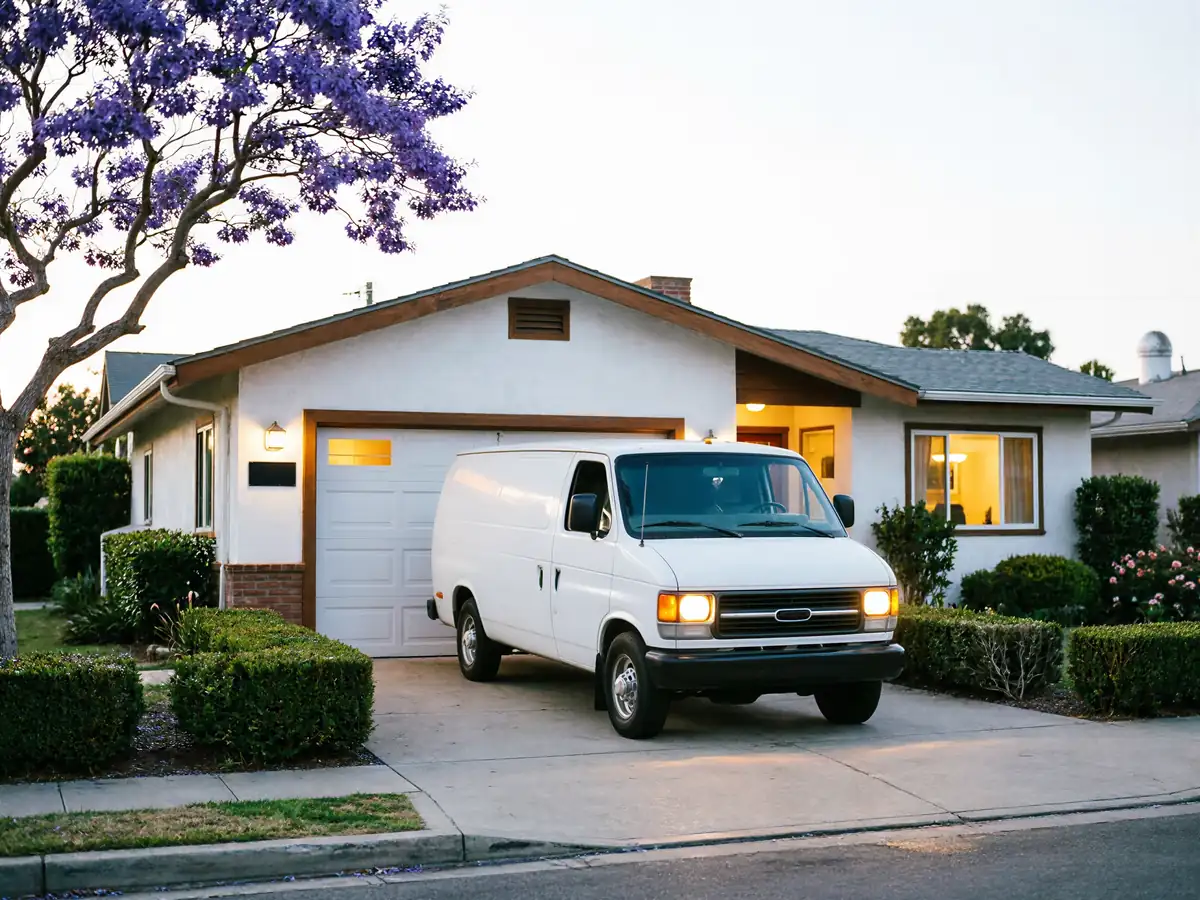
Castro Valley sits about 14 miles from our shop in Walnut Creek, past San Miguel, Lafayette, and Moraga along the way, so when we get a call out this far we're usually dealing with hardware that's original or close to it.
The Symptom
The call we get most from this part of our coverage area is a door that won't move, full stop
Not slow, not noisy first, just stuck in whatever position it was in when the spring went. On a double door that's usually a torsion spring snapping clean, and you'll hear it: a loud bang from the garage, sometimes mistaken for something falling off a shelf.
A second common pattern is a door that drops a few inches unevenly on one side
Then binds in the tracks. That's usually a cable, not the spring itself, and it's a different repair with different parts. We also hear from people whose opener runs and the motor sounds fine, but the door itself barely lifts - that's almost always the spring doing none of the lifting work it's supposed to share with the opener motor.
Whichever of these you've got, the thing not to do is keep hitting the remote
Each cycle under a broken spring puts the full weight of the door on the opener's drive gear, and that's a second repair bill stacked on the first one.
What Can Go Wrong
A broken torsion spring on its own is a contained repair. Left alone, or worked around with repeated opener cycles, it stops being contained. The opener's drive gear and motor coupler aren't built to lift a door's full weight - that's the spring's job - and a few cycles of trying will strip the gear or burn out the motor.
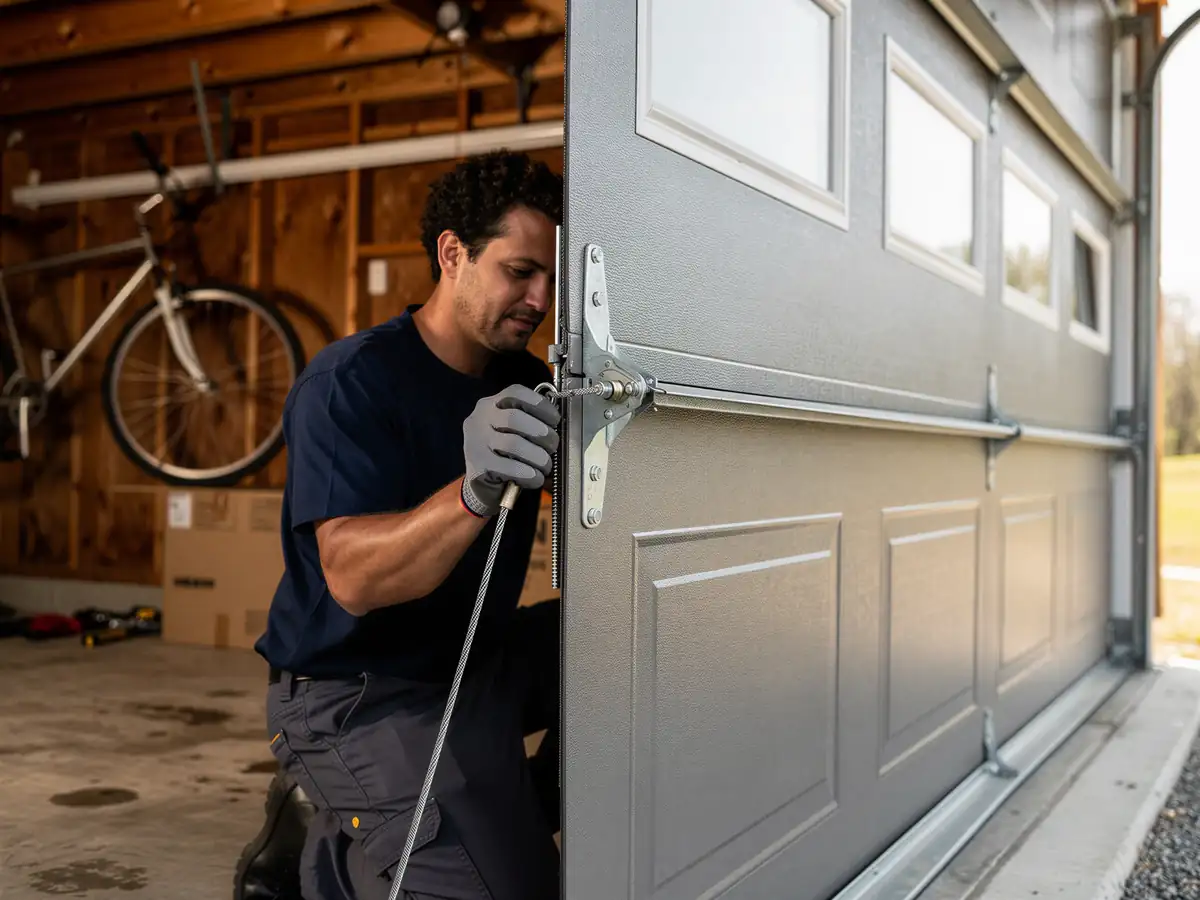
If a cable has frayed rather than a spring snapping, the risk is different: a cable under tension that fails can whip, and a door held by one cable instead of two can drop unevenly and jump the track. On the older, heavier panel doors common to 1966-era construction here, that drop has real weight behind it.
We'll also tell you plainly when a repair isn't the right call. If the door is original and the track, rollers, and panels are all showing wear alongside the spring, patching one part means the next part is next month's call. At that point replacement costs less over a year or two than repeated fixes, and we'll say so instead of running up a repair tab on a door that's done.
How to Book
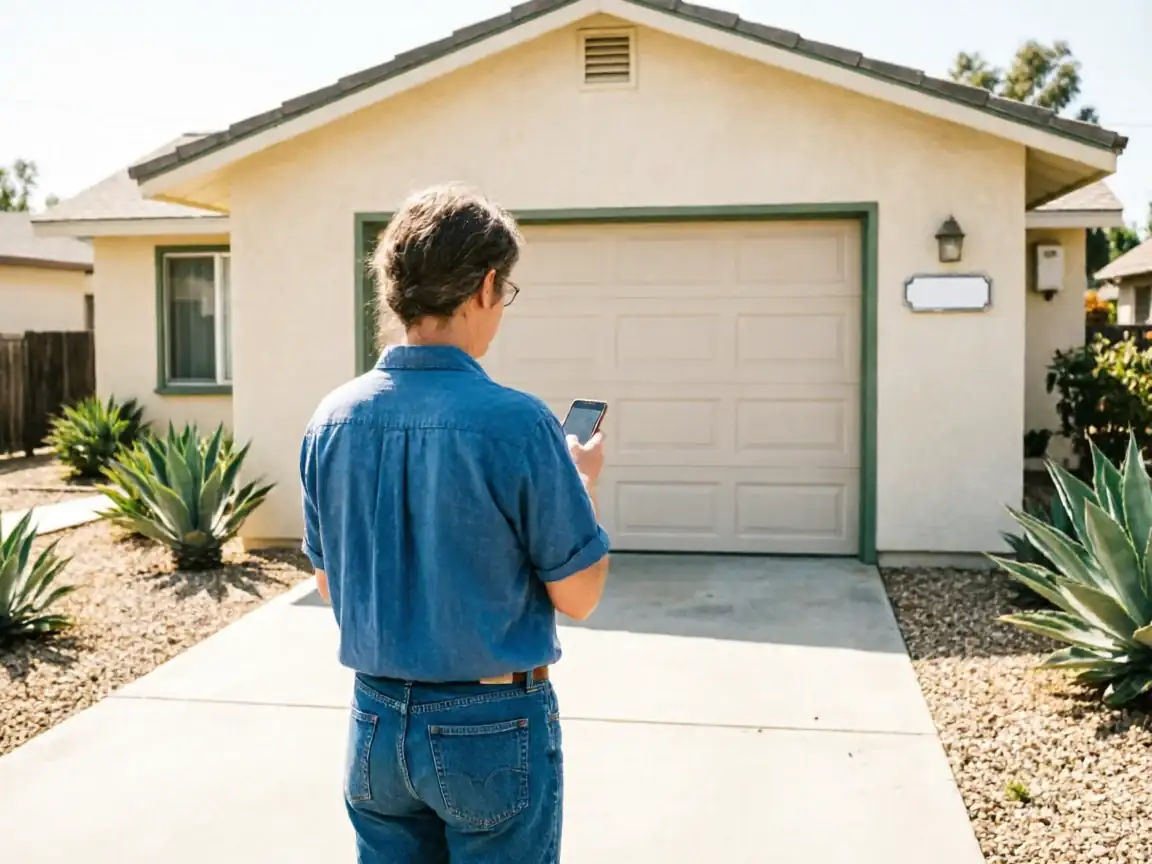
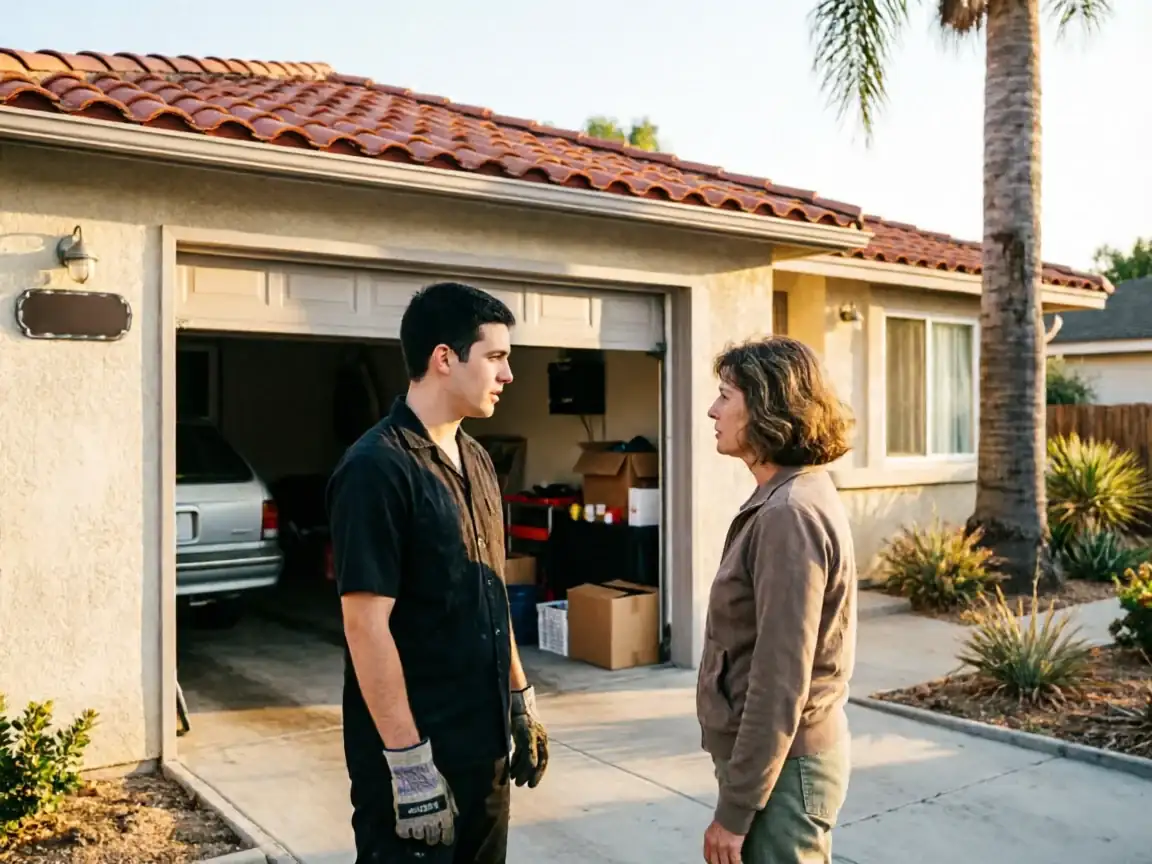
We cover Castro Valley from our Walnut Creek shop, about 14 miles out, along with the other communities in that direction. Call to describe what the door is doing - stuck shut, dropped on one side, opener running but door not moving - and we'll tell you what it sounds like before the truck leaves. Having the door's approximate age and whether it's original to the house helps us bring the right spring size and cable length on the first trip rather than a second one.
See the Castro Valley coverage page for what else we handle in this area, and the Walnut Creek emergency repair page for how the service works from our home base.
How We Fix It
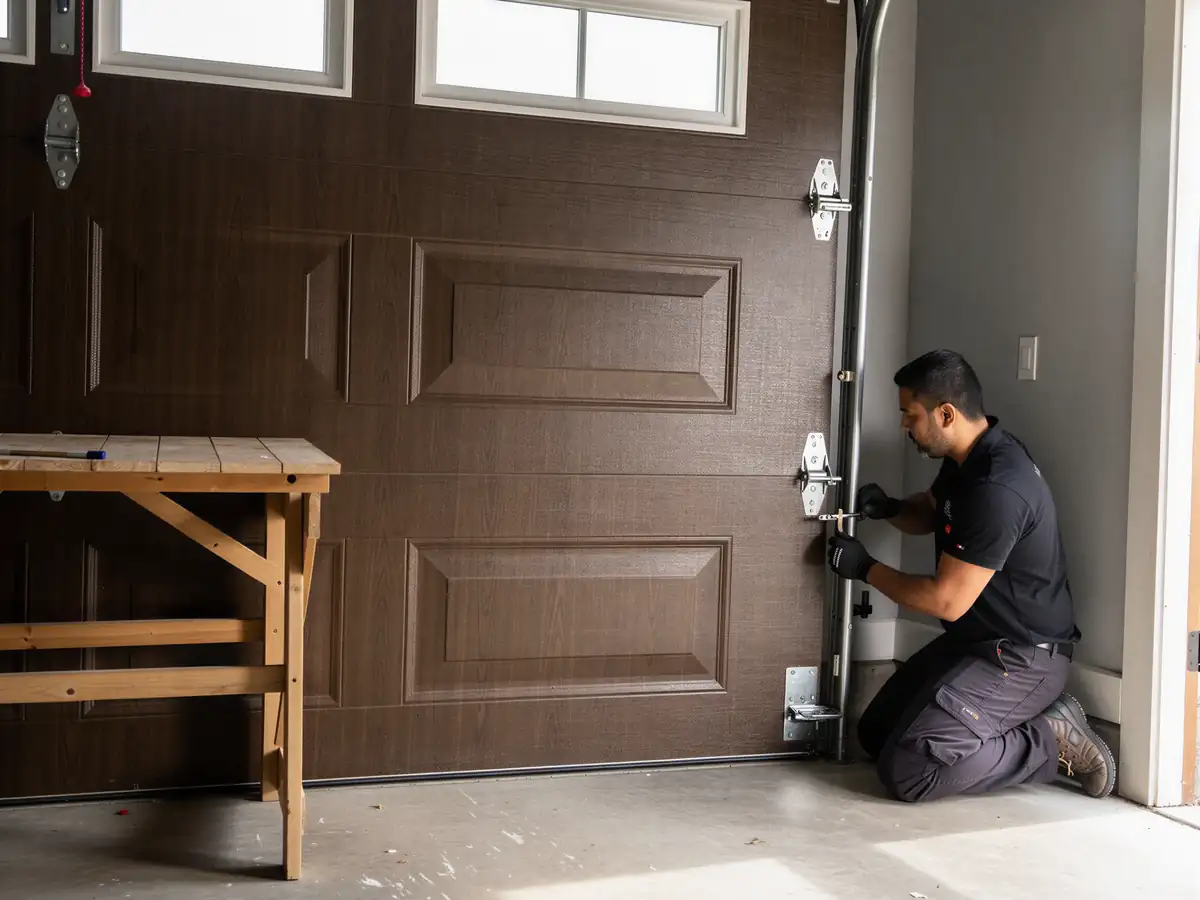
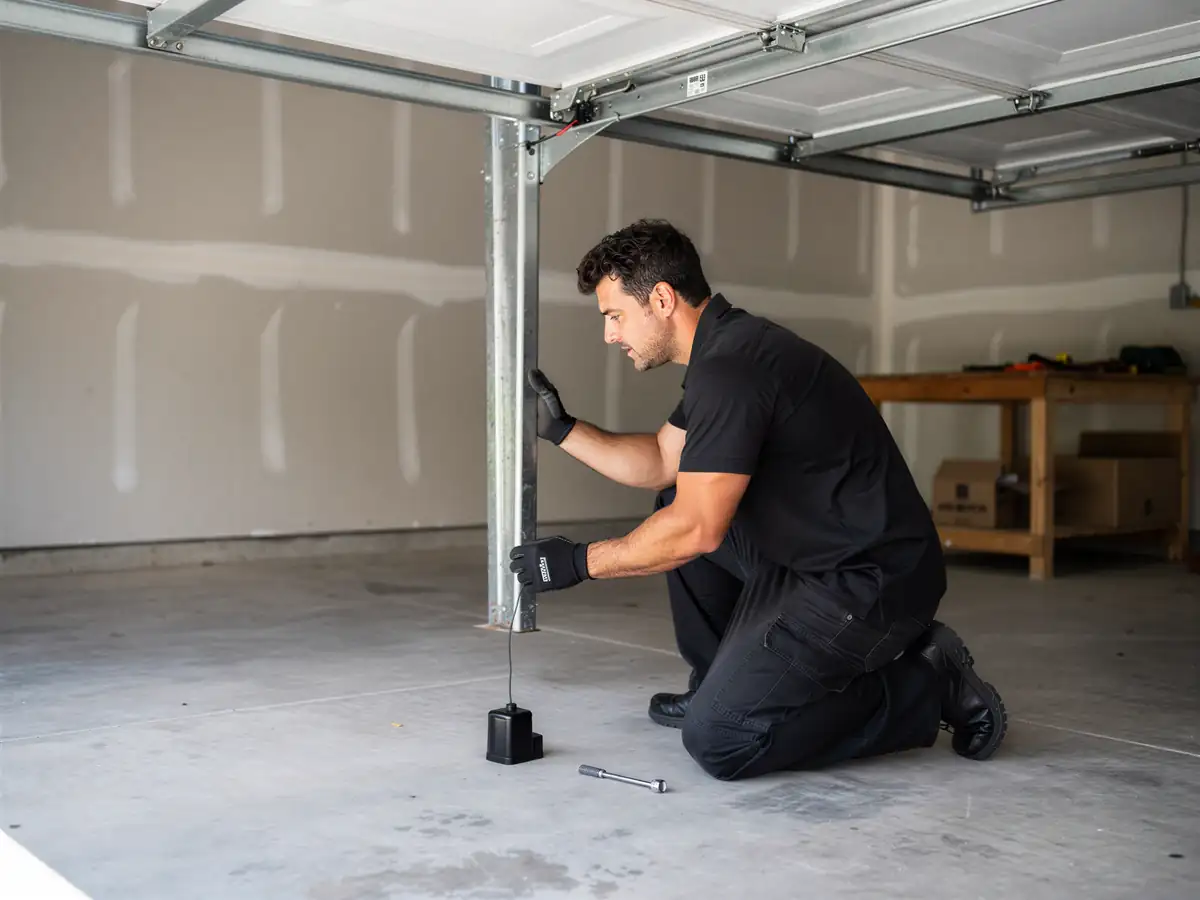
For a broken torsion spring, we match the replacement to the door's actual current weight
Not just the original spec plate - because by 1966-vintage doors, panels and sometimes full sections have often been swapped once already. We wind in both springs on a double door even if only one broke, since the other is on the same clock and a mismatched pair just moves the failure point.
For a cable issue, we check the drum and track alignment before replacing cable alone
Since a cable that frayed on a worn drum edge will fray again on a new drum that isn't resurfaced. For a door that's binding rather than broken, we check whether the track is out of plumb, which on older slab foundations shows up as a door that binds only at one height.
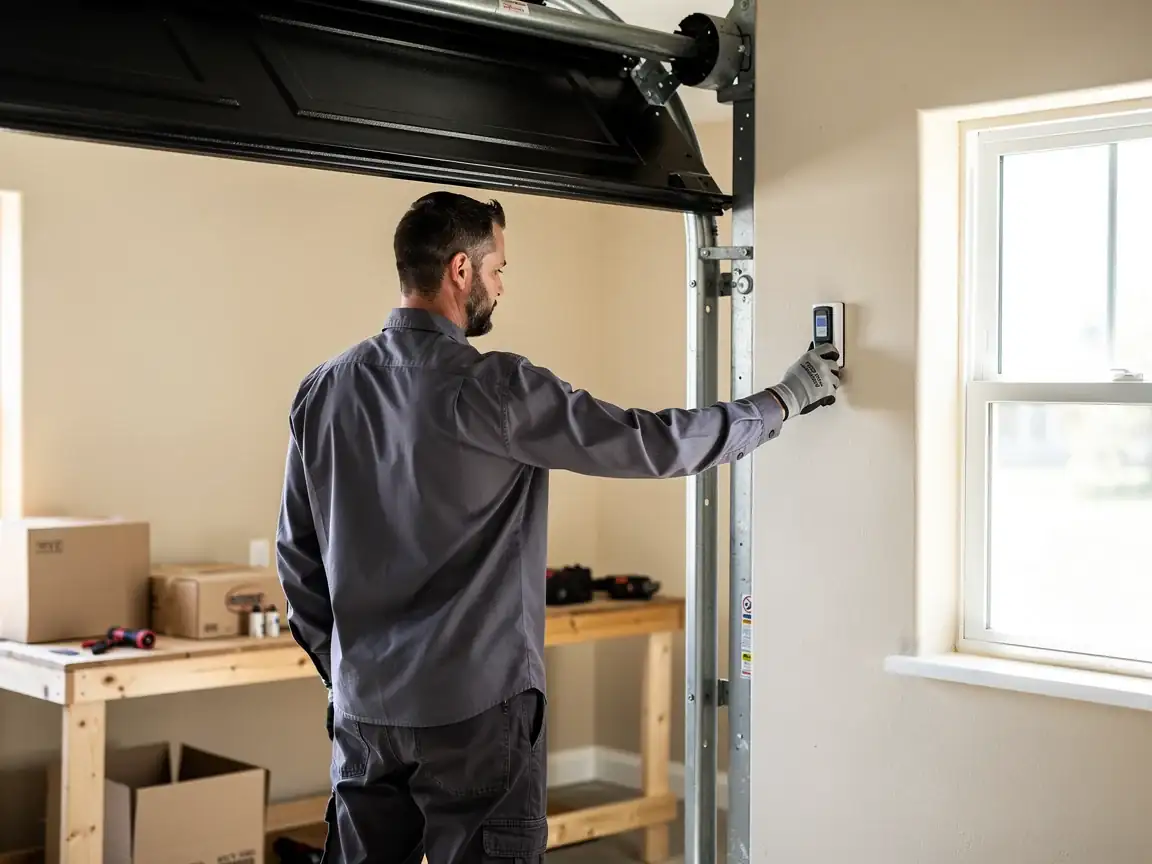
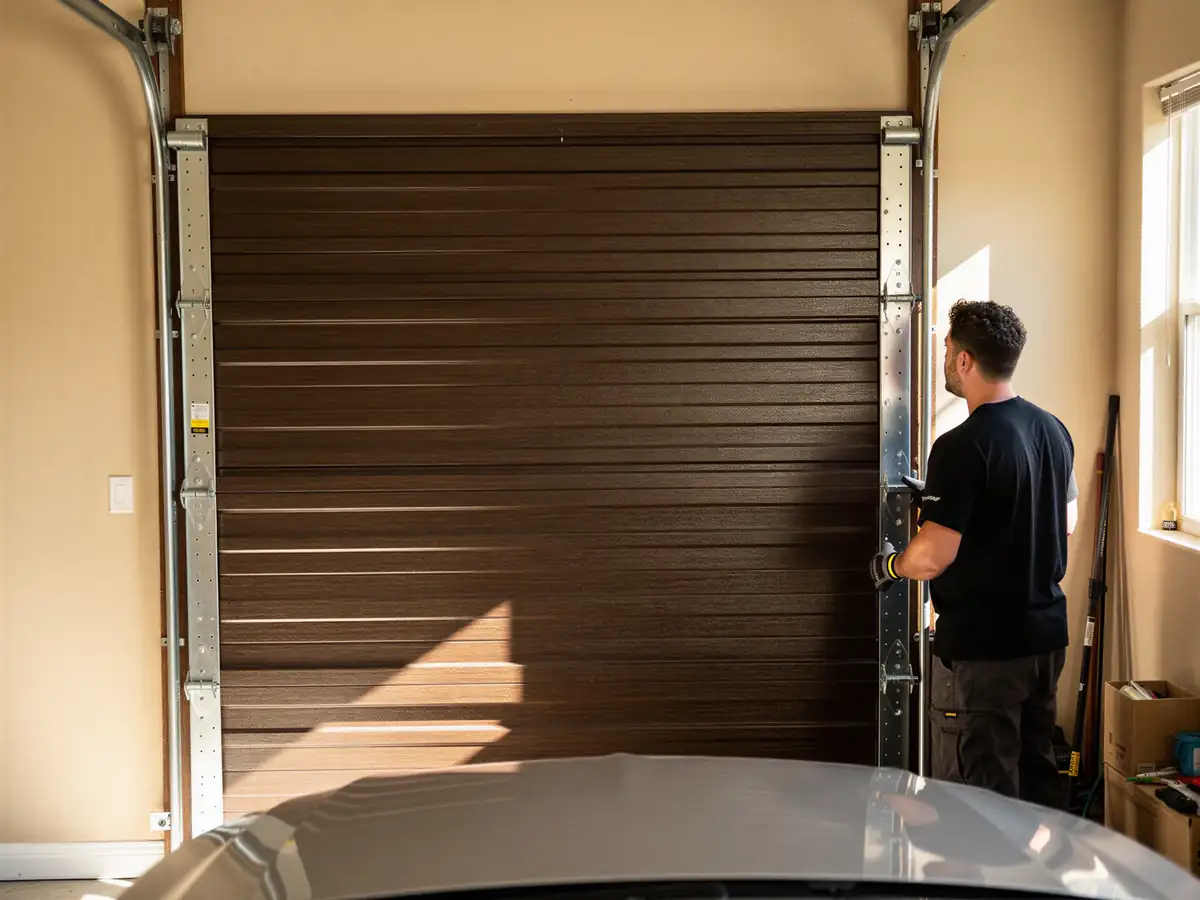
We test the balance when we're done
A properly sprung door should hold at waist height under hand pressure. If it drifts up or down on its own, the spring tension isn't right yet, and we adjust before we call the job finished.
What Is on the Truck
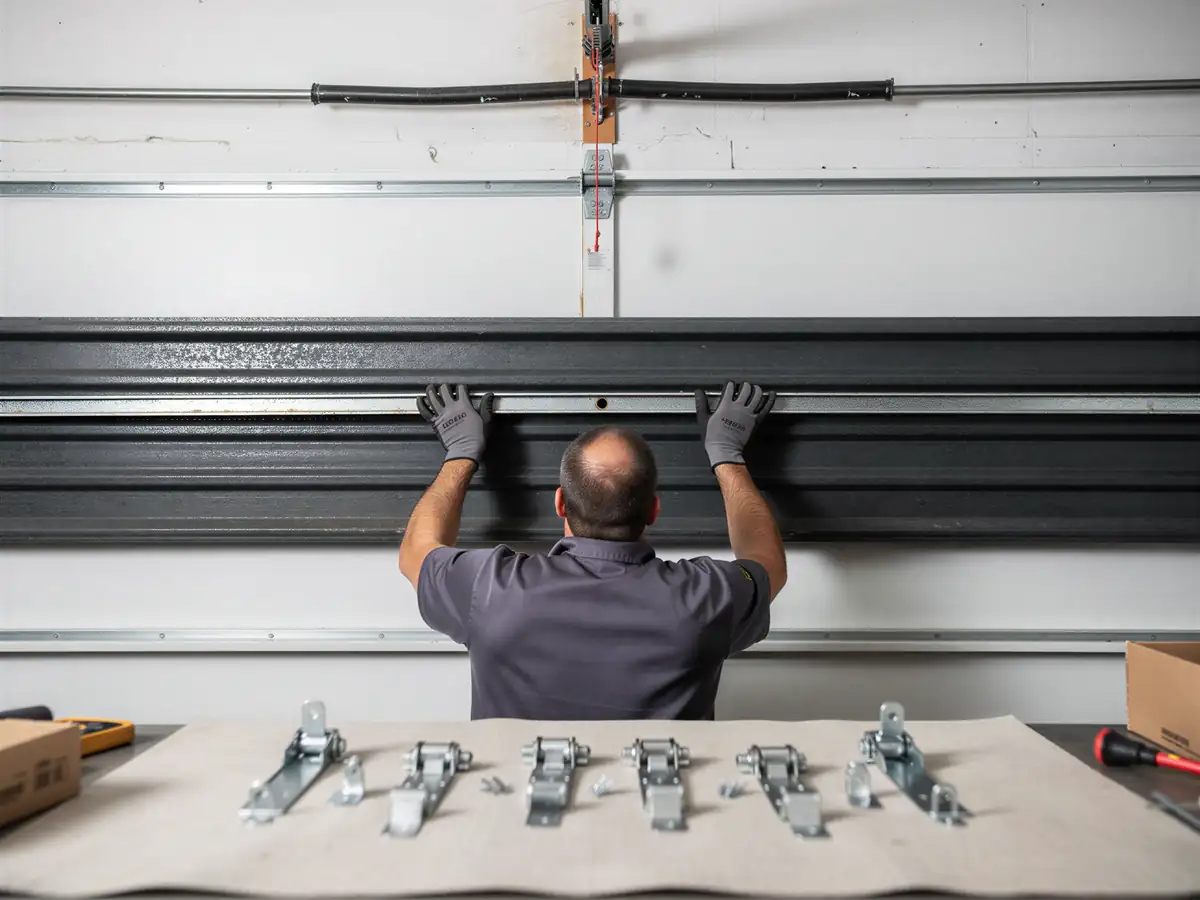
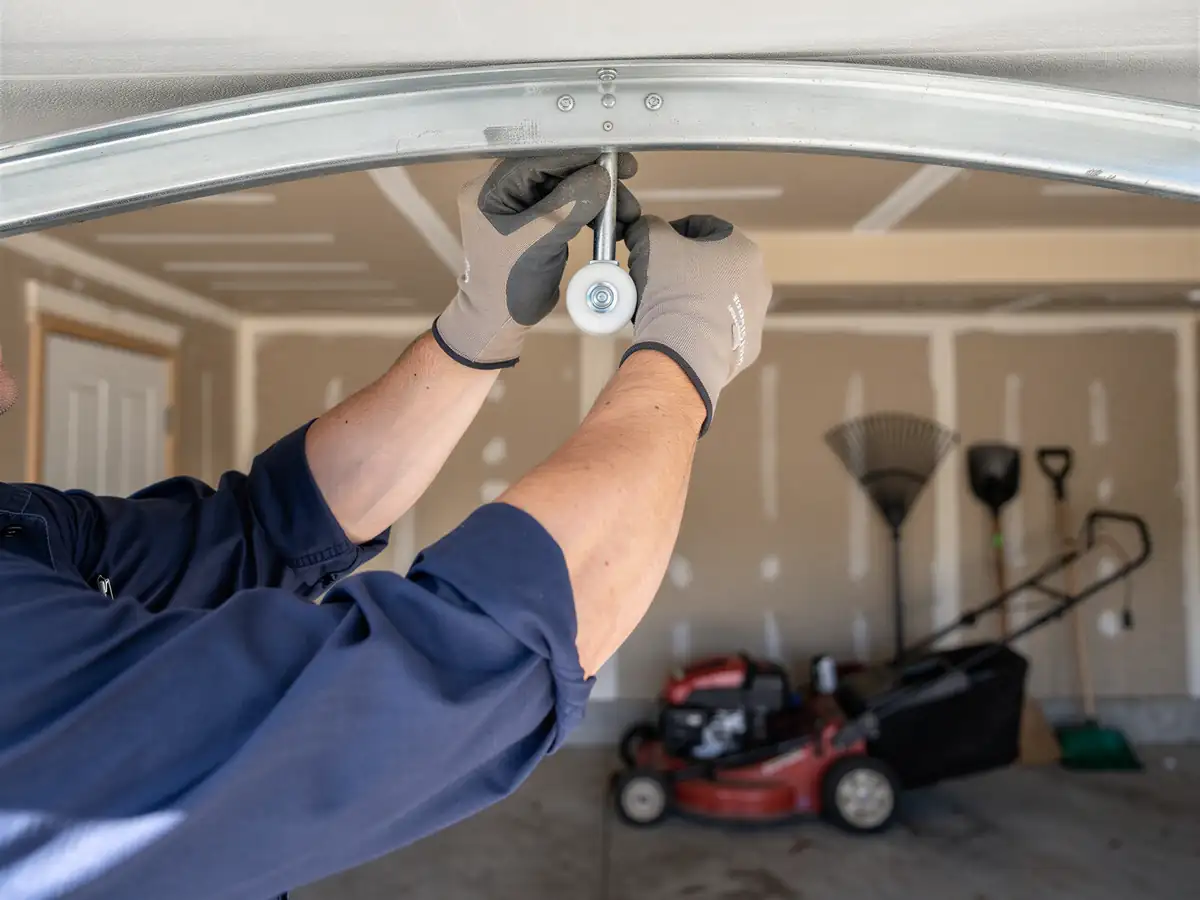
We carry a range of torsion spring sizes to cover the heavier original panel doors still common on 1966-era construction, along with the lighter springs that pair with insulated replacement doors, since both show up in the same neighborhoods here. Standard cable lengths, rollers, and drums are stocked for same-trip work on most calls.
What we don't carry is a replacement panel matched to a discontinued door profile - if a single section needs matching to an original door from the 1960s or 70s that's no longer made, we can source it, but that's an order, not a same-day part. We'll tell you up front if your repair falls into that category so you're not waiting on the truck for something it was never going to have.