What Causes It Around Here
Median household income in Castro Valley runs $138,069, a notch above the wider service area's $132,067. That number matters here because it sets where the repair-or-replace line actually falls. At this income level, most owners don't want three separate visits nickel-and-diming a door back to life - they'd rather pay once for a full roller set and be done with it. That changes how we quote the job before we even get out of the truck.
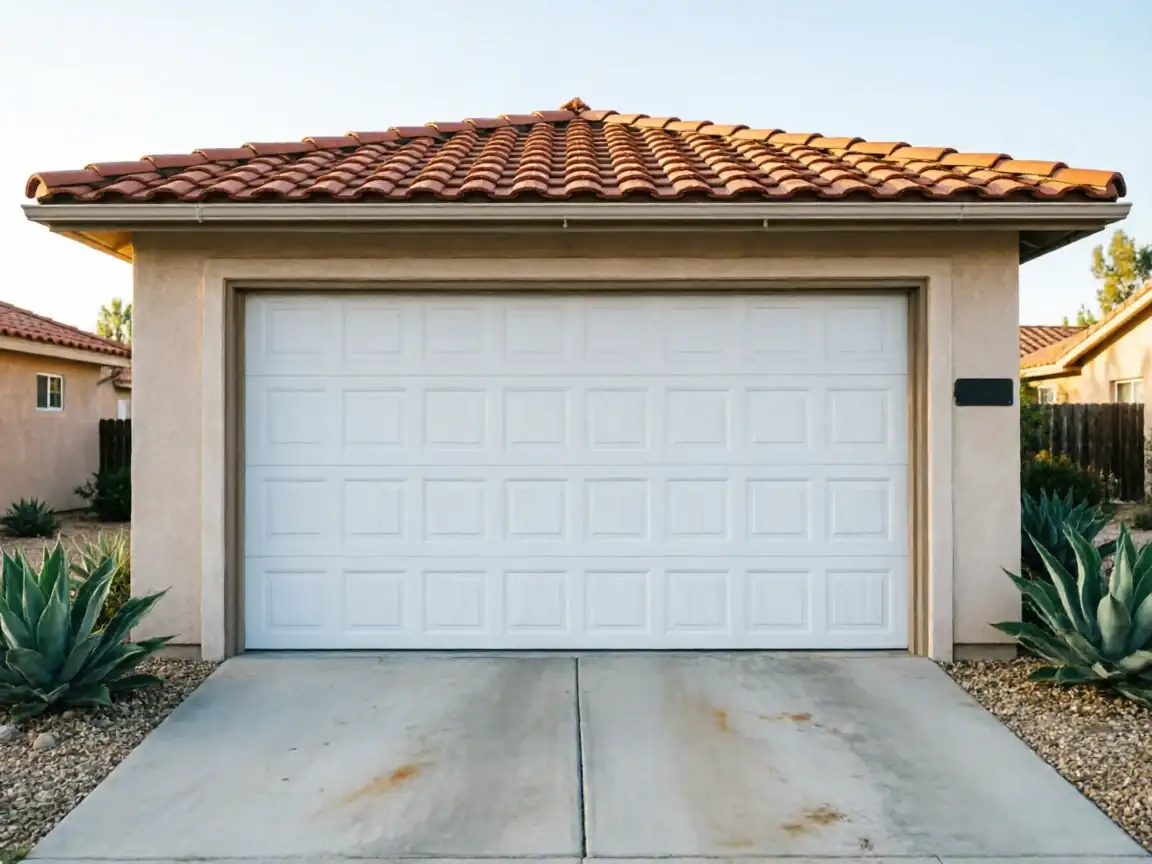
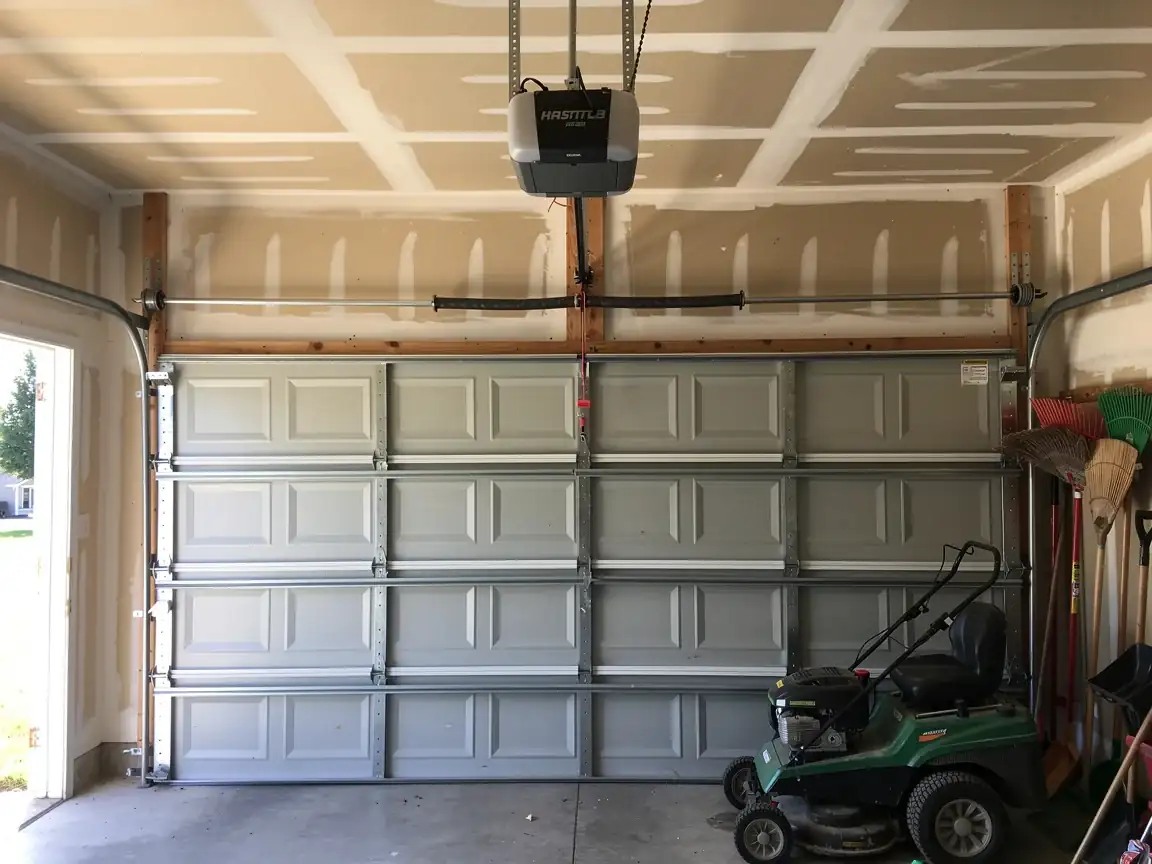
The houses themselves tell the other half of the story. Castro Valley's housing stock centers on 1966, squarely in the 1960s-70s wave that makes up most of this part of the service area. Doors from that era were built with steel rollers running in steel track, no nylon, no sealed bearings. Steel-on-steel wears the track groove unevenly over decades, and once that groove is worn, new rollers alone won't quiet the door - the track has to come into the conversation too.
The Symptom
It starts as a rhythmic squeak or grind every time the door moves
Usually loudest right where the door passes the bend in the track near the top of the opening. Owners often describe it as a shopping-cart-wheel sound. Left alone, the grind turns into a hitch - the door hesitates at one or two spots on every cycle, because a roller has flattened on one side and is no longer rolling true.
Some doors on this side of the service area have had one or two rollers swapped already over the years
Usually not all of them at once. That leaves a door running on a mismatched set - some original steel from 1966-era hardware, one or two newer nylon rollers from a partial fix. Mismatched rollers wear at different rates, so the noise comes back faster than it should and from a different spot each time.
What Can Go Wrong
A roller that's worn down to the stem can jump the track entirely, usually on the top panel where the curve puts the most sideways load on the wheel. When that happens with the door partway open, the panel can bind against the track and bend the hinge it's mounted to - a $40 roller problem turning into a bent panel and hinge replacement.
On older steel track specifically, a jumped roller tends to chew a burr into the track rail at the point of impact. That burr then catches every roller that passes it afterward, so the noise and wear spread to rollers that were fine a week earlier. We see this pattern most on doors that haven't had track adjusted since they were installed, which given the 1966 median build year here, is a lot of doors.
How to Book
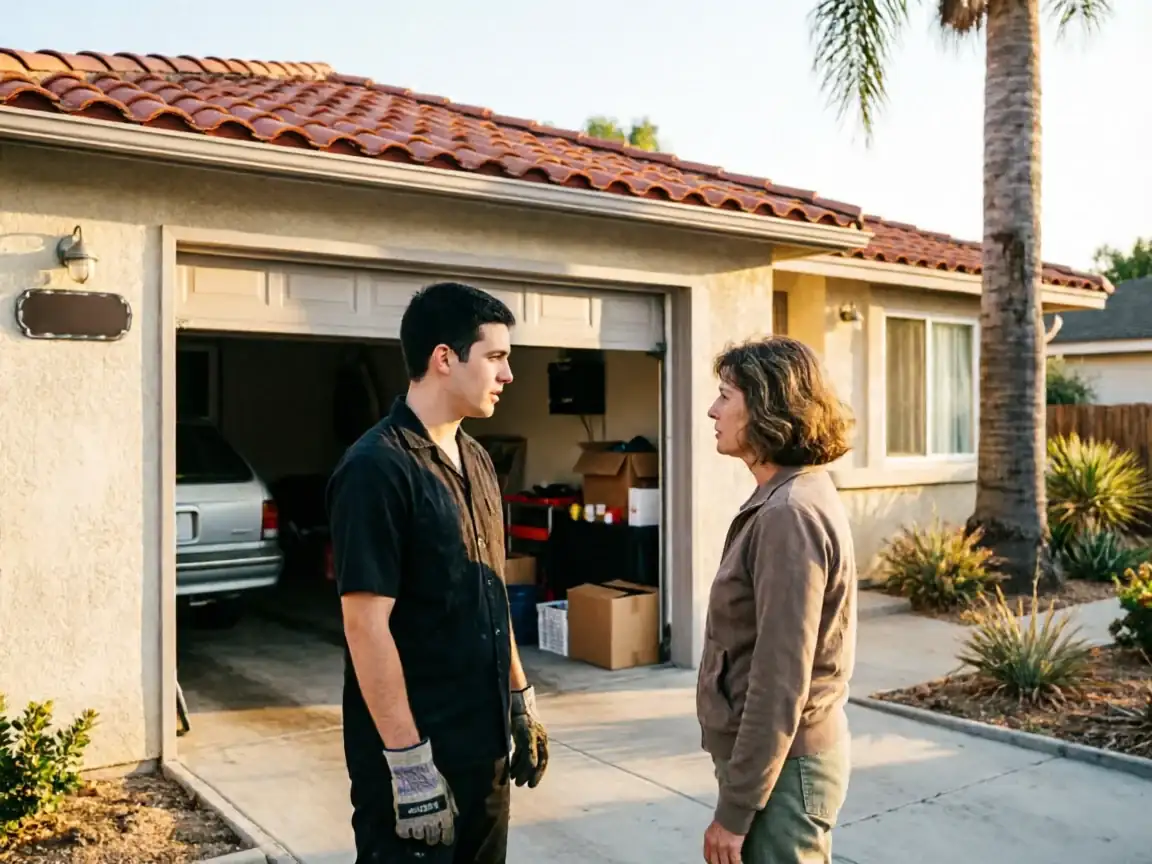
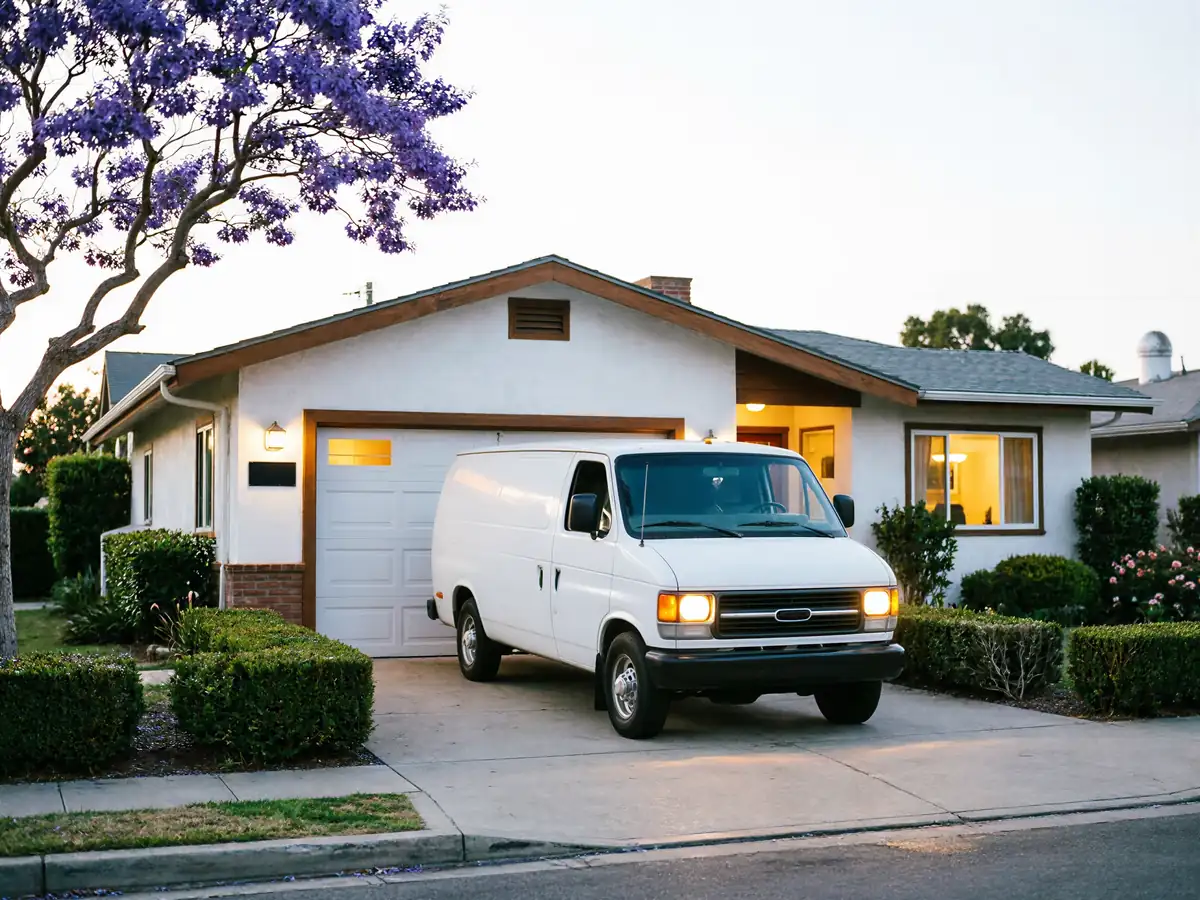
We cover Castro Valley from our base in Walnut Creek, about 14 miles out. Check the coverage page for the areas we run jobs in day to day, then get in touch to set a time for a look at the door. We'll want to know whether the noise is constant or only on certain panels, since that tells us whether it's a roller job or a track job before the truck even leaves.
How We Fix It
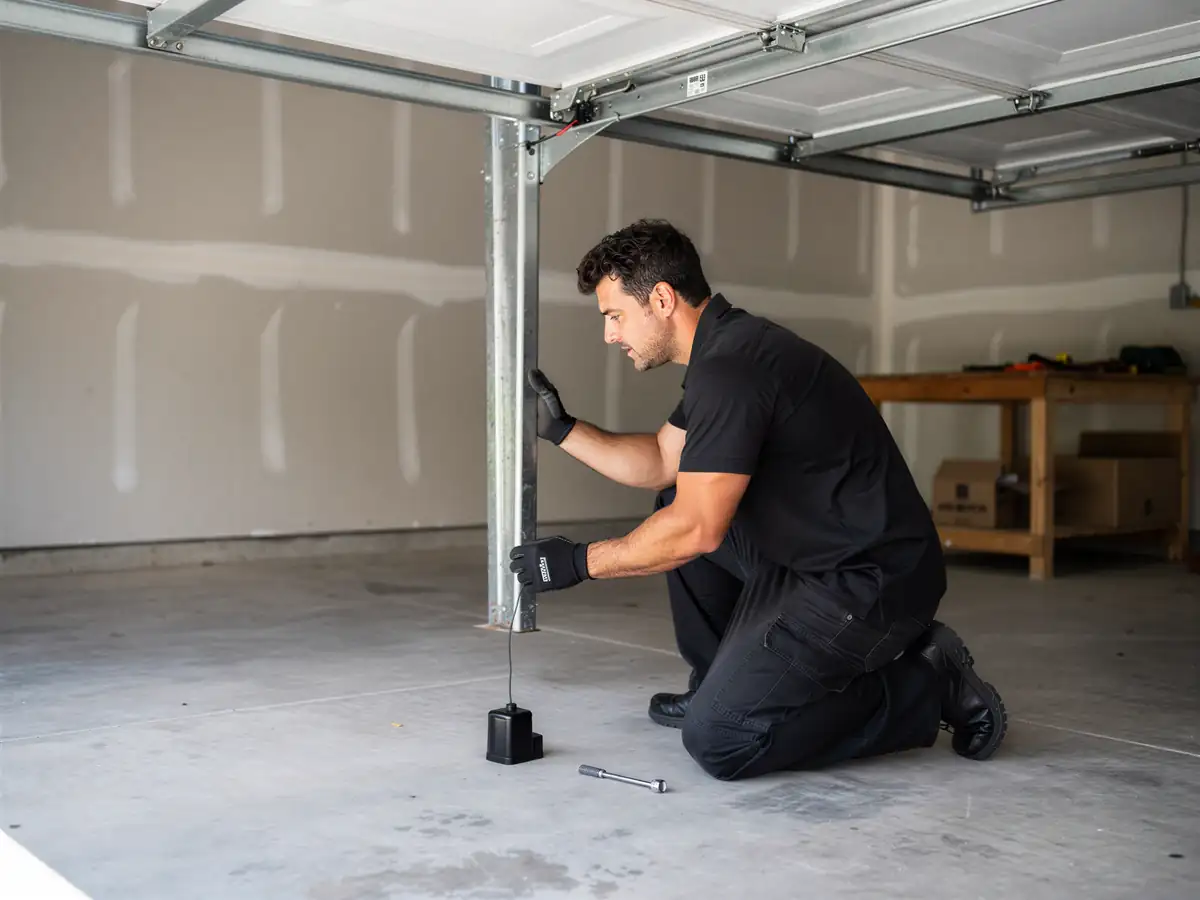
First thing on site is running the door by hand with the opener disconnected
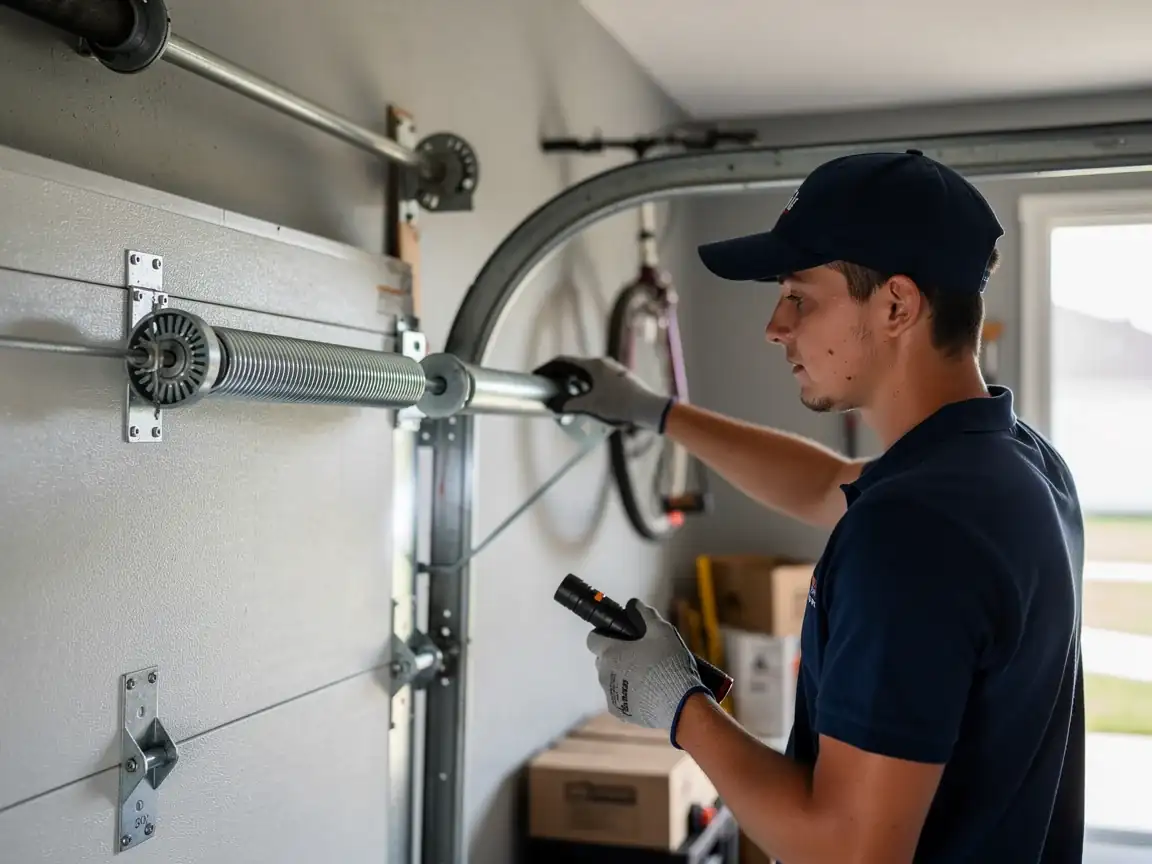
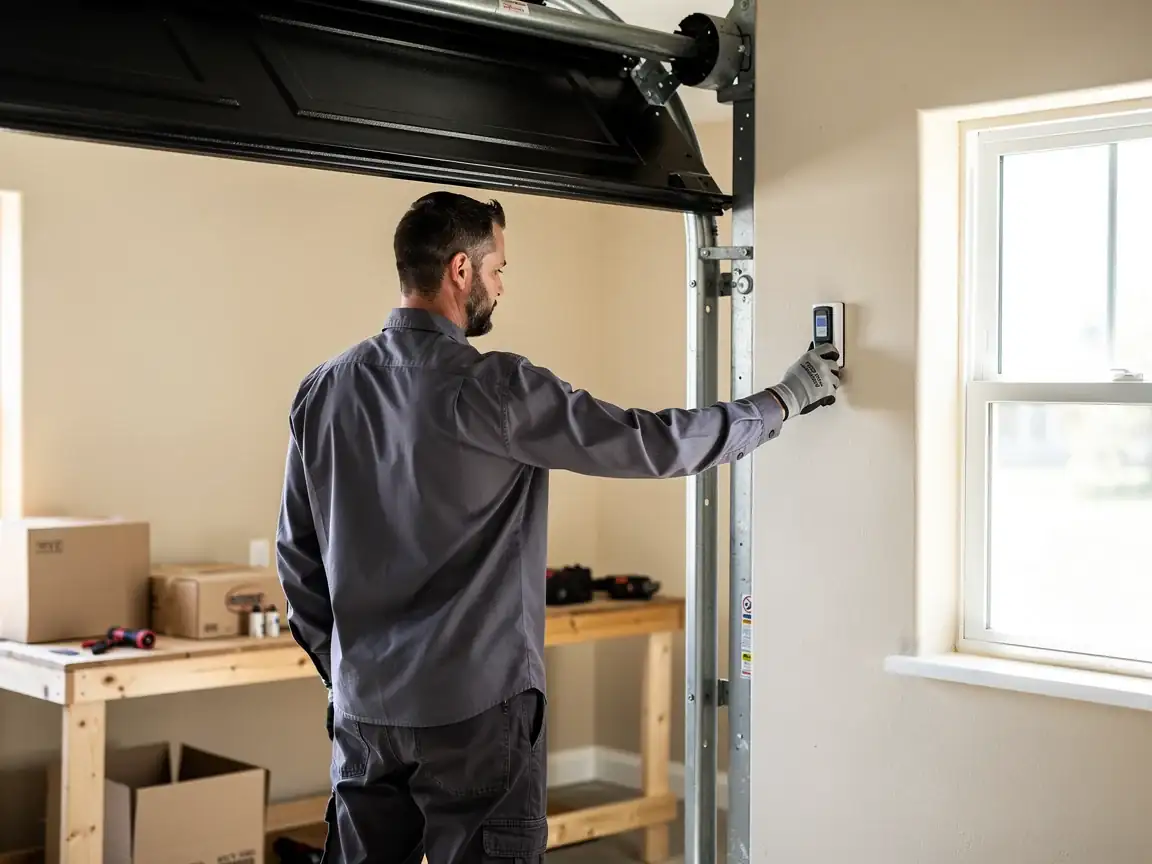
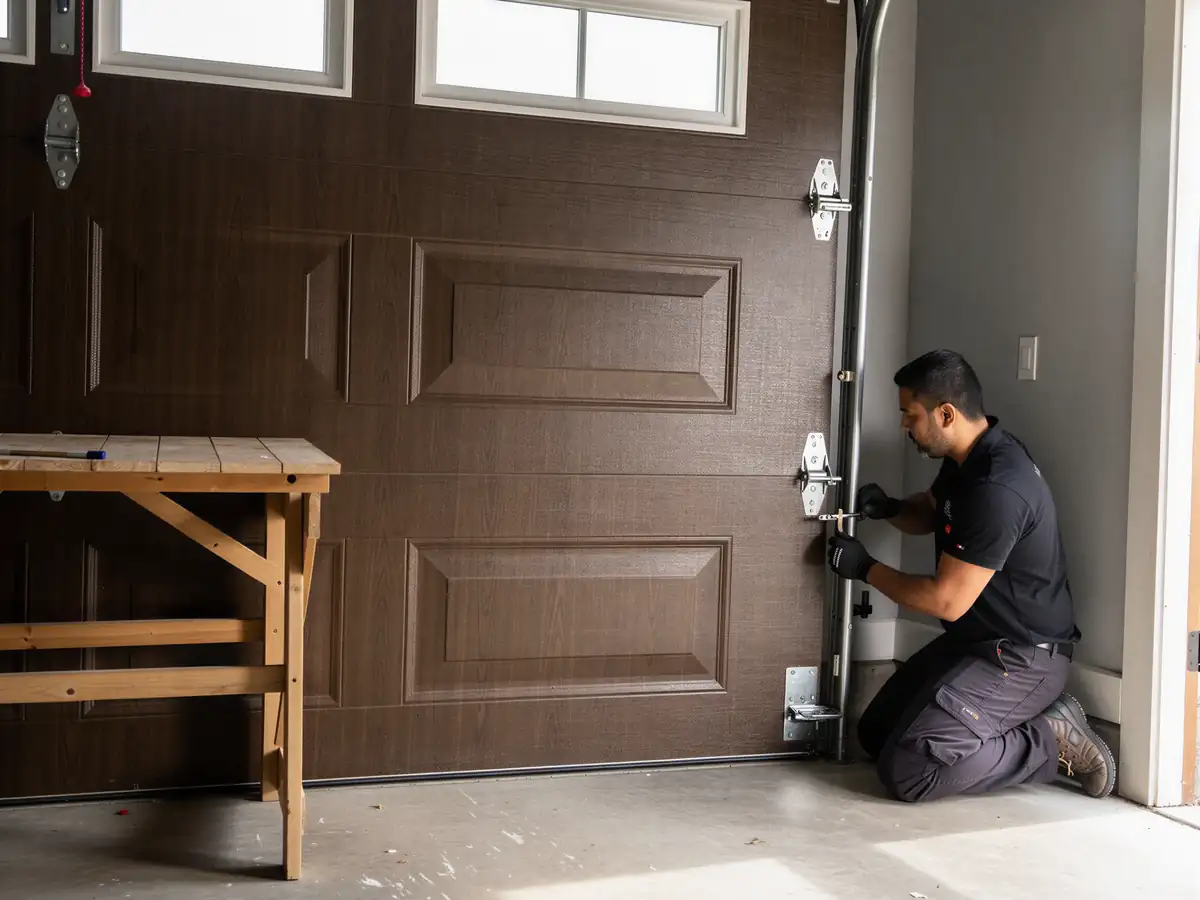
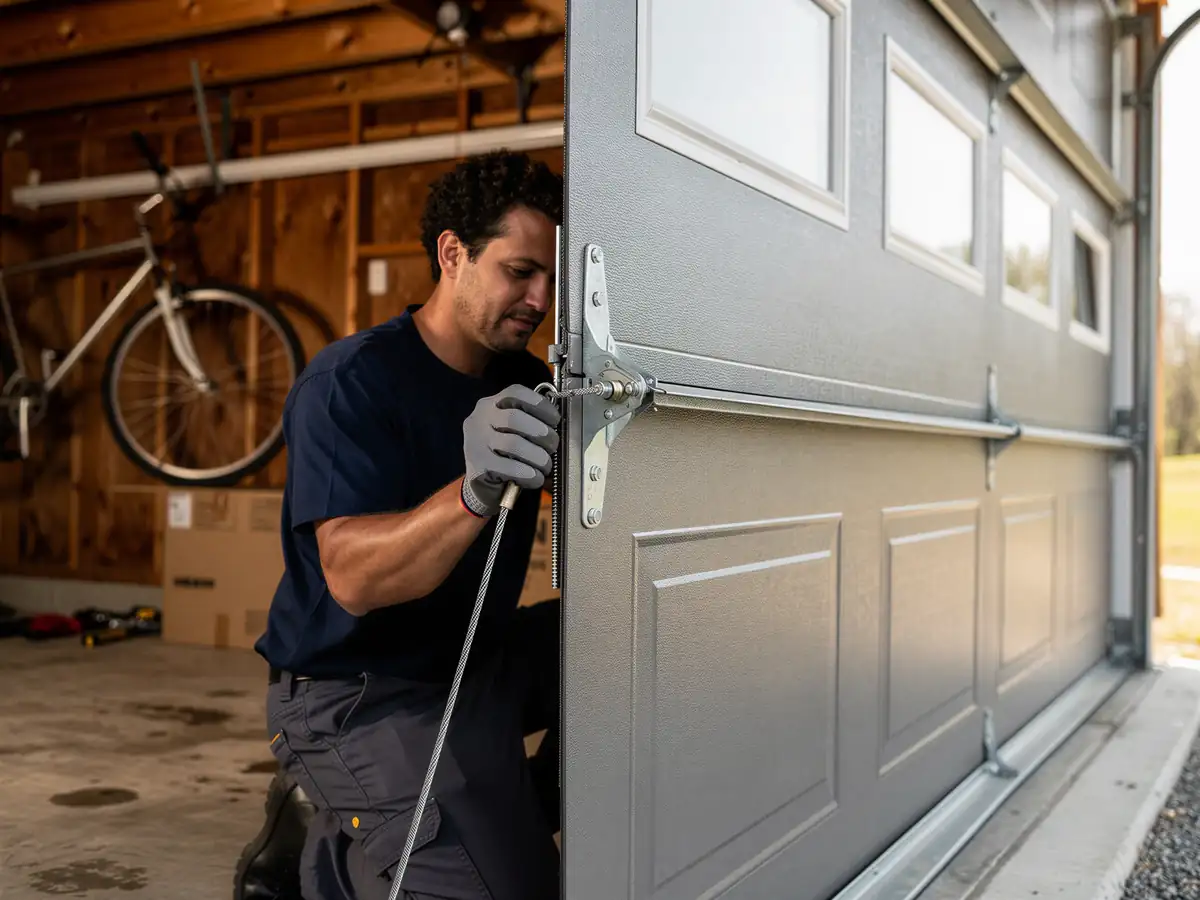
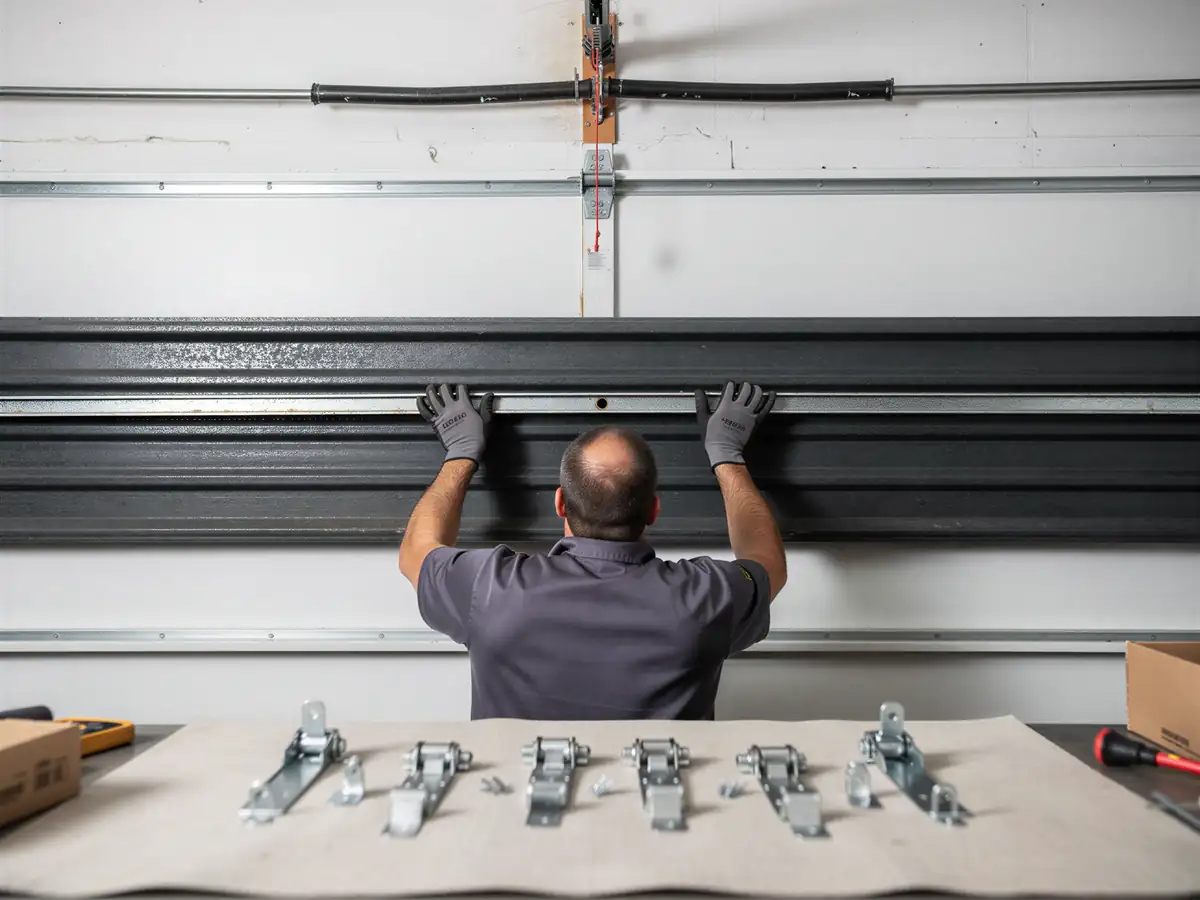
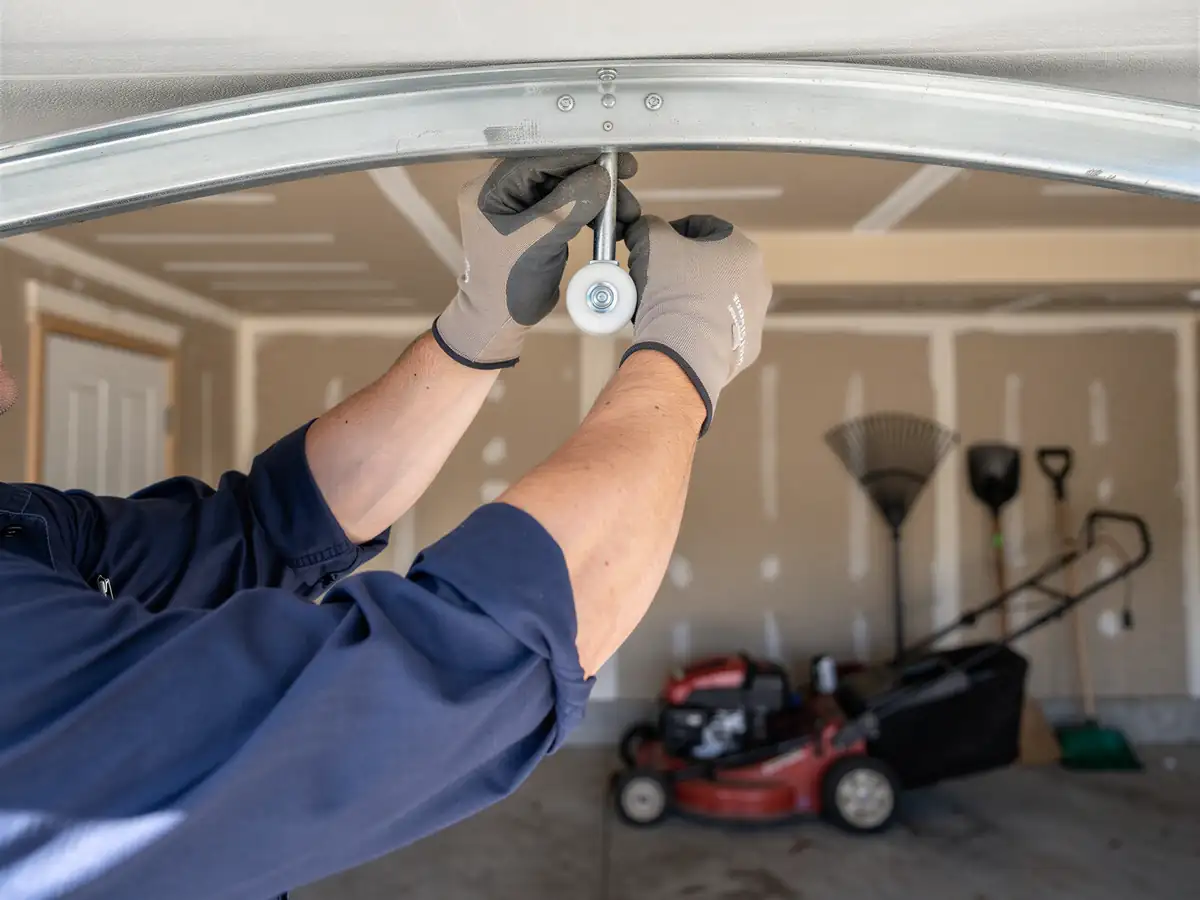
Listening for which rollers are loudest and checking the track for burrs or bends at the spots steel-on-steel wear tends to show up. If the track is still straight, it's a straight roller swap - we pull the old set, check hinges and brackets for wear while the door is apart, and set new rollers with the door balanced properly so the weight isn't riding unevenly on one side.
If the track has a worn groove or a burr from a past jumped roller
We address that section of track at the same time, because new rollers running against bad track will wear out just as fast as the old ones did. We don't replace rollers one at a time on a door this age - a mismatched set is exactly the problem that gets us called back out, so we do full sets.
The honest limitation
If the door is original from 1966 and the track has deep wear across most of its length, roller replacement alone won't fix the noise. At that point we'll tell you straight that track replacement, or in some cases a full door swap, is the better use of your money.
What Is on the Truck
For a standard roller job we carry nylon rollers with sealed bearings in the common stem lengths and roller diameters used across the 1960s-70s door stock that makes up most of Castro Valley. We also carry replacement hinges and track sections, since on doors this age it's common to need one or the other once the old rollers come off and we can see the wear underneath.
What we don't stock on the truck are odd or discontinued roller sizes from a handful of older custom doors - if your door uses one of those, we'll need to order the part, which adds a day or two to the job. We'll tell you on the first visit if that's the situation, not after we've already started the work.