What Causes It Around Here
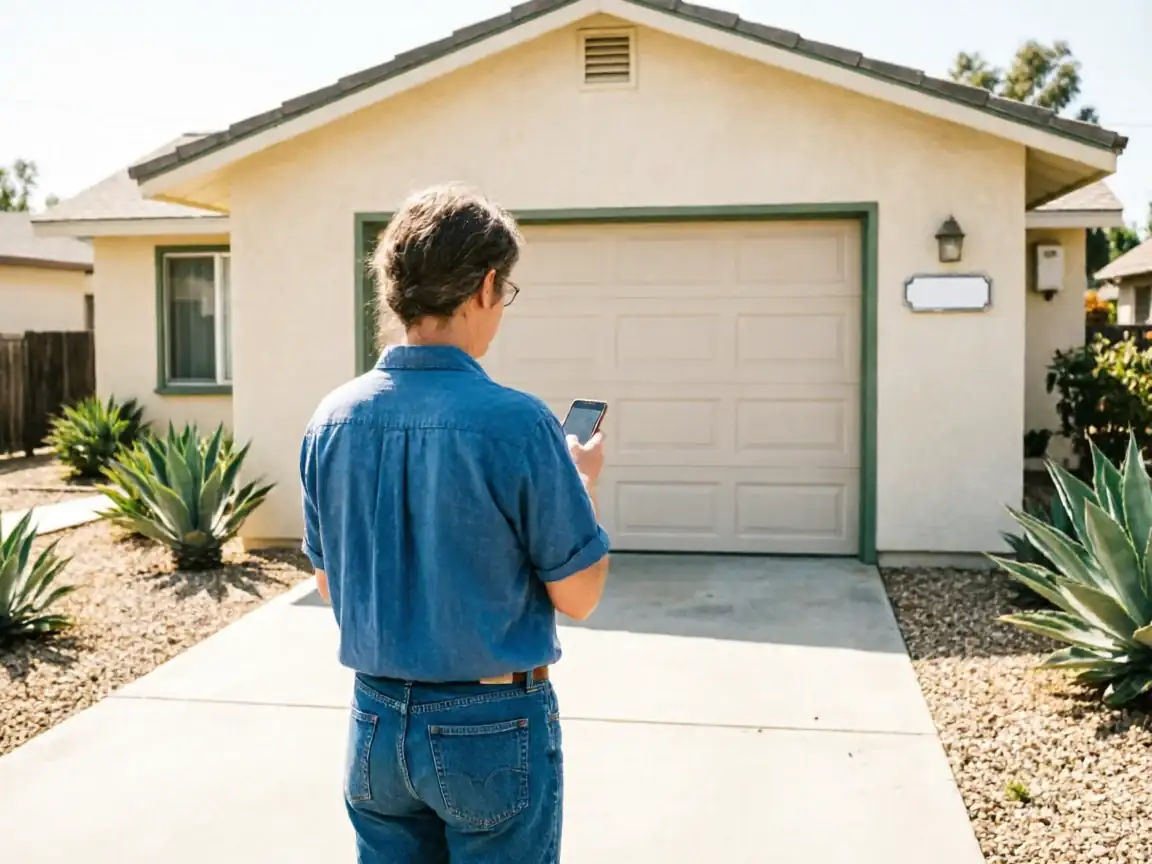
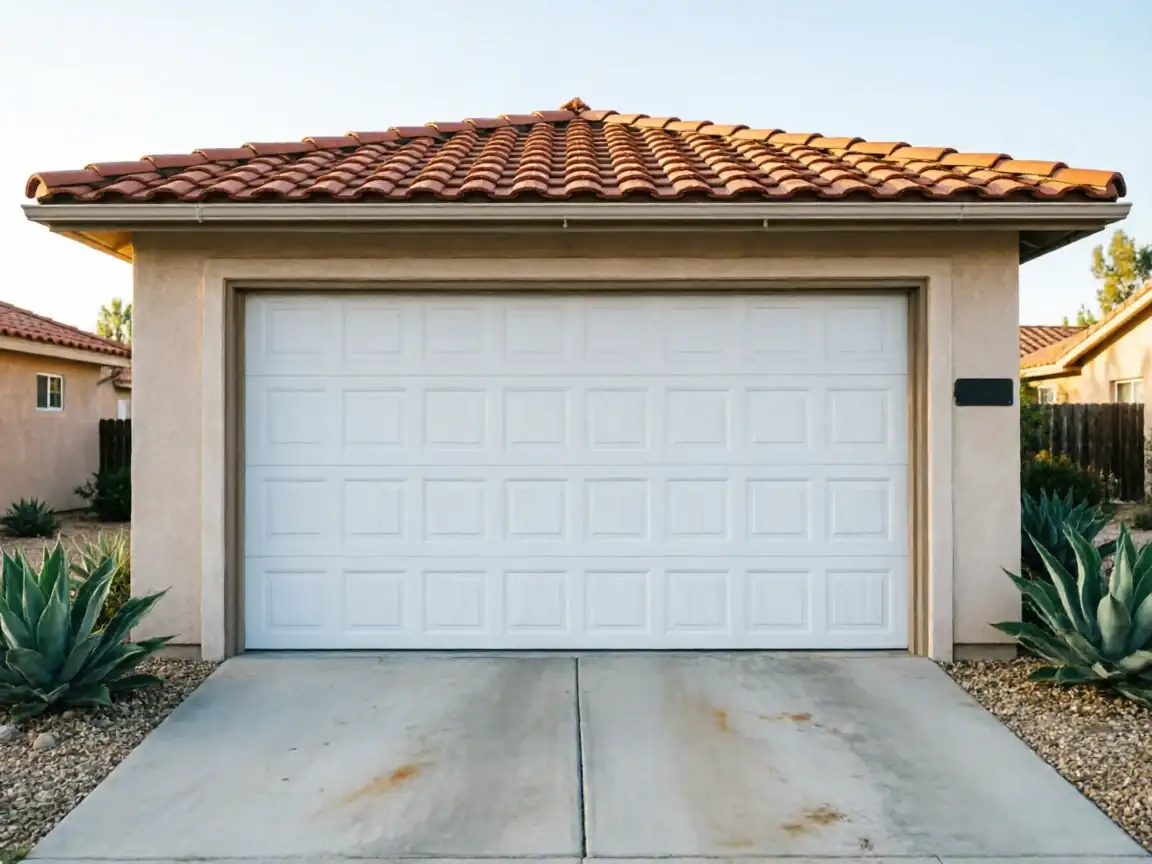
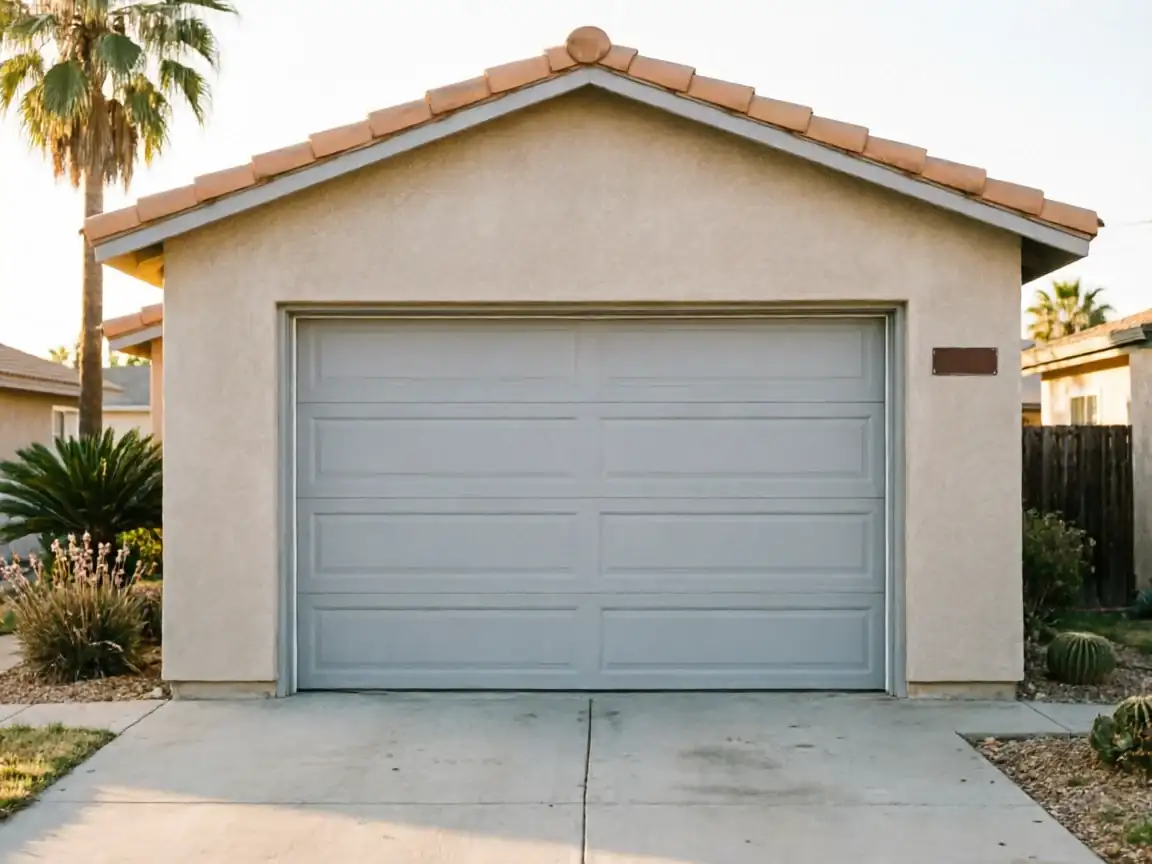
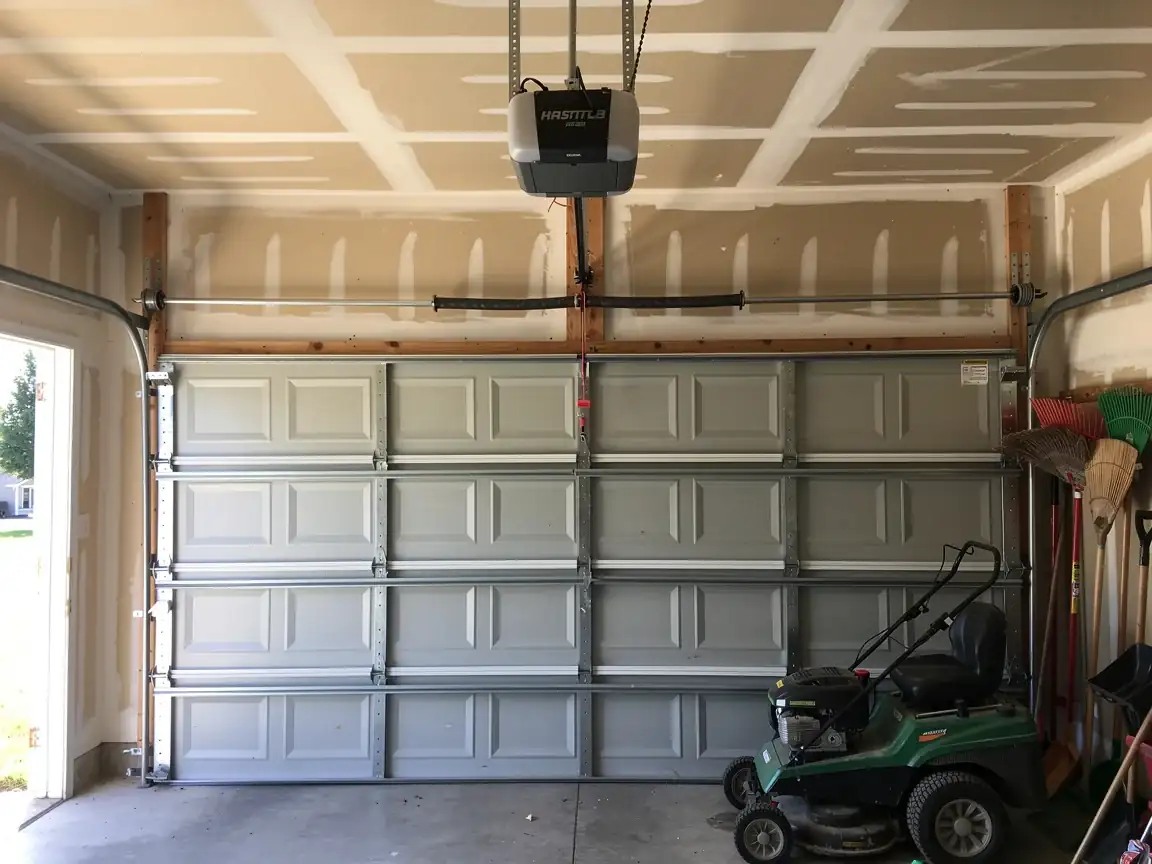
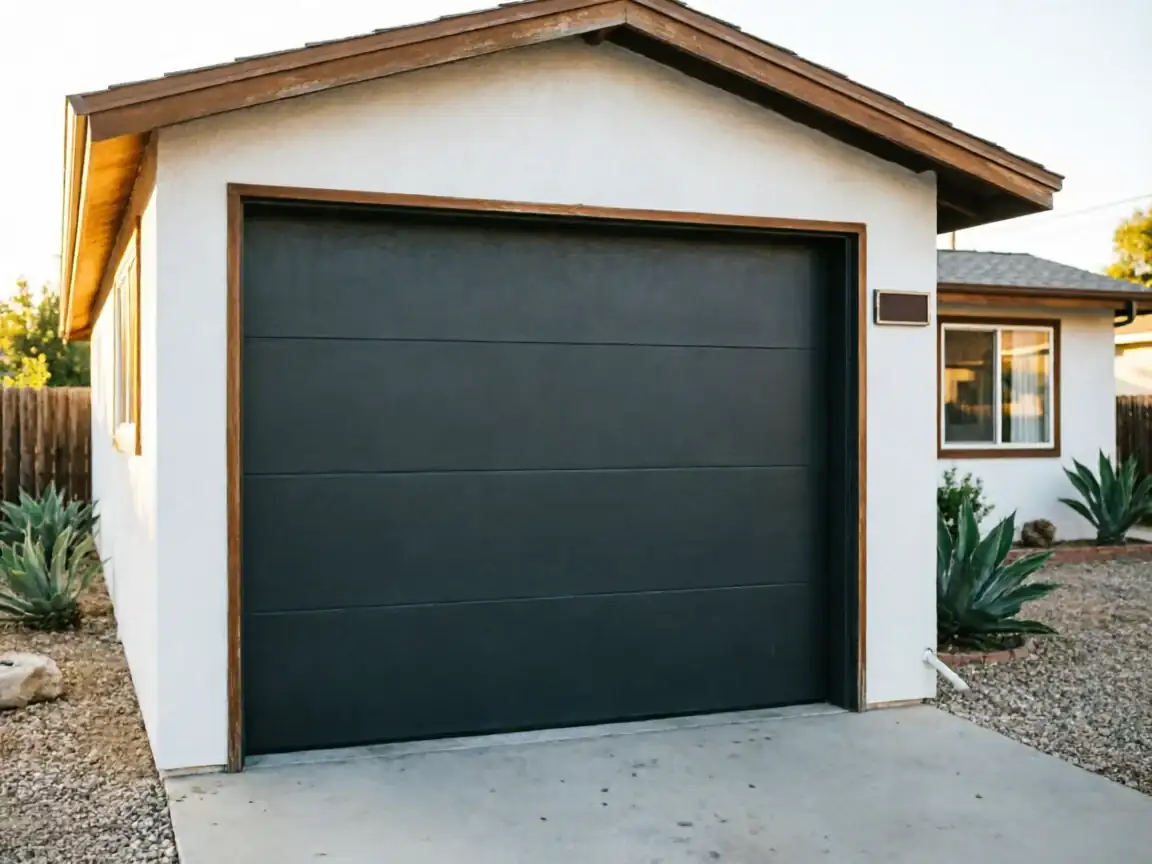
The typical Castro Valley house went up around 1966, which puts a lot of these garage doors at or past the point where the original door, track, and hardware have never been swapped out. A door that old wasn't built for today's insulation standards or spring cycle counts, and the steel gauge on a lot of these panels is thinner than what gets installed now. Owners usually don't replace a garage door until something forces the issue - a spring lets go, a panel buckles, or the opener finally gives out and takes the old release mechanism with it. If your house falls into that mid-60s build wave, the door you're looking at right now is very likely the one that came with the house, just repainted once or twice along the way. That's not a knock on it - a lot of those old doors were built solid. But solid and current aren't the same thing, and once the galvanized coating on the track starts flaking or the bottom panel has absorbed enough water cycles, patching it stops making sense. New installation isn't about chasing a trend here. It's about swapping out hardware that's done the job for roughly sixty years and has nothing left to give.
What Can Go Wrong
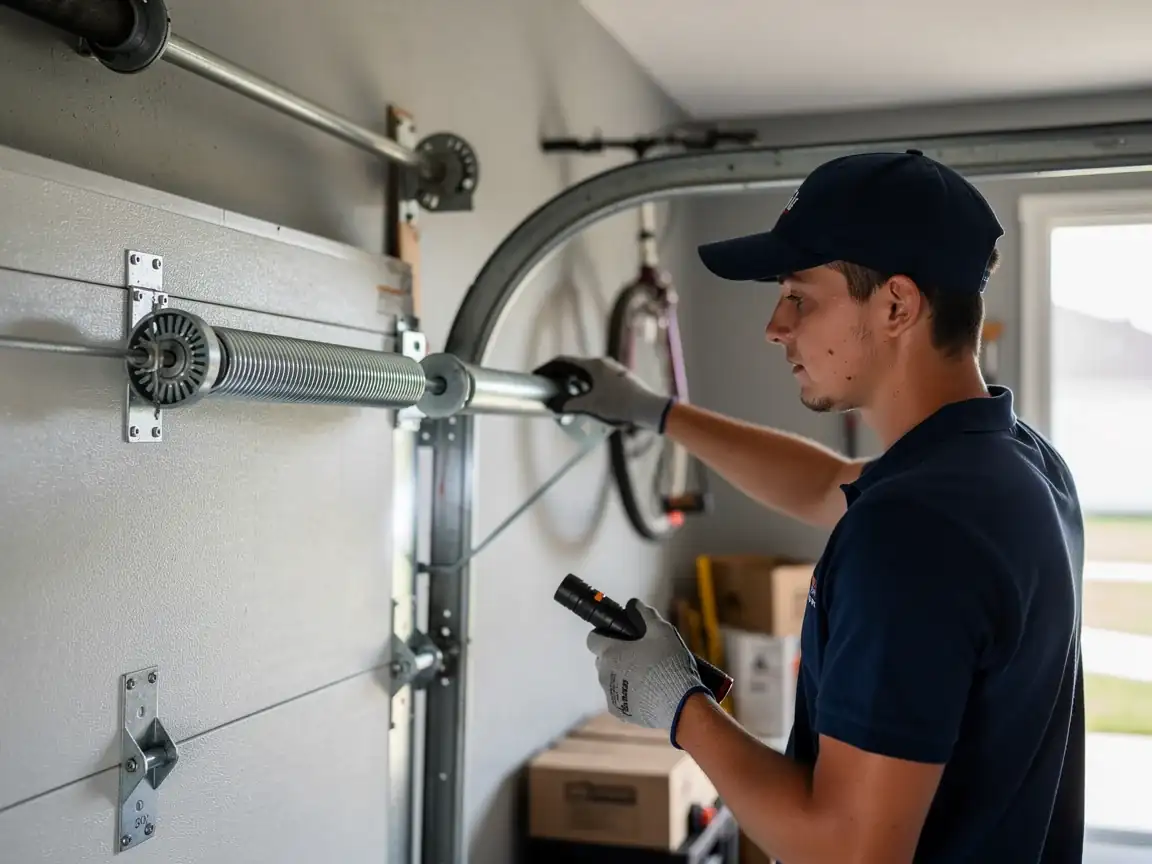
Waiting too long on a door built in the mid-1960s usually means one of two things happens. Either a torsion spring fails under full tension and the door slams down - a real injury risk if anyone's underneath or nearby - or the track separates from aging fasteners and the door jumps its rollers mid-cycle. Both are far more common on original hardware than on anything installed in the last twenty years, simply because galvanized coatings and metal fatigue in old springs give out unpredictably. We'll also be honest about a limit here: if the opening itself has shifted or the framing around it isn't square anymore, a new door won't solve that on its own, and no installer should promise it will. That's a carpentry problem, not a garage door one, and we'll tell you plainly if that's what we're looking at before any door goes in.
How to Book
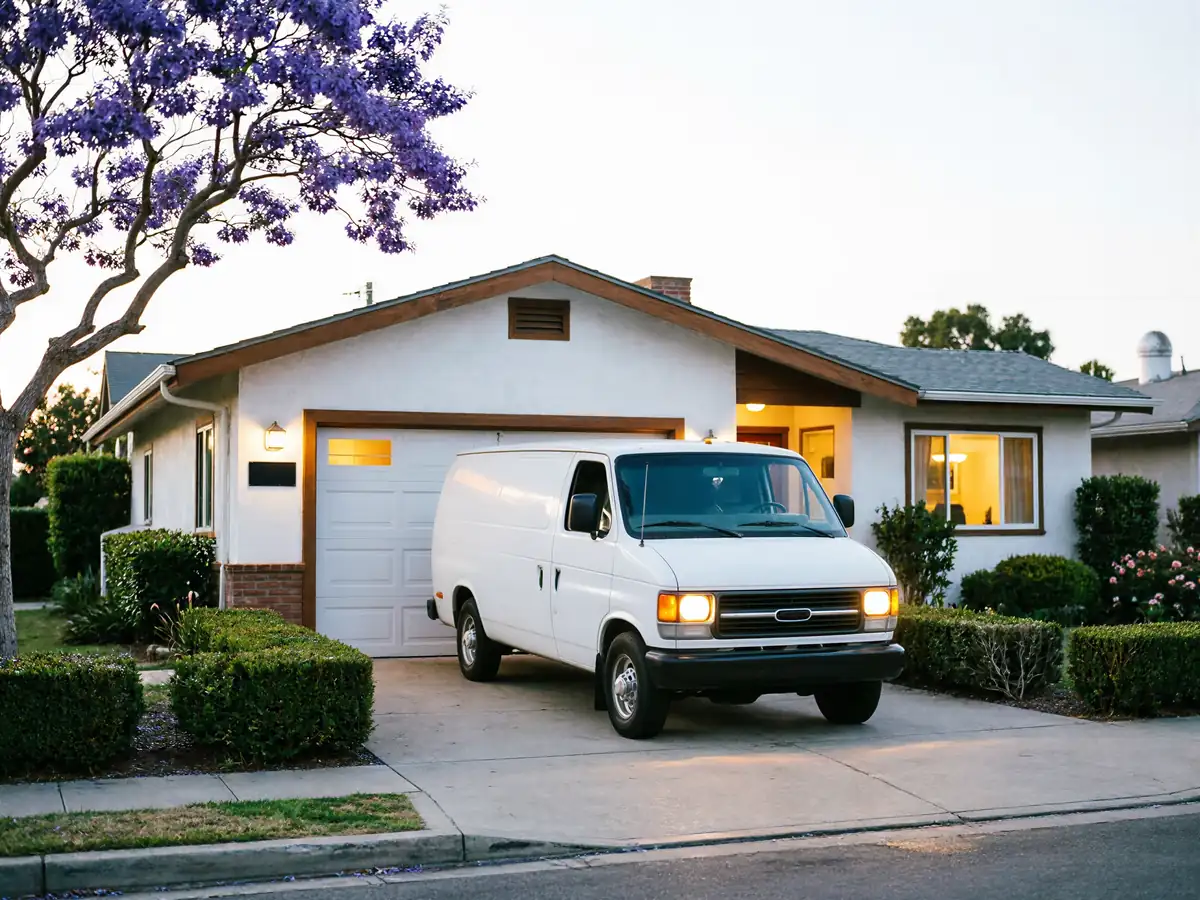
We run installation jobs in Castro Valley out of Walnut Creek, about 14 miles away, so scheduling is built around a truck trip, not a local walk-in counter. You can check service details for the area on our Castro Valley coverage page, or look at what a full installation covers more broadly on our Walnut Creek installation page. Give us the door's rough age, current width, and whether it's a single or double opening, and we can get a sense of what's involved before the truck ever heads out.
What Is on the Truck
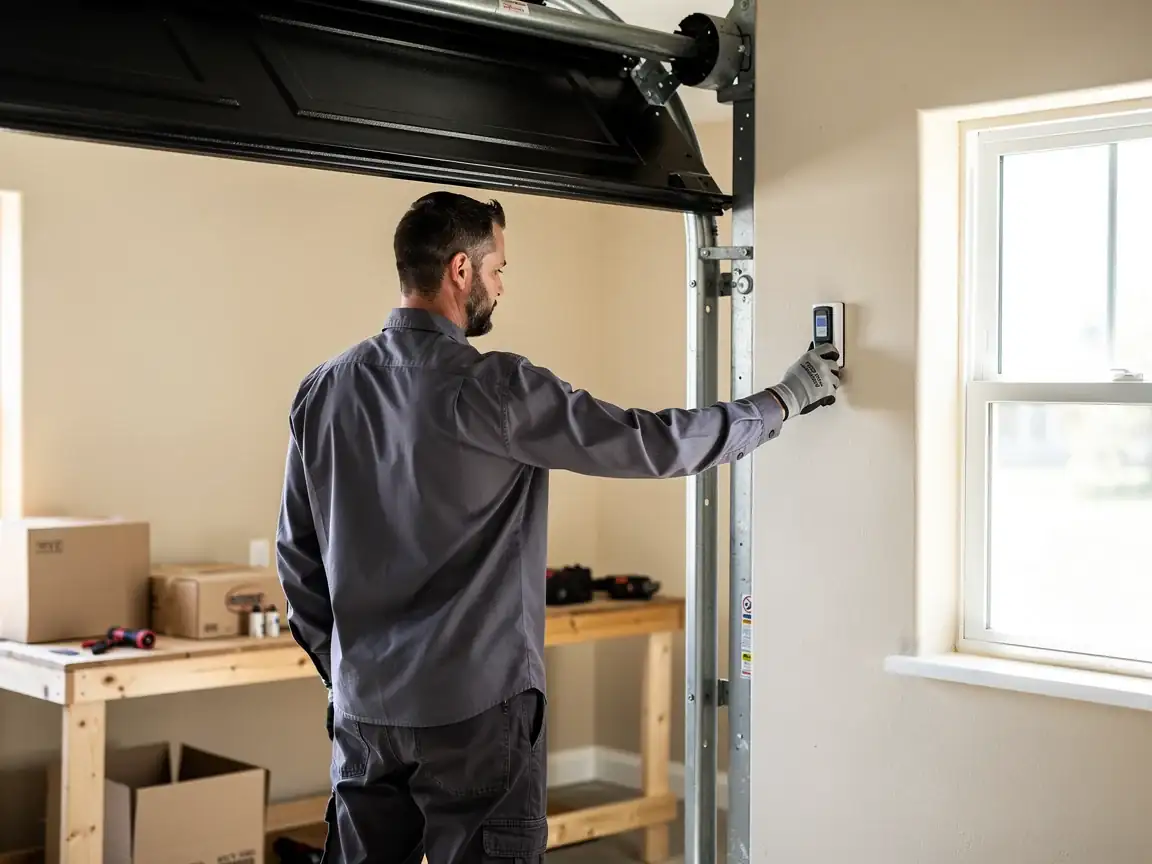
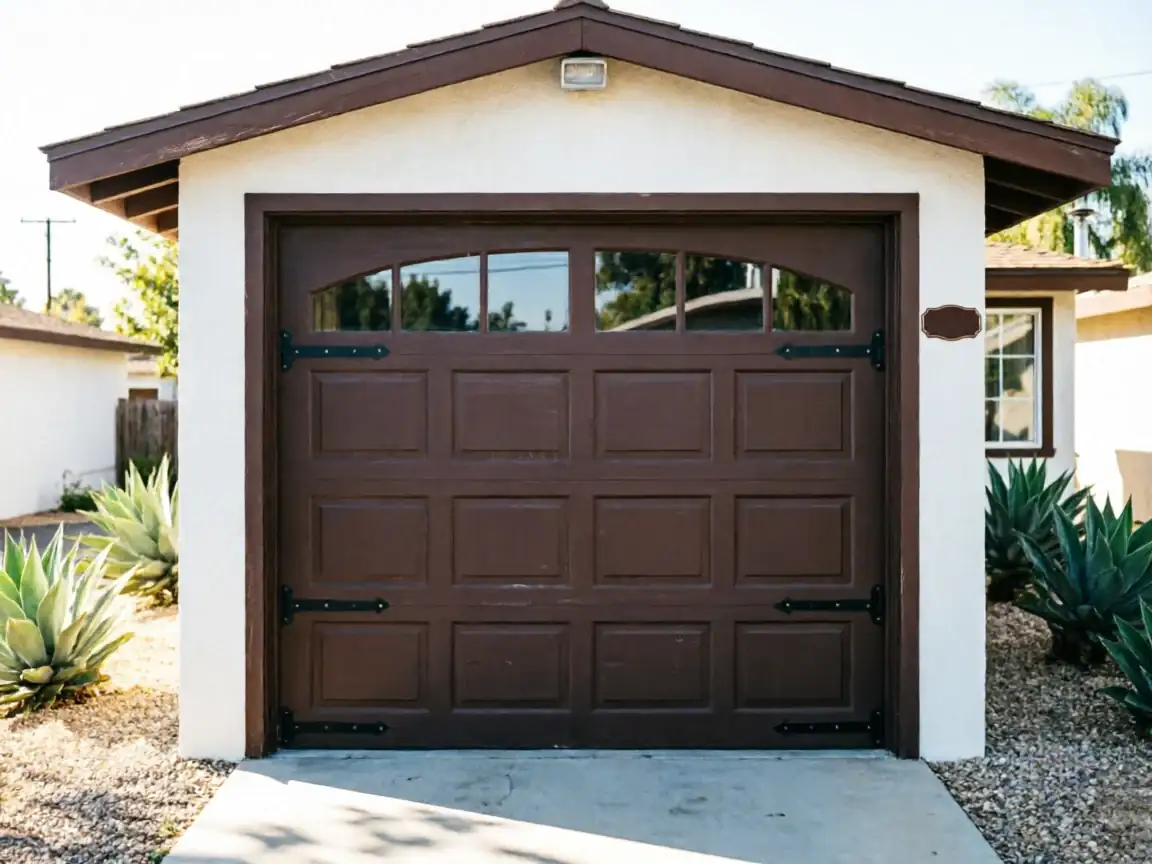
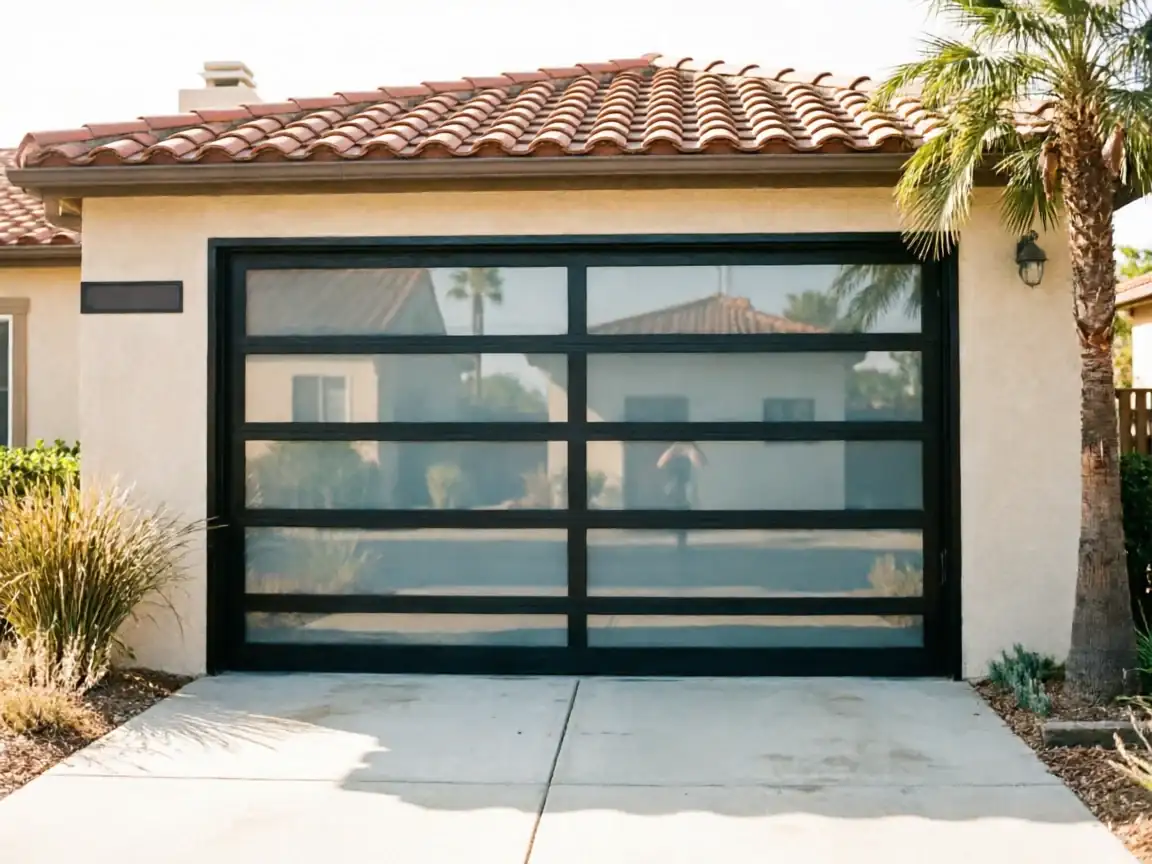
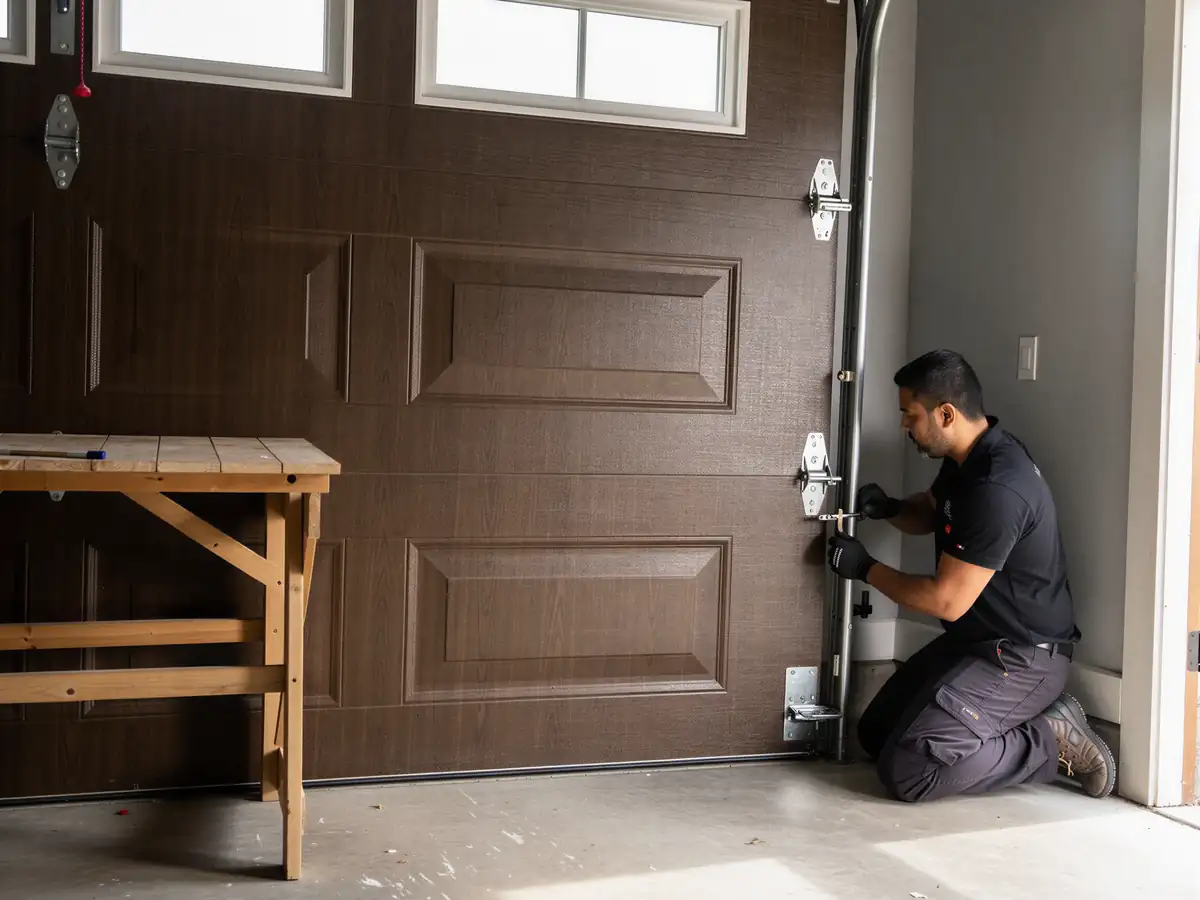
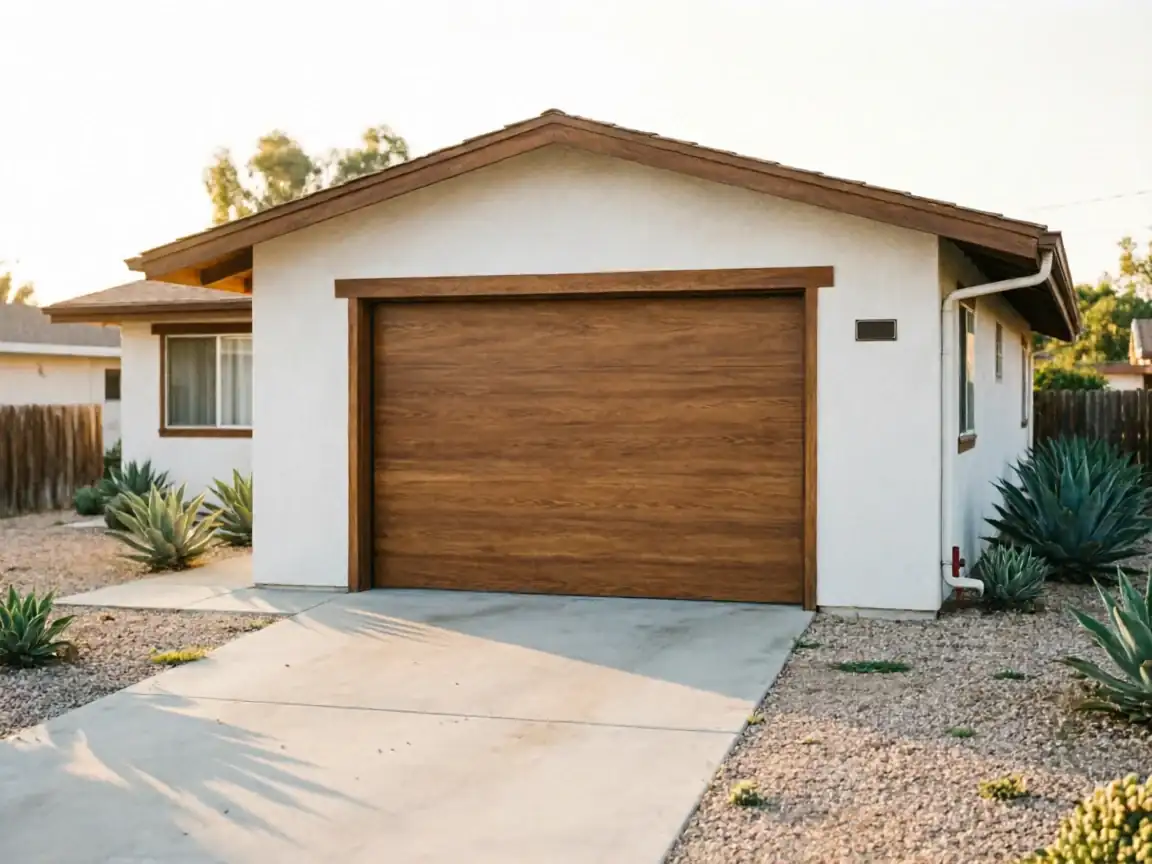
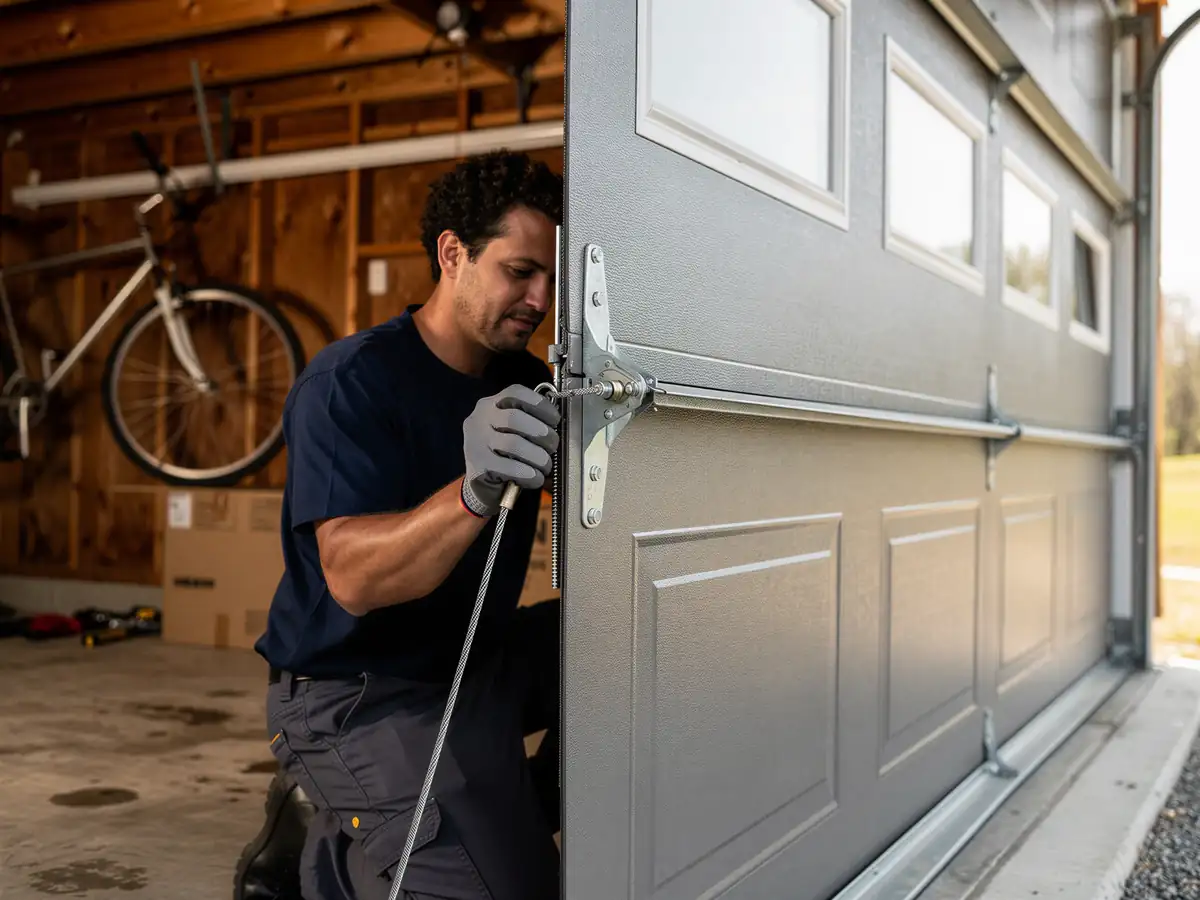
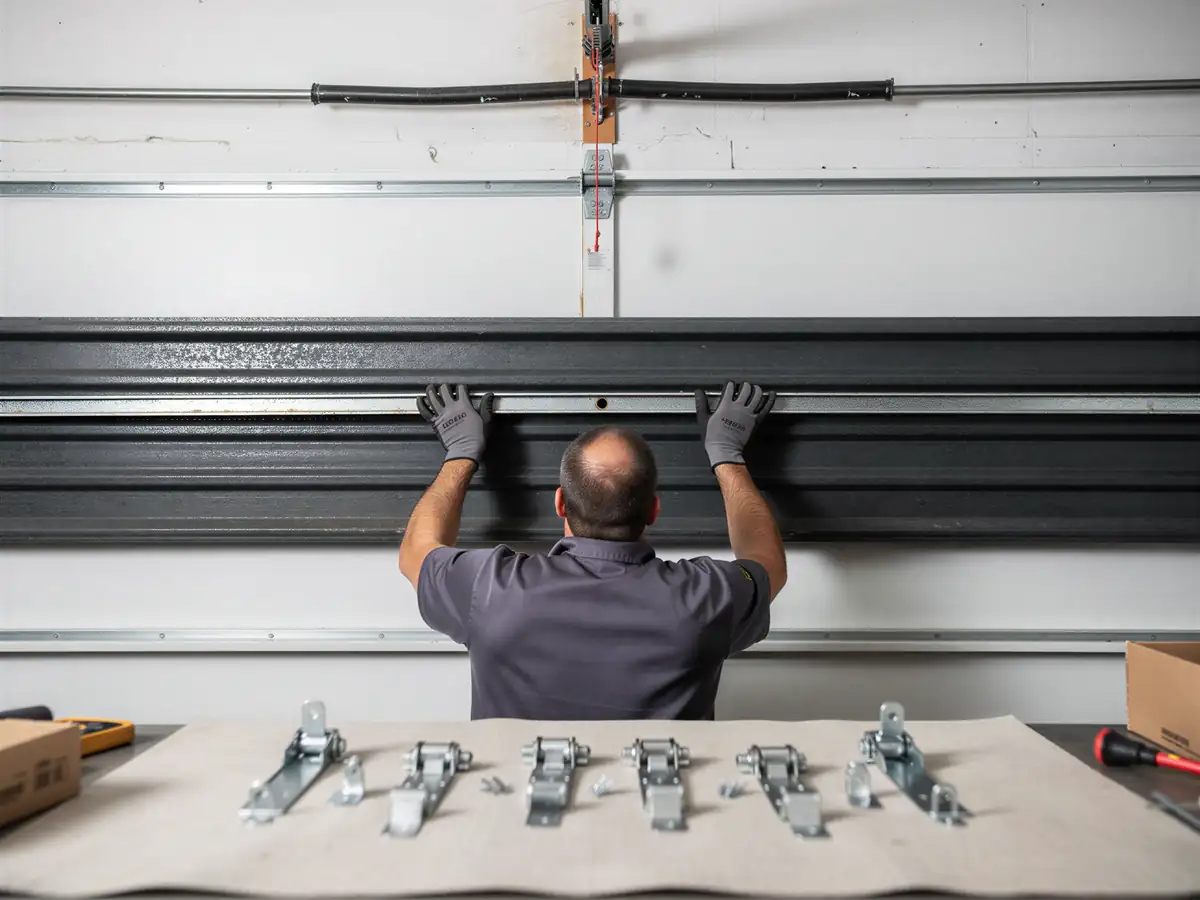
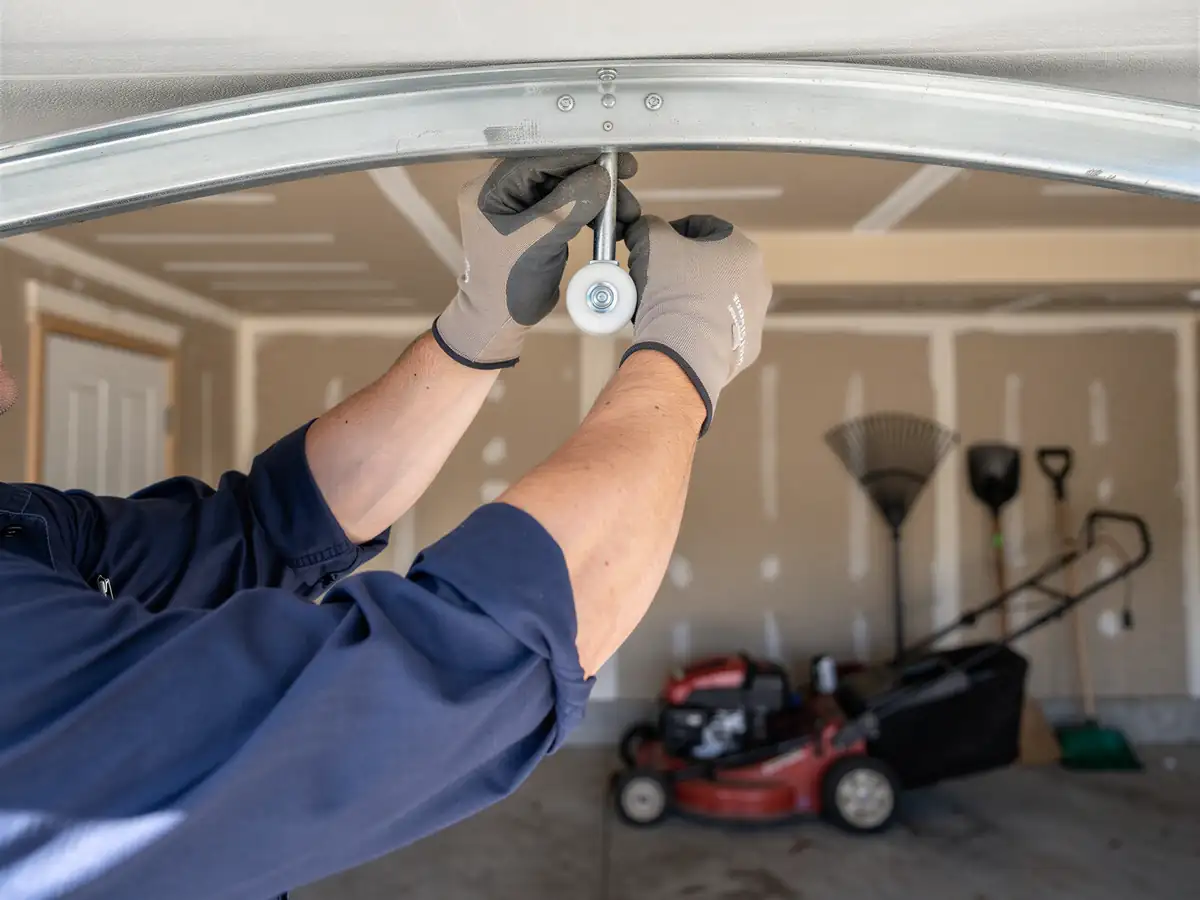
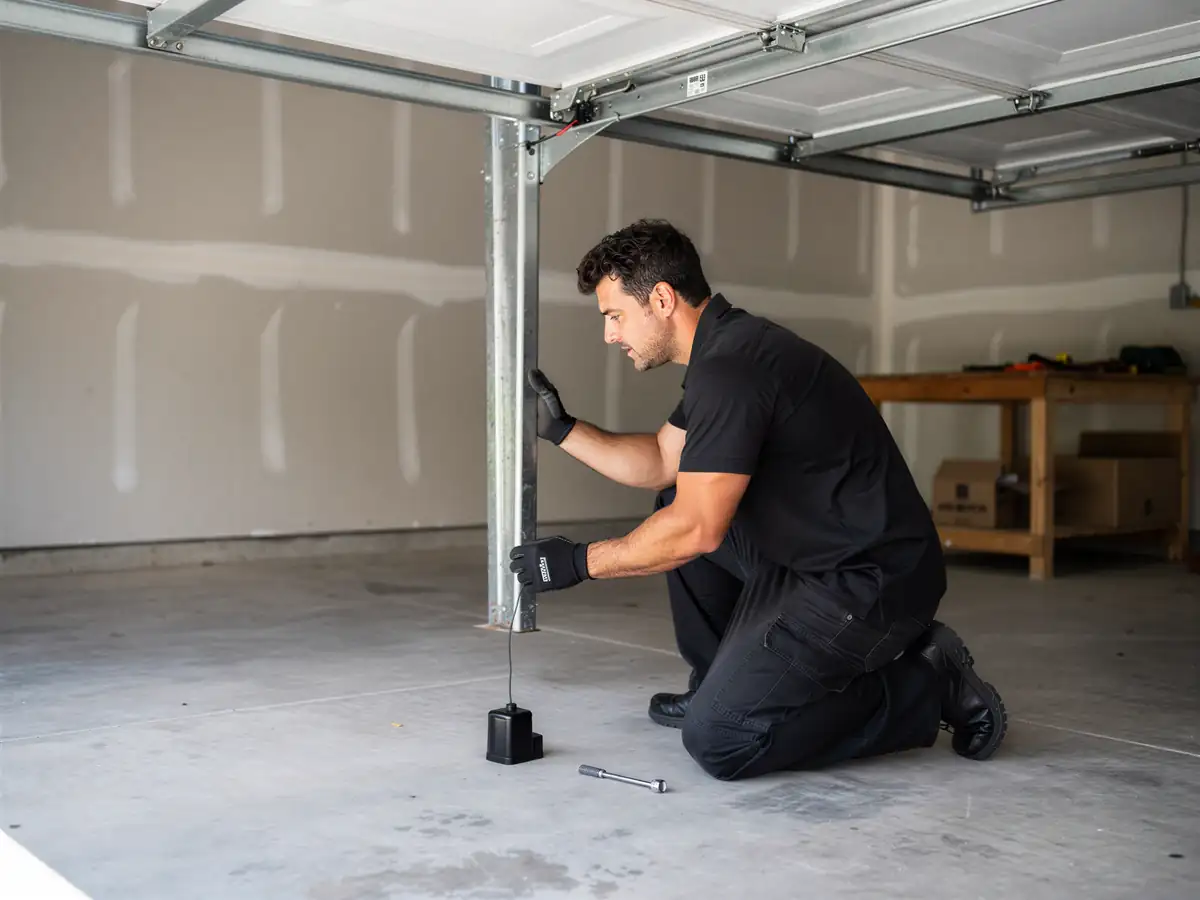
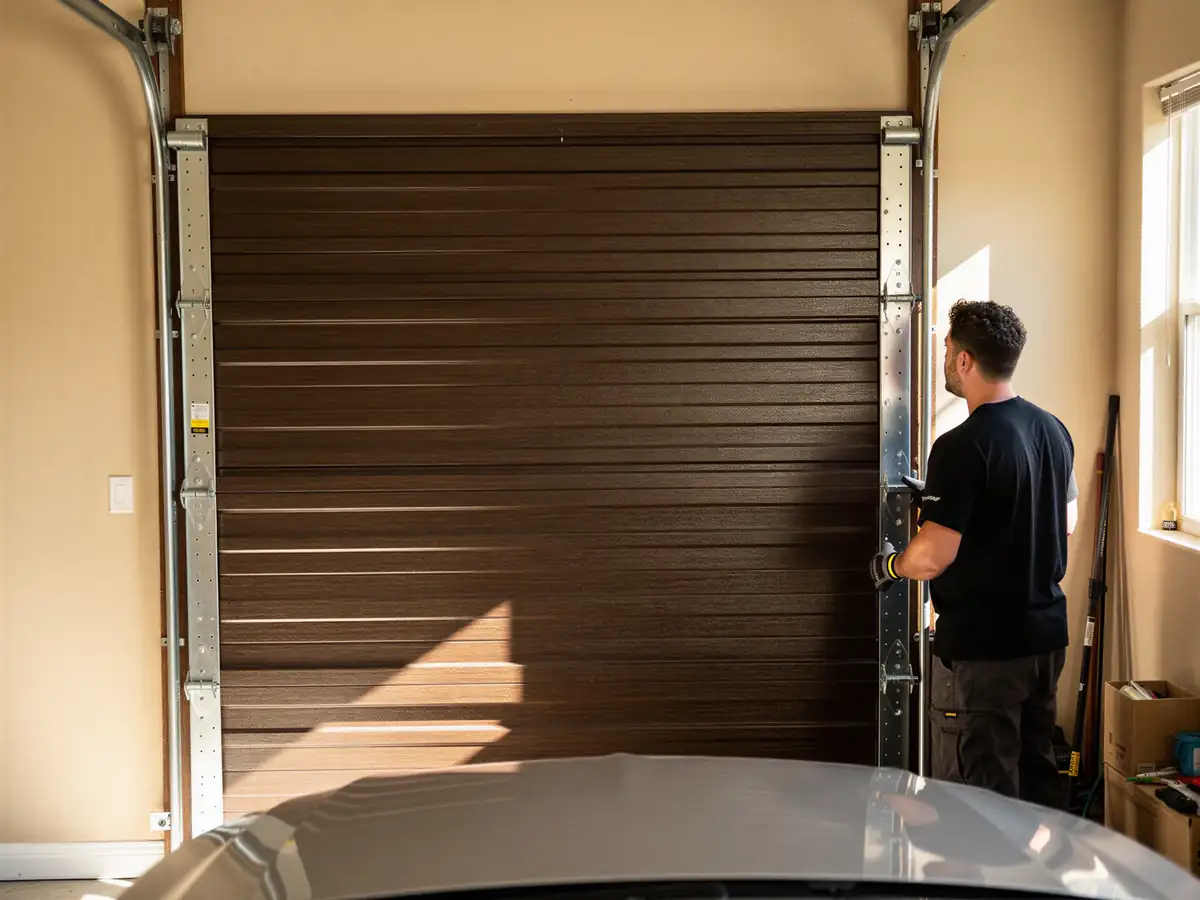
For a job like this we bring new door sections sized to the opening we confirmed ahead of time, a matched torsion spring set rated for the new door's actual weight, galvanized track, nylon or steel rollers depending on what the homeowner wants, and new lift cable. We also carry weatherstripping and bottom seal stock suited to the area's mild temperate climate, since extreme heat or freeze-rated seals aren't necessary here the way they'd be in a harsher climate band. One honest limit: if you want a specialty wood or custom-clad door, that's often a special order with its own lead time - we can quote it, but it won't be a same-visit install.