What Causes It Around Here
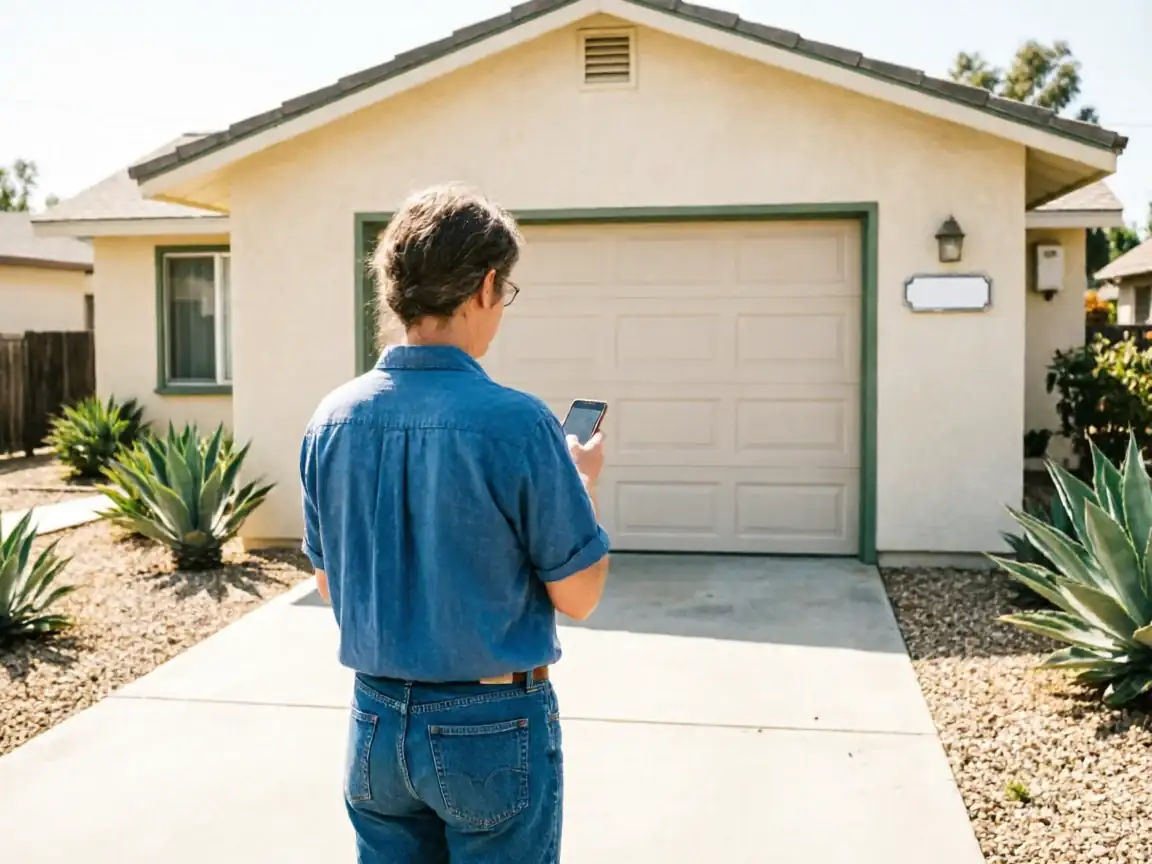
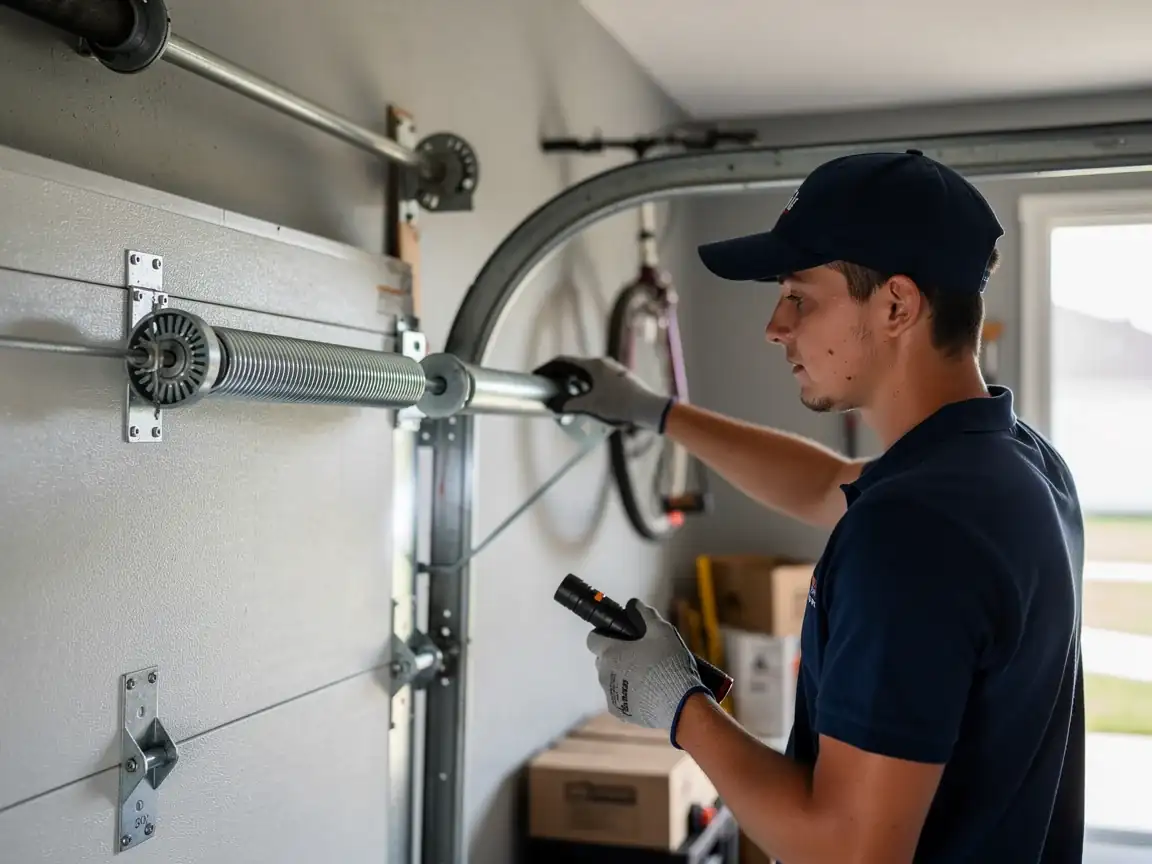
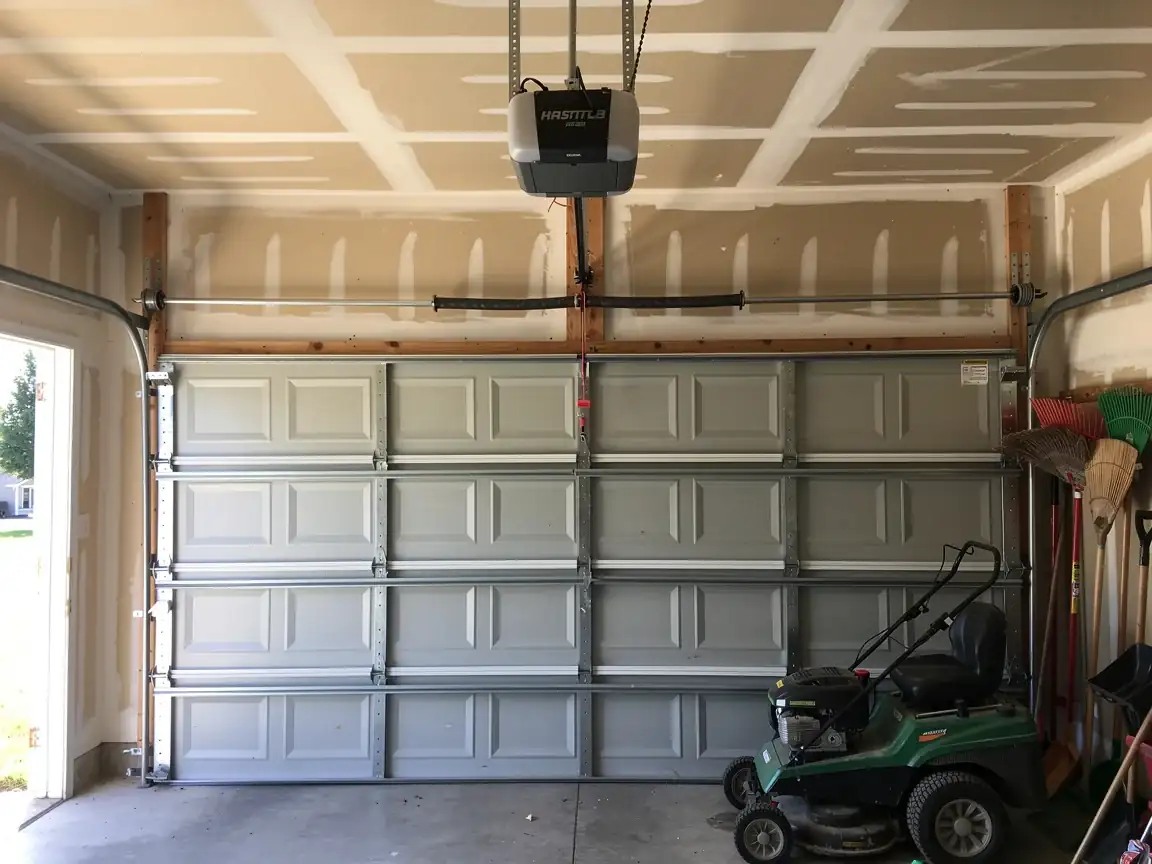
The call we get most from Castro Valley isn't about a dead opener, it's about a door that's suddenly heavy to lift by hand or won't stay up on its own. That's a torsion spring giving out, and it shows up more here because of when these houses went up. The median home in Castro Valley dates to around 1966, which puts most garages on the original torsion setup or a first-generation replacement from decades back. Springs are rated by cycle count, not years, but a 1966-era house has had a lot of door cycles pass through whatever spring is currently hanging in there.
Across the wider service area the housing stock runs from 1938 to 2008, but Castro Valley sits solidly in that older pocket. Original hardware from this era often used a single spring on double doors instead of the two-spring setup that's standard now, which means when it fails, the door doesn't just get heavy - it drops unevenly and can jump the track on one side before you notice anything's wrong.
The Symptom
Homeowners describe it a few ways
The door groans and slows halfway up, the opener motor runs but the door doesn't move, or it comes down crooked with one corner dragging. Sometimes it's a loud bang from the garage followed by the door refusing to open at all - that's usually the spring itself letting go, not the opener.
A door that reverses on its own partway down
Or that needs a shove to get started, is telling you the spring is no longer carrying its share of the weight and the opener is trying to do a job it wasn't built for. Left alone, that strain moves to the opener's drive gear, and now you're paying for two repairs instead of one.
What Can Go Wrong
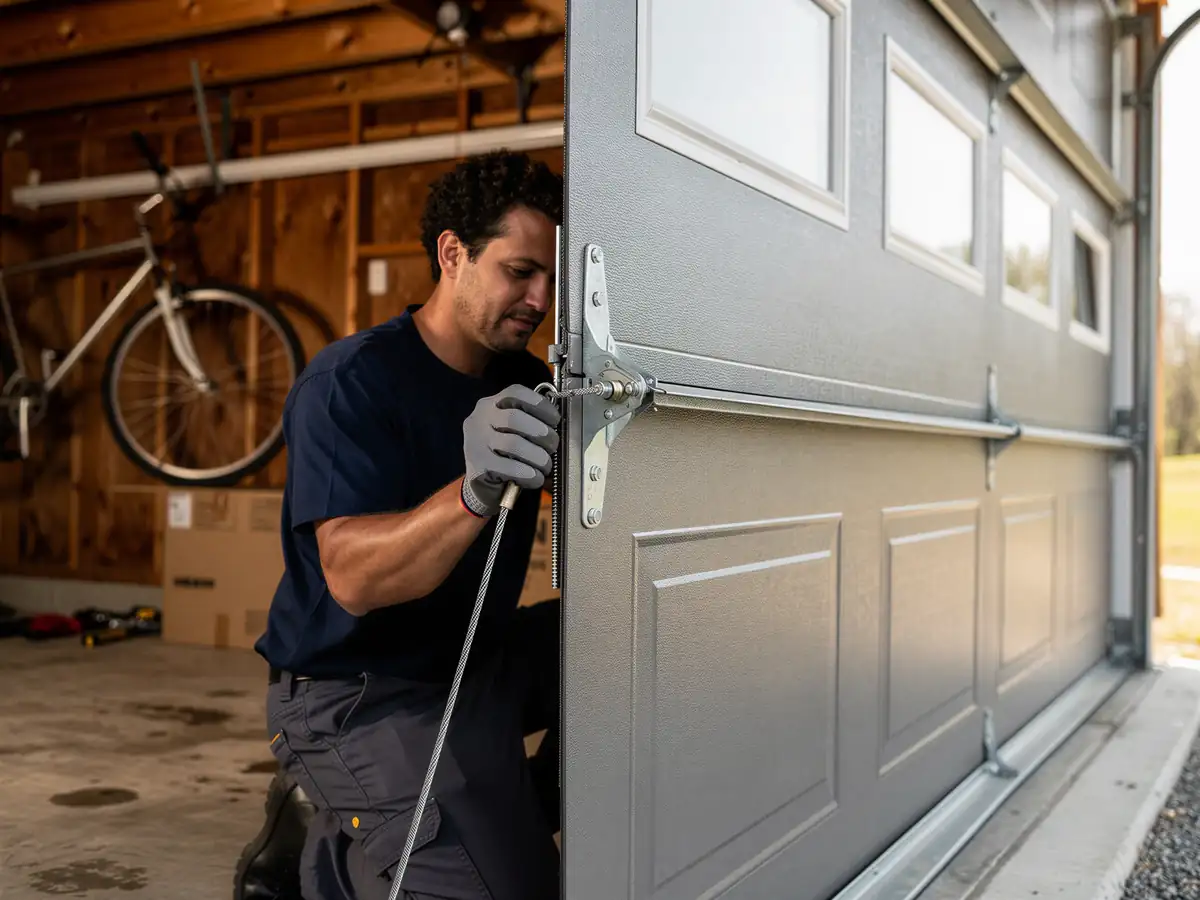
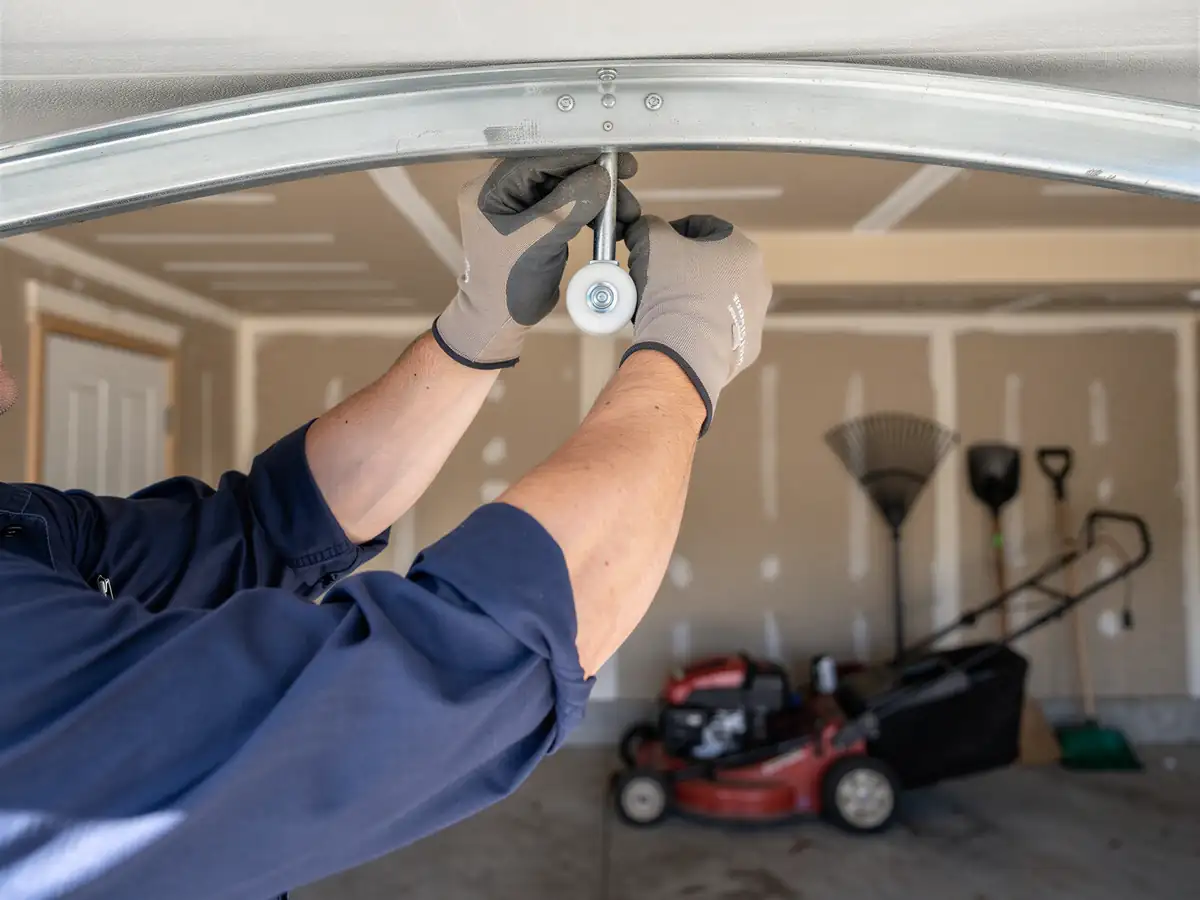
On a single-spring setup from this era, when the spring breaks, the full weight of the door lands on the opener's trolley and rail. We see stripped gears and bent rail from exactly this chain of events. Cables can also fray where they wrap the drum, and on older track hardware the rollers have usually never been replaced, so they're worn enough to bind in the track rather than roll through it.
The mild temperate climate here is kind to garage doors in some ways - no deep freeze to crack seals, no extreme humidity swings to warp wood panels - but it doesn't stop steel springs from fatiguing on schedule or bearings from drying out. Age and cycle count do that regardless of weather.
How to Book
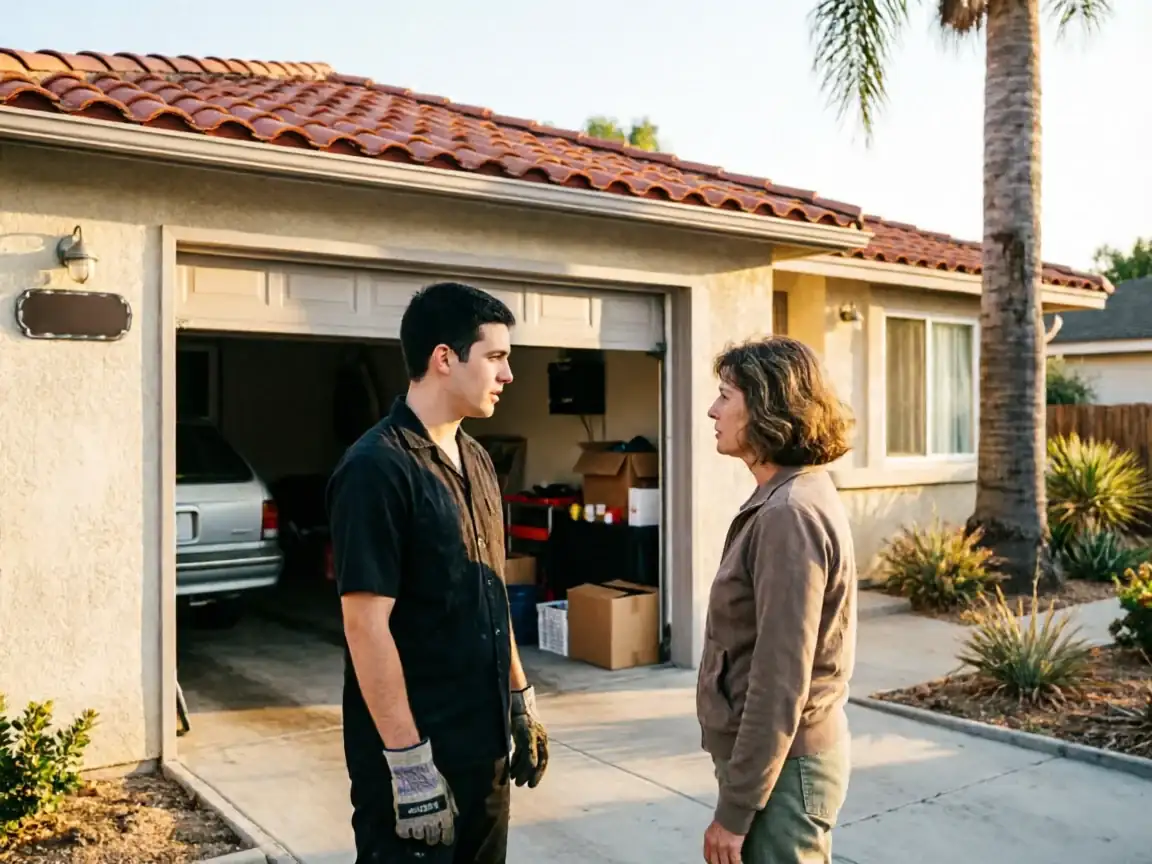
We cover Castro Valley from our base in Walnut Creek, about 14 miles out. Call or request service through our Castro Valley coverage page and tell us what the door is doing - heavy to lift, off track, opener running without moving the door. That detail helps us bring the right spring size and hardware on the first trip instead of a second one.
We don't keep a branch or truck stationed in Castro Valley itself; every job here is routed from Walnut Creek, so booking ahead matters more than it would for a town with a depot next door.
How We Fix It
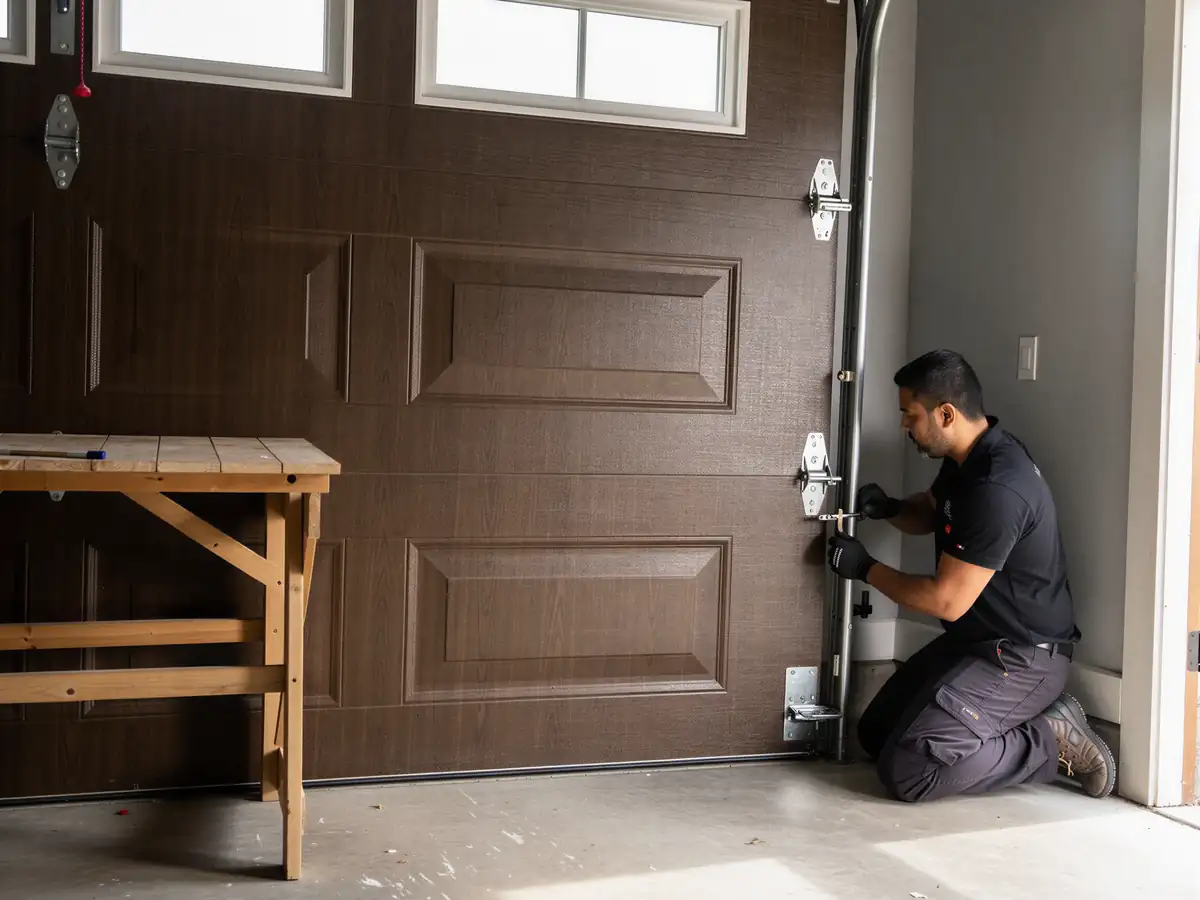
For a broken torsion spring we replace it with a correctly matched pair rated for the door's weight and cycle life
Not just a drop-in match for whatever was there. On original single-spring setups from the 1960s, we'll talk through upgrading to two springs - it costs a bit more up front but means the door doesn't fully collapse on one side if a spring fails again later.
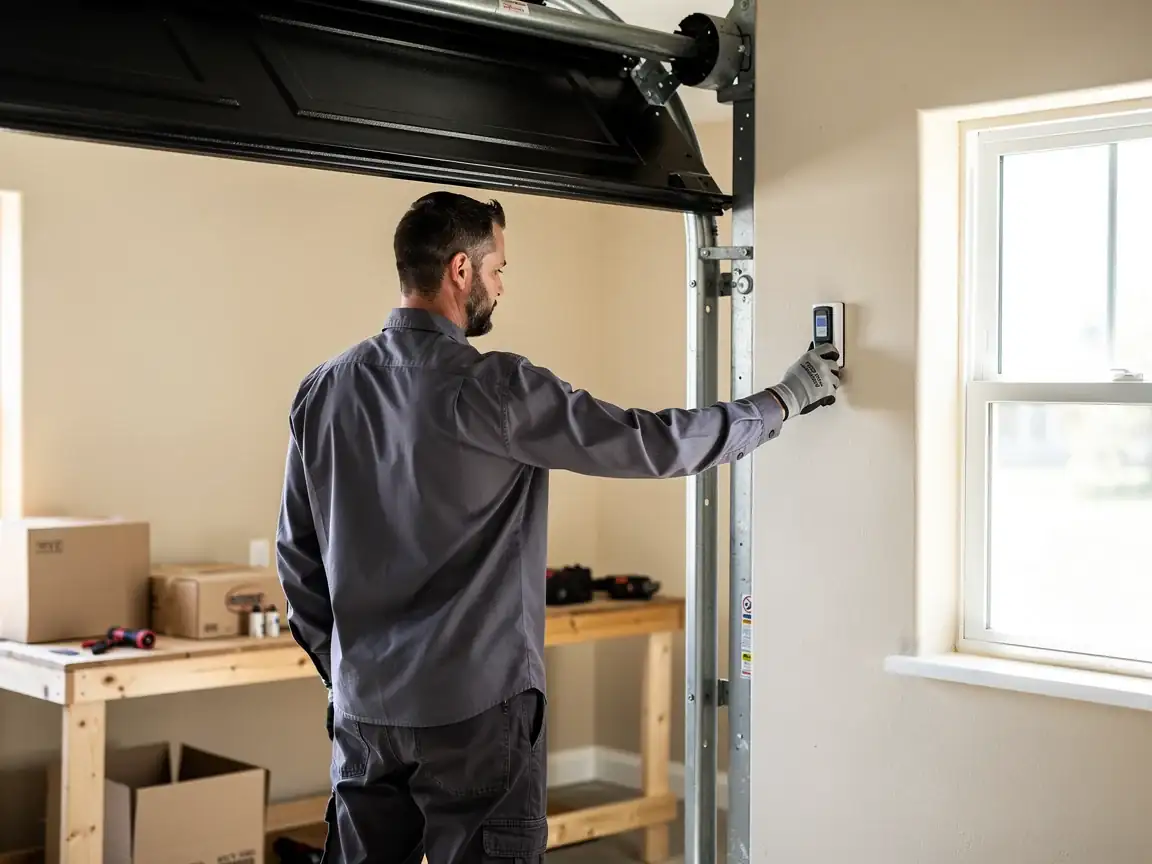
We check the drum, cables, and rollers at the same time
Since a spring failure this old usually isn't an isolated event. If the opener's gear has already stripped from carrying the door's weight, that gets addressed too rather than left to fail again next month.
What Is on the Truck
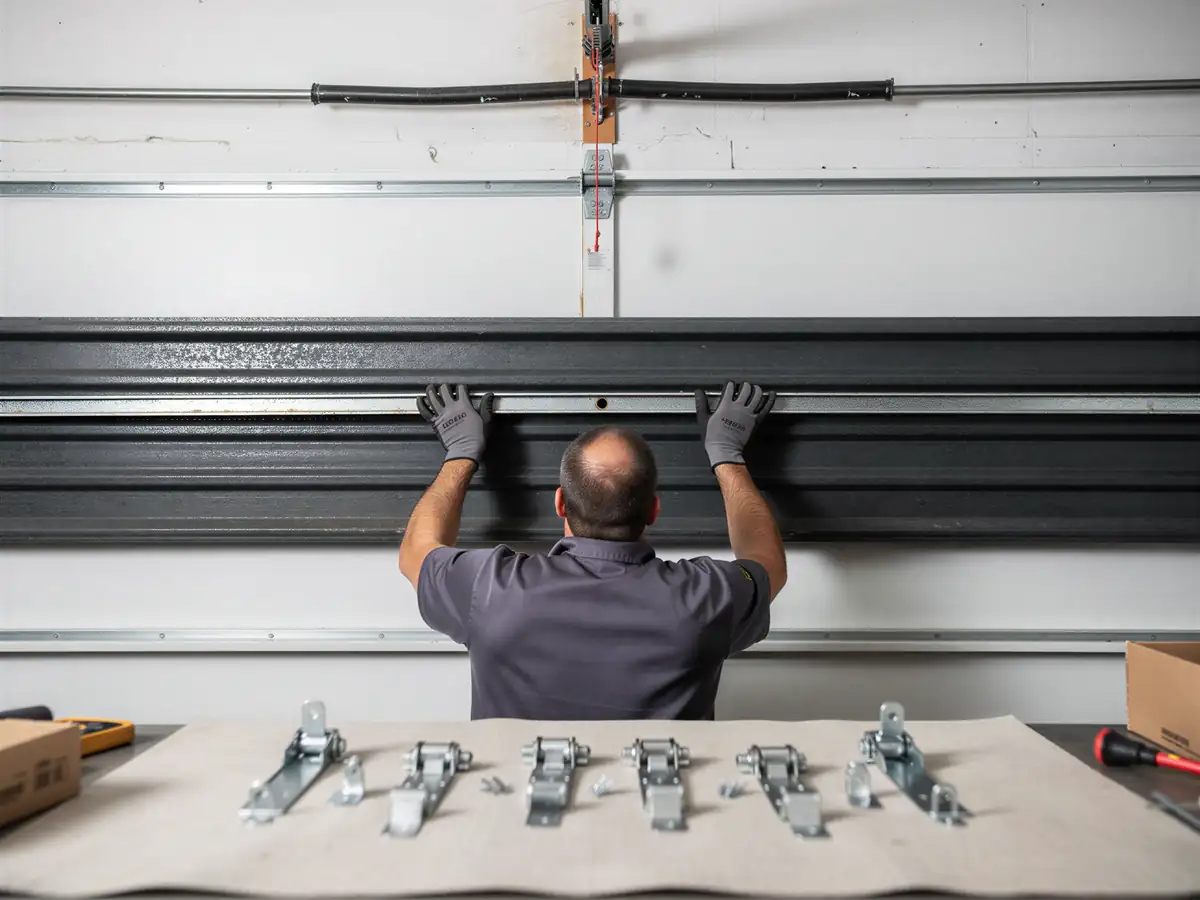
We carry torsion springs in the common sizes for doors built through the 1960s and 70s, plus standard cables, rollers, and drums to match. Given how many Castro Valley homes fall into that build window, we stock for it rather than guessing on arrival.
One honest limit: if a job calls for a spring size or a specialty opener part we don't have on the truck, we'll order it and come back rather than force a mismatched part onto the door. That's rare, but it happens with older or less common hardware, and we'd rather tell you upfront than install something that won't hold.