Doing It Yourself
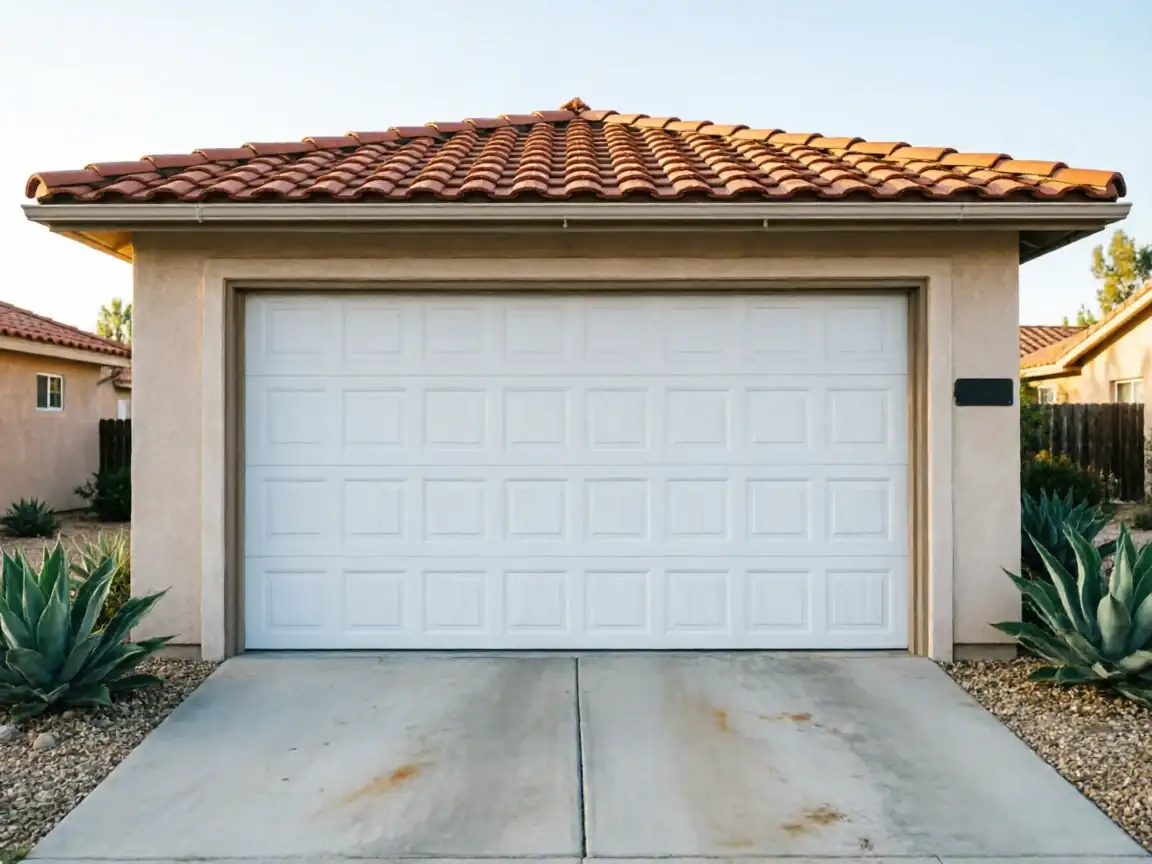
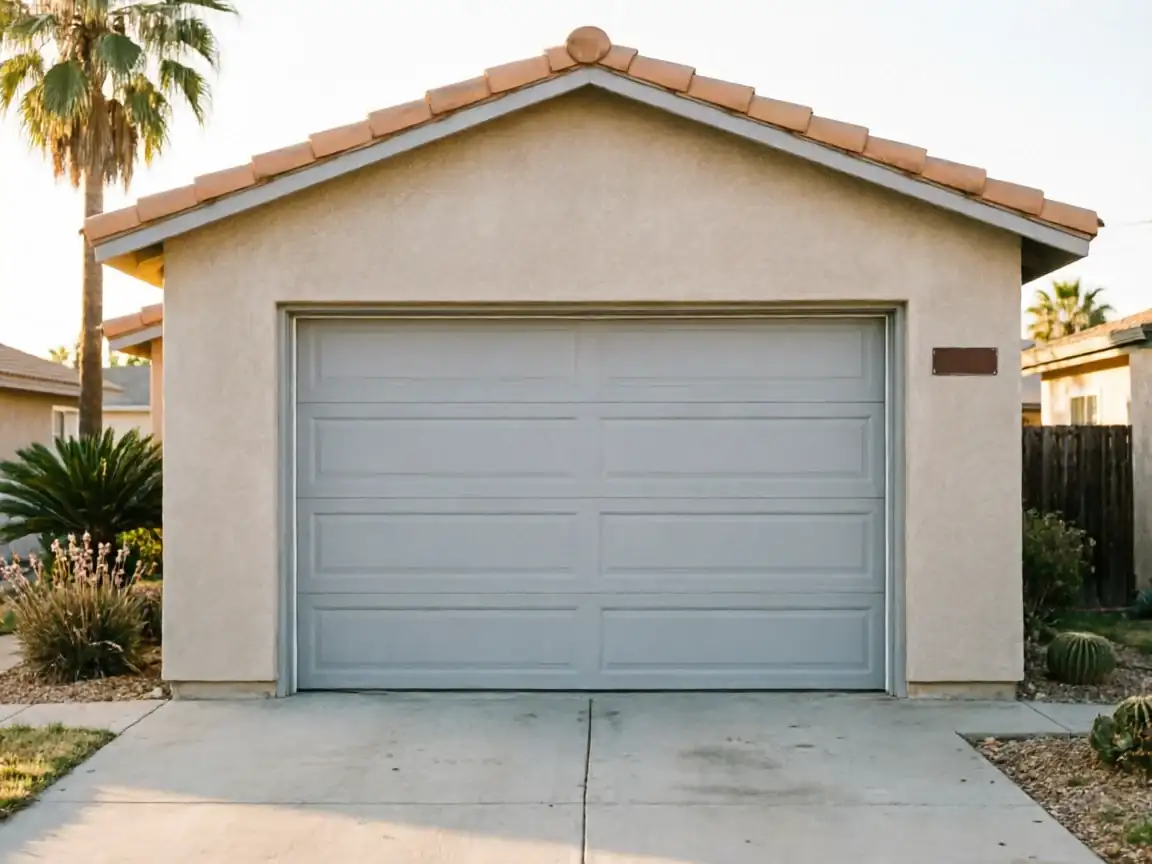
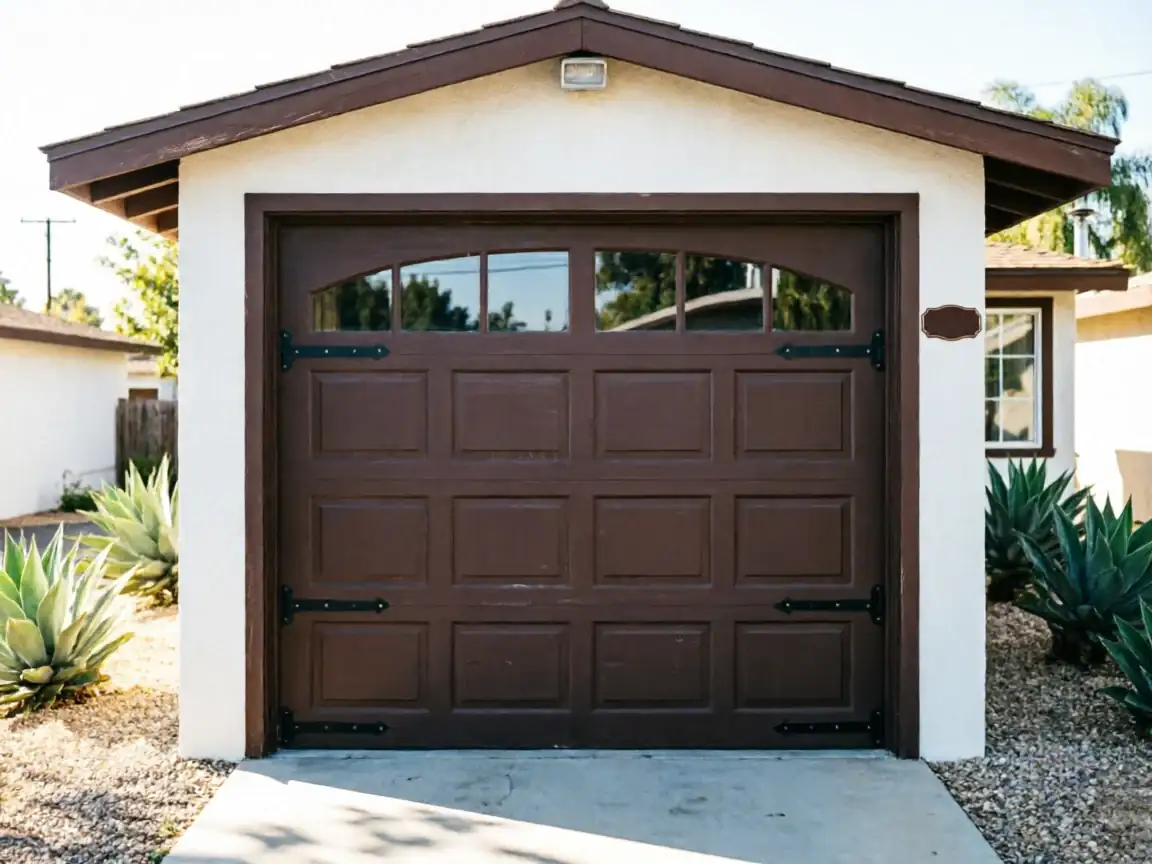
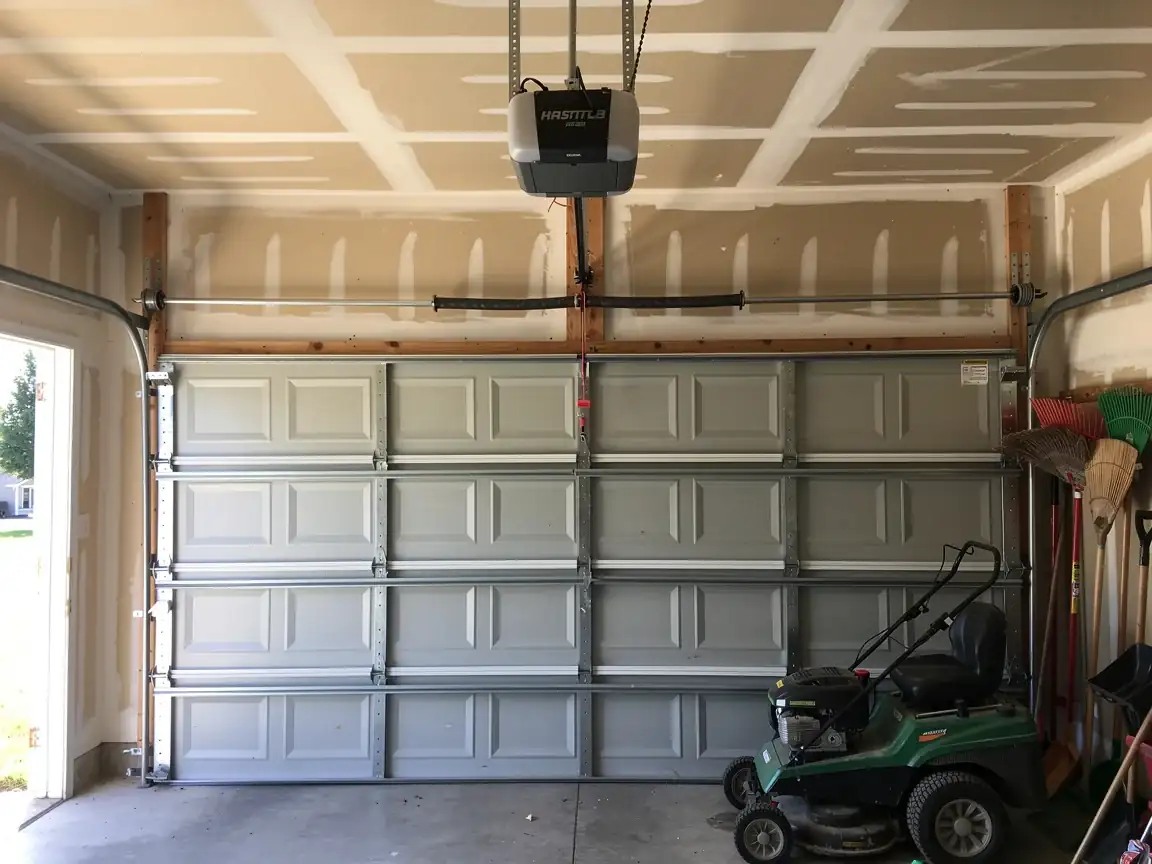
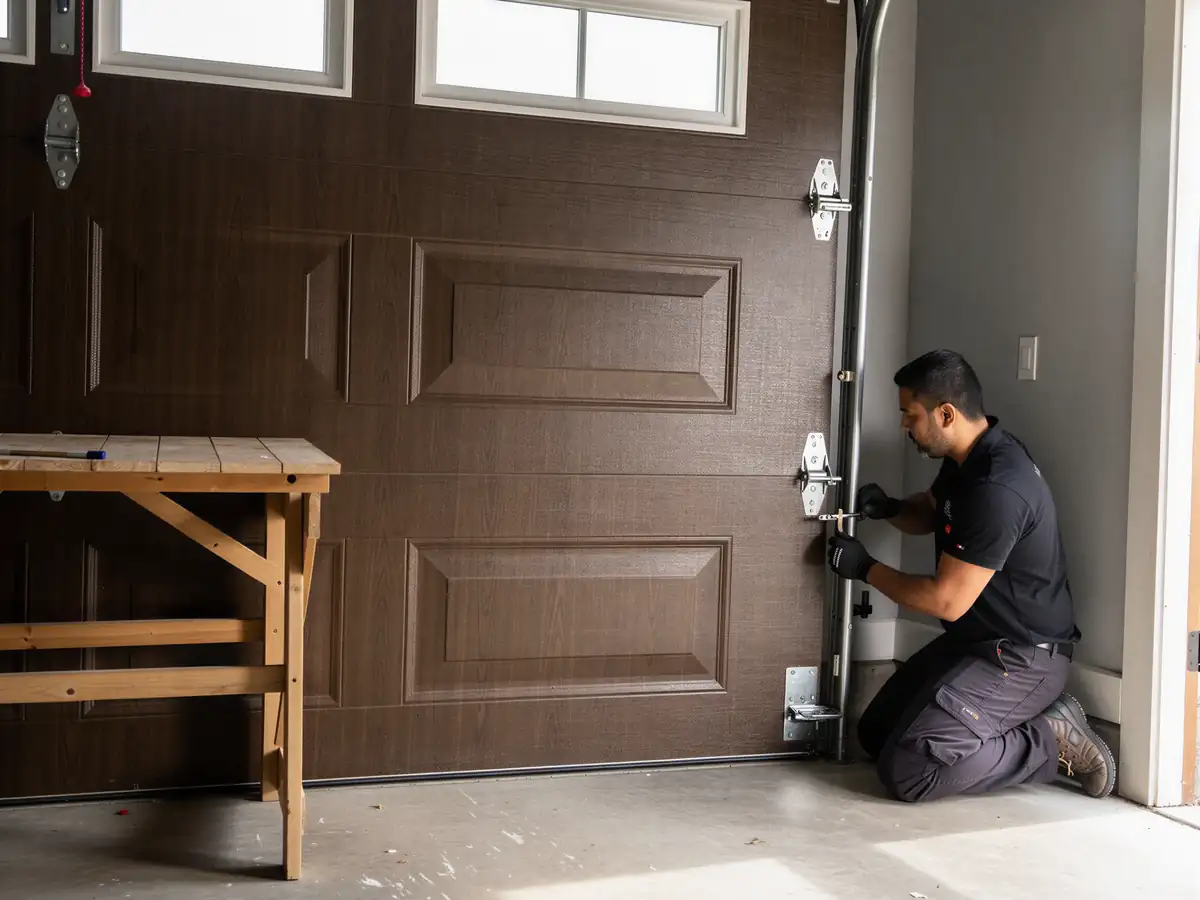
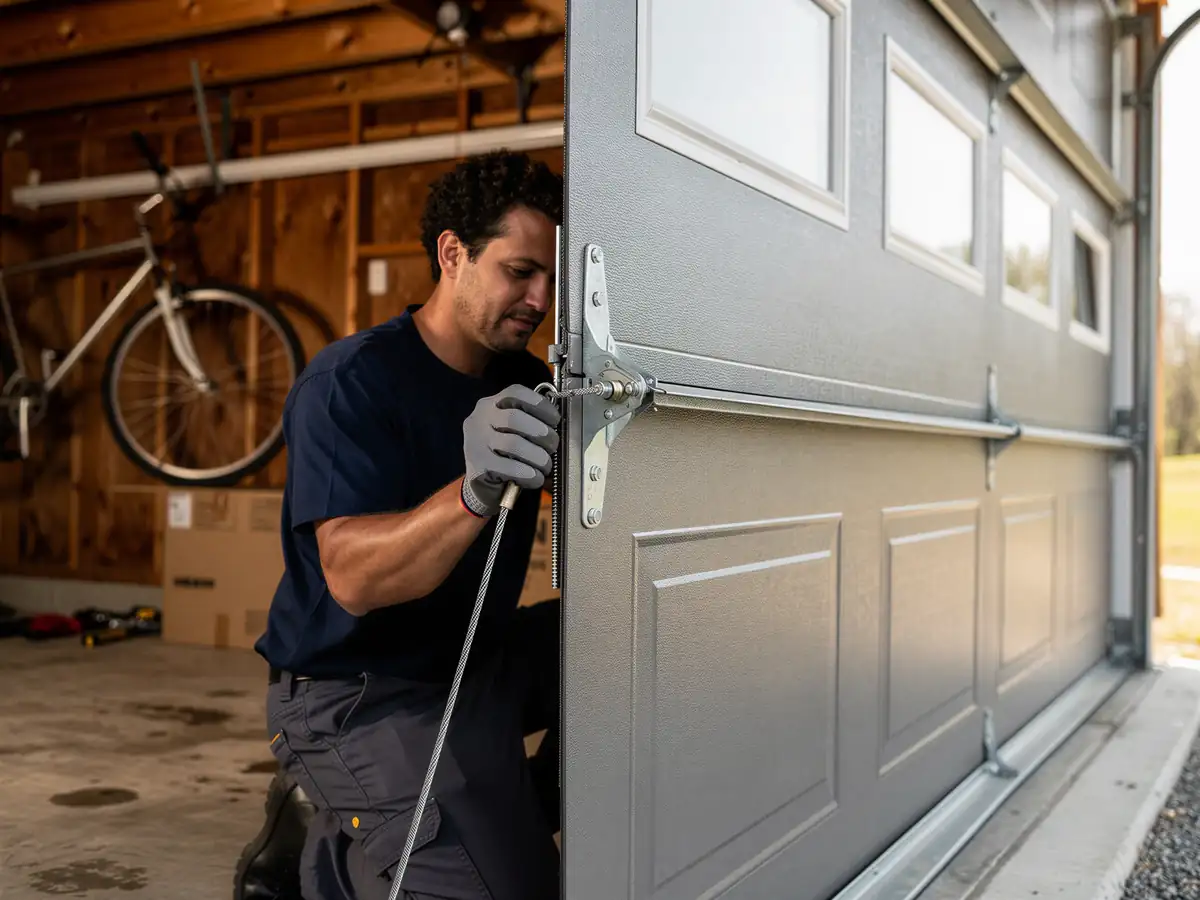
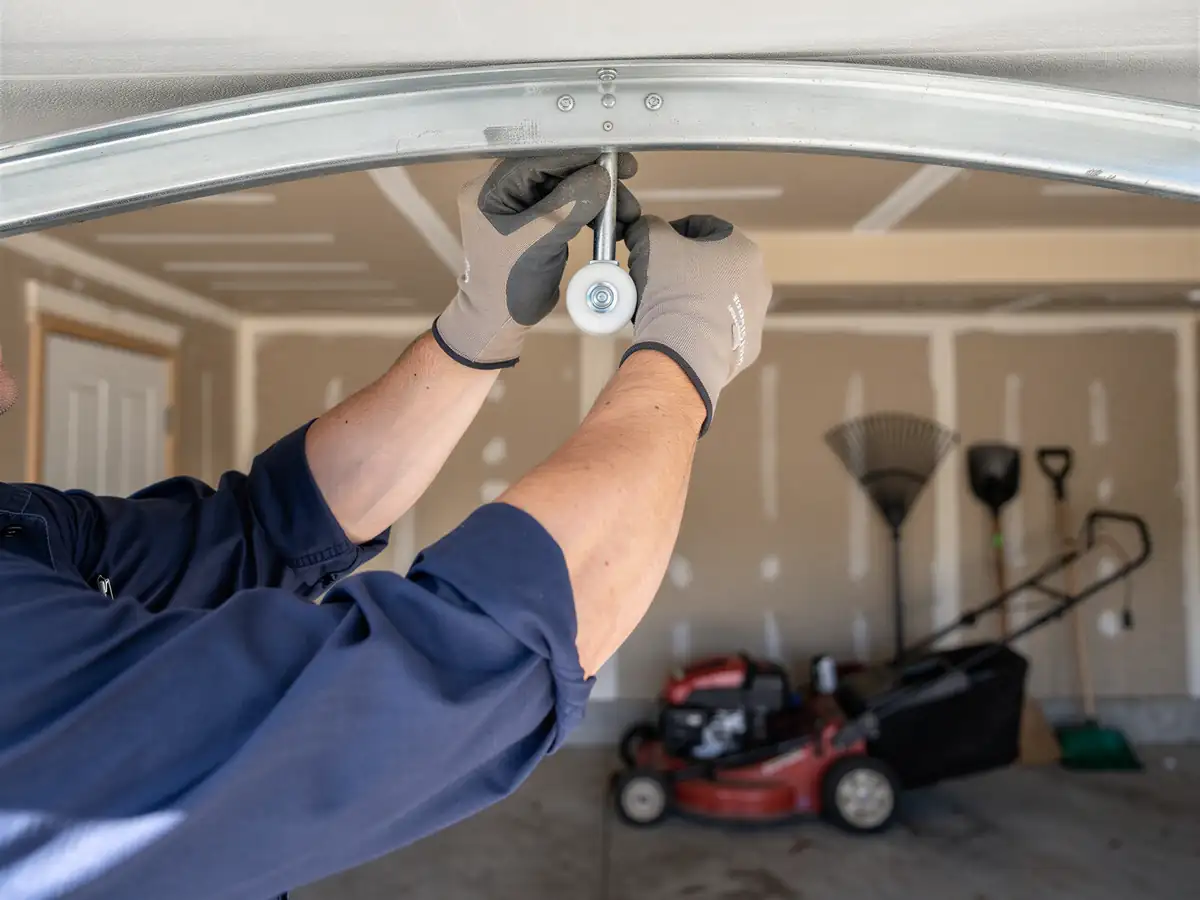
Moraga is a small town as these things go - about 5,628 households, not a sprawling grid of newer construction. That matters for roller work because most of the doors here date to the same build era as the rest of our service area, median year 1972, which means steel doors on tracks sized for the hardware of that decade. A homeowner can pull an old roller stem out of its bracket with pliers and a flathead screwdriver, and plenty do. Where people get into trouble is the bracket itself. On a door this age, the bracket is often rusted to the track or the track has drifted out of plumb over fifty years of use, and forcing a new roller into a bent track just transfers the wear somewhere else. We've shown up to jobs where someone changed the rollers but never checked the track gap, and the door now binds harder than before. If your rollers are nylon with sealed bearings, swapping one or two is a reasonable weekend job. If more than a couple are worn, or the door is sagging on one side, that's a sign the track needs attention too, and that's not a job to tackle with the door loaded on torsion springs you haven't serviced before.
How to Book
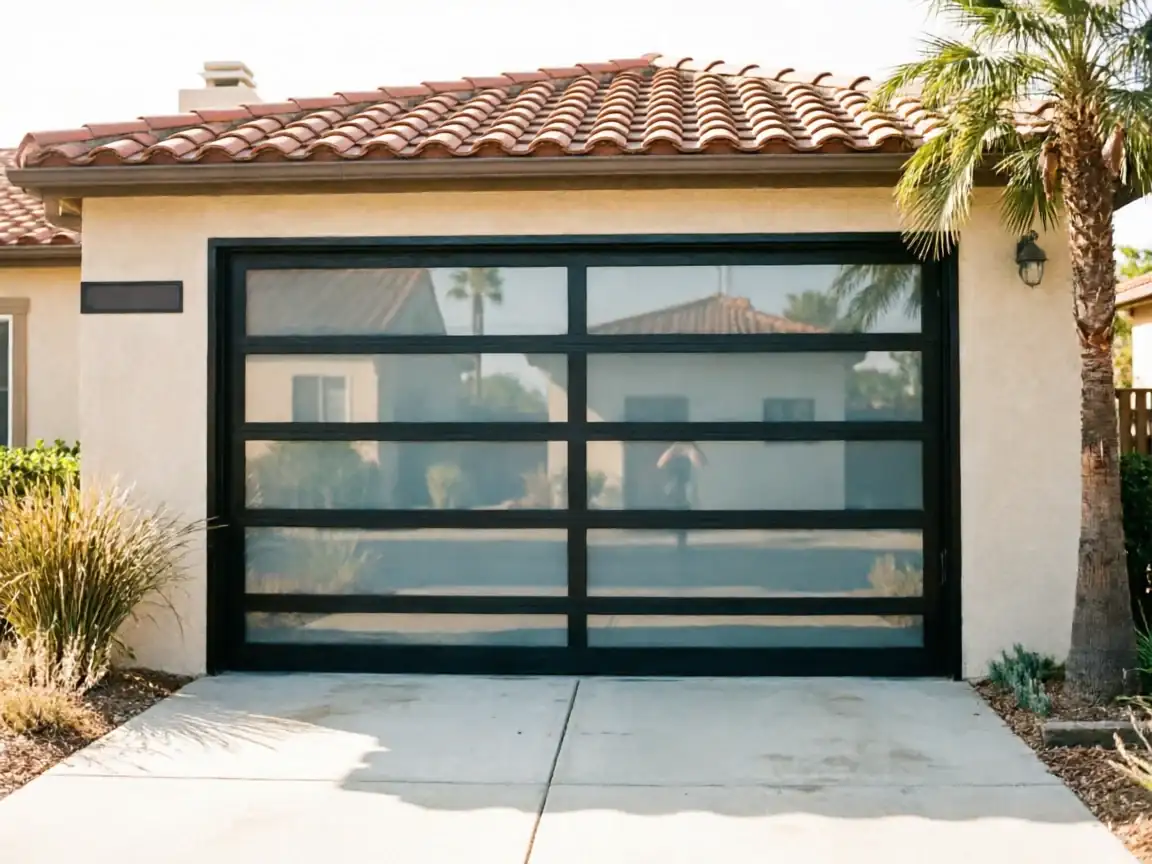
We cover Moraga from our Walnut Creek shop, 6 miles in. There's no local branch here and we're not pretending otherwise - we schedule the visit, load the truck with roller stock sized for the door types common to this build era, and drive out. Given the median income here runs well above the service-area average, a fair number of Moraga calls we get are homeowners replacing worn rollers before they fail outright rather than waiting for a seized door on a Monday morning. Either way works for us. You can see what else we cover in town on the coverage page, and if what you're dealing with turns out to be bigger than a roller job, our Walnut Creek roller replacement page covers the broader service.
The Symptom
The classic sign is a door that's gotten loud in the last few weeks - a rattle at the top of the track as it closes, or a hard clunk each time a specific roller crosses the bend between the vertical and horizontal track. On doors from the early-1970s stock common to this area, that clunk is almost always a nylon roller that's worn flat on one side or a steel roller that's lost its lubrication and started grinding metal on metal. It's a different symptom from a spring failure, which shows up as the door refusing to lift or dropping suddenly, and it's different from an opener fault, which usually means the door doesn't move at all. If your door still opens and closes but sounds worse each week, that's roller wear talking, not something electrical. We won't push a full door replacement on a roller problem - if the track and panels are sound, swapping rollers is the right-sized fix, not an excuse to sell you a new door.