Doing It Yourself
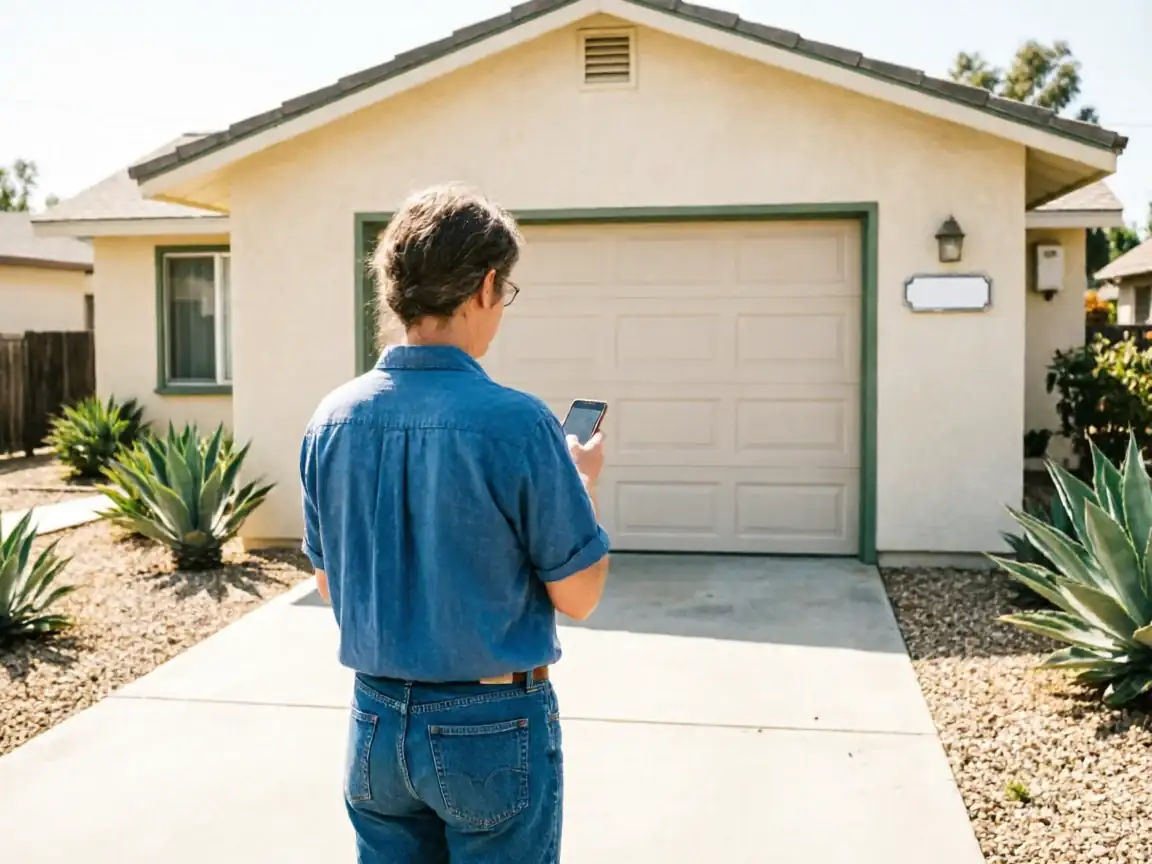
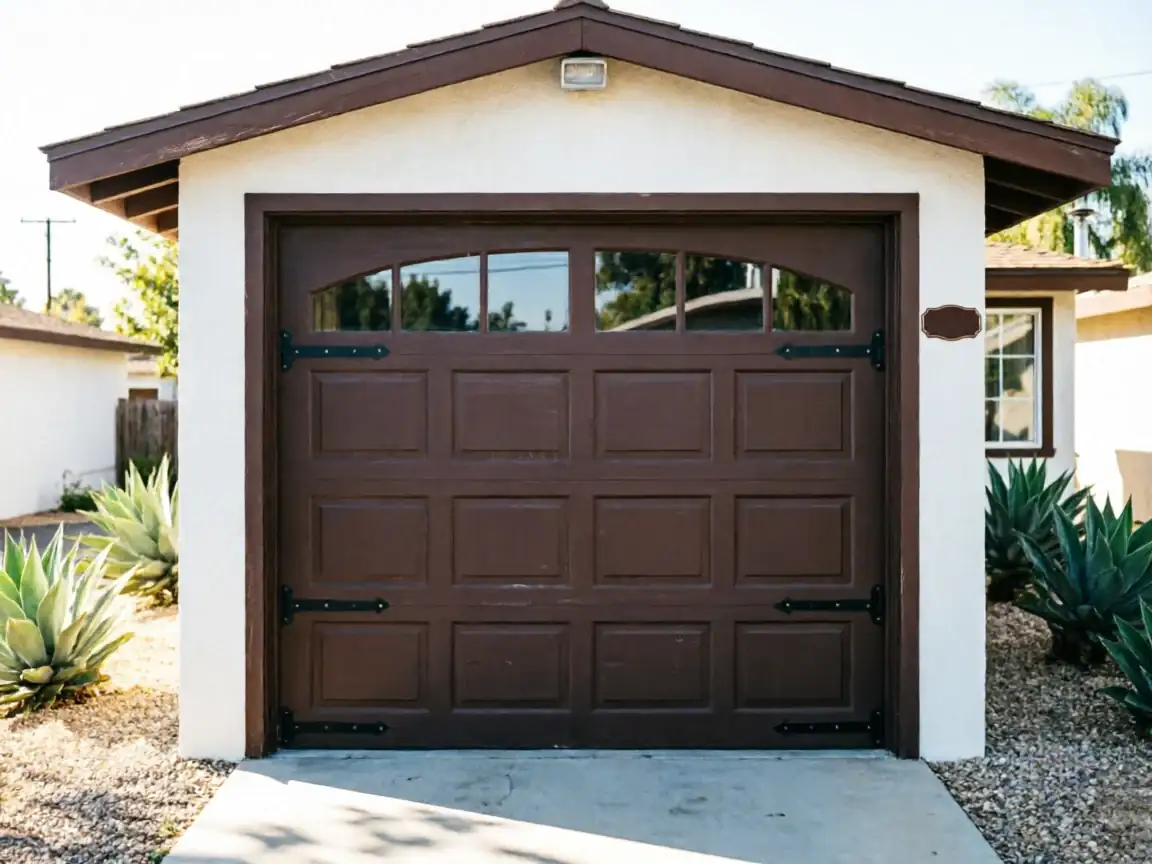
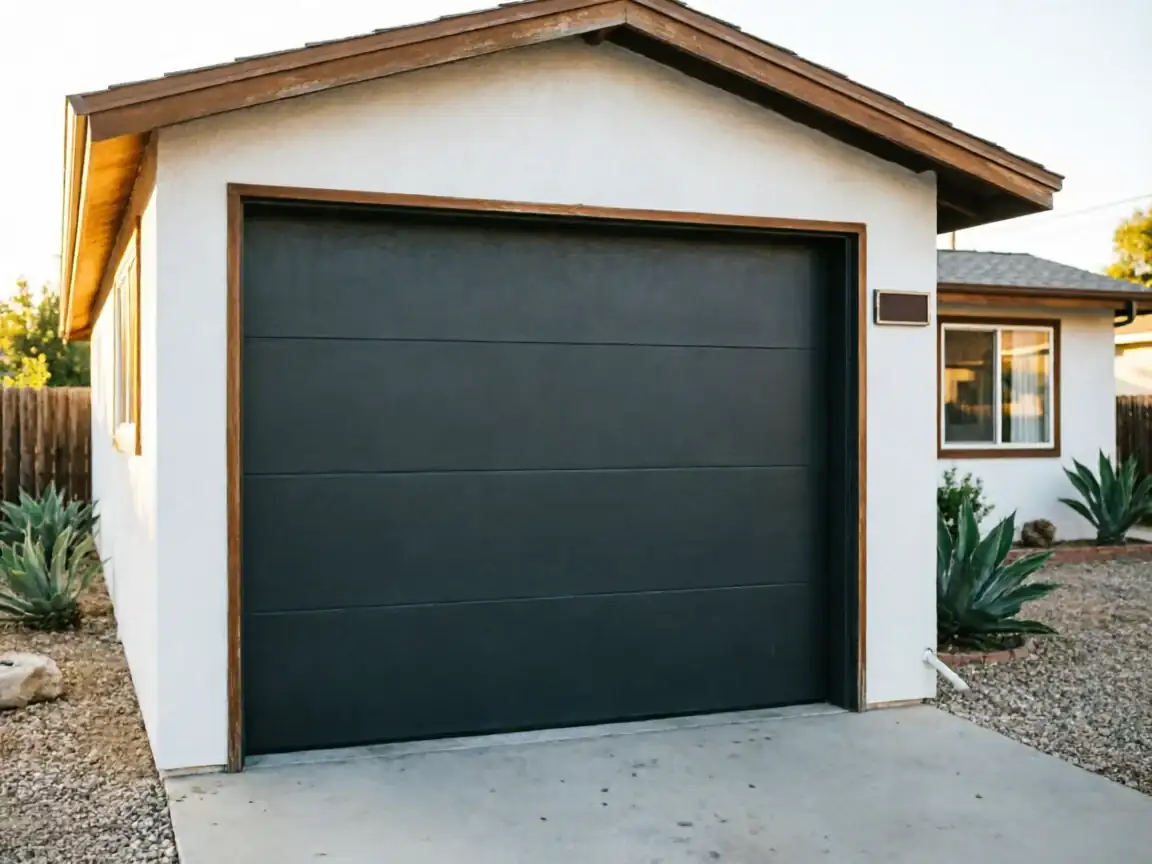
The failure we see most in Moraga isn't a broken spring - it's a rough opening that no longer matches anything sold off the shelf. Most houses here went up in the 1960s and 70s, with the area's median build year landing at 1972, and builders back then framed garage openings to fit the door styles of that decade, not the standard 16-by-7 sections that come stock today. A homeowner who orders a big-box door and tries to hang it themselves often finds the jamb is an inch short, the header won't clear a modern torsion tube, or the track spacing doesn't line up with the slab.
We're not going to pretend every Moraga job needs a custom frame - plenty of these openings were never touched and take a standard door fine. But if your garage hasn't been modified since the house was built, measure before you buy anything, and don't assume the internet's sizing chart applies. One honest limit: if the opening needs real carpentry - reframing a header, pouring new slab at the threshold - that's a job for a contractor first, not a garage door install.
How Long It Takes
A standard double-door swap
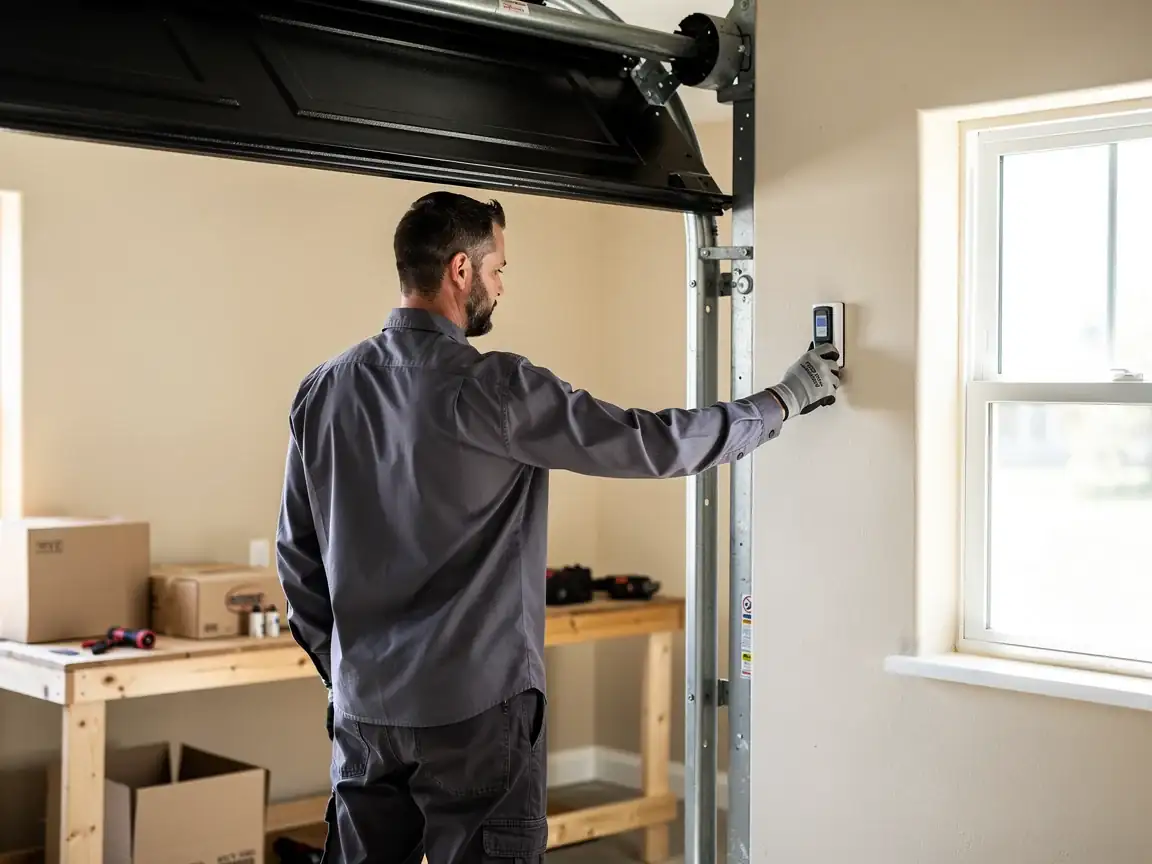
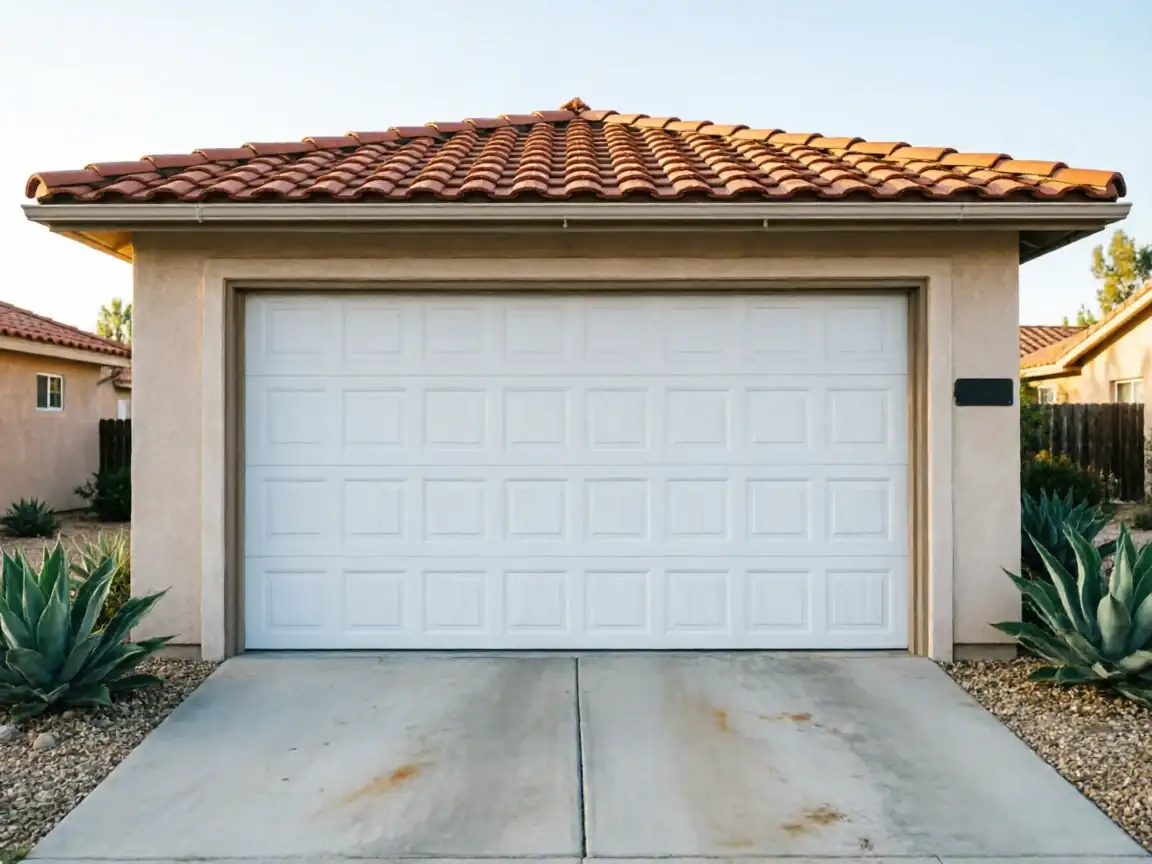
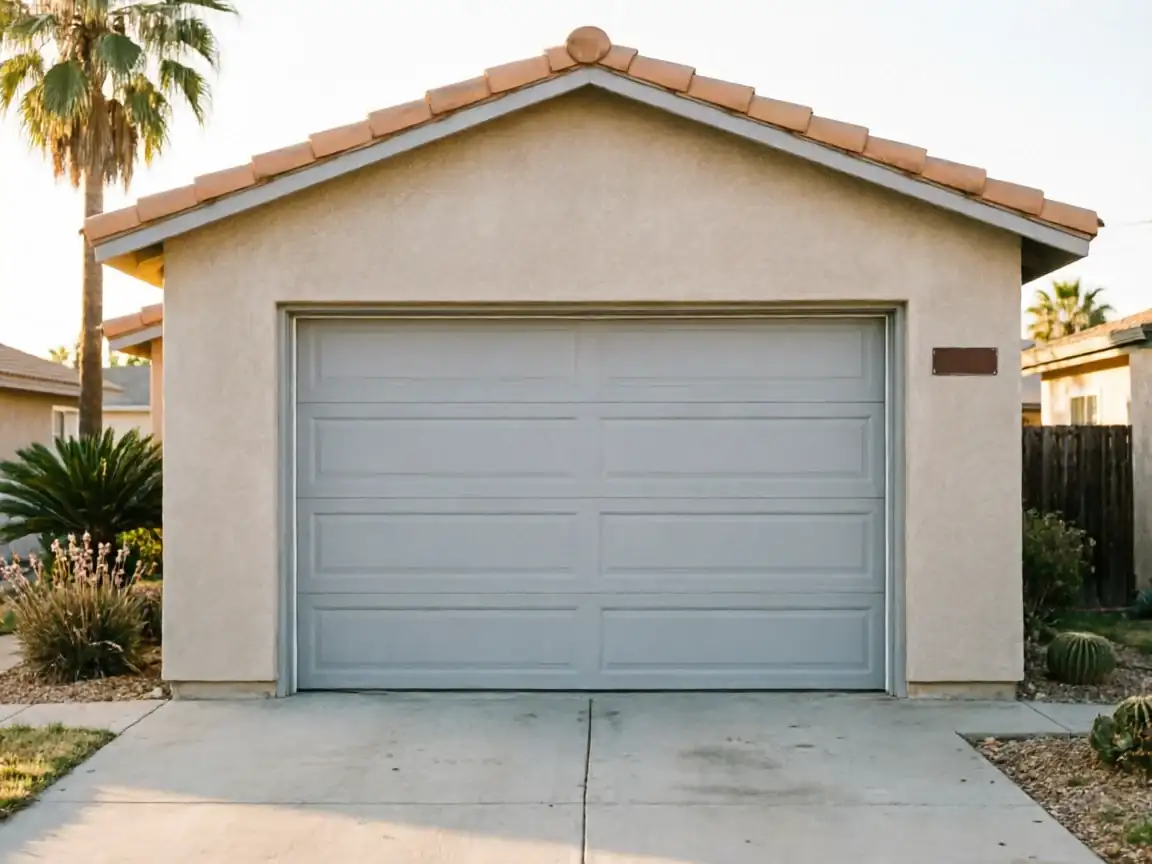
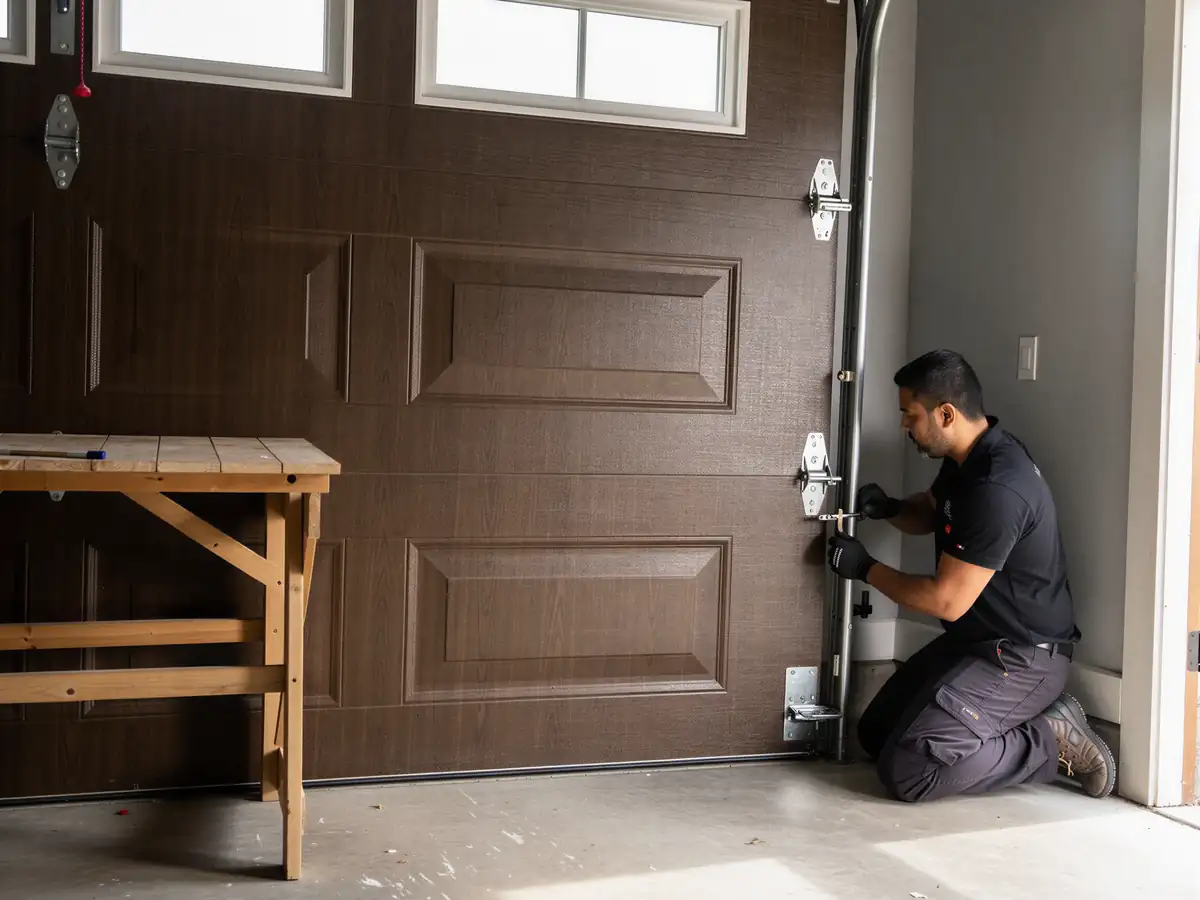
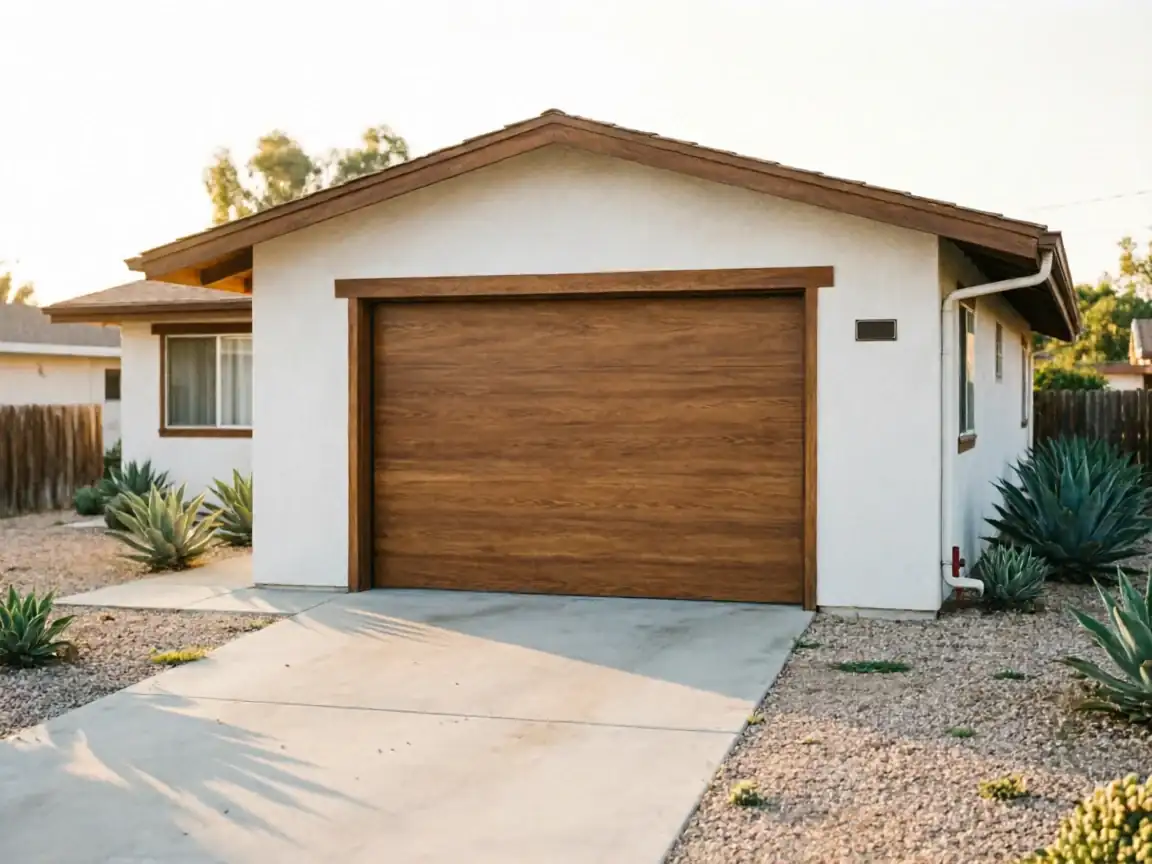
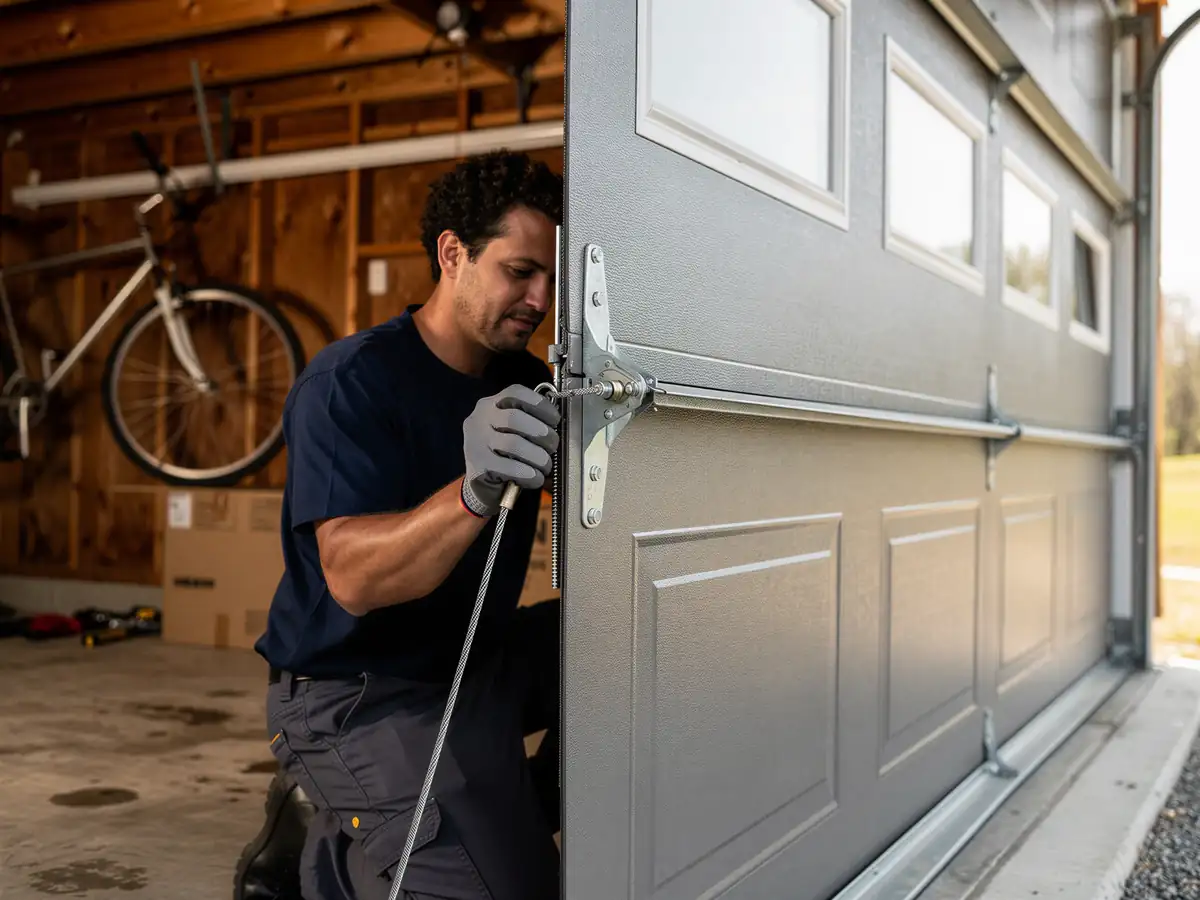
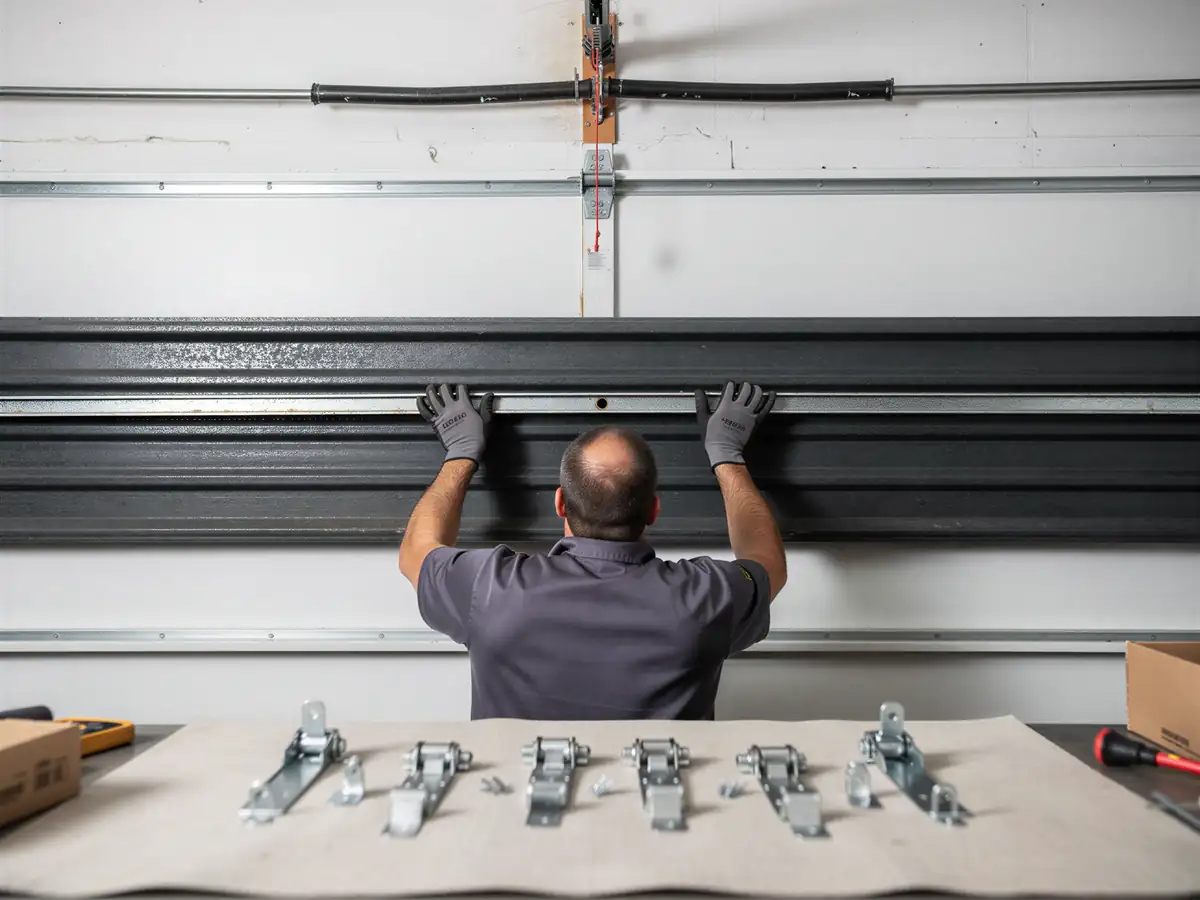
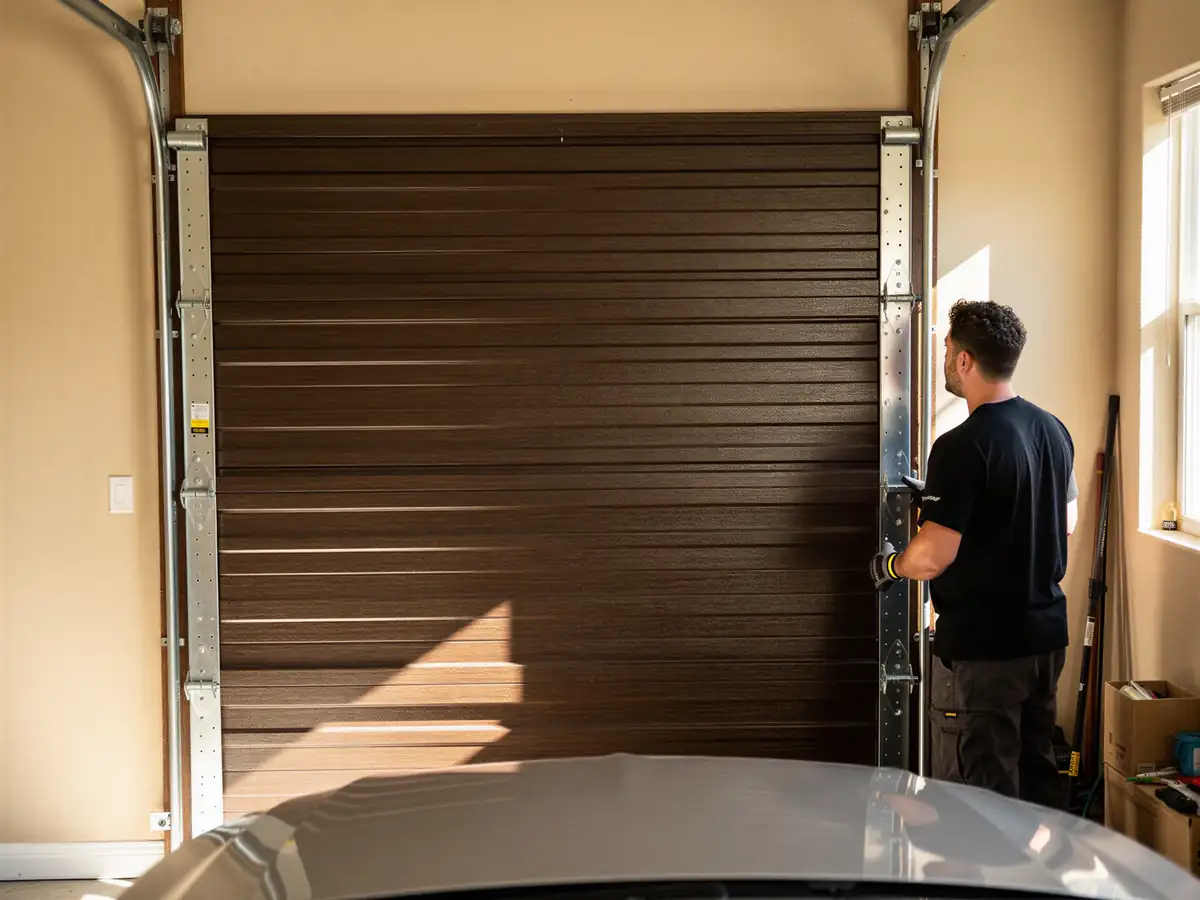
Where the existing frame is sound, is usually a one-day job start to finish - old door off, new door and opener hardware on, balanced and tested before the truck leaves. Where it stretches is when the opening is non-standard, which happens more often in a town built mostly between the 1960s and 70s than in newer tracts. If your rough opening needs a custom-width or custom-height door, that section has to be special-ordered, and that lead time sits with the manufacturer, not with us - we can't shrink it by rushing the measure.
Moraga's mild temperate climate means we're not racing weather the way some regions do
There's no frost-heave deadline or storm season forcing the schedule. That gives more flexibility on timing than you'd get somewhere with a harder climate band, but it doesn't change the order time on a non-standard panel. If you're planning around a move-in date or an open house, ask about sizing before you lock in a date - that's the variable that actually moves the calendar.
How to Book
Moraga sits about six miles from our Walnut Creek shop, so every install here is a scheduled trip, not a drop-in - we bring the door, the hardware, and the crew out on an appointment rather than running a local branch. Check the Moraga coverage page for how we handle service to this area, and if you want the full rundown of installation work across the wider service area, the Walnut Creek installation page covers that in more depth.
When you call, have your garage's rough opening dimensions ready if you know them, or just the age of the house if you don't - for a home built close to the 1972 median here, that age alone tells us a lot about what hardware we're likely dealing with before we even measure. We'll confirm whether a stock door fits or whether you're looking at a custom order, and we'll give you a real date, not a placeholder, once we know which it is.
The Symptom
The giveaway in a house from this era isn't always a door that won't open - sometimes it's a door that opens fine but sags visibly at the bottom corners, or a single steel panel that's warped enough to let daylight through at the seam. That warp is common on older, non-insulated steel doors that have gone through decades of Moraga's mild but still variable temperature swings; the metal expands and contracts slightly every cycle, and eventually the seams give.
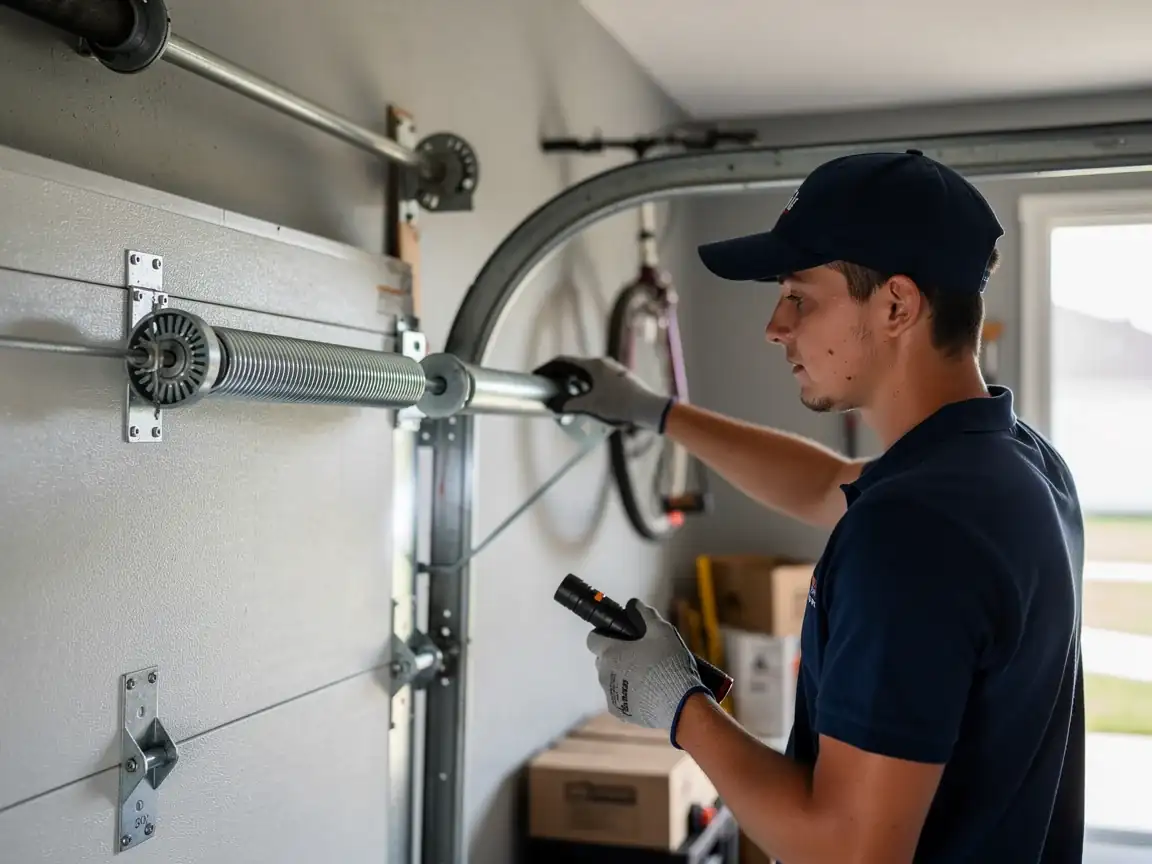
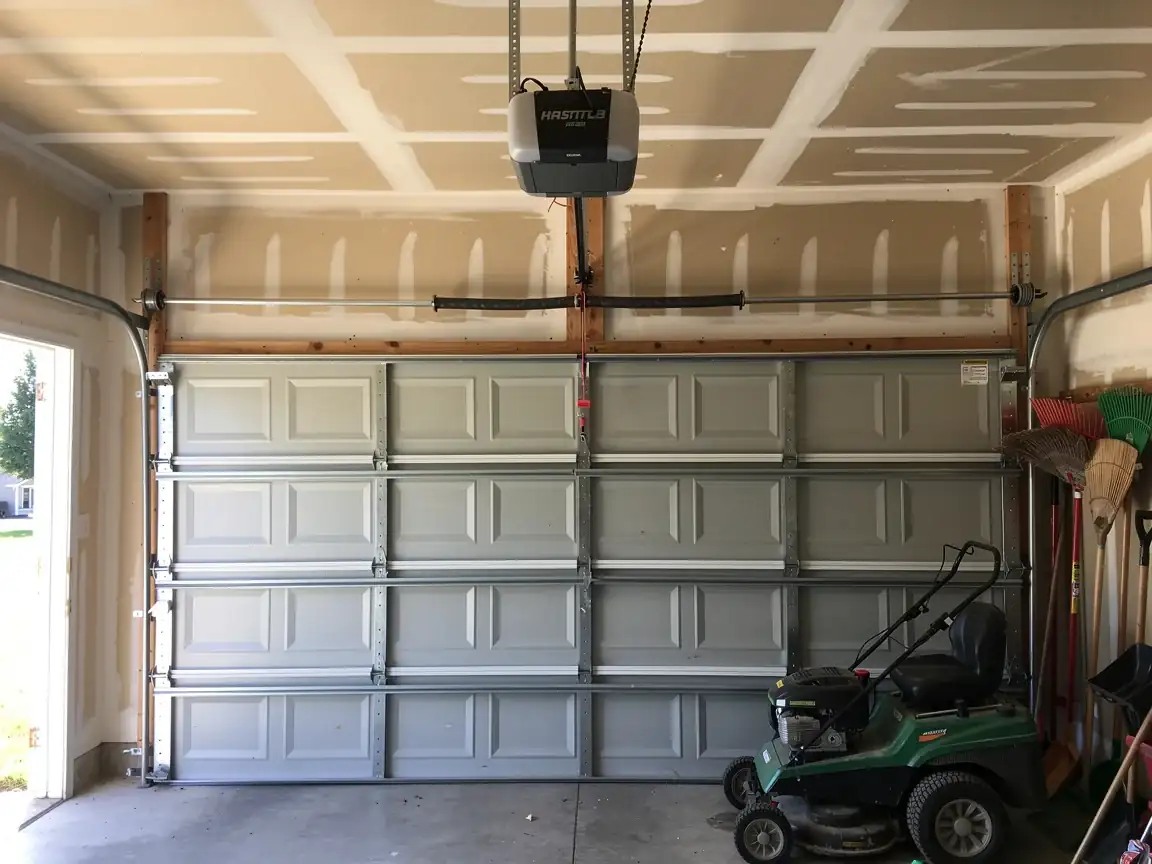
Spring fatigue shows up differently: the door gets heavy to lift by hand, or the opener strains and reverses partway up. On a torsion system installed when the house was built in the 1960s-70s window, that spring has usually outlived its rated cycle count long before anyone notices a problem, because the opener was doing most of the lifting work and masking the wear. Either symptom is a reasonable trigger to replace rather than patch - a new door with a correctly sized spring and insulated panel costs less aggravation long-term than repeated spring swaps on an old frame.