Doing It Yourself
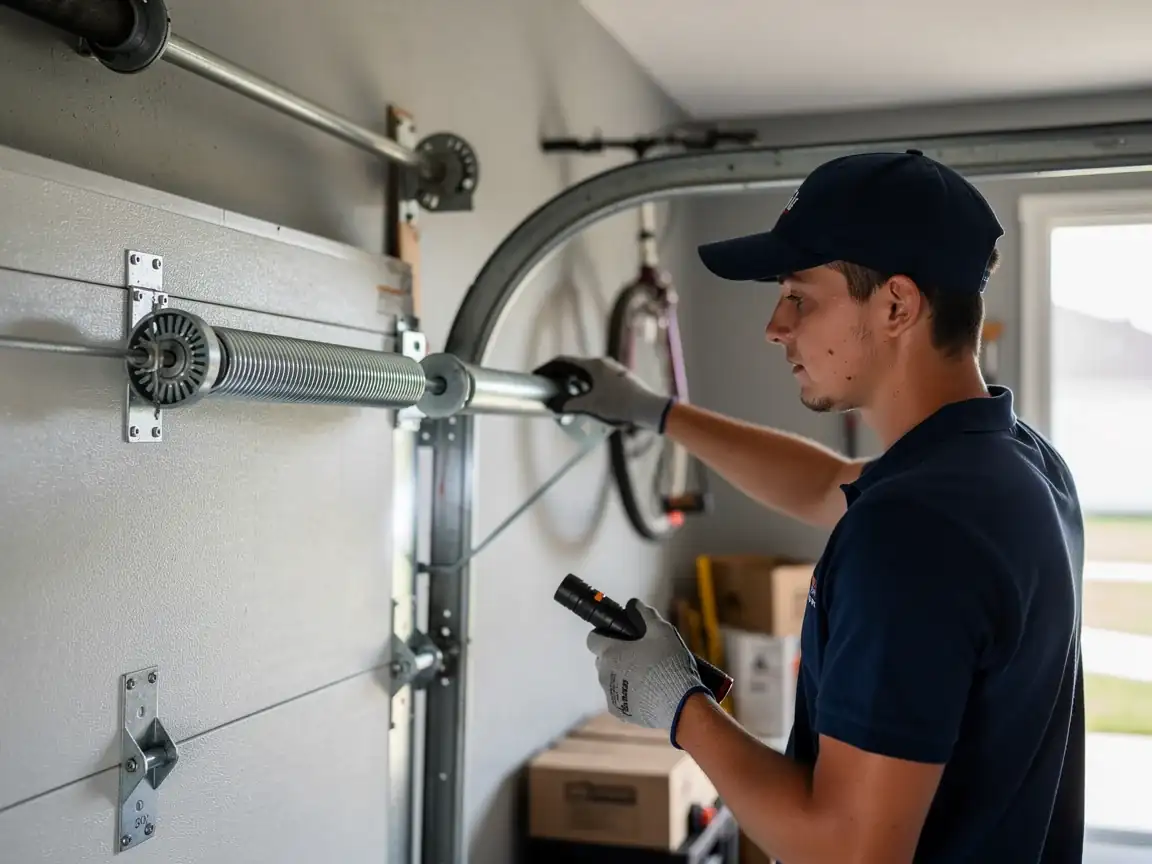
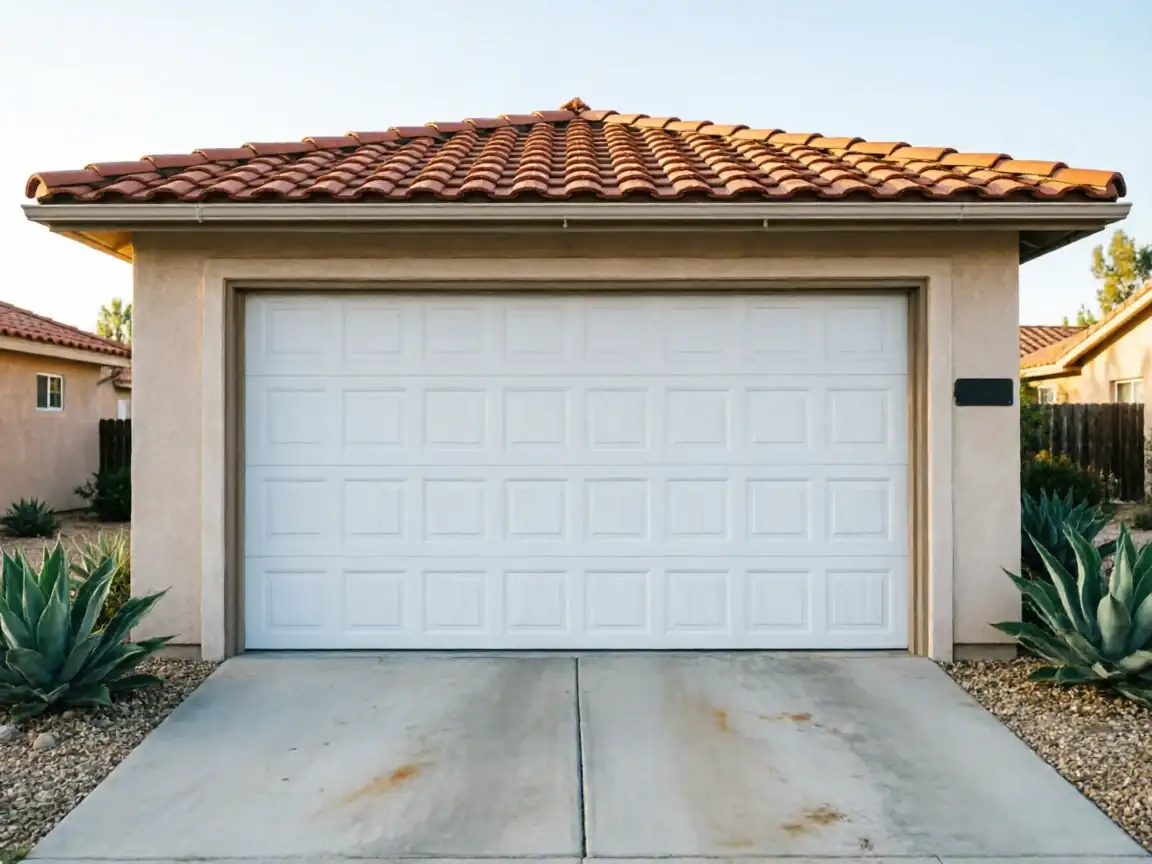
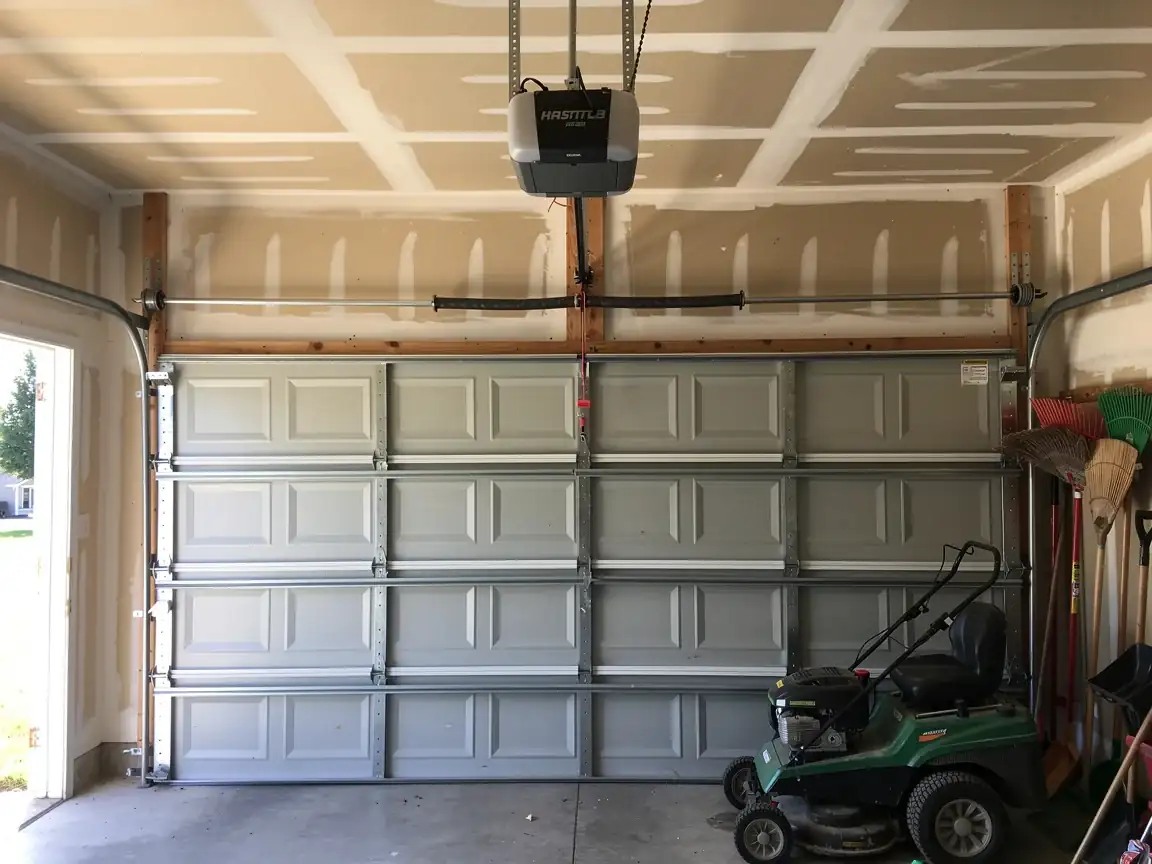
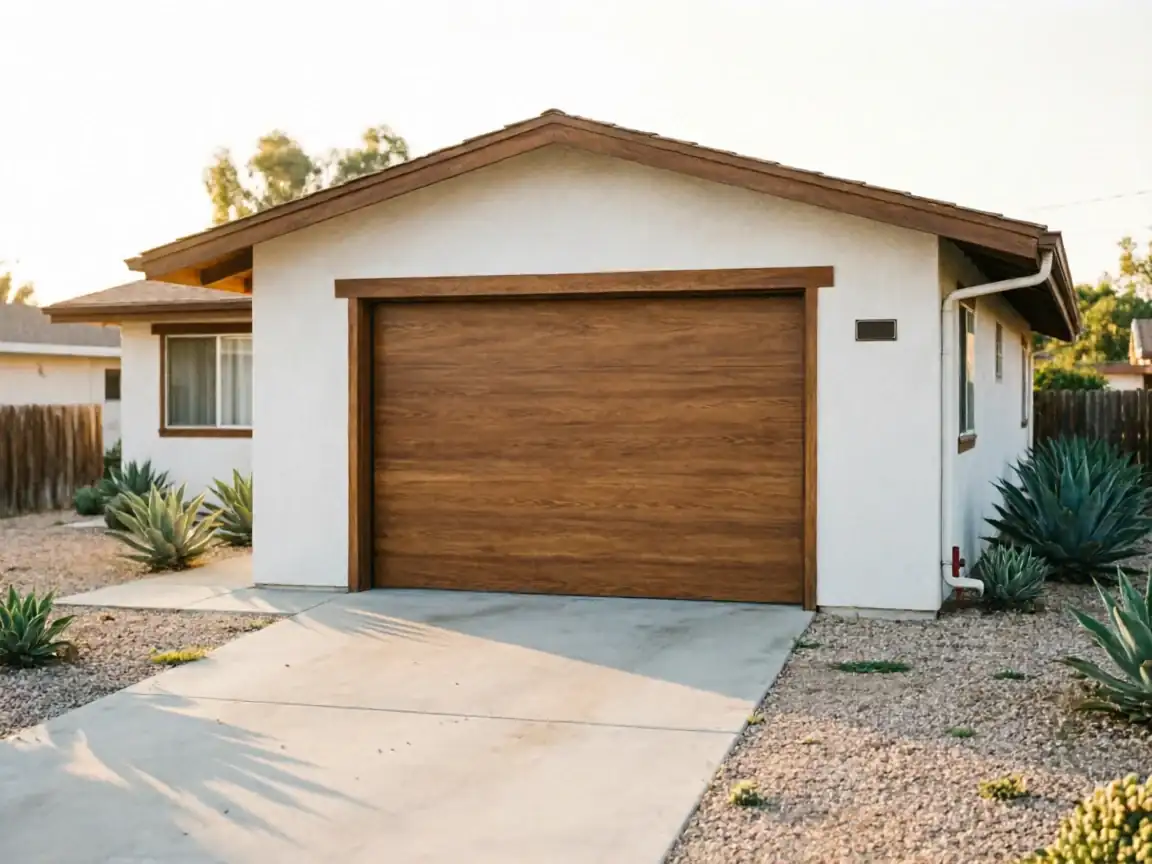
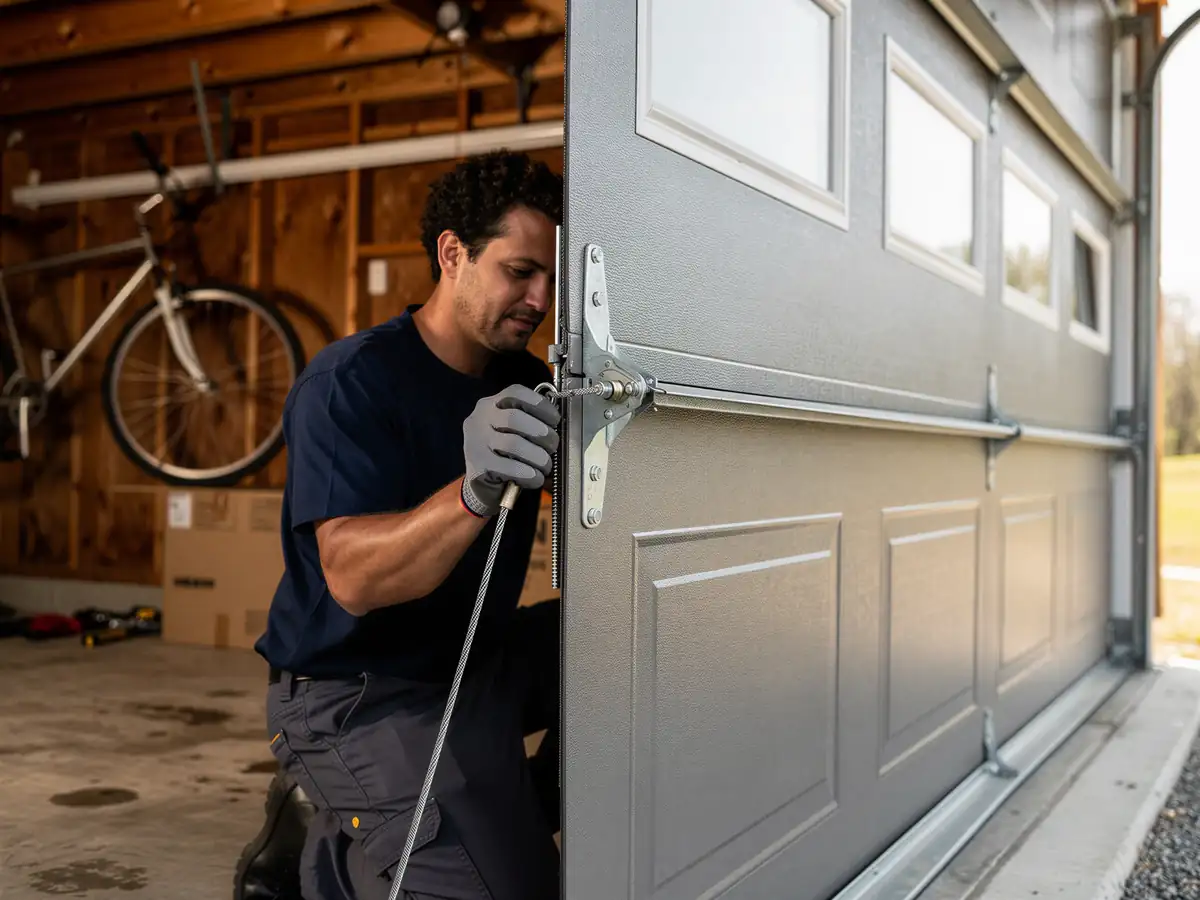
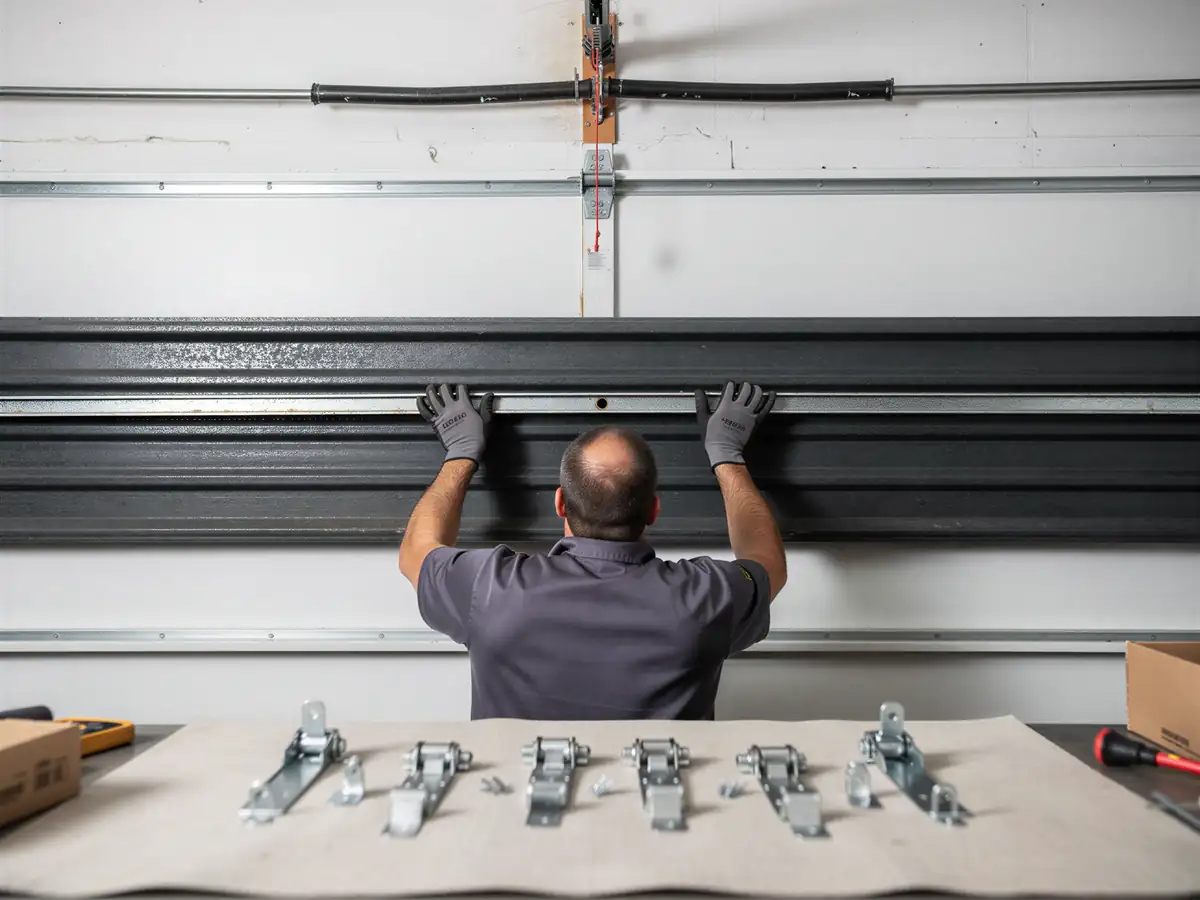
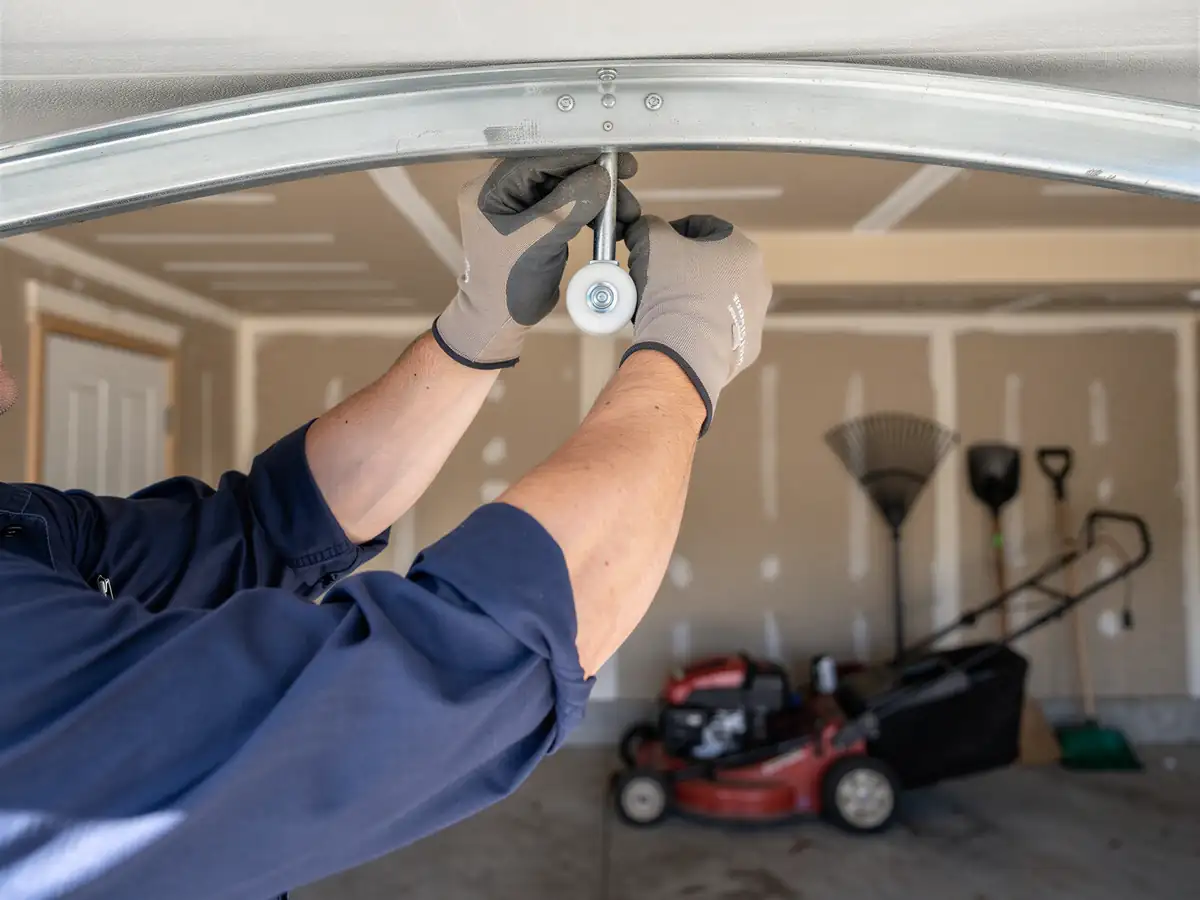
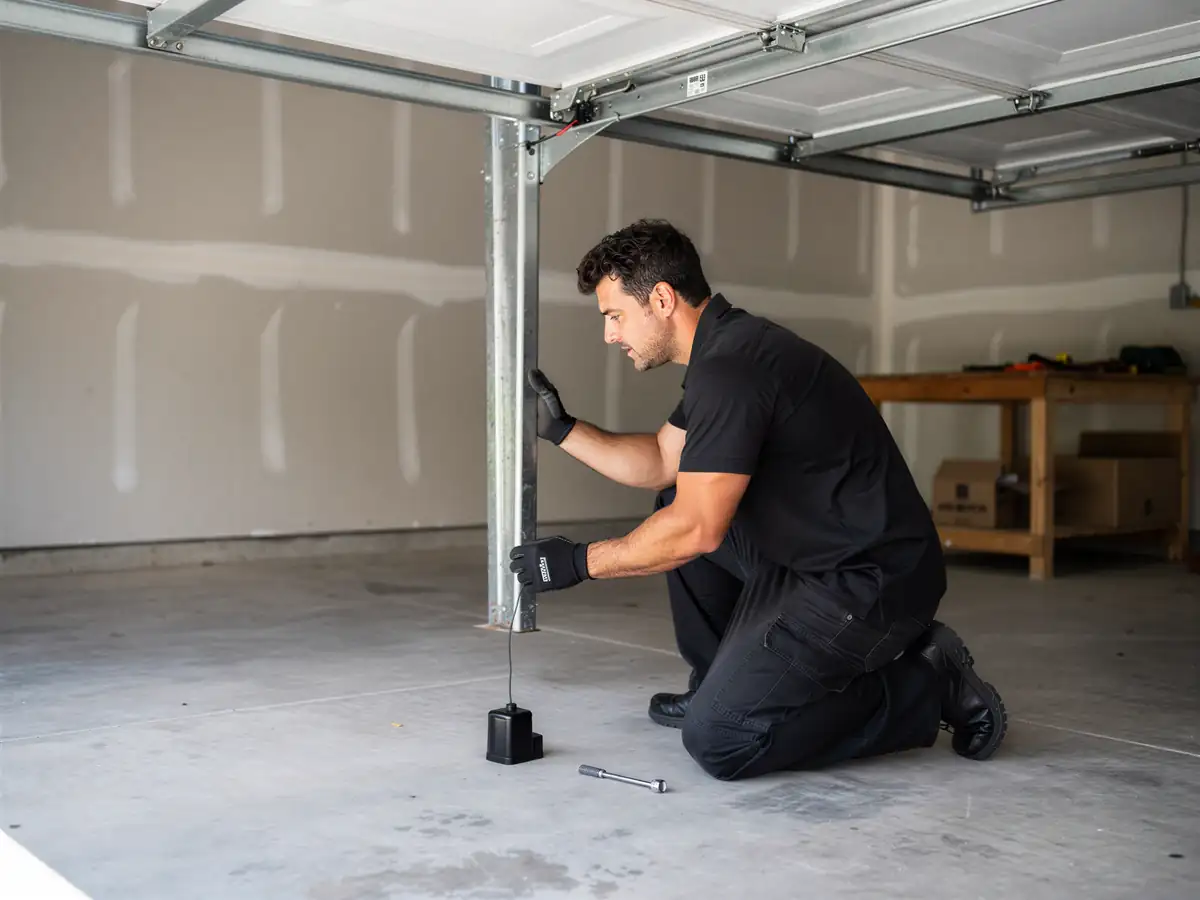
Most garage doors in Moraga are steel sectional units installed when the house was built, somewhere around 1972 going by the housing stock in this part of the service area. That means single-layer steel panels, no foam core, and extension springs mounted along the horizontal tracks rather than a torsion bar overhead - standard for construction of that period. If one of those springs has let go, you'll hear it: a loud bang, then the door won't lift past a few inches or drops fast when you try. Don't cut the cable to free it and don't try to rewind a broken spring yourself. The tension in even a 50-year-old extension spring is enough to put someone in the ER, and parts for the original hardware on a house this age aren't always a straight swap for what's on the shelf today. What you can safely check: the manual release cord (pull it, see if the door moves freely by hand), the track for visible dents, and whether the opener's safety sensors have been knocked out of alignment. If the door won't budge by hand either, that's a spring or cable problem, not an opener problem, and it needs a call rather than a wrench.
How to Book
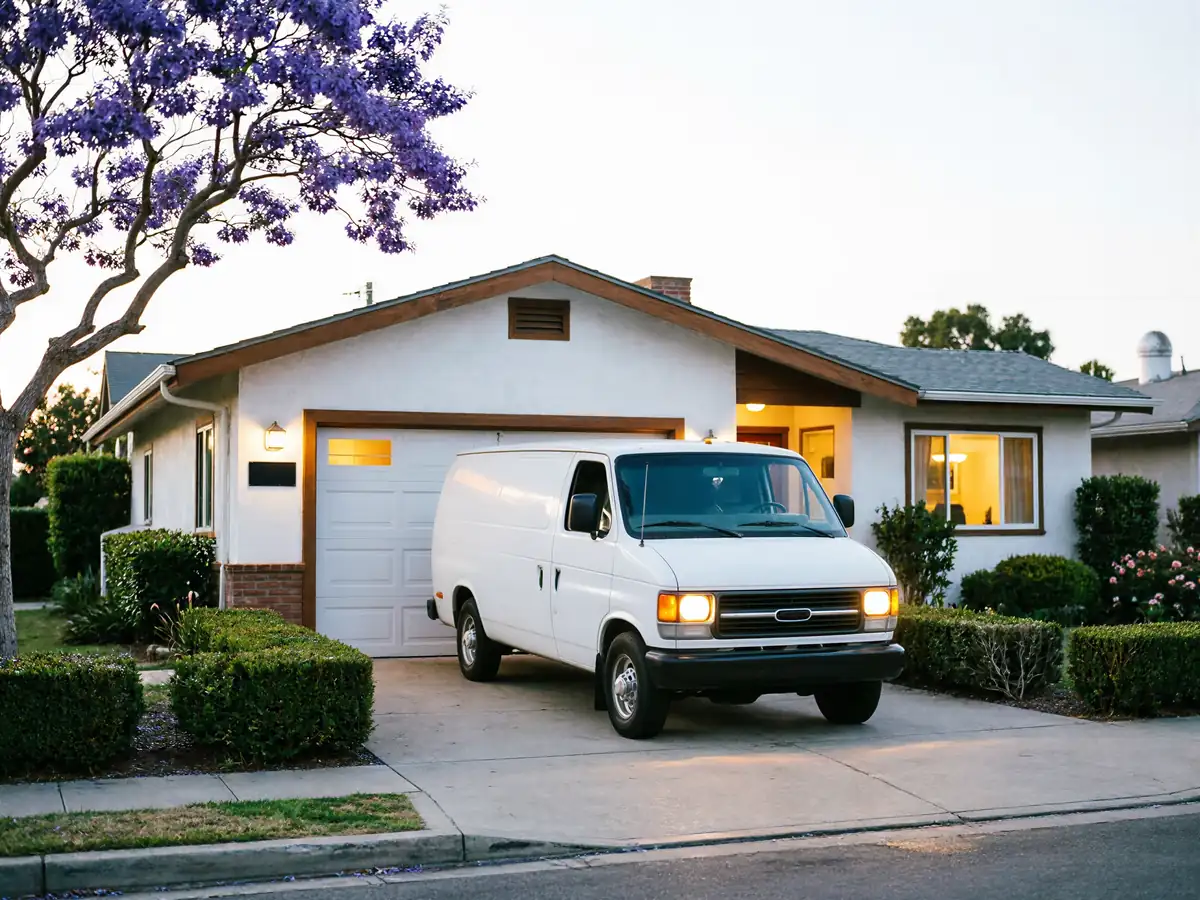
If your door is stuck shut, sagging on one side, or the spring has visibly snapped, call and describe what you're seeing and hearing - that bang, a cable hanging loose, a door that stopped mid-travel. That tells us what to load on the truck before we leave Walnut Creek. You can also check coverage for Moraga to confirm we work this area, or look at the full writeup of emergency repair out of Walnut Creek for how dispatch and after-hours calls work more broadly. For Moraga specifically, the thing worth telling us up front is the age of the door if you know it - original to the house or replaced - since that changes which spring and track parts we bring.
The Symptom
The most common call we get from this part of the area is a door that's gone quiet on one side and loud on the other - one extension spring still holding, one gone. With median household income here running well above the wider service area's figure, more of these original 1972-era doors have had an opener added or upgraded over the years without the springs ever being matched to it, which puts uneven strain on aging steel that was sized for a lighter, manual door. The second most common symptom is a door that reverses immediately after closing, which on a house this old is usually a sensor alignment issue rather than anything structural - an easy fix, but one people often assume means a new opener. We won't sell you a new opener for a sensor problem. If the springs are original to a 1972 build, though, replacing one and leaving its twin is a short-term fix; we'll tell you when both need to go at once.