Doing It Yourself
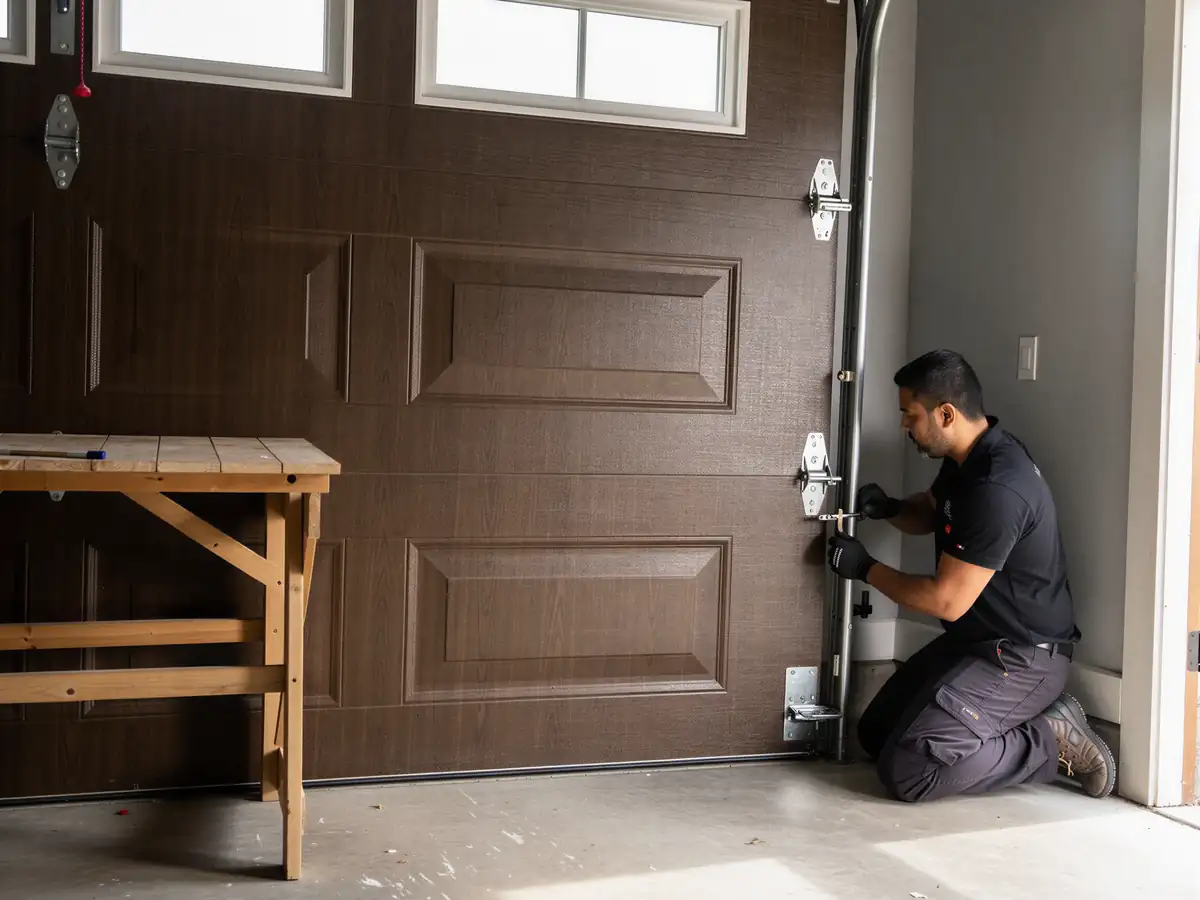
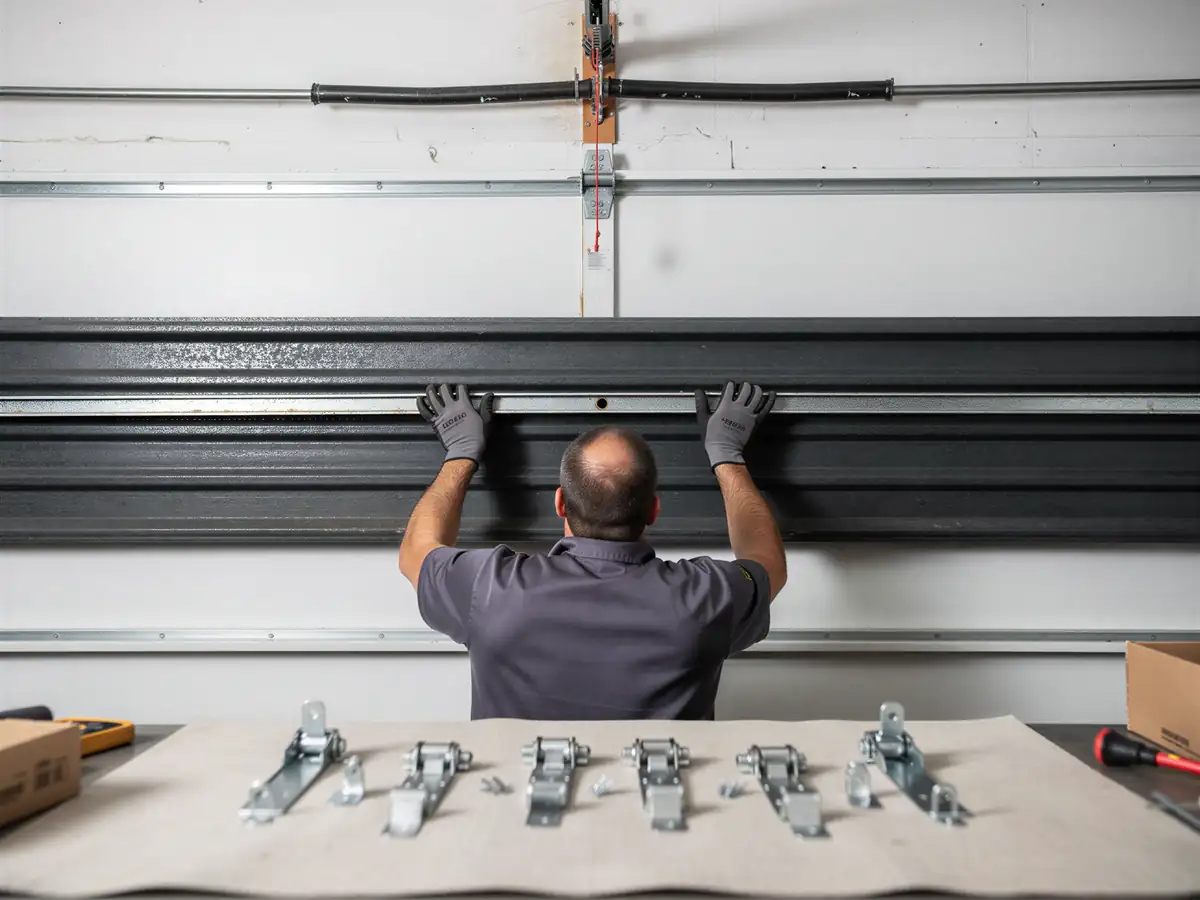
A dented or cracked panel on a sectional door looks like a job you can handle with a weekend and a hardware store run. Sometimes it is. A single bottom panel that's been clipped by a car bumper can often be swapped without touching the rest of the door, if the manufacturer still makes a matching panel and the track alignment is sound.
Where it stops being a weekend job: doors built when most Moraga houses went up, in the early 1970s, often used panel profiles and section heights that current manufacturers don't stock. You can spend a week on the phone chasing a match that doesn't exist, then end up replacing the whole door anyway. We'll tell you straight if that's where you're headed before you order anything.
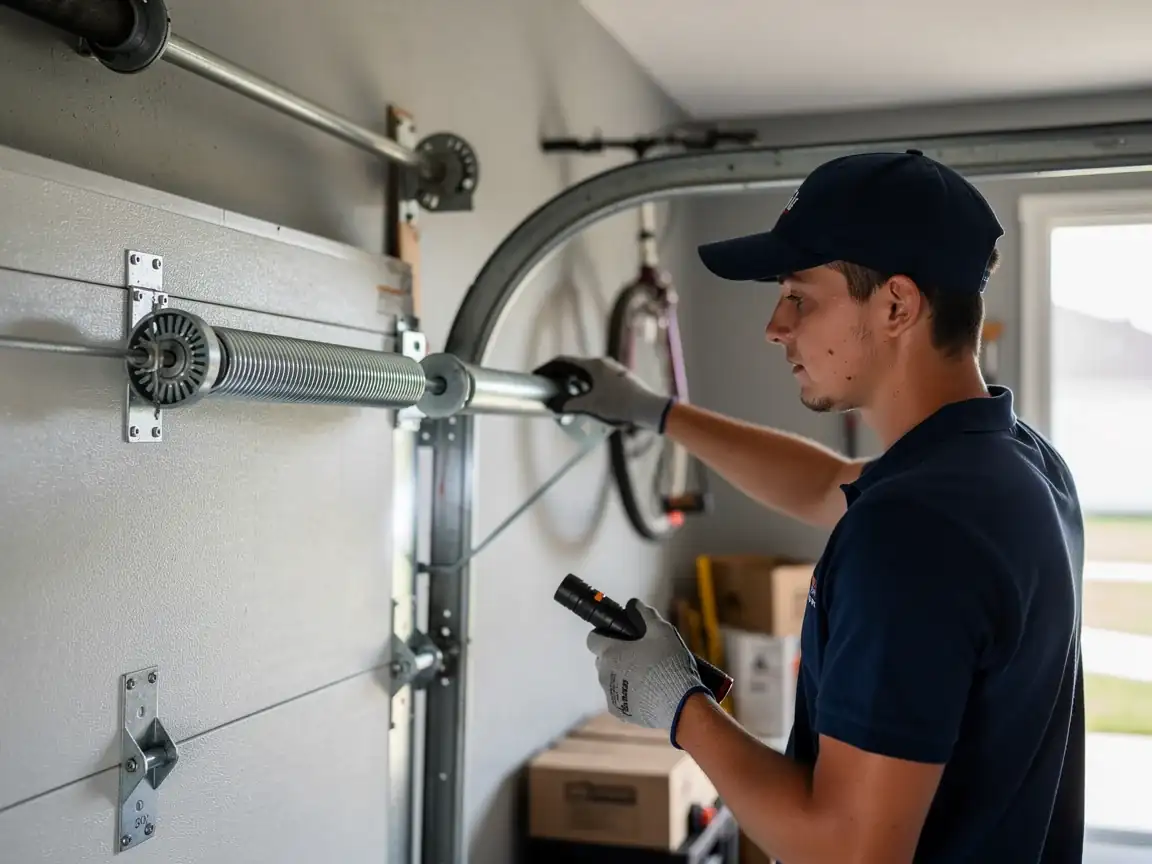
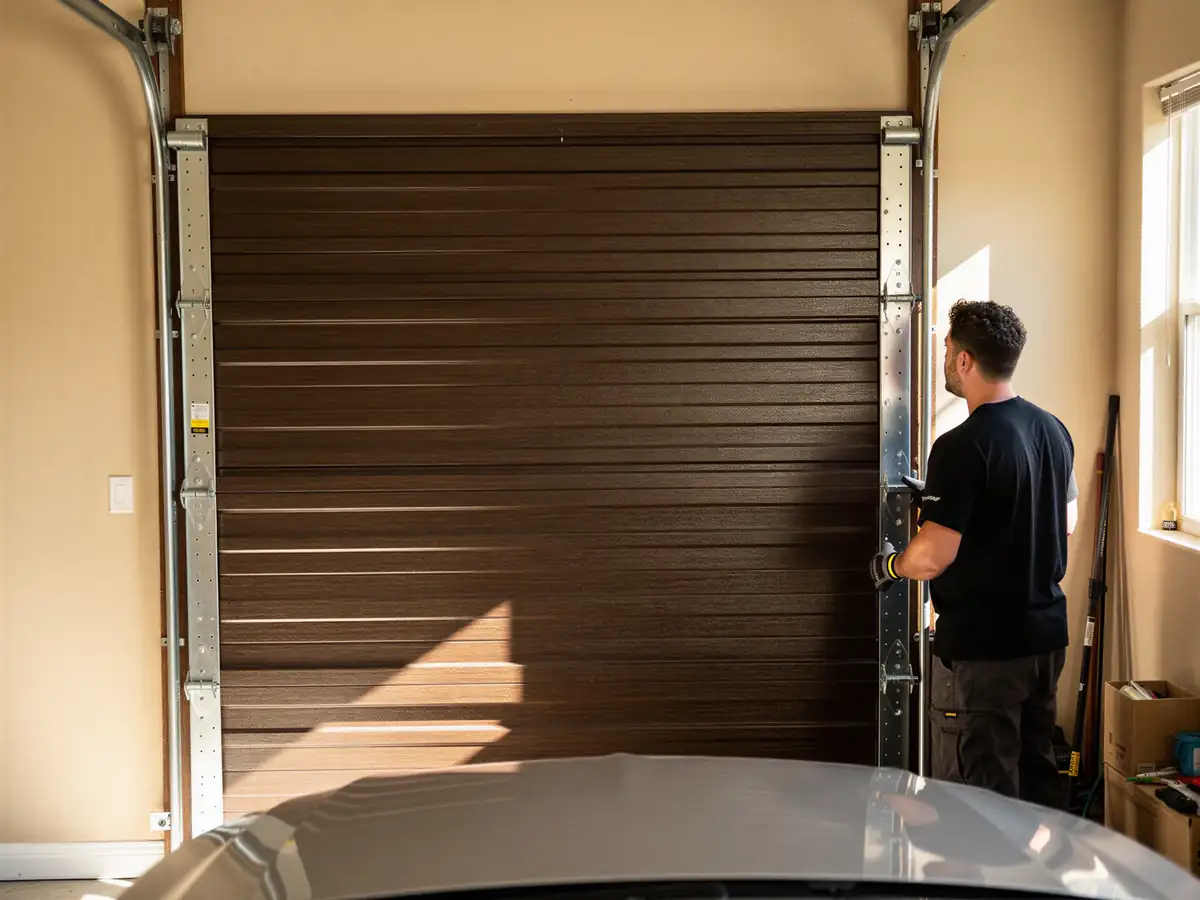
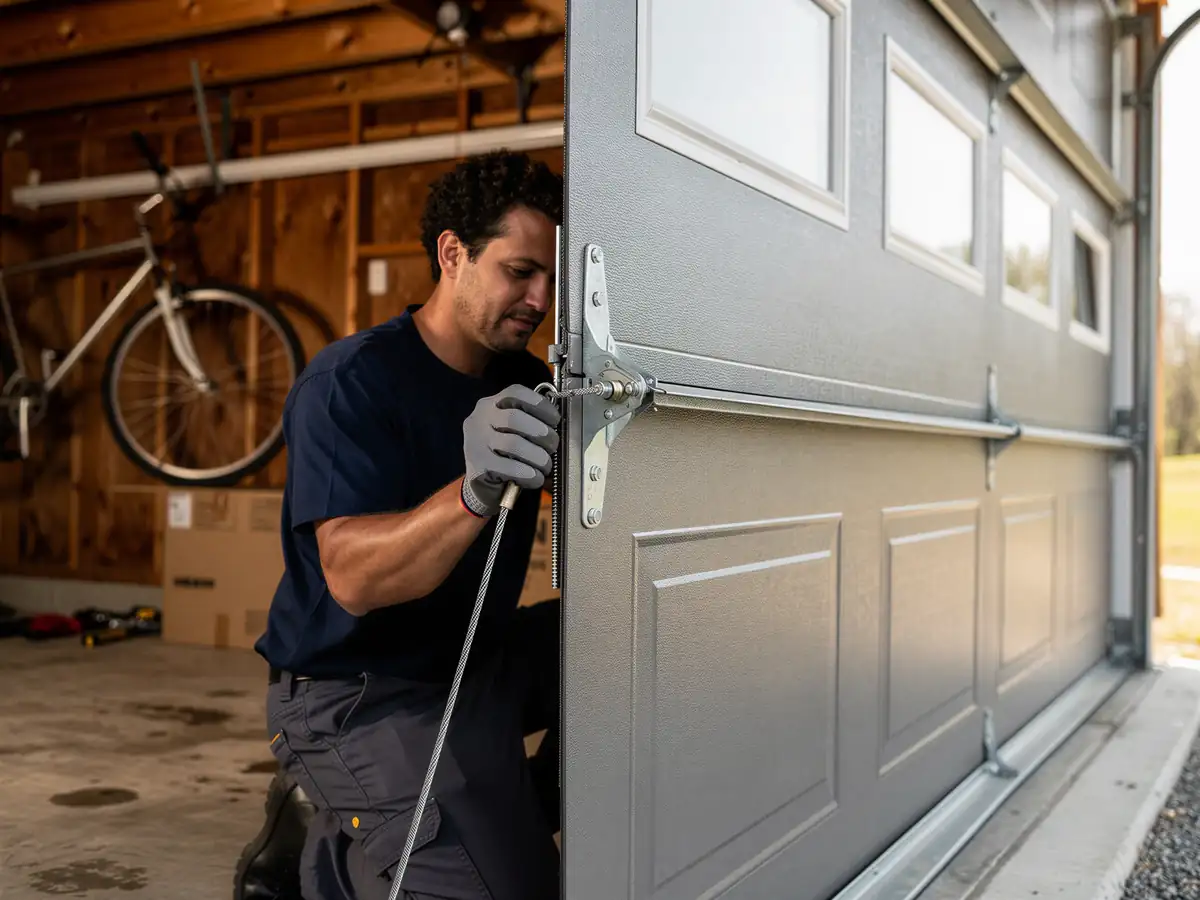
The other limit is structural, not cosmetic. If a panel cracked because a cable snapped or a spring let go and the door came down hard, there's more than cosmetic damage - tracks can bend, rollers can seize, the opener gear can strip. Swapping the panel without checking the rest just buys you a second failure. That's the one part of this job we don't recommend doing solo, even if the panel itself is a straightforward swap.
How Long It Takes
The job itself, once we're on-site with the right panel
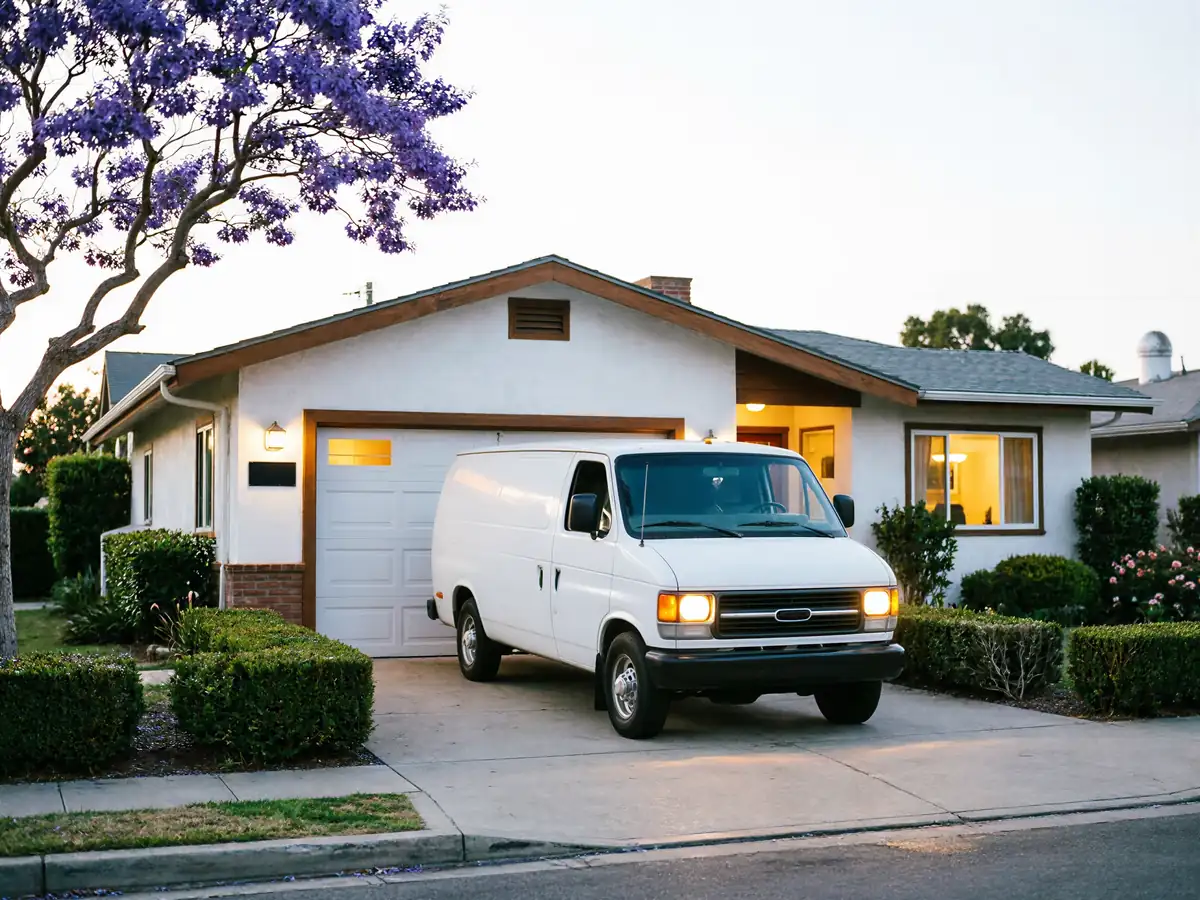
Usually runs an hour to a few hours depending on whether it's a bolt-on single section or a full side replacement. The bigger variable for a Moraga job is the six miles between here and the Walnut Creek shop - not a long haul, but it means the panel needs to be confirmed and often ordered before the truck leaves, rather than pieced together on-site.
If your door is one of the common post-1972 sectional models
Matching stock is usually straightforward and we can often turn the job around within days of the first look. If it's an older design - and with median construction here sitting right around 1972, that's not rare - sourcing a matching panel can add real time to the schedule. We'll give you a straight number once we've seen the door and know what we're ordering, not a guess over the phone.
How to Book
Because every call out to Moraga starts with the drive from Walnut Creek, we ask for a few details up front so the trip isn't wasted: the door's brand if you can find it (usually stamped on the inside of a panel or the end stile), roughly how old the door is, and a photo of the damage if you can get one. That lets us check panel availability before anyone's in the truck.
Once we've got a panel confirmed, we schedule the install. If the panel has to be special-ordered because of the door's age, we'll tell you that lead time before booking the visit, not after. You can see the areas we cover from the Walnut Creek shop on our coverage page, and if the damage turns out to be bigger than a panel - torn opener gear, a dead spring - that's handled on the main panel replacement page for the service area.
The Symptom
Most calls start the same way: a visible dent, crack, or a panel that's bowed enough that the door doesn't seal flush at the bottom anymore. On its own, a cosmetic dent in an upper panel usually doesn't affect how the door runs - it's an eyesore, not a safety issue, and plenty of owners live with it for years.
What changes the calculus is a bottom panel that's buckled enough to break the seal, especially heading into the cooler, damper stretch of our mild Bay Area winters. A gap at the bottom doesn't freeze anything here the way it might inland, but it does let water and debris into the garage, and a buckled bottom section can throw off the door's balance on the tracks over time.
The other pattern worth a call: a panel that cracked at a hinge point rather than mid-section. That's often a sign the door was already out of balance before the impact - worth a full look, not just a panel swap, since a replacement panel bolted onto an unbalanced door will crack again in the same spot.