Doing It Yourself
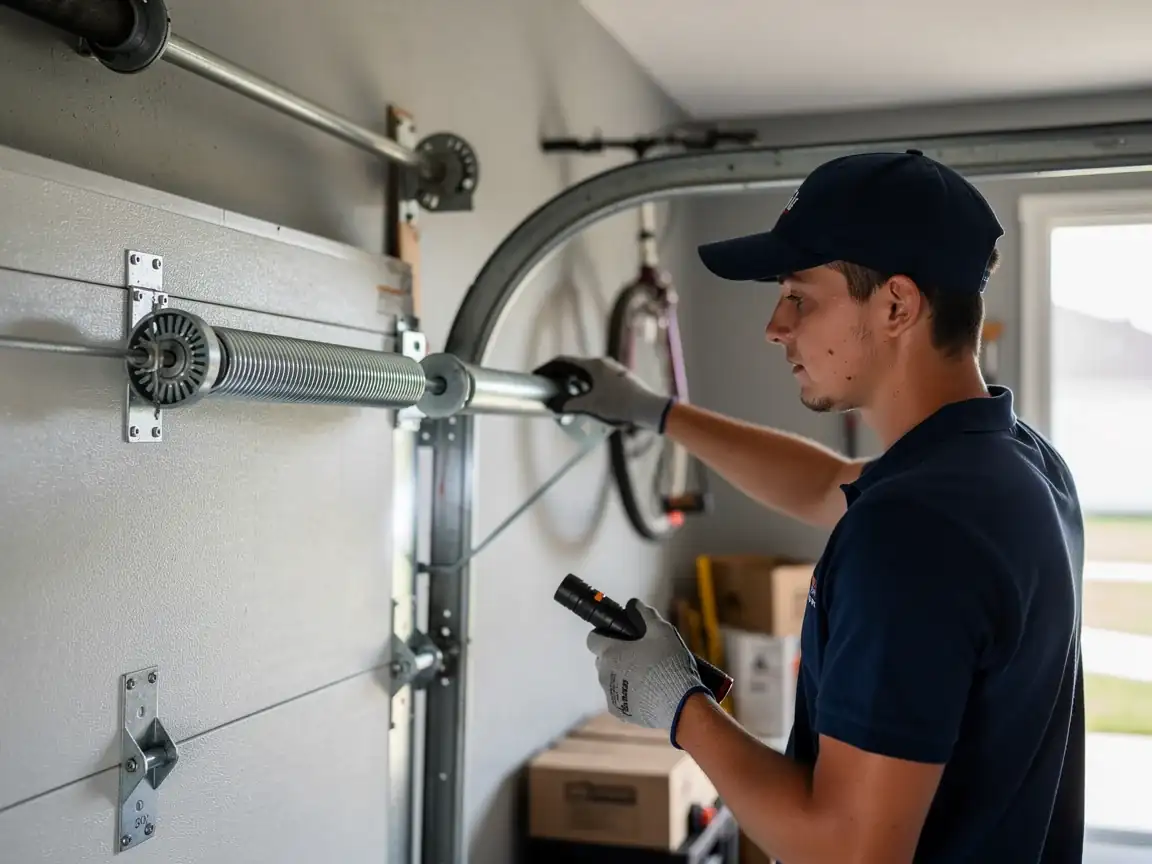
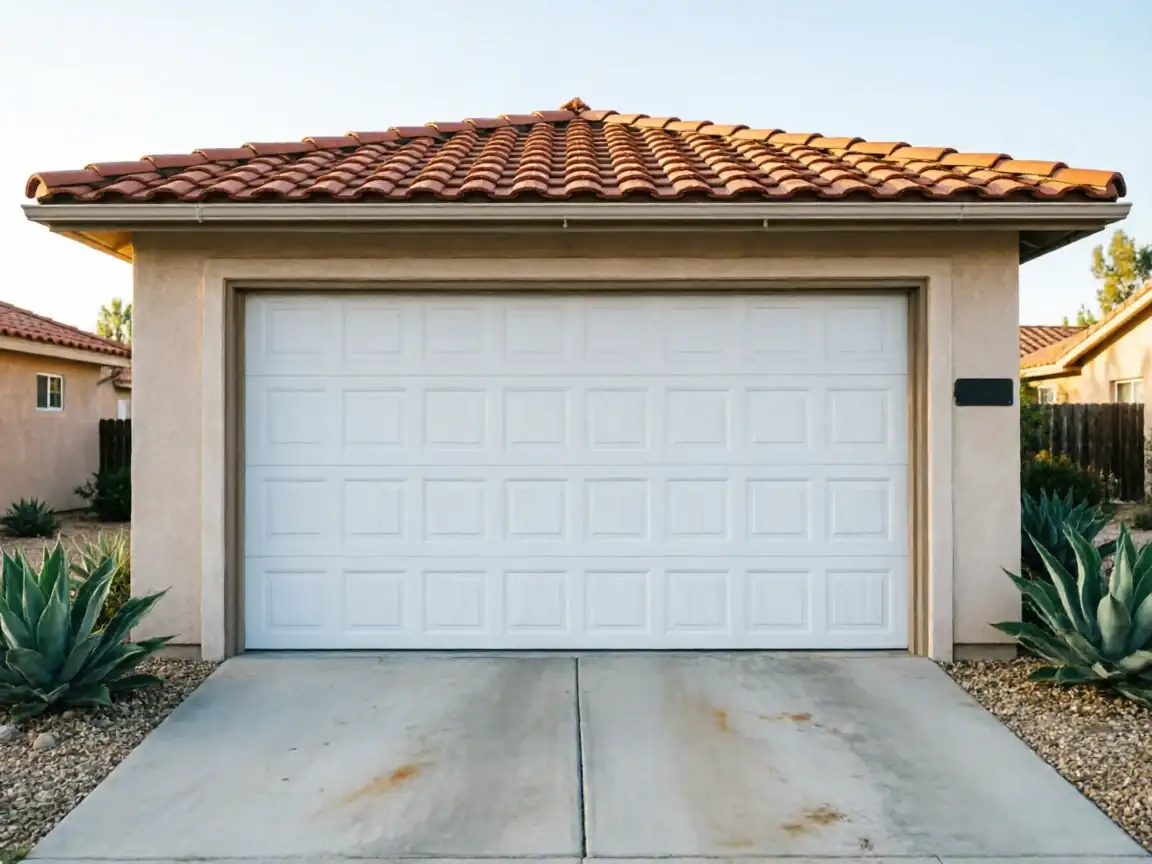
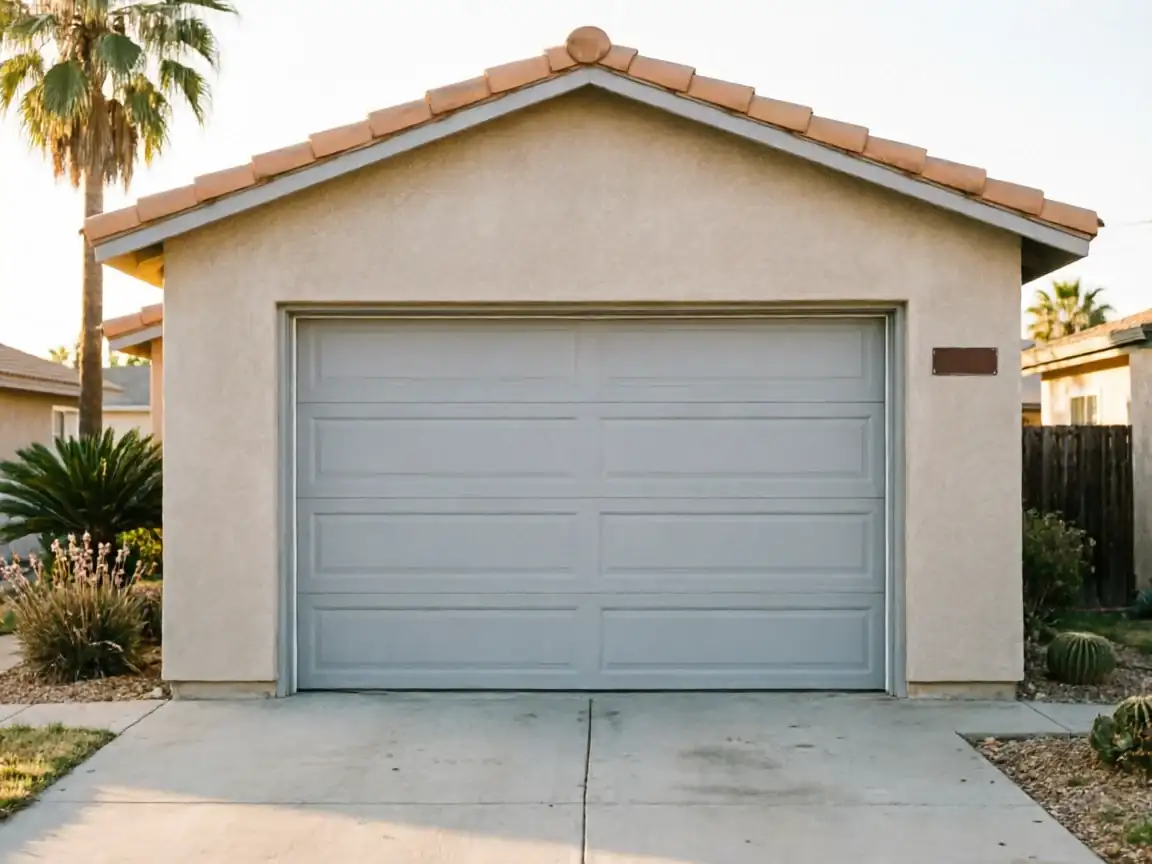
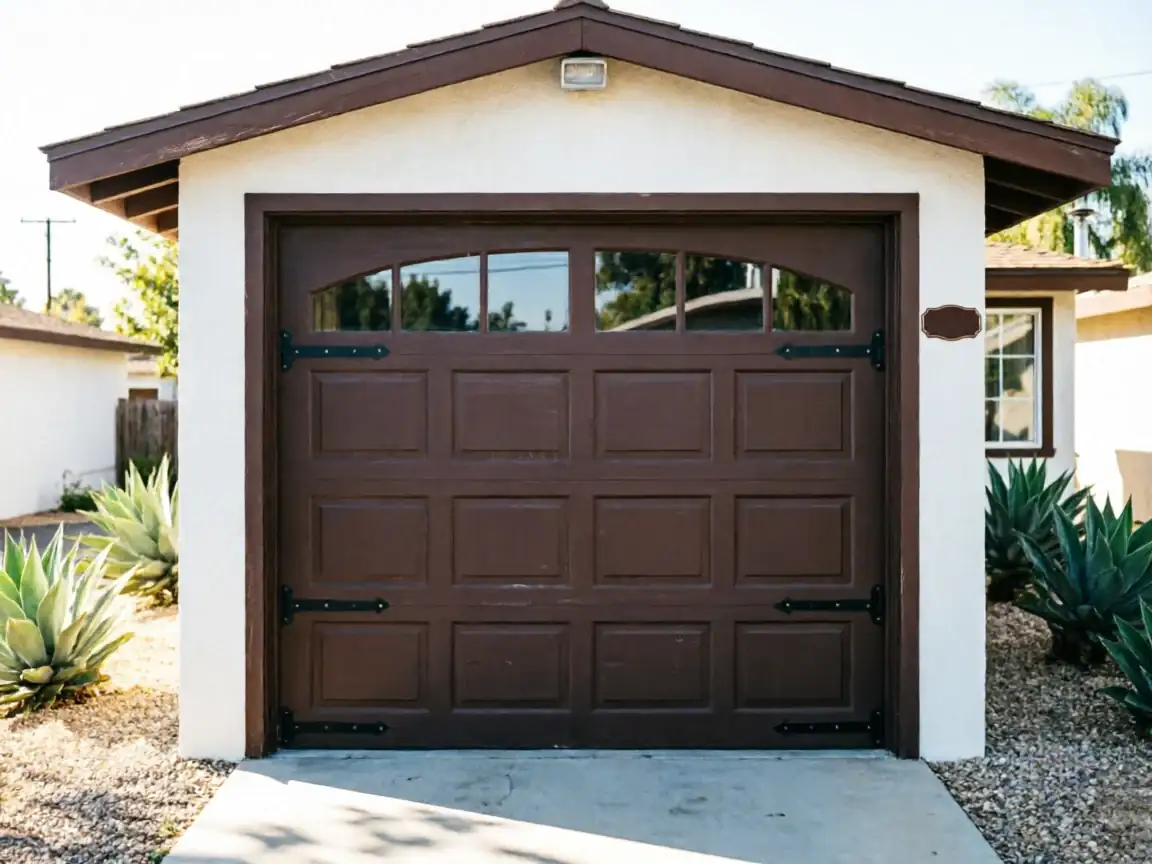
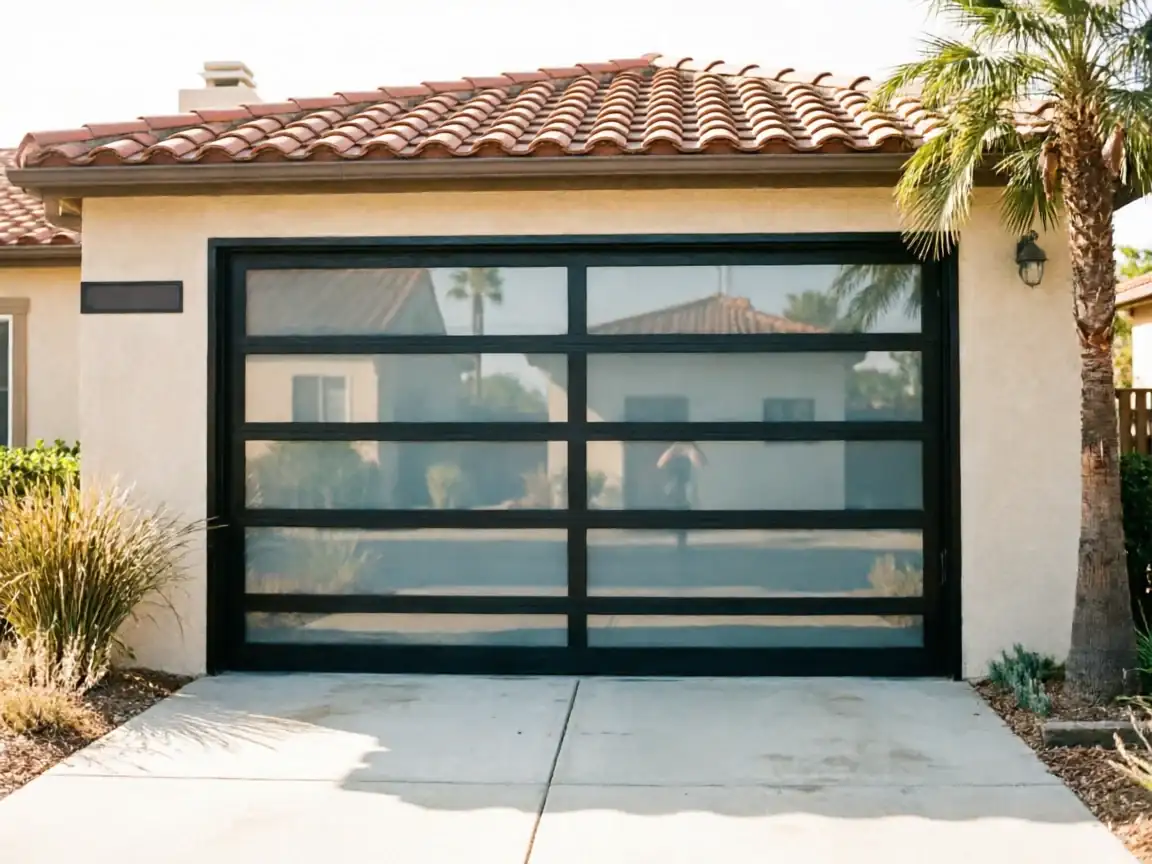
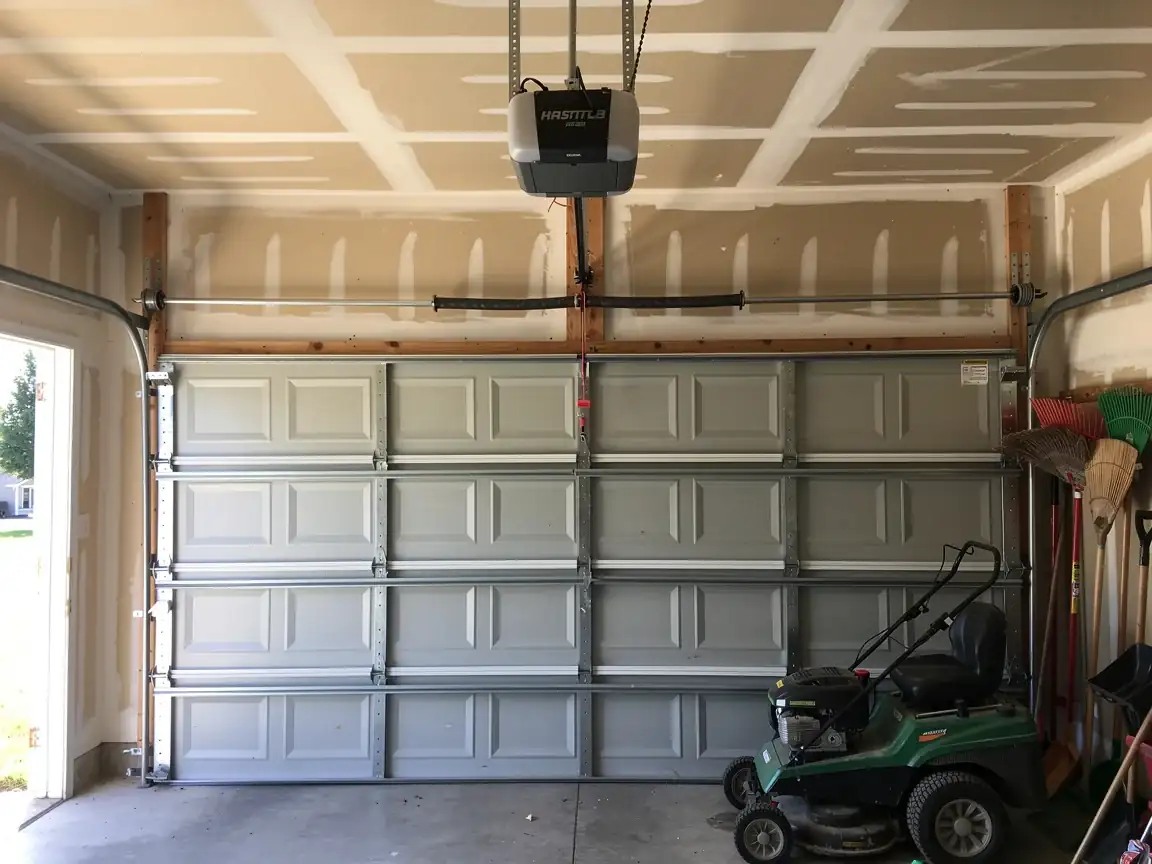
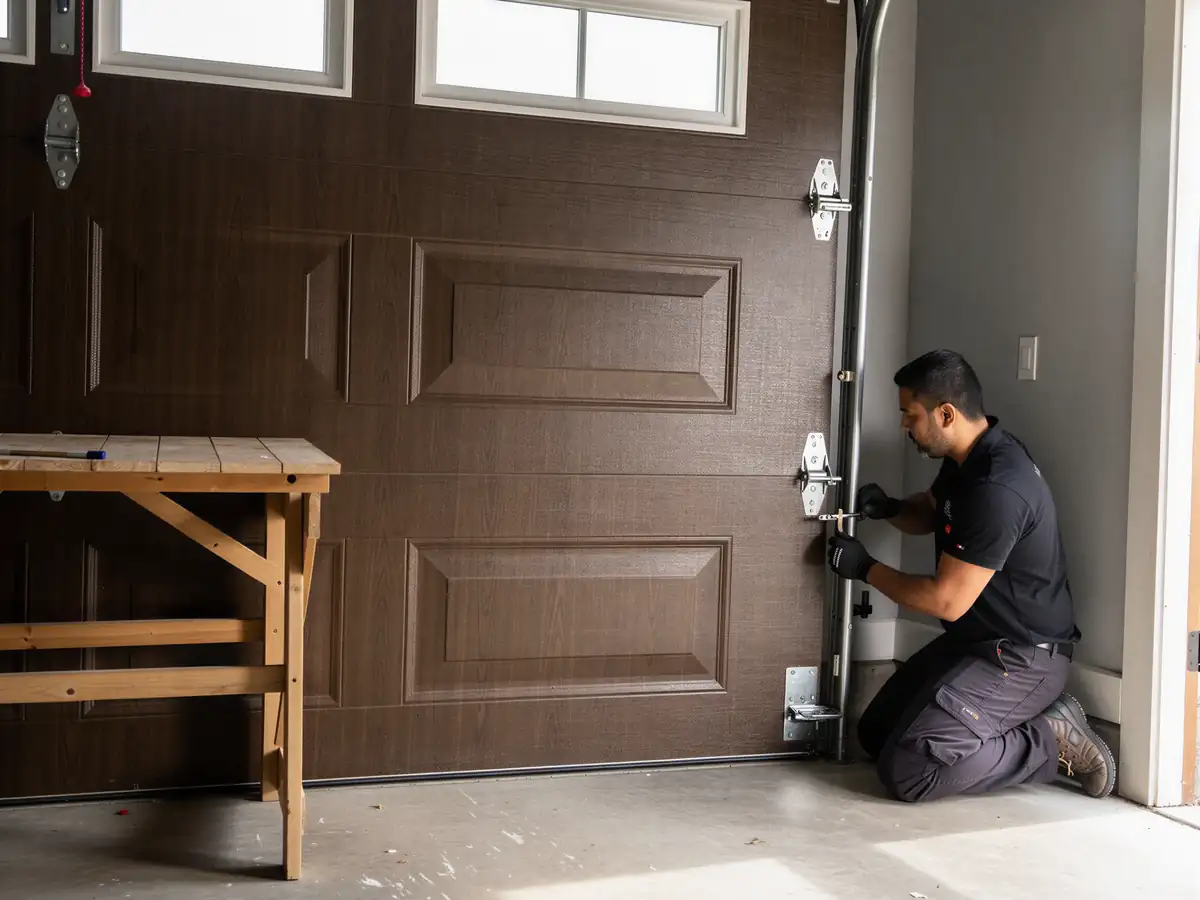
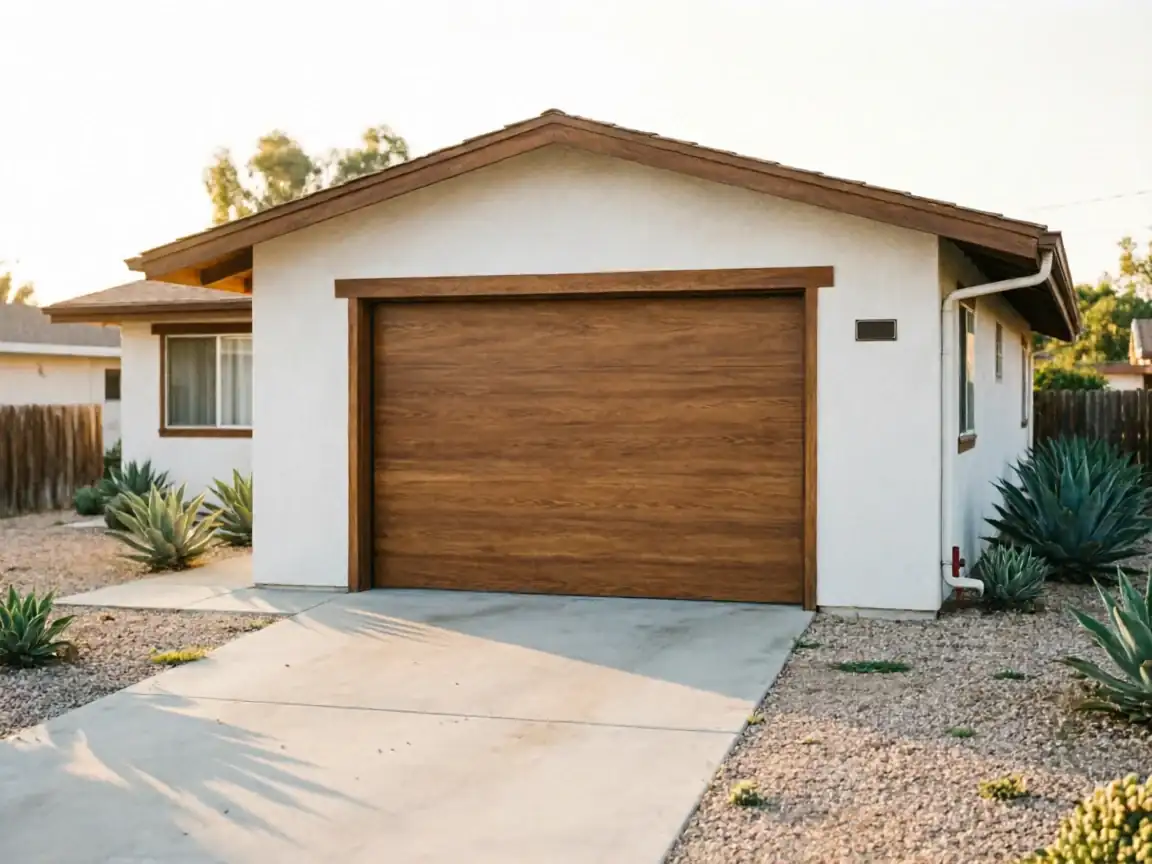
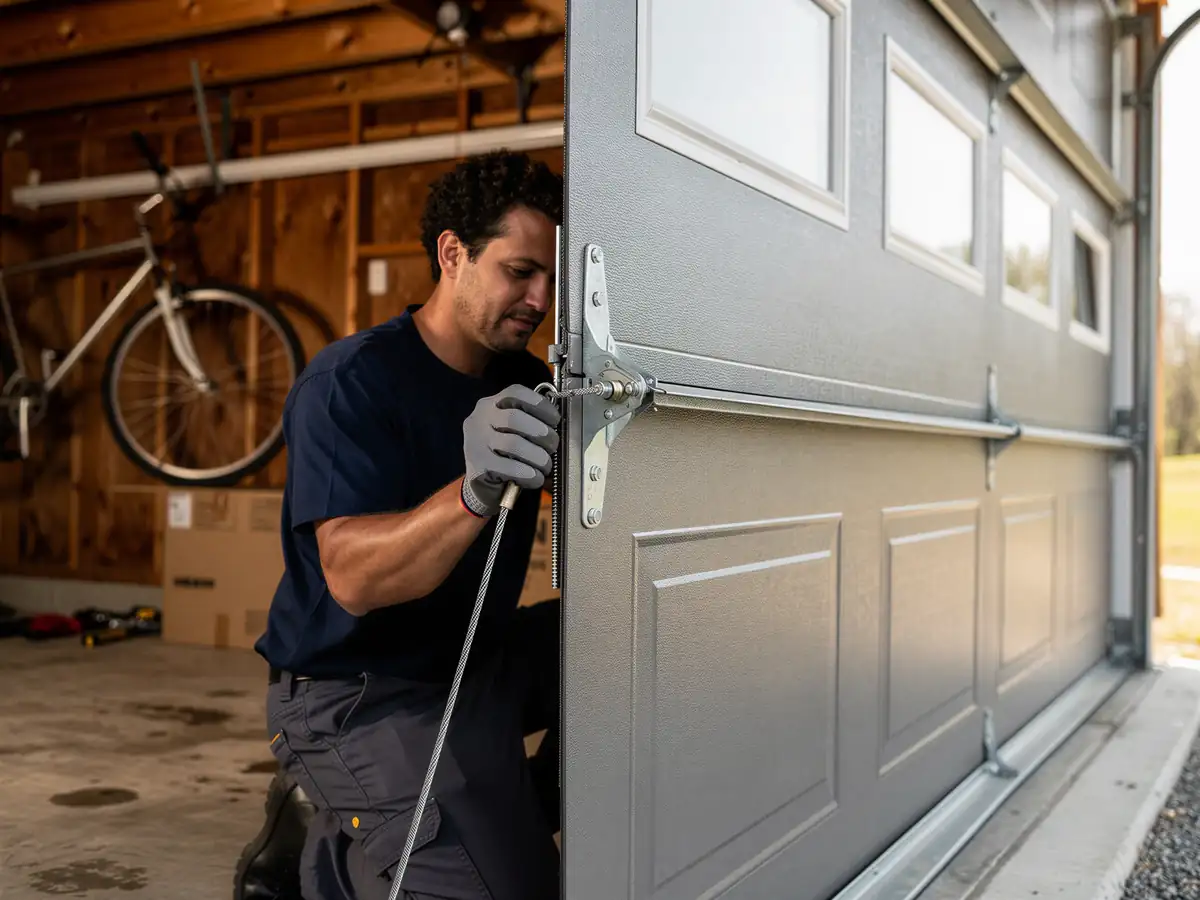
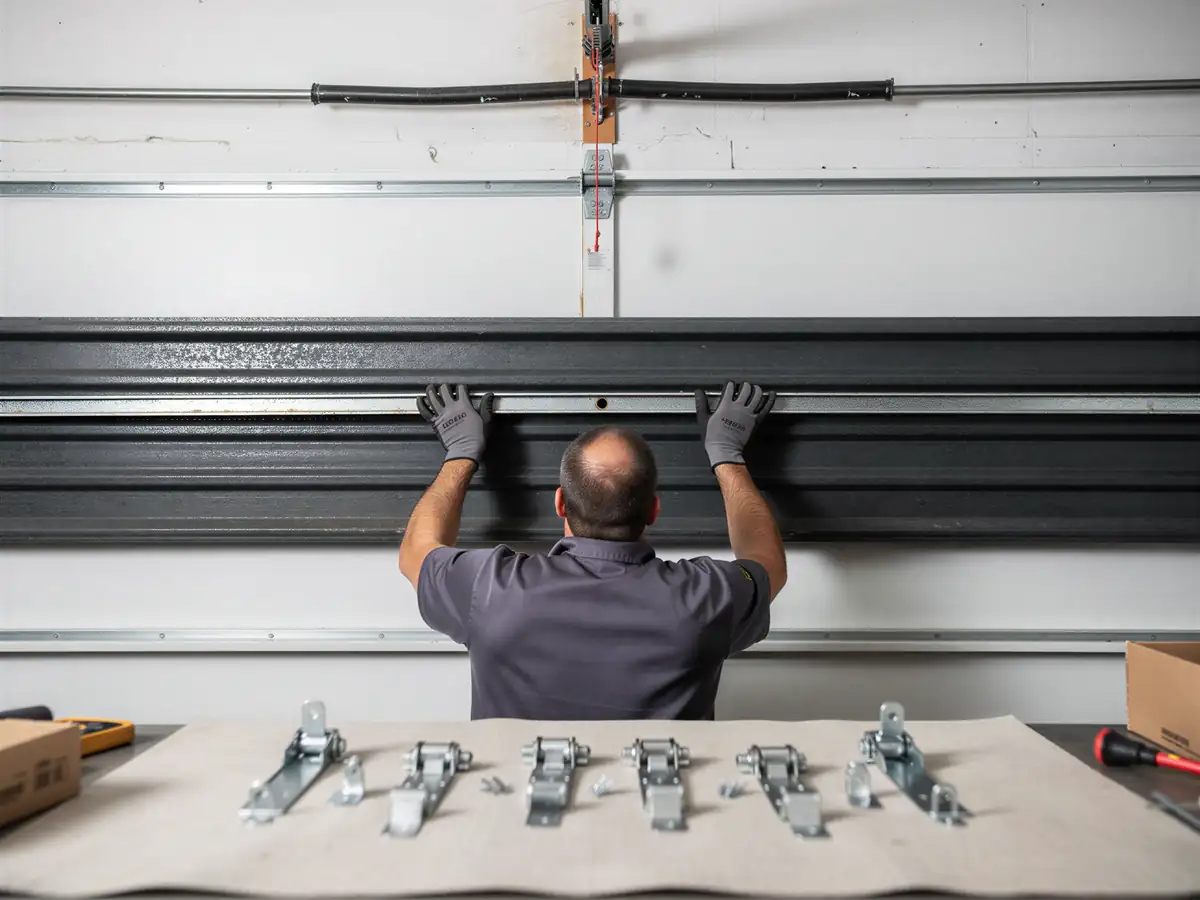
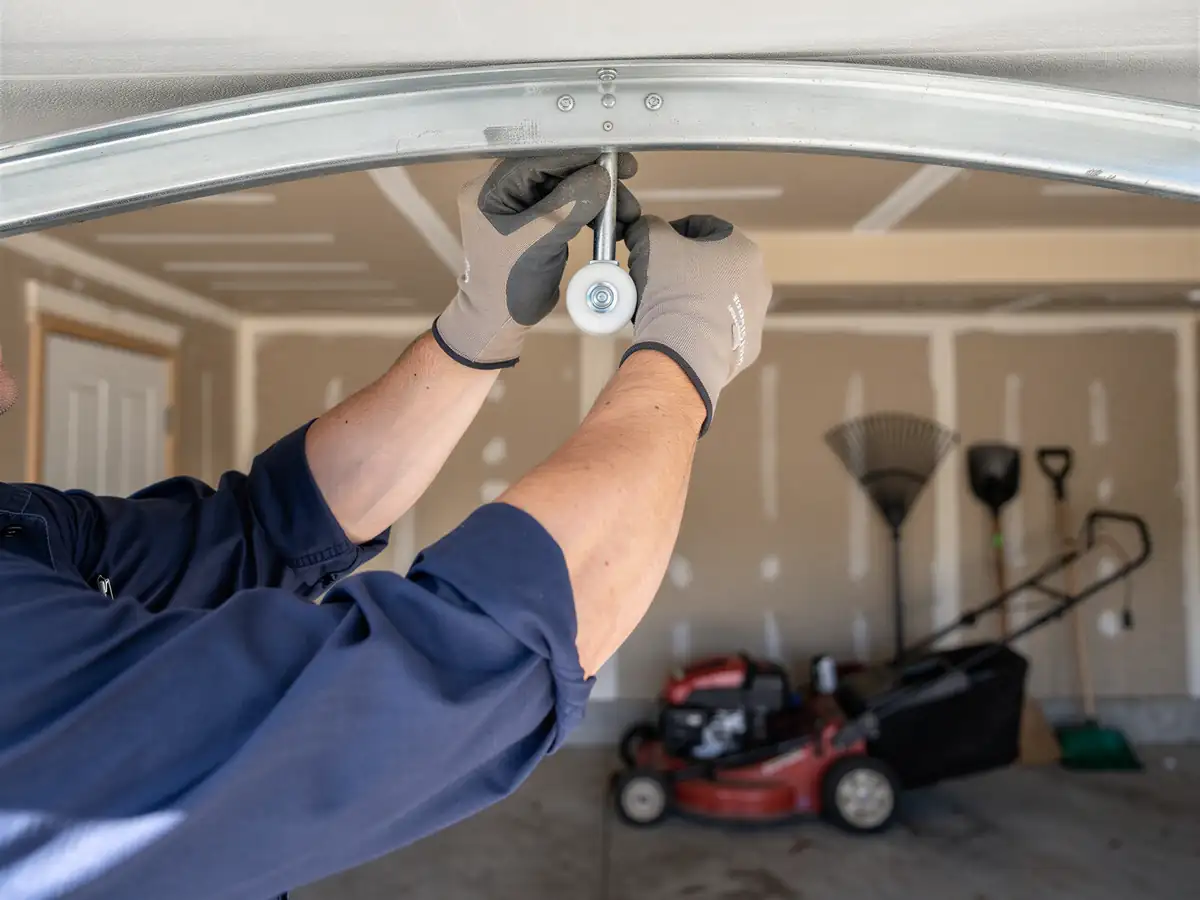
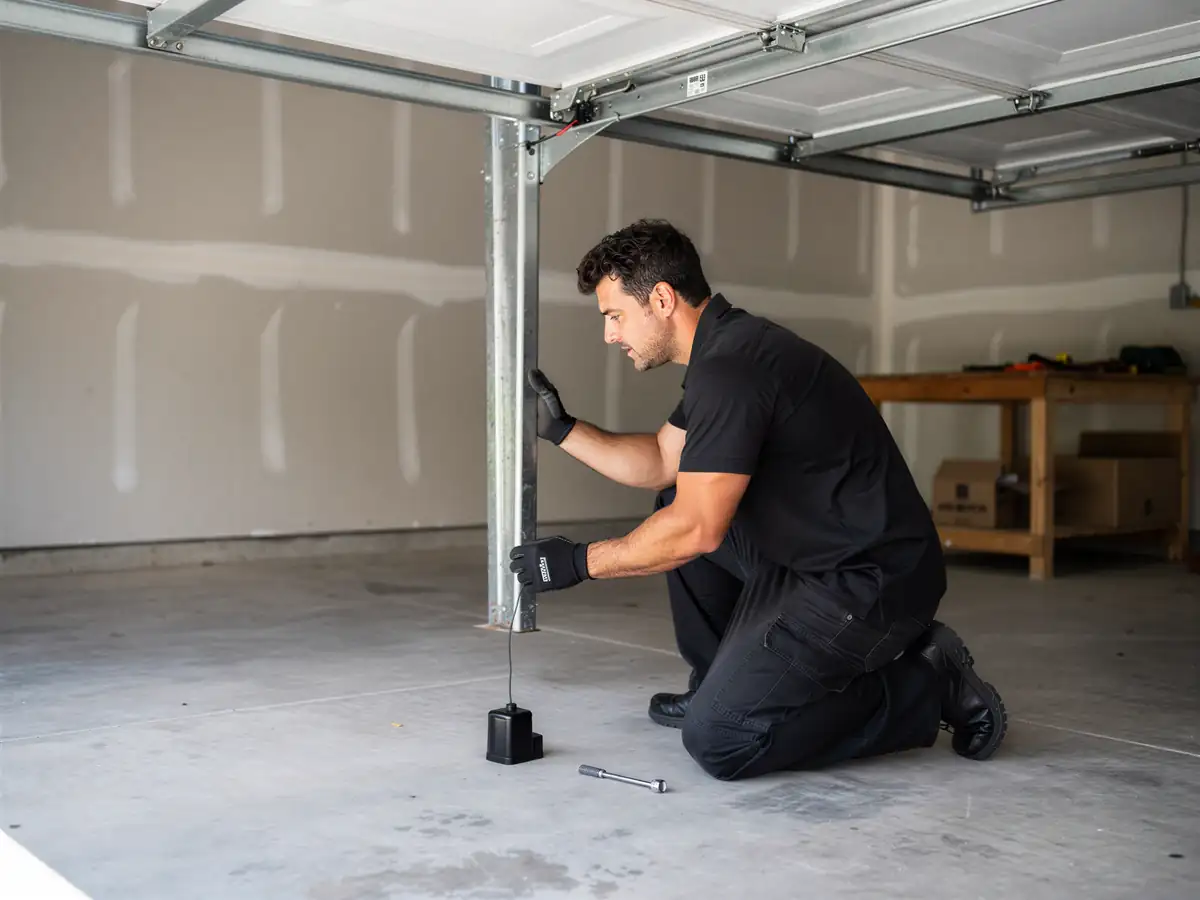
Moraga's housing stock centers on 1972, which puts a lot of doors here on hardware that was standard for that build era: steel sectional panels, extension springs on older installs, and galvanized rollers that have had fifty years to wear their tracks into a slightly different shape than the day they were hung. You can do some of this yourself. Wipe the tracks down, check that the rollers aren't chipped or flat on one side, and look at the bottom bracket bolts for rust bleed, which tells you water's been sitting. What you shouldn't touch is anything under spring tension - extension or torsion, doesn't matter, a spring built in the 1970s era has had decades to fatigue and it won't give you warning before it lets go. The mild temperate climate here means you're not fighting freeze-thaw cycles or salt air the way some regions do, so corrosion is slower, but it's not zero, especially on doors that have never been serviced. If your opener is original to the house, the gear and sprocket inside are plastic and they do eventually strip. That's not a DIY fix, it's a parts swap, and it's worth knowing before you start taking the cover off.
How to Book
Moraga falls inside our service area, and the simplest way to get on the schedule is through our coverage page for Moraga, which routes the request straight to dispatch out of Walnut Creek. Since we're traveling the 6 miles each way rather than working from a local depot, booking ahead works better than a same-day call for routine maintenance - emergencies are a different conversation, but a tune-up doesn't need to be rushed. If you want to see the fuller list of what maintenance covers before you book, our Walnut Creek maintenance page lays out the service itself in more detail; this page is specifically about what that service looks like on Moraga's housing stock.
The Symptom
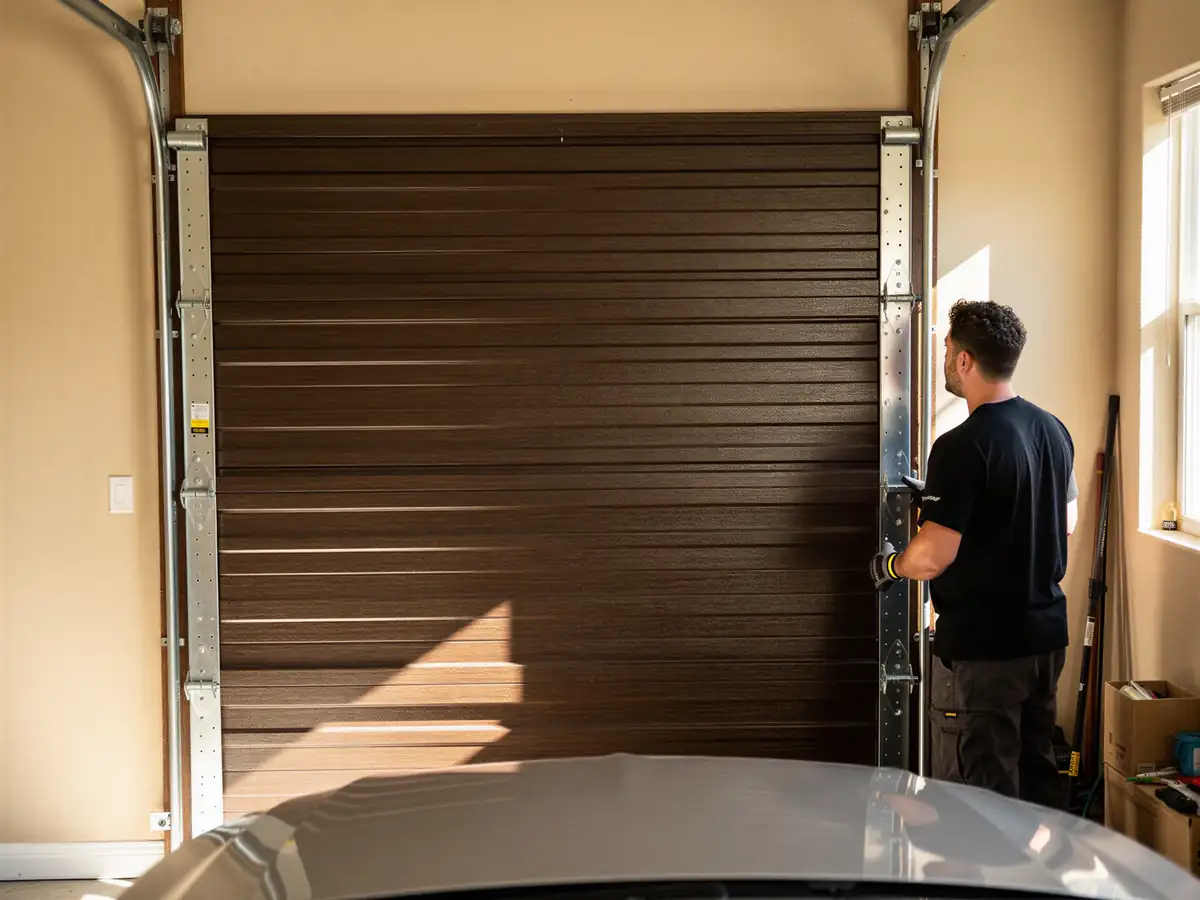
The complaint we hear most from this part of the service area is a door that's started making a grinding or popping noise partway through its travel, usually right around where the curve of the track meets the horizontal section. On a door that's been running since somewhere near 1972, that's often a roller that's worn down to the point where it's riding the edge of the track instead of the center groove. It's an easy fix if it's caught there. Left alone, the roller keeps chewing at the track edge until the track itself needs replacing instead of just the roller, which is a bigger job and a bigger bill. The honest limit here: if the noise is paired with the door visibly sagging on one side, that's very likely a spring issue, not a roller issue, and no amount of lubrication fixes that. That's a parts replacement, not a maintenance-visit fix, and we'll say so rather than patch it and have you call back in a month.