How Long It Takes
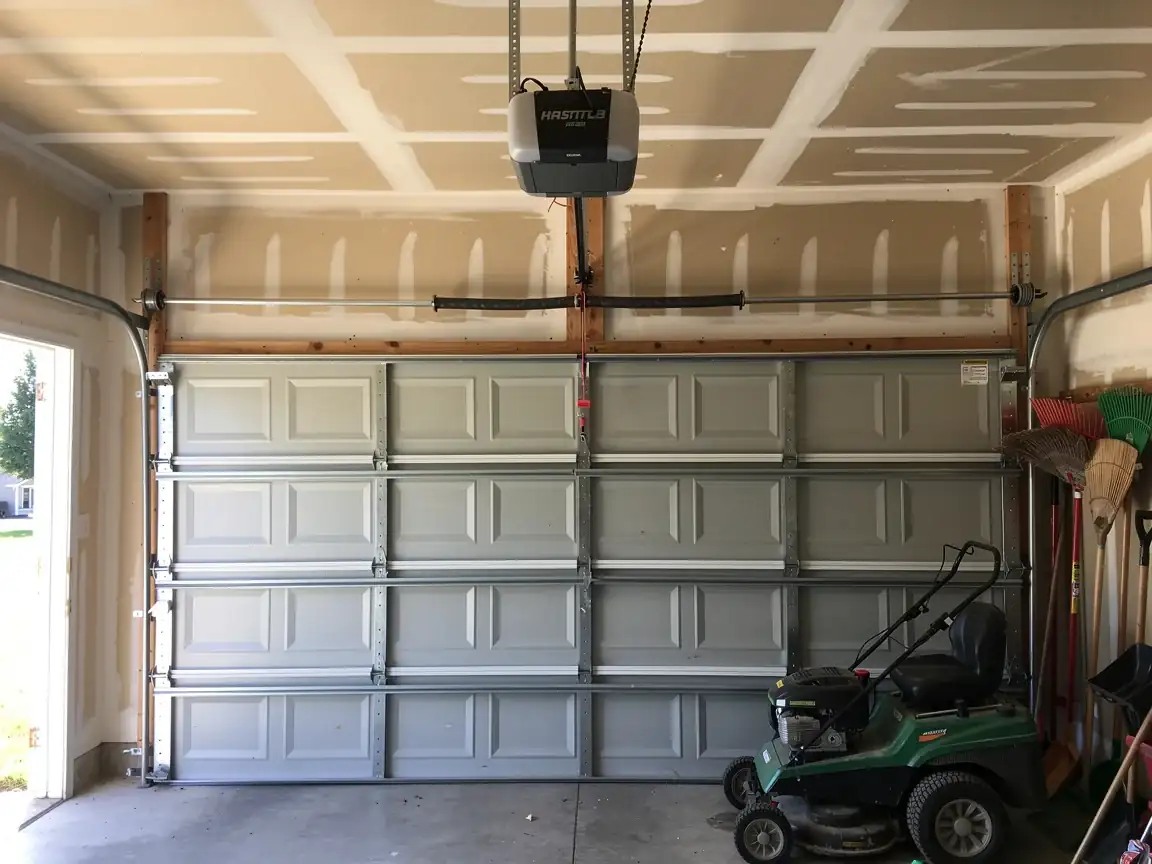
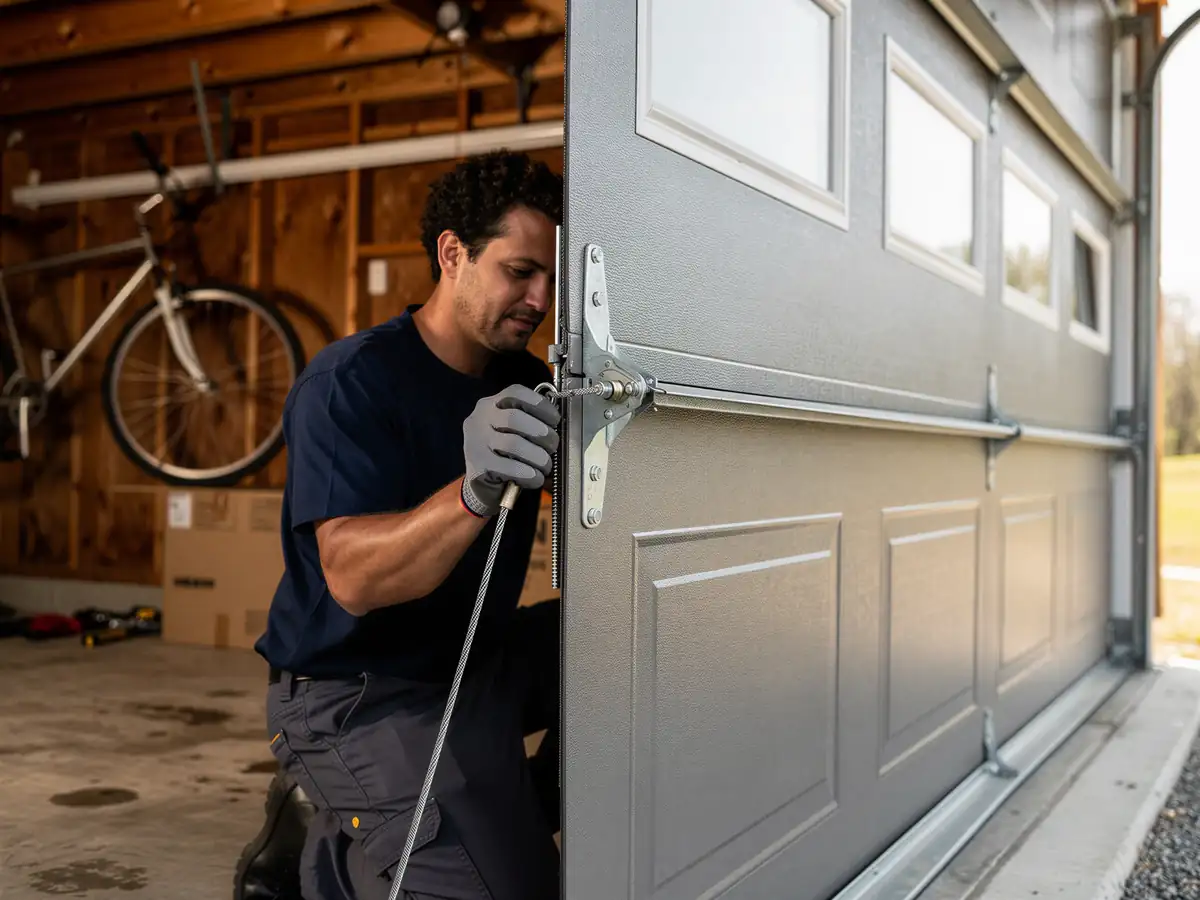
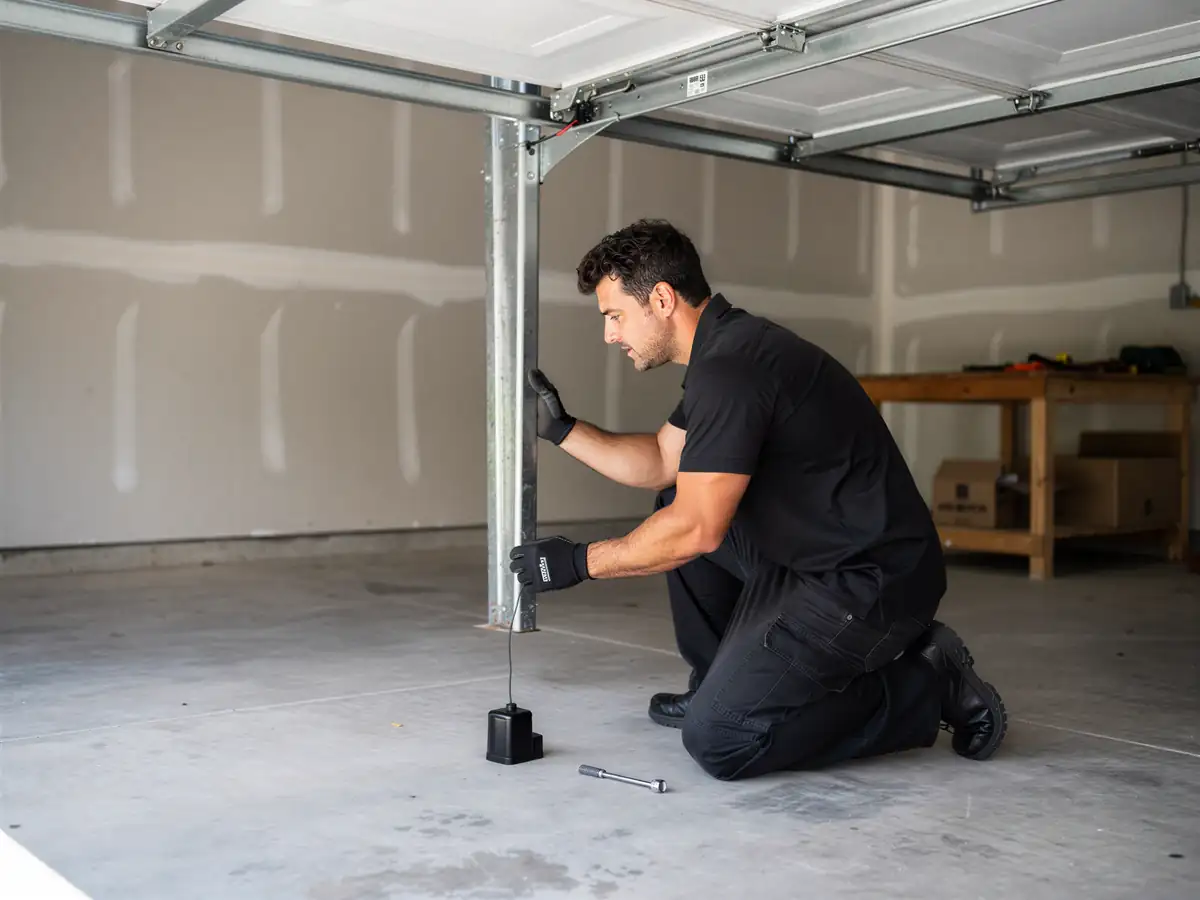
Most of the calls we get from Lafayette are the same fault: a door that's heavier to lift than it should be, or one that slams the last foot instead of settling. With a median build year around 1960, a lot of these houses still have their original spring setup, or a replacement that copied the original instead of upgrading it. That means extension springs mounted over the horizontal tracks more often than the torsion bar you'd expect on newer construction, and extension springs wear out differently - they stretch, the coils space unevenly, and one side goes before the other. You feel it as a door that pulls crooked. Once we're on site the diagnosis itself is quick - fifteen minutes to isolate spring, cable, or opener as the cause. Parts availability is the variable. A standard extension spring pair we carry on the truck; a legacy torsion drum sized for an older double door sometimes means a return trip. We'll tell you straight on site which one you're looking at, not after we've already started the job.
How We Fix It
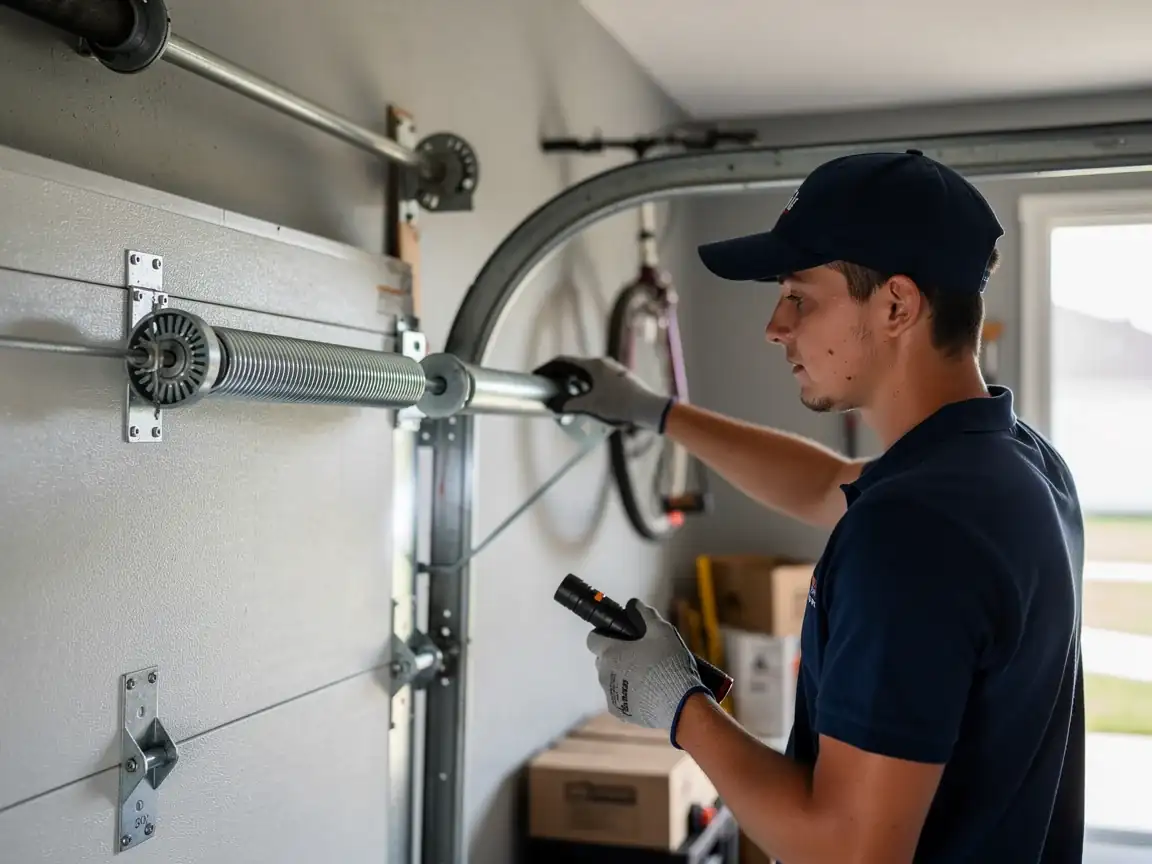
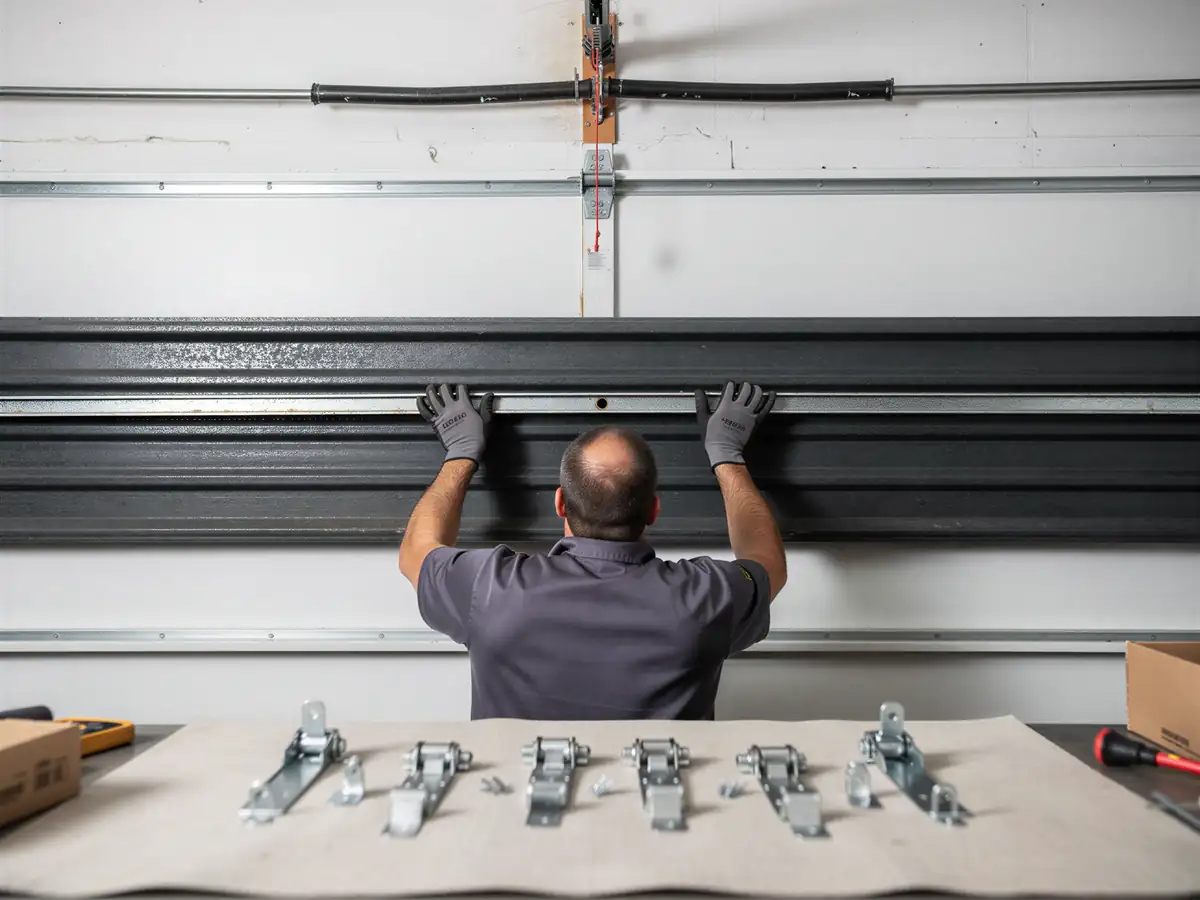
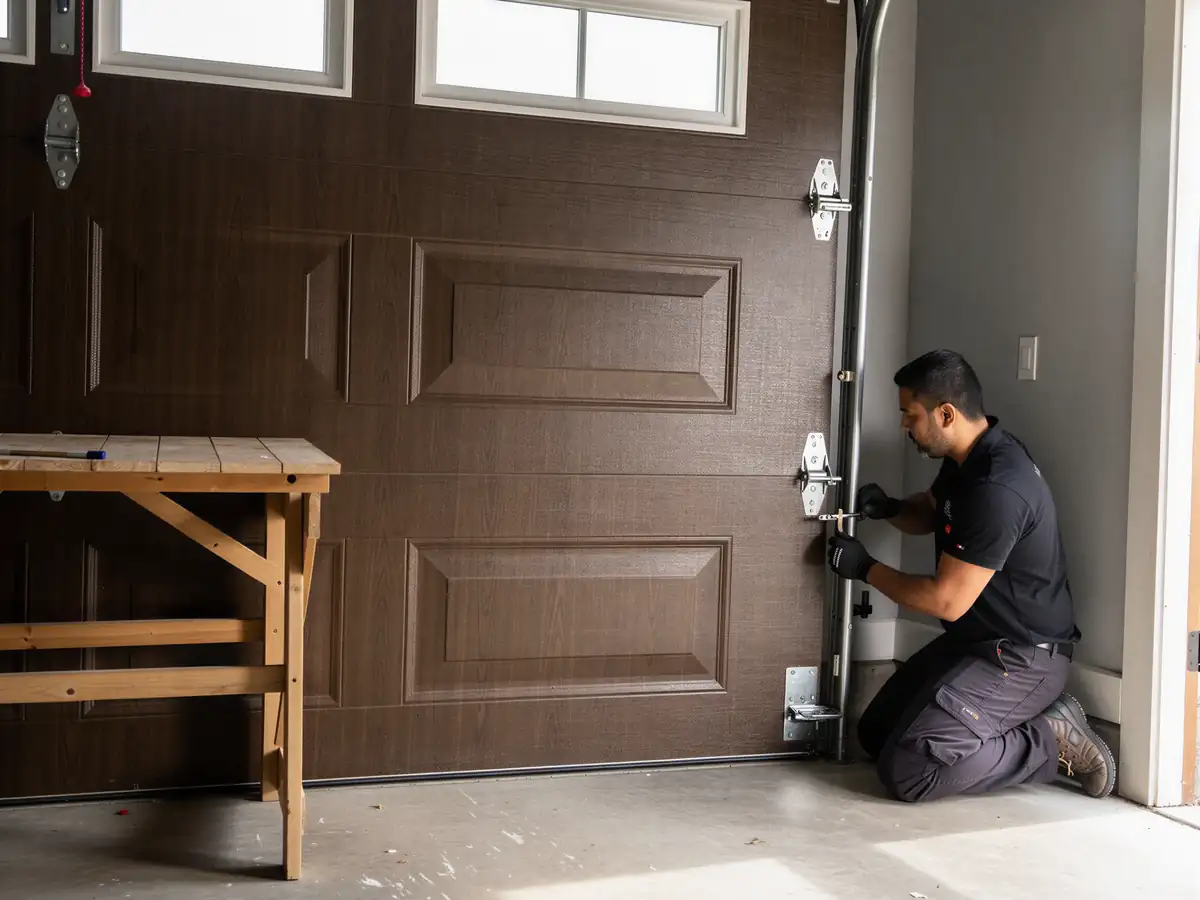
On a house built around 1960, the fix usually starts with full hardware inspection, not just the symptom you called about. If one extension spring broke, the other is close behind it - both are the same age, both have seen the same thousands of cycles - so we replace in pairs rather than patch one side. We check the pulleys and the galvanized cable for fraying at the drum, since that's a common secondary failure that gets ignored until it isn't. Lafayette's mild climate means we're not fighting the corrosion or seized hardware you'd see somewhere with real winters, so the metal itself is usually in decent shape underneath the wear - it's fatigue, not rust, doing the damage. Where it makes sense we'll swap old extension spring setups to a torsion system, which handles better and lasts longer, but that's a bigger job and we'll walk through cost before doing it, not after. If the door and track are original to a 1960s build and a motor's the only new part, sometimes replacing the whole door is the more honest answer than patching around sixty-year-old track geometry.
What Causes It Around Here
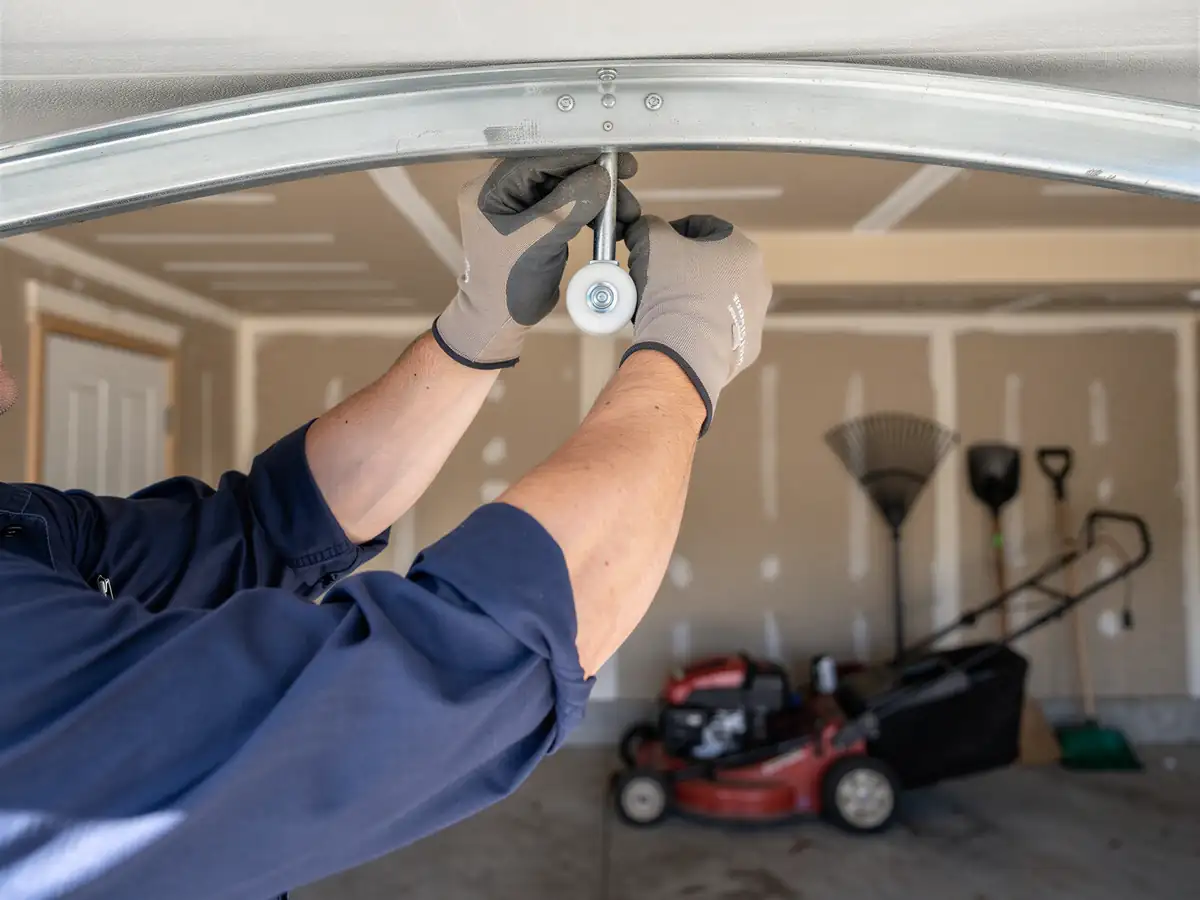
The pattern we see in Lafayette traces straight back to the build year. A door and opener installed, or last fully replaced, when the house went up around 1960 is now carrying decades of cycles on springs that were never meant to last that long, especially the extension-spring style common on houses from that era before torsion bars became standard. Add an opener from a later retrofit that doesn't match the spring tension properly, and you get a door that strains the opener's gears trying to lift weight the springs should be carrying. We also see worn nylon rollers on original tracks - they were fine for decades of light use but start binding once the track itself has shifted slightly with the house settling. None of this is dramatic weather damage; Lafayette's climate doesn't put extreme stress on the materials. It's age and cycle count, plain and simple, on hardware that's been running since the Johnson administration in some cases.