How Long It Takes
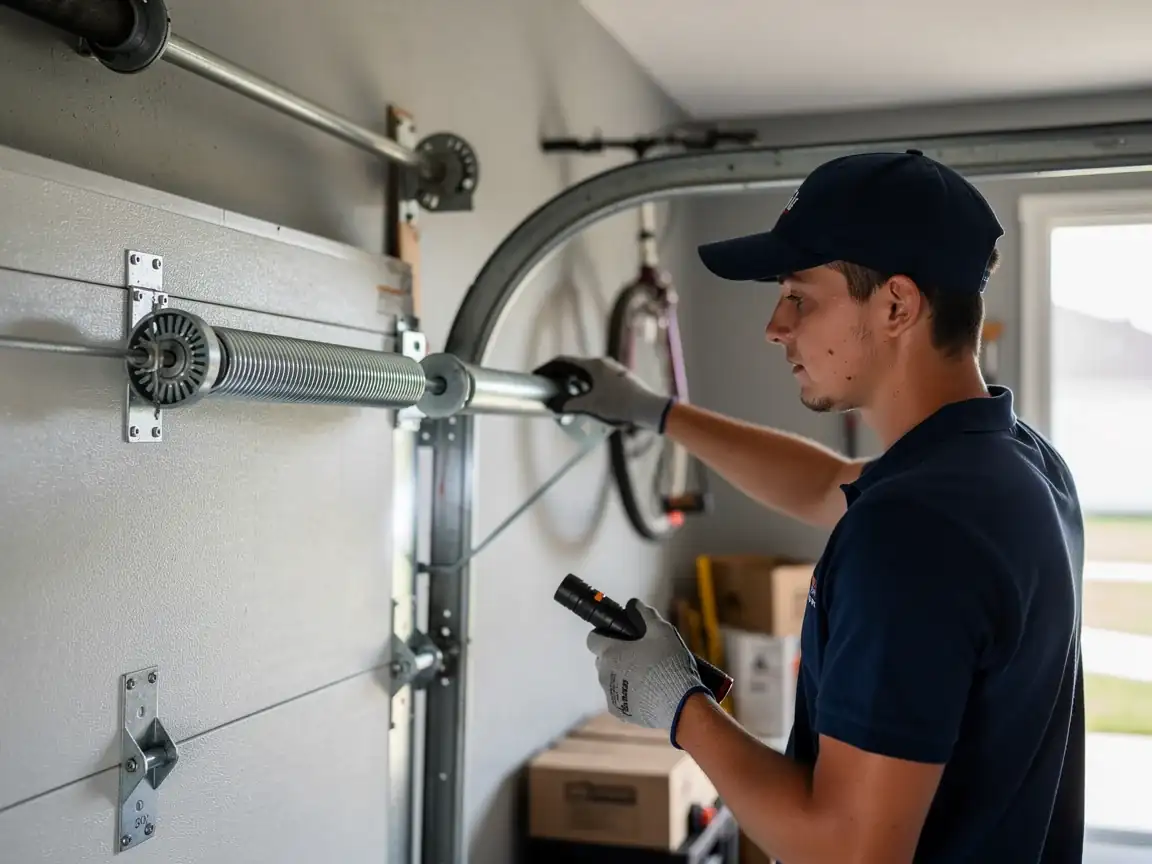
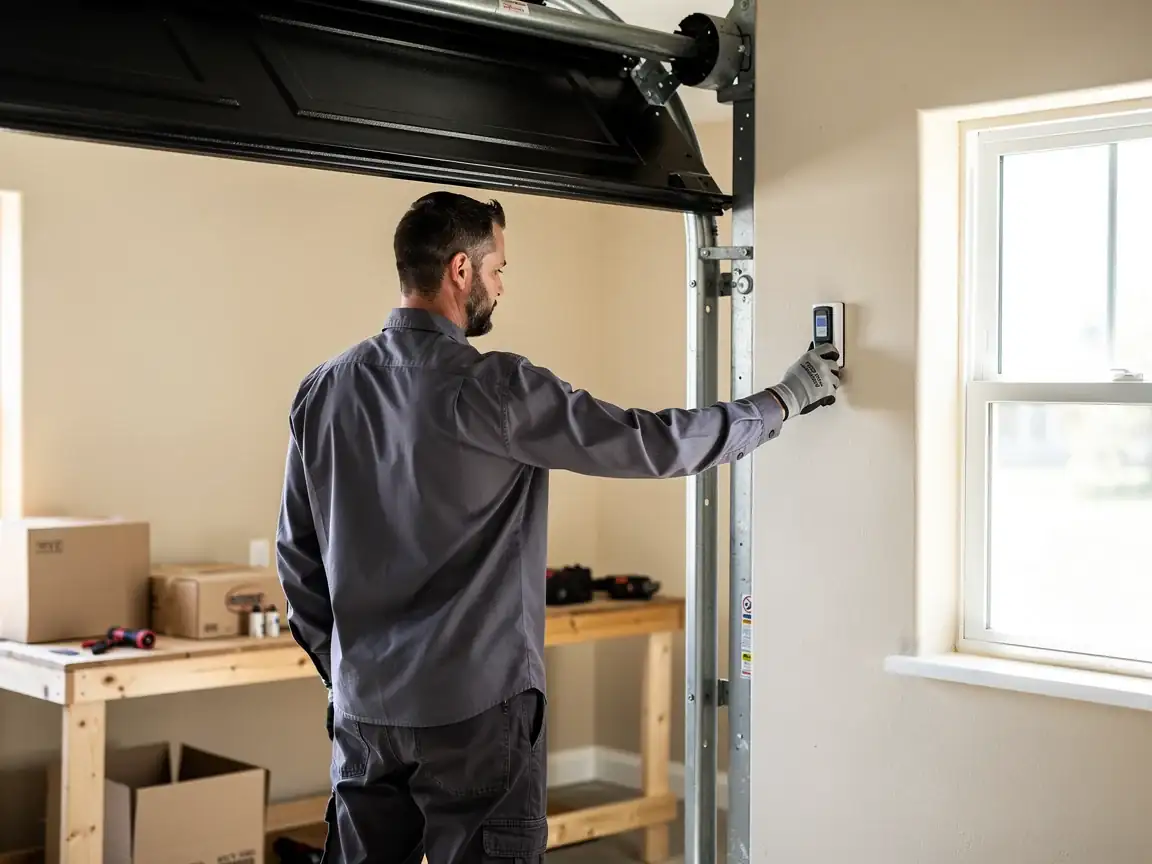
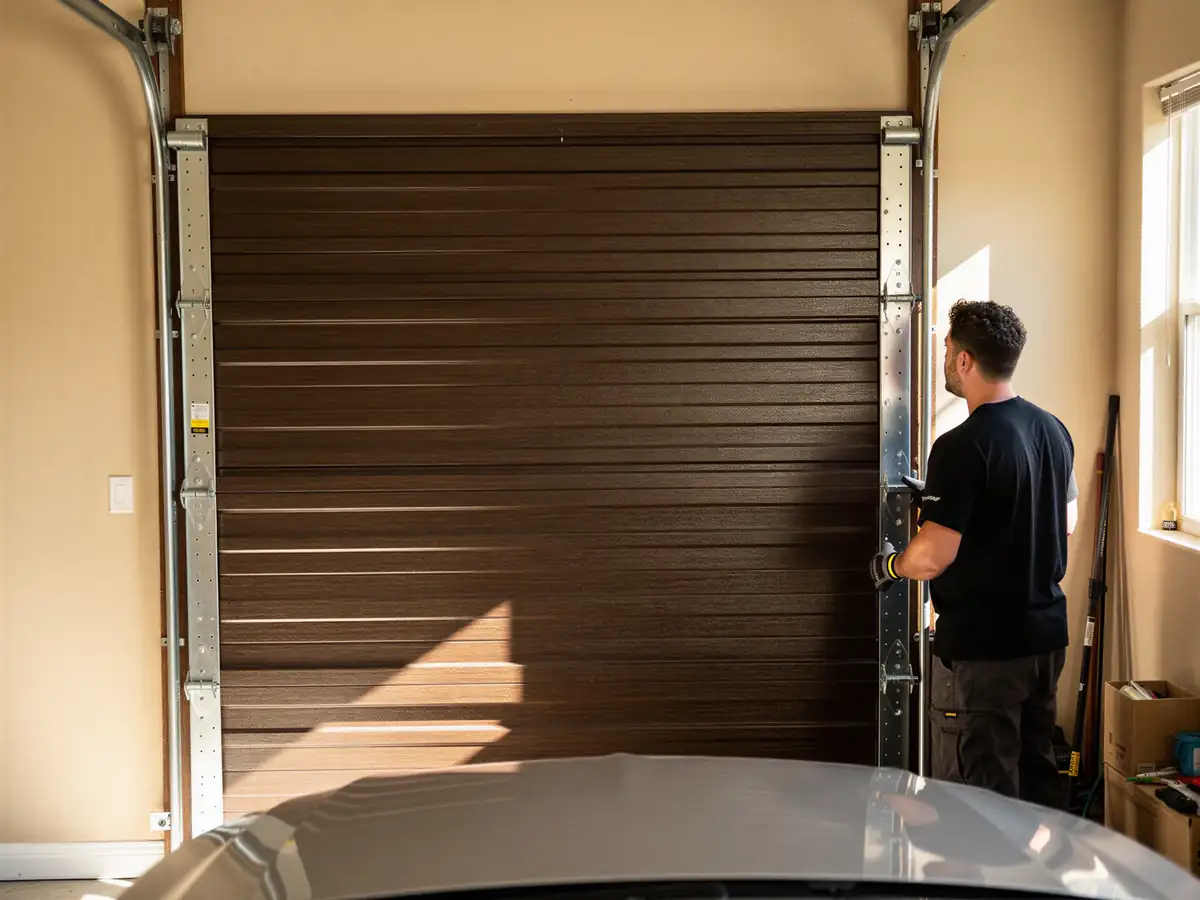
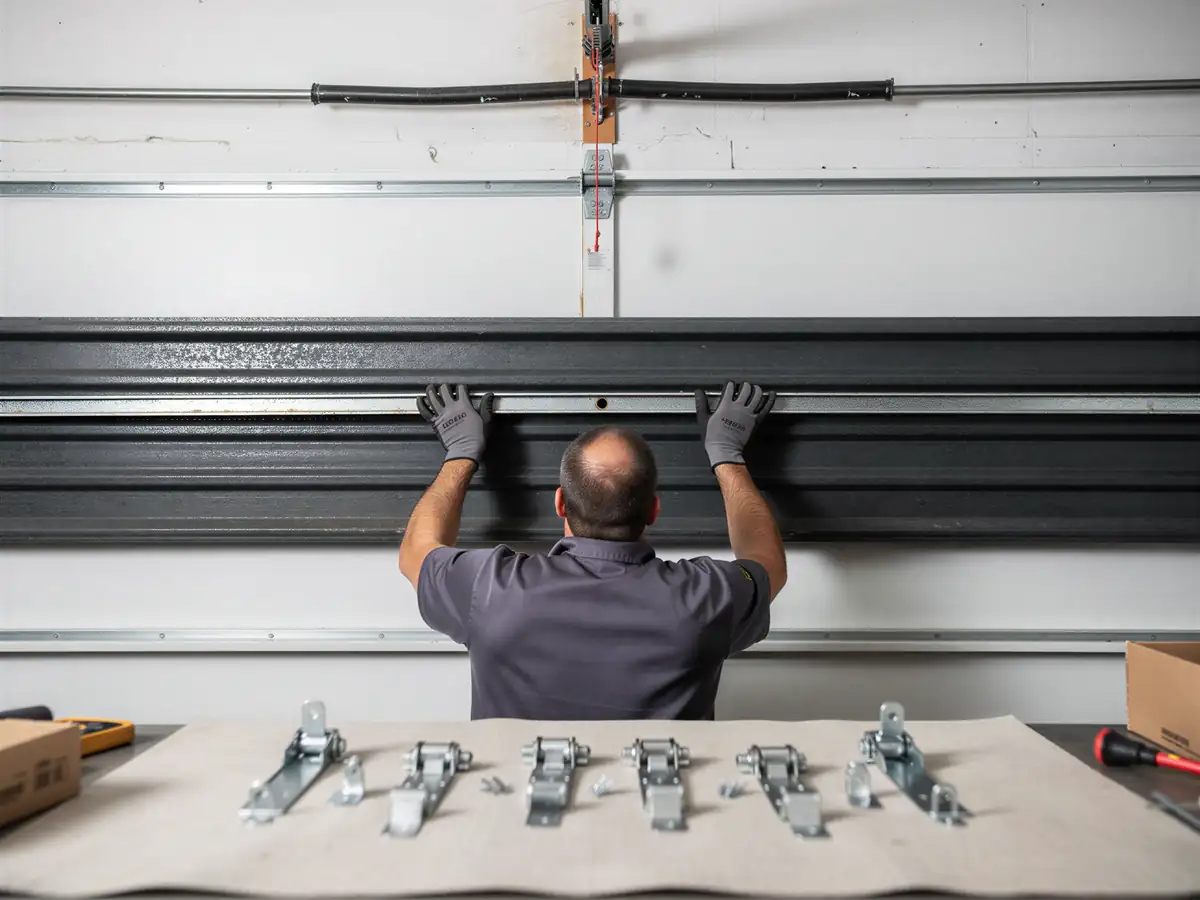
Lafayette's median home dates to around 1960, a good decade before the broader service area's 1972 median, and that gap matters more than it sounds. A house built then has had roughly sixty years to need exactly one spring replacement, maybe two, and a lot of owners are still on the original track and drum setup because nobody's had a reason to touch it. When something finally lets go, it's usually not a quick tune-up - it's a full torsion assembly that's never been serviced, with rollers worn oval and a drum that doesn't match anything on the shelf. We come out from Walnut Creek, about 4 miles away, so there's no local branch adding a buffer - just the drive. A straightforward spring swap on a door that's otherwise sound is usually a same-visit job. A door where the track has been reshaped by decades of a bent roller, or where the opener predates modern safety reversal, takes longer because we're sourcing parts that match 1960s hardware spacing rather than grabbing something off a generic shelf.
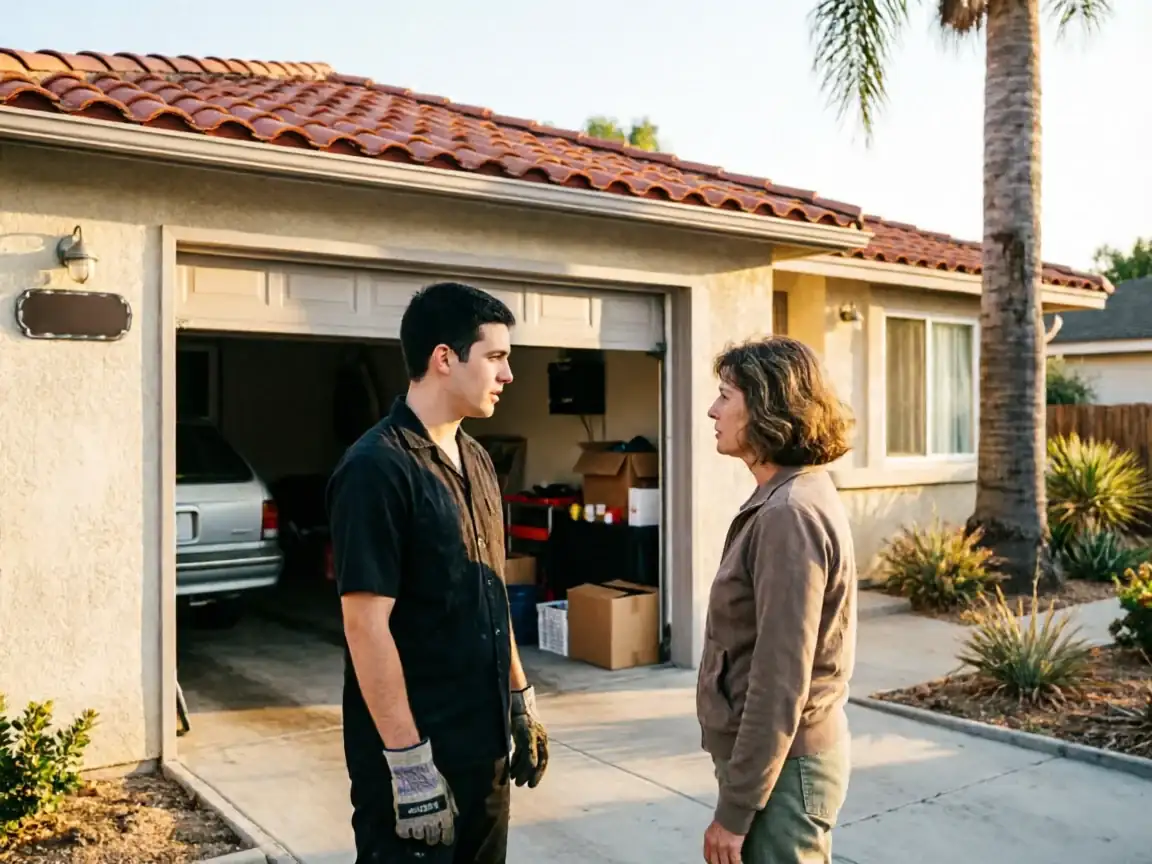
We'll tell you on the phone, before we drive out, whether what you're describing sounds like an hour of work or something that needs a second trip for parts.
How to Book
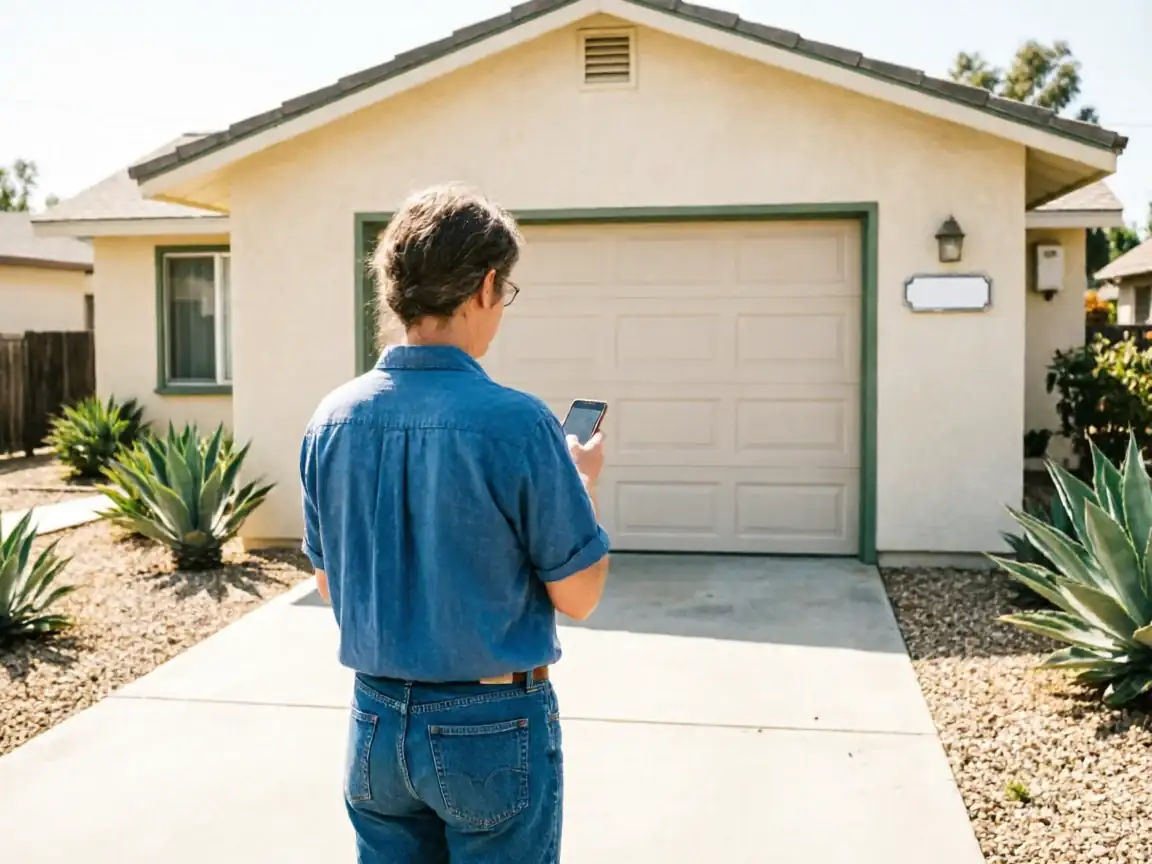
Call and describe what the door is doing
Whether it's stuck, off-track, making a bang when it opens, or just groaning on the way up. That tells us whether we're bringing spring stock sized for an older torsion bar or a cable kit for a worn-out extension system, both common in houses from Lafayette's build era. We'll ask the rough age of the house if you know it, since 1960s doors and 1990s-replacement doors need different parts even on the same street.
We book the visit and drive out from Walnut Creek
There's no local dispatch point in Lafayette itself, so what you get is a scheduled appointment, not a walk-in counter. If you want a second opinion on whether a repair is worth it versus replacing the whole door, say so when you call - on a door this old, that's often the real question.
How We Fix It
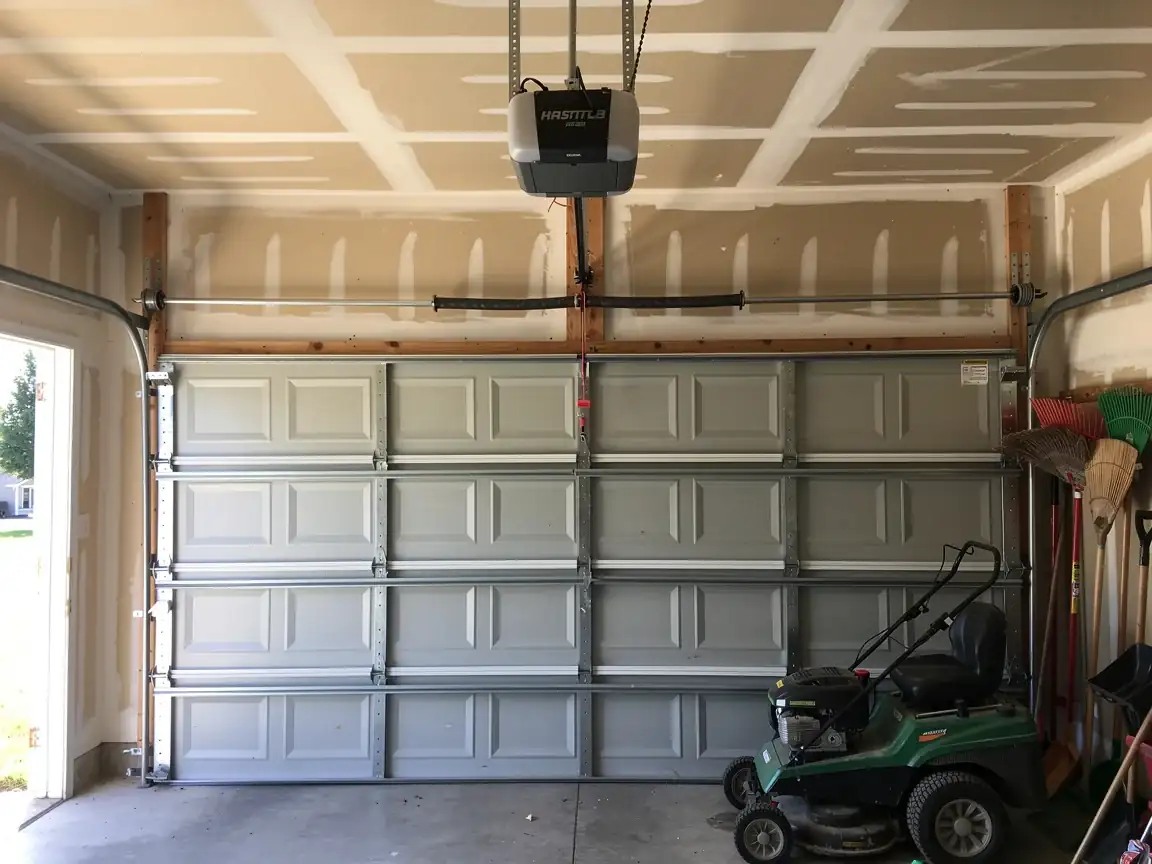
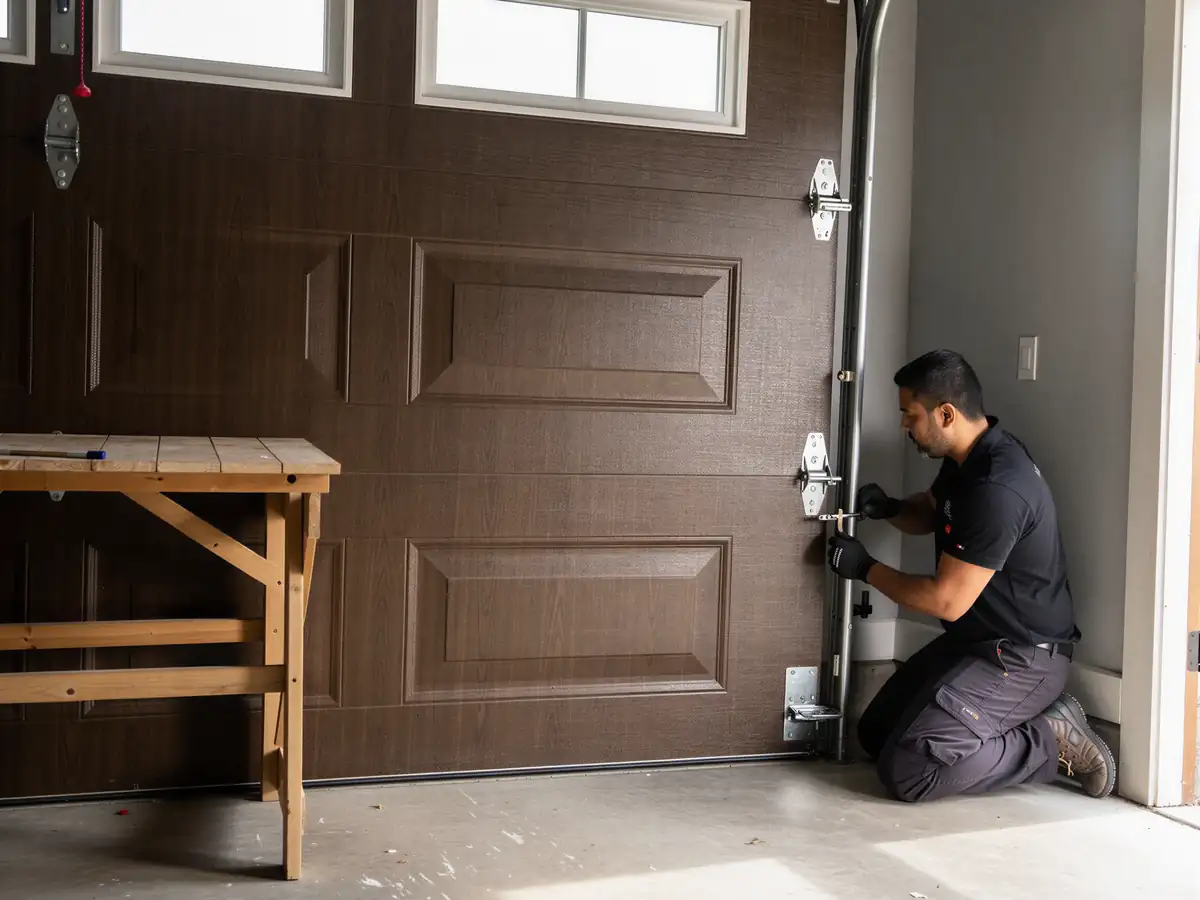
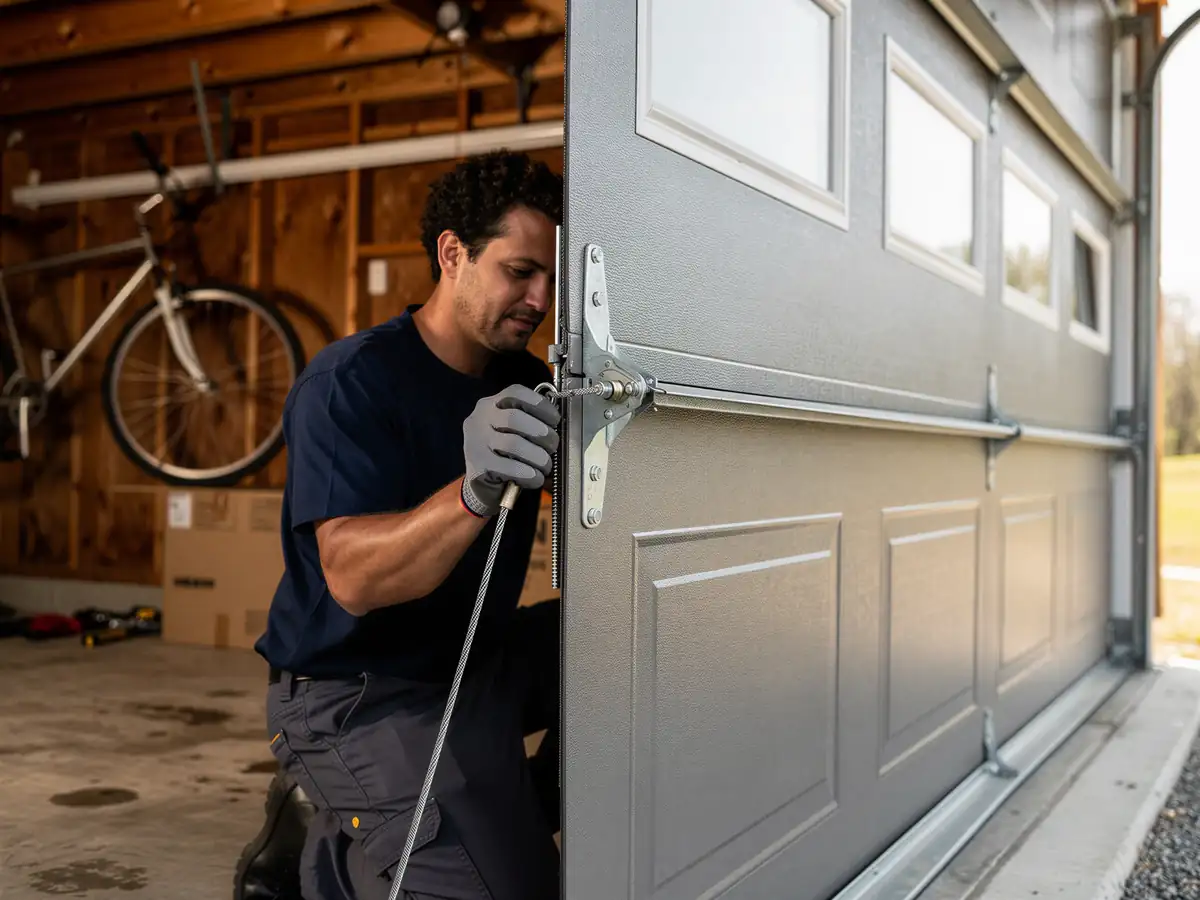
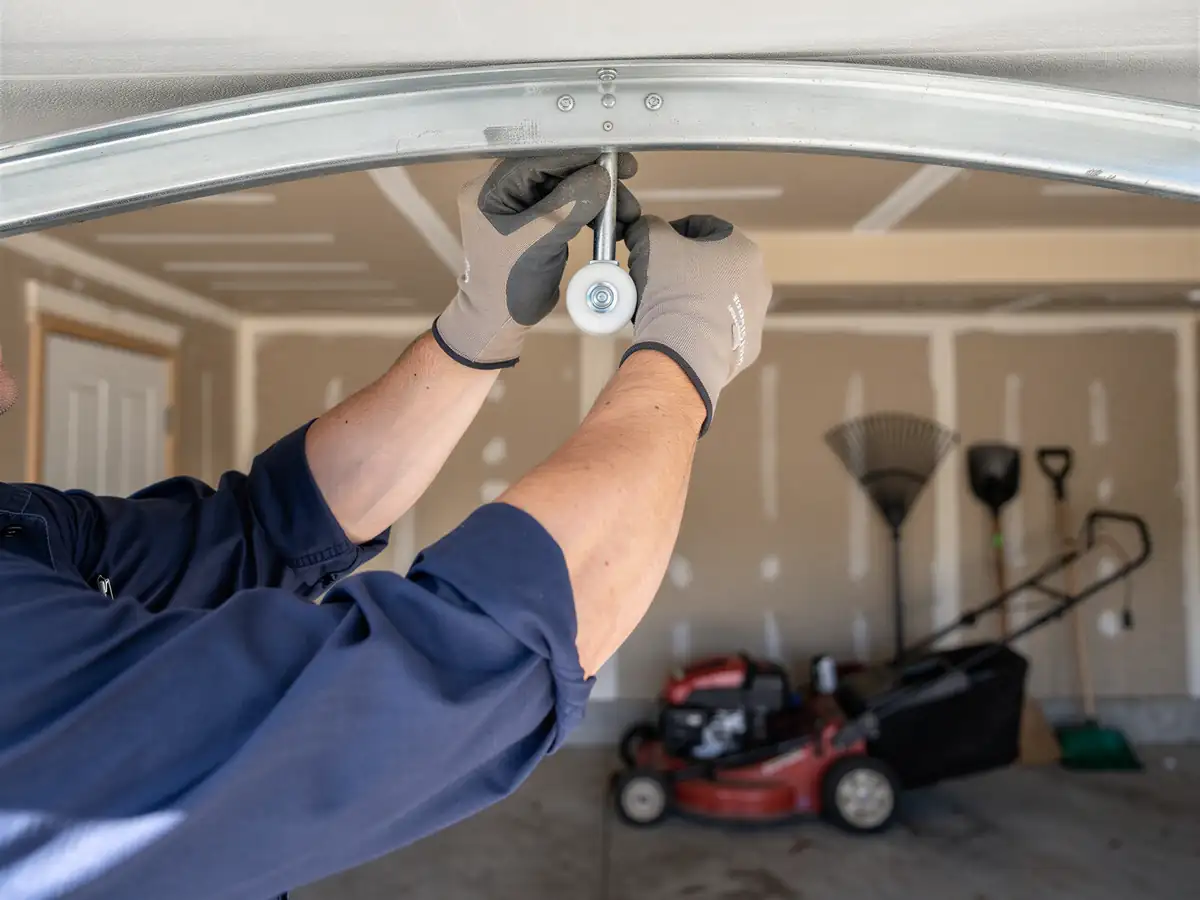
On a door this age, the first thing we check isn't the obvious broken part - it's everything around it that's been quietly degrading for sixty years. Original torsion springs get replaced in pairs even if only one breaks, because the other one is the same age and close behind. Rollers from the original build are almost always steel, not nylon, which means more noise and more wear on the track over the decades; we'll tell you straight if swapping to nylon rollers would solve a noise complaint cheaper than chasing the opener.
Where we draw a line: if the door itself is original wood or an early steel panel that's warped or rusted through, we're not going to fight to keep it. At that point a repair is throwing money at a door that's done, and we'll say so rather than patch it. The area's mild temperate climate has been kind to the hardware compared to places with real freeze-thaw cycles - it's age and cycle count that's worn these doors, not weather damage - which is also why so much of the original gear is still in place to wear out now.
What Causes It Around Here
Lafayette sits about 4 miles from Walnut Creek, close enough that it shares the broader area's housing pattern of mostly 1960s-70s construction, but its own median build year of 1960 puts it toward the earlier end of that range. Combined with a median household income of $222,393 locally, a lot of these homes have been updated room by room over the years - kitchen, bath, maybe a roof - while the garage door got skipped because it still opens. That's the pattern we see: original hardware left alone until it fails outright, rather than replaced on a schedule.
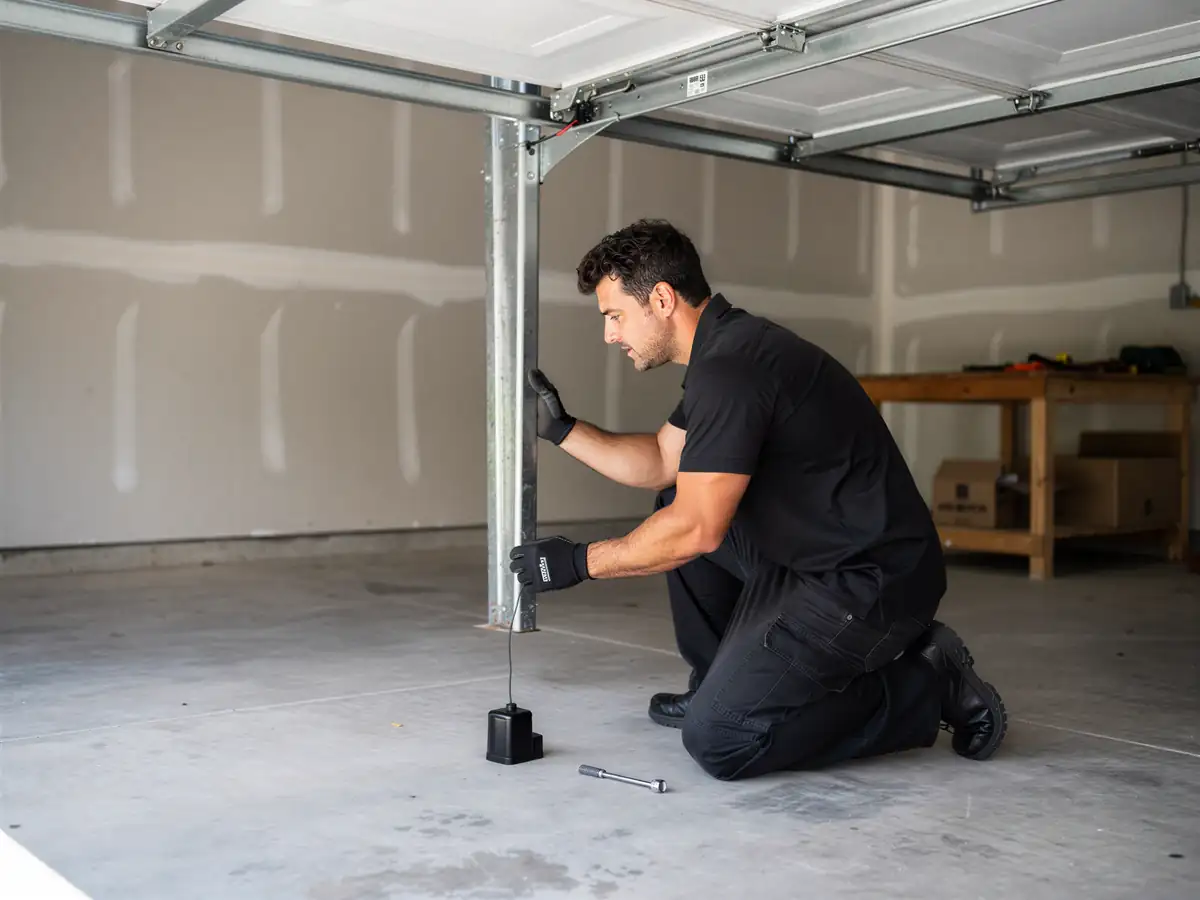
The most common call is a torsion spring that's simply reached the end of its cycle count, original to a door from the 1960 era. Close behind is an opener that's been swapped once already in the 1990s or 2000s but never again, now struggling with a chain drive that's stretched and loud. Mild temperate weather means we're not dealing with ice-cracked panels or swollen wood from humidity swings - the failures here are mechanical fatigue, not climate damage, which is a simpler problem to diagnose and usually a cheaper one to fix.