How Long It Takes
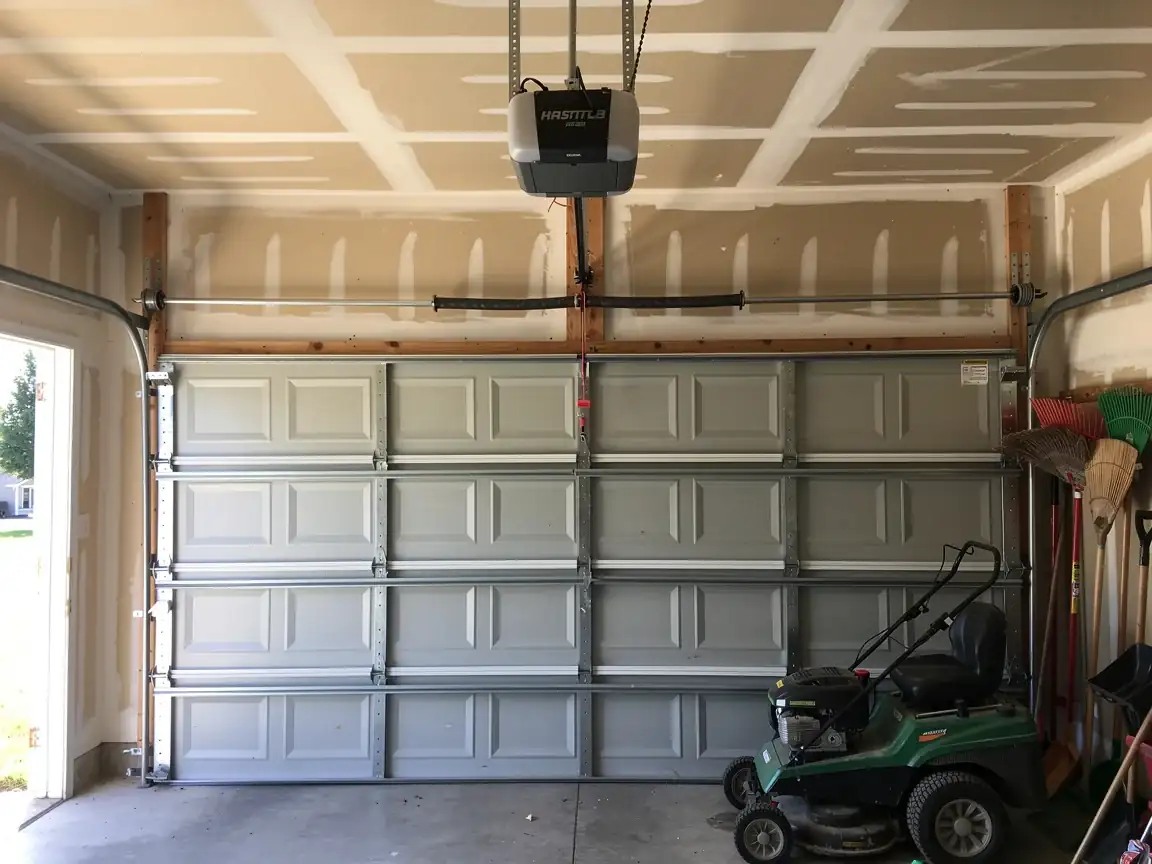
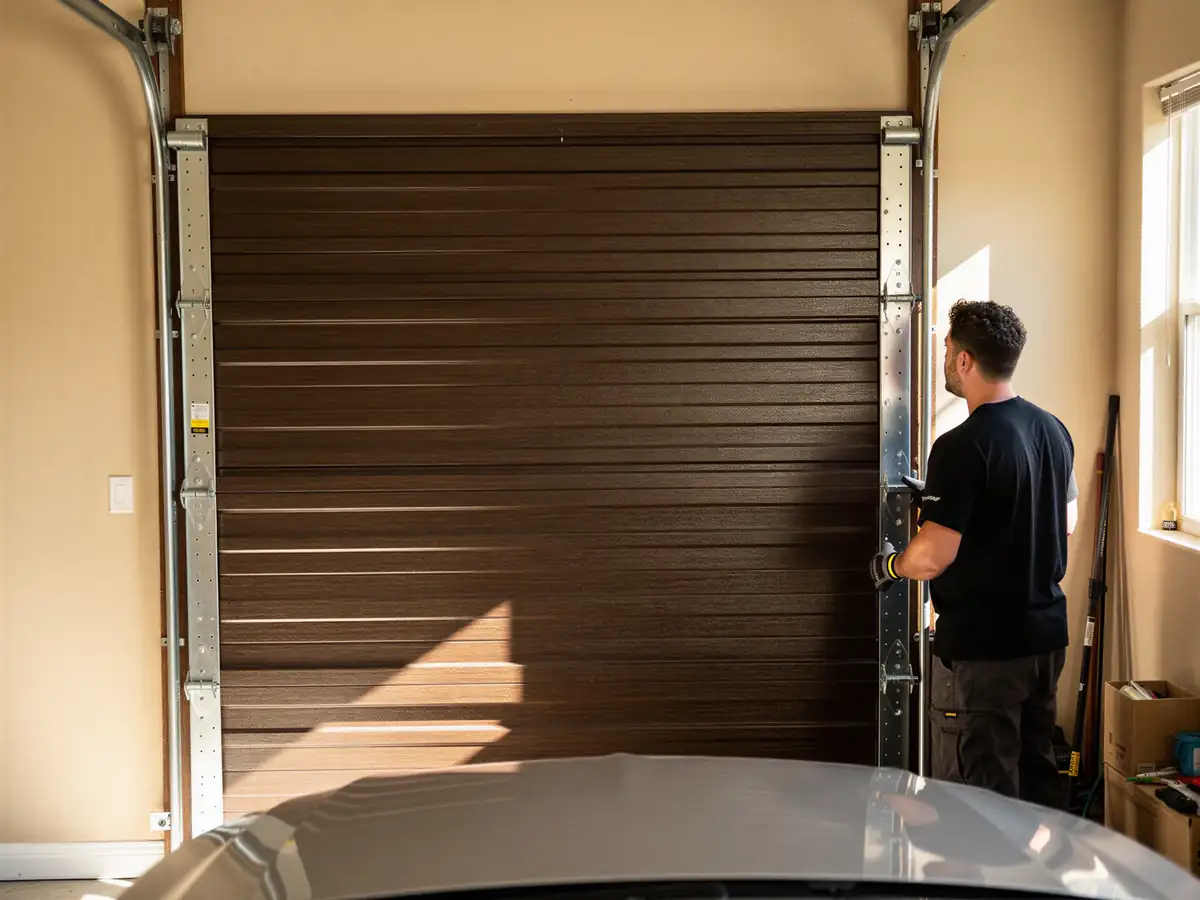
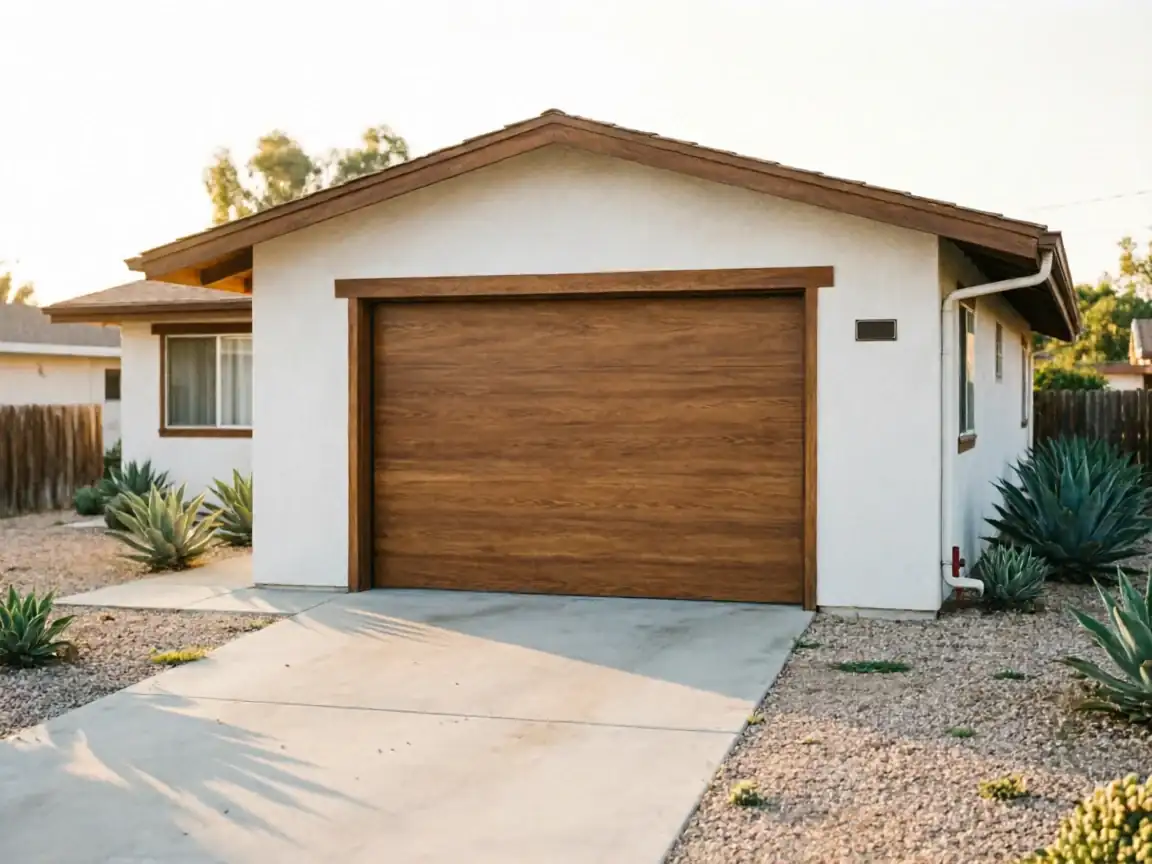
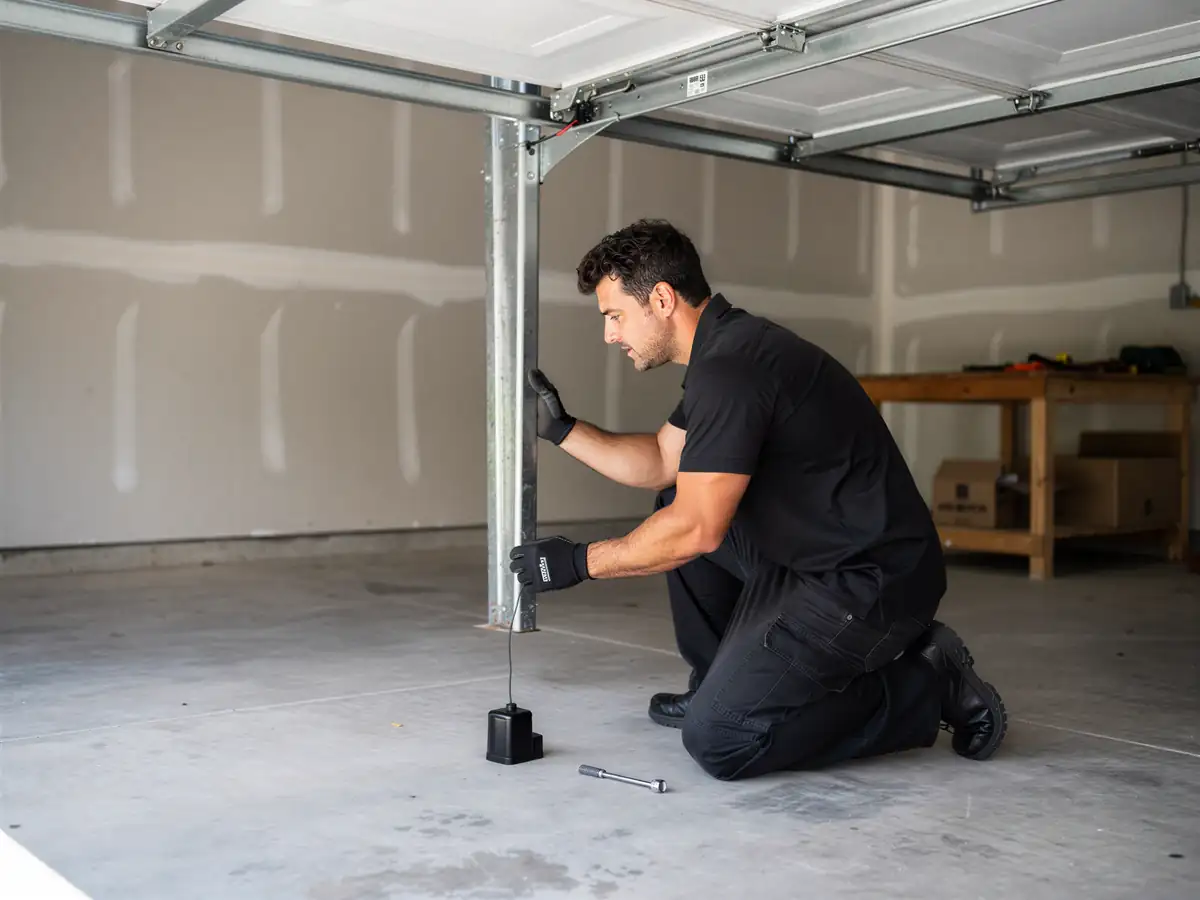
Lafayette sits about 4 miles from our Walnut Creek shop, and the age of the stock here changes what a roller job actually involves. Across the wider service area the median home dates to 1972, but Lafayette's own median build year is 1960 - a solid decade older. That matters because a door built on a 1960s track rarely has the clearance or the mounting pattern that a 1972-era door does. Nylon rollers with sealed bearings are the standard swap on newer doors, but on these older tracks we're often matching roller stem length and wheel diameter to hardware the original builder never expected to need replacing. The actual roller swap on a double door, once we're on site, takes under an hour in most cases. What takes longer here is confirming track alignment first - on an older frame, a worn roller is frequently a symptom of a track that's bowed or shifted slightly over sixty-plus years, not just a part that wore out on schedule. We check both before we quote the job, because replacing rollers on a track that's out of plumb just buys you another service call in a year.
How We Fix It
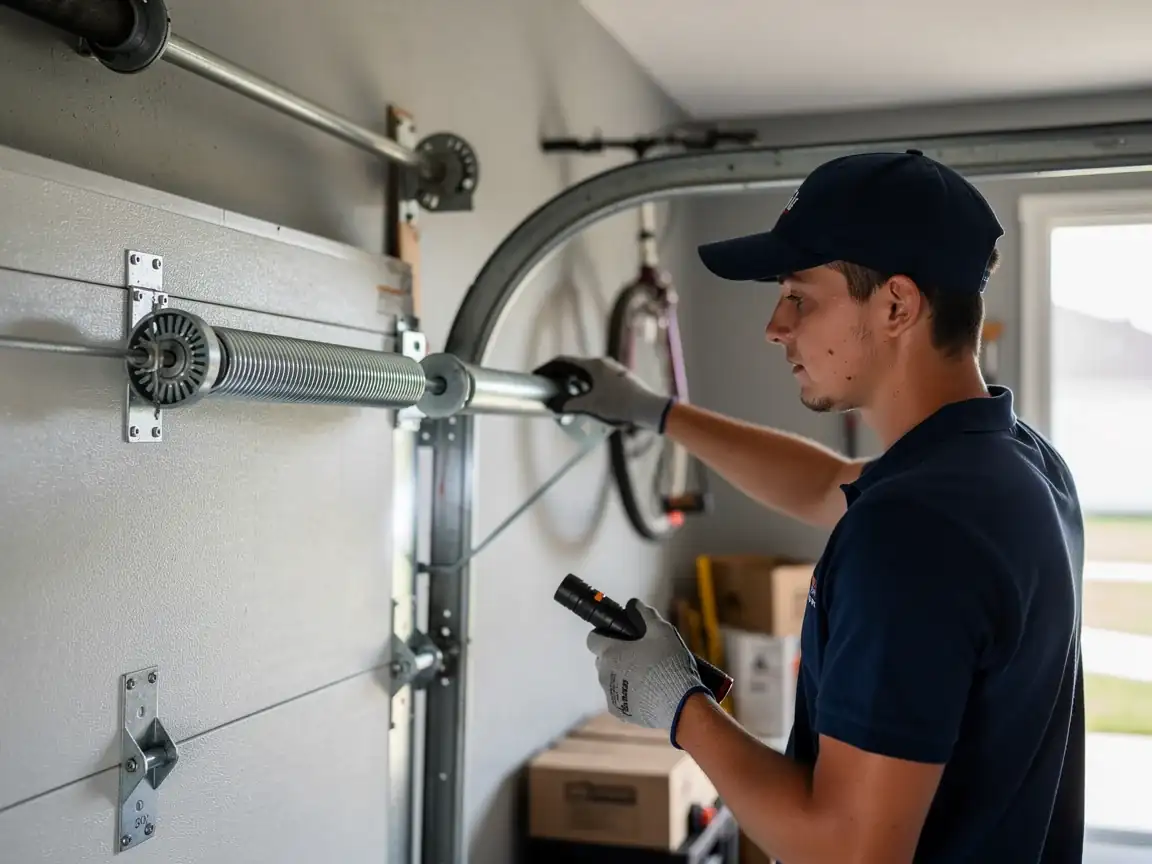
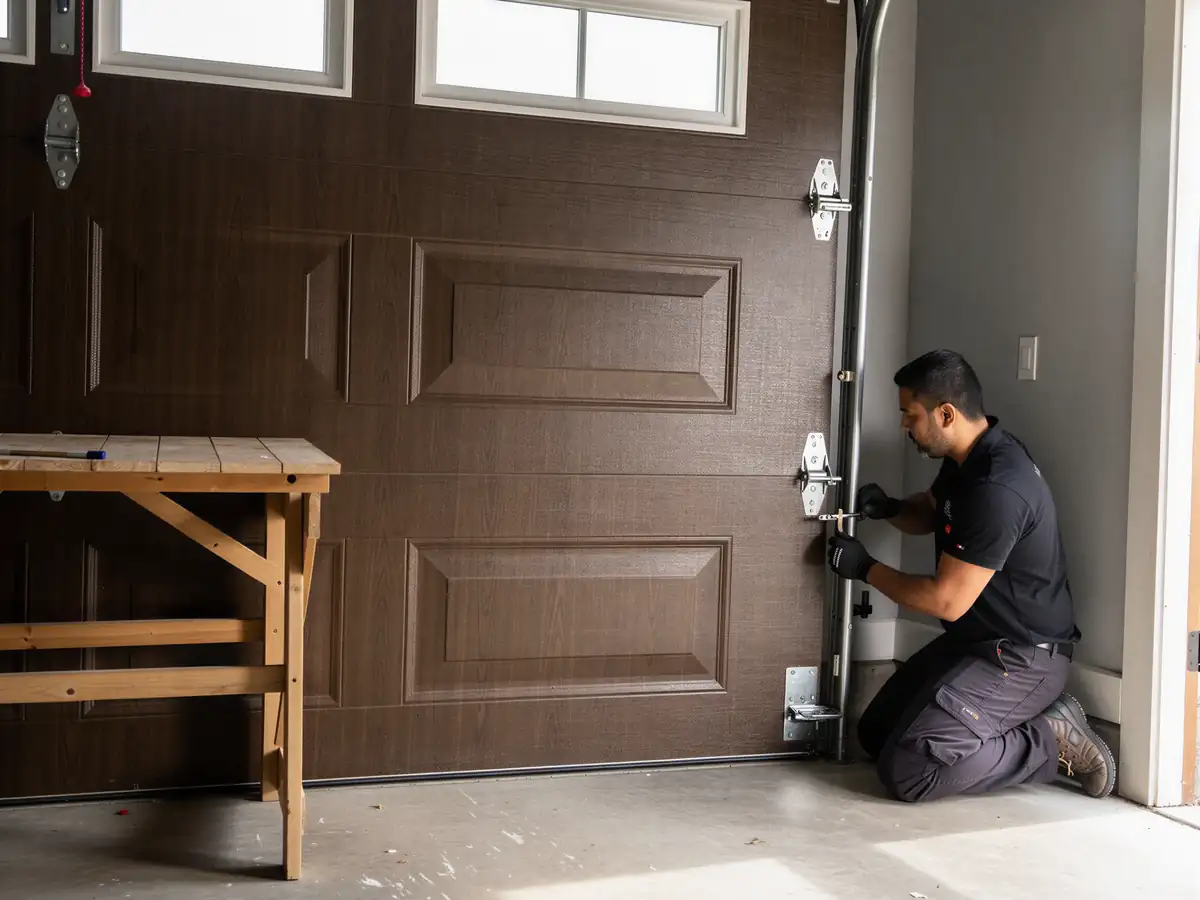
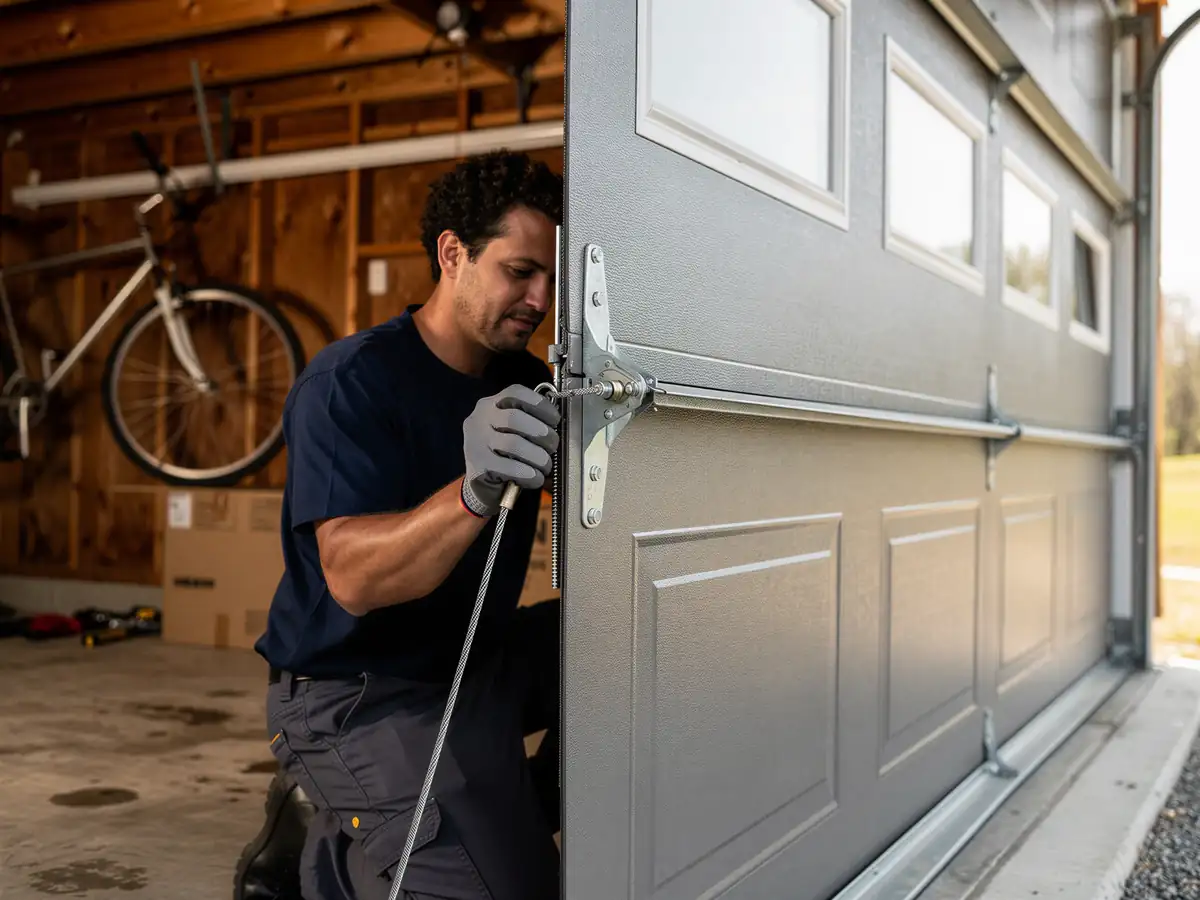
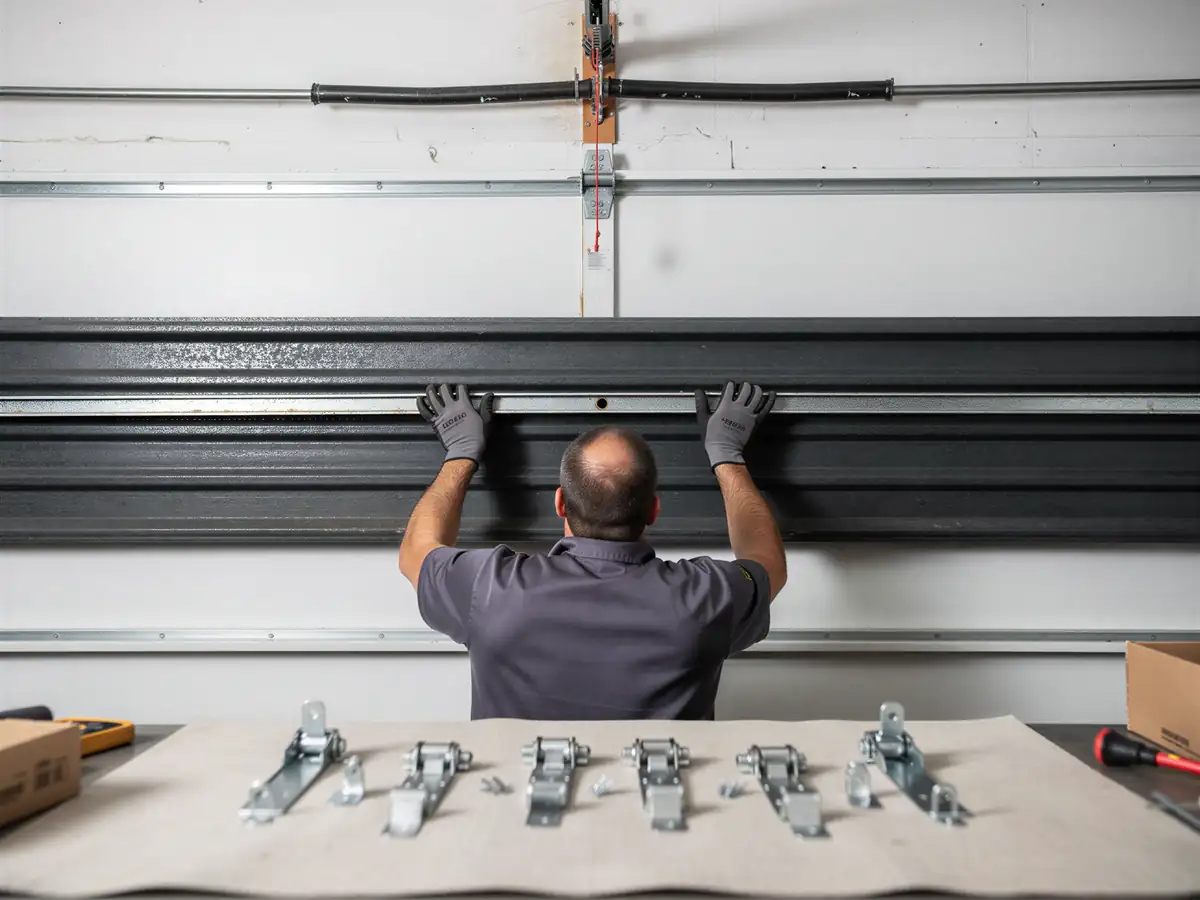
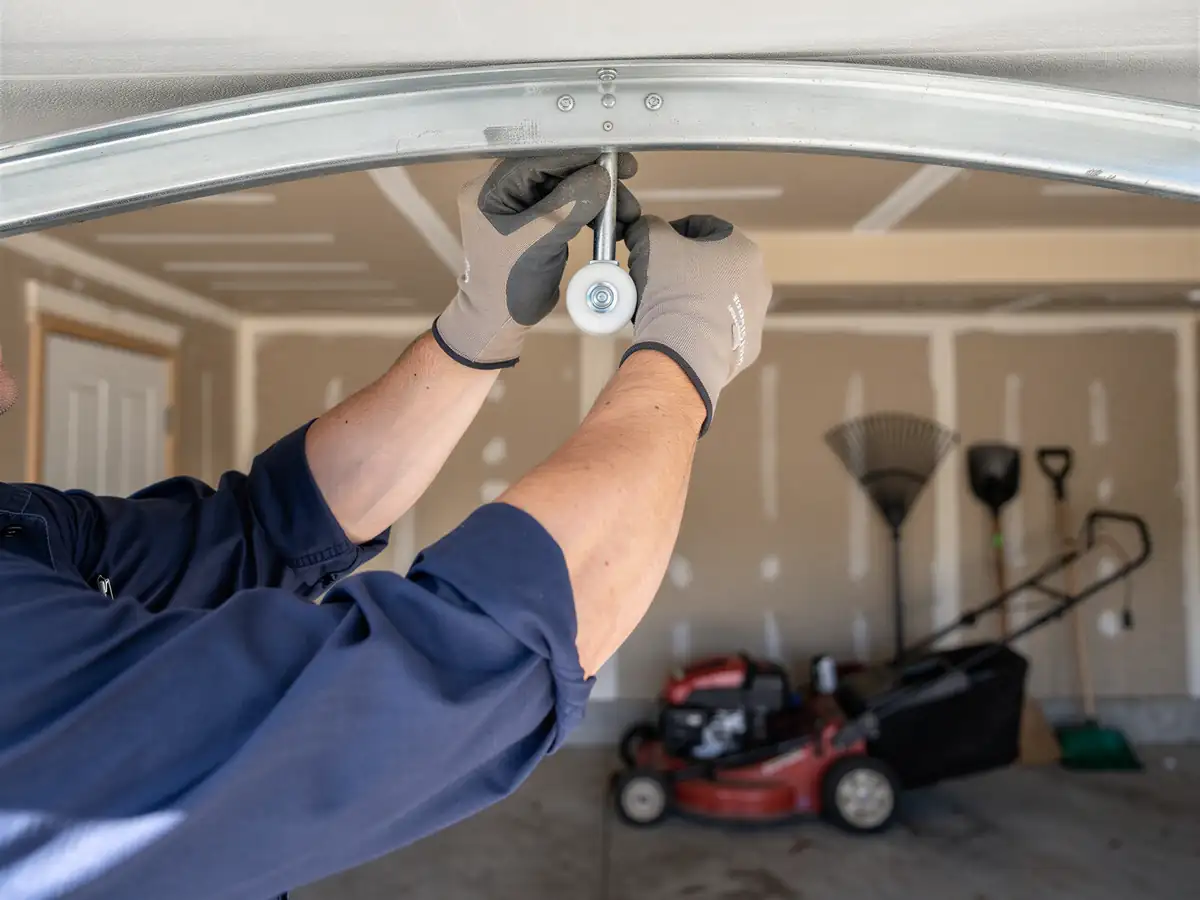
Once we've confirmed the track is straight, the roller swap is mechanical and repetitive: release tension, pull the old roller and bracket, check the stem hole for wear, seat the new roller, reset the bracket, and run the door through a full cycle to listen for anything still catching. On a 1960-era door we pay closer attention to the bracket fasteners themselves - originals are often painted-over or slightly corroded from decades of sitting, and a stripped bracket screw is a five-minute fix if we catch it, a return trip if we don't. We use steel-stem nylon rollers as the default replacement on these jobs because they handle a heavier, older panel better than plastic and run quieter than the steel wheels some of these doors shipped with originally. If a full roller set reveals the track itself needs straightening or the door is near the end of its working life, we'll say so rather than sell you rollers on a door that's six months from needing full replacement anyway.
What Causes It Around Here
Lafayette's mild temperate climate means we're not dealing with the freeze-thaw cycling that cracks seals or the extreme heat that warms plastic rollers into deformity - the kind of wear that shows up here is almost entirely age and cycle count. With a 1960 median build year, a lot of doors in town are on their second or third roller set already, and the brackets have outlived at least one previous repair. Household income in the broader service area runs a median of $132,067, and Lafayette itself skews well above that - which in practice means more owners here are willing to fix a noisy door before it fails outright rather than wait for a spring to go with it. That's good for us and good for the door: a roller caught early rarely takes the track or the opener with it. Left alone, a worn roller eventually chews a groove into the track itself, and at that point you're paying for a track section instead of a $15 part.