How Long It Takes
Lafayette is a small town by the numbers that matter to us: 9,225 households, not the sprawling tract-home grid you get in some of the newer parts of the valley. That size works in your favor on a maintenance visit. A town this compact means fewer doors per street, but it also means the doors that are there are older than what we see on average across the territory we run out of Walnut Creek, where the median build year lands around 1972. Lafayette's median build year is 1960, a full twelve years earlier.
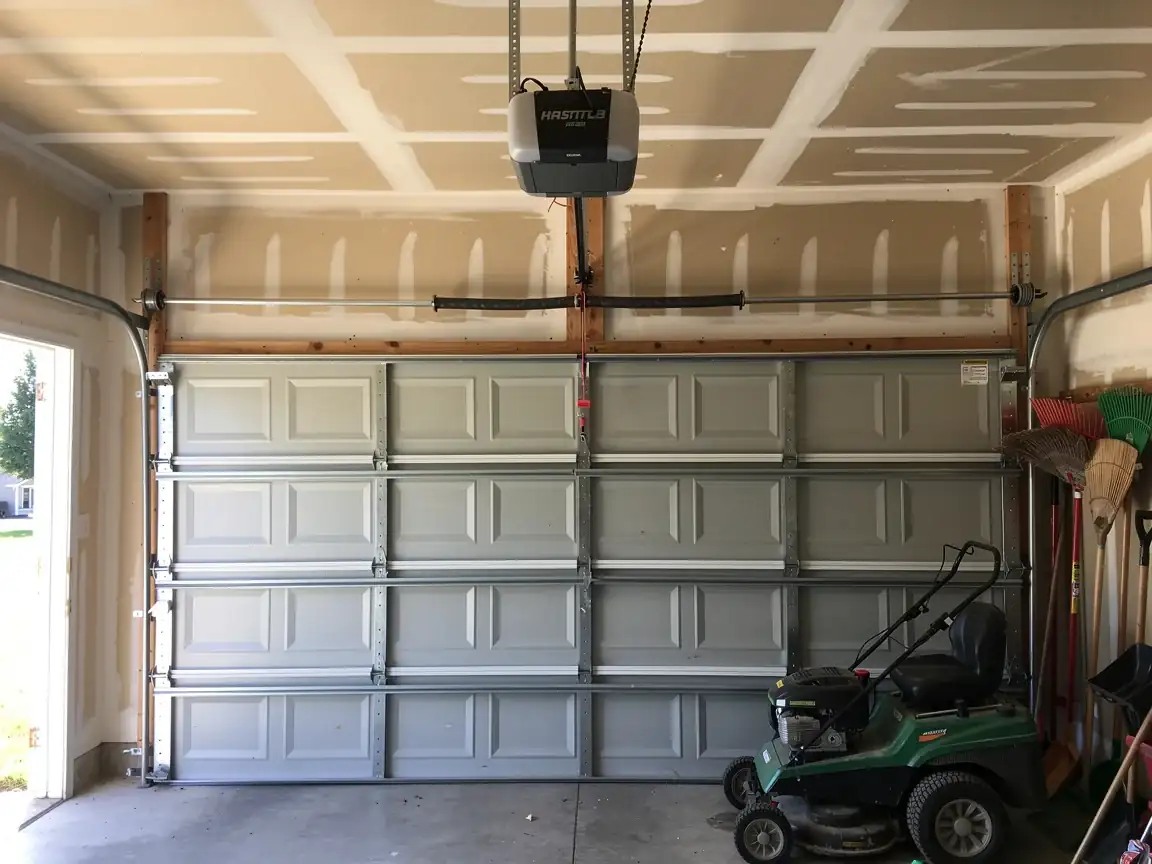
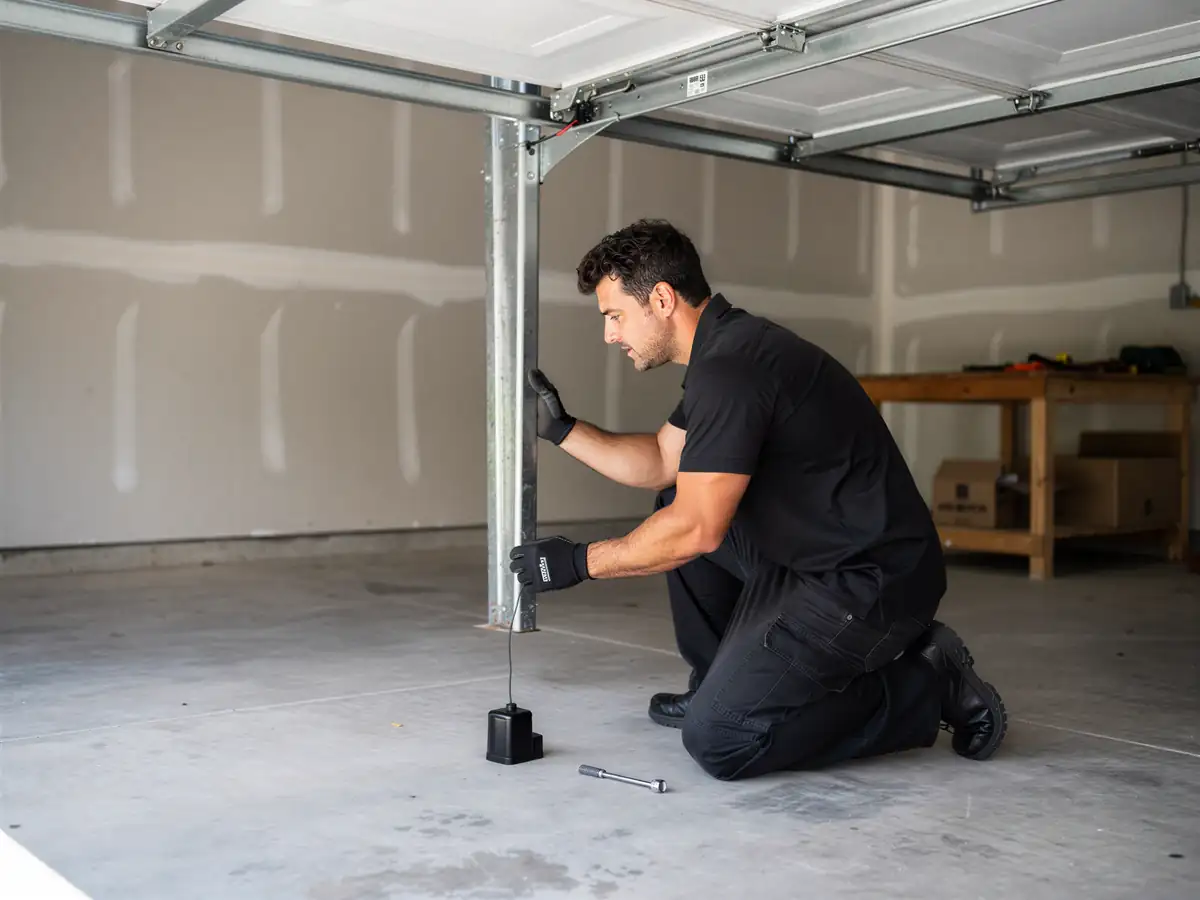
That matters for how long a visit actually takes. On a door built in that window, we're not just lubing rollers and checking balance - we're often finding a torsion spring and drum setup that predates the openers bolted onto it later, sometimes by decades. A straightforward tune-up on a newer door runs quick. On a 1960-built door with original hardware, expect the technician to spend real time checking the track alignment and spring wind before touching the opener at all, because the two were never designed together.
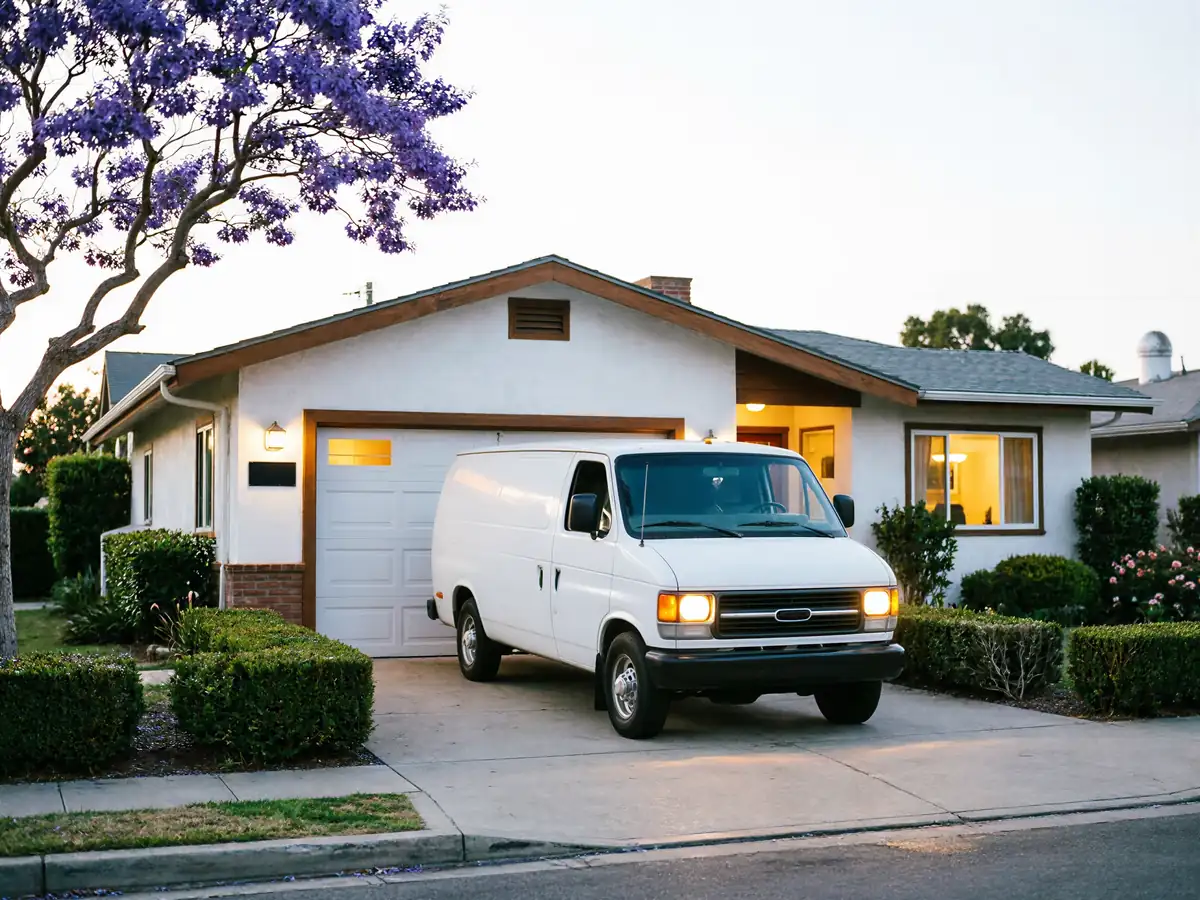
We travel from Walnut Creek, four miles out, so there's no depot or branch sitting in Lafayette itself - the time you're booking is the service window on the door, not a drive-up response claim we don't have numbers to back.
How to Book
Booking a maintenance visit in Lafayette works the same as anywhere in the territory
You tell us the age of the door if you know it, and whether it's ever had the torsion springs replaced. On a house built close to that 1960 median, the answer is often no - and that single fact changes what the technician brings on the truck.
Lafayette's median household income sits at $222,393
Well above the $132,067 median across the wider service area we cover. We mention this only because it tends to show up in one practical way: owners here are more likely to have already replaced an opener once but never touched the spring and track underneath it, since that part doesn't fail loudly until it does.
See the coverage page for Lafayette for what's included in a standard visit
And the Walnut Creek maintenance page for the full rundown of what a tune-up covers across the territory. This page is just about what's different here.
How We Fix It
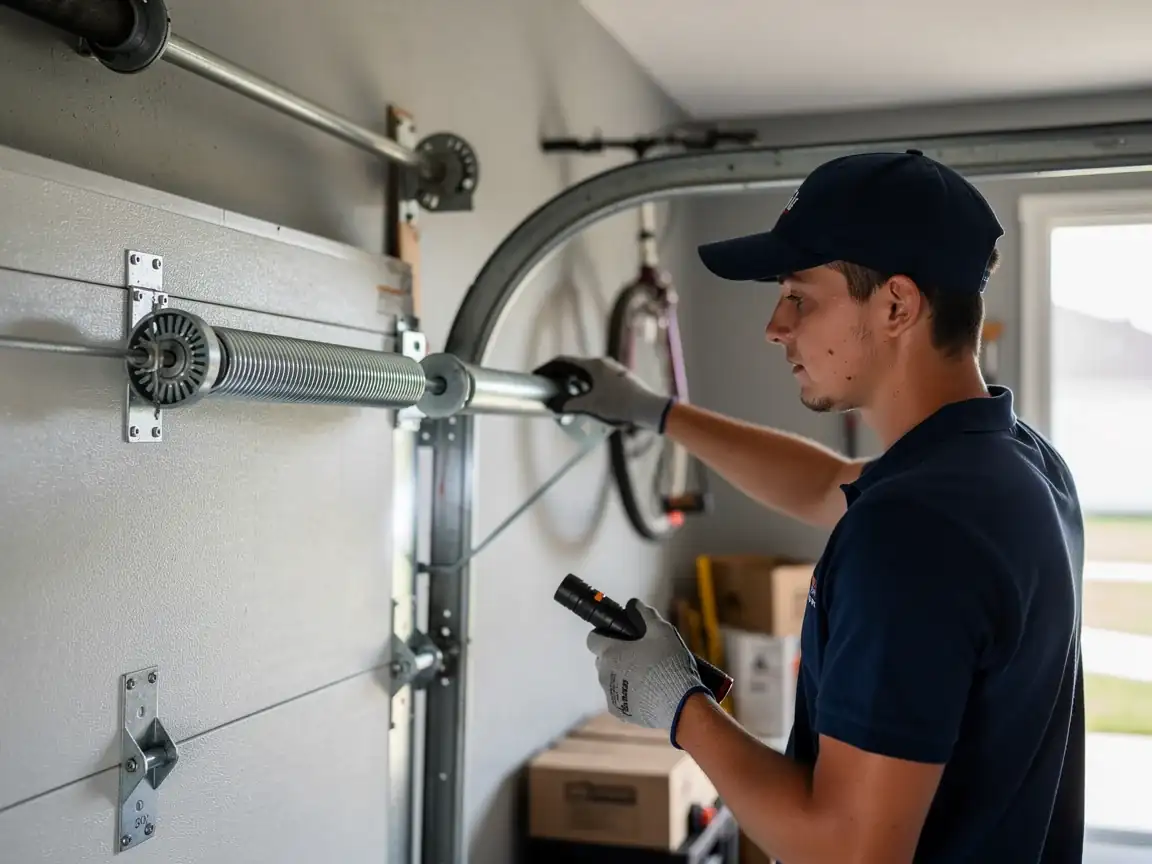
On a door from the 1960 build era, the first thing we check isn't the opener - it's the spring and the drum it winds onto. A lot of these houses got an opener added or swapped out at some point without anyone touching the original torsion hardware, which means you can have a brand-new motor straining against a forty-plus-year-old spring that's lost tension and doesn't know it yet.
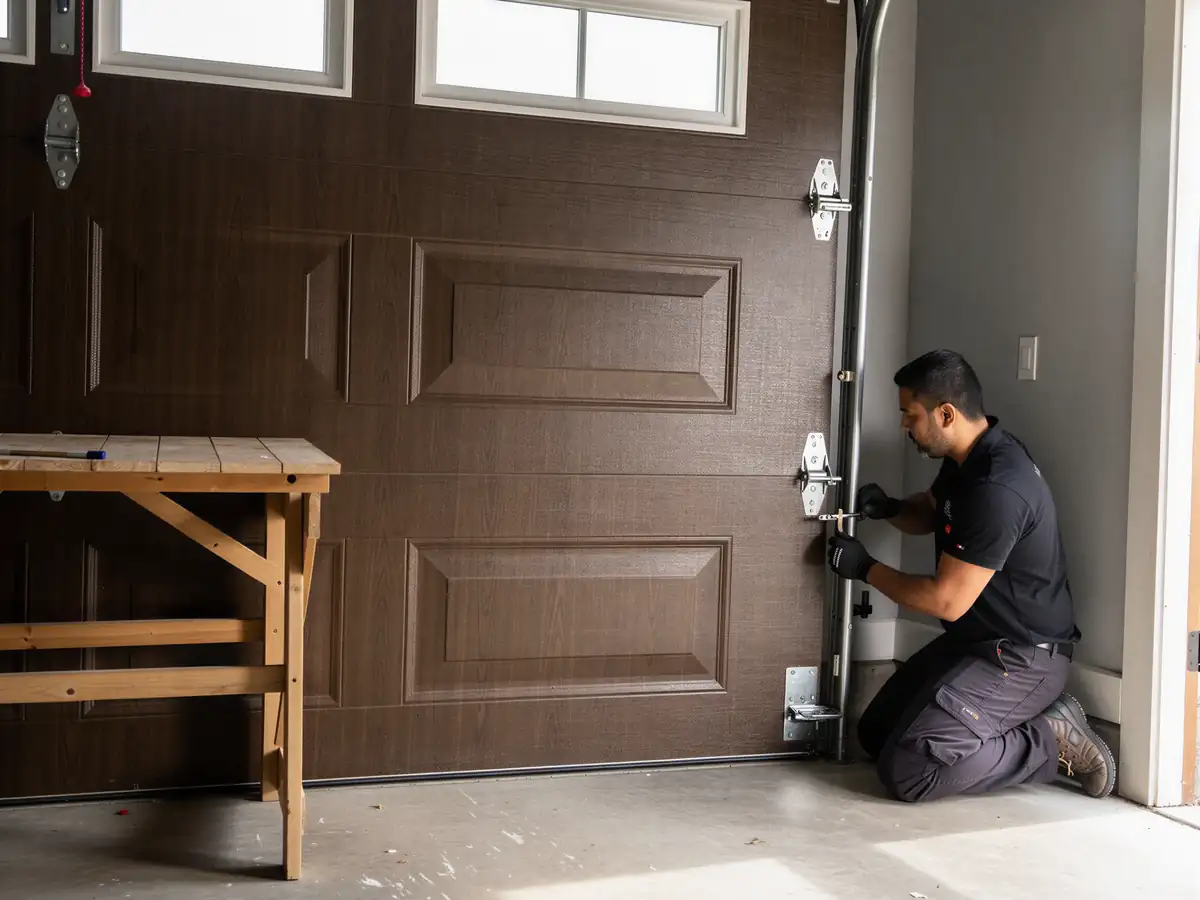
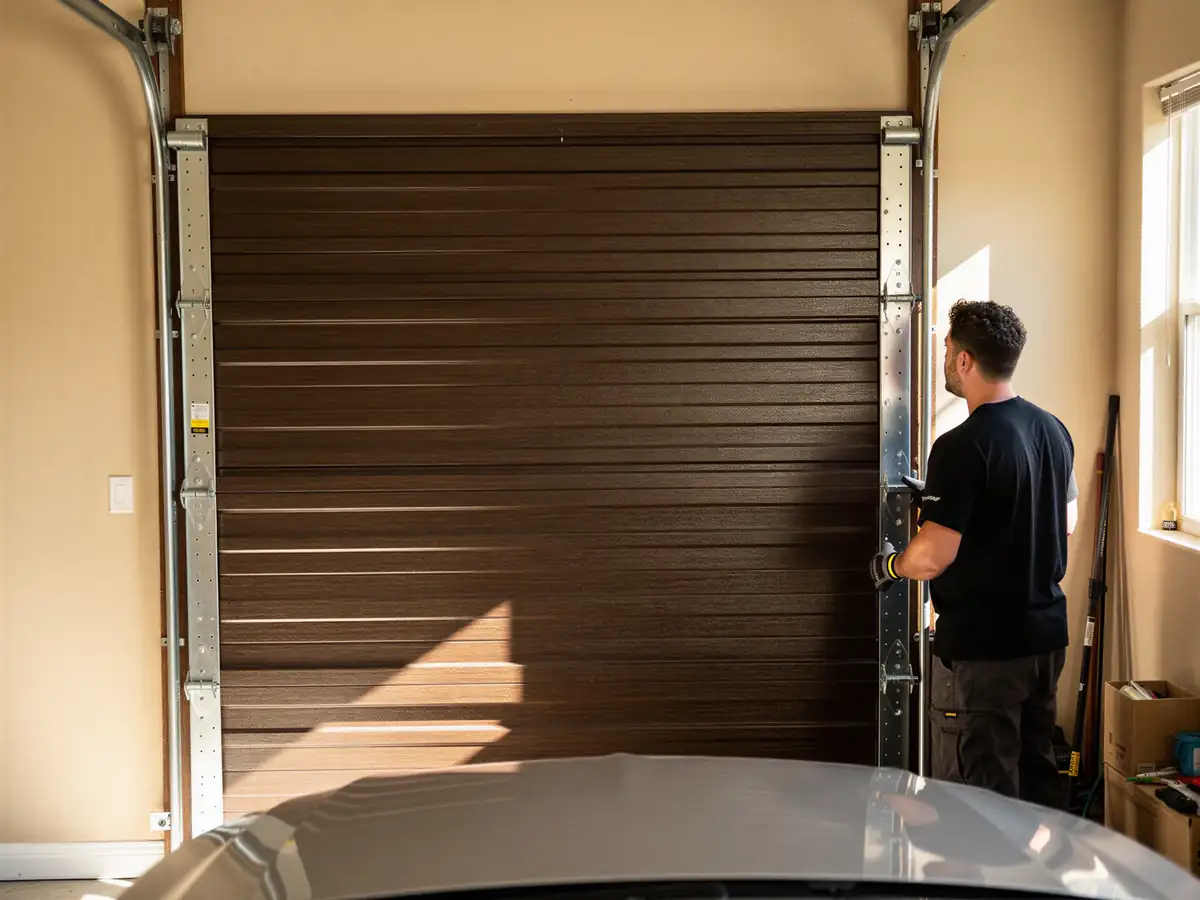
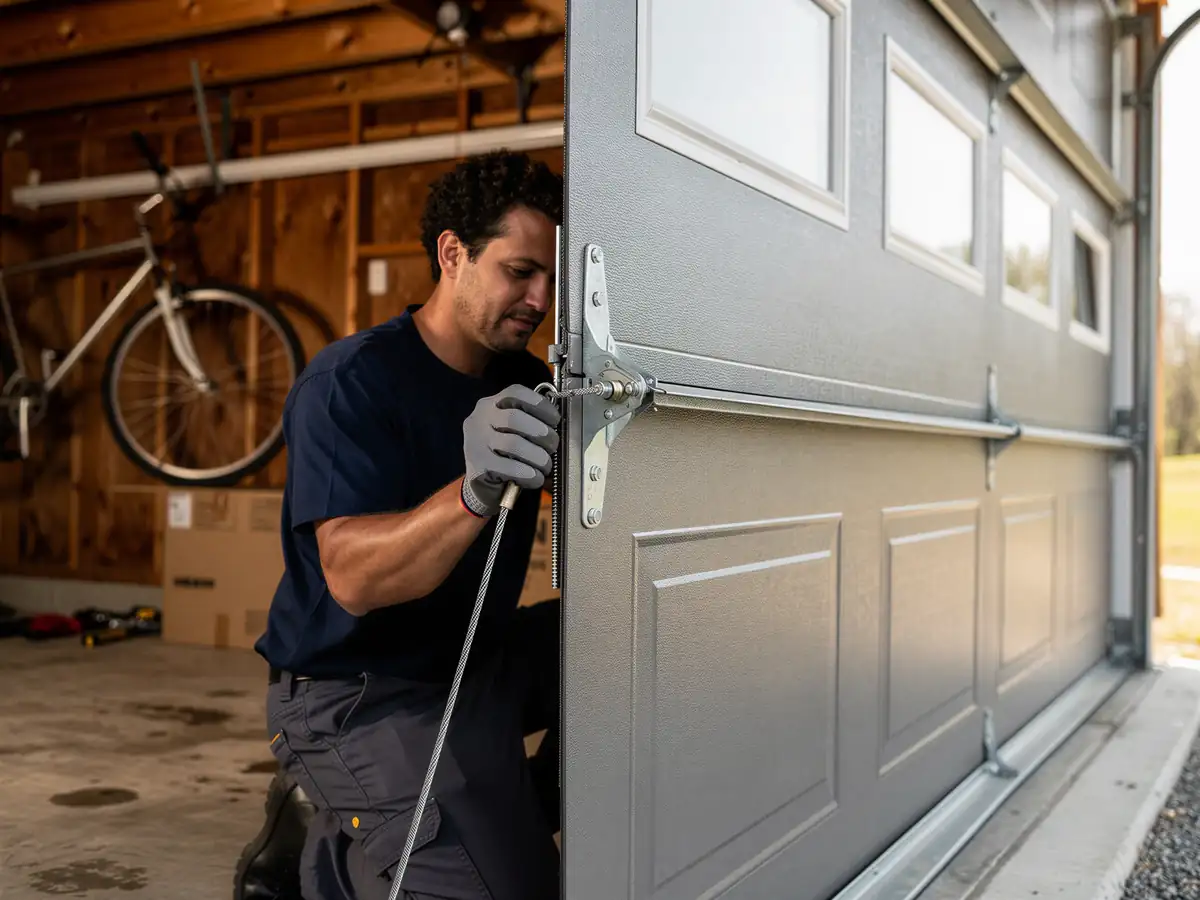
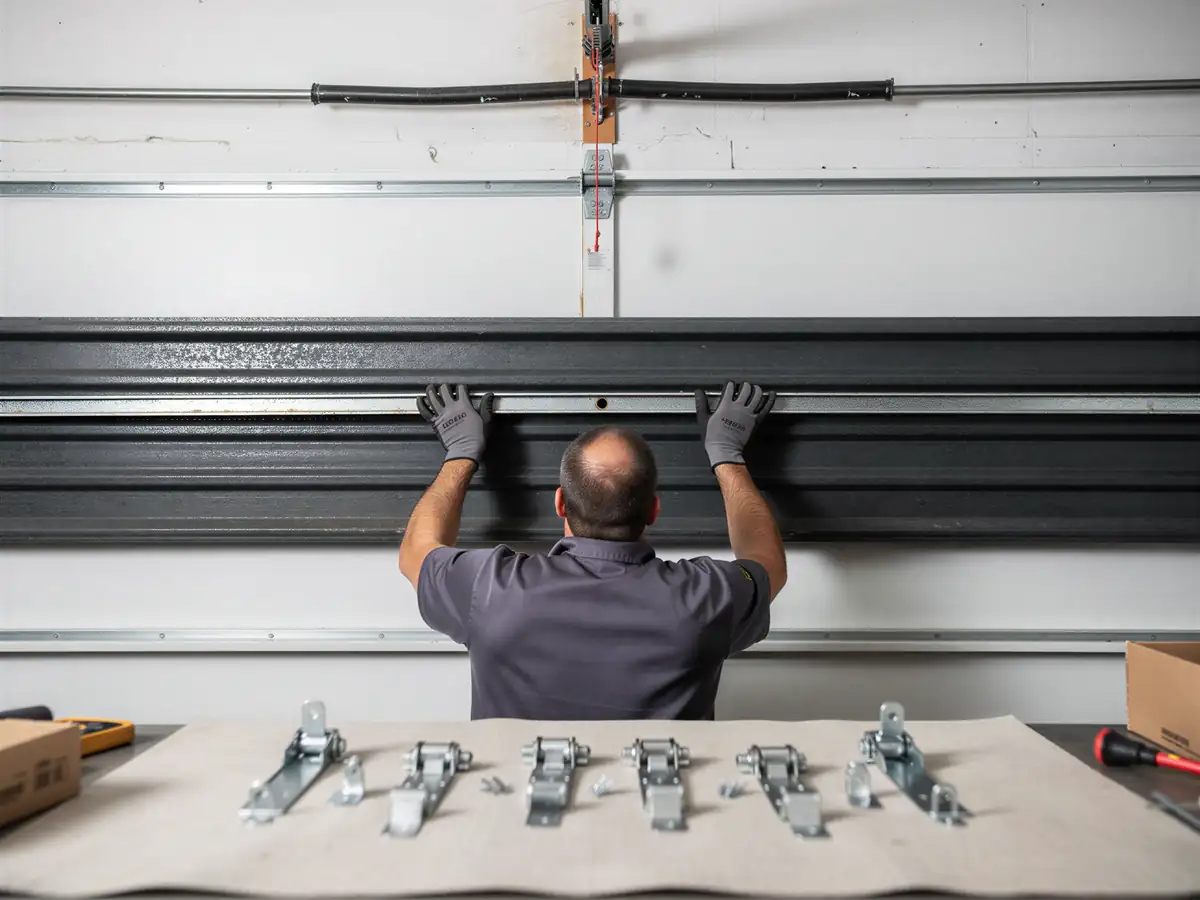
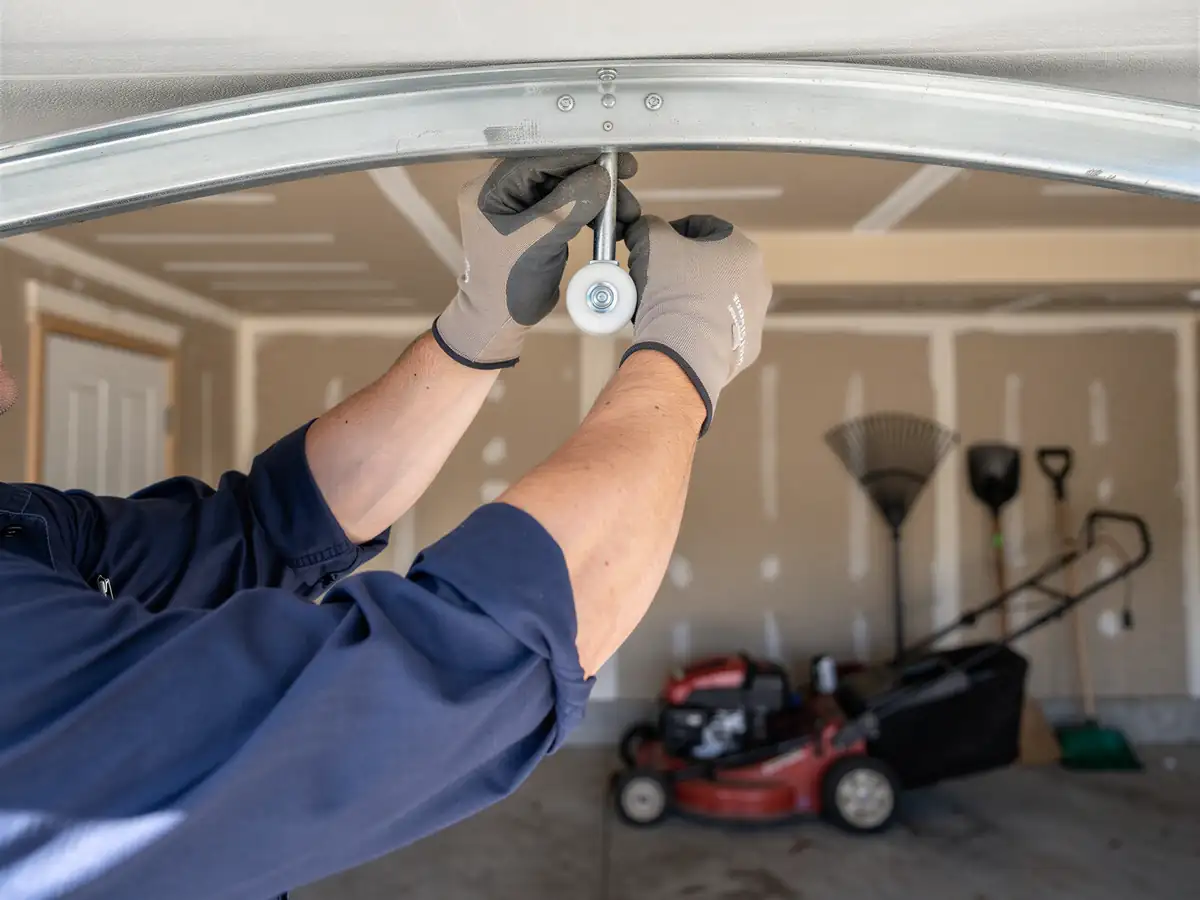
We check cable fray at the drum, roller wear in the track, and whether the panels have ever been replaced out of sequence with mismatched hinge spacing - common on older one-piece and sectional doors that have had one panel swapped after a dent. We lubricate hardware, reset balance where the spring has drifted, and tighten the loose stuff that rattles before it breaks.
Honest limitation: if the spring on a 1960-era door is the original and it's at the end of its life, we're not going to "maintain" it indefinitely. At some point the labor to keep babying worn torsion hardware costs more than replacing it, and we'll say so rather than keep billing small fixes on a part that's done.
What Causes It Around Here
Lafayette sits inside a mild temperate climate band, same as the rest of the territory, so you're not dealing with the kind of freeze-thaw cycling that cracks concrete footings or warps wood panels the way colder regions see. That takes one failure mode off the table.
What you're left with is mostly age. A median build year of 1960 means a meaningful share of Lafayette's doors are running original torsion springs, original track brackets, and in some cases original one-piece doors that were never swapped for a sectional model when openers became standard. Those systems were engineered for manual lift, not for an opener yanking on them dozens of times a week for sixty-plus years.
The failure we see most from houses in this build window is spring fatigue that shows up as a door that starts slow, groans partway up, or reverses on the opener's safety sensor because the spring isn't carrying its share of the weight anymore. It's rarely dramatic until the day a cable finally lets go. Regular maintenance catches the slow version before it becomes the sudden one.