Doing It Yourself
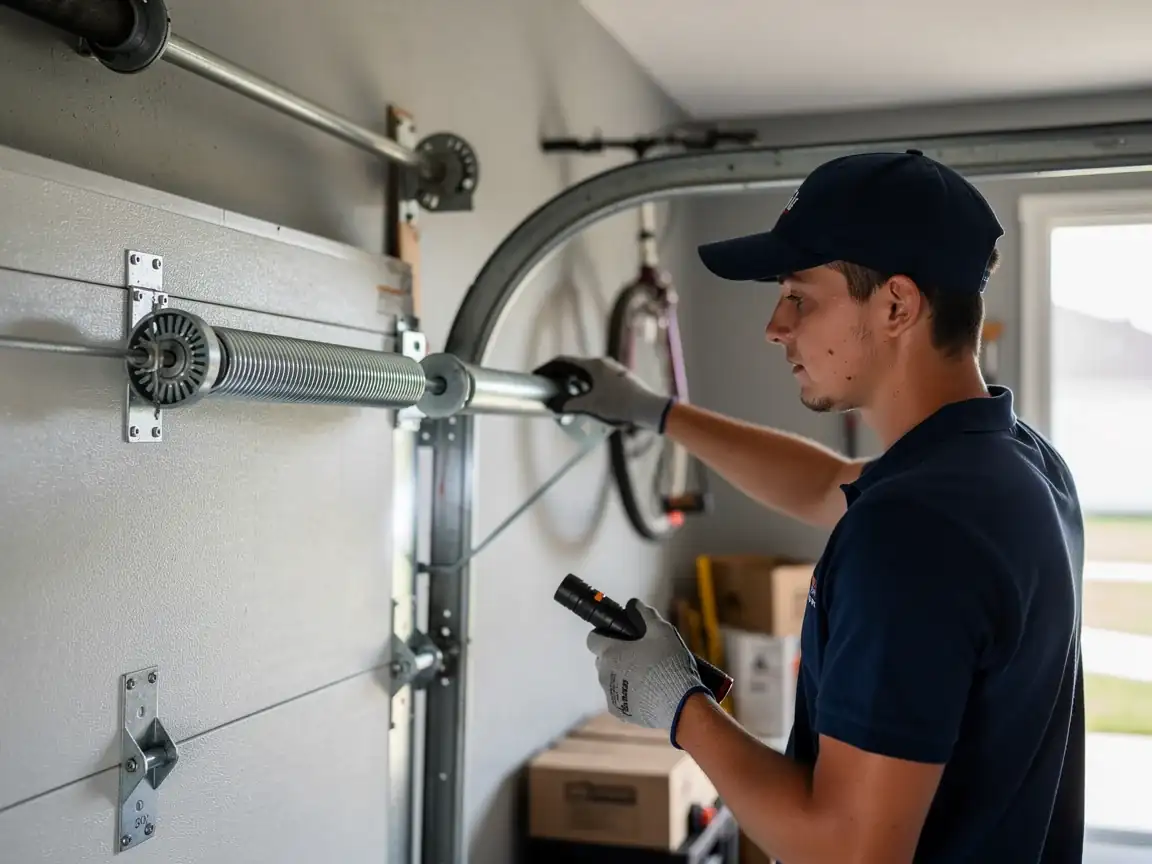
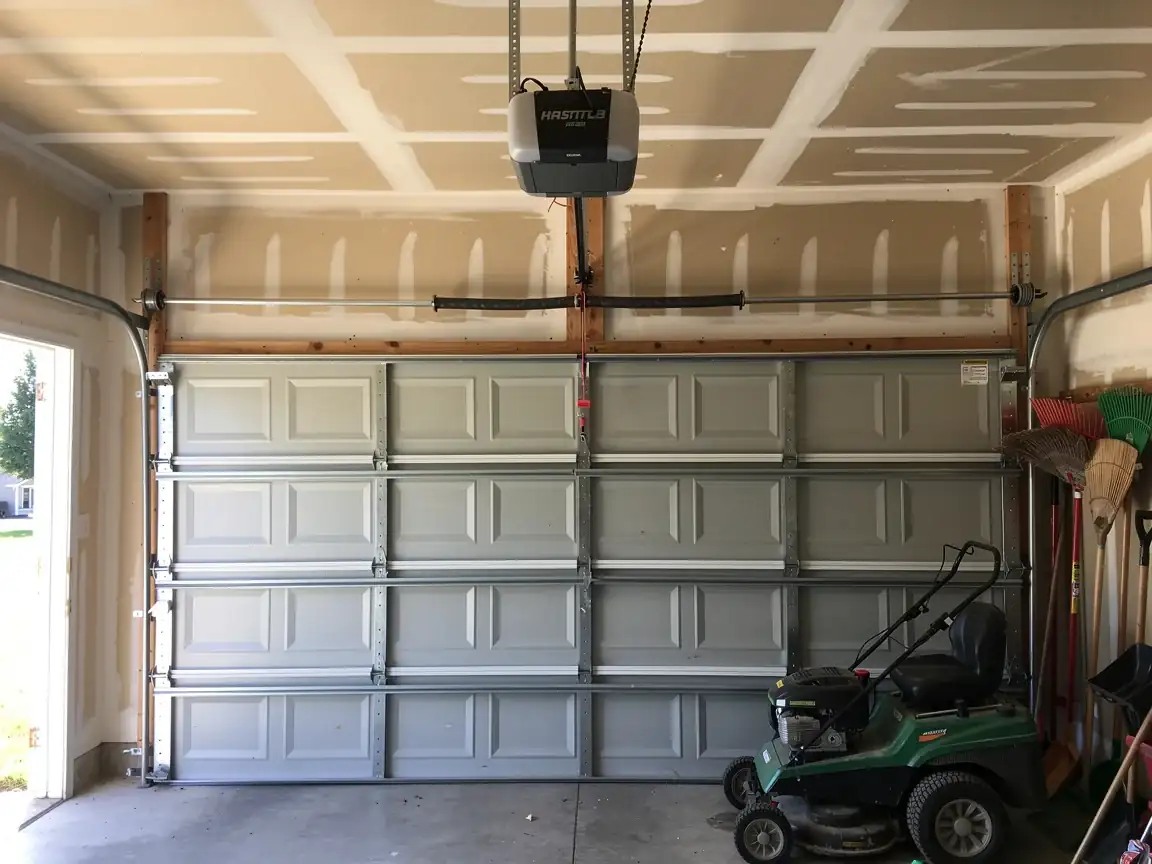
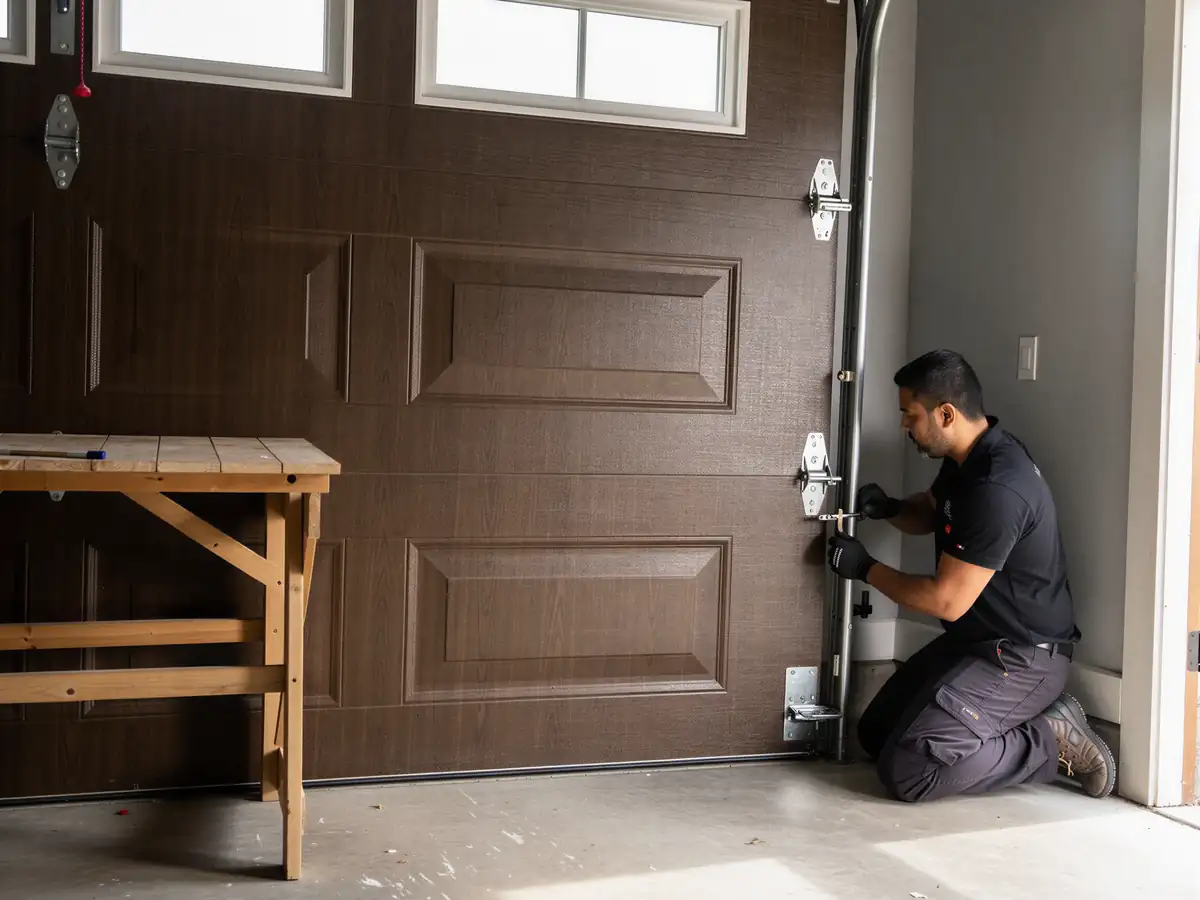
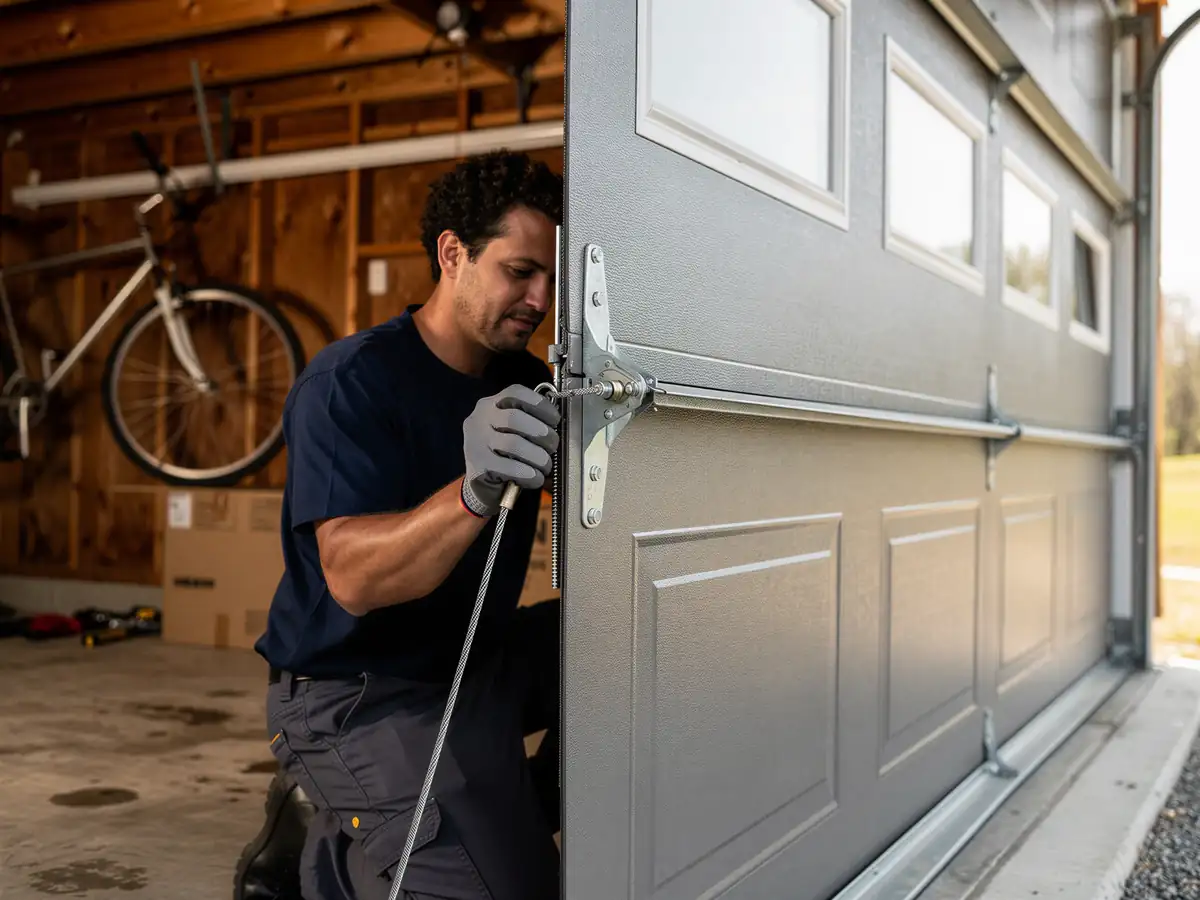
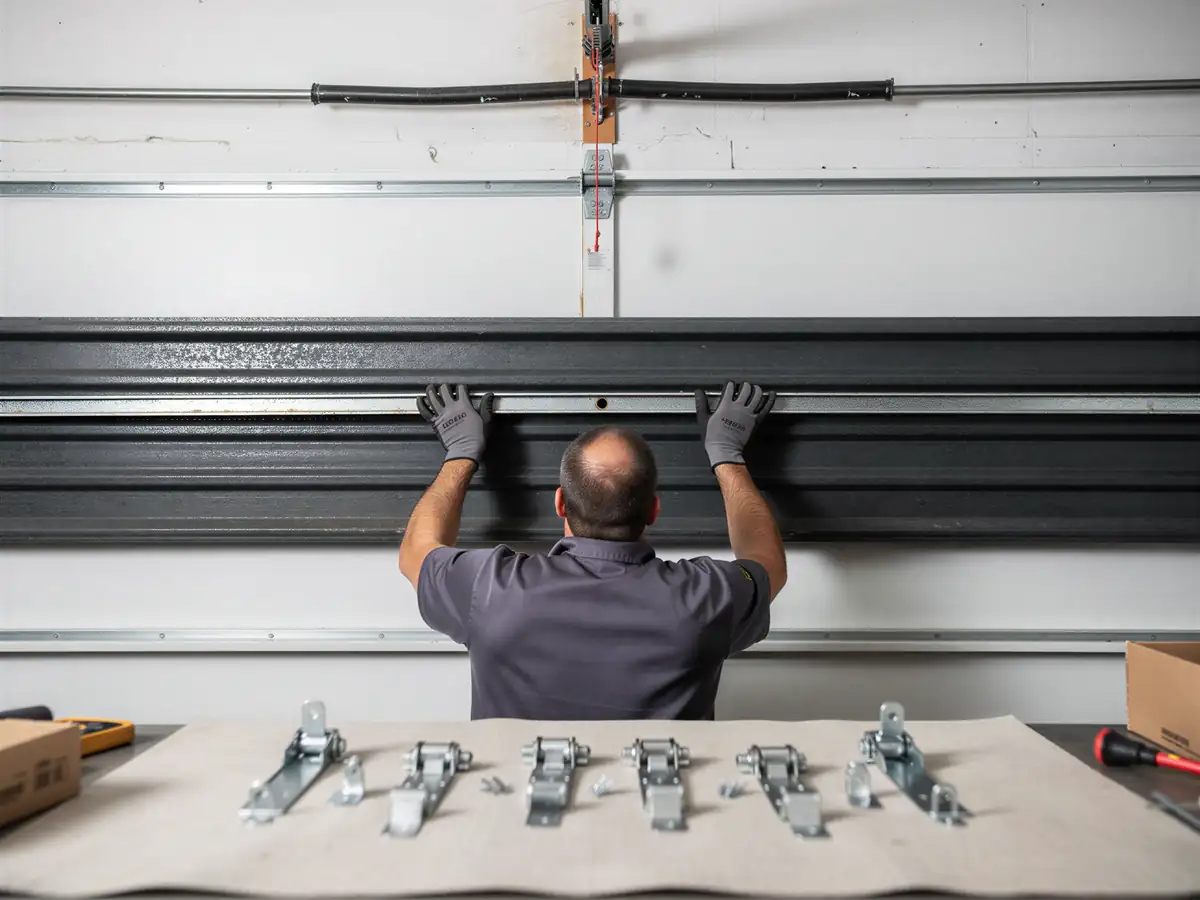
A lot of homeowners try to pop a dented panel off themselves before calling anyone, and on a door this age it's a reasonable instinct - these aren't the fragile one-piece doors you'd find on a house built in the 1960s. Most Brentwood garages went up around 2003, so you're dealing with a sectional steel door on roller tracks, and the panels are bolted in sections rather than welded as one sheet. That makes a single-panel swap mechanically simpler than it looks. Where people get into trouble is matching the panel. Doors from that build era came in dozens of color and ribbing combinations, and manufacturers change their panel profiles every few years, so a panel ordered today may not line up with the ones on either side of it. You also have to pull the door off torsion spring tension to get the end stiles loose, and that's the step where fingers get crushed. If you've got the tools and you're swapping a bottom panel only, with the spring already relaxed, it's doable. If you're touching anything above waist height or the spring is still wound, that's where we'd rather you called first.
How to Book
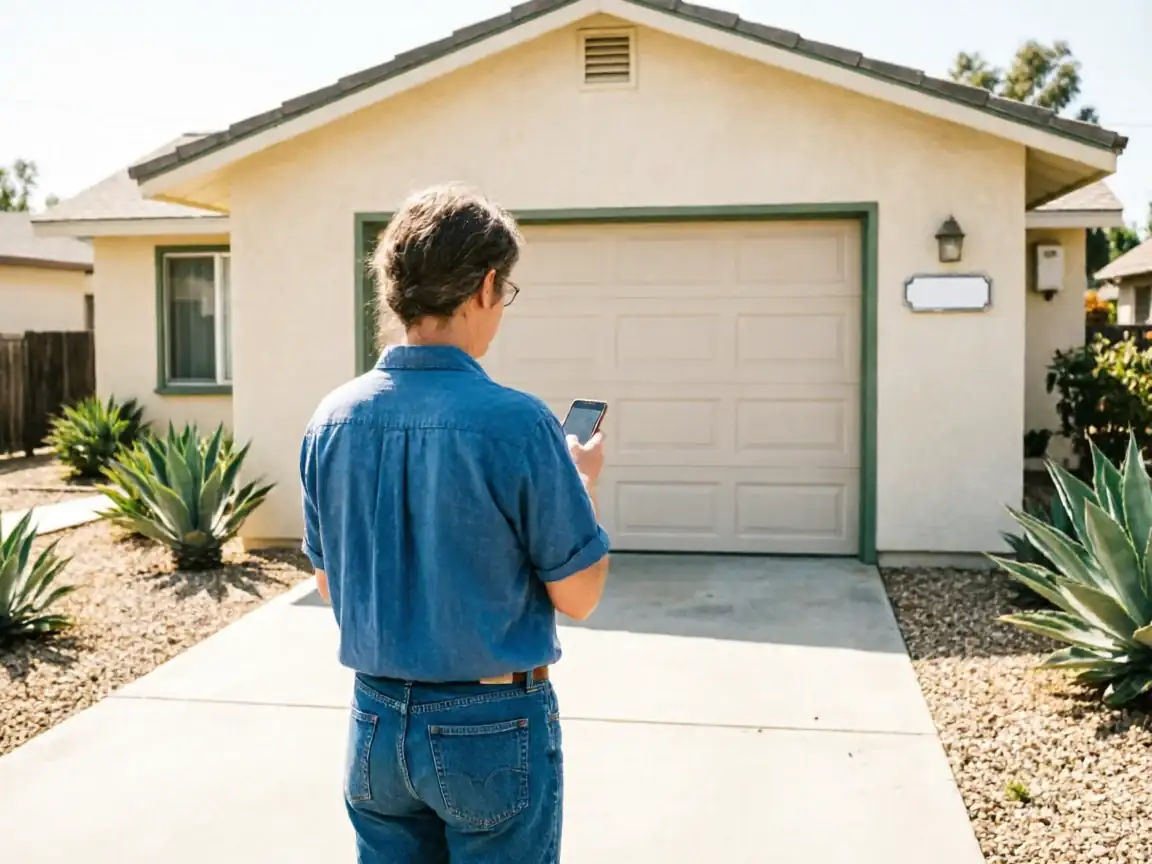
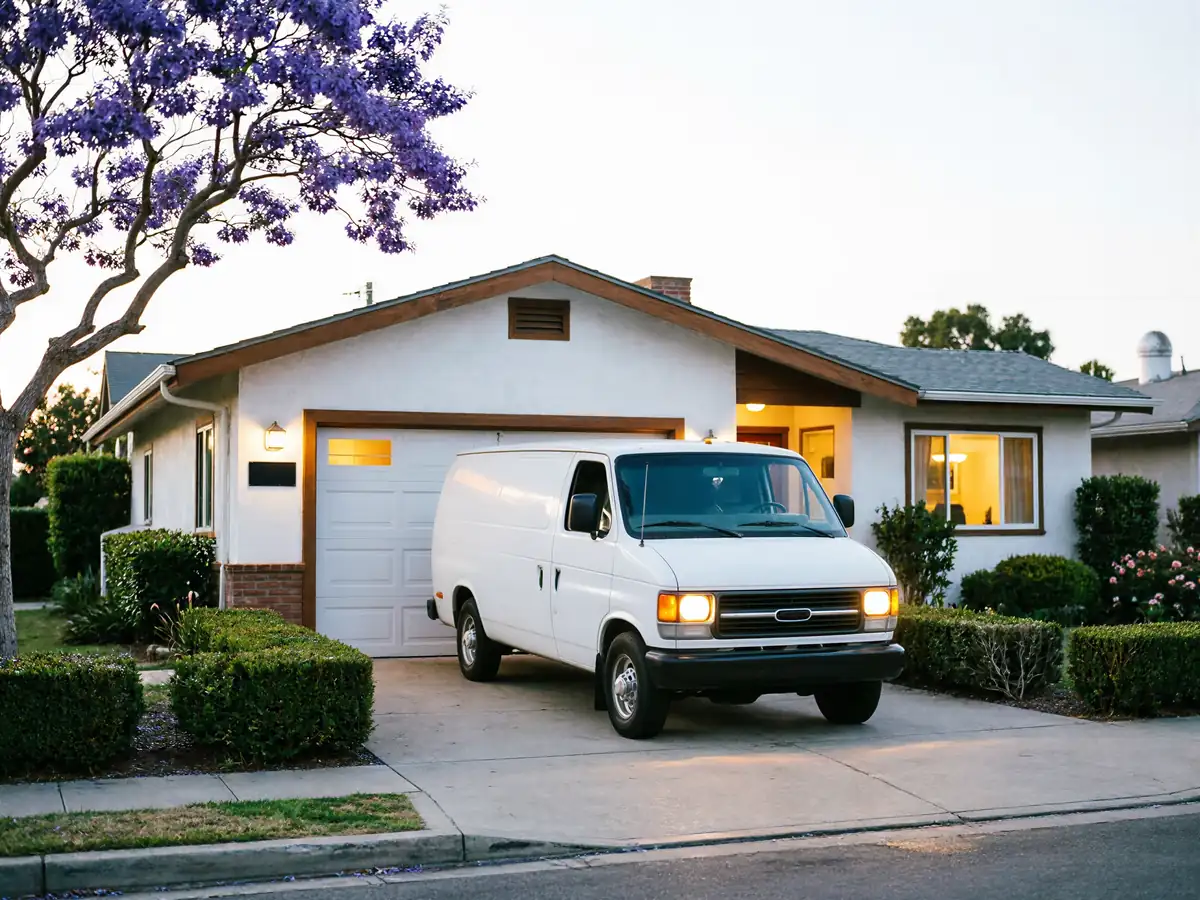
We're based out of Walnut Creek, about 18 miles from Brentwood, so a panel job here gets scheduled as a dedicated trip rather than a drive-by stop between calls. Tell us the door's brand or color if you have it, and a photo of the damaged panel and the full door helps us pull the right replacement before the truck leaves. We don't keep a Brentwood depot or stock locally, so anything outside a common panel size or color gets ordered first, which we'll flag with you up front rather than show up guessing.
How Long It Takes
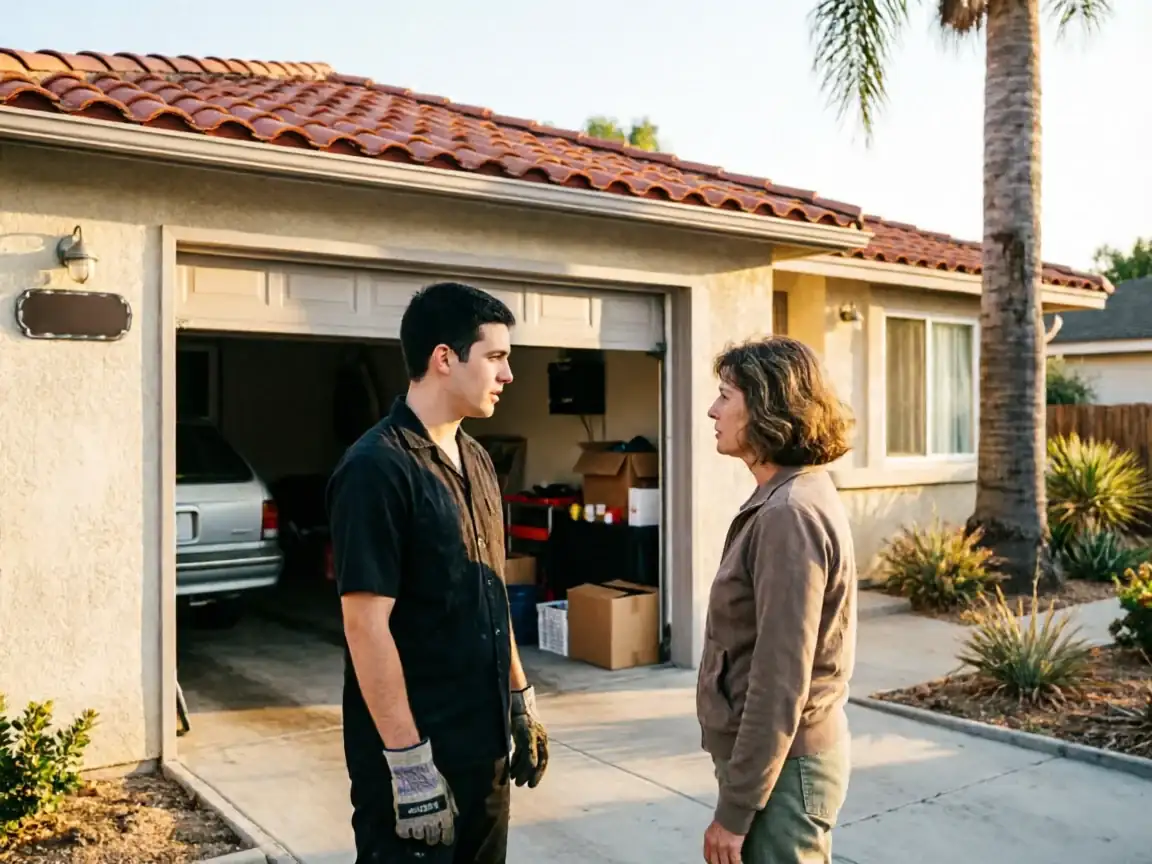
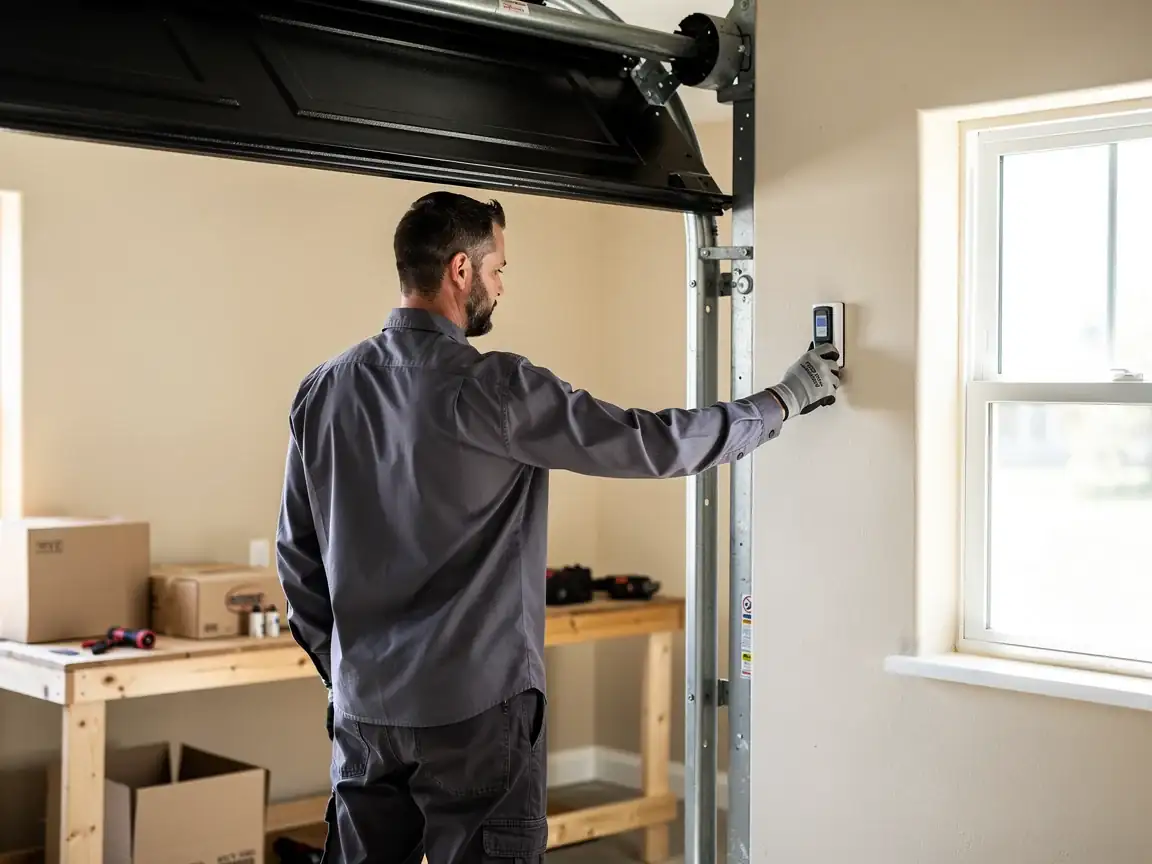
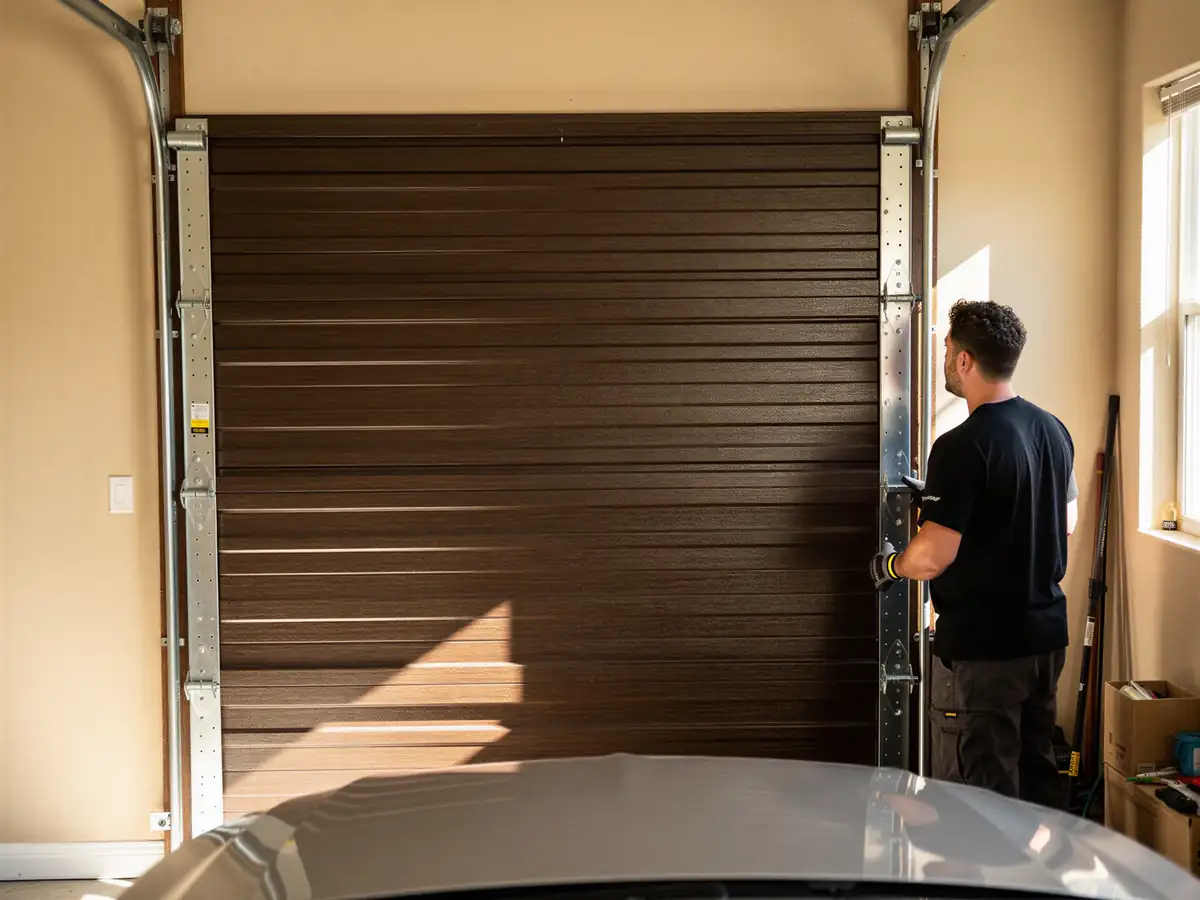
A single matched panel, in stock, is usually a same-visit job once we're on site - an hour or so including re-tensioning the door and checking the track alignment. Where it runs longer is sourcing: if your door's panel profile has been discontinued or the color doesn't match current stock, we're waiting on a special order, and that can push the job out by a week or more. Multi-panel damage, or a bottom panel with a bent track from whatever hit it, adds time on site because we're also straightening or replacing track sections, not just swapping steel.
What Can Go Wrong
The main risk is a panel that doesn't match. Even on a door this young, manufacturers retire colors and ribbing styles, and a near-match panel on an otherwise clean door looks worse than the dent did. We'll always tell you before ordering if we think the match is going to be off. The other issue is a bent track hiding behind a dented panel - if whatever hit the door also knocked the track out of alignment, the new panel will bind or drag even though it's installed correctly, and that's an added repair, not a panel problem. We don't replace an entire door over one damaged panel unless the frame itself is bent, since on a house this age the rest of the door usually has plenty of life left.