Doing It Yourself
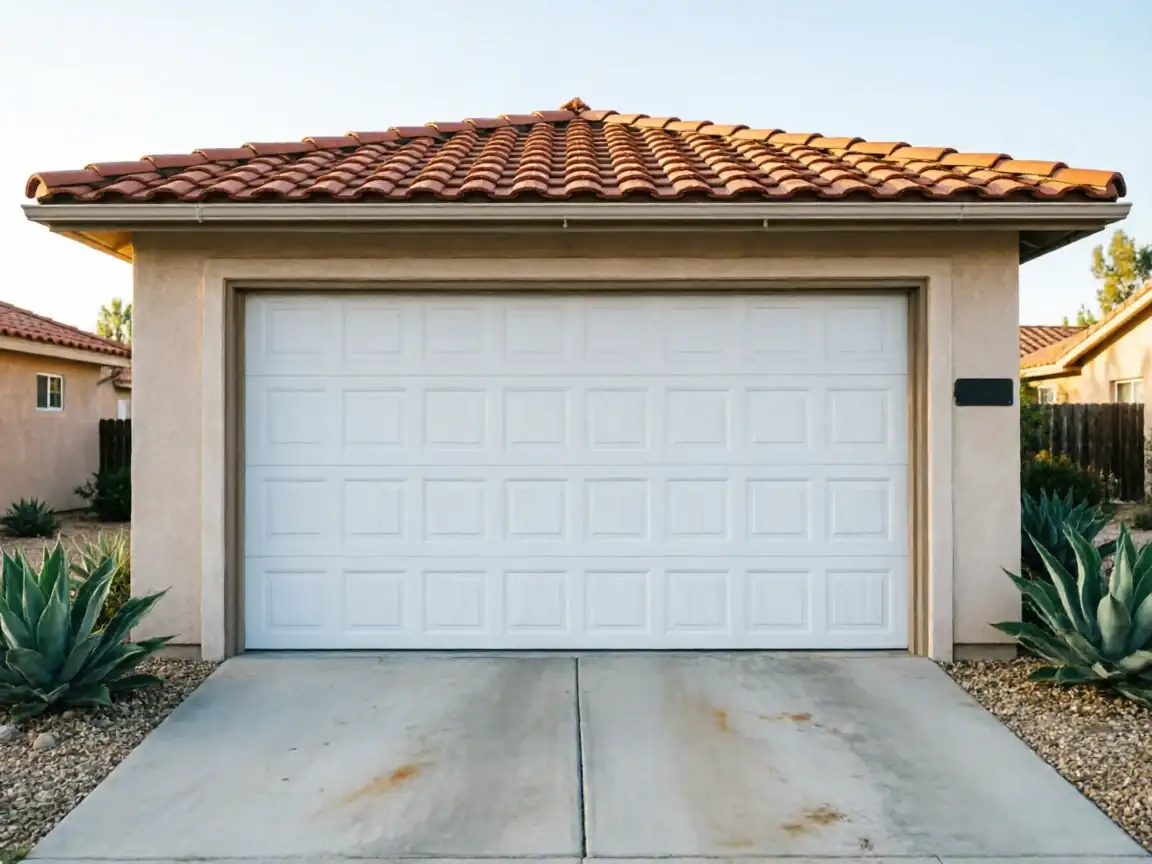
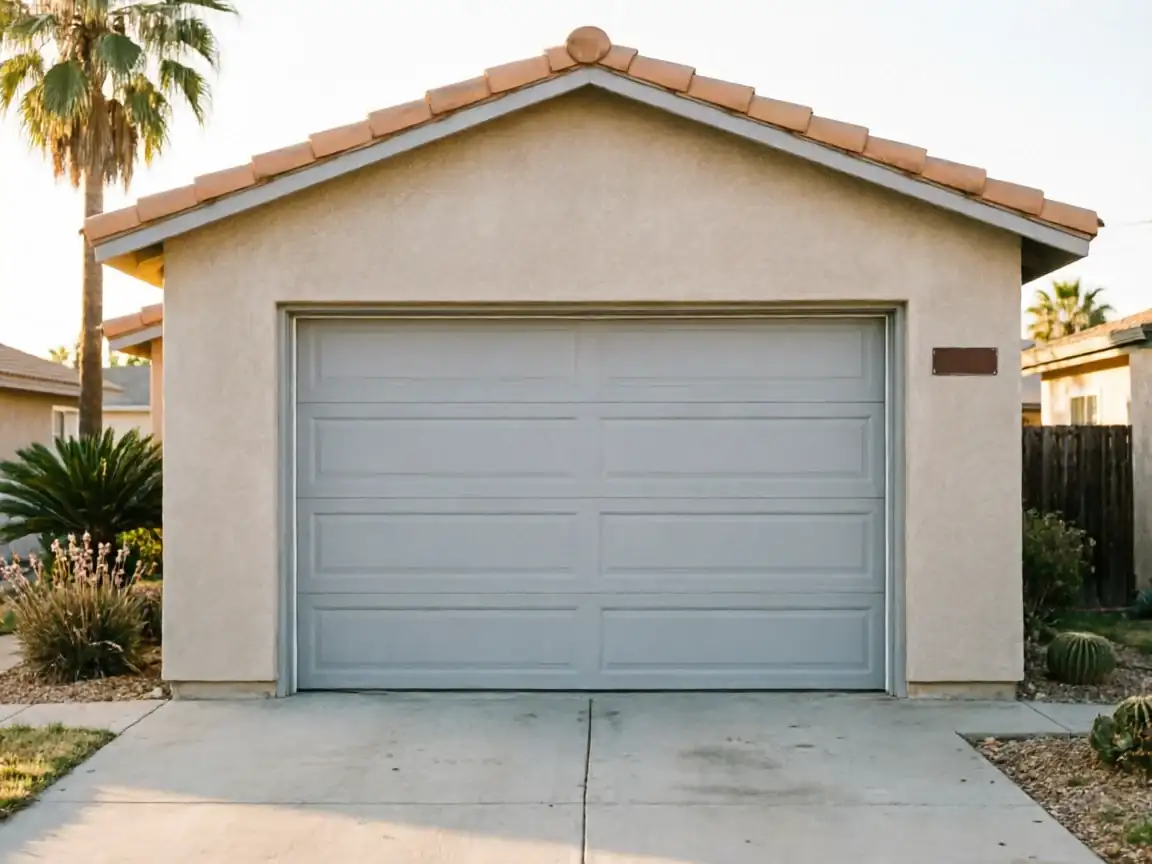
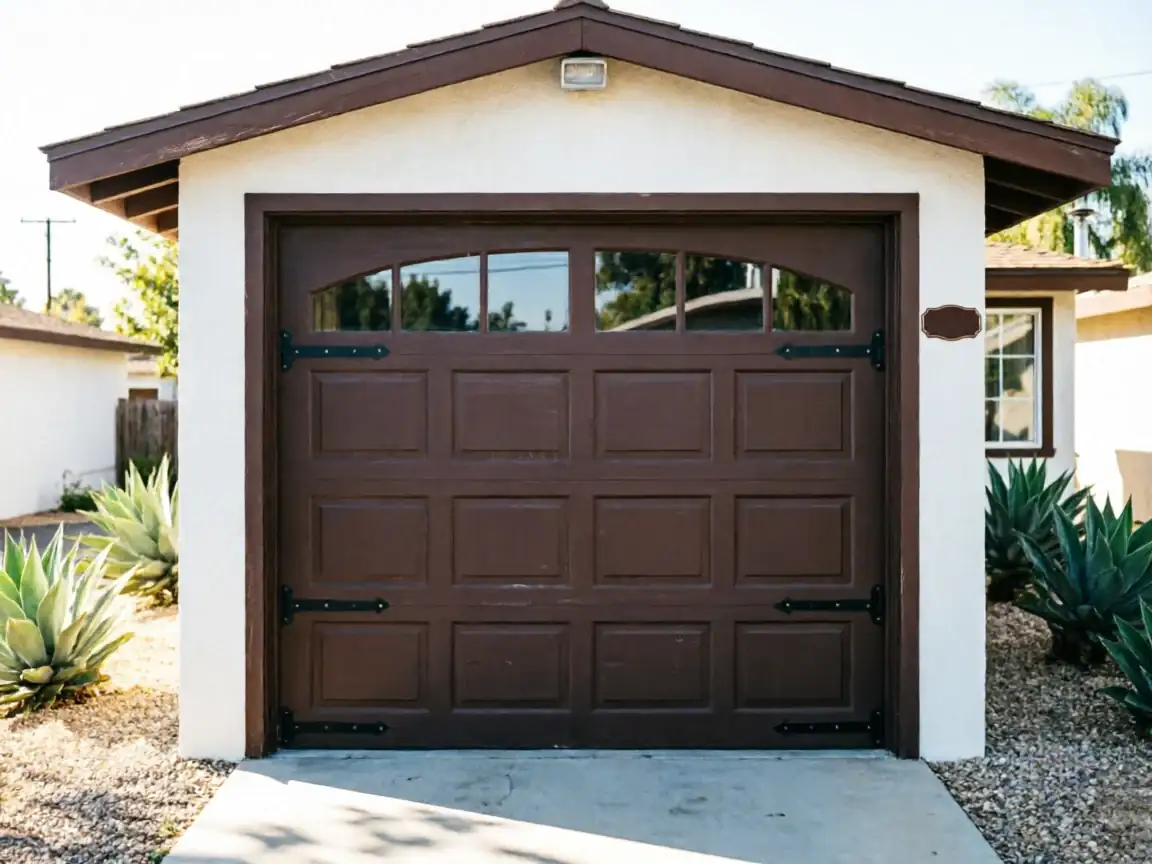
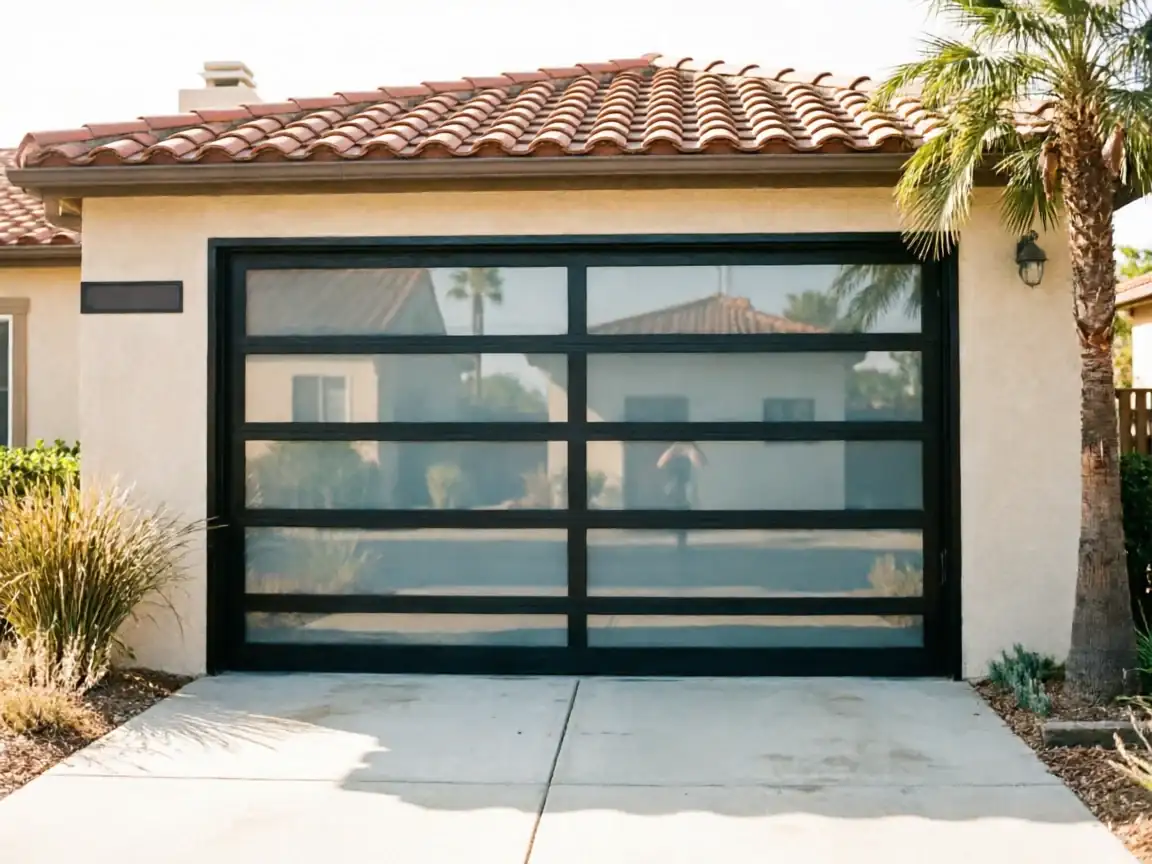
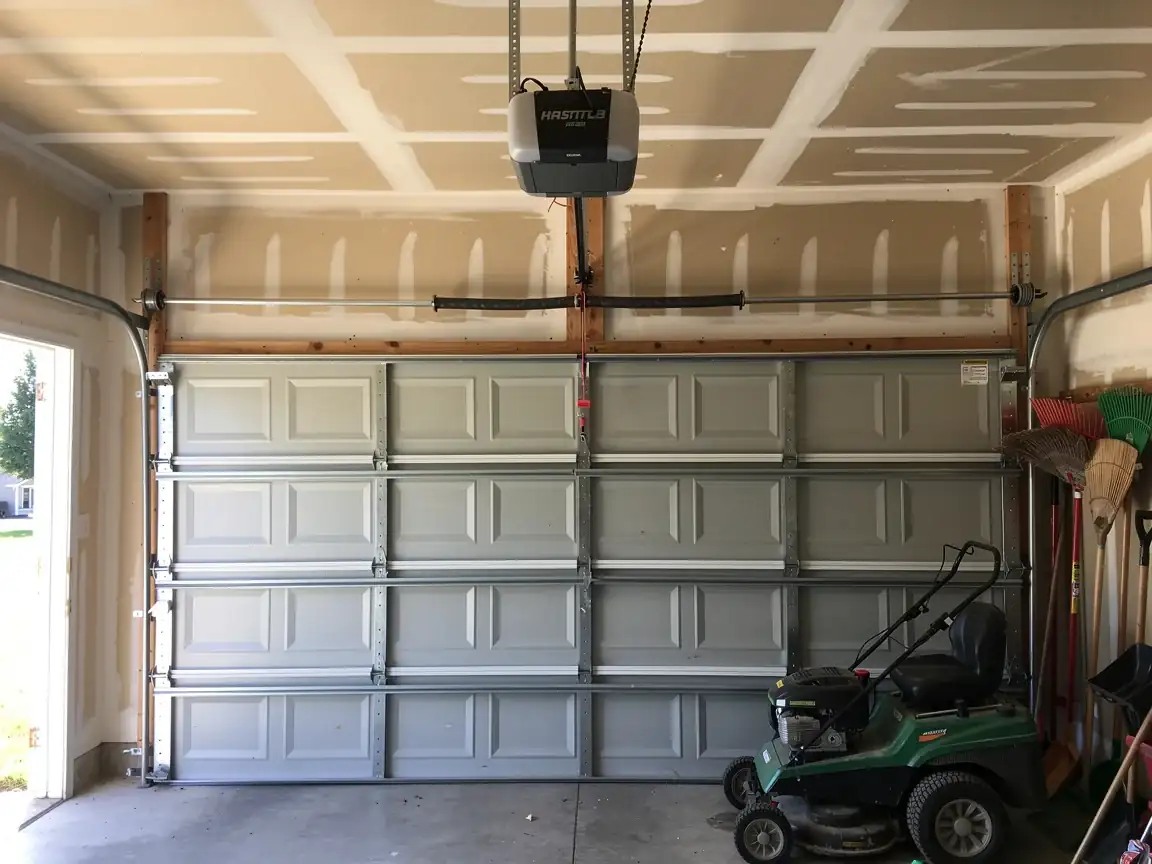
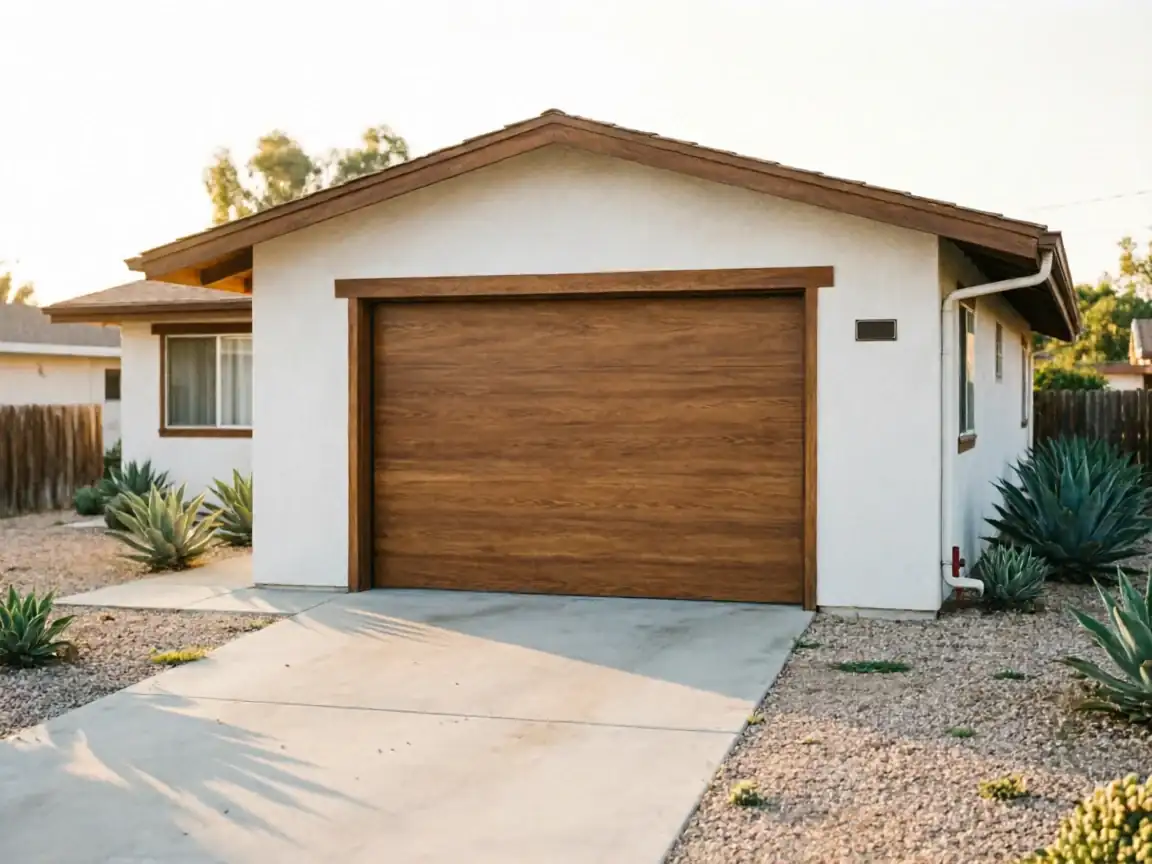
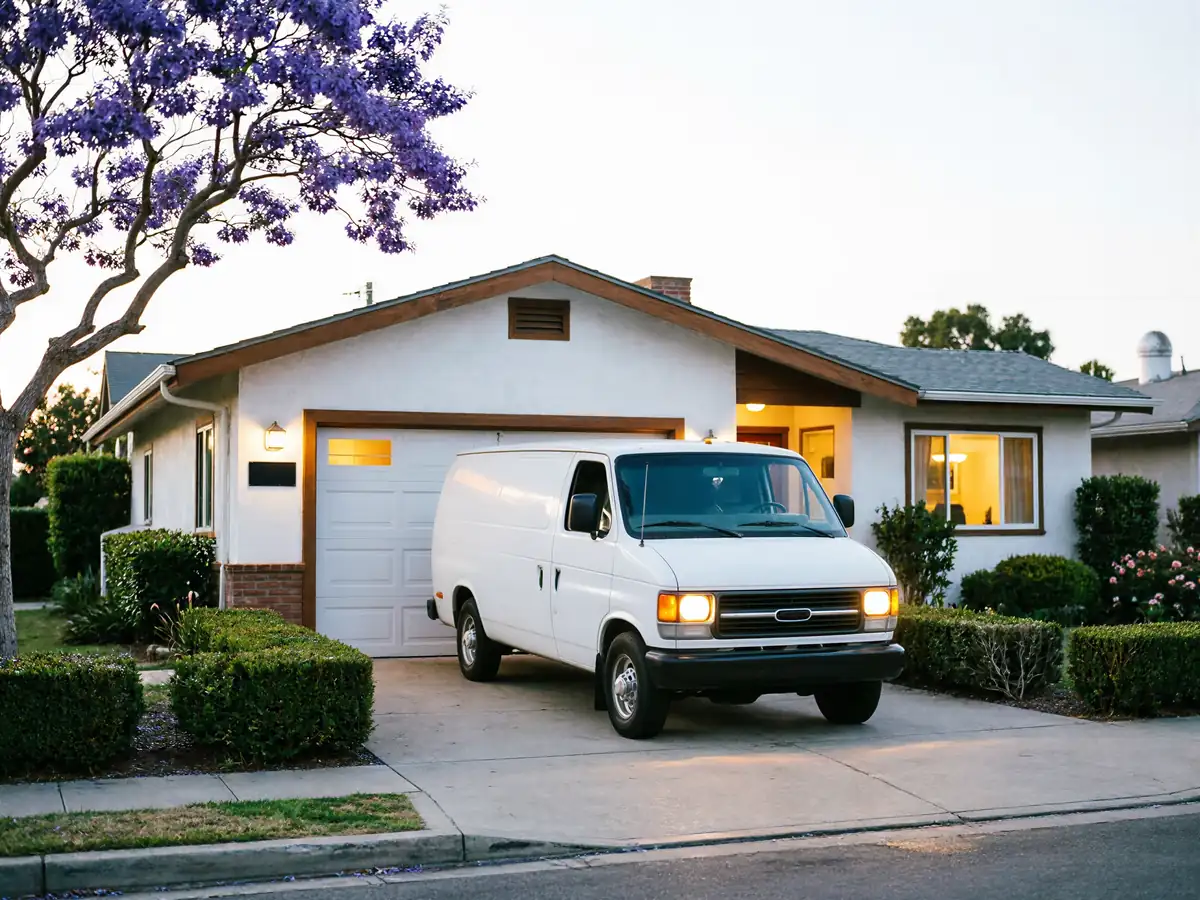
The doors we see on service calls out here aren't the same animal as the ones across the rest of the territory. Brentwood's housing stock runs newer - median build year 2003 - so you're mostly looking at steel sectional doors on torsion springs with factory-installed photo-eye sensors, not the older extension-spring setups with side-mount tracks that show up on 1960s and 70s houses closer to Walnut Creek.
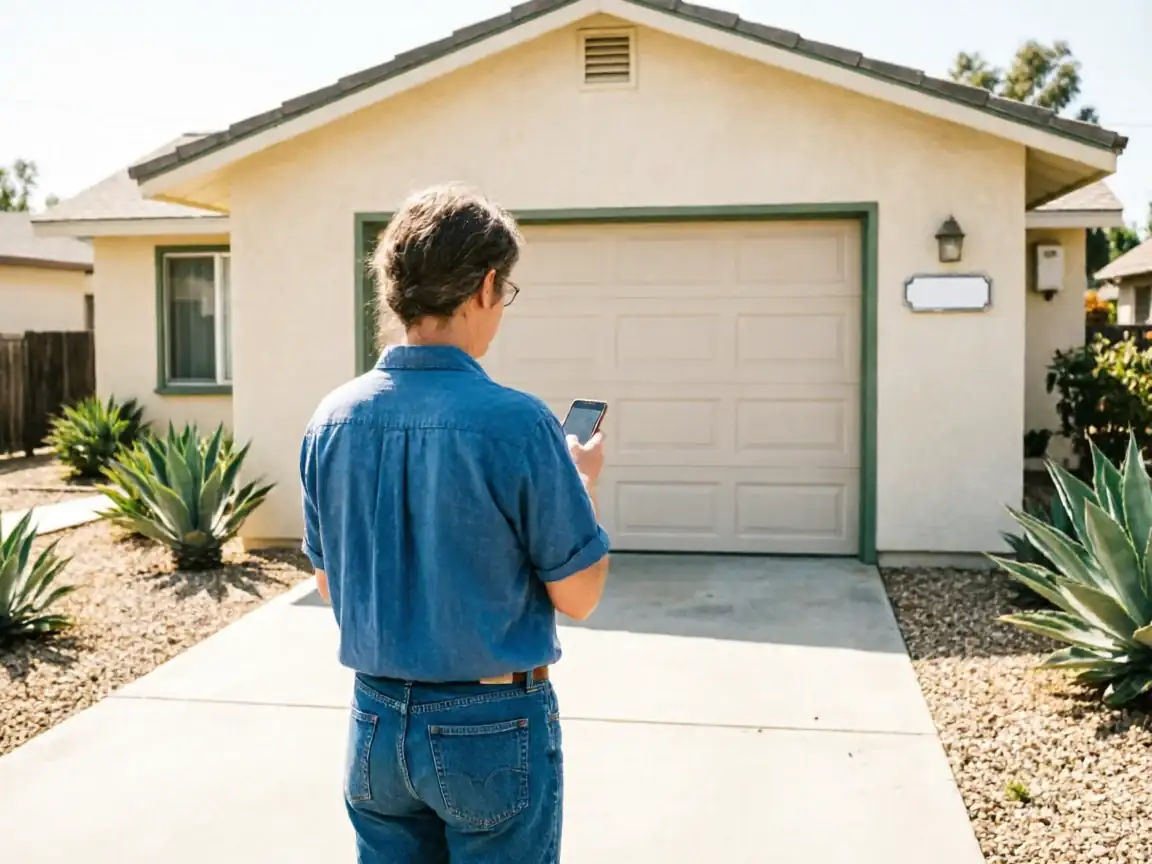
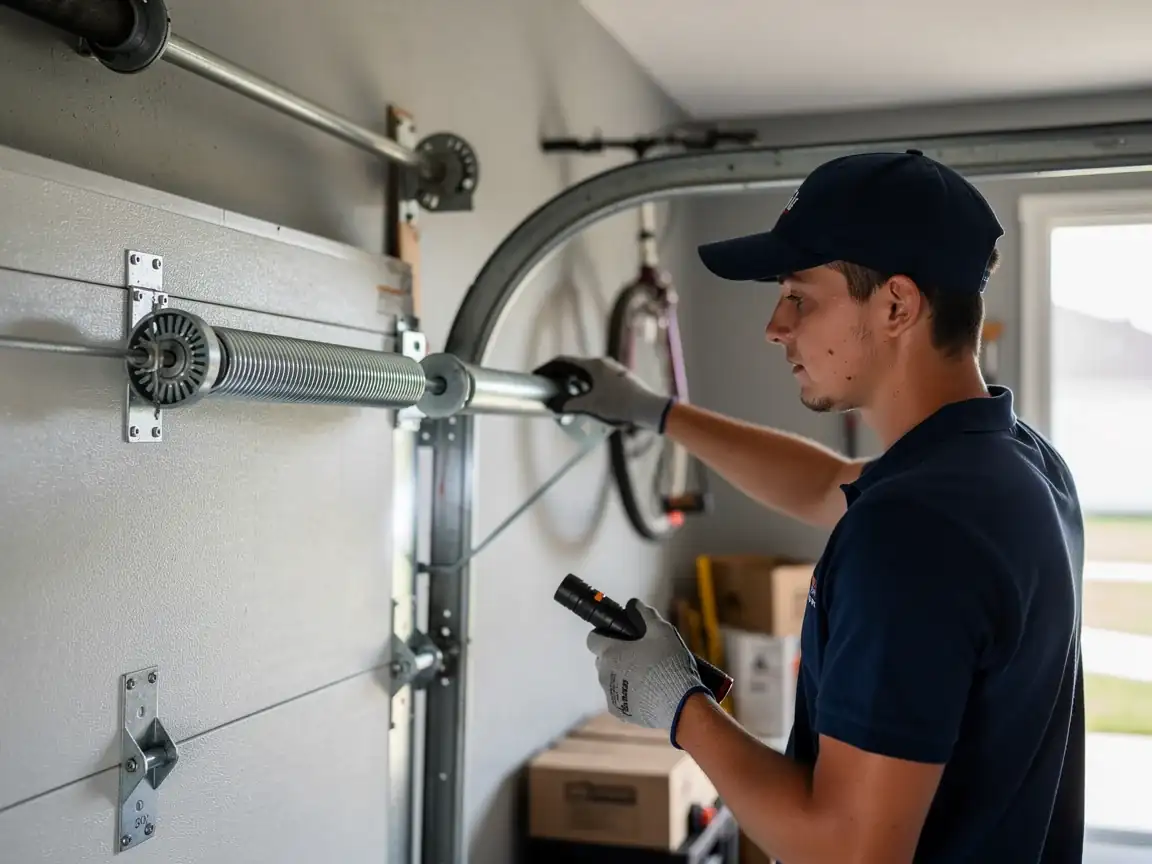
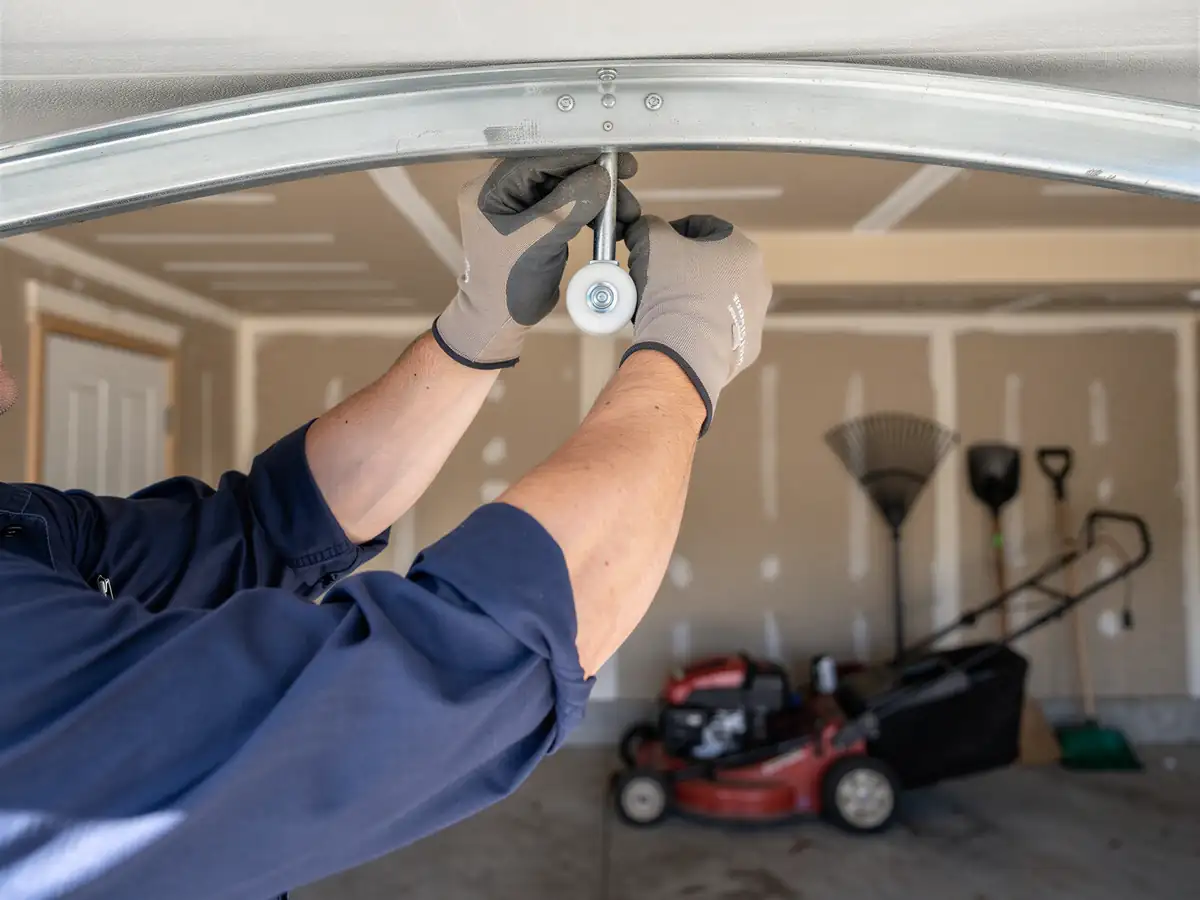
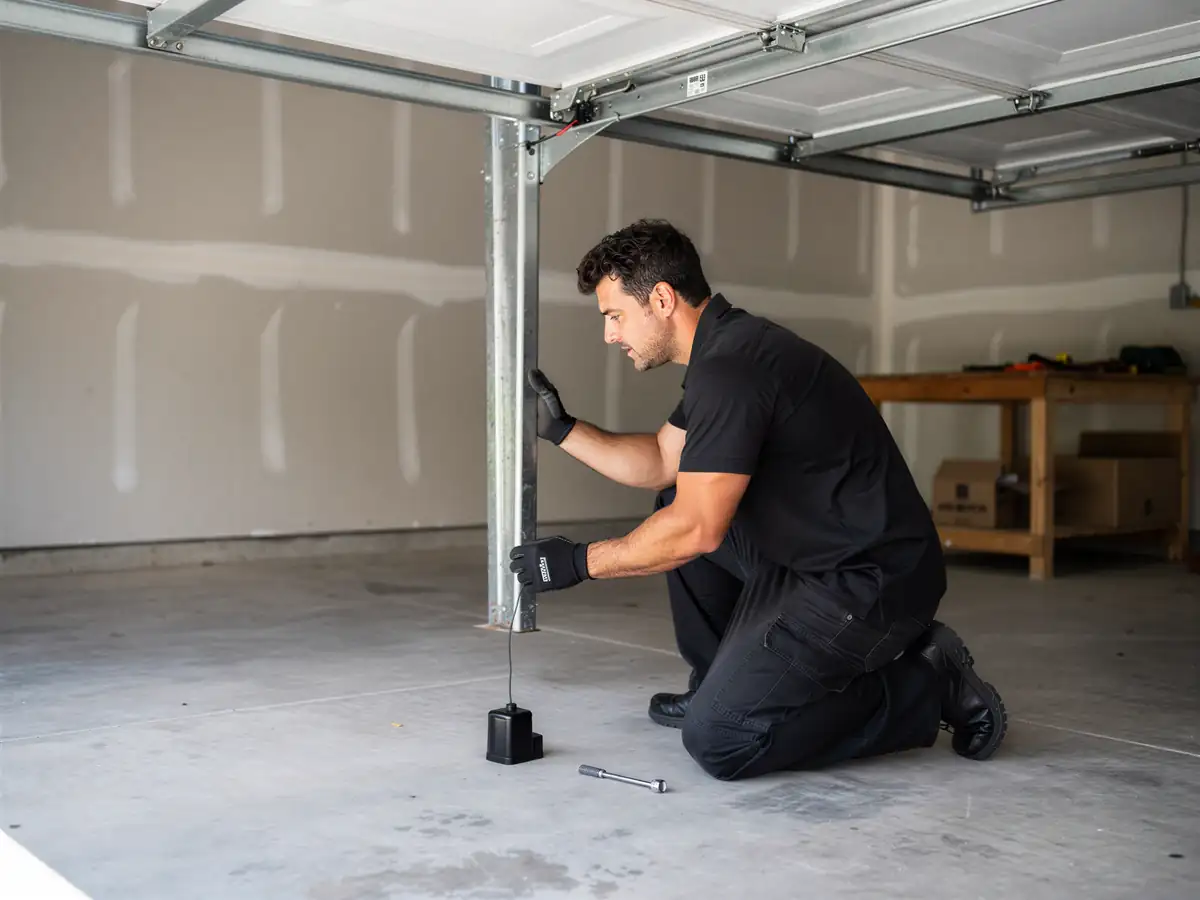
That means the DIY list is shorter than you'd think. Wipe the tracks, check the photo-eye lenses for dust or spiderwebs (a blocked eye is the single most common "my door won't close" call we get), and listen for new grinding or popping when the door cycles. What you should not do is touch spring tension on a torsion system. A 2003-era door is still heavy enough that a slipped winding bar puts someone in the hospital, and that risk doesn't shrink because the house is newer. Lubricate rollers and hinges with a silicone-based product, not WD-40, which washes out factory grease and attracts grit. If the opener's logic board is throwing error codes, that's a call, not a project.
What Causes It Around Here
With 20,918 households in town and a median household income of $139,567
A lot of these garages are running the heavier insulated doors that came standard on newer-build subdivisions - more weight on the springs and more load on the opener motor than the thinner doors common on older housing stock. Add in a mild temperate climate, and you're not dealing with freeze-thaw cracking or sun-baked panel warping the way some regions do. The wear here is almost entirely mechanical: cycle count, not weather.
- 20,918 households
- $139,567 median household income
For context, the wider service area this company covers runs from houses built as early as 1938 through 2008
With a median year of 1972 and 263,171 households overall at a median income of $132,067. Brentwood sits well above both of those midpoints - younger doors, newer opener electronics, and springs that are only now starting to reach the end of a normal service life rather than having been replaced two or three times already. That's a different maintenance conversation than the one we have on an older street.
- 263,171 households
- $132,067 median household income
How to Book
We run out of Walnut Creek, about 18 miles from Brentwood, so there's no local branch or second truck parked closer to you - we're honest about that up front. Maintenance visits here get scheduled in blocks rather than offered as same-day drop-ins, since the drive is part of the job. Use the coverage page to confirm we service your part of town, then book through that request.
If you're not sure whether what you're hearing is a maintenance issue or something that needs a repair call, describe the noise or symptom when you book - a grinding roller and a dead opener board aren't the same visit, and knowing which one it is ahead of time means we bring the right parts.
How Long It Takes
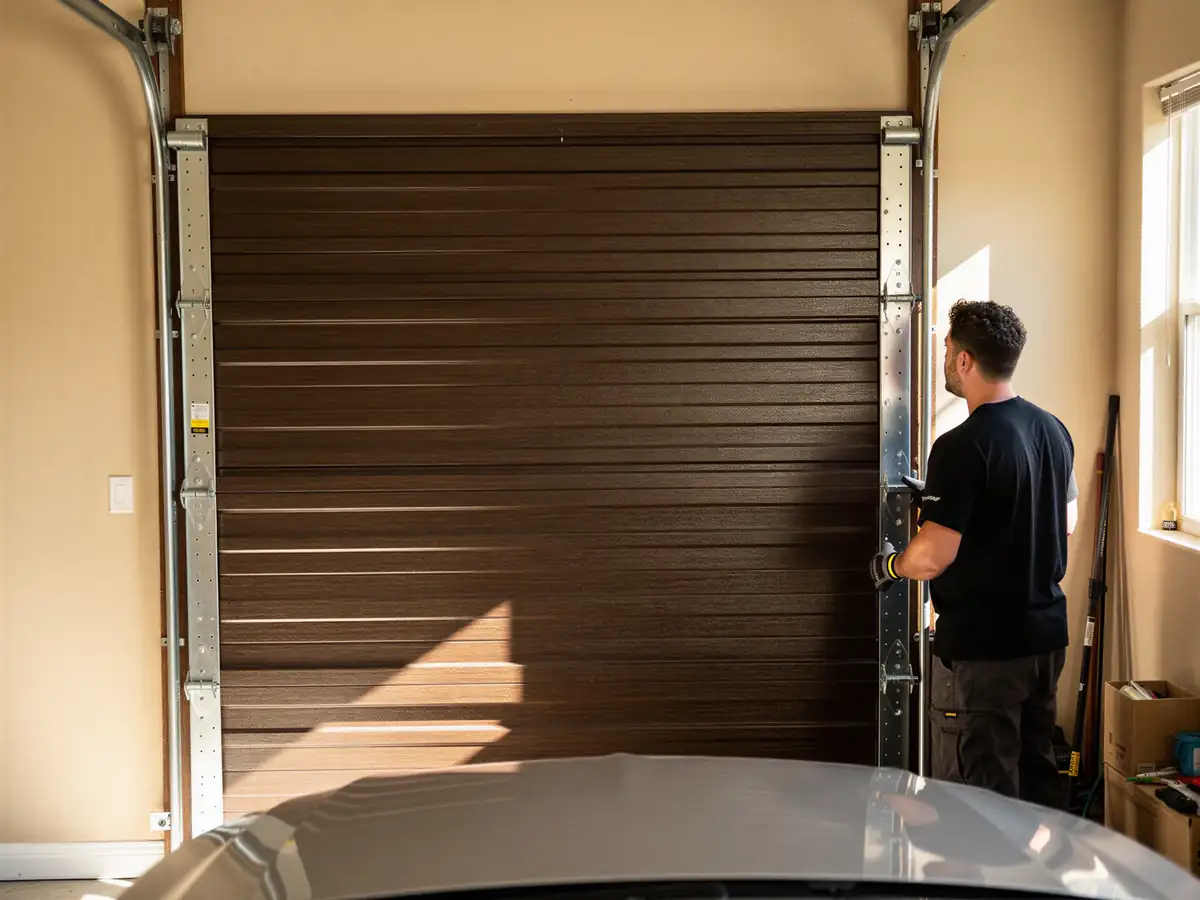
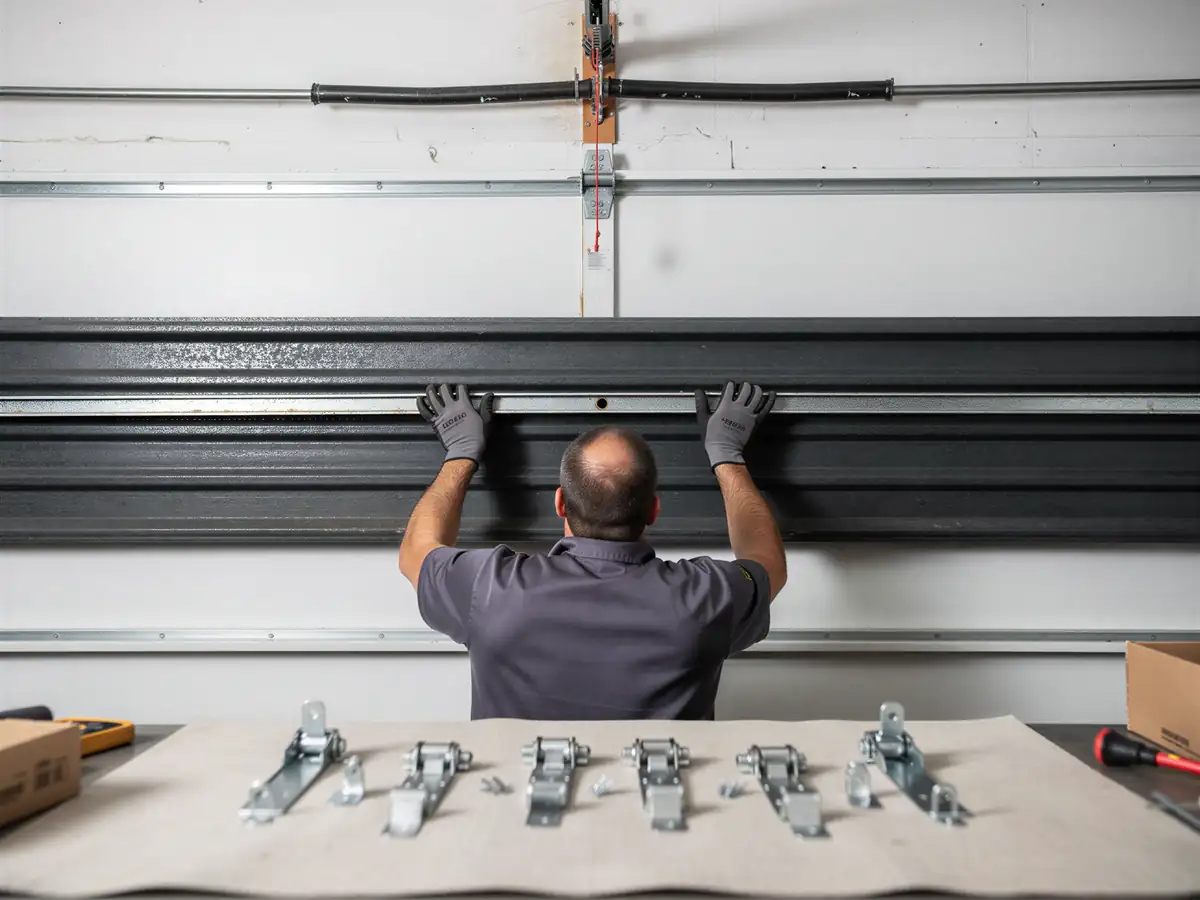
We don't post a fixed appointment length here because a tune-up on a 2003-era door with a working opener and clean photo-eyes is a different job than one where the springs are near end-of-life or the opener's logic board needs a look. What we can tell you is what the visit covers: track alignment, spring balance check, hardware tightening, lubrication, and a function test on the opener and sensors.
We won't quote a response time for how fast we can get to Brentwood on a given day - that's the honest limit of running from Walnut Creek rather than a shop in town. Scheduled maintenance gets booked like any other appointment; it's not a dispatch-on-demand service.
How We Fix It
On a maintenance call we start at the track and work outward
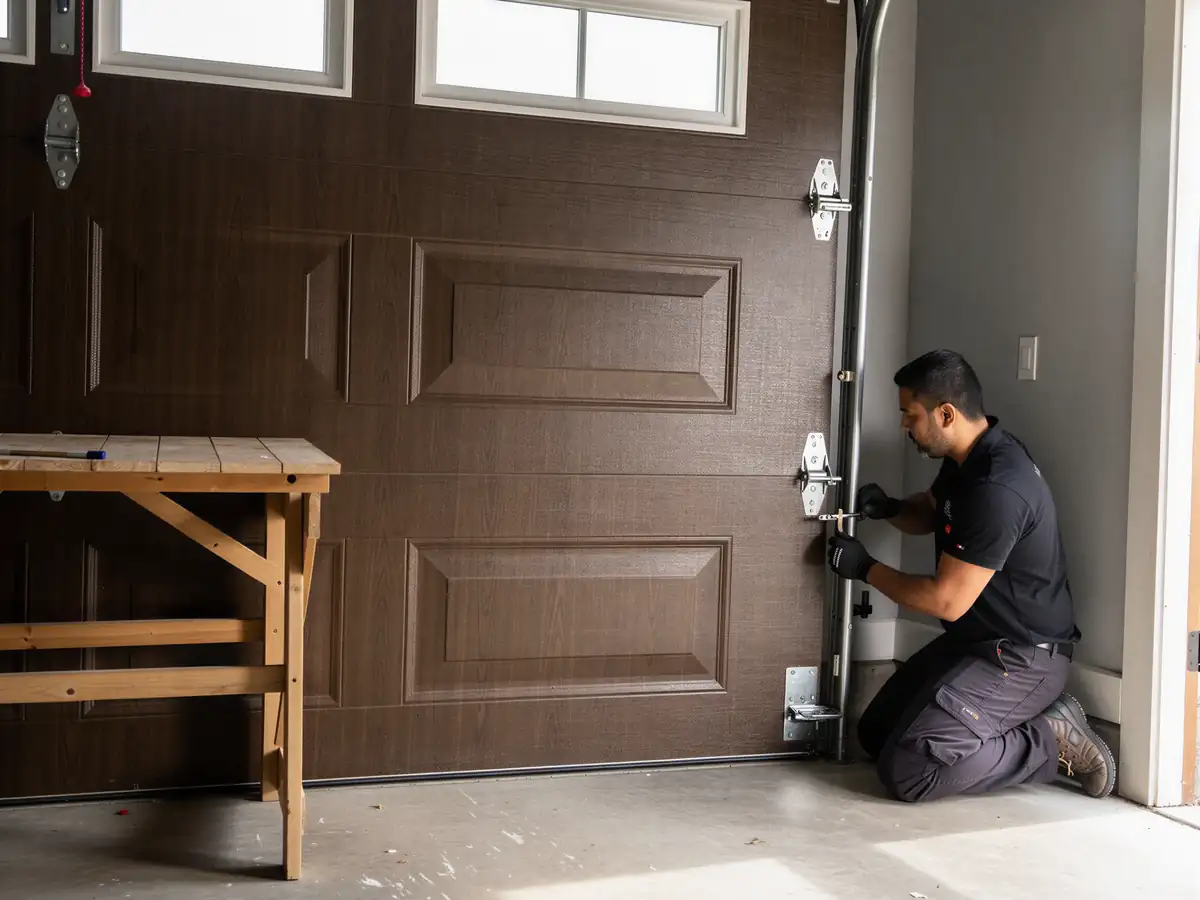
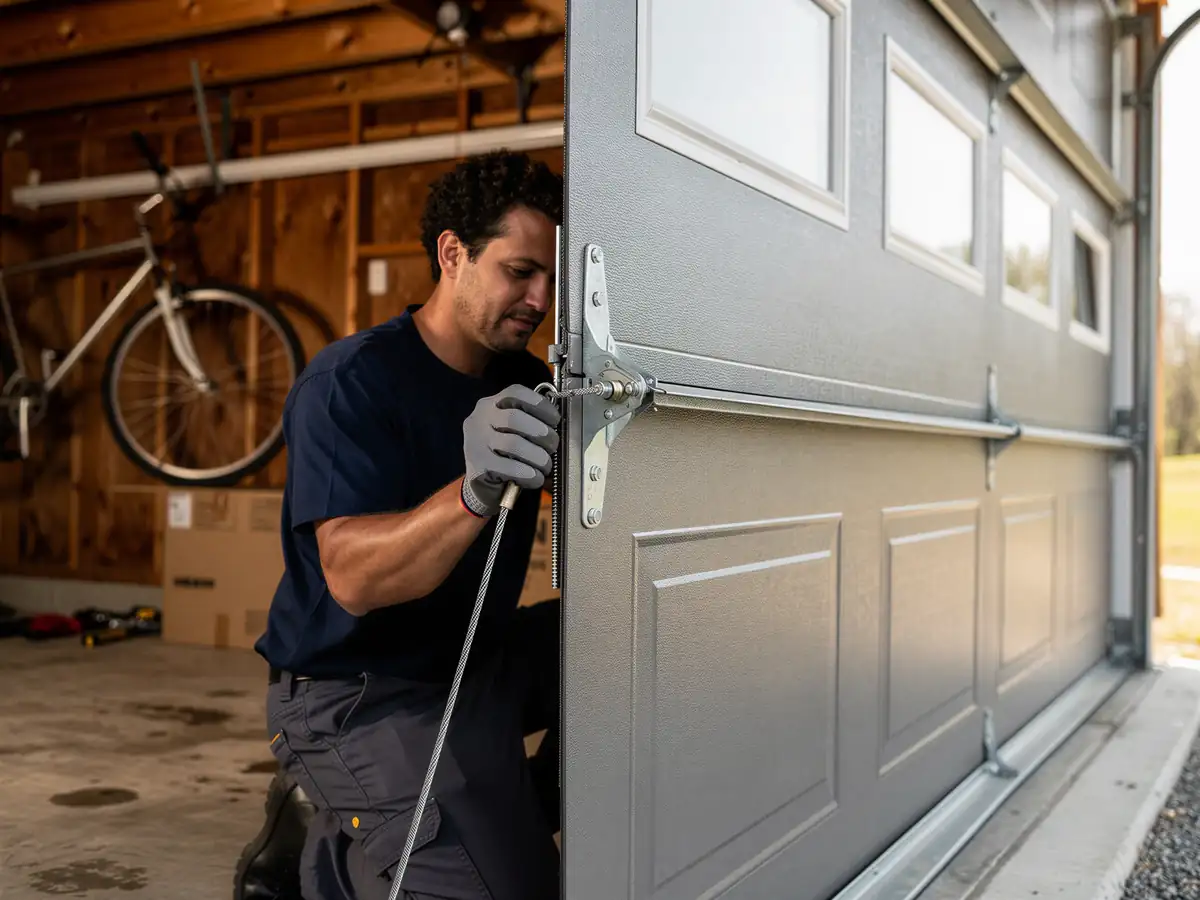
Check the rollers for wear and the track for alignment, since even a door only a couple decades old can drift off plumb if the slab or framing has settled. Torsion springs get a balance check - disconnect the opener, lift the door by hand, see where it holds. If it doesn't hold around halfway, the springs are losing tension even if they look fine.
Photo-eye sensors get wiped and realigned
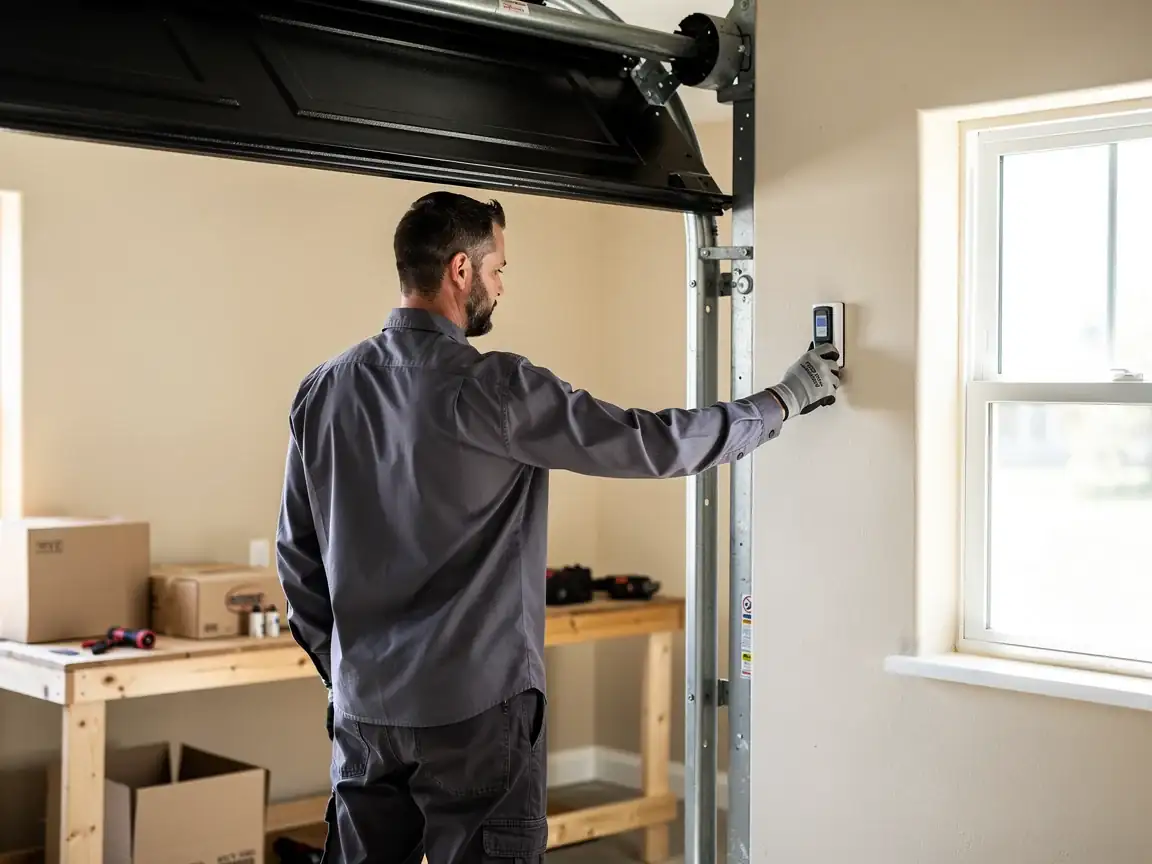
Since on 2003-and-newer doors these are the federally required safety reversal system and a dirty or misaligned eye is the most common reason a door refuses to close on these models. Hardware - hinges, end bearing plates, the opener's drive gear - gets lubricated and tightened. If we find a spring close to failing or an opener board throwing codes, that's a separate repair conversation, not something we patch into a maintenance visit.
What Can Go Wrong
The honest limitation: if a part on a newer opener fails - a logic board, a specific belt-drive assembly - lead time on that exact part isn't something we control, and we won't promise a turnaround we can't guarantee from 18 miles out. Sometimes the fix is simpler than the homeowner expects; sometimes a spring that's two years from failing gets replaced preventively because waiting means an emergency call later at a worse time.
We also won't talk anyone into replacing a door that just needs adjustment. If your 2003-built door's main issue is a misaligned track or a weak photo-eye connection, that's a maintenance fix, not a new-door sale. Replacement makes sense when springs are original and failing, the opener is end-of-life, or panel damage affects the door's balance - not before.