Doing It Yourself
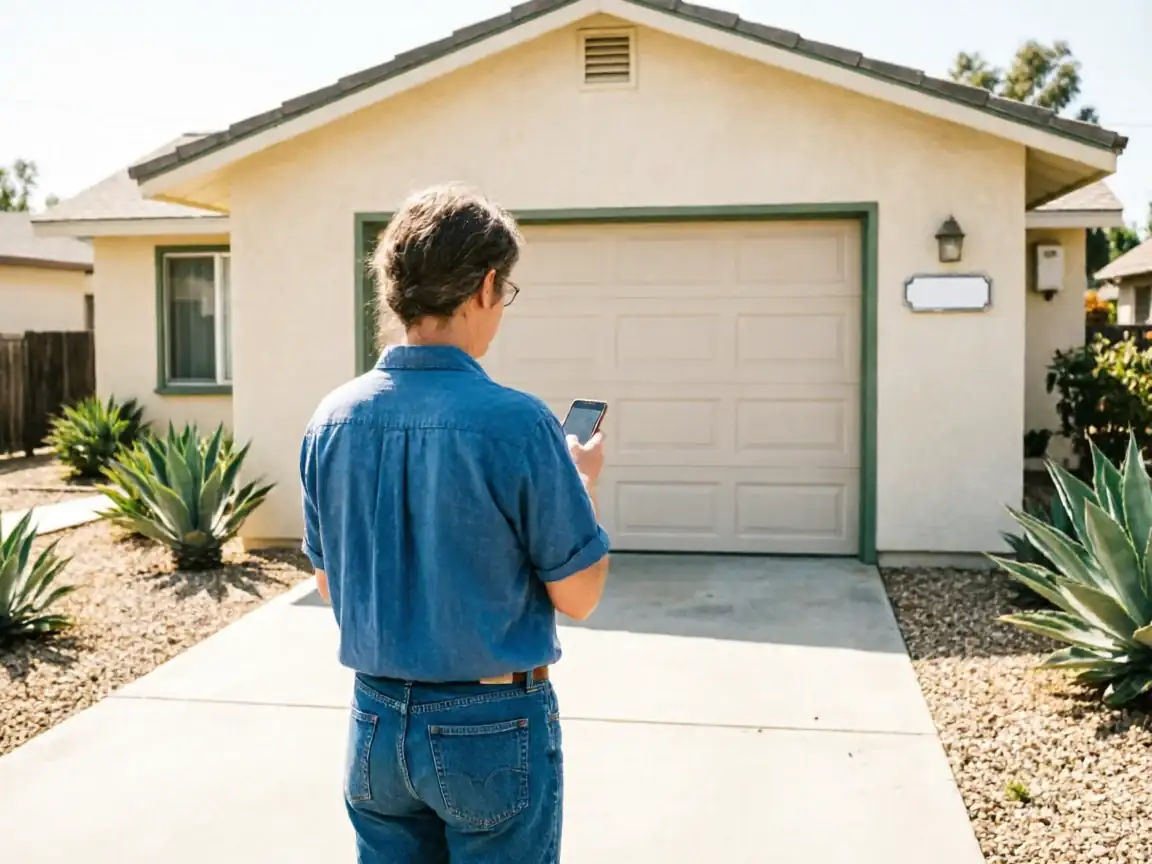
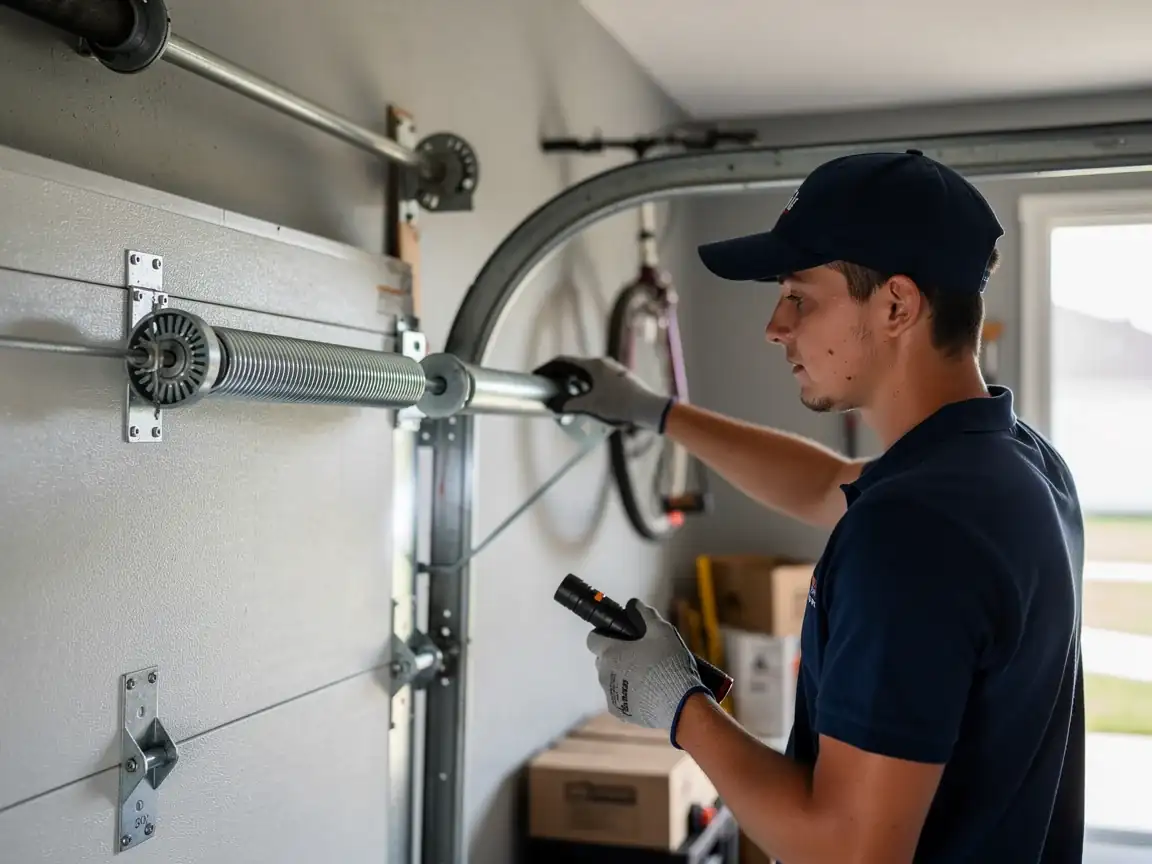
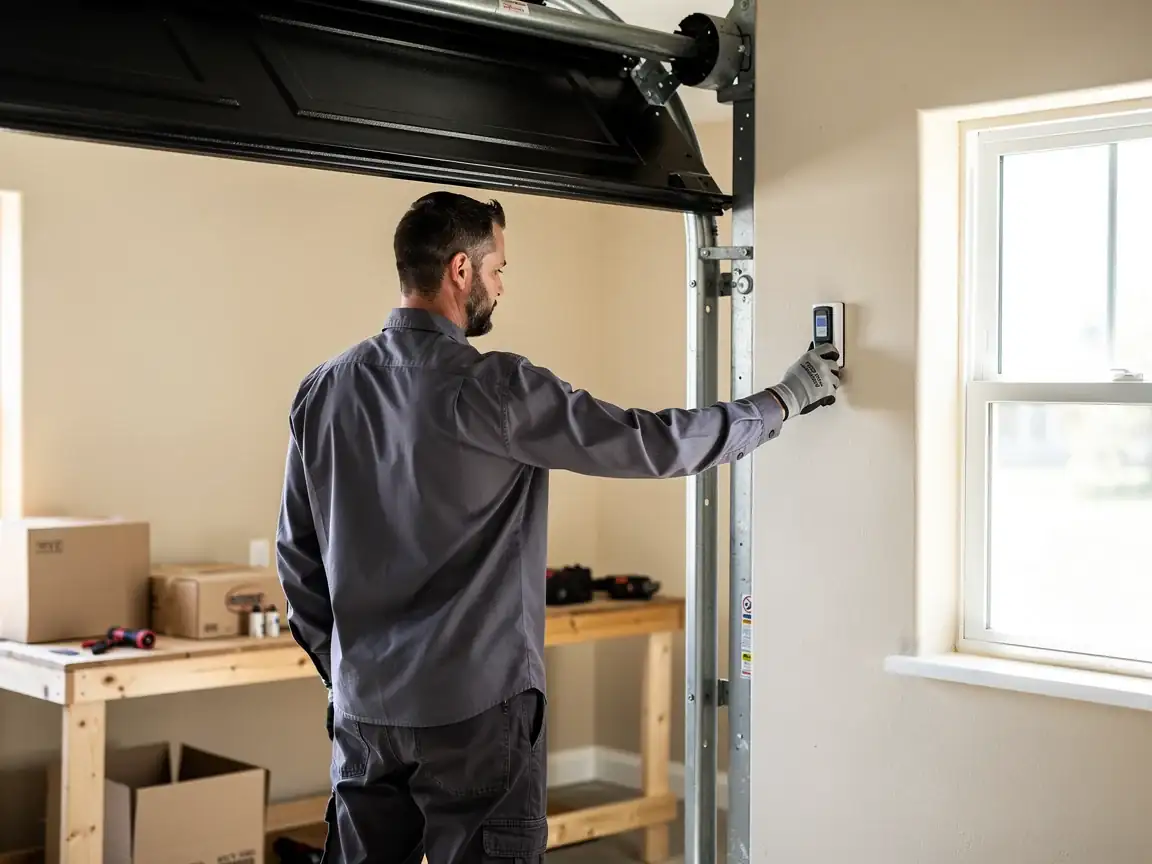
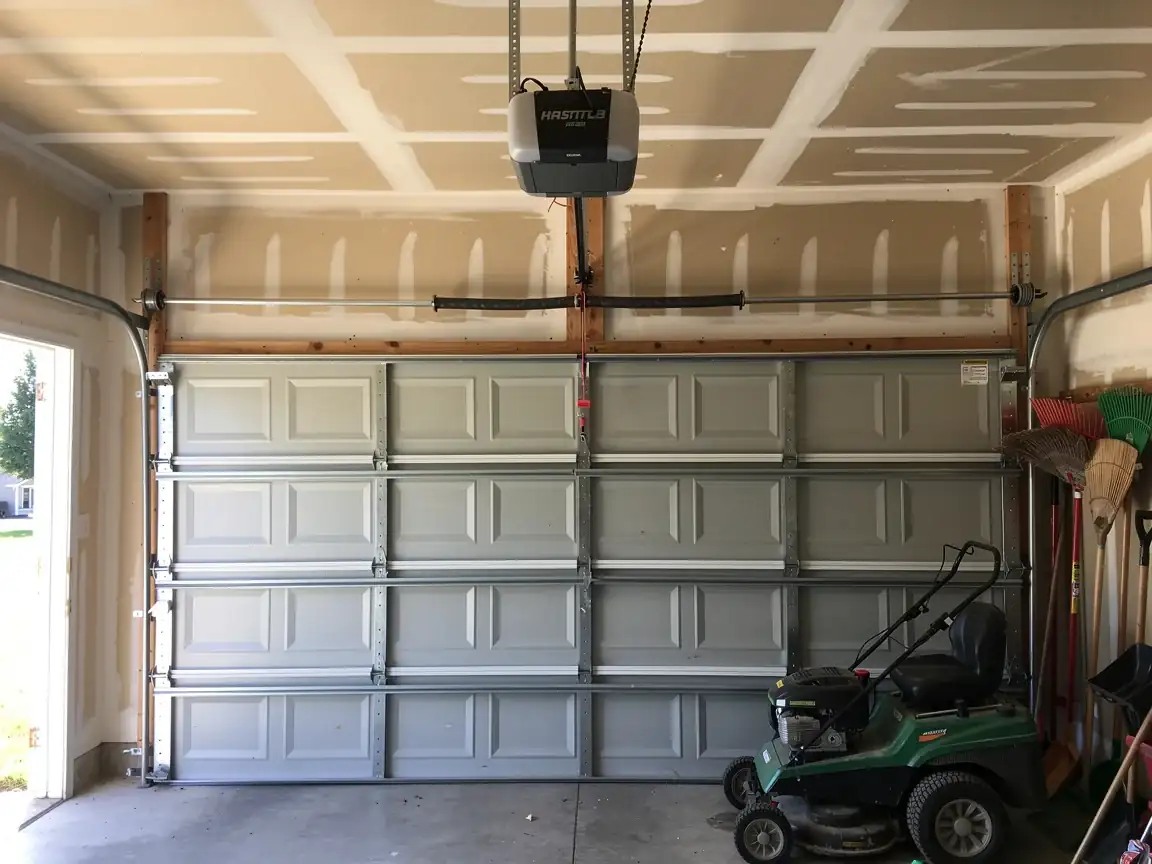
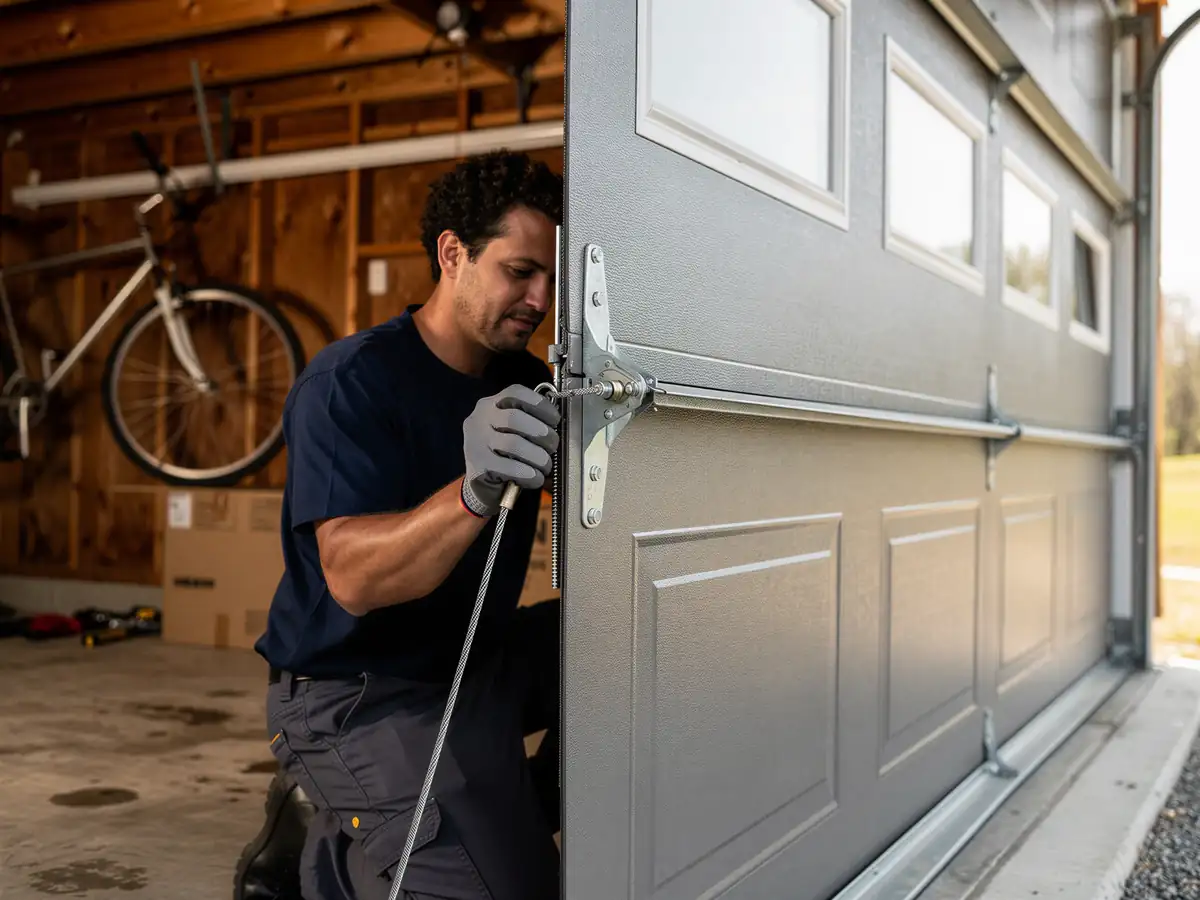
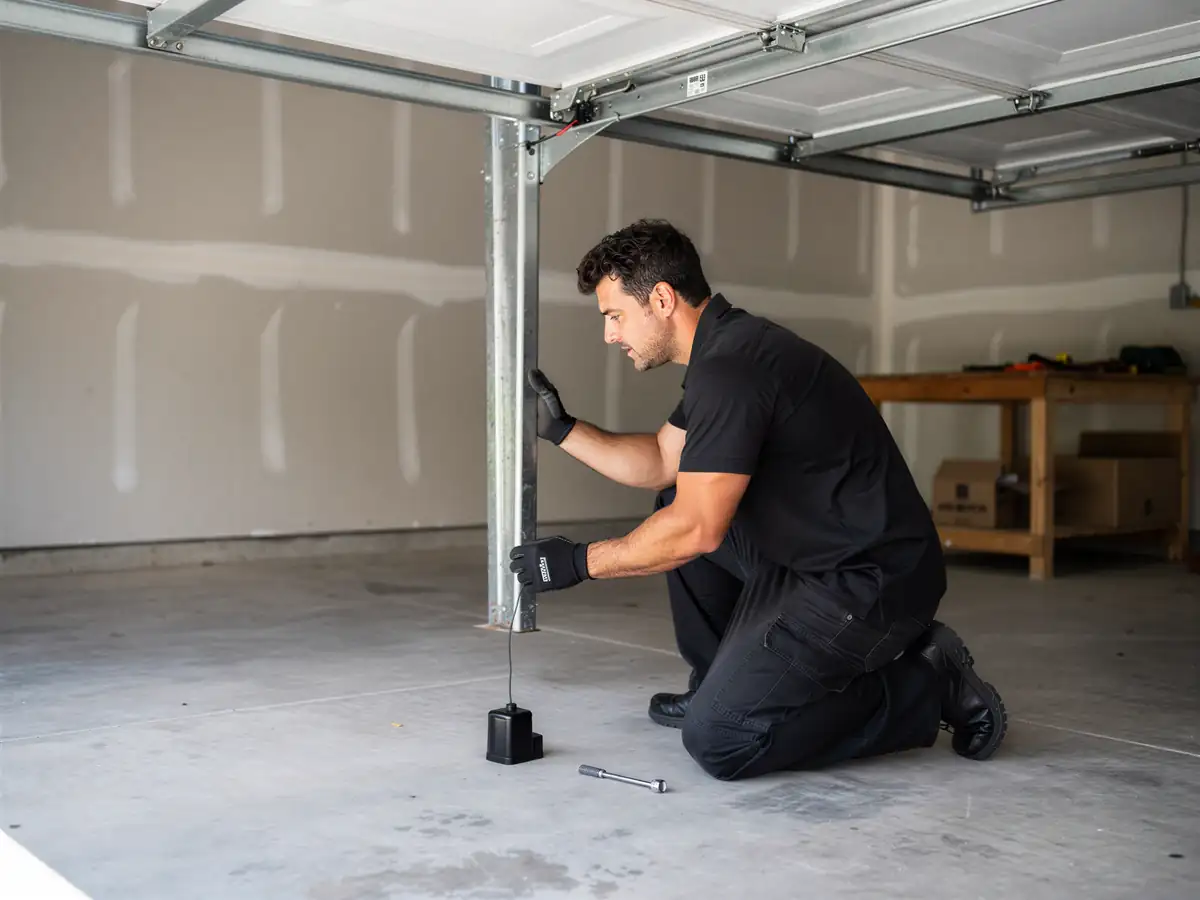
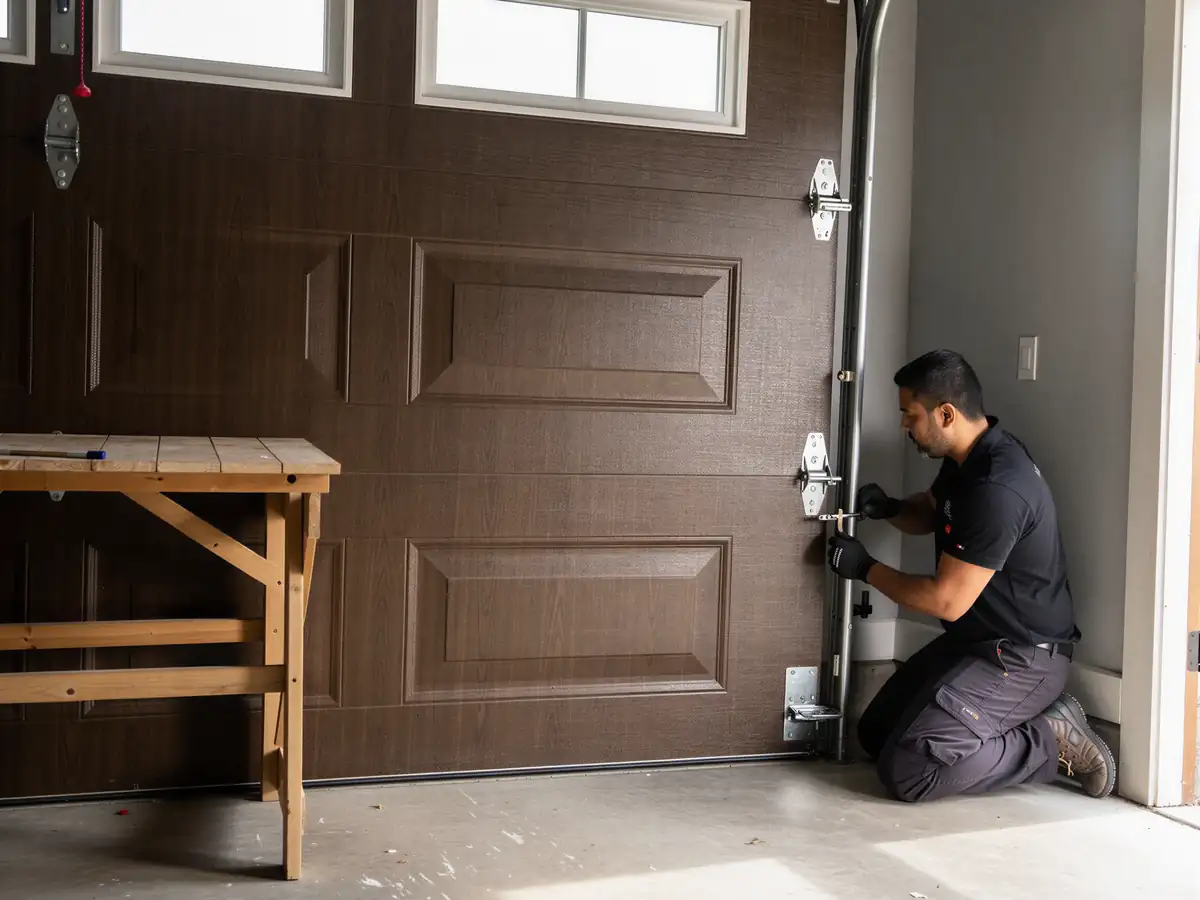
Brentwood's housing stock is younger than most of the towns we cover, with a median build year around 2003. That means the doors going up when these subdivisions filled in were steel sectional panels on torsion springs, run by openers with circuit boards and rolling-code remotes, not the older chain-drive units with simple dip-switch codes you'll find in 1960s and 70s neighborhoods closer to Walnut Creek.\n\nSome things a homeowner can handle: reprogramming a remote, replacing batteries in a wall console, clearing debris from a photo-eye sensor, tightening visible hardware with the door closed and unplugged. What you shouldn't touch is the torsion spring itself. A wound spring on a steel door this size stores enough force to break bones or worse, and winding bars aren't something we talk a homeowner through over the phone. If your spring has snapped, or the door won't stay up, that's a call for us, not a weekend project. We'd rather tell you that plainly than let you find out the hard way.
How to Book
We're based in Walnut Creek and drive out to Brentwood for repair calls, roughly 18 miles each way. There's no branch or drop-in counter here, so the fastest way to get on the schedule is through our coverage page for the area, which routes the job to the right truck. Have the opener brand and the door's rough age on hand if you know it - for most Brentwood homes that's somewhere in the early 2000s, which helps us bring the right opener board or spring size on the first trip instead of a second one.\n\nIf you're not sure whether what you're dealing with is a spring, an opener, or something in the track, that's fine. Describe what the door is doing - won't open, opens partway and reverses, makes a bang and then won't move - and we can usually narrow it down before anyone leaves the shop.\n\nFor anything beyond repair, our main Walnut Creek page covers installs and other services; this page is just about getting a broken door working again.
How Long It Takes
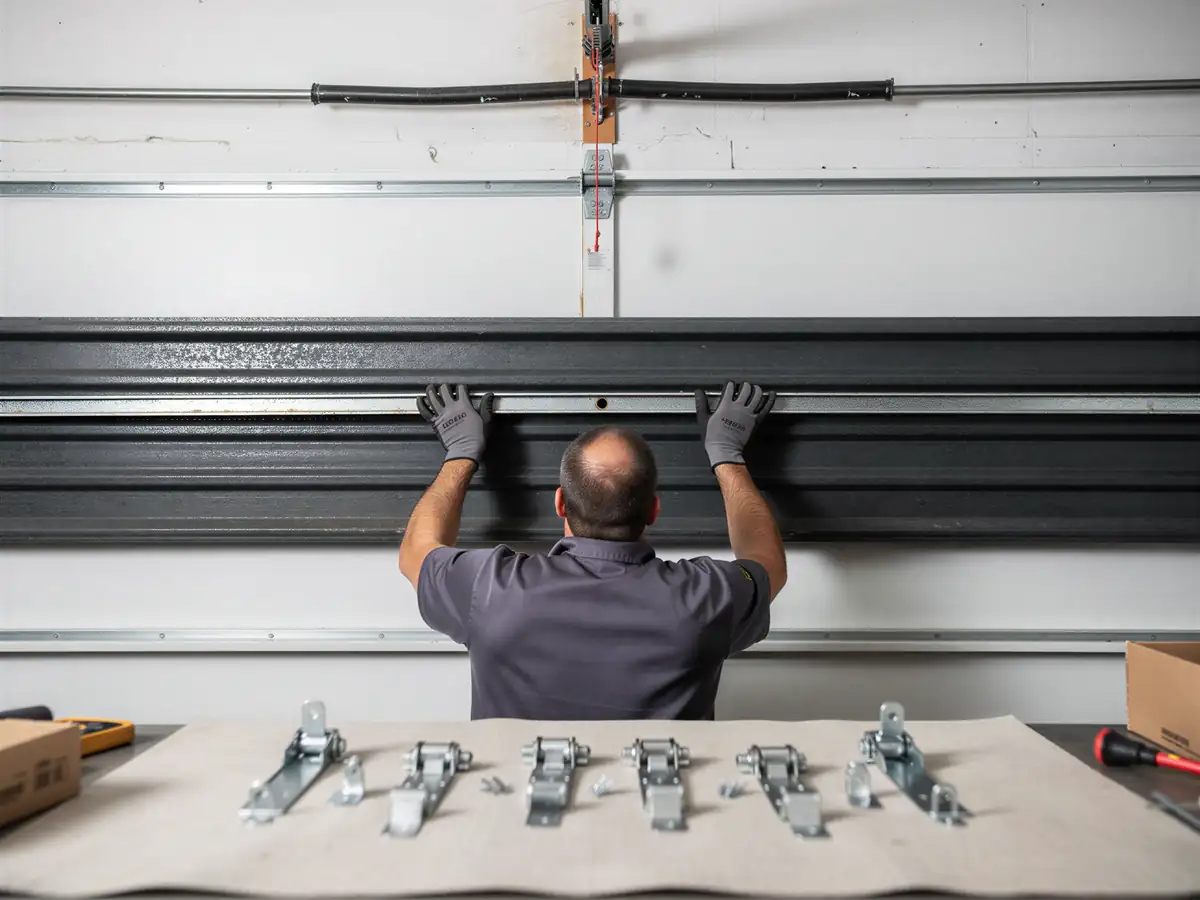
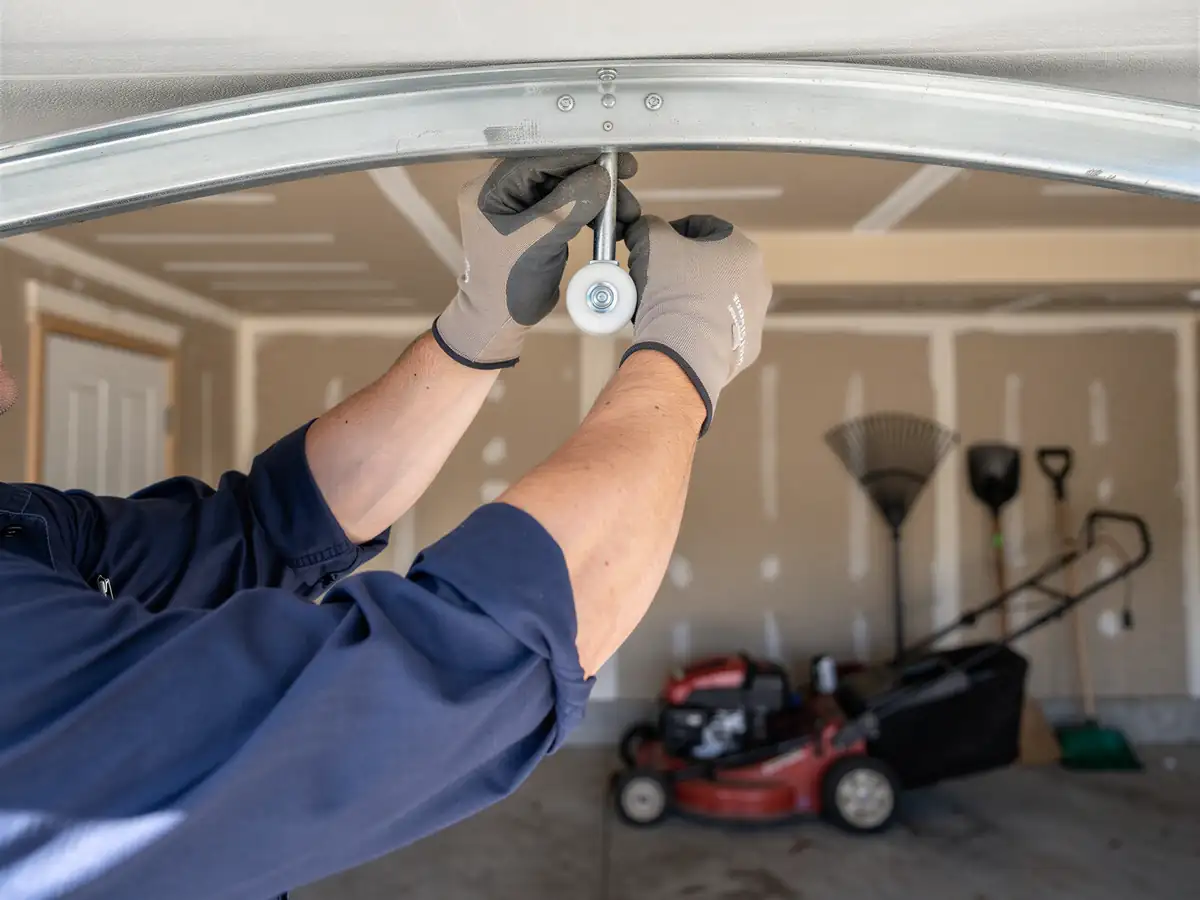
Because Brentwood is about 18 miles out, it's farther than most of the towns on our route, and that distance is part of scheduling the visit - we're straightforward about that rather than promising a window we can't back from the shop. Once a truck is on site, most single-repair jobs on a 2000s-era steel door - a broken spring, a failed opener board, a bent roller track - run inside of two hours. Jobs that involve replacing an entire opener or re-squaring a track that's pulled away from the frame take longer, closer to half a day with setup and testing.\n\nWe don't carry every opener board for every brand on the truck at all times, so if your unit uses an older or less common board, there's a chance of a short parts delay rather than a same-visit fix. We'll tell you up front if that's the case rather than guess and come back empty-handed.
What Can Go Wrong
The honest limitation here is parts availability on openers. A unit installed when a Brentwood house was built around 2003 is old enough that some circuit boards for that model are no longer in regular production, and we sometimes have to order a board rather than carry it on the truck. That can mean a second trip.\n\nOn the spring side, the risk runs the other way - a torsion spring that's fatigued but hasn't fully broken yet can seem fine during a quick test and then fail a few weeks later under normal use. We flag borderline springs when we see them rather than wait for the snap.\n\nThere's also a point where repair isn't the better call. If the opener motor, the board, and the springs are all near end of life at once, patching each separately usually costs more over a year than replacing the opener outright. We'll say so rather than keep billing small fixes on a door that's telling you it's done.